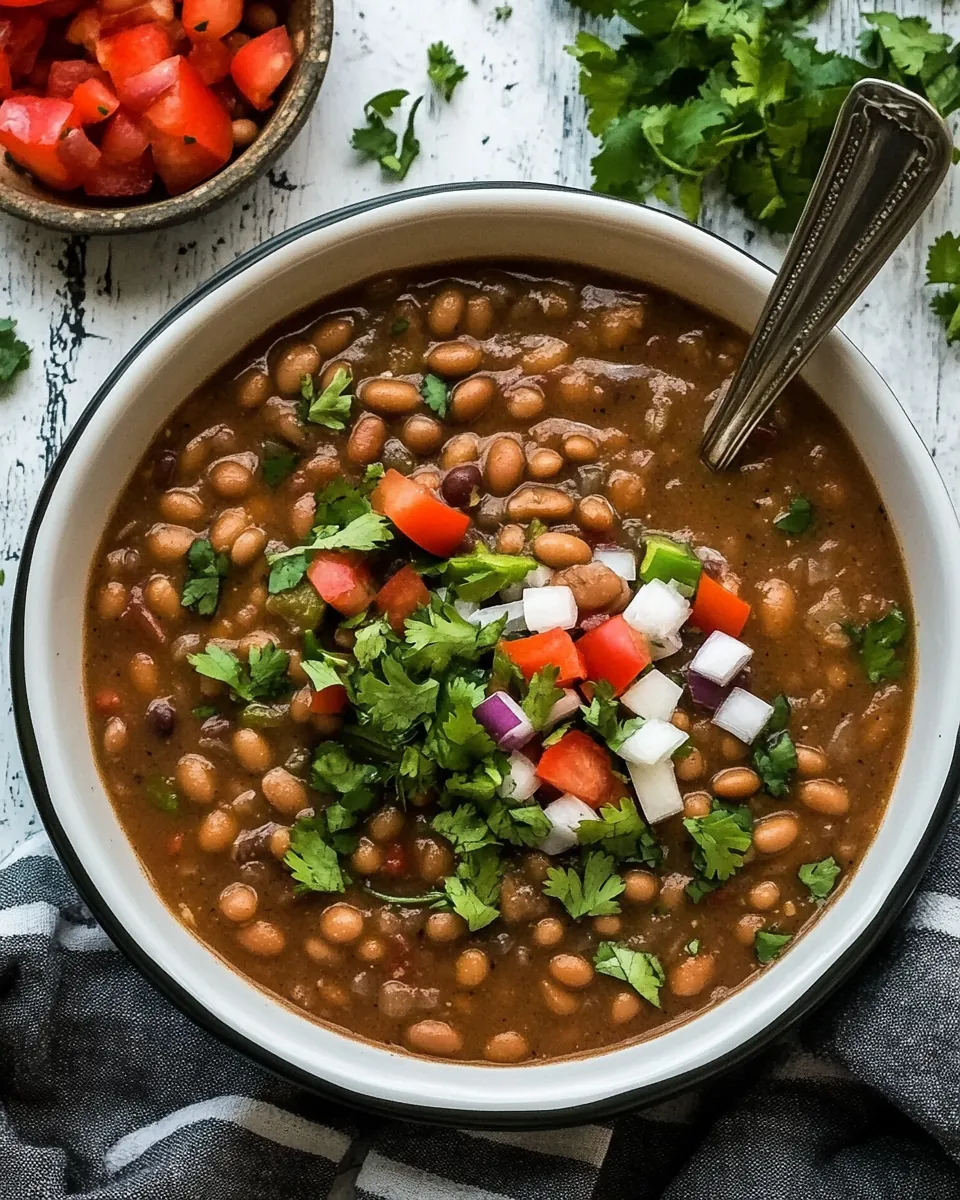
Crock Pot Pinto Beans
Crock Pot Pinto Beans have been a late winter staple in my kitchen for years, the kind of recipe I reach for when I want something comforting, humble, and endlessly flexible. I remember the first time I made them on a frigid evening, coming home to the soft, earthy aroma of beans and spices filling the house, and feeling instantly calmer. Over time I tuned the flavors and the method to match how my family actually eats, favoring a gently spiced, slightly soupy finish that soaks beautifully into rice.
That night taught me how forgiving this dish is, and how a slow cooker can turn a few simple pantry items into a week of lunches and easy dinners. I like to prep the aromatics quickly on the stove while the slow cooker warms up, because the brief sauté lifts the flavors and gives the beans a bright, savory backbone. There are also plenty of ways to finish them, whether you want a spoonable bowl over rice or a creamy mash for tacos and tostadas.
Recipe Snapshot
8 hr 10 mins
10 mins
480 mins
Hard
200 kcal
Mexican
Gluten-Free, Vegan
Dinner
Slow Cooker, Medium Nonstick Skillet, Colander, Potato Masher
Why You’ll Love This Crock Pot Pinto Beans
Hearty and Affordable
I love how Crock Pot Pinto Beans stretch a small grocery budget into many meals. A single pound of dry pinto beans yields multiple servings, and the beans themselves provide a rich, satisfying mouthfeel that feels like a proper main even when served modestly.
Hands Off, Big Reward
Using a slow cooker means I can set things up in the morning and come home to a pot of beans that have developed deep, layered flavors while I was away. The long, gentle heat helps the pinto beans soften evenly without much babysitting, which is perfect for busy weeknights or relaxed weekend afternoons.
Customizable Finish
I often switch between serving styles, leaving the cooking liquid for a soupy bowl over rice, or draining and mashing the beans for a smoother texture. That flexibility lets me tailor the final dish to the meal, whether I need a topping-heavy plate for company or a simple, portable side for lunches.
Flavor Comes from Simple Ingredients
The aromatics and spices in this recipe make a big difference. A quick sauté of onion, jalapeno, and garlic awakens their natural sweetness and heat, while the cumin and oregano bring the warm, savory notes that pair so well with beans. Those modest additions turn pantry beans into something that tastes intentional and comforting.
Meal Prep Friendly
Leftovers store and freeze exceptionally well, which is why I often double the batch. You can portion the beans into flat freezer bags for quick thawing, or refrigerate portions for reheating during the week. This recipe gives you both convenience and deliciousness.
Everything You Need for Crock Pot Pinto Beans
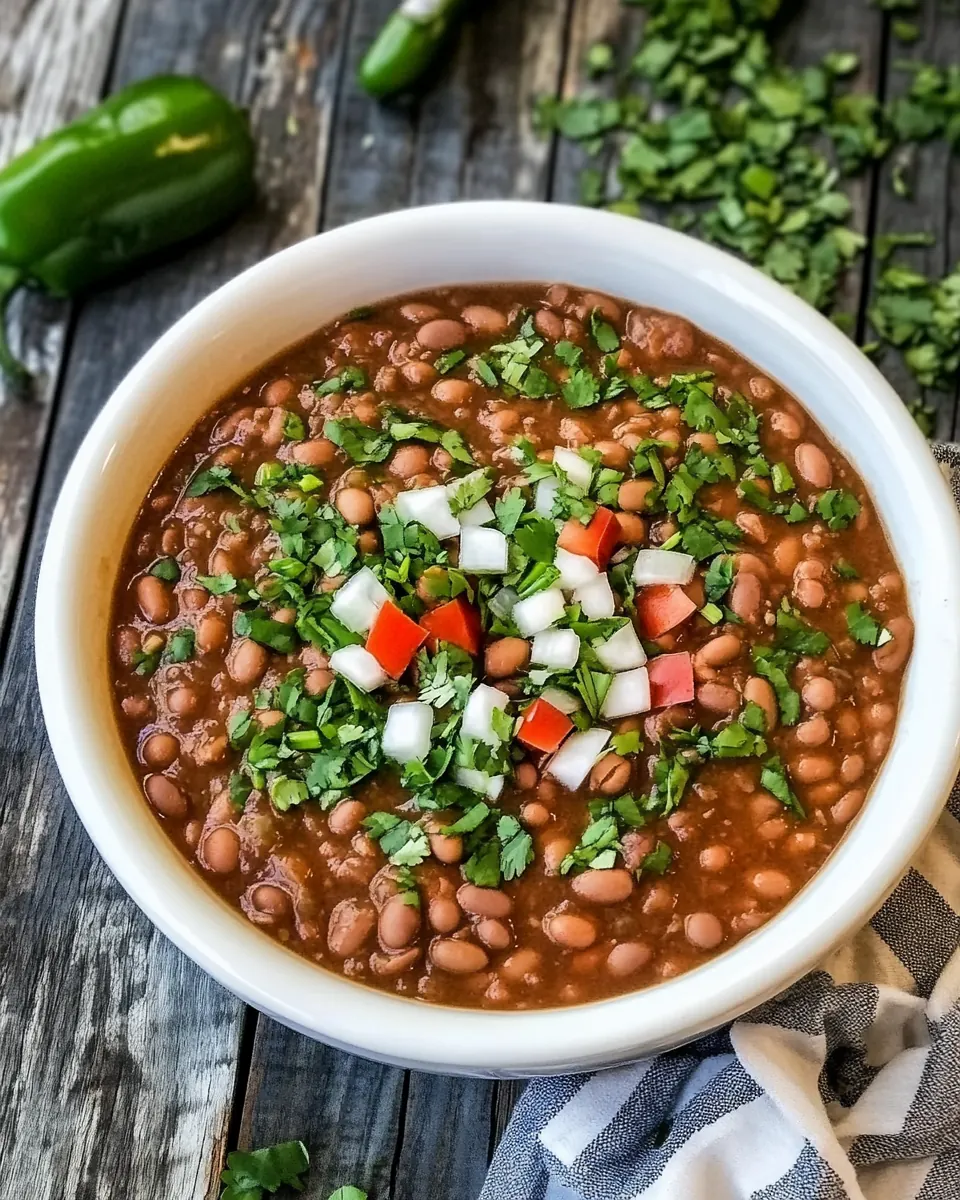
These ingredients are built around a few key players: the pinto beans form the base, while the sautéed onion, jalapeno, and garlic add aromatic depth. Broth gives body and savory richness, and the spices round everything out. Together, they create a comforting, layered pot of beans that can be finished many ways.
- 1 pound dry pinto beans 2 cups: Soak and provide a hearty base for the dish; dry pinto beans plump up during slow cooking to create creamy, tender beans with a rich, comforting texture. Preserve nutty, earthy flavors by rinsing and sorting before soaking or using the quick-cook method to shorten the crock pot time. Supply protein and fiber to make the recipe filling and nutritious while absorbing seasonings and broths for deeper taste.
- 2 teaspoons extra-virgin olive oil: Add and provide a subtle fruity richness; extra–virgin olive oil helps sauté aromatics and carries fat-soluble flavors into the beans. Brown onions or jalapeño briefly in the oil to develop sweetness and complexity before slow-cooking. Create a smooth mouthfeel in the finished beans and prevent sticking on the bottom of the crock pot.
- 1 small yellow onion chopped into 1/4-inch dice: Chop and contribute sweet, savory aromatics; small yellow onion diced into 1/4-inch pieces softens and melts down during long cooking to add body and depth. Release natural sugars and umami when sautéed or added directly to the slow cooker, balancing the spice from jalapeño and cayenne. Build a flavorful foundation that complements the beans and broth.
- 1 jalapeno cored, seeded, and finely chopped: Core and add spicy brightness; jalapeno cored, seeded, and finely chopped provides gentle heat and vegetal notes without overwhelming the dish. Adjust quantity or retain seeds for more heat, allowing the pepper to infuse flavor throughout the long cook. Pair with onions and garlic to create layered chili character.
- 1 1/2 teaspoons kosher salt divided: Season and enhance overall flavor; kosher salt divided allows for controlled seasoning at different stages so beans can absorb salt gradually. Add a portion at the start and adjust toward the end to prevent under- or over-salting as liquids reduce. Improve texture by helping beans hydrate evenly during cooking.
- 3 cloves garlic minced (about 1 tablespoon): Mince and impart pungent, aromatic depth; garlic minced (about 1 tablespoon) brightens and rounds savory flavors when added early to meld with the beans and broth. Soften and mellow during slow cooking while contributing a warm, fragrant backbone. Pair with cumin and oregano to emphasize southwestern profile.
- 2 bay leaves: Infuse and add subtle herbal complexity; bay leaves release lightly floral, slightly bitter notes that deepen the savory broth during long simmering. Remove leaves before serving to avoid tough texture while retaining their background aroma. Complement other herbs and spices without dominating the flavor.
- 1 teaspoon ground cumin: Season and contribute warm earthiness; ground cumin provides smoky, slightly bitter warmth that is characteristic of many bean-based dishes. Sprinkle early so the spice can bloom in the oil and distribute through the cooking liquid. Tie together the savory, chili, and onion elements for cohesive flavor.
- 1 teaspoon dried oregano: Flavor and add herbal, slightly minty notes; dried oregano supplies Mediterranean-derived aromatics that pair well with cumin and garlic in slow-cooked beans. Crumble between fingers before adding to release essential oils and integrate into the broth. Support the overall savory profile with a bright, aromatic counterpoint.
- 1/8 to 1/4 teaspoon cayenne pepper (optional): Spice and provide optional heat; cayenne pepper (1/8 to 1/4 teaspoon) adds concentrated heat and a sharp finish that can be adjusted to taste. Use sparingly to avoid overpowering the beans, increasing gradually for a spicier final dish. Enhance complexity without altering the core flavors when included.
- 3 cups water: Hydrate and form part of the cooking liquid; water adds necessary moisture to allow beans to rehydrate and simmer until tender. Combine with broth to control saltiness and richness while ensuring beans are fully covered and able to cook evenly. Use measured amounts to achieve the desired final consistency.
- 4 cups low-sodium chicken broth or vegetable broth: Enrich and build savory depth; low-sodium chicken broth or vegetable broth provides a flavorful cooking medium that infuses the beans with umami and body. Use low-sodium versions to better control the dish's salt level while contributing collagenous mouthfeel or vegetal richness depending on choice. Combine with water to balance intensity and ensure the beans absorb layered flavors.
- For serving: queso fresco or shredded Monterey jack cheese diced tomatoes, diced red onion, chopped fresh cilantro, avocado () (optional): Garnish and provide finishing contrasts; queso fresco or shredded Monterey jack cheese, diced tomatoes, diced red onion, chopped fresh cilantro, avocado (optional) add creamy, tangy, fresh, and bright textures that elevate the slow-cooked beans. Scatter in portions on each serving to introduce temperature, textural contrast, and visual appeal. Allow diners to customize toppings for added richness and acidity.
The Process for Making Crock Pot Pinto Beans
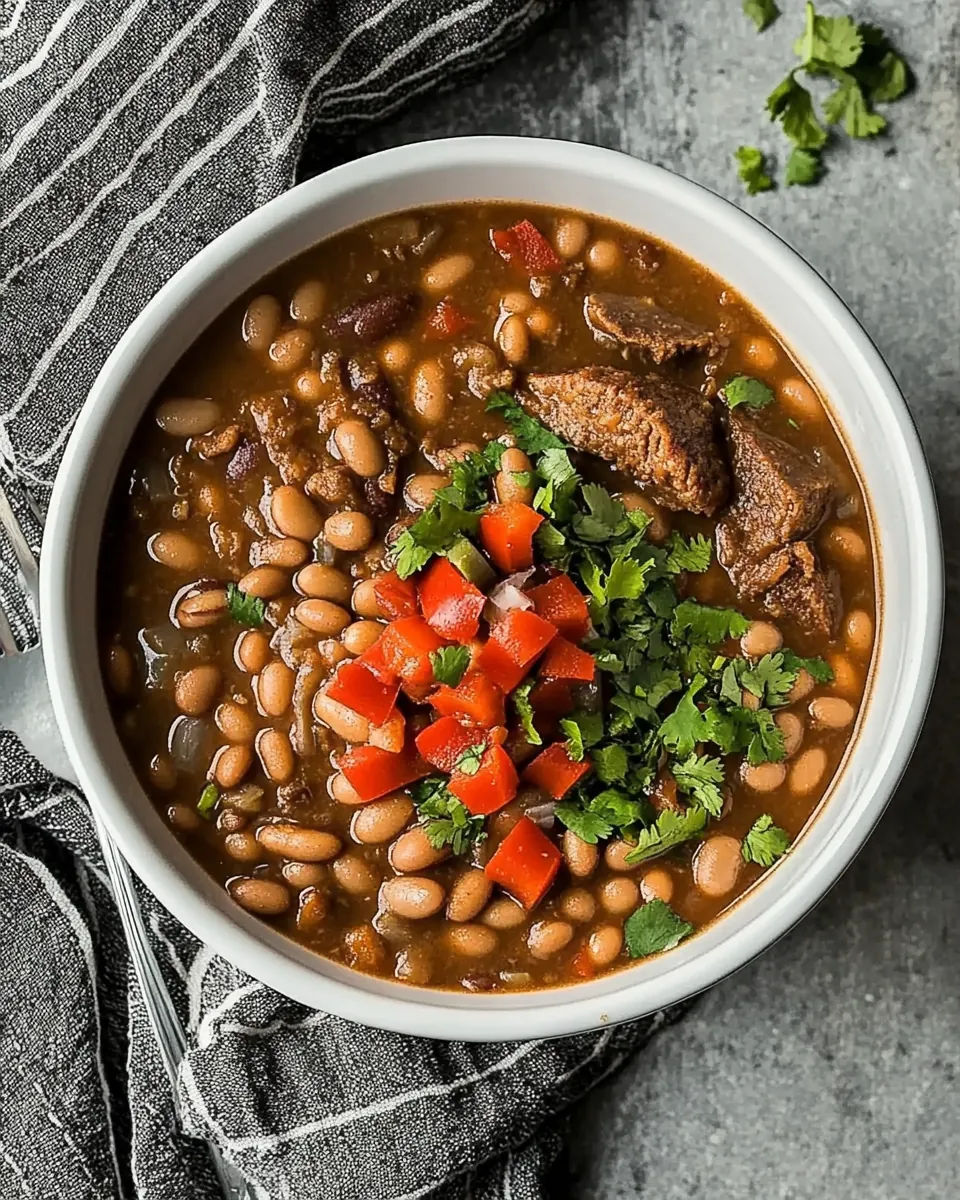
These directions guide you from rinsing the beans to serving them with your favorite toppings. I like to think of each step as coaxing layers of flavor out of simple ingredients, with small techniques that make a big difference in the final bowl.
- Place the pinto beans in a large colander. Thoroughly rinse them. Pick the beans over, removing any damaged or clearly misshapen beans and discarding them. Transfer the rinsed beans to a 6-quart or larger slow cooker.: The first sensory cue is the clean, slightly dusty smell of rinsed pinto beans , and you'll notice the varied shapes and colors as you pick them over. This step matters because stray stones or shriveled beans can create unpleasant textures later, and rinsing removes any loose dust that would cloud the cooking liquid. If you skip picking them over, you might end up with a bitter bite or an unexpected hard bean, so take your time. A common mistake is not using a pot large enough, which can cause boiling over or uneven cooking as the beans swell.
- Heat the oil in a medium nonstick skillet over medium-high heat. Once the oil is hot, add the onion, jalapeno, and 1/2 teaspoon salt. Sauté for 2 minutes, then add the garlic and let cook just until fragrant, about 30 seconds.: You will hear a gentle sizzle as the diced onion and jalapeno hit the hot extra–virgin olive oil , and the kitchen will fill with a bright, savory aroma. The quick sauté softens the vegetables and releases their sugars, which deepens the overall flavor without needing a long caramelization. Adding the garlic at the end prevents it from burning, preserving its floral scent. One thing to avoid is over browning the aromatics, which can introduce bitterness and muddy the final taste.
- Transfer to the slow cooker. Add the sautéed vegetables, bay leaves, cumin, oregano, cayenne, and remaining teaspoon salt. Pour the broth and water over the top.: As you add the warm mixture to the pot, you should smell the layered spices melding with the softened aromatics. The bay leaves and dried herbs begin to infuse the liquid immediately, and the combination of broth and water sets the stage for a balanced, savory base. This technique ensures the flavor penetrates the beans rather than just coating them. Avoid adding too much salt now, because the flavors will concentrate as the beans simmer and you can always adjust at the end.
- Cover and cook on HIGH for 8 to 10 hours, until the beans are tender. All slow cookers are different and can heat things differently, so if yours tends to run hot, check it earlier on. Depending upon your model, there may be some liquid still in the slow cooker. Discard the bay leaves.: Over the long, quiet cook time you will notice the kitchen becoming filled with a warm, stewy aroma, the beans softening to a tender, creamy texture. The slow cooker provides gentle, even heat that breaks down the pinto beans without splitting them dramatically. A common error is assuming all slow cookers behave the same, so check for tenderness earlier if your device runs hot. If the beans are done but the liquid is too thin for your preference, you can gently mash some to thicken the pot.
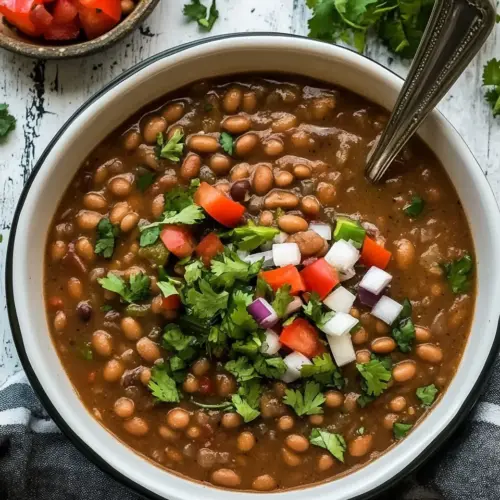
- FOR REGULAR PINTO BEANS (not refried): Drain the liquid if you like, or leave the liquid in the crock pot and serve the beans with it (I like them a bit soupy over rice), or use a slotted spoon for serving and drain the beans at the end prior to storing. Taste and adjust seasoning as desired.: Drain the liquid if you like, or leave the liquid in the crock pot and serve the beans with it (I like them a bit soupy over rice), or use a slotted spoon for serving and drain the beans at the end prior to storing. Taste and adjust seasoning as desired. : The sensory decision here is about texture, whether you want a spoonable, broth kissed bowl or a more concentrated bean portion. Leaving the cooking liquid adds silkiness and carries the seasonings, while draining gives a firmer bite and concentrates the beans. Tasting and adjusting the seasoning at this point is crucial because the salt level can change as the liquid reduces. A typical mistake is skipping the tasting, which can leave the dish under seasoned after chilling.
- FOR REFRIED BEANS: Reserve 1 cup of the cooking liquid, drain the beans, and return them to the slow cooker (if you don't have that much liquid in your slow cooker, you can use regular water instead). With a potato masher or pastry cutter, mash the beans until they reach your desired consistency, adding some of the reserved liquid as needed. (You can also scoop the beans into a blender in batches and puree them that way—be sure to let the beans cool somewhat first so that they do not splatter). Taste and adjust seasoning as desired.: Reserve 1 cup of the cooking liquid, drain the beans, and return them to the slow cooker (if you don't have that much liquid in your slow cooker, you can use regular water instead). With a potato masher or pastry cutter, mash the beans until they reach your desired consistency, adding some of the reserved liquid as needed. (You can also scoop the beans into a blender in batches and puree them that way—be sure to let the beans cool somewhat first so that they do not splatter). : When you mash the pinto beans , you'll feel the texture transition from whole to creamy, and the aroma intensifies as the surface area increases. Reserving liquid lets you control the final viscosity so the beans remain smooth without becoming gluey. Using a blender gives a silkier finish, while a masher yields a more rustic mouthfeel. Be careful when pureeing hot beans in a blender, as trapped steam can cause splattering; cool them slightly and vent the lid.
- Sprinkle with any desired toppings, serve, and enjoy!: The final tasting moment reveals how the flavors have rounded out; you might want a touch more kosher salt or a pinch of cayenne pepper for lift. Adding toppings such as queso fresco or avocado introduces temperature and texture contrast that brightens each bite. A frequent oversight is serving without tasting after cooking, which can result in flat seasoning or missed opportunity to balance acid, salt, or heat.
Substitutions and Tips
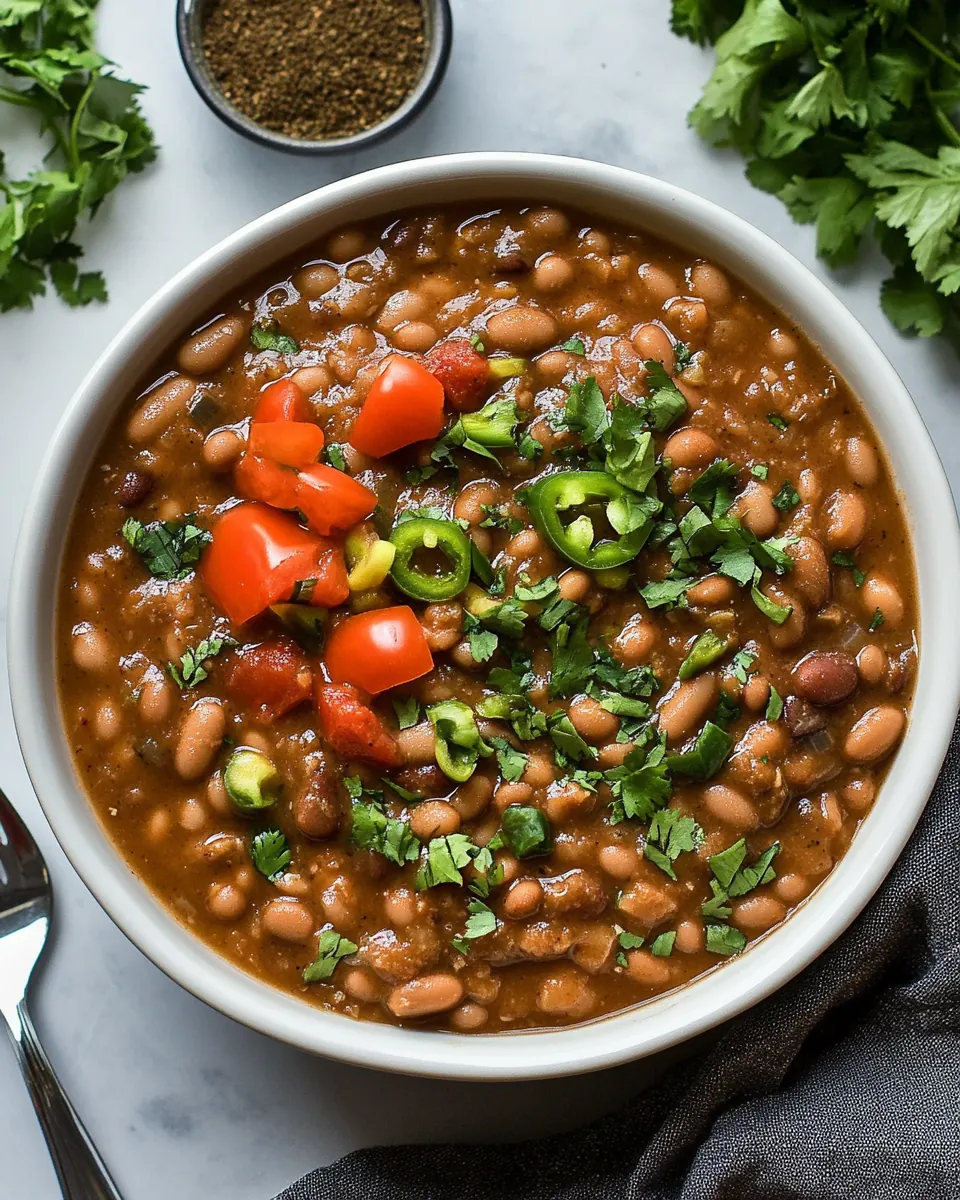
I like to offer practical tips that keep you on track while making Crock Pot Pinto Beans. Below are tested notes and expansions on the recipe’s built in suggestions, turned into actionable guidance for both new cooks and busy home chefs.
- Refrigeration tip: Refrigerate leftover beans or freeze for up to 3 months. Cooling them completely before storing prevents condensation and ice crystals, which preserves texture.
- Freezer portioning: For easy portions let the beans cool COMPLETELY, then portion into ziptop freezer bags labeled with the date. Removing air and freezing flat makes the bags easy to stack and speeds thawing.
- Thawing and reheating: Thaw overnight in the refrigerator, then reheat gently on the stove with a splash of water or broth to loosen the texture if needed. Stir frequently to prevent sticking and to restore a silky consistency.
- Mashing technique: When making refried beans, reserve 1 cup of cooking liquid and add it slowly as you mash to control the final thickness. This avoids over thinning and helps keep the mash smooth.
- Serving variations: If serving over rice, leave a bit of cooking liquid in the pot for a saucier finish. If using for tacos, drain more thoroughly so the beans hold up in tortillas without making them soggy.
Best Served With
Crock Pot Pinto Beans are versatile at the table, pairing beautifully with simple grains, crisp salads, or as part of a larger spread. Below I describe occasions, side pairings, and storage ideas to help you plan meals around this recipe.
- Rice bowls: Serve warm beans spooned over a bed of hot rice for a comforting weeknight dinner. The liquid from the beans soaks into the rice, creating a hearty, filling plate ideal for winter evenings.
- Taco filling: Mash the beans for a creamy, spreadable filling for tacos and tostadas. Top with shredded Monterey jack cheese and diced red onion for texture contrast and extra flavor.
- Meal prep lunches: Portion beans into containers with cooked grains and fresh toppings like diced tomatoes and cilantro. They reheat well and make balanced, portable lunches for busy weeks.
- Weekend gatherings: Place the slow cooker on a buffet with bowls of toppings such as crumbled queso fresco, chopped cilantro, and sliced avocado. Guests can customize bowls, making this an easy, crowd friendly option.
- Storage tips: Refrigerate cooled beans for up to four days, or freeze flat in labeled bags for up to three months. When reheating from frozen, thaw overnight and add a splash of broth if needed to regain a saucy texture.
- Seasonal pairings: In winter, pair the beans with warm, spiced sides and roasted vegetables for a cozy meal. They also work well year round as part of lighter summer spreads when topped with fresh tomatoes and cilantro.
FAQ
Conclusion
Crock Pot Pinto Beans shine because they turn simple pantry staples into a warm, satisfying meal with minimal effort. The slow cook method teases out deep, layered flavors while remaining forgiving and flexible for many serving styles. I encourage you to try this recipe on a day when you can let the slow cooker do the work, and enjoy how little prep delivers so many delicious meals. Whether you serve them soupy over rice or mashed into refried comfort, these beans are reliable, adaptable, and perfect for stretching your time and budget.
Crock Pot Pinto Beans
Equipment
- Slow Cooker
- Medium Nonstick Skillet
- Colander
- Potato Masher
Ingredients
- 1 pound dry pinto beans 2 cups Soak and provide a hearty base for the dish; dry pinto beans plump up during slow cooking to create creamy, tender beans with a rich, comforting texture. Preserve nutty, earthy flavors by rinsing and sorting before soaking or using the quick-cook method to shorten the crock pot time. Supply protein and fiber to make the recipe filling and nutritious while absorbing seasonings and broths for deeper taste.
- 2 teaspoons extra-virgin olive oil Add and provide a subtle fruity richness; extra-virgin olive oil helps sauté aromatics and carries fat-soluble flavors into the beans. Brown onions or jalapeño briefly in the oil to develop sweetness and complexity before slow-cooking. Create a smooth mouthfeel in the finished beans and prevent sticking on the bottom of the crock pot.
- 1 small yellow onion chopped into 1/4-inch dice Chop and contribute sweet, savory aromatics; small yellow onion diced into 1/4-inch pieces softens and melts down during long cooking to add body and depth. Release natural sugars and umami when sautéed or added directly to the slow cooker, balancing the spice from jalapeño and cayenne. Build a flavorful foundation that complements the beans and broth.
- 1 jalapeno cored, seeded, and finely chopped Core and add spicy brightness; jalapeno cored, seeded, and finely chopped provides gentle heat and vegetal notes without overwhelming the dish. Adjust quantity or retain seeds for more heat, allowing the pepper to infuse flavor throughout the long cook. Pair with onions and garlic to create layered chili character.
- 1 1/2 teaspoons kosher salt divided Season and enhance overall flavor; kosher salt divided allows for controlled seasoning at different stages so beans can absorb salt gradually. Add a portion at the start and adjust toward the end to prevent under- or over-salting as liquids reduce. Improve texture by helping beans hydrate evenly during cooking.
- 3 cloves garlic minced (about 1 tablespoon) Mince and impart pungent, aromatic depth; garlic minced (about 1 tablespoon) brightens and rounds savory flavors when added early to meld with the beans and broth. Soften and mellow during slow cooking while contributing a warm, fragrant backbone. Pair with cumin and oregano to emphasize southwestern profile.
- 2 bay leaves Infuse and add subtle herbal complexity; bay leaves release lightly floral, slightly bitter notes that deepen the savory broth during long simmering. Remove leaves before serving to avoid tough texture while retaining their background aroma. Complement other herbs and spices without dominating the flavor.
- 1 teaspoon ground cumin Season and contribute warm earthiness; ground cumin provides smoky, slightly bitter warmth that is characteristic of many bean-based dishes. Sprinkle early so the spice can bloom in the oil and distribute through the cooking liquid. Tie together the savory, chili, and onion elements for cohesive flavor.
- 1 teaspoon dried oregano Flavor and add herbal, slightly minty notes; dried oregano supplies Mediterranean-derived aromatics that pair well with cumin and garlic in slow-cooked beans. Crumble between fingers before adding to release essential oils and integrate into the broth. Support the overall savory profile with a bright, aromatic counterpoint.
- 1/8 to 1/4 teaspoon cayenne pepper optional Spice and provide optional heat; cayenne pepper (1/8 to 1/4 teaspoon) adds concentrated heat and a sharp finish that can be adjusted to taste. Use sparingly to avoid overpowering the beans, increasing gradually for a spicier final dish. Enhance complexity without altering the core flavors when included.
- 3 cups water Hydrate and form part of the cooking liquid; water adds necessary moisture to allow beans to rehydrate and simmer until tender. Combine with broth to control saltiness and richness while ensuring beans are fully covered and able to cook evenly. Use measured amounts to achieve the desired final consistency.
- 4 cups low-sodium chicken broth or vegetable broth Enrich and build savory depth; low-sodium chicken broth or vegetable broth provides a flavorful cooking medium that infuses the beans with umami and body. Use low-sodium versions to better control the dish's salt level while contributing collagenous mouthfeel or vegetal richness depending on choice. Combine with water to balance intensity and ensure the beans absorb layered flavors.
- For serving: queso fresco or shredded Monterey jack cheese diced tomatoes, diced red onion, chopped fresh cilantro, avocado (optional) Garnish and provide finishing contrasts; queso fresco or shredded Monterey jack cheese, diced tomatoes, diced red onion, chopped fresh cilantro, avocado (optional) add creamy, tangy, fresh, and bright textures that elevate the slow-cooked beans. Scatter in portions on each serving to introduce temperature, textural contrast, and visual appeal. Allow diners to customize toppings for added richness and acidity.
Instructions
- Place the pinto beans in a large colander. Thoroughly rinse them. Pick the beans over, removing any damaged or clearly misshapen beans and discarding them. Transfer the rinsed beans to a 6-quart or larger slow cooker.: The first sensory cue is the clean, slightly dusty smell of rinsed pinto beans , and you'll notice the varied shapes and colors as you pick them over. This step matters because stray stones or shriveled beans can create unpleasant textures later, and rinsing removes any loose dust that would cloud the cooking liquid. If you skip picking them over, you might end up with a bitter bite or an unexpected hard bean, so take your time. A common mistake is not using a pot large enough, which can cause boiling over or uneven cooking as the beans swell.
- Heat the oil in a medium nonstick skillet over medium-high heat. Once the oil is hot, add the onion, jalapeno, and 1/2 teaspoon salt. Sauté for 2 minutes, then add the garlic and let cook just until fragrant, about 30 seconds.: You will hear a gentle sizzle as the diced onion and jalapeno hit the hot extra-virgin olive oil , and the kitchen will fill with a bright, savory aroma. The quick sauté softens the vegetables and releases their sugars, which deepens the overall flavor without needing a long caramelization. Adding the garlic at the end prevents it from burning, preserving its floral scent. One thing to avoid is over browning the aromatics, which can introduce bitterness and muddy the final taste.
- Transfer to the slow cooker. Add the sautéed vegetables, bay leaves, cumin, oregano, cayenne, and remaining teaspoon salt. Pour the broth and water over the top.: As you add the warm mixture to the pot, you should smell the layered spices melding with the softened aromatics. The bay leaves and dried herbs begin to infuse the liquid immediately, and the combination of broth and water sets the stage for a balanced, savory base. This technique ensures the flavor penetrates the beans rather than just coating them. Avoid adding too much salt now, because the flavors will concentrate as the beans simmer and you can always adjust at the end.
- Cover and cook on HIGH for 8 to 10 hours, until the beans are tender. All slow cookers are different and can heat things differently, so if yours tends to run hot, check it earlier on. Depending upon your model, there may be some liquid still in the slow cooker. Discard the bay leaves.: Over the long, quiet cook time you will notice the kitchen becoming filled with a warm, stewy aroma, the beans softening to a tender, creamy texture. The slow cooker provides gentle, even heat that breaks down the pinto beans without splitting them dramatically. A common error is assuming all slow cookers behave the same, so check for tenderness earlier if your device runs hot. If the beans are done but the liquid is too thin for your preference, you can gently mash some to thicken the pot.
- FOR REGULAR PINTO BEANS (not refried): Drain the liquid if you like, or leave the liquid in the crock pot and serve the beans with it (I like them a bit soupy over rice), or use a slotted spoon for serving and drain the beans at the end prior to storing. Taste and adjust seasoning as desired.: Drain the liquid if you like, or leave the liquid in the crock pot and serve the beans with it (I like them a bit soupy over rice), or use a slotted spoon for serving and drain the beans at the end prior to storing. Taste and adjust seasoning as desired. : The sensory decision here is about texture, whether you want a spoonable, broth kissed bowl or a more concentrated bean portion. Leaving the cooking liquid adds silkiness and carries the seasonings, while draining gives a firmer bite and concentrates the beans. Tasting and adjusting the seasoning at this point is crucial because the salt level can change as the liquid reduces. A typical mistake is skipping the tasting, which can leave the dish under seasoned after chilling.
- FOR REFRIED BEANS: Reserve 1 cup of the cooking liquid, drain the beans, and return them to the slow cooker (if you don't have that much liquid in your slow cooker, you can use regular water instead). With a potato masher or pastry cutter, mash the beans until they reach your desired consistency, adding some of the reserved liquid as needed. (You can also scoop the beans into a blender in batches and puree them that way—be sure to let the beans cool somewhat first so that they do not splatter). Taste and adjust seasoning as desired.: Reserve 1 cup of the cooking liquid, drain the beans, and return them to the slow cooker (if you don't have that much liquid in your slow cooker, you can use regular water instead). With a potato masher or pastry cutter, mash the beans until they reach your desired consistency, adding some of the reserved liquid as needed. (You can also scoop the beans into a blender in batches and puree them that way—be sure to let the beans cool somewhat first so that they do not splatter). : When you mash the pinto beans , you'll feel the texture transition from whole to creamy, and the aroma intensifies as the surface area increases. Reserving liquid lets you control the final viscosity so the beans remain smooth without becoming gluey. Using a blender gives a silkier finish, while a masher yields a more rustic mouthfeel. Be careful when pureeing hot beans in a blender, as trapped steam can cause splattering; cool them slightly and vent the lid.
- Sprinkle with any desired toppings, serve, and enjoy!: The final tasting moment reveals how the flavors have rounded out; you might want a touch more kosher salt or a pinch of cayenne pepper for lift. Adding toppings such as queso fresco or avocado introduces temperature and texture contrast that brightens each bite. A frequent oversight is serving without tasting after cooking, which can result in flat seasoning or missed opportunity to balance acid, salt, or heat.
Notes
- Refrigeration tip: Refrigerate leftover beans or freeze for up to 3 months. Cooling them completely before storing prevents condensation and ice crystals, which preserves texture.
- Freezer portioning: For easy portions let the beans cool COMPLETELY, then portion into ziptop freezer bags labeled with the date. Removing air and freezing flat makes the bags easy to stack and speeds thawing.
- Thawing and reheating: Thaw overnight in the refrigerator, then reheat gently on the stove with a splash of water or broth to loosen the texture if needed. Stir frequently to prevent sticking and to restore a silky consistency.
- Mashing technique: When making refried beans, reserve 1 cup of cooking liquid and add it slowly as you mash to control the final thickness. This avoids over thinning and helps keep the mash smooth.
- Serving variations: If serving over rice, leave a bit of cooking liquid in the pot for a saucier finish. If using for tacos, drain more thoroughly so the beans hold up in tortillas without making them soggy.
