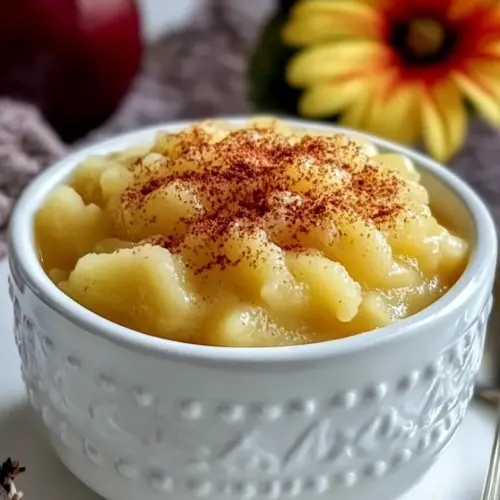
Compote de Pommes or French Applesauce
Compote de Pommes or French Applesauce is a simple, cozy fruit compote that turns everyday apples into a silky, fragrant spread. This easy to make, slightly sweet recipe works as a breakfast topper, snack, or light dessert, perfect for an easy weeknight treat. Its warm aroma and smooth or chunky texture make it worth making and sharing.
Equipment
- Medium Saucepan
- Knife
- Cutting Board
- Potato Masher
- Food mill
Ingredients
- 2 pounds (6 medium) apples, preferably red apples like Empire, Cortland or McIntosh Peel, core, and chop into uniform pieces to provide the sweet, tart base and body of the compote; choose red varieties for balance and a pleasant texture when cooked down.
- About 1/4 cup water Add sparingly to the pot to prevent sticking and help the apples soften evenly; use just enough to create gentle steam without diluting flavor.
- 1 tablespoon brown sugar Sprinkle in to deepen the caramelized, molasses-like notes and round out the apple sweetness; adjust slightly for personal preference but keep light to avoid overpowering.
- 1/4 cup sugar Dissolve into the cooking liquid to enhance overall sweetness and balance natural apple tartness; stir in gradually and taste as compote cooks.
- 1/2 teaspoon pure vanilla extract Stir in near the end to contribute aromatic warmth and a rounded, vanilla-scented finish that elevates the fruit flavors; use pure extract for a clean, true vanilla profile.
- 2 tablespoons butter, for thicker compote (optional) Optional: melt in to enrich texture and add a silky mouthfeel that yields a thicker, richer compote; incorporate while hot so it blends smoothly with the apples.
Instructions
- Peel and core the apples. Slice each into about 8 pieces. Place in a medium saucepan.: Steam rises as you work with the fruit, and you will notice the fresh, bright scent of cut apples . The slices should be even so they cook uniformly, which helps avoid some pieces turning to mush while others remain firm. A common mistake is leaving cores or seeds behind, which adds bitterness, so take a moment to remove them cleanly. The sound of the knife on the board is steady, and the bowl will start to look rounded and full as you add the slices. Good knives and a stable cutting board make this chore faster and safer. When the pieces are in the saucepan they should fit comfortably without crowding, giving them room to soften and release juices.
- Stir in 1/4 cup of water and brown sugar. Cook, stirring frequently over medium-low heat. Continue until the apples are soft enough to be crushed with the back of a spoon. If the pan looks too dry, add a little more water as you cook. This process will take about 15-20 minutes.: Right away you will see the sugars dissolve and the water begin to steam, coaxing the apples to soften. The mixture should bubble gently, not roar, so the sugars do not scorch. Stirring frequently prevents sticking and promotes even caramelization, which develops depth of flavor. The aroma evolves from sharp apple to warm, slightly caramel scented fruit. A typical error here is turning the heat too high, which causes burning at the bottom and an overly dark flavor, so keep it steady and patient. If the pan looks dry, add small splashes of water to maintain gentle simmering.
- If you want regular compote de pommes, remove the pan from the heat and run the compote through a food mill. If you prefer chunky applesauce, mash with a potato masher. If your applesauce is too runny, just cook for a few more minutes.: As the pieces collapse, the pot will begin to give off a sweet steam and the surface will show glossy juices. Pressing a slice with the back of a spoon should yield a soft, yielding texture. The timing can vary with apple type and slice thickness, so rely on touch and sight rather than the clock alone. One pitfall is stopping too early, which leaves undercooked, fibrous chunks. If you need a looser consistency, continue to cook a few extra minutes, tasting occasionally for balance. You will hear soft bubbling and see the color turn more concentrated as water reduces.
- Taste and add more sugar if needed. Mix in vanilla and butter. Cover with plastic wrap and chill.: Using a food mill yields a satin smooth texture that spreads and jars well, while mashing leaves pleasant pockets of apple to bite into. When you run the mixture through a mill you will notice a silky stream and an intensified aroma, which signals a smooth finish. With a masher the sound is more rustic, and the texture is visibly varied. A common mistake is over processing, which can make everything too uniform if you were hoping for rustic texture. If the compote seems thin, a few extra minutes on low heat thickens it naturally and concentrates flavor. Tasting here guides your final choices.
- Taste and add more sugar if needed. Mix in vanilla and butter. Cover with plastic wrap and chill.: The first spoonful will show you the final balance of sweet and tart, and you should adjust gently. When you stir in vanilla off heat it brightens the aroma, and the butter melts to add silkiness if you chose to include it. Covering with plastic wrap while still warm helps prevent a skin from forming, and chilling lets flavors meld and mellow. One mistake is adding too much sugar at once rather than tasting incrementally, which can lead to an overly sweet result. If you plan to store the compote, cool it quickly and refrigerate in airtight containers to preserve the best texture and flavor.
Notes
- Choose your apple mix: Use a combination of tart and sweet apples for the most nuanced flavor, for example pairing a tart McIntosh with a sweeter Cortland.
- Adjust sweetness at the end: Taste before adding more sugar, because the compote will taste less sweet when warm compared with chilled, so adjust gradually.
- Optional butter for richness: Stir in cold butter off heat for a silkier texture, but skip it if you prefer a lighter compote.
- Control texture with tools: Use a food mill for smooth compote or a potato masher for chunks, and avoid overworking if you want rustic pieces.
- Store properly: Cool completely then refrigerate in airtight jars for up to one week, or freeze in portions for longer storage.
- Bring out aroma: Stir in vanilla off heat to keep the flavor bright and avoid cooking the delicate aroma away.