Peruvian Chicken Soup
Peruvian Chicken Soup landed in my kitchen the way most beloved family recipes do, a little battered, full of memory, and impossible to ignore.
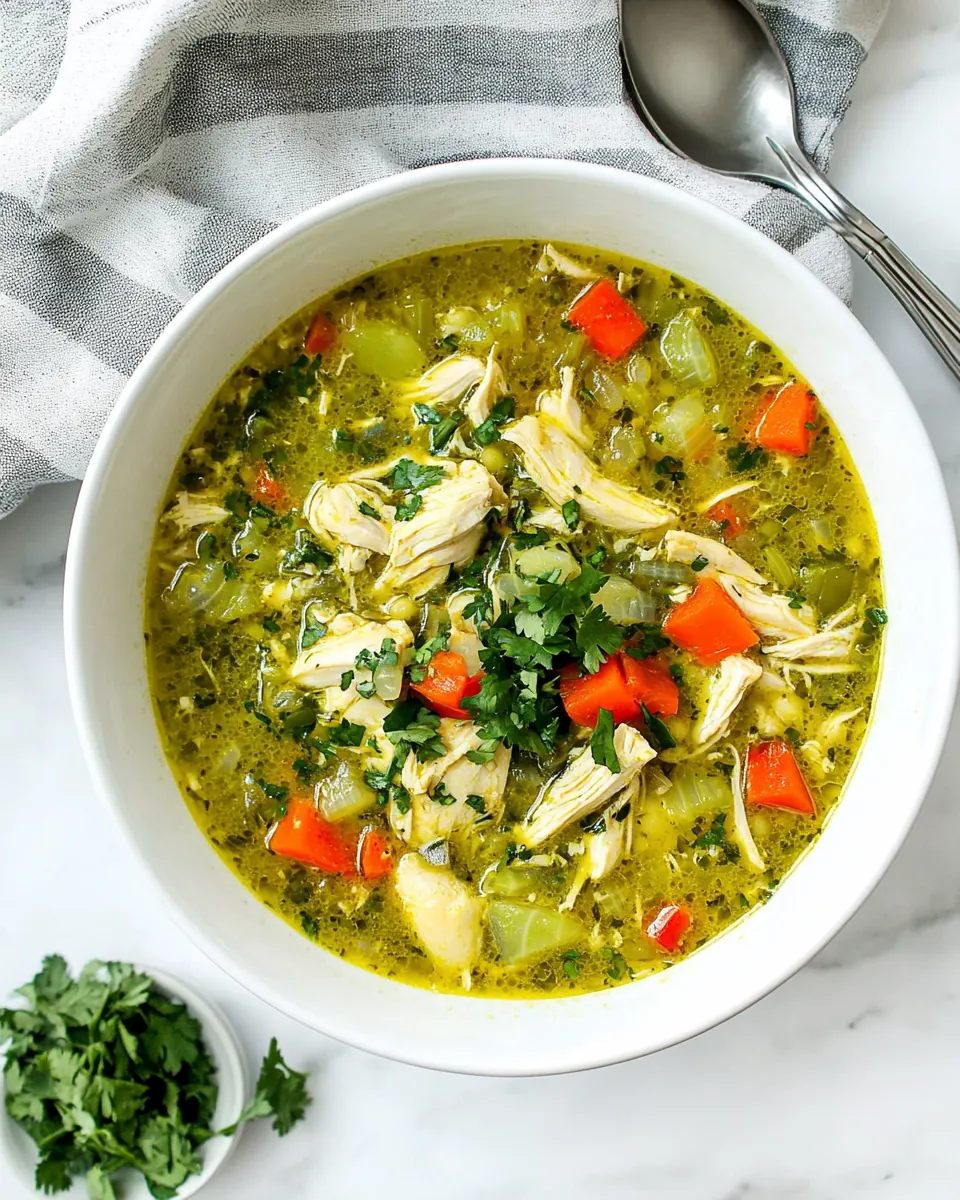
Years ago I first tasted this soup at a friend’s cozy dinner party, and it hugged me with warmth the moment the bowl reached the table. I remember the bright green swirl folded into the golden broth, the steam carrying the fresh scent of cilantro and the faint citrusy lift of lime. That night I tucked away notes on why it felt so grounding, and over time I tuned the balance of herbs, spice, and texture until the bowl at the end of a long day felt like a small celebration.
Cooking Peruvian Chicken Soup has become my go to when I want something that feels both restorative and special. I like that it is forgiving, so leftover chicken or a store bought rotisserie can move from fridge to pot and transform into dinner in under an hour. The rice and baby potatoes give the soup body, while the cilantro blend gives it a signature bright finish. Each time I make it I think of that friend, the kitchen chatter, and how food has a way of threading people together.
Recipe Snapshot
60 mins
15 mins
45 mins
Medium
350 kcal
Peruvian
Gluten-Free, Low FODMAP
Soups
Vitamix Blender, 5.5 Quart Pot
Why This Peruvian Chicken Soup Hits Different
Vibrant, herb forward flavor that surprises
I love how Peruvian Chicken Soup pairs a hearty base with an unexpectedly bright cilantro blend. The herb puree is not just a garnish, it lifts the whole bowl and gives a fresh, slightly tangy note that keeps every spoonful interesting.
Comforting and substantial, yet light
This soup feels homey because of the chicken, rice, and baby potatoes, but it never sits heavy. I appreciate that it warms you without weighing you down, making it ideal when you want comfort without the sluggish aftermath.
Fast weeknight magic
Using picked rotisserie chicken turns this into a speedy weeknight winner. I often have the core components on hand, so it becomes a reliable, easy weeknight dinner that still impresses guests.
Layered textures and aromas
The contrast between tender potatoes and slightly firm rice gives each spoonful interest, while the aroma of sautéed onion and garlic builds a savory backbone. The serrano adds an optional hum of heat that I find energizing.
Wide appeal and adaptability
People love it because it can be customized with little tweaks, like adding more heat or extra vegetables. I find it’s a great base to please different tastes without losing the identity of the dish.
Ingredient List for Peruvian Chicken Soup
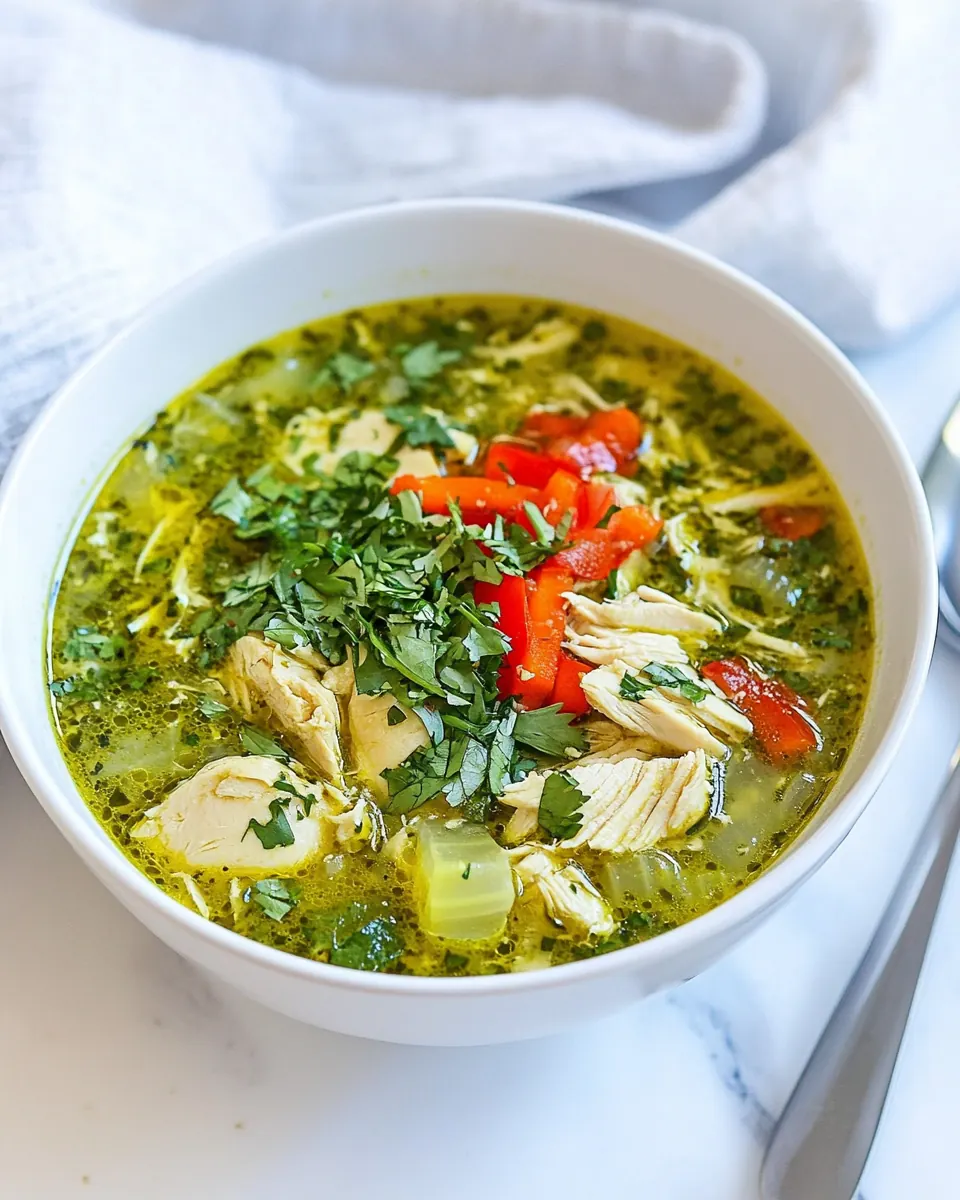
These ingredients are a study in balance. The core idea is simple, combine a savory broth, tender shredded chicken, starchy elements like white rice and baby potatoes, and a bright, herbaceous cilantro purée that turns ordinary soup into something unmistakably Peruvian. Each item plays a role, the aromatics build a savory base, the vegetables add texture and comfort, and the cilantro pack delivers freshness and lift.
- 1 small rotisserie chicken, meat picked off and shredded, about 4 cups: Shredded and cooked to provide tender protein and savory body; adds richness and leftover convenience while absorbing the soup's flavors for a cohesive texture.
- 2 teaspoons olive oil: Lightly heats and facilitates sautéing aromatics; adds a subtle fruity flavor and helps carry fat-soluble aromas for a balanced mouthfeel in the broth.
- 4 ounce can diced green chiles: Canned and stirred in to provide mild heat and bright, roasted-green flavor; contributes humidity and convenience without extra chopping.
- 1 small yellow onion, diced: Finely diced and softened to build a sweet and savory aromatic base; contributes texture and depth once caramelized in oil.
- 1 red bell pepper, seeded, cored and diced: Diced and added for crisp-sweet flavor and color contrast; softens with simmering while lending a bell pepper's bright aroma.
- 1 teaspoon ground cumin: Ground and sprinkled to introduce warm, earthy notes; complements other spices and helps define the dish's subtle cumin-forward profile.
- 1 teaspoon Kosher salt: Measured and added to season the broth and enhance all other flavors; helps balance the soup's natural sweetness and acidity.
- 1/2 teaspoon black pepper, to taste: Ground and adjusted to taste to add mild heat and sharpness; provides aromatic bite that heightens savory components.
- 4 cloves garlic, minced, divided: Minced and divided so some pieces can be sautéed for aroma while others are added later for fresh garlic intensity; contributes pungent, savory depth.
- 1 pound baby potatoes, quartered or halved (depending on size): Quartered or halved and simmered to provide creamy, starchy body; offers tender bite and thickening qualities that make the soup more satisfying.
- 2 medium carrots, cut into 1/2 inch pieces: Cut into uniform pieces and simmered until tender to contribute natural sweetness and color; balances savory elements and adds bite.
- 1/2 cup white rice, uncooked: Measured uncooked to gently cook in the broth and thicken the soup; adds comforting starchiness and bulk for a heartier bowl.
- 4 1/2 cups chicken stock, divided: Poured and portioned to both cook rice and simmer vegetables; supplies savory liquid base and depth of chicken flavor throughout the soup.
- 1 cup packed cilantro, leaves and stems: Packed and blended with some stock to create a bright herbaceous puree; adds fresh, citrusy-green notes and lifts the overall flavor profile.
- 1 serrano pepper, seeded: Seeded and blended to bring concentrated heat and vegetal brightness; can be adjusted for spice level while contributing green pepper character.
- 1 lime, juiced: Juiced and stirred in at the end to provide bright acidity and a citrus lift; balances richness and elevates final flavors without overpowering.
- thinly sliced green onions, for topping: Thinly sliced and sprinkled on top as a finishing garnish to add mild oniony crunch; provides visual contrast and fresh, sharp flavor.
Preparation Steps for Peruvian Chicken Soup
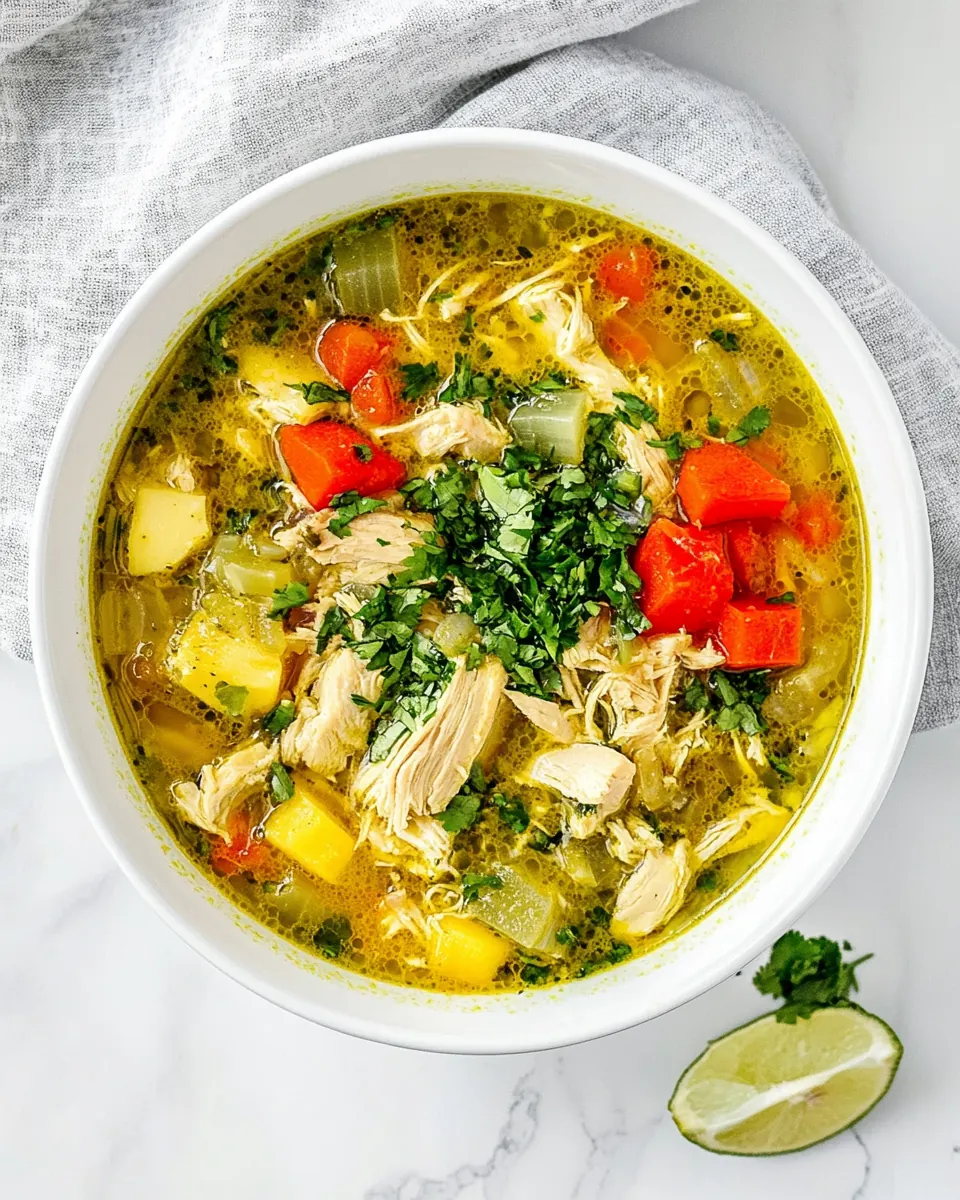
This is a hands on but straightforward soup that rewards attention. I like to stage the ingredients beforehand so the sautéing and simmering flow smoothly. Follow the sequence to build a deeply flavored broth and a bright, blended cilantro finish that defines the dish.
- Pick the meat off of a rotisserie chicken and set it aside.: The aroma of freshly shredded chicken is comforting and savory, and you will notice little roasted notes that enrich the broth. I usually pull the meat into bite sized shreds so it warms evenly later. One common mistake is leaving large chunks that stay cold in the center when reheating, so shred to consistent size and remove any gristle before adding it back to the soup.
- In a soup pot add olive oil and set over medium-high heat.: When the oil becomes gently shimmering you will smell a faint toasted aroma, a signal that the pot is ready for aromatics. This step creates a warm base and helps the vegetables release their flavors. Avoid overheating, as smoking oil will impart an unpleasant bitterness; keep the heat moderate so the oil trembles but does not break down.
- When the oil is hot add the yellow onion, bell pepper, green chiles, cumin, kosher salt, and black pepper to the pot. Cook for about 10 minutes or just until the onions start to soften. Don't let the vegetables brown too much. You just want to help soften them.: You will hear a soft, steady sizzle as the vegetables hit the oil, and an immediate lift of savory scent as the cumin blooms. Cook until the onion begins to turn translucent, which preserves a sweet, mellow profile. A typical error is letting them brown too much, which changes the flavor from bright to caramelized, so stir often and watch for gentle softening.
- Add the 2 cloves of minced garlic and saute for another 30 seconds or just until the garlic is fragrant.: The garlic will release a warm, aromatic perfume very quickly, and you should see tiny wisps of steam rising from the pot. This short burst enhances savory depth without creating bitterness. Burned garlic becomes acrid, so remove it from heat or add the next components promptly when you smell the garlic bloom.
- Add in the potatoes, carrots, white rice, and chicken stock. Stir to combine.: As you stir these into the pot the liquid will begin to whirl around the vegetables, and the rice will sink and start to swell. The stock brings everything together into a cohesive simmering mixture. A common misstep is adding too much cold stock too quickly, which can drop the pot temperature and prolong cooking; add it steadily and bring back to a simmer.
- Let the soup simmer for about 30 minutes or until the rice and potatoes are fully cooked. Stir the soup while it's cooking so the rice does not stick to the bottom of the pot.: The pot will develop a gentle bubbling rhythm, and the kitchen will fill with a rounded aroma as starches release from the potatoes and rice. Check tenderness by piercing a potato and tasting a bit of rice, stirring occasionally so the rice does not stick. Overcooking will yield mushy rice, so test early and often starting at about 20 minutes depending on rice type.
- While the soup cooks add the cilantro, remaining 2 cloves of minced garlic, remaining 1/2 cup chicken stock, seeded serrano pepper, and lime juice to a blender. Blend until smooth and no large chunks remain.: When you blend, expect a vivid green slurry and a bright, herbal scent that stands apart from the simmering broth. The texture should be smooth with no large chunks, and the acidity from the lime will lift the herbal notes. Avoid blending hot liquids directly in a closed blender without venting, as pressure can build; add the liquid in batches or vent the lid carefully.
- When the soup is fully cooked turn down to low, add in the rotisserie chicken and the cilantro mixture. Cook for 5 minutes just to help warm the chicken and incorporate the flavors of the cilantro mixture.: The resulting purée should be glossy, fragrant, and pourable, with a vivid color that signals freshness. This mixture is what transforms the soup from plain to iconic, adding a concentrated herbaceousness. A pitfall is leaving large pieces of stem or pepper seeds which can create fibrous texture or unexpected heat, so blend until completely smooth.
- Serve with thinly sliced green onions.: You will hear a gentle settling as the shredded chicken folds into the simmering broth, and the cilantro purée will thread green ribbons through the soup. Let everything warm together so flavors marry, about five minutes, and keep the heat low so the purée does not break or oxidize. Avoid boiling after adding the purée, it can dull the bright flavor and change the texture.
- Cook for 5 minutes just to help warm the chicken and incorporate the flavors of the cilantro mixture: During these five minutes the soup will emit a balanced scent of roasted chicken , herbs, and citrus, and the texture will become cohesive. This final meld is crucial for depth, allowing the shredded meat to absorb the aromatic broth. A frequent oversight is rushing this stage, which keeps the flavors from fully integrating, so give it those gentle minutes to finish.
- Serve with thinly sliced green onions: The fresh, crisp snap of the green onions on top provides contrast and a clean bite against the warm, herbaceous broth. Sprinkle them right before serving so they retain crunch and color. If you add them too early they will wilt and lose their bright impact, so reserve them for plating.
Customization Ideas
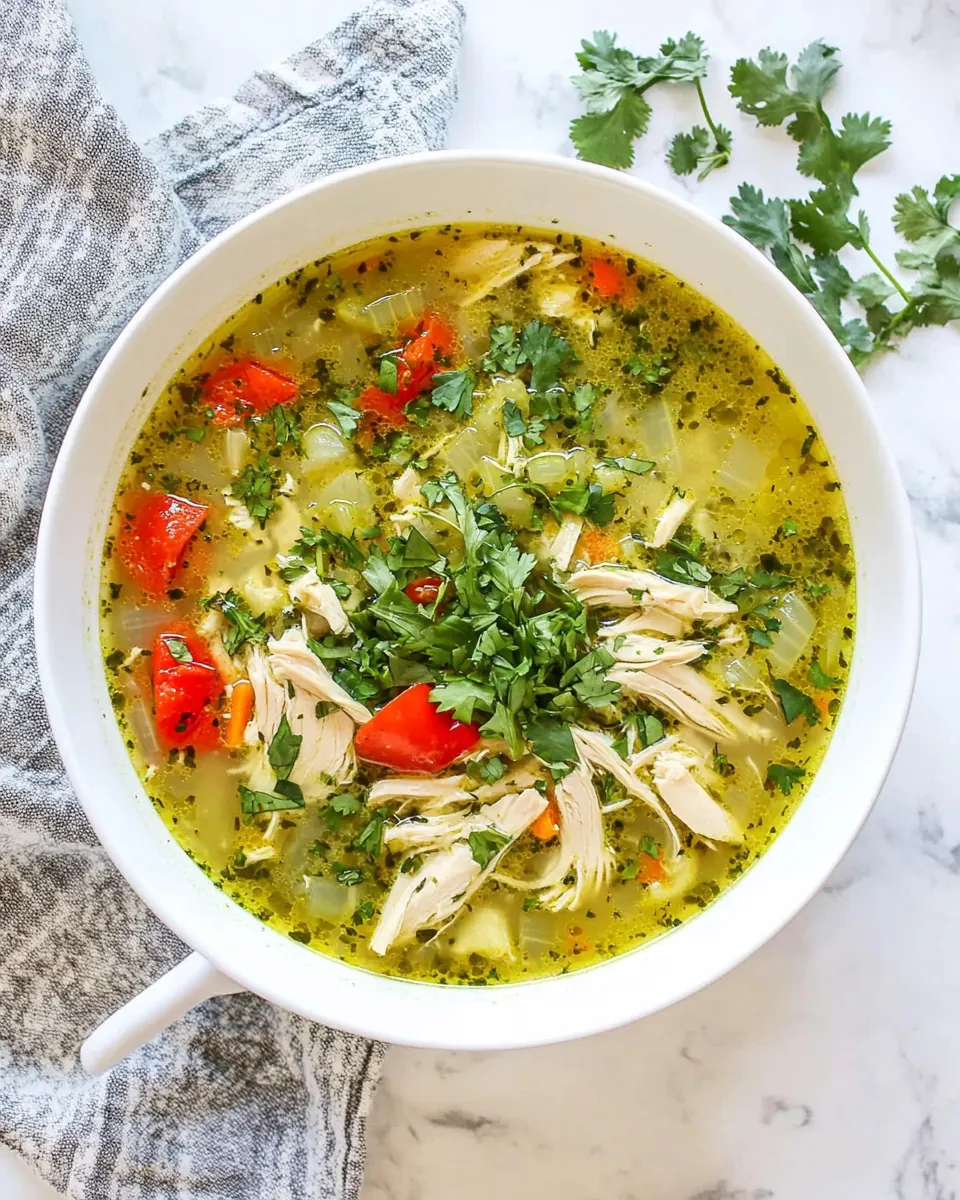
I like to treat tweaks as small experiments that either elevate the comforting heart of the soup or nudge it toward a new flavor profile. Here are practical, tasty ways to make the recipe your own while staying true to the spirit of Peruvian Chicken Soup.
- Add frozen vegetables to bulk up texture and nutrition, such as corn or peas, adding them in the last 10 minutes so they stay vibrant.
- Increase the heat by leaving some serrano seeds in the purée or adding an extra serrano when blending, but always taste before serving so you can control the level.
- Make it heartier by stirring in an extra 1/4 cup uncooked white rice at the start, noting that this will thicken the broth as the rice absorbs more liquid.
- Brighten with additional lime added at the end, a teaspoon at a time, until the acidity balances the savoriness to your preference.
- Use low sodium stock if you want to control salt precisely, and then finish with Kosher salt to taste so you do not over-salt early in the process.
Best Served With
This soup is versatile for many meals and occasions, from a cozy winter dinner to a restorative bowl after a busy day. It pairs beautifully with simple accompaniments that complement its herbaceous and savory profile.
- Fresh crusty bread to soak up the savory broth, ideal for casual dinners when you want something warm and filling.
- Light green salad dressed with a citrus vinaigrette for a bright counterpoint, great for lunch or lighter evening meals.
- Rice or quinoa side if you want more bulk, served plain so the soup remains the center of attention.
- Pickled vegetables to cut through the richness, offering a lively acidic contrast that refreshes the palate.
- Small bowls of toppings such as extra sliced green onions, lime wedges, or sliced serrano, so guests can customize heat and brightness.
- Serve occasions: This works for cozy weeknight dinners, casual gatherings, or anytime you need a comforting bowl during colder months like winter. It is also suitable for lighter Ramadan iftar when you prefer warmth and hydration with substance.
- Storage tips: Cool quickly and refrigerate in airtight containers for up to three days. Reheat gently on low, adding a splash of stock if the rice has absorbed too much liquid.
- Seasonal pairing: In winter the soup feels grounding and nourishing, while in spring or summer a double dose of lime brightens it into a lighter option.
FAQ
Conclusion
Peruvian Chicken Soup stands out because it marries cozy, substantial ingredients with a fresh, herbaceous punch that keeps each spoonful lively. The combination of shredded chicken, rice, and baby potatoes gives the bowl real comfort, while the cilantro purée and lime bring a signature brightness that makes it memorable. I encourage you to give it a try on a cool evening or anytime you want a restorative meal that is both satisfying and bright. It’s forgiving, adaptable, and quick enough to become a weeknight favorite, yet special enough to share with friends.
Peruvian Chicken Soup
Equipment
- Vitamix Blender
- 5.5 Quart Pot
Ingredients
- 1 small rotisserie chicken, meat picked off and shredded, about 4 cups Shredded and cooked to provide tender protein and savory body; adds richness and leftover convenience while absorbing the soup's flavors for a cohesive texture.
- 2 teaspoons olive oil Lightly heats and facilitates sautéing aromatics; adds a subtle fruity flavor and helps carry fat-soluble aromas for a balanced mouthfeel in the broth.
- 4 ounce can diced green chiles Canned and stirred in to provide mild heat and bright, roasted-green flavor; contributes humidity and convenience without extra chopping.
- 1 small yellow onion, diced Finely diced and softened to build a sweet and savory aromatic base; contributes texture and depth once caramelized in oil.
- 1 red bell pepper, seeded, cored and diced Diced and added for crisp-sweet flavor and color contrast; softens with simmering while lending a bell pepper's bright aroma.
- 1 teaspoon ground cumin Ground and sprinkled to introduce warm, earthy notes; complements other spices and helps define the dish's subtle cumin-forward profile.
- 1 teaspoon Kosher salt Measured and added to season the broth and enhance all other flavors; helps balance the soup's natural sweetness and acidity.
- 1/2 teaspoon black pepper, to taste Ground and adjusted to taste to add mild heat and sharpness; provides aromatic bite that heightens savory components.
- 4 cloves garlic, minced, divided Minced and divided so some pieces can be sautéed for aroma while others are added later for fresh garlic intensity; contributes pungent, savory depth.
- 1 pound baby potatoes, quartered or halved (depending on size) Quartered or halved and simmered to provide creamy, starchy body; offers tender bite and thickening qualities that make the soup more satisfying.
- 2 medium carrots, cut into 1/2 inch pieces Cut into uniform pieces and simmered until tender to contribute natural sweetness and color; balances savory elements and adds bite.
- 1/2 cup white rice, uncooked Measured uncooked to gently cook in the broth and thicken the soup; adds comforting starchiness and bulk for a heartier bowl.
- 4 1/2 cups chicken stock, divided Poured and portioned to both cook rice and simmer vegetables; supplies savory liquid base and depth of chicken flavor throughout the soup.
- 1 cup packed cilantro, leaves and stems Packed and blended with some stock to create a bright herbaceous puree; adds fresh, citrusy-green notes and lifts the overall flavor profile.
- 1 serrano pepper, seeded Seeded and blended to bring concentrated heat and vegetal brightness; can be adjusted for spice level while contributing green pepper character.
- 1 lime, juiced Juiced and stirred in at the end to provide bright acidity and a citrus lift; balances richness and elevates final flavors without overpowering.
- thinly sliced green onions, for topping Thinly sliced and sprinkled on top as a finishing garnish to add mild oniony crunch; provides visual contrast and fresh, sharp flavor.
Instructions
- Pick the meat off of a rotisserie chicken and set it aside.: The aroma of freshly shredded chicken is comforting and savory, and you will notice little roasted notes that enrich the broth. I usually pull the meat into bite sized shreds so it warms evenly later. One common mistake is leaving large chunks that stay cold in the center when reheating, so shred to consistent size and remove any gristle before adding it back to the soup.
- In a soup pot add olive oil and set over medium-high heat.: When the oil becomes gently shimmering you will smell a faint toasted aroma, a signal that the pot is ready for aromatics. This step creates a warm base and helps the vegetables release their flavors. Avoid overheating, as smoking oil will impart an unpleasant bitterness; keep the heat moderate so the oil trembles but does not break down.
- When the oil is hot add the yellow onion, bell pepper, green chiles, cumin, kosher salt, and black pepper to the pot. Cook for about 10 minutes or just until the onions start to soften. Don't let the vegetables brown too much. You just want to help soften them.: You will hear a soft, steady sizzle as the vegetables hit the oil, and an immediate lift of savory scent as the cumin blooms. Cook until the onion begins to turn translucent, which preserves a sweet, mellow profile. A typical error is letting them brown too much, which changes the flavor from bright to caramelized, so stir often and watch for gentle softening.
- Add the 2 cloves of minced garlic and saute for another 30 seconds or just until the garlic is fragrant.: The garlic will release a warm, aromatic perfume very quickly, and you should see tiny wisps of steam rising from the pot. This short burst enhances savory depth without creating bitterness. Burned garlic becomes acrid, so remove it from heat or add the next components promptly when you smell the garlic bloom.
- Add in the potatoes, carrots, white rice, and chicken stock. Stir to combine.: As you stir these into the pot the liquid will begin to whirl around the vegetables, and the rice will sink and start to swell. The stock brings everything together into a cohesive simmering mixture. A common misstep is adding too much cold stock too quickly, which can drop the pot temperature and prolong cooking; add it steadily and bring back to a simmer.
- Let the soup simmer for about 30 minutes or until the rice and potatoes are fully cooked. Stir the soup while it's cooking so the rice does not stick to the bottom of the pot.: The pot will develop a gentle bubbling rhythm, and the kitchen will fill with a rounded aroma as starches release from the potatoes and rice. Check tenderness by piercing a potato and tasting a bit of rice, stirring occasionally so the rice does not stick. Overcooking will yield mushy rice, so test early and often starting at about 20 minutes depending on rice type.
- While the soup cooks add the cilantro, remaining 2 cloves of minced garlic, remaining 1/2 cup chicken stock, seeded serrano pepper, and lime juice to a blender. Blend until smooth and no large chunks remain.: When you blend, expect a vivid green slurry and a bright, herbal scent that stands apart from the simmering broth. The texture should be smooth with no large chunks, and the acidity from the lime will lift the herbal notes. Avoid blending hot liquids directly in a closed blender without venting, as pressure can build; add the liquid in batches or vent the lid carefully.
- When the soup is fully cooked turn down to low, add in the rotisserie chicken and the cilantro mixture. Cook for 5 minutes just to help warm the chicken and incorporate the flavors of the cilantro mixture.: The resulting purée should be glossy, fragrant, and pourable, with a vivid color that signals freshness. This mixture is what transforms the soup from plain to iconic, adding a concentrated herbaceousness. A pitfall is leaving large pieces of stem or pepper seeds which can create fibrous texture or unexpected heat, so blend until completely smooth.
- Serve with thinly sliced green onions.: You will hear a gentle settling as the shredded chicken folds into the simmering broth, and the cilantro purée will thread green ribbons through the soup. Let everything warm together so flavors marry, about five minutes, and keep the heat low so the purée does not break or oxidize. Avoid boiling after adding the purée, it can dull the bright flavor and change the texture.
- Cook for 5 minutes just to help warm the chicken and incorporate the flavors of the cilantro mixture: During these five minutes the soup will emit a balanced scent of roasted chicken , herbs, and citrus, and the texture will become cohesive. This final meld is crucial for depth, allowing the shredded meat to absorb the aromatic broth. A frequent oversight is rushing this stage, which keeps the flavors from fully integrating, so give it those gentle minutes to finish.
- Serve with thinly sliced green onions: The fresh, crisp snap of the green onions on top provides contrast and a clean bite against the warm, herbaceous broth. Sprinkle them right before serving so they retain crunch and color. If you add them too early they will wilt and lose their bright impact, so reserve them for plating.
Notes
- Add frozen vegetables to bulk up texture and nutrition, such as corn or peas, adding them in the last 10 minutes so they stay vibrant.
- Increase the heat by leaving some serrano seeds in the purée or adding an extra serrano when blending, but always taste before serving so you can control the level.
- Make it heartier by stirring in an extra 1/4 cup uncooked white rice at the start, noting that this will thicken the broth as the rice absorbs more liquid.
- Brighten with additional lime added at the end, a teaspoon at a time, until the acidity balances the savoriness to your preference.
- Use low sodium stock if you want to control salt precisely, and then finish with Kosher salt to taste so you do not over-salt early in the process.