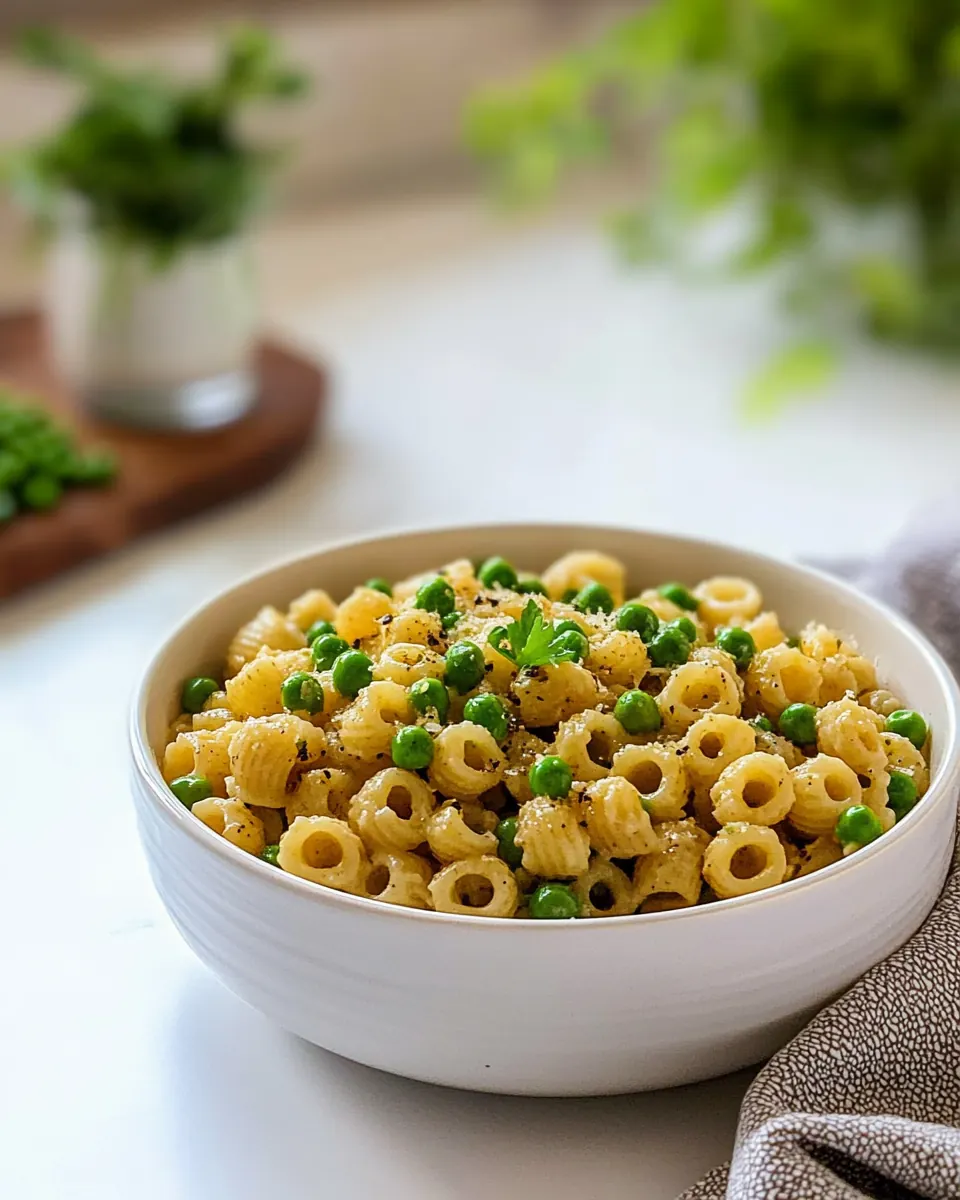
Pasta With Peas
Pasta With Peas has been one of those comforting, weeknight rescues in my kitchen for years, the kind of dish I reach for when I want something that tastes thoughtful but comes together quickly. The first time I made it for friends, I was worried the peas would make it too simple, but the tender bursts of sweetness against the soft pasta and the whisper of Parmesan cheese changed everything. Ever since, it has a habit of turning up at casual dinners, impromptu lunches, and evenings when I want a warm, uncomplicated meal that still feels like care.
There is a specific memory I have of stirring a bubbling pot at twilight, the kitchen window open to spring air, and the scent of onion and extra-virgin olive oil rising like a small celebration. I like to tell the story that the recipe is deceptively elegant, because a few humble ingredients combine to create comfort and brightness. I usually keep a bag of frozen peas on hand for this very reason, and the way they pop with color and fresh flavor always lifts the plate.
Recipe Snapshot
25 mins
10 mins
15 mins
Easy
350 kcal
Italian
Gluten-Free, Vegan
Dinner
Large pot, Wooden spoon
Why This Pasta With Peas Is a Winner
Simple ingredients, big payoff
I love how Pasta With Peas proves that a handful of pantry staples can feel special. The combination of starchy pasta, sweet peas, and savory Parmesan cheese gives a creamy mouthfeel without fuss. I often marvel at how the pasta water and vegetable broth marry into a glossy sauce that clings to each piece of pasta.
Speed and ease
This recipe shines when time is short. I appreciate that it is fast enough for a weeknight but flavorful enough to serve guests. From sautéing the onion to adding the pasta, the process moves briskly, which I find satisfying. I frequently make it on evenings when I want dinner on the table in under half an hour, and it never feels rushed.
Textural contrast
One of the reasons I keep making Pasta With Peas is the pleasing contrast between tender pasta and the pop of frozen peas. The Parmesan cheese adds a silky finish, while a squeeze of fresh lemon brightens each bite. I also love finishing with torn basil, which adds a fragrant lift that keeps the dish from feeling one note.
Adaptable and forgiving
I often alter seasoning to match what I have on hand. The recipe is forgiving if you need to adjust cooking time slightly, and it tolerates variations in pasta shape and broth strength. If I want more tang, I add a touch more lemon juice, and if I need creaminess I stir in a few extra tablespoons of Parmesan cheese. That flexibility is why this dish appears in my rotation so often.
Comfort that feels fresh
Finally, I adore how Pasta With Peas straddles comfort and brightness. It never feels heavy, yet it comforts in the way a warm bowl does. I reach for it when I want something straightforward, reliable, and vividly flavored without elaborate steps.
Essential Ingredients for Pasta With Peas
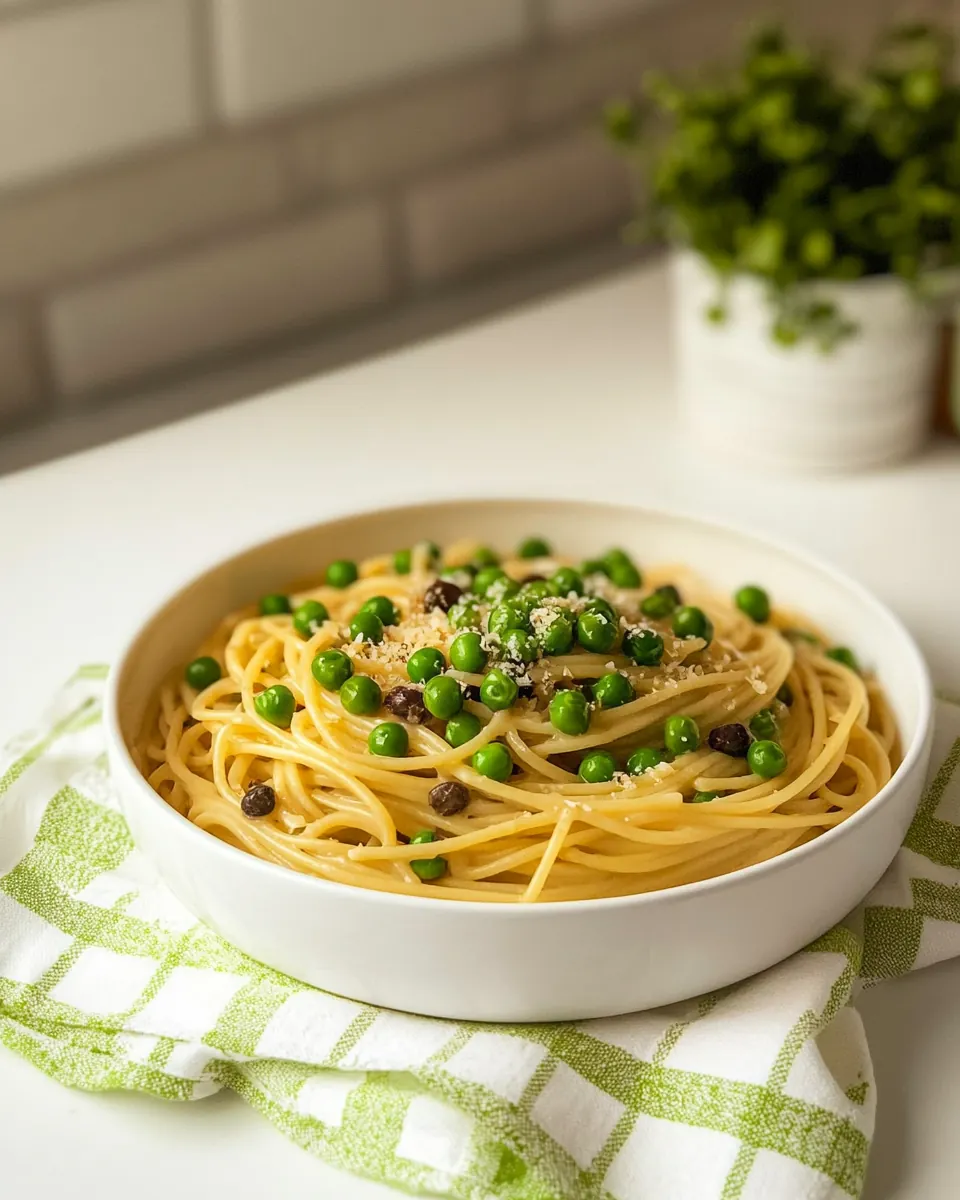
These ingredients are intentional, each playing a clear role in texture and flavor. The pasta provides the base and starch that helps form a silky coating. The peas contribute sweetness and color while the vegetable broth adds savory depth without heaviness. A modest amount of Parmesan cheese creates a rich finish, and the aromatics and seasonings bring everything into balance.
- 3 tablespoons extra-virgin olive oil: Adds richness and a fruity, peppery flavor to the dish while providing a silky mouthfeel when sautéing aromatics or finishing the pasta; use to coat the pasta and help distribute flavors evenly across the ingredients.
- 1 small onion diced: Provides a sweet, aromatic base when diced and softened, releasing natural sugars that build savory depth; cook gently in the oil until translucent to avoid bitterness and ensure even texture throughout the dish.
- 1 pound frozen peas: Contributes bright color, sweet vegetal flavor, and textural contrast; thaw or add directly while cooking the pasta so peas heat through and retain a tender, slightly firm bite.
- 2 cups low-sodium vegetable broth: Supplies a savory cooking liquid that infuses the pasta and peas with subtle vegetable flavor; use low-sodium broth to control overall saltiness and adjust seasoning at the end.
- 8 ounces small pasta shapes e.g., shells, elbows: Serves as the starch backbone that carries sauce and other flavors; choose small shapes to trap peas and sauce for balanced bites and cook to al dente for optimal texture.
- 1/2 cup grated Parmesan cheese: Lends a salty, umami-rich finish and creamy mouthfeel when stirred into the hot pasta; add gradually off the heat to prevent clumping and enhance overall savory balance.
- 1 2 tablespoons fresh lemon juice (optional): Brightens the dish with acidity and lifts flavors with fresh citrus notes; add sparingly at the end to taste for a lively contrast to the richness of cheese and oil.
- Kosher salt and black pepper to taste: Balances and enhances flavors while controlling seasoning levels; season gradually during cooking and finish with adjustments to taste to avoid over-salting.
- Red pepper flakes to taste (optional): Introduces a touch of heat and additional savory complexity when desired; sprinkle lightly for a gentle kick or omit entirely for a milder profile.
- Fresh chopped basil for garnish: Provides fresh herbal aroma and a clean, bright finish when sprinkled over the plated dish; use chopped leaves as a final garnish to add color and fragrance.
The Process for Making Pasta With Peas
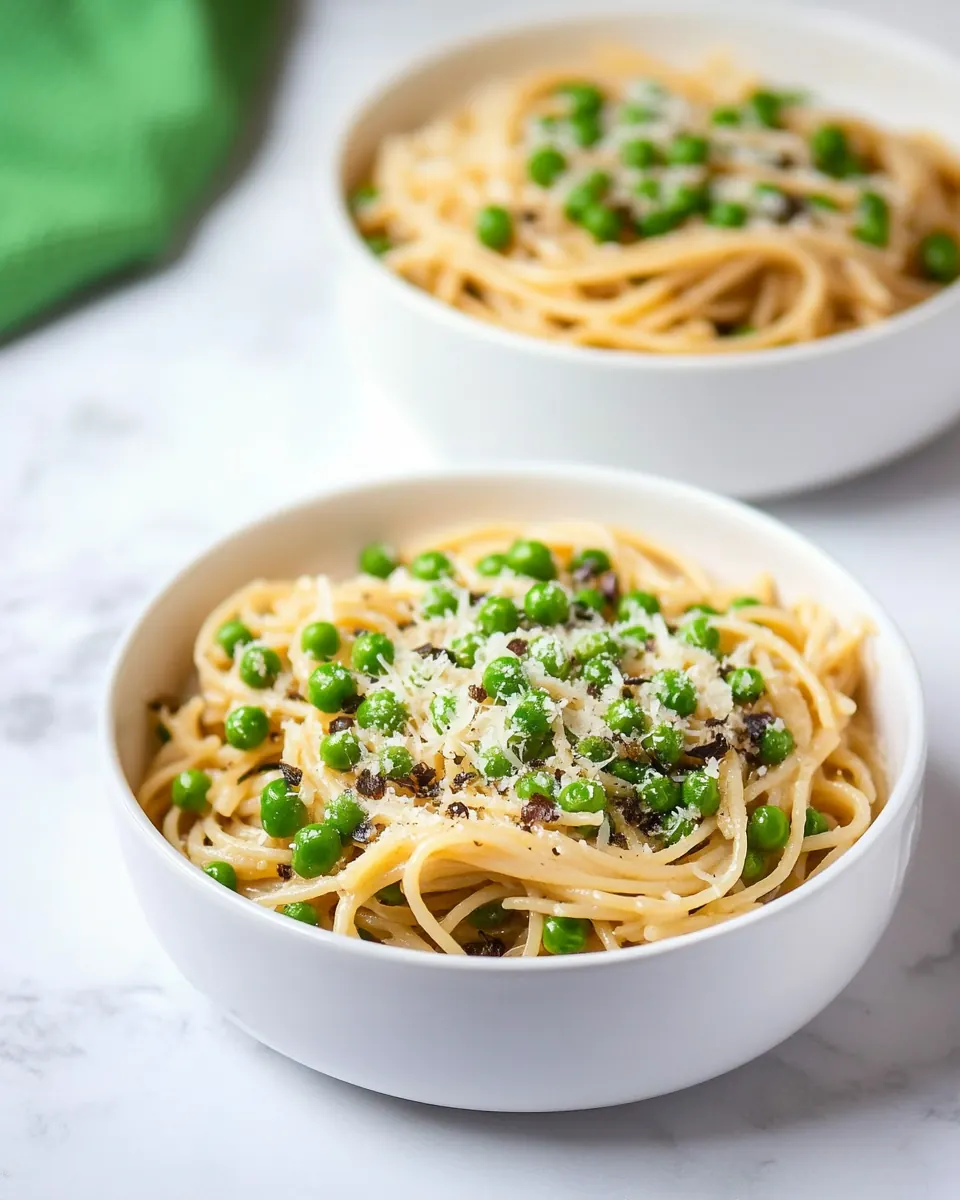
This is a highly approachable one pot technique that gives immediate sensory feedback. The steps move from fragrant sauté to simmering, finishing with a creamy, cheese-slicked finish. Keep your tasting spoon handy, and focus on visual and aromatic cues as you go.
- Heat the olive oil in a large pot over medium heat. Add the diced onion and cook until softened and translucent.: The moment the oil starts to shimmer and gives off a faint fruity aroma, you know the pan is ready. You will hear a gentle sizzle when you add ingredients, and the oil will look glossy without smoking. This step matters because properly warmed extra–virgin olive oil helps the onion soften evenly, releasing sweet notes that form the flavor base. A common mistake is using too high heat which causes the oil to burn and become bitter, so maintain medium heat. If the oil smokes, reduce the temperature and let it cool slightly before proceeding. Pay attention to the pan surface clarity and the scent, they are your cues.
- Add the frozen peas and vegetable broth to the pot. Increase the heat to bring the mixture to a boil.: As the diced onion warms, you will notice its aroma shift from sharp to sweet, and the pieces will become glossy and nearly see-through. Stir frequently to ensure even cooking and to avoid browning, which would introduce caramelized notes that change the dish's intended brightness. The reason this step is important is that softened onion blends seamlessly into the broth and coats the pasta , creating a rounded foundation. The usual error is to rush this step; undercooked onion gives a raw bite, while overcooked onion turns brown and overly sweet, both of which alter balance. Look for translucence and a tender texture when pressing a piece between fingers.
- Stir in the pasta and a pinch of salt. Reduce heat to a simmer, cover, and cook until the pasta is al dente and most of the liquid is absorbed, about 7-10 minutes.: When the frozen peas meet the warm oil and softened onion , you will see the pot brighten instantly as the green pops against the pale base. Pour in the vegetable broth and listen for the gentle hiss as cool liquid hits the hot pan. This liquid will carry flavor into the pasta and cook the peas simultaneously, producing a light, green-infused broth. The why here is crucial: adding broth at this point ensures the peas heat through in a flavorful medium rather than boiling in plain water. A common slip is adding broth that is too cold which can slow the simmer, so if possible use room temperature or warm broth. Watch that the peas remain firm to the bite, not overcooked and mushy.
- Remove from heat. Stir in the grated Parmesan cheese until melted and evenly distributed. If using, squeeze in lemon juice and stir to combine.: Watch the surface of the broth as it transitions from still to lively, with small bubbles forming along the edges then breaking across the surface. The audible change to a rolling bubble tells you the pot is ready for the next addition. This vigorous heat jump matters because it ensures the pasta will start cooking quickly and evenly. A frequent mistake is not waiting for a true boil, which can lead to uneven pasta texture. Keep an eye on the pot to avoid an aggressive boil that splatters, lowering the heat just enough to control the action while keeping it at a steady boil.
- Season with salt and black pepper to taste. Serve immediately with crushed red pepper flakes and fresh basil as garnish.: As you add the dry pasta , stir immediately to prevent sticking, and distribute the shapes so they sit evenly in the liquid. The pasta will sink then gradually swell as it absorbs the flavorful broth. Adding a measured pinch of Kosher salt at this stage seasons the interior of the pasta as it cooks. The technique matters because stirring prevents clumping and helps the pasta cook uniformly. People sometimes skip stirring and end up with stuck together shapes. If you notice resistance when stirring, use a wooden spoon to separate them gently.
- Reduce heat to a simmer, cover, and cook until the pasta is al dente and most of the liquid is absorbed about 7 to 10 minutes: Lowering to a simmer softens the cooking action so the pasta can hydrate without violent movement. You will see the liquid reduce and cling to the pasta, forming a glossy, slightly creamy surface. The al dente texture should be tender with a slight chew, not mushy, which preserves the best mouthfeel. This step is important because finishing with some residual liquid allows the Parmesan cheese to emulsify into a cohesive coating. A common mistake is overcooking, which yields a limp texture; set a timer and taste intermittently as the time window approaches. Keep the lid slightly ajar if the pot threatens to foam over.
- Remove from heat: When you take the pot off the burner, the residual heat will carry final equilibration, so timing here affects texture. The surface will settle and steam will continue to circulate for a moment, softening the pasta a touch more. This pause is helpful because adding Parmesan cheese off the heat prevents graininess and allows for a smooth incorporation. A typical misstep is leaving the pot on heat while adding cheese which can cause the dairy to clump. Set the pot on a heatproof surface and proceed intentionally.
- Stir in the grated Parmesan cheese until melted and evenly distributed: As you fold in the Parmesan cheese , you will feel the sauce thicken and see a glossy sheen develop on the pasta . The scent will take on nutty, savory notes and the texture will become luxurious. This action matters because the cheese binds with the starchy cooking liquid to create a cohesive coating that clings to every piece. One common error is adding cold cheese straight from the fridge which can cool the dish and resist melting; allow the cheese to come to room temperature if possible. Stir briskly and evenly until the sauce looks silky.
- If using squeeze in lemon juice and stir to combine: A bright citrus note will lift the dish instantly; as the lemon mixes in you will notice a fresh, tangy aroma that balances the savory Parmesan cheese . The acidity sharpens the flavors and cuts through the oil, making each bite more lively. This finishing touch is important because it prevents the dish from feeling flat. The mistake people make is adding too much lemon which can dominate, so taste and add gradually. After stirring, take a small taste to ensure brightness without overt tartness.
- Season with salt and black pepper to taste: Final seasoning rounds out the layers developed during cooking. Add Kosher salt carefully, tasting between additions, and finish with freshly ground black pepper for gentle heat. This step is essential for balance; seasoning ties together the savory and sweet elements. A frequent error is over-salting early on, so I recommend seasoning at the end when flavors concentrate. Adjust gradually until the dish sings.
- Serve immediately with crushed red pepper flakes and fresh basil as garnish: The final presentation adds color, aroma, and optional heat. As you plate, the steam will lift the fragrance of basil and the flakes will provide visual contrast. Serving right away preserves the texture and warmth; delays can cause the pasta to thicken as it cools. A common problem is garnishing too early which wilts delicate herbs, so add them just before serving for maximum freshness.
Recipe Tips about Pasta With Peas
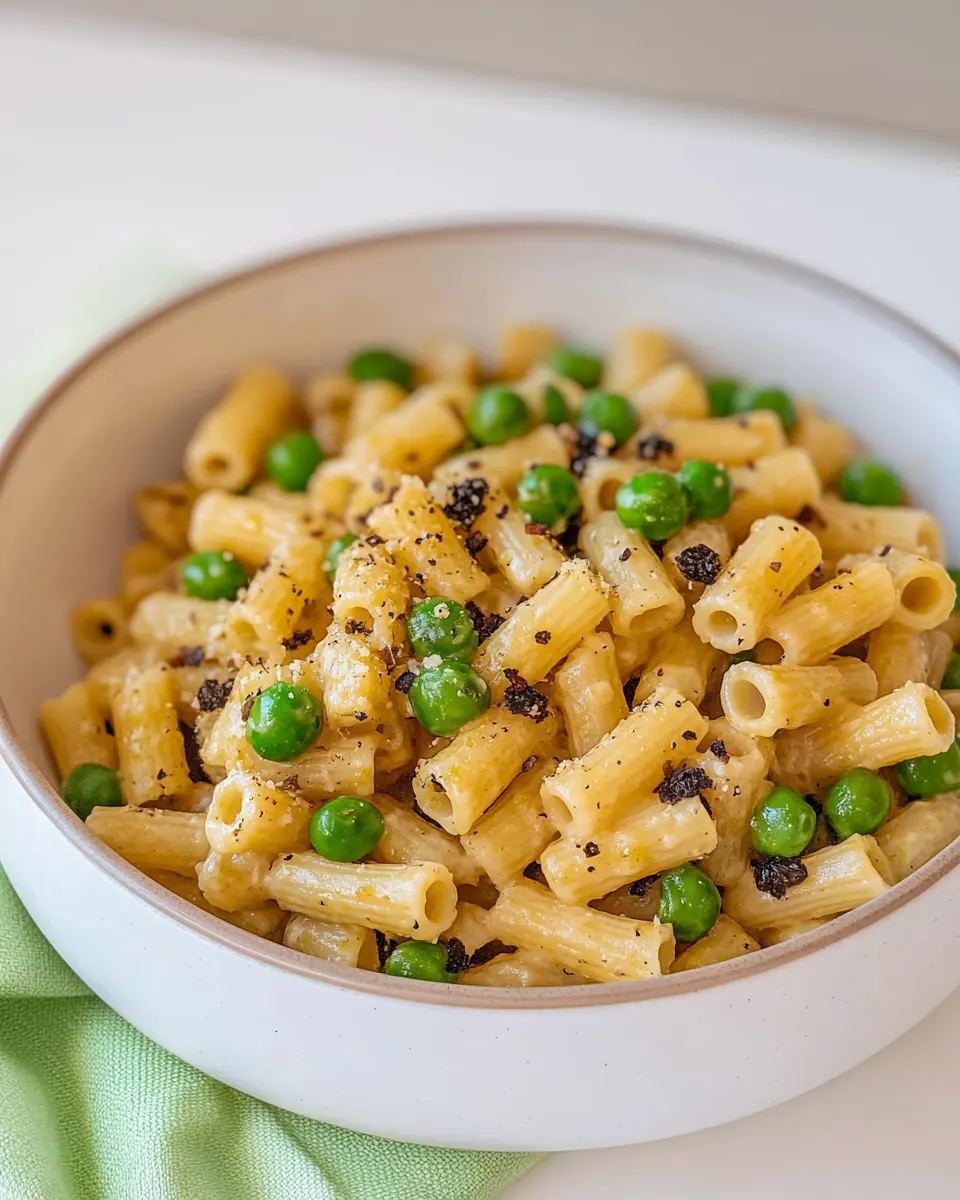
This recipe rewards small, intentional choices that elevate the final bowl. Below are practical tips I use to keep the flavors balanced and the texture ideal, each expanded so you can adapt confidently.
- Choose the right pasta shape Select small shapes like shells or elbows because they trap the glossy sauce and peas in their curves, creating a balanced bite. That little pocket of sauce makes each forkful more satisfying and helps distribute the Parmesan cheese evenly.
- Control the salt Start with low-sodium vegetable broth so you can season precisely at the end. Broth and Parmesan cheese add saltiness as the liquid reduces, so taste before adding more Kosher salt.
- Keep peas slightly firm Cook frozen peas until bright and tender but not mushy. They should have a slight pop that contrasts with the pasta, so watch the simmer closely during the last minutes.
- Warm the cheese Allow grated Parmesan cheese to come to room temperature if possible, and add it off the heat so it melts into a silky sheen rather than clumping. This keeps the sauce smooth and glossy.
- Add lemon sparingly If using lemon juice, start with one tablespoon and add more only if needed. A little acidity brightens without overpowering the harmonious savory profile provided by Parmesan cheese.
What to Serve With Pasta With Peas
This dish is versatile for different occasions from casual weeknight dinners to light lunches. It pairs well with simple sides that complement rather than compete, and it can be adapted for seasonal menus. Below are serving ideas that cover occasions, storage, and seasonal touches.
- Light green salad A crisp salad of mixed greens dressed simply adds a refreshing contrast to the warm, soft pasta. Serve this for a spring lunch or casual dinner to add crunch and balance.
- Crusty bread A chunk of crusty bread is helpful for sopping any remaining sauce and makes the meal feel heartier for informal gatherings. This works well when hosting friends who enjoy rustic, hands on dining.
- Simple roasted vegetables Lightly seasoned roasted vegetables provide a savory counterpoint, ideal for plating a more composed dinner. Choose what’s in season to keep the menu harmonious.
- Occasions Serve Pasta With Peas for weeknight family dinners, spring lunches, or as a side during festive gatherings where you want an approachable vegetarian option. Its bright color and mild flavors suit many settings.
- Storage tips Store leftovers in an airtight container in the refrigerator for up to three days. Reheat gently with a splash of broth to loosen the sauce and preserve the glossy texture.
- Seasonal pairing In spring, accent the dish with baby greens or additional fresh herbs. In cooler months, serve as a bright complement to heartier mains, allowing the peas to bring freshness to the plate.
FAQ
Conclusion
What makes this dish special is its balance of ease and flavor, where simple ingredients combine into a creamy, bright bowl. I encourage you to give Pasta With Peas a try the next time you want a quick, comforting meal that still feels thoughtfully made. It is the kind of recipe that rewards small attentions, like warm cheese and a squeeze of lemon, and it often becomes a favorite because it is reliable, adaptable, and warmly satisfying.
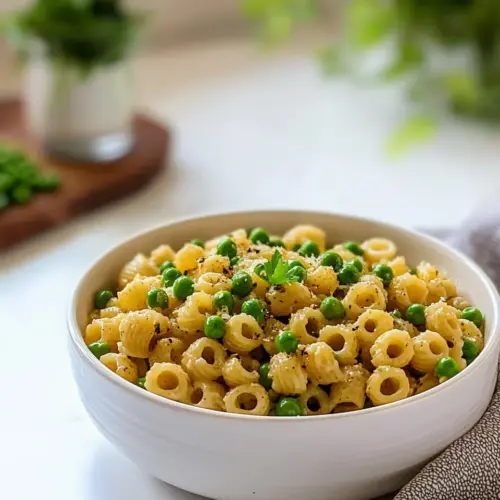
Pasta With Peas
Equipment
- Large Pot
- Wooden Spoon
Ingredients
- 3 tablespoons extra-virgin olive oil Adds richness and a fruity, peppery flavor to the dish while providing a silky mouthfeel when sautéing aromatics or finishing the pasta; use to coat the pasta and help distribute flavors evenly across the ingredients.
- 1 small onion diced Provides a sweet, aromatic base when diced and softened, releasing natural sugars that build savory depth; cook gently in the oil until translucent to avoid bitterness and ensure even texture throughout the dish.
- 1 pound frozen peas Contributes bright color, sweet vegetal flavor, and textural contrast; thaw or add directly while cooking the pasta so peas heat through and retain a tender, slightly firm bite.
- 2 cups low-sodium vegetable broth Supplies a savory cooking liquid that infuses the pasta and peas with subtle vegetable flavor; use low-sodium broth to control overall saltiness and adjust seasoning at the end.
- 8 ounces small pasta shapes e.g., shells, elbows Serves as the starch backbone that carries sauce and other flavors; choose small shapes to trap peas and sauce for balanced bites and cook to al dente for optimal texture.
- 1/2 cup grated Parmesan cheese Lends a salty, umami-rich finish and creamy mouthfeel when stirred into the hot pasta; add gradually off the heat to prevent clumping and enhance overall savory balance.
- 1 -2 tablespoons fresh lemon juice optional Brightens the dish with acidity and lifts flavors with fresh citrus notes; add sparingly at the end to taste for a lively contrast to the richness of cheese and oil.
- Kosher salt and black pepper to taste Balances and enhances flavors while controlling seasoning levels; season gradually during cooking and finish with adjustments to taste to avoid over-salting.
- Red pepper flakes to taste optional Introduces a touch of heat and additional savory complexity when desired; sprinkle lightly for a gentle kick or omit entirely for a milder profile.
- Fresh chopped basil for garnish Provides fresh herbal aroma and a clean, bright finish when sprinkled over the plated dish; use chopped leaves as a final garnish to add color and fragrance.
Instructions
- Heat the olive oil in a large pot over medium heat. Add the diced onion and cook until softened and translucent.: The moment the oil starts to shimmer and gives off a faint fruity aroma, you know the pan is ready. You will hear a gentle sizzle when you add ingredients, and the oil will look glossy without smoking. This step matters because properly warmed extra-virgin olive oil helps the onion soften evenly, releasing sweet notes that form the flavor base. A common mistake is using too high heat which causes the oil to burn and become bitter, so maintain medium heat. If the oil smokes, reduce the temperature and let it cool slightly before proceeding. Pay attention to the pan surface clarity and the scent, they are your cues.
- Add the frozen peas and vegetable broth to the pot. Increase the heat to bring the mixture to a boil.: As the diced onion warms, you will notice its aroma shift from sharp to sweet, and the pieces will become glossy and nearly see-through. Stir frequently to ensure even cooking and to avoid browning, which would introduce caramelized notes that change the dish's intended brightness. The reason this step is important is that softened onion blends seamlessly into the broth and coats the pasta , creating a rounded foundation. The usual error is to rush this step; undercooked onion gives a raw bite, while overcooked onion turns brown and overly sweet, both of which alter balance. Look for translucence and a tender texture when pressing a piece between fingers.
- Stir in the pasta and a pinch of salt. Reduce heat to a simmer, cover, and cook until the pasta is al dente and most of the liquid is absorbed, about 7-10 minutes.: When the frozen peas meet the warm oil and softened onion , you will see the pot brighten instantly as the green pops against the pale base. Pour in the vegetable broth and listen for the gentle hiss as cool liquid hits the hot pan. This liquid will carry flavor into the pasta and cook the peas simultaneously, producing a light, green-infused broth. The why here is crucial: adding broth at this point ensures the peas heat through in a flavorful medium rather than boiling in plain water. A common slip is adding broth that is too cold which can slow the simmer, so if possible use room temperature or warm broth. Watch that the peas remain firm to the bite, not overcooked and mushy.
- Remove from heat. Stir in the grated Parmesan cheese until melted and evenly distributed. If using, squeeze in lemon juice and stir to combine.: Watch the surface of the broth as it transitions from still to lively, with small bubbles forming along the edges then breaking across the surface. The audible change to a rolling bubble tells you the pot is ready for the next addition. This vigorous heat jump matters because it ensures the pasta will start cooking quickly and evenly. A frequent mistake is not waiting for a true boil, which can lead to uneven pasta texture. Keep an eye on the pot to avoid an aggressive boil that splatters, lowering the heat just enough to control the action while keeping it at a steady boil.
- Season with salt and black pepper to taste. Serve immediately with crushed red pepper flakes and fresh basil as garnish.: As you add the dry pasta , stir immediately to prevent sticking, and distribute the shapes so they sit evenly in the liquid. The pasta will sink then gradually swell as it absorbs the flavorful broth. Adding a measured pinch of Kosher salt at this stage seasons the interior of the pasta as it cooks. The technique matters because stirring prevents clumping and helps the pasta cook uniformly. People sometimes skip stirring and end up with stuck together shapes. If you notice resistance when stirring, use a wooden spoon to separate them gently.
- Reduce heat to a simmer, cover, and cook until the pasta is al dente and most of the liquid is absorbed about 7 to 10 minutes: Lowering to a simmer softens the cooking action so the pasta can hydrate without violent movement. You will see the liquid reduce and cling to the pasta, forming a glossy, slightly creamy surface. The al dente texture should be tender with a slight chew, not mushy, which preserves the best mouthfeel. This step is important because finishing with some residual liquid allows the Parmesan cheese to emulsify into a cohesive coating. A common mistake is overcooking, which yields a limp texture; set a timer and taste intermittently as the time window approaches. Keep the lid slightly ajar if the pot threatens to foam over.
- Remove from heat: When you take the pot off the burner, the residual heat will carry final equilibration, so timing here affects texture. The surface will settle and steam will continue to circulate for a moment, softening the pasta a touch more. This pause is helpful because adding Parmesan cheese off the heat prevents graininess and allows for a smooth incorporation. A typical misstep is leaving the pot on heat while adding cheese which can cause the dairy to clump. Set the pot on a heatproof surface and proceed intentionally.
- Stir in the grated Parmesan cheese until melted and evenly distributed: As you fold in the Parmesan cheese , you will feel the sauce thicken and see a glossy sheen develop on the pasta . The scent will take on nutty, savory notes and the texture will become luxurious. This action matters because the cheese binds with the starchy cooking liquid to create a cohesive coating that clings to every piece. One common error is adding cold cheese straight from the fridge which can cool the dish and resist melting; allow the cheese to come to room temperature if possible. Stir briskly and evenly until the sauce looks silky.
- If using squeeze in lemon juice and stir to combine: A bright citrus note will lift the dish instantly; as the lemon mixes in you will notice a fresh, tangy aroma that balances the savory Parmesan cheese . The acidity sharpens the flavors and cuts through the oil, making each bite more lively. This finishing touch is important because it prevents the dish from feeling flat. The mistake people make is adding too much lemon which can dominate, so taste and add gradually. After stirring, take a small taste to ensure brightness without overt tartness.
- Season with salt and black pepper to taste: Final seasoning rounds out the layers developed during cooking. Add Kosher salt carefully, tasting between additions, and finish with freshly ground black pepper for gentle heat. This step is essential for balance; seasoning ties together the savory and sweet elements. A frequent error is over-salting early on, so I recommend seasoning at the end when flavors concentrate. Adjust gradually until the dish sings.
- Serve immediately with crushed red pepper flakes and fresh basil as garnish: The final presentation adds color, aroma, and optional heat. As you plate, the steam will lift the fragrance of basil and the flakes will provide visual contrast. Serving right away preserves the texture and warmth; delays can cause the pasta to thicken as it cools. A common problem is garnishing too early which wilts delicate herbs, so add them just before serving for maximum freshness.
Notes
- Choose the right pasta shape Select small shapes like shells or elbows because they trap the glossy sauce and peas in their curves, creating a balanced bite. That little pocket of sauce makes each forkful more satisfying and helps distribute the Parmesan cheese evenly.
- Control the salt Start with low-sodium vegetable broth so you can season precisely at the end. Broth and Parmesan cheese add saltiness as the liquid reduces, so taste before adding more Kosher salt.
- Keep peas slightly firm Cook frozen peas until bright and tender but not mushy. They should have a slight pop that contrasts with the pasta, so watch the simmer closely during the last minutes.
- Warm the cheese Allow grated Parmesan cheese to come to room temperature if possible, and add it off the heat so it melts into a silky sheen rather than clumping. This keeps the sauce smooth and glossy.
- Add lemon sparingly If using lemon juice, start with one tablespoon and add more only if needed. A little acidity brightens without overpowering the harmonious savory profile provided by Parmesan cheese.
