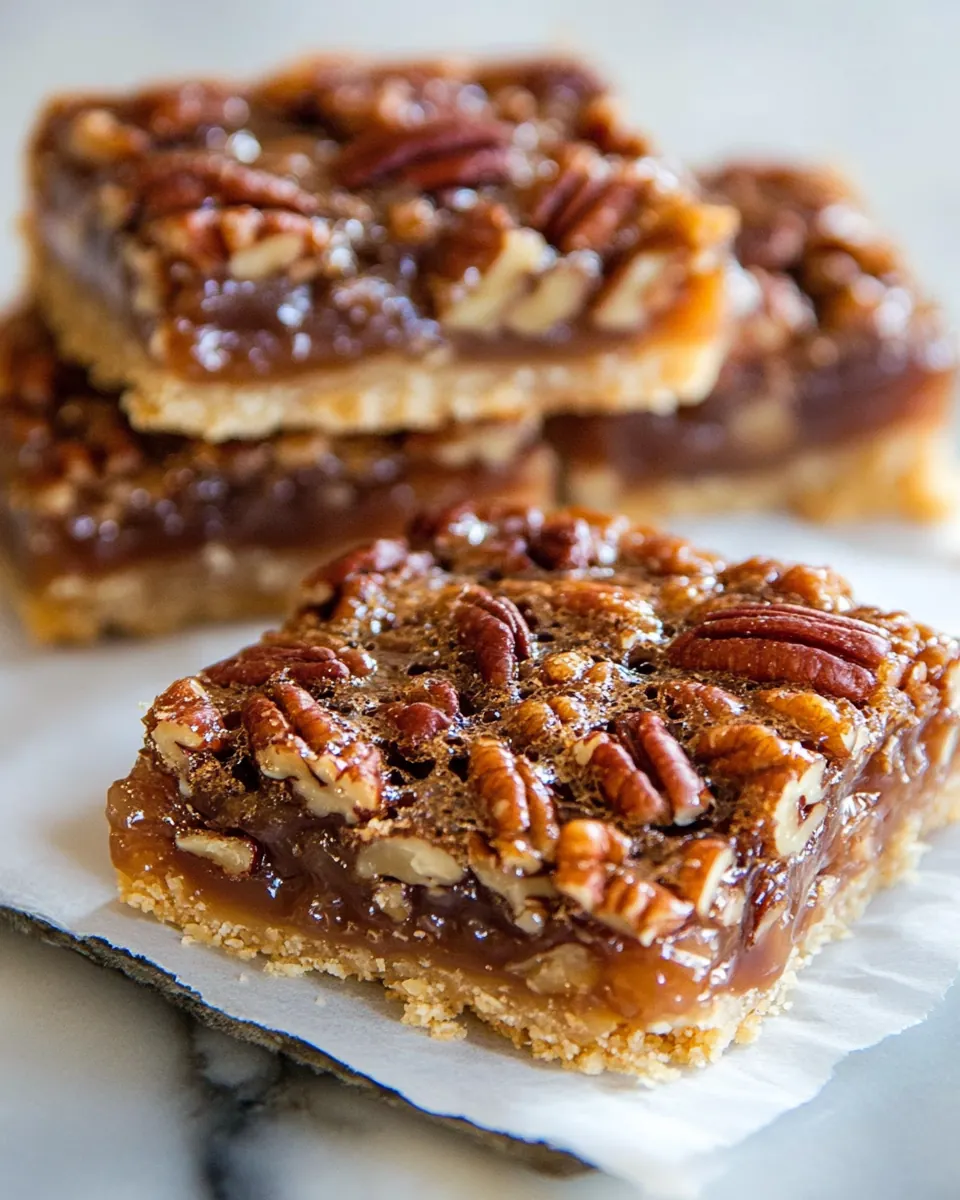
Pecan Pie Bars
Pecan Pie Bars are the kind of dessert that sneaks into the room and instantly claims the best seat at the table, every single time.
I remember the first time I made Pecan Pie Bars for a community potluck, carrying a foil lined pan like it was a small treasure chest. People clustered round, asking questions about the caramel like it was contraband. I felt equal parts proud and a little astonished that such simple pantry ingredients could produce something that tasted so classic and comforting. The filling bubbled as it baked, sending a warm, nutty scent through the house that made conversation slow down and forks move faster. Over the years I have tweaked the balance between the shortbread base and the gooey top until it felt reliably right every time.
Once, on a rainy afternoon, I swapped in orange zest on a whim, and the brightness lifted the whole pan into a new direction that guests still rave about. Another time I learned that chilling the bars completely before slicing gave me those clean, photogenic squares that disappear before I can grab one for myself. These little lessons are why I reach for Pecan Pie Bars whenever I want a dessert that feels both homemade and celebratory. I hope this version becomes one of your go to treats too, the one you bring to holidays and keep for quiet weekend afternoons.
Recipe Snapshot
1 hr 15 mins
30 mins
45 mins
Medium
250 kcal
American
Gluten-Free, Paleo
Desserts
13 by 9 inch baking dish, Foil, Electric stand mixer, Heavy bottomed saucepan, Wire rack, Spatula
Why This Pecan Pie Bars Hits Different
Comforting, familiar flavor
I love how Pecan Pie Bars deliver that classic pecan pie profile in a more portable, crowd friendly form. The combination of buttery shortbread and a sticky, nut filled topping hits the same nostalgic notes as a slice of pie, while being easier to share. When I want a dessert that feels like a warm memory, I reach for this format.
Textural contrast
The crunchy, slightly crumbly shortbread base paired with a gooey, bubbling pecan layer creates a winning contrast. I always enjoy how the chew of the filling plays off the tender crumb of the crust, and that interplay keeps every bite interesting. That textural balance is why this recipe stands out to me.
Simple, pantry friendly ingredients
What excites me most is the ingredient list. You can make these with items you likely already have on hand: butter, flour, brown sugar, honey, pecans. No specialty items required, which means spontaneous baking is possible. I appreciate recipes that reward you without a special trip to the store.
Easy to scale and transport
I often double this when entertaining because the bars travel beautifully. The foil lift out makes it simple to move and serve, and the bars stay intact for picnics, potlucks, or holiday gatherings. I find that they hold their shape well and stay fresh when stored properly.
Room for personal touches
Finally, there is room to personalize. I sometimes add a touch of orange zest to brighten the filling, or adjust the honey and brown sugar ratio for a deeper caramel note. These small decisions let you tailor the bars to your taste while keeping the core elements intact.
What You Need for Pecan Pie Bars
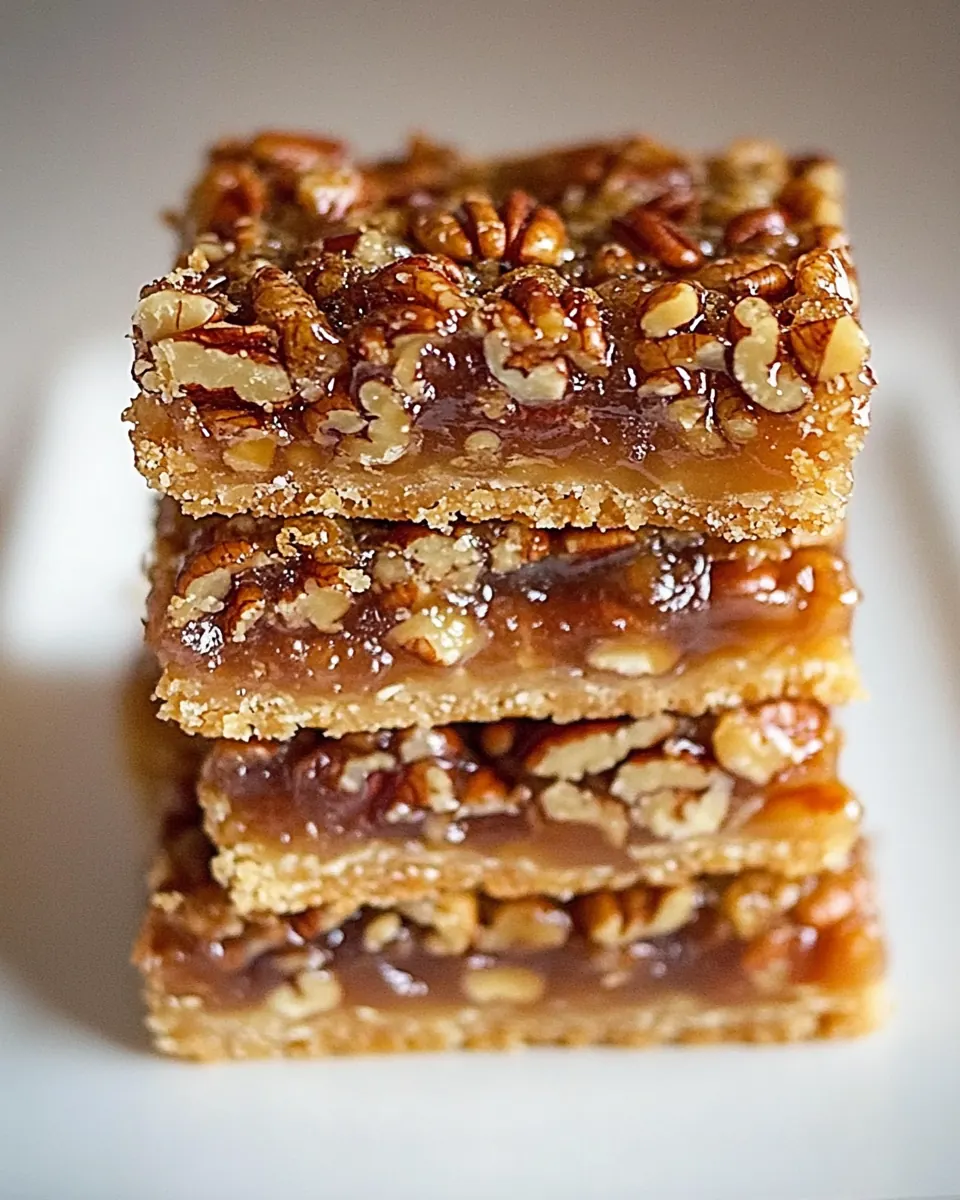
These ingredients work together to create a dessert that is simultaneously crisp and gooey. The shortbread base gives structure and a buttery backbone, while the topping offers sugar, fat, and nuts for sheen and crunch. Each component plays a clear role: the flour and butter form the tender crust, the sugars and honey build a rich caramelized filling, and the pecans add texture and nutty flavor.
- 1 cup butter, softened: Creamed to create a tender, buttery crust and provide rich flavor and moisture in the shortbread base for the bars.
- 2/3 cup packed light-brown sugar: Packed to add caramel-like sweetness and deep molasses notes that enhance the crust and balance the pecan filling.
- 1/2 tsp salt: Added sparingly to balance sweetness and enhance the overall flavor while strengthening the dough structure during mixing.
- 1 1/2 tsp vanilla bean paste or 1 tsp vanilla: Added for aromatic depth and vanilla flavor that heightens the pastry and filling; paste provides visible flecks while extract is a smooth alternative.
- 2 2/3 cups all-purpose flour: Combined into the dough to form the bulk of the crust, providing structure and a tender crumb when properly mixed and chilled.
- 1/2 cup butter: Melted or softened into the topping to bind sugars and pecans, adding richness and a glossy finish to the filling layer.
- 1 cup packed light-brown sugar: Packed to sweeten the pecan layer with a mellow, toffee-like taste that caramelizes during baking for a classic pecan bar profile.
- 1/3 cup honey: Incorporated to lend floral, complex sweetness and assist with a slightly softer, chewier filling texture when mixed with sugars and butter.
- 2 tbsp heavy cream: Stirred in to enrich the filling, contribute creaminess and help create a smooth, cohesive caramel-like consistency for the nut layer.
- 1/8 tsp salt: Used in small amount to subtly enhance flavors and control sweetness, helping to round out the filling without salting the crust too much.
- 2 cups roughly chopped pecans: Chopped and folded in to provide crunch, toasted flavor, and the signature nutty profile that defines pecan bars and complements the sweet filling.
- 1 tsp orange zest () (optional): Zested finely to add bright citrus aroma and a hint of acidity that lifts the richness of the butter–sugar-pecan filling when used optionally.
Putting Together Pecan Pie Bars
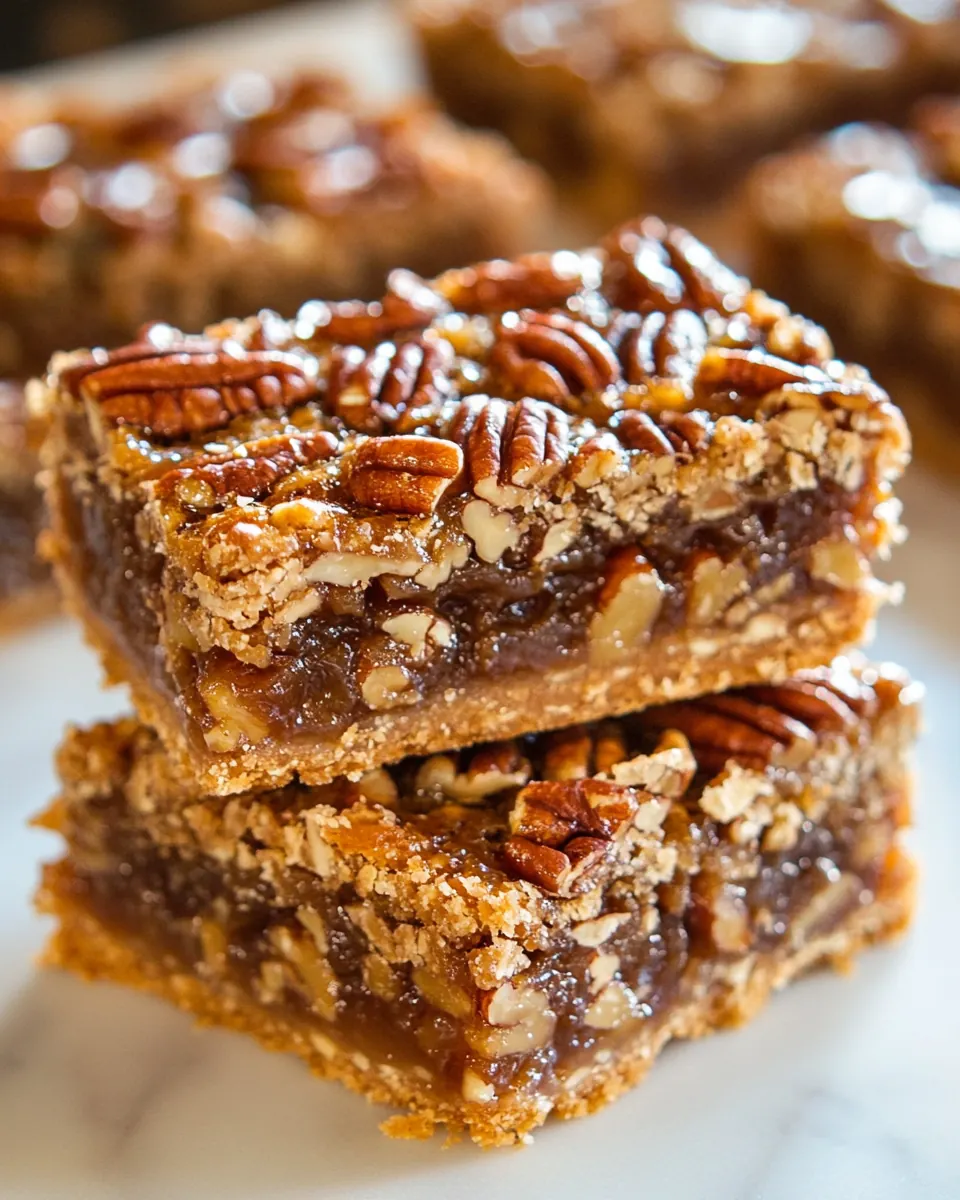
This recipe moves from a tender shortbread crust to a glossy, nut studded topping. The steps are straightforward but timing and temperature matter. Read each instruction carefully so you can catch the visual and sensory cues that mean the layers are ready.
- Preheat oven to 350 degrees. Line a 13 by 9-inch baking dish with foil, leaving a two-inch overhang on all sides. In the bowl of an electric stand mixer, whip 1 cup butter with 2/3 cup brown sugar and 1/2 tsp salt until pale and fluffy. Mix in vanilla bean paste.: The oven warming gives you a reliable environment so the shortbread sets properly while the topping bubbles evenly. You should smell a faint warmth and, if your oven is calibrated, expect the heat to wrap the pan consistently, promoting even browning. A common mistake is skipping preheating, which can lead to a pale, underbaked base. Check that racks are centered and the oven is at a steady temperature before sliding the dish in.
- With mixer set on low speed, slowly add in flour and mix until dough begins to come together in crumbles. Press mixture into an even layer in prepared baking dish and bake in preheated oven 20 minutes, or until edges are golden.: The foil creates a nonstick lift out and makes slicing and storage far simpler. Smooth the foil into corners and press it so the edges lie flat, which helps the crust bake evenly without pooling. You may hear a slight crinkle as you press the foil, and visually, the pan will look shiny and ready. Avoid using too little overhang, or you will struggle to lift the bars out cleanly later.
- Meanwhile prepare the topping by melting together 1/2 cup butter, brown sugar, honey, heavy cream and salt in a heavy-bottomed medium saucepan set over medium heat. Simmer mixture 1 minute, then stir in orange zest and pecans.: As you whip, the mixture will lighten in color and develop a creamy, aerated texture that contributes to a delicate shortbread crumb. You will see small air bubbles and the beaters leaving trails when lifted. Over mixing can make the dough too soft, so stop when it is smooth and pale. If you do not have a stand mixer, use a hand mixer and pause occasionally to scrape the bowl for even creaming.
- Pour pecan mixture over hot shortbread and spread into an even layer. Return to oven and bake until top is bubbling, about 20 minutes.: The paste disperses tiny flecks and fragrant vanilla throughout the dough, which enhances aroma and complexity. Stir gently so the paste dissolves into the creamed butter and brown sugar , and breathe in the warm scent as it melds. A common misstep is adding too much liquid vanilla, which could make the dough sticky; measure carefully.
- Allow to cool completely on a wire rack (you can cool in the fridge or freezer to speed up cooling) then, using foil overhang lift bars out and cut into squares. Store in an airtight container.: Adding the flour gradually prevents a dense, overworked base and lets you judge the texture. The dough should form loose crumbs that hold together when pressed. If it looks dry, small bits of fat will still bind when pressed into the pan. Over mixing at this stage leads to a tough crust, so aim just until it starts to clump.
- Press mixture into an even layer in prepared baking dish: Use your fingers or the bottom of a measuring cup to press the crumbs into a uniform layer, creating a compact, even shortbread base. The visual cue is a smooth, lightly glossy surface with no gaps or high spots. Press firmly to avoid a crumbly bar later, but not so hard that the base becomes compacted and dense. Uneven pressing will cause inconsistent baking, so take a moment to level it out.
- Bake in preheated oven 20 minutes, or until edges are golden: During baking you will notice the smell of toasted butter and the edges developing a warm golden hue. The base should be set to the touch and not doughy in the center. If it still looks pale after the time, allow a few more minutes and watch closely to avoid over browning. Opening the oven too frequently can drop the temperature and affect the texture.
- Meanwhile prepare the topping by melting together 1/2 cup butter, brown sugar, honey, heavy cream and salt in a heavy bottomed medium saucepan set over medium heat: As the mixture warms, watch it become glossy and the sugars dissolve into the butter . Stirring helps the components combine and prevents scorching. You should hear a gentle simmer and see steam rising, with the mixture thickening slightly. Using a heavy bottomed pan prevents hot spots that can burn the sugars, an error that would give the topping a bitter edge.
- Simmer mixture 1 minute, then stir in orange zest and pecans: The brief simmer allows the sugars and heavy cream to meld into a cohesive syrup that will set properly. After simmering, folding in the roughly chopped pecans and optional orange zest distributes texture and brightness. The aroma should shift toward toasted nuts and caramel. Avoid simmering too long, or the mixture may overcook and harden rather than set with a pleasant chew.
- Pour pecan mixture over hot shortbread and spread into an even layer: Pour while the topping is hot so it seeps slightly into the shortbread, bonding the layers. Use a spatula to coax the mixture toward the edges, creating an even surface studded with nut pieces. You will see glossy pooling that gradually evens out. If you wait too long and the topping cools, it will be harder to spread smoothly.
- Return to oven and bake until top is bubbling, about 20 minutes: The bubbling is the crucial signal that the topping has reached the right temperature and the sugars are caramelizing around the pecans . Expect audible gentle bubbling and a shiny, slightly thickened surface. Over baking can dry the topping out, making it crumbly rather than tacky, so remove when you observe even bubbling and a deepened color.
- Allow to cool completely on a wire rack: Cooling lets the filling set so you can slice neat squares. You may feel warm caramel steam as the pan rests, and the bars will firm up visually around the edges. A common mistake is cutting while still warm, which leads to messy slices. If you are impatient, chilling briefly in the fridge helps, but do not freeze solid before cutting or it will fracture.
- Using foil overhang lift bars out and cut into squares: The lift out makes removing the slab effortless and protects those clean edges. Place a sharp knife to cut, and if needed wipe between cuts for tidy slices. The bars should show a defined shortbread layer and a glossy, nutty top. If the bars crumble when you cut, they may not have cooled enough, so return them to the fridge for a short interval.
- Store in an airtight container: Proper storage maintains texture and flavor. Keep the bars at room temperature for a day or refrigerate for longer shelf life, ensuring they remain pleasantly chewy. If stacking, place parchment between layers to prevent sticking. Leaving them uncovered will dry out the topping, so airtight is key.
Tips and Variations
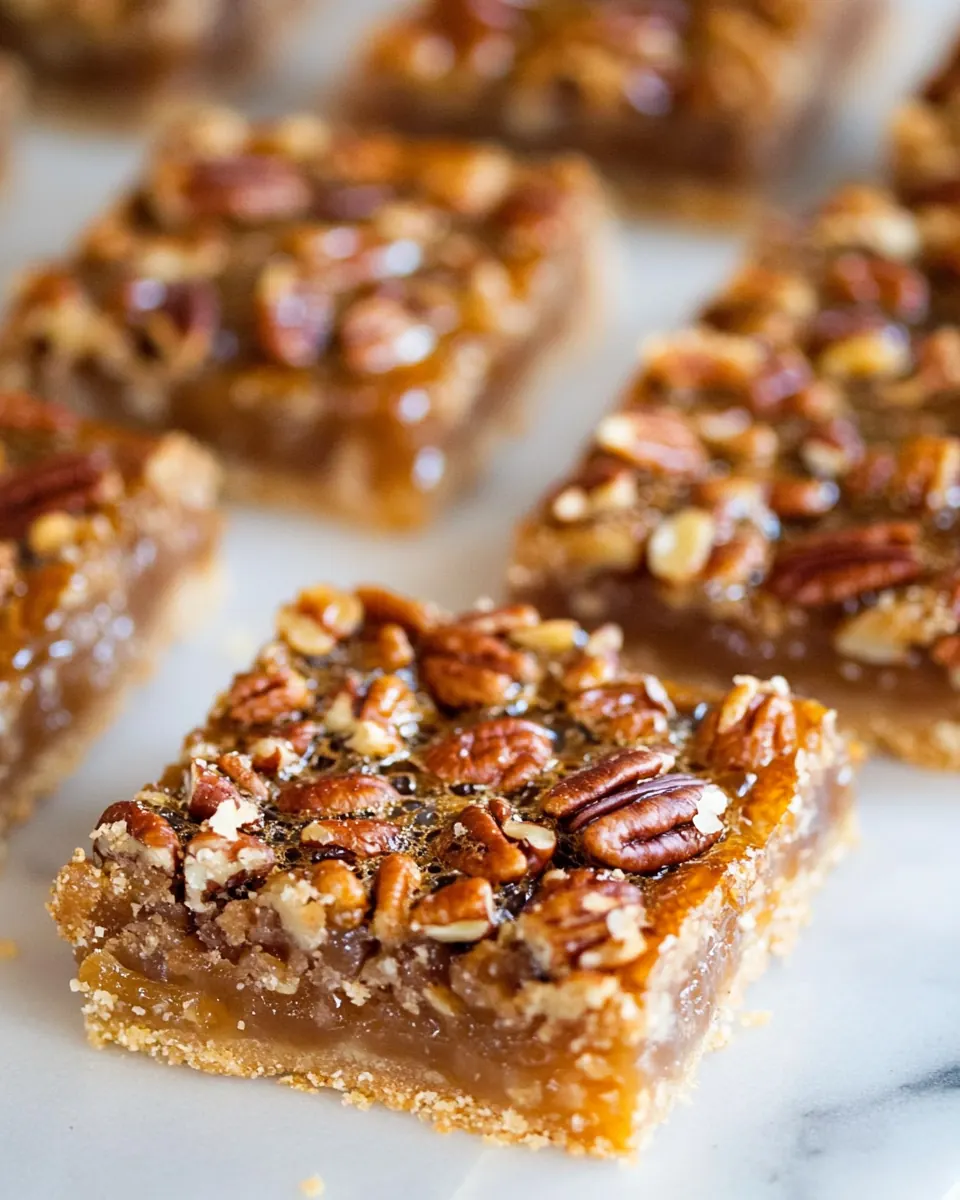
These tips will help you get reliable results and give you small ideas to personalize your Pecan Pie Bars. I include practical tweaks I use regularly to adapt the texture and flavor.
- Choose good quality butter — Real, flavorful butter makes a noticeable difference in both the crust and the topping. I prefer European style when available for a richer mouthfeel, but standard unsalted butter works fine too.
- Measure flour correctly — Spoon the flour into your measuring cup and level it off rather than scooping directly. This prevents a dense shortbread base and keeps the crumb tender and light.
- Toast pecans first — Gently toasting the pecans for a few minutes in a dry skillet enhances their aroma and brings out oils that deepen the overall flavor of the topping.
- Use a heavy bottomed saucepan — This prevents hot spots and caramel scorching. Even heat distribution helps the sugar and butter form a smooth, glossy topping instead of a grainy one.
- Adjust sweetness with honey — If you prefer a less sweet bar, reduce the honey slightly and rely more on the brown sugar for caramel notes. Taste the warm mixture carefully before pouring to ensure you like the balance.
- Chill before slicing — For the cleanest squares, chill the pan for at least 30 minutes after it cools to room temperature. The filling firms and slices much more cleanly, making for prettier serving pieces.
Serving Ideas for Pecan Pie Bars
These bars are versatile, fitting both casual gatherings and festive occasions. Below are serving suggestions, storage tips, and pairing ideas to help you present them with confidence and flair.
- Holiday platter presentation — Arrange Pecan Pie Bars on a large platter for Thanksgiving or holiday dessert tables. Add a small bowl of whipped cream on the side for guests who like a light counterpoint to the sweetness.
- Casual coffee pairing — Serve a square with a cup of coffee or black tea for a cozy afternoon treat. The rich, nut forward flavor pairs especially well with medium roast coffee.
- Picnic friendly — Because these bars travel well, pack them in an airtight container layered with parchment for picnics or potlucks. They keep their texture and are easy to share outdoors.
- Make ahead for events — Bake a day ahead and store at room temperature for short events, or refrigerate to extend freshness. When serving at a gathering, bring to room temperature for the best chew and flavor.
- Seasonal pairing — In fall, complement the bars with spiced cider or a lightly spiced latte. The nutty, caramel notes harmonize with warm spices and autumn produce.
- Storage tips — Store in an airtight container at room temperature for up to two days, or refrigerate for up to a week. For longer storage, freeze individual squares wrapped tightly and thaw at room temperature before serving.
- Occasion suggestions — Perfect for family dinners, office parties, holiday buffets, and potlucks. Their portability and easy slicing make them ideal for any event where you need a dessert that travels well.
FAQ
Conclusion
These Pecan Pie Bars combine a tender, buttery shortbread base with a sticky, nut laden topping that delivers all the satisfying flavors of pecan pie in an easy to share format. They are approachable for home bakers, travel well, and offer room for small tweaks like orange zest or toasted nuts to make them your own. Give them a try at your next gathering or cozy weekend treat, and notice how quickly they become a requested favorite. Baking them once is often enough to unlock a dozen variations and memories tied to that warm, caramel aroma.
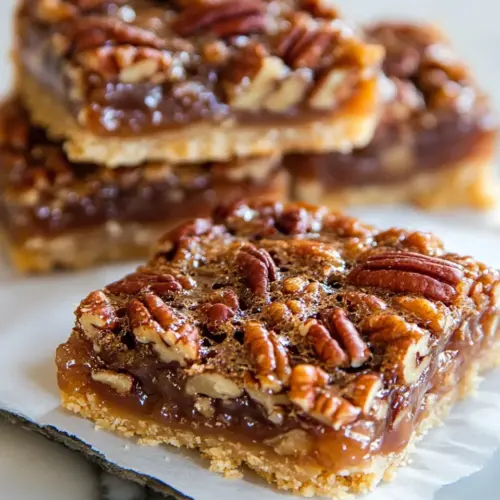
Pecan Pie Bars
Equipment
- 13 by 9 inch baking dish
- Foil
- Electric Stand Mixer
- Heavy-Bottomed Saucepan
- Wire Rack
- Spatula
Ingredients
- 1 cup butter, softened Creamed to create a tender, buttery crust and provide rich flavor and moisture in the shortbread base for the bars.
- 2/3 cup packed light-brown sugar Packed to add caramel-like sweetness and deep molasses notes that enhance the crust and balance the pecan filling.
- 1/2 tsp salt Added sparingly to balance sweetness and enhance the overall flavor while strengthening the dough structure during mixing.
- 1 1/2 tsp vanilla bean paste or 1 tsp vanilla Added for aromatic depth and vanilla flavor that heightens the pastry and filling; paste provides visible flecks while extract is a smooth alternative.
- 2 2/3 cups all-purpose flour Combined into the dough to form the bulk of the crust, providing structure and a tender crumb when properly mixed and chilled.
- 1/2 cup butter Melted or softened into the topping to bind sugars and pecans, adding richness and a glossy finish to the filling layer.
- 1 cup packed light-brown sugar Packed to sweeten the pecan layer with a mellow, toffee-like taste that caramelizes during baking for a classic pecan bar profile.
- 1/3 cup honey Incorporated to lend floral, complex sweetness and assist with a slightly softer, chewier filling texture when mixed with sugars and butter.
- 2 tbsp heavy cream Stirred in to enrich the filling, contribute creaminess and help create a smooth, cohesive caramel-like consistency for the nut layer.
- 1/8 tsp salt Used in small amount to subtly enhance flavors and control sweetness, helping to round out the filling without salting the crust too much.
- 2 cups roughly chopped pecans Chopped and folded in to provide crunch, toasted flavor, and the signature nutty profile that defines pecan bars and complements the sweet filling.
- 1 tsp orange zest (optional) Zested finely to add bright citrus aroma and a hint of acidity that lifts the richness of the butter-sugar-pecan filling when used optionally.
Instructions
- Preheat oven to 350 degrees. Line a 13 by 9-inch baking dish with foil, leaving a two-inch overhang on all sides. In the bowl of an electric stand mixer, whip 1 cup butter with 2/3 cup brown sugar and 1/2 tsp salt until pale and fluffy. Mix in vanilla bean paste.: The oven warming gives you a reliable environment so the shortbread sets properly while the topping bubbles evenly. You should smell a faint warmth and, if your oven is calibrated, expect the heat to wrap the pan consistently, promoting even browning. A common mistake is skipping preheating, which can lead to a pale, underbaked base. Check that racks are centered and the oven is at a steady temperature before sliding the dish in.
- With mixer set on low speed, slowly add in flour and mix until dough begins to come together in crumbles. Press mixture into an even layer in prepared baking dish and bake in preheated oven 20 minutes, or until edges are golden.: The foil creates a nonstick lift out and makes slicing and storage far simpler. Smooth the foil into corners and press it so the edges lie flat, which helps the crust bake evenly without pooling. You may hear a slight crinkle as you press the foil, and visually, the pan will look shiny and ready. Avoid using too little overhang, or you will struggle to lift the bars out cleanly later.
- Meanwhile prepare the topping by melting together 1/2 cup butter, brown sugar, honey, heavy cream and salt in a heavy-bottomed medium saucepan set over medium heat. Simmer mixture 1 minute, then stir in orange zest and pecans.: As you whip, the mixture will lighten in color and develop a creamy, aerated texture that contributes to a delicate shortbread crumb. You will see small air bubbles and the beaters leaving trails when lifted. Over mixing can make the dough too soft, so stop when it is smooth and pale. If you do not have a stand mixer, use a hand mixer and pause occasionally to scrape the bowl for even creaming.
- Pour pecan mixture over hot shortbread and spread into an even layer. Return to oven and bake until top is bubbling, about 20 minutes.: The paste disperses tiny flecks and fragrant vanilla throughout the dough, which enhances aroma and complexity. Stir gently so the paste dissolves into the creamed butter and brown sugar , and breathe in the warm scent as it melds. A common misstep is adding too much liquid vanilla, which could make the dough sticky; measure carefully.
- Allow to cool completely on a wire rack (you can cool in the fridge or freezer to speed up cooling) then, using foil overhang lift bars out and cut into squares. Store in an airtight container.: Adding the flour gradually prevents a dense, overworked base and lets you judge the texture. The dough should form loose crumbs that hold together when pressed. If it looks dry, small bits of fat will still bind when pressed into the pan. Over mixing at this stage leads to a tough crust, so aim just until it starts to clump.
- Press mixture into an even layer in prepared baking dish: Use your fingers or the bottom of a measuring cup to press the crumbs into a uniform layer, creating a compact, even shortbread base. The visual cue is a smooth, lightly glossy surface with no gaps or high spots. Press firmly to avoid a crumbly bar later, but not so hard that the base becomes compacted and dense. Uneven pressing will cause inconsistent baking, so take a moment to level it out.
- Bake in preheated oven 20 minutes, or until edges are golden: During baking you will notice the smell of toasted butter and the edges developing a warm golden hue. The base should be set to the touch and not doughy in the center. If it still looks pale after the time, allow a few more minutes and watch closely to avoid over browning. Opening the oven too frequently can drop the temperature and affect the texture.
- Meanwhile prepare the topping by melting together 1/2 cup butter, brown sugar, honey, heavy cream and salt in a heavy bottomed medium saucepan set over medium heat: As the mixture warms, watch it become glossy and the sugars dissolve into the butter . Stirring helps the components combine and prevents scorching. You should hear a gentle simmer and see steam rising, with the mixture thickening slightly. Using a heavy bottomed pan prevents hot spots that can burn the sugars, an error that would give the topping a bitter edge.
- Simmer mixture 1 minute, then stir in orange zest and pecans: The brief simmer allows the sugars and heavy cream to meld into a cohesive syrup that will set properly. After simmering, folding in the roughly chopped pecans and optional orange zest distributes texture and brightness. The aroma should shift toward toasted nuts and caramel. Avoid simmering too long, or the mixture may overcook and harden rather than set with a pleasant chew.
- Pour pecan mixture over hot shortbread and spread into an even layer: Pour while the topping is hot so it seeps slightly into the shortbread, bonding the layers. Use a spatula to coax the mixture toward the edges, creating an even surface studded with nut pieces. You will see glossy pooling that gradually evens out. If you wait too long and the topping cools, it will be harder to spread smoothly.
- Return to oven and bake until top is bubbling, about 20 minutes: The bubbling is the crucial signal that the topping has reached the right temperature and the sugars are caramelizing around the pecans . Expect audible gentle bubbling and a shiny, slightly thickened surface. Over baking can dry the topping out, making it crumbly rather than tacky, so remove when you observe even bubbling and a deepened color.
- Allow to cool completely on a wire rack: Cooling lets the filling set so you can slice neat squares. You may feel warm caramel steam as the pan rests, and the bars will firm up visually around the edges. A common mistake is cutting while still warm, which leads to messy slices. If you are impatient, chilling briefly in the fridge helps, but do not freeze solid before cutting or it will fracture.
- Using foil overhang lift bars out and cut into squares: The lift out makes removing the slab effortless and protects those clean edges. Place a sharp knife to cut, and if needed wipe between cuts for tidy slices. The bars should show a defined shortbread layer and a glossy, nutty top. If the bars crumble when you cut, they may not have cooled enough, so return them to the fridge for a short interval.
- Store in an airtight container: Proper storage maintains texture and flavor. Keep the bars at room temperature for a day or refrigerate for longer shelf life, ensuring they remain pleasantly chewy. If stacking, place parchment between layers to prevent sticking. Leaving them uncovered will dry out the topping, so airtight is key.
Notes
- Choose good quality butter — Real, flavorful butter makes a noticeable difference in both the crust and the topping. I prefer European style when available for a richer mouthfeel, but standard unsalted butter works fine too.
- Measure flour correctly — Spoon the flour into your measuring cup and level it off rather than scooping directly. This prevents a dense shortbread base and keeps the crumb tender and light.
- Toast pecans first — Gently toasting the pecans for a few minutes in a dry skillet enhances their aroma and brings out oils that deepen the overall flavor of the topping.
- Use a heavy bottomed saucepan — This prevents hot spots and caramel scorching. Even heat distribution helps the sugar and butter form a smooth, glossy topping instead of a grainy one.
- Adjust sweetness with honey — If you prefer a less sweet bar, reduce the honey slightly and rely more on the brown sugar for caramel notes. Taste the warm mixture carefully before pouring to ensure you like the balance.
- Chill before slicing — For the cleanest squares, chill the pan for at least 30 minutes after it cools to room temperature. The filling firms and slices much more cleanly, making for prettier serving pieces.