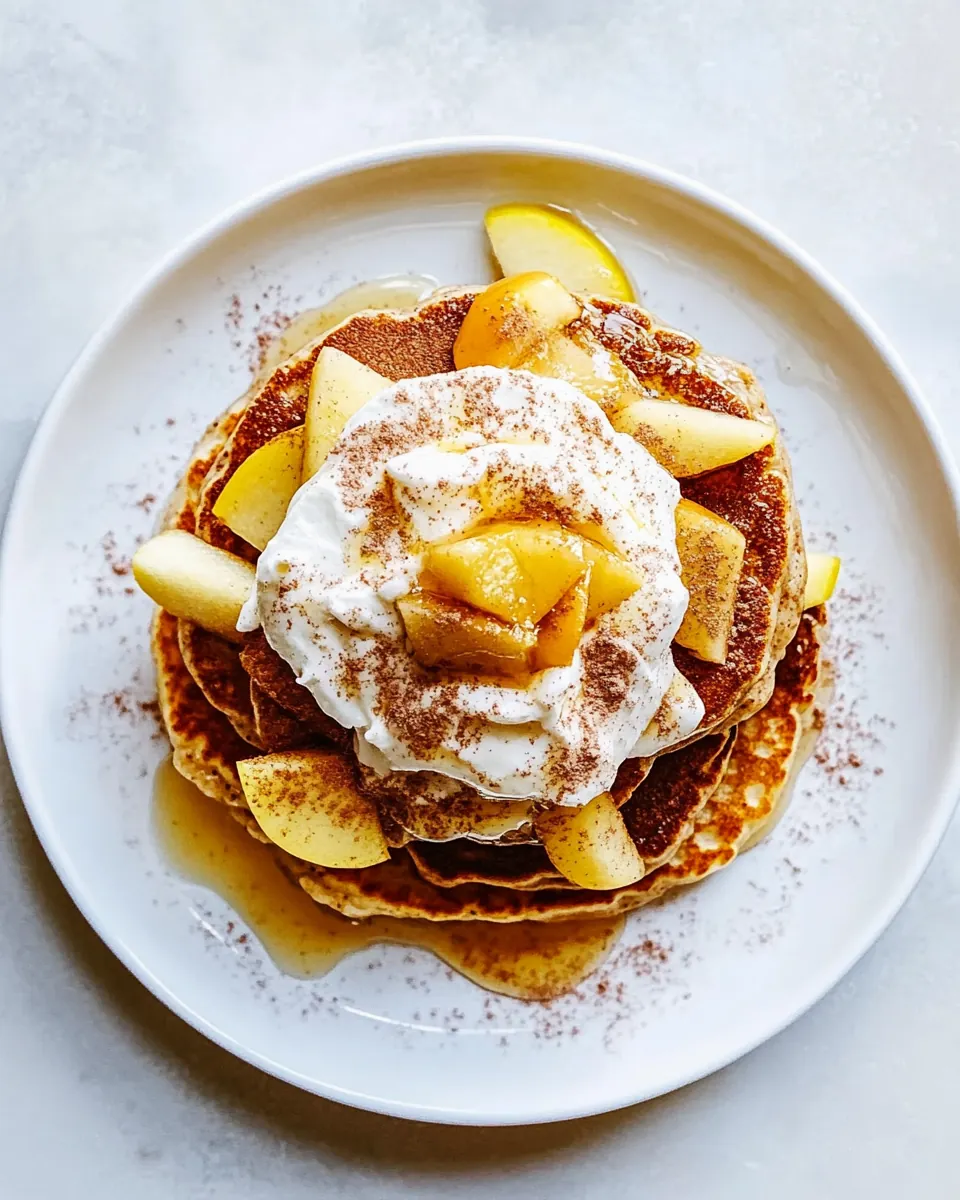
Cinnamon Pancakes with Apples and Meyer Lemon Whipped Cream
Cinnamon Pancakes with Apples and Meyer Lemon Whipped Cream are a cozy, sunlit weekend treat that I reach for when the air starts to crisp and the fruit bowl begs to be used. The first time I made these I was chasing a memory of a diner pancake, but wanted brighter lemon lift and the warmth of cinnamon folded right into the batter. The mix of soft, pillowy pancakes and sharp Meyer lemon whipped cream feels like a gentle celebration in every bite.
There is something about the ritual of making batter, warming a heavy skillet, and slicing apples that turns an ordinary morning into a small ceremony. I remember a chilly Saturday when I layered stacks on a platter, fanned thin slices of apple across the top, and watched the steam curl as the honey pooled into the crevices. Family members wandered in, drawn by the scent of toasted butter and cinnamon, and lingered longer than usual.
Over the years I have tuned the balance between tangy and sweet, learning when to rest the batter, and when to push the heat a touch higher for better browning. These pancakes feel both nostalgic and a little grown up thanks to the Meyer lemon in the whipped cream. Whenever I make them I feel like I am handing someone a warm, thoughtful hug plated up with a little citrus sparkle.
Recipe Snapshot
20 mins
10 mins
10 mins
Easy
300 kcal
American
Gluten-Free, Low FODMAP
Breakfast
Cast iron skillet, Electric griddle, Mixing bowls, Whisk, Stand mixer with whisk attachment, Ladle, Spatula
Why You’ll Love This Cinnamon Pancakes with Apples and Meyer Lemon Whipped Cream
Balanced Flavor Layers
I love how the batter carries warm cinnamon so it sings through each bite while the bright Meyer lemon whipped cream cuts the richness. I find that the contrast makes each mouthful interesting, not cloying, and keeps you coming back for more.
Texture Play
The combination of fluffy pancakes with the airy whipped cream and crisp apple slices creates a lovely variety of textures. I like that you get a tender crumb, a cool silky topping, and a slight crunch from the fruit all on one fork.
Everyday Ingredients, Elevated
These are pantry-friendly ingredients done right. With basic flour, buttermilk, and eggs you get something special. I appreciate how a simple twist like Meyer lemon zest can lift a familiar stack into something memorable.
Flexible and Approachable
I often make a double batch for company because these scale easily. The technique is straightforward, which makes it a great recipe to cook with kids or friends. I trust this formula even when I am entertaining on short notice.
Comfort with a Clean Finish
While the pancakes are richly comforting, the lemon whipped cream and apples keep it bright. I like dishes that feel indulgent yet balanced, and this one does exactly that for breakfasts and leisurely brunches alike.
Ingredients Overview for Cinnamon Pancakes with Apples and Meyer Lemon Whipped Cream
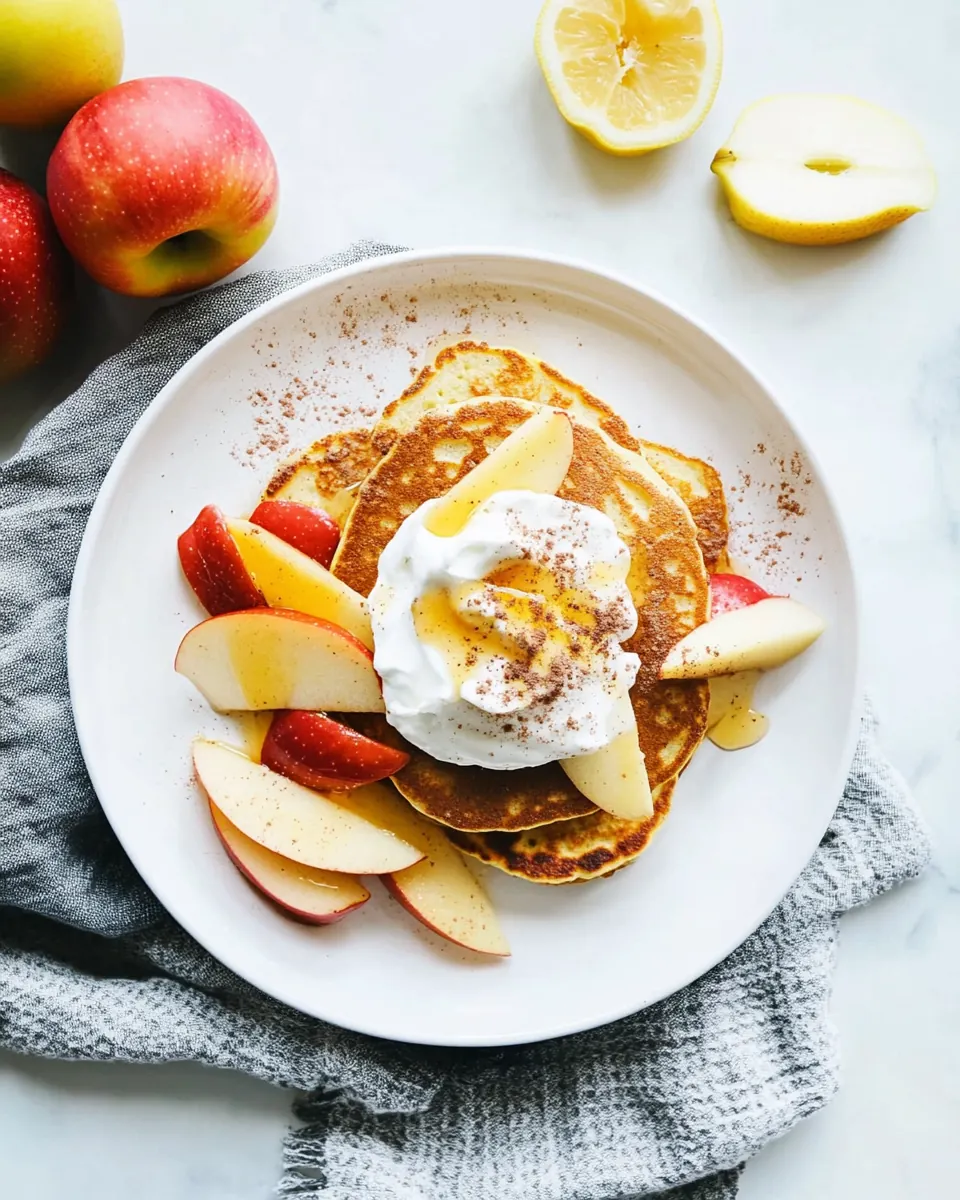
These ingredients are deliberately simple and complementary. The dry components build structure while the wet ingredients add tenderness and lift. The key players are the buttermilk for tang and acidity, the baking powder and baking soda for lift, and the cinnamon for warm aromatics. The Meyer lemon whipped cream finishes the pancakes with a bright, creamy note that balances the sweet apples.
- 2 cups all purpose flour: Provide structure and bulk to the batter, forming the base of the pancakes; combine with leaveners and liquids to create gluten networks that give chew and body. Sift or whisk before measuring to ensure even texture and prevent lumps, which helps yield tender pancakes.
- 3 tablespoons sugar: Add sweetness and help with browning during cooking, balancing the tartness and richness of other components; dissolve into the wet ingredients for even distribution throughout the batter. Measure precisely to avoid overly sweet pancakes that can mask delicate spices.
- 1 1/2 teaspoons baking powder: Lighten the batter by producing carbon dioxide when reacting with acids, contributing to lift and a tender crumb; use with baking soda to create reliable rise. Make sure it is fresh and not clumped to ensure effective leavening action.
- 1 1/2 teaspoons baking soda: Provide rapid leavening and work with acidic ingredients like buttermilk to create additional lift and a soft texture; help make pancakes light and airy. Activate at room temperature and mix into dry ingredients to ensure uniform distribution.
- 1 teaspoon ground cinnamon: Add warm, aromatic flavor that complements the apples and lemon, enhancing the overall spice profile of the pancakes; infuse both batter and cooked cakes with subtle depth. Use a fine measure for balanced spice without overpowering the other flavors.
- 1 teaspoon fine grain sea salt: Contribute seasoning and enhance all other flavors by balancing sweetness and acidity; also aid in strengthening gluten slightly for proper texture. Use fine grain sea salt for even incorporation and better dissolution in the batter.
- 2 1/2 cups well-shaken buttermilk: Provide acidity and moisture that react with leaveners to create lift while adding tangy depth to the pancakes; hydrate the dry ingredients for the proper batter consistency. Shake well to ensure uniform thickness and measure at the surface to get accurate volume.
- 2 eggs: Bind the batter, add richness, and contribute to structure through proteins that set during cooking; whisk lightly to incorporate air for a lighter pancake. Use room-temperature eggs if possible to emulsify more smoothly with other wet ingredients.
- 1 teaspoon good vanilla extract: Bring aromatic sweetness and depth, enhancing the flavor complexity of the batter; pairs well with cinnamon and apples to round out taste. Use a good quality extract and measure carefully to avoid overly concentrated flavor.
- 4 tablespoons unsalted butter, melted and cooled (plus more for the skillet): Add rich, buttery flavor and tenderize the crumb by coating flour proteins and contributing fat; melt and cool to avoid cooking the eggs when mixed into the wet ingredients. Reserve extra for greasing the skillet to prevent sticking and encourage golden browning.
- 1 cup cold heavy cream: Create a stable whipped cream when chilled and whipped, adding luxurious richness and lift to the topping; provide fat necessary for texture and volume. Keep cold until whipping to achieve the best peaks and fold gently with flavorings.
- 2 tablespoons sugar: Sweeten and stabilize the whipped cream while enhancing flavor; dissolve into cream during whipping for uniform sweetness. Use measured quantity to avoid overly sweet topping and adjust to taste if needed.
- 1 tablespoon Meyer lemon zest (from about 2 lemons), plus more for sprinkling: Provide bright, floral citrus aroma and concentrated lemon oil to the whipped cream, uplifting the cream with a distinct Meyer lemon note; zest from fresh lemons yields the best flavor. Zest carefully to avoid the bitter white pith and sprinkle additional zest for garnish.
- 2 teaspoons meyer lemon juice: Add delicate citrus acidity to balance the richness of the whipped cream and pancakes, enhancing brightness without overwhelming; use fresh Meyer lemon juice for a sweeter, more floral lemon flavor. Measure and add sparingly to maintain the whipped cream’s stability.
How to Prepare Cinnamon Pancakes with Apples and Meyer Lemon Whipped Cream
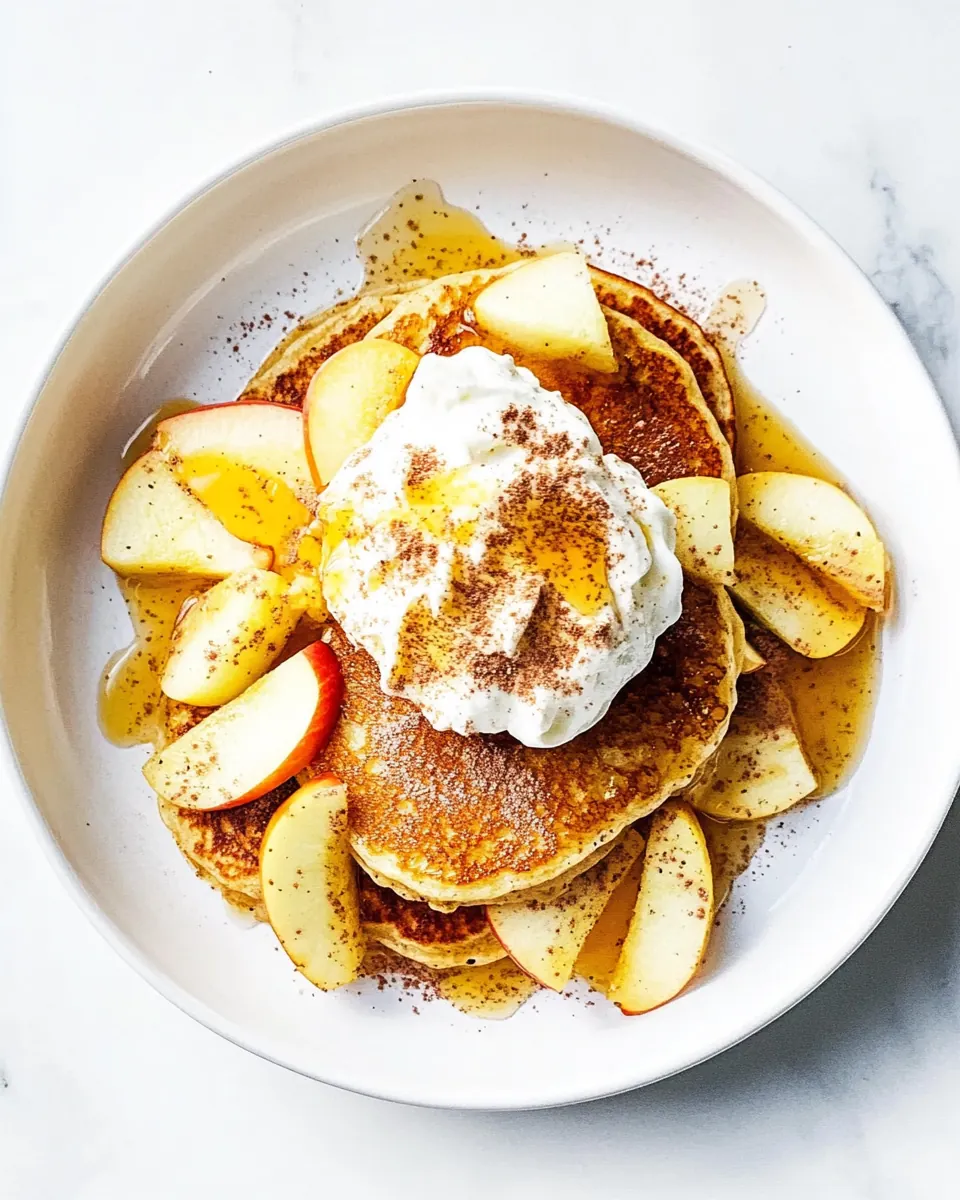
These directions take you from mixing to plating with an emphasis on sensory cues so you know when each stage is right. I like to work methodically, keeping tools and ingredients close so the cook flows without stress. Read each step fully before you begin and pay attention to the visual and tactile signs I describe.
- Add flour, sugar, baking powder, baking soda, cinnamon and sea salt to a large bowl, whisking to combine. In a medium bowl, whisk together buttermilk, eggs and vanilla. Pour the wet ingredients into the dry ingredients, and mix just until combined (you'll still see a few lumps). Fold in the melted butter. If you've got the time, let the batter rest for 30 minutes.: Start with the dry mix because whisking them together distributes the leavening and spice evenly, which prevents pockets of flavor or uneven rise. As you whisk, notice the uniform pale tan color with tiny flecks of cinnamon , and smell the warm spice releasing from the bowl. A good whisk will make the surface look slightly aerated, which helps the wet ingredients incorporate without overmixing. Common mistake to avoid is dumping the wet ingredients into a not well-mixed dry base, which can lead to streaks of baking soda or powder and uneven texture.
- While the batter is resting, preheat a cast-iron skillet over medium-high heat or an electric griddle to 375°F. Brush the skillet lightly with melted butter. Using a ladle, pour pools of batter on the hot skillet. I can get 3 pancakes on a 12-inch skillet or 6 on a rectangular electric skillet. Adjust the size of your pancakes based on taste (I like mine not too small, but not too big). When the pancakes have bubbles on top and are slightly dry around the edges, about 1 to 2 minutes, flip over. Cook on the other side for an additional minute, until golden. Repeat with the remaining batter. You can keep the finished pancakes on a baking sheet in the oven at 175°F covered with a clean kitchen towel.: The wet mixture should look homogeneous and slightly frothy, with the yolk fully broken down so there are no streaks of yellow. The acid from the buttermilk will perfume the mix and the whipped surface indicates air that will yield tender pancakes. Use a fork or small whisk and blend until smooth, then sniff: the tang should be bright but not sharp. A typical slip is underwhisking, leaving lawns of separate whites and yolks that will not distribute evenly in the batter.
- While the pancakes are cooking, prepare the whipped cream. Add the cream, sugar, lemon zest and lemon juice to the bowl of a stand mixer fitted with the whisk attachment. Whisk on high until soft peaks form.: When you combine them, you want to stop while the batter still shows a few small lumps, because overmixing develops gluten and makes pancakes tough. Visually, the batter will change from powdery to a cohesive, slightly thick batter that flows slowly off your spoon. The surface should be matte, not glossy. One mistake is aggressive stirring to remove lumps, which yields rubbery pancakes; instead use a few folds until the major dry streaks are gone.
- To serve, fan out or stack up pancakes on a plate, then top with chopped Autumn Glory apples tossed in a little Meyer lemon juice. Finish with a drizzle of honey (or maple syrup) and a dollop of Meyer lemon whipped cream dusted with some fresh lemon zest. Enjoy warm!: Adding the cooled melted butter at this point enriches the batter and keeps it tender without cooking the eggs. As you fold, you will see the batter take on a silkier sheen and a faint buttery aroma. Use a spatula and gentle folding motions to avoid deflating the incorporated air. Avoid adding very hot butter which can scramble the eggs and create grainy bits.
- If you've got the time, let the batter rest for 30 minutes: Resting allows the flour to hydrate fully and the bubbles to relax, producing lighter pancakes with a more uniform crumb. During this time the batter may thicken slightly and the scent of cinnamon will deepen. If you are short on time you can skip this, but the texture will be a touch less tender. A common oversight is leaving batter to sit uncovered where it forms a skin; cover it lightly so the top stays moist.
- While the batter is resting, preheat a cast-iron skillet over medium-high heat or an electric griddle to 375°F: Preheating is crucial because a properly hot surface creates immediate contact browning and those desirable edges. You will hear a faint sizzle when batter meets the pan and see rapid bubble formation. Aim for a surface that yields a single steady sizzle, not a screaming hiss which indicates too-high heat. A frequent error is starting on a cold skillet which gives flat, pale pancakes.
- Brush the skillet lightly with melted butter: Butter in the pan browns and flavors the pancake edges; it also helps the batter release cleanly. The butter should foam lightly but not smoke. Visual cue: a shimmering coat across the skillet. Too much butter pools and fries the batter edges, so apply just a thin film.
- Using a ladle, pour pools of batter on the hot skillet: Ladling gives control over pancake size and ensures even cooking. As the batter hits the surface it should spread into a round and begin to form small bubbles within seconds. If it spreads too thinly the heat is too high or you used too much butter; if it barely moves the skillet is not hot enough. A common misstep is crowding the pan which lowers the temperature and steals color from the pancakes.
- When the pancakes have bubbles on top and are slightly dry around the edges, about 1 to 2 minutes, flip over: Look for bubble crowns and a drier ring at the edges as the signal to flip, rather than relying only on time. The underside should be golden, not pale. When you flip, listen for a confident sizzle and feel the lightness as the pancake releases from the pan. Flipping too early yields raw centers, while flipping too late risks burning the bottom.
- Cook on the other side for an additional minute, until golden: The second side cooks faster and sets the interior. Watch for a uniform golden brown and a slightly springy center when gently pressed. The aroma will shift from raw batter to toasted butter and cinnamon. Avoid extended cooking which dries the pancake out; a quick finish preserves a tender crumb.
- Repeat with the remaining batter: Maintain a steady pan temperature, adding a light brush of butter as needed between batches. Transfer finished pancakes to a rimmed baking sheet and keep them warm in a 175°F oven under a clean towel if you are making multiple batches. This prevents cold, soggy stacks. A pitfall is piling hot pancakes directly together which traps steam and softens the edges.
- While the pancakes are cooking, prepare the whipped cream: Cold heavy cream whisked with sugar, Meyer lemon zest, and lemon juice will transform into soft peaks that smell bright and floral. The sound changes as it whips from liquid sloshing to a heavier, thicker whip, and the bowl will show soft, billowy peaks when you lift the whisk. Overwhipping creates grainy butter; stop when the peaks barely hold their shape.
- To serve, fan out or stack up pancakes on a plate, then top with chopped Autumn Glory apples tossed in a little Meyer lemon juice: The apples add crisp freshness and a cold counterpoint to the warm stack. Tossing them in lemon juice prevents browning and adds brightness. Arrange them artfully so each bite includes fruit and pancake. A common mistake is chopping apples too large, which makes them dominate the bite instead of complementing it.
- Finish with a drizzle of honey and a dollop of Meyer lemon whipped cream dusted with some fresh lemon zest: The final touches bring balance, the honey melts into warm crevices while the whipped cream adds cool, bright creaminess. A light dusting of zest on top gives an aromatic flourish. Resist drenching the stack with syrup which masks the nuanced lemon and cinnamon interplay.
Ways to Customize
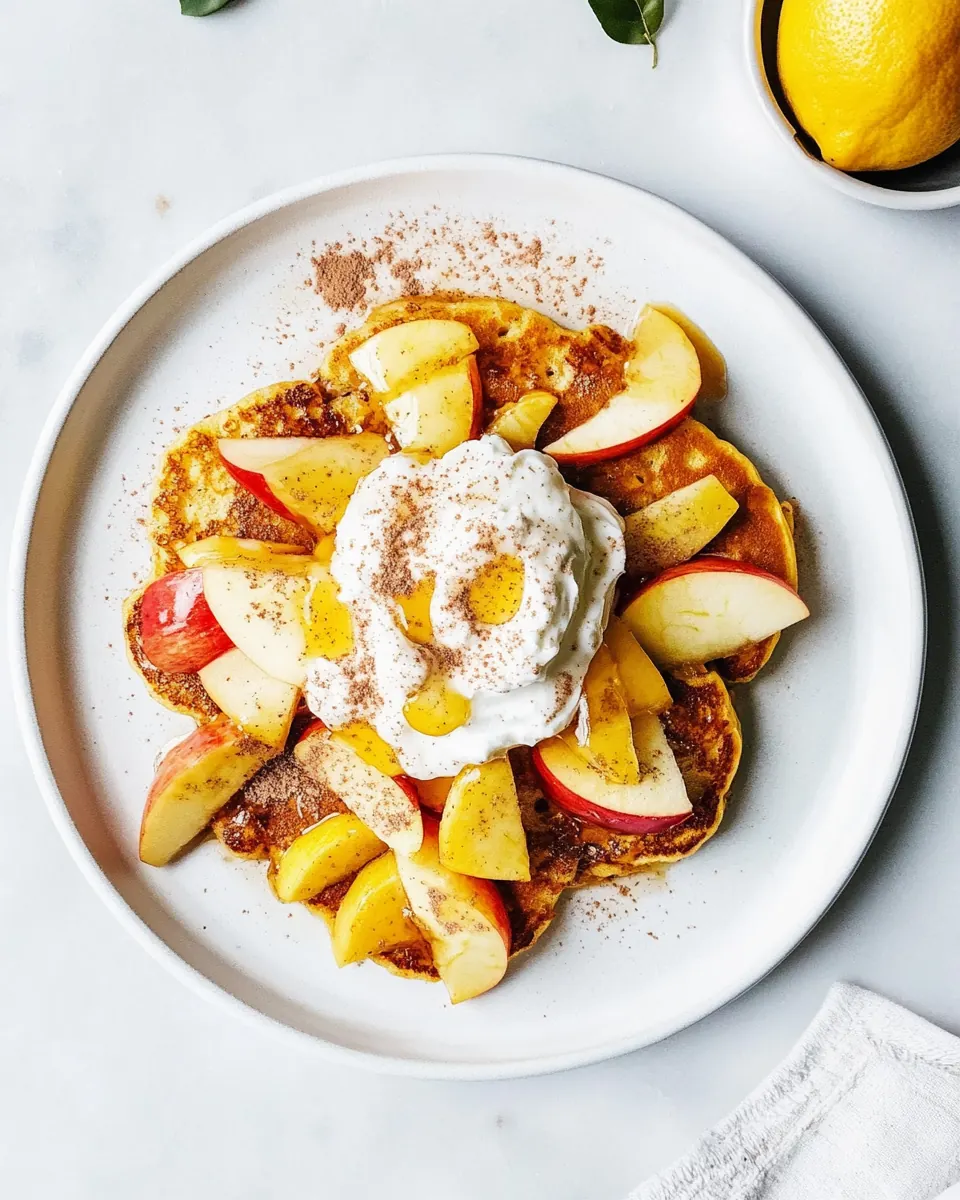
These ideas let you tweak the recipe while keeping the heart of the dish intact. Each suggestion starts with a bolded phrase to make it easy to scan, and then explains why I like the change and how to execute it without losing the original balance of flavors.
- Swap the fruit Use thinly sliced pears instead of apples for a softer, more delicate fruit note that pairs beautifully with cinnamon and Meyer lemon. Pears will soften quickly, so toss them in lemon juice and add them right before serving to keep a little texture.
- Use a different sweetener If you prefer a deeper flavor, try maple syrup in place of honey on the finished stack. I find maple brings a woodsy note, but honey emphasizes the floral and citrus interplay so choose based on what you want to highlight.
- Make them ahead Prepare batter and keep it refrigerated for a few hours, but bring it back to room temperature before cooking so the pancakes brown evenly. Resting longer can deepen flavor, just give it a quick stir before ladling.
- Change the grain Swap half of the all purpose flour for whole wheat pastry flour for a nuttier flavor and slightly heartier crumb, while maintaining tender pancakes. Expect a marginally denser texture and adjust liquid if needed.
- Adjust lemon intensity Increase the Meyer lemon zest by a half teaspoon for a brighter aroma, or reduce the juice slightly if you prefer a subtler acidity in the whipped cream. Fresh zest is the most impactful adjustment.
- Plate for brunch Serve pancakes stacked with apple slices fanned on top and a small ramekin of extra whipped cream on the side so guests can customize each bite. This makes the presentation feel intentional and interactive.
What Goes Well With This Cinnamon Pancakes with Apples and Meyer Lemon Whipped Cream
These serving suggestions help you plan a complete breakfast or brunch around the pancakes. I focus on complementary textures, seasonal pairings, and practical serving tips so you can present a balanced spread.
- Simple hot beverage Pair the pancakes with strong coffee or a spiced tea to cut through the sweetness and echo the warm cinnamon notes. A hot beverage provides a comforting contrast to the cold whipped cream.
- Fresh fruit side Serve extra sliced fruit like pears or leftover apples tossed in lemon juice so people can add more brightness if they like. The crispness keeps the plate feeling fresh rather than too rich.
- Casual brunch table Lay out a board with honey, extra syrup, and small bowls of lemon zest for guests to customize their stack. This invites interaction and keeps the stack from becoming overly sweet for those who prefer less.
- Occasions These pancakes shine at a relaxed weekend brunch or a special autumn breakfast. They also work well for holiday mornings where you want something comforting but a little festive thanks to the Meyer lemon.
- Storage tips Keep leftover pancakes in an airtight container in the refrigerator for up to two days. Reheat gently in a low oven to avoid drying them out, and whip the lemon cream fresh when ready to serve.
- Seasonal pairings In fall, pair with spiced apple compote; in spring, add a handful of fresh berries alongside for contrast. The recipe adapts nicely to seasonal fruits while keeping the lemon and cinnamon theme intact.
FAQ
Conclusion
These Cinnamon Pancakes with Apples and Meyer Lemon Whipped Cream bring together warmth, bright citrus, and comforting textures to create a breakfast that feels both familiar and special. I encourage you to give them a try on a slow morning or for a casual brunch, because the combination of tender pancakes, crisp apples, and lemony whipped cream is surprisingly joyful. Serve them warm with a drizzle of honey, and enjoy the small ceremony of plate and conversation that follows.
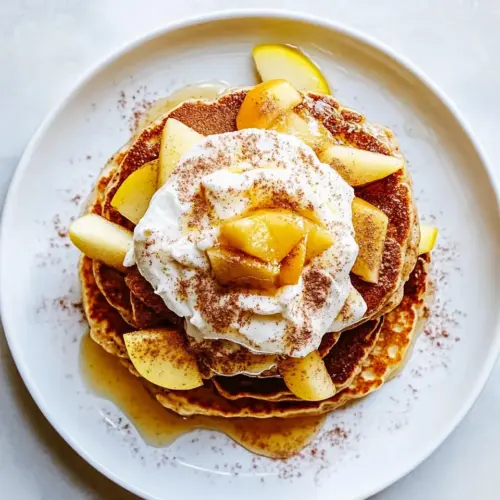
Cinnamon Pancakes with Apples and Meyer Lemon Whipped Cream
Equipment
- Cast-Iron Skillet
- Electric griddle
- Mixing Bowls
- Whisk
- Stand mixer with whisk attachment
- Ladle
- Spatula
Ingredients
- 2 cups all purpose flour Provide structure and bulk to the batter, forming the base of the pancakes; combine with leaveners and liquids to create gluten networks that give chew and body. Sift or whisk before measuring to ensure even texture and prevent lumps, which helps yield tender pancakes.
- 3 tablespoons sugar Add sweetness and help with browning during cooking, balancing the tartness and richness of other components; dissolve into the wet ingredients for even distribution throughout the batter. Measure precisely to avoid overly sweet pancakes that can mask delicate spices.
- 1 1/2 teaspoons baking powder Lighten the batter by producing carbon dioxide when reacting with acids, contributing to lift and a tender crumb; use with baking soda to create reliable rise. Make sure it is fresh and not clumped to ensure effective leavening action.
- 1 1/2 teaspoons baking soda Provide rapid leavening and work with acidic ingredients like buttermilk to create additional lift and a soft texture; help make pancakes light and airy. Activate at room temperature and mix into dry ingredients to ensure uniform distribution.
- 1 teaspoon ground cinnamon Add warm, aromatic flavor that complements the apples and lemon, enhancing the overall spice profile of the pancakes; infuse both batter and cooked cakes with subtle depth. Use a fine measure for balanced spice without overpowering the other flavors.
- 1 teaspoon fine grain sea salt Contribute seasoning and enhance all other flavors by balancing sweetness and acidity; also aid in strengthening gluten slightly for proper texture. Use fine grain sea salt for even incorporation and better dissolution in the batter.
- 2 1/2 cups well-shaken buttermilk Provide acidity and moisture that react with leaveners to create lift while adding tangy depth to the pancakes; hydrate the dry ingredients for the proper batter consistency. Shake well to ensure uniform thickness and measure at the surface to get accurate volume.
- 2 eggs Bind the batter, add richness, and contribute to structure through proteins that set during cooking; whisk lightly to incorporate air for a lighter pancake. Use room-temperature eggs if possible to emulsify more smoothly with other wet ingredients.
- 1 teaspoon good vanilla extract Bring aromatic sweetness and depth, enhancing the flavor complexity of the batter; pairs well with cinnamon and apples to round out taste. Use a good quality extract and measure carefully to avoid overly concentrated flavor.
- 4 tablespoons unsalted butter, melted and cooled (plus more for the skillet) Add rich, buttery flavor and tenderize the crumb by coating flour proteins and contributing fat; melt and cool to avoid cooking the eggs when mixed into the wet ingredients. Reserve extra for greasing the skillet to prevent sticking and encourage golden browning.
- 1 cup cold heavy cream Create a stable whipped cream when chilled and whipped, adding luxurious richness and lift to the topping; provide fat necessary for texture and volume. Keep cold until whipping to achieve the best peaks and fold gently with flavorings.
- 2 tablespoons sugar Sweeten and stabilize the whipped cream while enhancing flavor; dissolve into cream during whipping for uniform sweetness. Use measured quantity to avoid overly sweet topping and adjust to taste if needed.
- 1 tablespoon Meyer lemon zest (from about 2 lemons), plus more for sprinkling Provide bright, floral citrus aroma and concentrated lemon oil to the whipped cream, uplifting the cream with a distinct Meyer lemon note; zest from fresh lemons yields the best flavor. Zest carefully to avoid the bitter white pith and sprinkle additional zest for garnish.
- 2 teaspoons meyer lemon juice Add delicate citrus acidity to balance the richness of the whipped cream and pancakes, enhancing brightness without overwhelming; use fresh Meyer lemon juice for a sweeter, more floral lemon flavor. Measure and add sparingly to maintain the whipped cream’s stability.
Instructions
- Add flour, sugar, baking powder, baking soda, cinnamon and sea salt to a large bowl, whisking to combine. In a medium bowl, whisk together buttermilk, eggs and vanilla. Pour the wet ingredients into the dry ingredients, and mix just until combined (you'll still see a few lumps). Fold in the melted butter. If you've got the time, let the batter rest for 30 minutes.: Start with the dry mix because whisking them together distributes the leavening and spice evenly, which prevents pockets of flavor or uneven rise. As you whisk, notice the uniform pale tan color with tiny flecks of cinnamon , and smell the warm spice releasing from the bowl. A good whisk will make the surface look slightly aerated, which helps the wet ingredients incorporate without overmixing. Common mistake to avoid is dumping the wet ingredients into a not well-mixed dry base, which can lead to streaks of baking soda or powder and uneven texture.
- While the batter is resting, preheat a cast-iron skillet over medium-high heat or an electric griddle to 375°F. Brush the skillet lightly with melted butter. Using a ladle, pour pools of batter on the hot skillet. I can get 3 pancakes on a 12-inch skillet or 6 on a rectangular electric skillet. Adjust the size of your pancakes based on taste (I like mine not too small, but not too big). When the pancakes have bubbles on top and are slightly dry around the edges, about 1 to 2 minutes, flip over. Cook on the other side for an additional minute, until golden. Repeat with the remaining batter. You can keep the finished pancakes on a baking sheet in the oven at 175°F covered with a clean kitchen towel.: The wet mixture should look homogeneous and slightly frothy, with the yolk fully broken down so there are no streaks of yellow. The acid from the buttermilk will perfume the mix and the whipped surface indicates air that will yield tender pancakes. Use a fork or small whisk and blend until smooth, then sniff: the tang should be bright but not sharp. A typical slip is underwhisking, leaving lawns of separate whites and yolks that will not distribute evenly in the batter.
- While the pancakes are cooking, prepare the whipped cream. Add the cream, sugar, lemon zest and lemon juice to the bowl of a stand mixer fitted with the whisk attachment. Whisk on high until soft peaks form.: When you combine them, you want to stop while the batter still shows a few small lumps, because overmixing develops gluten and makes pancakes tough. Visually, the batter will change from powdery to a cohesive, slightly thick batter that flows slowly off your spoon. The surface should be matte, not glossy. One mistake is aggressive stirring to remove lumps, which yields rubbery pancakes; instead use a few folds until the major dry streaks are gone.
- To serve, fan out or stack up pancakes on a plate, then top with chopped Autumn Glory apples tossed in a little Meyer lemon juice. Finish with a drizzle of honey (or maple syrup) and a dollop of Meyer lemon whipped cream dusted with some fresh lemon zest. Enjoy warm!: Adding the cooled melted butter at this point enriches the batter and keeps it tender without cooking the eggs. As you fold, you will see the batter take on a silkier sheen and a faint buttery aroma. Use a spatula and gentle folding motions to avoid deflating the incorporated air. Avoid adding very hot butter which can scramble the eggs and create grainy bits.
- If you've got the time, let the batter rest for 30 minutes: Resting allows the flour to hydrate fully and the bubbles to relax, producing lighter pancakes with a more uniform crumb. During this time the batter may thicken slightly and the scent of cinnamon will deepen. If you are short on time you can skip this, but the texture will be a touch less tender. A common oversight is leaving batter to sit uncovered where it forms a skin; cover it lightly so the top stays moist.
- While the batter is resting, preheat a cast-iron skillet over medium-high heat or an electric griddle to 375°F: Preheating is crucial because a properly hot surface creates immediate contact browning and those desirable edges. You will hear a faint sizzle when batter meets the pan and see rapid bubble formation. Aim for a surface that yields a single steady sizzle, not a screaming hiss which indicates too-high heat. A frequent error is starting on a cold skillet which gives flat, pale pancakes.
- Brush the skillet lightly with melted butter: Butter in the pan browns and flavors the pancake edges; it also helps the batter release cleanly. The butter should foam lightly but not smoke. Visual cue: a shimmering coat across the skillet. Too much butter pools and fries the batter edges, so apply just a thin film.
- Using a ladle, pour pools of batter on the hot skillet: Ladling gives control over pancake size and ensures even cooking. As the batter hits the surface it should spread into a round and begin to form small bubbles within seconds. If it spreads too thinly the heat is too high or you used too much butter; if it barely moves the skillet is not hot enough. A common misstep is crowding the pan which lowers the temperature and steals color from the pancakes.
- When the pancakes have bubbles on top and are slightly dry around the edges, about 1 to 2 minutes, flip over: Look for bubble crowns and a drier ring at the edges as the signal to flip, rather than relying only on time. The underside should be golden, not pale. When you flip, listen for a confident sizzle and feel the lightness as the pancake releases from the pan. Flipping too early yields raw centers, while flipping too late risks burning the bottom.
- Cook on the other side for an additional minute, until golden: The second side cooks faster and sets the interior. Watch for a uniform golden brown and a slightly springy center when gently pressed. The aroma will shift from raw batter to toasted butter and cinnamon. Avoid extended cooking which dries the pancake out; a quick finish preserves a tender crumb.
- Repeat with the remaining batter: Maintain a steady pan temperature, adding a light brush of butter as needed between batches. Transfer finished pancakes to a rimmed baking sheet and keep them warm in a 175°F oven under a clean towel if you are making multiple batches. This prevents cold, soggy stacks. A pitfall is piling hot pancakes directly together which traps steam and softens the edges.
- While the pancakes are cooking, prepare the whipped cream: Cold heavy cream whisked with sugar, Meyer lemon zest, and lemon juice will transform into soft peaks that smell bright and floral. The sound changes as it whips from liquid sloshing to a heavier, thicker whip, and the bowl will show soft, billowy peaks when you lift the whisk. Overwhipping creates grainy butter; stop when the peaks barely hold their shape.
- To serve, fan out or stack up pancakes on a plate, then top with chopped Autumn Glory apples tossed in a little Meyer lemon juice: The apples add crisp freshness and a cold counterpoint to the warm stack. Tossing them in lemon juice prevents browning and adds brightness. Arrange them artfully so each bite includes fruit and pancake. A common mistake is chopping apples too large, which makes them dominate the bite instead of complementing it.
- Finish with a drizzle of honey and a dollop of Meyer lemon whipped cream dusted with some fresh lemon zest: The final touches bring balance, the honey melts into warm crevices while the whipped cream adds cool, bright creaminess. A light dusting of zest on top gives an aromatic flourish. Resist drenching the stack with syrup which masks the nuanced lemon and cinnamon interplay.
Notes
- Swap the fruit Use thinly sliced pears instead of apples for a softer, more delicate fruit note that pairs beautifully with cinnamon and Meyer lemon. Pears will soften quickly, so toss them in lemon juice and add them right before serving to keep a little texture.
- Use a different sweetener If you prefer a deeper flavor, try maple syrup in place of honey on the finished stack. I find maple brings a woodsy note, but honey emphasizes the floral and citrus interplay so choose based on what you want to highlight.
- Make them ahead Prepare batter and keep it refrigerated for a few hours, but bring it back to room temperature before cooking so the pancakes brown evenly. Resting longer can deepen flavor, just give it a quick stir before ladling.
- Change the grain Swap half of the all purpose flour for whole wheat pastry flour for a nuttier flavor and slightly heartier crumb, while maintaining tender pancakes. Expect a marginally denser texture and adjust liquid if needed.
- Adjust lemon intensity Increase the Meyer lemon zest by a half teaspoon for a brighter aroma, or reduce the juice slightly if you prefer a subtler acidity in the whipped cream. Fresh zest is the most impactful adjustment.
- Plate for brunch Serve pancakes stacked with apple slices fanned on top and a small ramekin of extra whipped cream on the side so guests can customize each bite. This makes the presentation feel intentional and interactive.