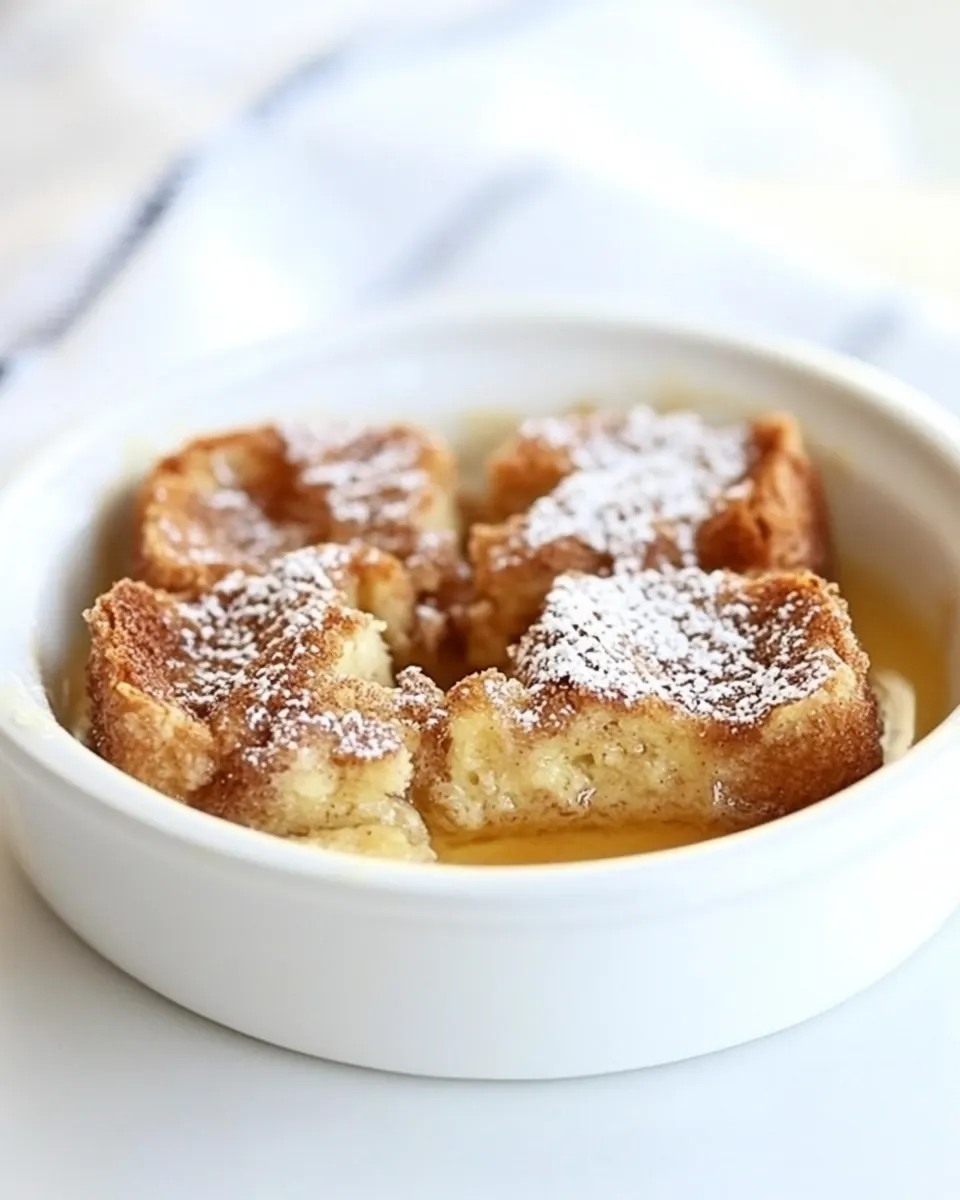
Cinnamon Baked French Toast
Cinnamon Baked French Toast is the kind of dish that makes the whole kitchen smell like a cozy weekend morning, and I still remember the first time I served it to friends who didn’t expect anything so comforting. I was nervous about timing and texture, but the moment they dug in and smiled, I knew this recipe had earned a permanent spot in my rotation. There’s something intimate about a casserole you can prepare hours ahead, tuck into the fridge, and pull out to bake when guests arrive.
Over the years I’ve tweaked this version to balance custard and crumb so the interior stays soft while the top turns crisp and golden. I love how the simple combination of eggs, milk, and cinnamon can transform day old French Bread into something that tastes indulgent but still honest. I often pair it with a jug of hot coffee and a bowl of fresh fruit when we have company, and it always feels like an effortless, yet thoughtful, centerpiece.
Recipe Snapshot
1 hr 15 mins
20 mins
55 mins
Medium
350 kcal
American
Gluten-Free, Low FODMAP
Breakfast
9 x 13 inch baking pan, Large bowl, Mixing spoon or whisk
Why This Cinnamon Baked French Toast Shines
Comfort in a Dish
I adore how Cinnamon Baked French Toast hits emotional comfort without a fuss. Every forkful balances a creamy interior and a crunchy top, and that contrast makes it irresistibly nostalgic. When I want to feed a crowd without fussing over individual slices, this casserole is my go to.
Prep Ahead Freedom
One reason I reach for this recipe is the freedom it gives. You can assemble the night before and sleep easy, knowing the custard will soak into the French Bread and deepen in flavor. That hands off time lets the cinnamon and vanilla meld into a richer, more cohesive profile.
Textural Delight
The dual texture is a big win. The custardy center stays tender while the crumb topping gives a buttery crunch. I like that you get a little bit of both in every bite, which keeps things interesting from the first forkful to the last.
Simple, Familiar Ingredients
I love that this recipe uses pantry staples like eggs, milk, and granulated sugar. That means it’s approachable for home cooks of any level, and substitutions are easy if you need to adapt. For me, cooking should reduce stress, not add to it, and this dish does exactly that.
Shareable and Festive
This casserole feels celebratory without being fussy. Whether it’s a slow winter morning or a casual brunch, Cinnamon Baked French Toast invites conversation and lingering plates. I often find people going back for seconds, and that tells me everything I need to know about a recipe’s staying power.
Ingredients You’ll Need for Cinnamon Baked French Toast
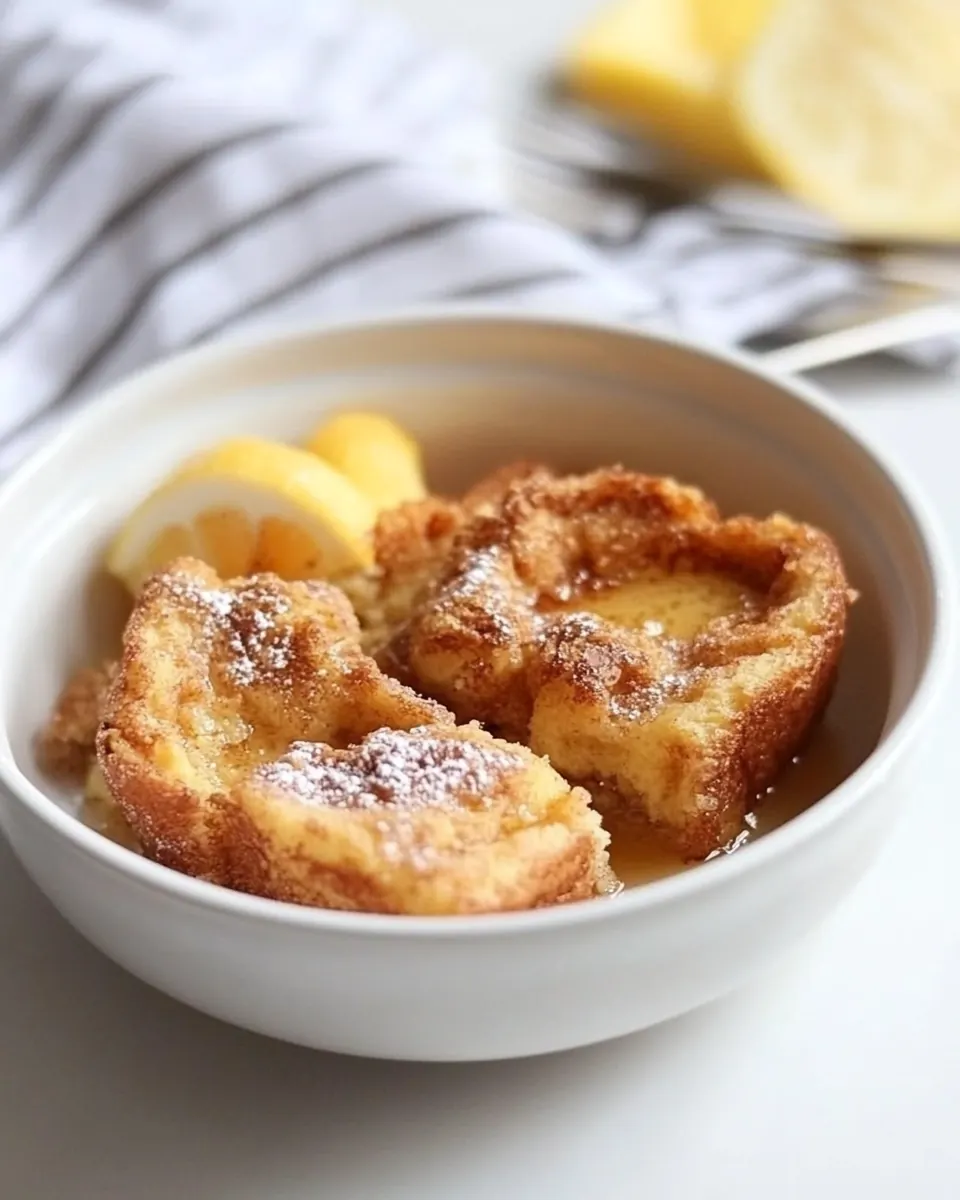
These ingredients create a simple but effective harmony. The custard base soaks into the bread, while the crumb topping adds buttery crunch. I treat the French Bread as the canvas, and the remaining players build moisture, sweetness, and spice around it. They’re familiar components that work together to produce a rich, well rounded breakfast bake.
- 1 loaf French Bread: Sliced into thick pieces to provide the sturdy base that soaks up custard; contributes texture and holds shape during baking. Adds a slightly chewy crumb and allows crust edges to caramelize, creating contrast with softer interior. Best when slightly stale so it absorbs liquid without becoming mushy.
- 8 large eggs: Whisked thoroughly to create the main structure of the custard and bind the milk and cream together; supplies richness and helps set the French toast during baking. Contributes protein that firms up when heated, resulting in a custardy interior and golden exterior. Provides slight savory balance to the sweet components.
- 2 cups milk we used skim, but Ree uses whole: Poured into the custard mixture to thin and tenderize while adding moisture; choice of skim or whole affects overall richness and calorie content. Helps create a smooth custard that soaks into the bread and evaporates during baking to form a soft center. Can be adjusted for creaminess depending on desired texture.
- 1/2 cup heavy whipping cream: Stirred into the custard to increase richness and create a creamier, more luxurious texture; provides fat that enhances mouthfeel and flavor. Helps produce a silkier custard that yields a tender, decadent interior when baked. Balances liquids so the bread is moist but not soggy.
- 3/4 cups granulated sugar: Sprinkled into the custard and topping layers to sweeten the dish and aid caramelization during baking; contributes bulk sweetness that browns under heat. Helps create a slightly crisp, sugary surface and complements the cinnamon for balanced flavor. Quantity controls overall sweetness level.
- 2 tablespoons vanilla extract: Mixed in to infuse the custard with aromatic flavor and sweet floral notes; enhances complexity and pairs well with cinnamon and brown sugar. Small amount is potent, so it elevates the overall profile without overwhelming sweetness. Also aids in masking any eggy aroma.
- 1/2 cup all-purpose flour: Added to the filling or streusel layer to absorb excess moisture and give slight body; contributes a delicate structure when mixed with butter and sugar. Helps create a light, crumbly texture in any topping and prevents the custard from becoming too runny. Also provides a bit of browning.
- 1/2 cup brown sugar: Folded into the topping or custard to add deep, molasses-like sweetness and moisture; pairs with granulated sugar to create layered caramel notes. Helps produce a soft, sticky topping that melds with butter for rich flavor and attractive browning. Can be packed lightly to control intensity.
- 1 teaspoon cinnamon: Sprinkled into the custard and streusel to provide warm, aromatic spice and a classic flavor profile for cinnamon baked dishes. Enhances perceived sweetness and complements both sugars and vanilla while contributing little to no moisture. Distributes evenly to ensure balanced spice throughout.
- 1/4 teaspoons salt: Measured into the custard to enhance flavor depth and accentuate sweetness while controlling overall taste balance; a small pinch brightens other ingredients. Helps to suppress bitterness and round out the flavors of eggs and dairy. Essential for flavor harmony in baked custards.
- 1/2 cup cold butter cut into pieces: Cut into small pieces and combined with sugars to create a buttery streusel or topping that melts and browns during baking; adds richness and flaky texture. Provides pockets of intense buttery flavor and helps produce a golden, slightly crisp surface. Cold pieces ensure proper melting and layering.
- Maple syrup for serving: Served alongside the baked French toast to add concentrated sweetness and moisture when drizzled; provides a classic finishing touch that complements cinnamon and butter flavors. Enhances presentation and allows diners to adjust sweetness to taste. Choose high-quality syrup for best flavor.
Directions for Cinnamon Baked French Toast
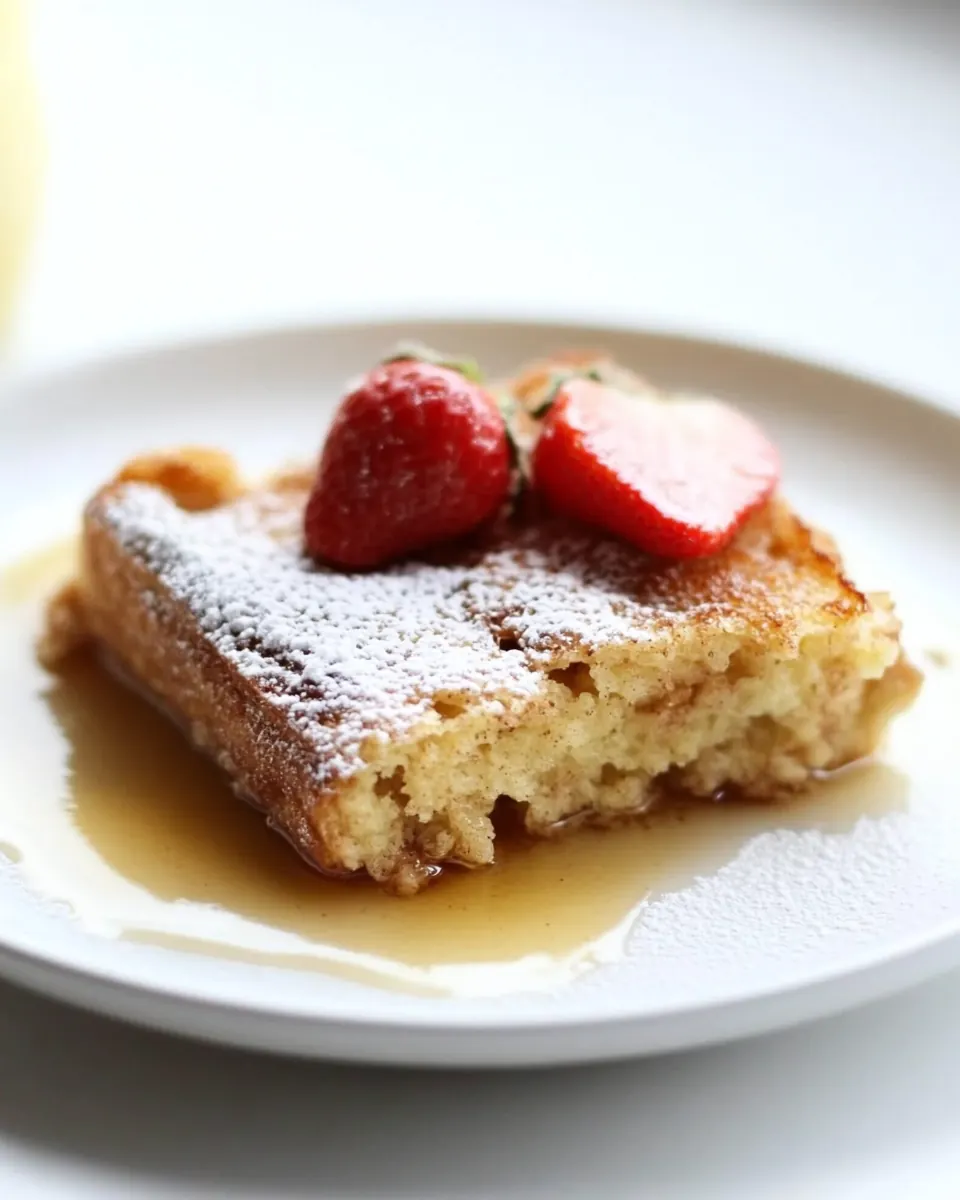
This recipe is forgiving, but a few moments of care produce the best results. Below I expand each original instruction into a detailed step so you can follow along confidently. Pay attention to visual cues and aromas as you go, and remember that small adjustments in texture and temperature make a big difference.
- Spray a 9 x 13-inch baking pan with cooking spray. Tear French bread into chunks, or cut into cubes, and evenly place in the pan.: The moment you prepare the pan you should notice a subtle sheen across the metal, which ensures the baked custard releases cleanly and the crust remains intact when you slice. When I press my fingertip lightly on the oiled surface, there is a slickness that tells me the pan is ready. This step matters because sticking ruins presentation and makes serving awkward. A common mistake is skimming oil only in the center, which leaves edges stuck; be thorough and coat all corners evenly.
- In a large bowl, mix together eggs, milk, cream, sugar, and vanilla extract. Pour evenly over bread. Cover pan with saran wrap and store in the refrigerator for several hours or overnight.: As you arrange the French Bread , aim for an even layer so the custard soaks uniformly. You should hear the soft thud of bread hitting the pan and see a patchwork of crust and crumb that will brown differently. I like to leave some larger pieces for a chewy bite and smaller cubes for fully soaked pockets. Avoid smashing the bread down; compressing it prevents proper absorption and can make the interior gummy.
- In a separate bowl, mix together flour, brown sugar, cinnamon, and salt. Add butter pieces and cut into the dry mixture using a fork or your hands. Combine until the mixture resembles sand with a few pea sized chunks. Cover and store mixture in the refrigerator.: When whisking the custard components, watch for a smooth pale yellow mixture that smells bright with vanilla and sweet with sugar. Pour slowly so the liquids nestle into air pockets rather than washing some pieces clean and missing others. Covering and chilling allows the liquids to penetrate thoroughly which deepens flavor, and you should see the bread darken as it soaks. A frequent error is skipping the chill step which results in an under soaked center and drier texture.
- When you’re ready to bake the French toast, preheat oven to 350 degrees. Remove casserole from refrigerator and sprinkle crumb mixture over the top. Bake for 45-55 minutes, or until the French toast is set and golden brown.: As you combine these dry ingredients, the aroma of cinnamon and brown sugar will start to bloom. Adding cold butter and cutting it in produces a sandy mixture that should clump slightly when pinched. Refrigerating keeps the butter firm so those pea sized chunks remain intact during baking, creating crisp pockets. If your butter gets too warm while working, pop the bowl in the fridge briefly, because greasy, melted topping will spread rather than crisp.
- Serve warm with maple syrup.: When the oven reaches the correct temperature you should notice a steady warmth, and as the casserole bakes you will see the edges puff slightly and the top turn a warm golden brown. The scent will deepen into caramelized sugar and butter, and a gentle jiggle in the center should be absent when it is set. This mid length bake develops both a creamy interior and a crunchy topping, and underbaking yields a wet center while overbaking dries the custard, so watch closely in the final ten minutes and test with a clean knife in the center.
- Serve warm with maple syrup: As you plate the slices, steam will rise and the surface will glisten where the crumb browned, inviting you to drizzle Maple syrup . The syrup brings a glossy finish and an extra layer of sweet complexity. Serve immediately to preserve contrast between warm interior and crisp top, because letting it sit will soften the crumbs. A typical misstep is adding syrup before slicing which creates soggy spots; pour at the table instead so each guest controls their portion.
Expert Tips about Cinnamon Baked French Toast
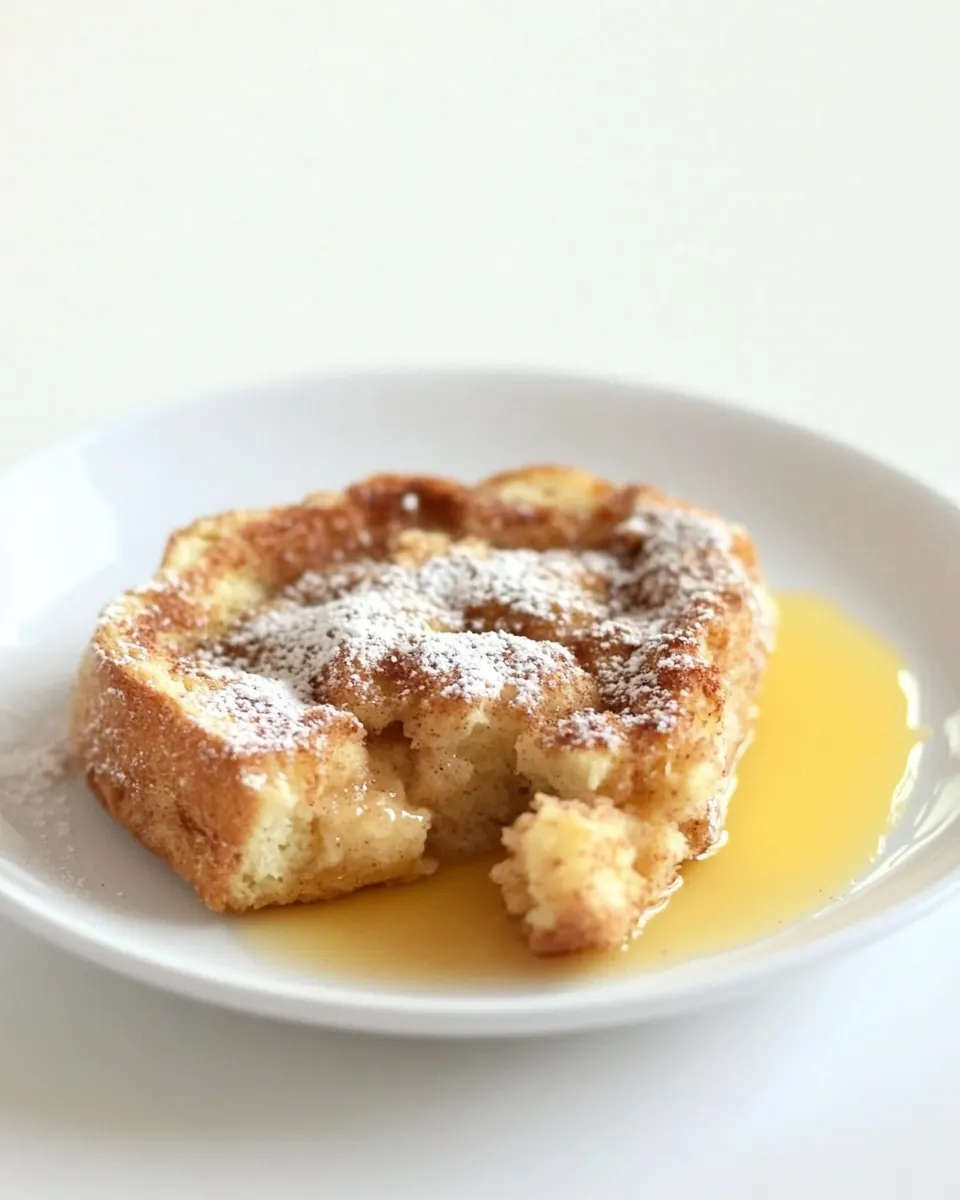
I like to think of these tips as small investments that payoff in texture and flavor. They keep the bake consistent and approachable whether you are prepping for family breakfast or hosting a brunch.
- Chill time matters, assembling the night before improves flavor and ensures the custard soaks evenly through the bread, resulting in a perfectly tender interior.
- Use cold butter for the topping, because it creates pea sized chunks that melt into crisp pockets as they bake, giving a delightful crunchy contrast.
- Don’t over compress the bread, light placement preserves air pockets that hold custard and prevent a gummy texture in the finished casserole.
- Check doneness visually and by jiggle, look for golden browning on top and absence of wobble in the center to ensure the bake is set through without drying out.
- Serve syrup on the side, allowing guests to control sweetness preserves the balance of custard and crumb and prevents sogginess.
Perfect Pairings for Cinnamon Baked French Toast
This dish pairs well with simple beverages and light sides that complement its warm spices and creamy texture. Below are ideas for occasions and serving approaches to highlight its strengths.
- Morning Brunch, serve with a pot of hot coffee and a fruit platter to cut through the richness and refresh the palate.
- Holiday Breakfast, bring this to a winter holiday table with warm spiced tea for a cozy touch that feeds a crowd with minimal fuss.
- Casual Weekend, pair with yogurt and berries to brighten each bite and add a fresh, tangy contrast to the sweet custard.
- Make ahead hosting, assemble the night before and bake in the morning so you can spend more time with guests and less time in the kitchen.
- Storage tips, refrigerate leftovers in an airtight container for up to three days and reheat gently in a low oven to restore some crispness to the topping.
- Seasonal twist, in winter emphasize warm beverages and citrus garnishes to complement the cinnamon notes in the casserole.
FAQ
Conclusion
Cinnamon Baked French Toast brings together crisp, buttery crumbs and a custardy interior to create a truly comforting brunch centerpiece. It shines because it is both forgiving and make ahead friendly, so you can host with less fuss and more time at the table. Try this recipe when you want a warm, nostalgic dish that pleases a crowd and keeps the morning relaxed and delicious.
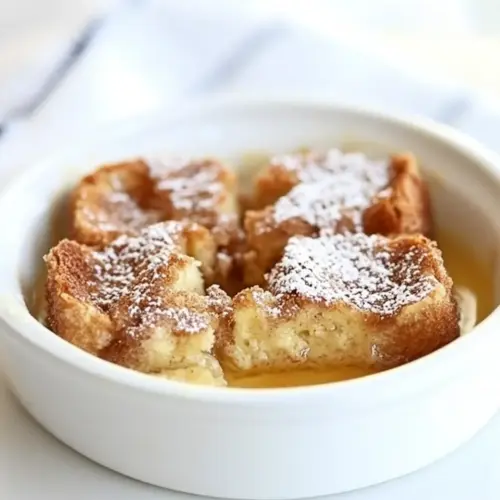
Cinnamon Baked French Toast
Equipment
- 9 x 13-inch baking pan
- Large Bowl
- Mixing spoon or whisk
Ingredients
- 1 loaf French Bread Sliced into thick pieces to provide the sturdy base that soaks up custard; contributes texture and holds shape during baking. Adds a slightly chewy crumb and allows crust edges to caramelize, creating contrast with softer interior. Best when slightly stale so it absorbs liquid without becoming mushy.
- 8 large eggs Whisked thoroughly to create the main structure of the custard and bind the milk and cream together; supplies richness and helps set the French toast during baking. Contributes protein that firms up when heated, resulting in a custardy interior and golden exterior. Provides slight savory balance to the sweet components.
- 2 cups milk we used skim, but Ree uses whole Poured into the custard mixture to thin and tenderize while adding moisture; choice of skim or whole affects overall richness and calorie content. Helps create a smooth custard that soaks into the bread and evaporates during baking to form a soft center. Can be adjusted for creaminess depending on desired texture.
- 1/2 cup heavy whipping cream Stirred into the custard to increase richness and create a creamier, more luxurious texture; provides fat that enhances mouthfeel and flavor. Helps produce a silkier custard that yields a tender, decadent interior when baked. Balances liquids so the bread is moist but not soggy.
- 3/4 cups granulated sugar Sprinkled into the custard and topping layers to sweeten the dish and aid caramelization during baking; contributes bulk sweetness that browns under heat. Helps create a slightly crisp, sugary surface and complements the cinnamon for balanced flavor. Quantity controls overall sweetness level.
- 2 tablespoons vanilla extract Mixed in to infuse the custard with aromatic flavor and sweet floral notes; enhances complexity and pairs well with cinnamon and brown sugar. Small amount is potent, so it elevates the overall profile without overwhelming sweetness. Also aids in masking any eggy aroma.
- 1/2 cup all-purpose flour Added to the filling or streusel layer to absorb excess moisture and give slight body; contributes a delicate structure when mixed with butter and sugar. Helps create a light, crumbly texture in any topping and prevents the custard from becoming too runny. Also provides a bit of browning.
- 1/2 cup brown sugar Folded into the topping or custard to add deep, molasses-like sweetness and moisture; pairs with granulated sugar to create layered caramel notes. Helps produce a soft, sticky topping that melds with butter for rich flavor and attractive browning. Can be packed lightly to control intensity.
- 1 teaspoon cinnamon Sprinkled into the custard and streusel to provide warm, aromatic spice and a classic flavor profile for cinnamon baked dishes. Enhances perceived sweetness and complements both sugars and vanilla while contributing little to no moisture. Distributes evenly to ensure balanced spice throughout.
- 1/4 teaspoons salt Measured into the custard to enhance flavor depth and accentuate sweetness while controlling overall taste balance; a small pinch brightens other ingredients. Helps to suppress bitterness and round out the flavors of eggs and dairy. Essential for flavor harmony in baked custards.
- 1/2 cup cold butter cut into pieces Cut into small pieces and combined with sugars to create a buttery streusel or topping that melts and browns during baking; adds richness and flaky texture. Provides pockets of intense buttery flavor and helps produce a golden, slightly crisp surface. Cold pieces ensure proper melting and layering.
- Maple syrup for serving Served alongside the baked French toast to add concentrated sweetness and moisture when drizzled; provides a classic finishing touch that complements cinnamon and butter flavors. Enhances presentation and allows diners to adjust sweetness to taste. Choose high-quality syrup for best flavor.
Instructions
- Spray a 9 x 13-inch baking pan with cooking spray. Tear French bread into chunks, or cut into cubes, and evenly place in the pan.: The moment you prepare the pan you should notice a subtle sheen across the metal, which ensures the baked custard releases cleanly and the crust remains intact when you slice. When I press my fingertip lightly on the oiled surface, there is a slickness that tells me the pan is ready. This step matters because sticking ruins presentation and makes serving awkward. A common mistake is skimming oil only in the center, which leaves edges stuck; be thorough and coat all corners evenly.
- In a large bowl, mix together eggs, milk, cream, sugar, and vanilla extract. Pour evenly over bread. Cover pan with saran wrap and store in the refrigerator for several hours or overnight.: As you arrange the French Bread , aim for an even layer so the custard soaks uniformly. You should hear the soft thud of bread hitting the pan and see a patchwork of crust and crumb that will brown differently. I like to leave some larger pieces for a chewy bite and smaller cubes for fully soaked pockets. Avoid smashing the bread down; compressing it prevents proper absorption and can make the interior gummy.
- In a separate bowl, mix together flour, brown sugar, cinnamon, and salt. Add butter pieces and cut into the dry mixture using a fork or your hands. Combine until the mixture resembles sand with a few pea sized chunks. Cover and store mixture in the refrigerator.: When whisking the custard components, watch for a smooth pale yellow mixture that smells bright with vanilla and sweet with sugar. Pour slowly so the liquids nestle into air pockets rather than washing some pieces clean and missing others. Covering and chilling allows the liquids to penetrate thoroughly which deepens flavor, and you should see the bread darken as it soaks. A frequent error is skipping the chill step which results in an under soaked center and drier texture.
- When you’re ready to bake the French toast, preheat oven to 350 degrees. Remove casserole from refrigerator and sprinkle crumb mixture over the top. Bake for 45-55 minutes, or until the French toast is set and golden brown.: As you combine these dry ingredients, the aroma of cinnamon and brown sugar will start to bloom. Adding cold butter and cutting it in produces a sandy mixture that should clump slightly when pinched. Refrigerating keeps the butter firm so those pea sized chunks remain intact during baking, creating crisp pockets. If your butter gets too warm while working, pop the bowl in the fridge briefly, because greasy, melted topping will spread rather than crisp.
- Serve warm with maple syrup.: When the oven reaches the correct temperature you should notice a steady warmth, and as the casserole bakes you will see the edges puff slightly and the top turn a warm golden brown. The scent will deepen into caramelized sugar and butter, and a gentle jiggle in the center should be absent when it is set. This mid length bake develops both a creamy interior and a crunchy topping, and underbaking yields a wet center while overbaking dries the custard, so watch closely in the final ten minutes and test with a clean knife in the center.
- Serve warm with maple syrup: As you plate the slices, steam will rise and the surface will glisten where the crumb browned, inviting you to drizzle Maple syrup . The syrup brings a glossy finish and an extra layer of sweet complexity. Serve immediately to preserve contrast between warm interior and crisp top, because letting it sit will soften the crumbs. A typical misstep is adding syrup before slicing which creates soggy spots; pour at the table instead so each guest controls their portion.
Notes
- Chill time matters, assembling the night before improves flavor and ensures the custard soaks evenly through the bread, resulting in a perfectly tender interior.
- Use cold butter for the topping, because it creates pea sized chunks that melt into crisp pockets as they bake, giving a delightful crunchy contrast.
- Don’t over compress the bread, light placement preserves air pockets that hold custard and prevent a gummy texture in the finished casserole.
- Check doneness visually and by jiggle, look for golden browning on top and absence of wobble in the center to ensure the bake is set through without drying out.
- Serve syrup on the side, allowing guests to control sweetness preserves the balance of custard and crumb and prevents sogginess.