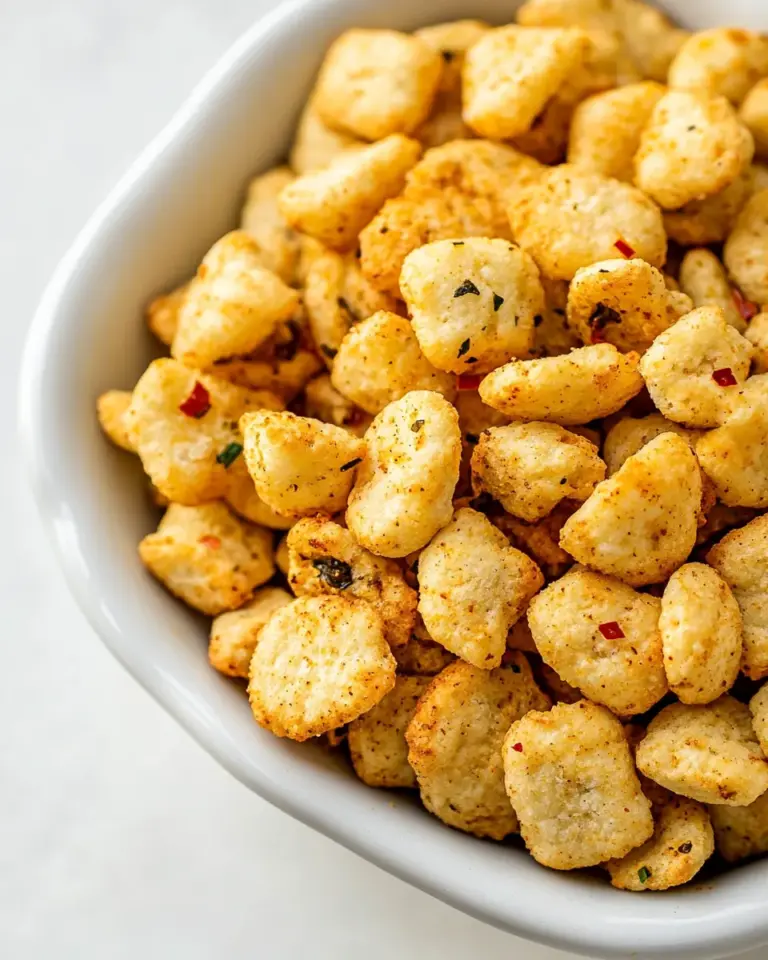
Christmas Sugar Cookies
Christmas Sugar Cookies have been a holiday anchor in my kitchen for as long as I can remember, and the first bite always takes me back to a cold evening when the house smelled like butter and sugar while my kids argued over which shape to cut next.
There is a comfort in the ritual of pressing a cooled cutter into cool dough, the quiet crackle of parchment as you line baking sheets, and the way the oven hums like a small, dependable friend. I learned early that simple ingredients, handled with care, make all the difference, and over the years I tuned small details until these cookies felt like the ones my grandmother would approve of.
I love how Christmas Sugar Cookies bring people together. We sip hot cocoa, trade decorating tips, and debate whether a star or a tree will be crowned champion of the cookie tray. I often stash an extra plate for neighbors, because these cookies travel well, and they always get a smile as soon as someone opens the tin.
Every holiday season I notice the same two things: familiar joy, and a pantry full of staples that somehow feel new again when transformed into a batch of cookies. I’ll tell you what I do differently now compared to my early attempts, and how small choices in technique make the dough easier to handle and the baked cookies tender yet sturdy enough for decorating. I can’t wait for you to make a pan, invite someone over, and create your own traditions around Christmas Sugar Cookies.
Recipe Snapshot
30 mins
20 mins
10 mins
Easy
150 kcal
American
Gluten-Free, Low FODMAP
Desserts
Stand mixer or handheld mixer, Mixing bowl, Measuring cups and spoons, Baking sheet, Parchment or silicone baking mat, Wire cooling rack, Rolling pin, Cookie cutters
What Makes This Christmas Sugar Cookies Special
Classic, approachable flavors
I adore how the recipe leans on pantry staples, keeping the flavor clear and nostalgic. The combination of butter and granulated sugar gives a tender crumb but also a crisp edge when baked just right. I often say that simplicity is the secret weapon here, because fewer moving parts mean the buttery, sweet notes can shine.
Reliable texture for decorating
One of the reasons I return to this recipe is its dependable texture. When rolled to the right thickness, these cookies hold their shape, which makes decorating a breeze. I’ve experimented with thickness and found that rolling to a quarter inch keeps the center soft while letting the edges brown delicately, so icing sits beautifully without sliding off.
Fast and family friendly
I value recipes that respect both time and togetherness. This one moves from mixing to baking quickly, which keeps kids engaged and impatient adults satisfied. I usually assign cutter duty to eager helpers, and the short bake time means everyone can decorate while the next tray is baking, creating a smooth assembly line of fun.
Easy to adapt for occasions
What I love most is how the cookies adapt to any celebration. While these are perfect for Christmas, they work for winter parties, cookie swaps, or even as a homemade gift. Small tweaks to shape or icing color let you match any theme, which makes them a go to whenever I need a cheerful baked treat.
Beginner friendly with chef level results
I encourage home bakers because this recipe rewards attention to detail rather than years of experience. The techniques here are straightforward, but they teach fundamentals like creaming butter with granulated sugar, measuring all purpose flour correctly, and recognizing when cookies are done. Those lessons carry into every other batch you bake.
Key Ingredients for Christmas Sugar Cookies

These ingredients are the backbone of a cookie that is both tender and shapeable. The philosophy is simple: rich butter for flavor and texture, granulated sugar for sweetness and structure, and all purpose flour plus a touch of baking powder for lift. Each player has a clearly defined role, and when measured and combined thoughtfully they create dough that is easy to roll and yields reliably pretty cookies.
- 1 cup unsalted butter, softened at room temperature: Creamy and soft, provides the rich fat and tender crumb essential for cookie structure and flavor; helps carry other flavors and contributes to spreading during baking. Use softened unsalted butter to control salt levels and ensure even creaming with sugar for proper aeration. Room–temperature butter allows for smooth incorporation and a uniform dough texture.
- 1 cup granulated sugar: Sweet and crystalline, creates structure through creaming with butter and contributes to the cookies' sweetness and slight chewiness when dissolved. Granulated sugar helps incorporate air into the dough during mixing, promoting a lighter texture and aiding in browning during baking. Adjusting quantity affects spread and final cookie crispness versus chew.
- 1 egg, (large): Binding and adding moisture, eggs provide structure through protein coagulation and contribute to richness and tenderness in the finished cookies. Use a large egg at room temperature to blend smoothly and help emulsify the fat and water components for a cohesive dough. Egg also aids in browning and can help with slight lift.
- 1 tsp vanilla extract: Aromatic and sweet, imparts a warm vanilla flavor that enhances the overall taste profile and rounds out the sweetness. Add at the creaming stage or with wet ingredients to evenly distribute flavor throughout the dough. Vanilla extract complements other flavors without affecting texture.
- 3 cups all-purpose flour, (measured correctly): Sturdy and neutral, forms the bulk of the dough and provides gluten and starch that give cookies their structure and bite. Measure correctly to avoid overly dry or dense cookies; sift or spoon-and-level for accuracy to maintain the intended tenderness. Balancing flour amount is key to desired softness versus firmness.
- 1 tbsp baking powder, (use aluminum free): Leavening agent without aluminum, contributes gentle lift and lightness by producing carbon dioxide during baking when combined with moisture and heat. Use the specified baking powder to ensure neutral flavor while allowing cookies to puff slightly and achieve a delicate crumb. Proper measurement prevents excessive rise or metallic aftertaste.
- 1/4 tsp salt: Salty and balancing, enhances overall flavor by rounding out sweetness and accentuating other ingredients without making cookies taste salty when used sparingly. Small amount helps strengthen gluten slightly and improves flavor complexity in the final baked good. Use measured quantity to avoid overpowering the delicate sweetness.
Making This Christmas Sugar Cookies

These directions guide you from softening butter to cooling and decorating the finished cookies. I’ll walk through each phase with sensory cues and troubleshooting tips so you feel confident at the mixer and the oven.
- Preheat oven to 350 °F with a rack in the center. Whisk together flour with baking powder and salt in a small bowl and set aside.: Warm air fills the kitchen with a faint, reassuring hum, and you should feel steady heat when you briefly open the oven door. Proper oven temperature ensures even rise and consistent browning on the edges, which is how you get that delicate contrast between a soft center and a slightly crisp rim. Avoid placing the rack too high or too low, because uneven heating can cause cookies to brown too quickly on the bottom or stay pale. A common mistake is skipping preheating, which leads to longer bake times and unpredictable texture; always wait until the oven reaches a steady 350 °F before sliding in a sheet.
- Using a stand-up or handheld mixer, beat the butter together with sugar. To the mixture add vanilla extract and egg and beat to combine.: The dry mix should smell faintly of fresh all purpose flour , and whisking distributes the baking powder and salt so pockets of leavening won’t create uneven bumps. This step ensures consistent texture and predictable rise, as the leavening is evenly blended into the flour. If the flour feels overly compacted, fluff it with the whisk to aerate it slightly. One trap is adding unmixed leavening to the butter mixture, which can leave you with unevenly risen cookies; take the extra minute to whisk thoroughly.
- To the butter mixture, add flour in 3 parts until fully incorporated.: As you beat the butter and granulated sugar , you’ll notice the mixture lightening in color and becoming fluffy, which is the visual cue that air is being incorporated into the fat. This creaming step affects both texture and lift, so aim for a light, pale mixture rather than simply softening the butter . Overbeating after flour is added can develop gluten, so stop creaming once the mixture is airy and smooth. A common error is starting with cold butter , which will not cream properly; always soften to room temperature first.
- Divide the dough into two equal parts. On a lightly floured surface, roll into 1/4-inch thickness. Use a cookie cutter to cut out your favorite shapes.: After adding the egg and vanilla, the batter will smell richer and look more cohesive, with the glossy sheen of combined fats and proteins. The egg binds and helps with structure, while the vanilla adds aroma and depth. If the mixture looks curdled, it usually means the egg was too cold; let the bowl sit for a minute and beat gently to bring it back together. Avoid adding the egg at high mixer speed, because that can incorporate too much air and change how the cookies spread.
- Bake cookies on a parchment or silicone-lined baking sheet at 350˚F for 10 minutes, or until the edges are just beginning to turn golden.: Adding the dry mix in thirds helps maintain that tender texture by reducing frantic mixing and preventing overdevelopment of gluten; between additions, fold gently until you no longer see streaks of all purpose flour . The dough should come together without being sticky; when it starts to form a cohesive mass, stop mixing to preserve a tender crumb. If the dough feels too dry, add a teaspoon of milk at a time, but if it becomes sticky, dust the surface with a little extra all purpose flour . A frequent mistake is dumping all the flour at once and overmixing, which yields tough cookies.
- Let the cookies cool for about 5 minutes on the baking sheet before moving them to a wire rack to cool completely and decorating with cookie icing.: As you roll, the dough will feel smooth and slightly cool to the touch, which is perfect for clean edges on your cookie cutters. Rolling to about a quarter inch gives the ideal balance of structure and tenderness, preserving the shape during baking while staying soft inside. If the dough becomes warm and sticky, chill it briefly until it firms up; this prevents distortion when transferring cut shapes to a sheet. A common misstep is over flouring the surface, which can dry the edges of cookies and make them crumbly after baking.
- Bake cookies on a parchment or silicone-lined baking sheet at 350˚F for 10 minutes, or until the edges are just beginning to turn golden: You will notice the aroma change from buttery sweetness to a toasted, warm scent as the edges begin to color, and the centers will still look pale. This is the visual cue to remove them, because carryover heat will continue to set the cookie. Baking on parchment or a silicone liner promotes even browning and prevents sticking. Avoid waiting for deep golden color, which means overbaking and results in a drier cookie; watch for that subtle edge color as your signal.
- Let the cookies cool for about 5 minutes on the baking sheet before moving them to a wire rack to cool completely and decorating with cookie icing: Cooling on the sheet allows the cookies to firm up so they hold their shape when you transfer them, and you will feel the residual warmth under your fingertips. Moving them too soon can cause breakage, while leaving them too long can trap moisture and soften the bottoms. Once on a wire rack, the cookies will cool fully and be ready for decorating; the icing will adhere better to a cool surface. A common mistake is decorating while cookies are still warm, which causes icing to run and lose fine detail.
Helpful Hints

These tips will help you get consistent, beautiful cookies every time, whether you are making them solo or with eager helpers. I include practical notes on texture, timing, and decorating so you can skip the mistakes I made early on.
- Room temperature matters Start with softened butter so it creams properly with granulated sugar. If the butter is too cold, it will not aerate; if it is too warm, the dough will spread. Aim for a soft but still cool feel.
- Measure flour correctly Spoon all purpose flour into the cup and level it off rather than scooping. Overpacked flour leads to dense, dry cookies, so accuracy here is worth the extra second.
- Chill the dough if needed If the dough becomes sticky while rolling, wrap it and chill for 15 to 30 minutes. Chilled dough rolls more cleanly and keeps shapes intact during baking.
- Use parchment or silicone Baking on a lined sheet prevents sticking and encourages even browning. It also makes cleanup faster and lets you slide cookies off gently to cool.
- Decorate after cooling Let cookies cool completely before icing, because warm cookies will melt the decoration. For crisp icing edges, allow decorated cookies to sit at room temperature for several hours so the surface sets.
Serving This Christmas Sugar Cookies
These cookies are incredibly versatile, and how you present them can make an ordinary gathering feel festive. Below are serving ideas and storage tips to help your batch look and taste its best across occasions.
- Cookie platter for parties Arrange an assortment of shapes on a large platter, mixing decorated and plain cookies for visual contrast, and place near a hot beverage station.
- Gift tins Layer cookies between sheets of parchment and tie a ribbon for a classic homemade present that stores well for several days at room temperature.
- Afternoon tea or coffee Serve with small cups of hot tea or coffee; the buttery, sweet cookies pair beautifully with light milky drinks.
- Holiday brunch accompaniment Include a few cookies on a brunch board alongside fruit and cheese for a playful sweet bite, making sure to keep flavors separate to avoid sogginess.
- Storage tips Store cookies in an airtight container at room temperature for up to five days, or freeze un-iced cookies for up to three months, thawing on a rack before decorating.
- Seasonal pairings Match with warm spiced drinks during winter gatherings, and vary icing colors to coordinate with the specific holiday or event theme.
FAQ
Conclusion
What makes these Christmas Sugar Cookies special is their blend of simplicity and reliable results, producing tender, buttery cookies that hold up beautifully to decorating. I encourage you to try them because the technique is straightforward, the ingredients are familiar, and the process is a wonderful way to share time with family and friends during the holidays. Enjoy the smell of butter and baked sugar in your kitchen, the small triumph of perfectly cut shapes, and the warm smiles that come with offering a homemade cookie.

Christmas Sugar Cookies
Equipment
- Stand mixer or handheld mixer
- Mixing Bowl
- Measuring Cups and Spoons
- Baking Sheet
- Parchment or silicone baking mat
- wire cooling rack
- Rolling Pin
- Cookie cutters
Ingredients
- 1 cup unsalted butter, softened at room temperature Creamy and soft, provides the rich fat and tender crumb essential for cookie structure and flavor; helps carry other flavors and contributes to spreading during baking. Use softened unsalted butter to control salt levels and ensure even creaming with sugar for proper aeration. Room-temperature butter allows for smooth incorporation and a uniform dough texture.
- 1 cup granulated sugar Sweet and crystalline, creates structure through creaming with butter and contributes to the cookies' sweetness and slight chewiness when dissolved. Granulated sugar helps incorporate air into the dough during mixing, promoting a lighter texture and aiding in browning during baking. Adjusting quantity affects spread and final cookie crispness versus chew.
- 1 egg, (large) Binding and adding moisture, eggs provide structure through protein coagulation and contribute to richness and tenderness in the finished cookies. Use a large egg at room temperature to blend smoothly and help emulsify the fat and water components for a cohesive dough. Egg also aids in browning and can help with slight lift.
- 1 tsp vanilla extract Aromatic and sweet, imparts a warm vanilla flavor that enhances the overall taste profile and rounds out the sweetness. Add at the creaming stage or with wet ingredients to evenly distribute flavor throughout the dough. Vanilla extract complements other flavors without affecting texture.
- 3 cups all-purpose flour, (measured correctly) Sturdy and neutral, forms the bulk of the dough and provides gluten and starch that give cookies their structure and bite. Measure correctly to avoid overly dry or dense cookies; sift or spoon-and-level for accuracy to maintain the intended tenderness. Balancing flour amount is key to desired softness versus firmness.
- 1 tbsp baking powder, (use aluminum free) Leavening agent without aluminum, contributes gentle lift and lightness by producing carbon dioxide during baking when combined with moisture and heat. Use the specified baking powder to ensure neutral flavor while allowing cookies to puff slightly and achieve a delicate crumb. Proper measurement prevents excessive rise or metallic aftertaste.
- 1/4 tsp salt Salty and balancing, enhances overall flavor by rounding out sweetness and accentuating other ingredients without making cookies taste salty when used sparingly. Small amount helps strengthen gluten slightly and improves flavor complexity in the final baked good. Use measured quantity to avoid overpowering the delicate sweetness.
Instructions
- Preheat oven to 350 °F with a rack in the center. Whisk together flour with baking powder and salt in a small bowl and set aside.: Warm air fills the kitchen with a faint, reassuring hum, and you should feel steady heat when you briefly open the oven door. Proper oven temperature ensures even rise and consistent browning on the edges, which is how you get that delicate contrast between a soft center and a slightly crisp rim. Avoid placing the rack too high or too low, because uneven heating can cause cookies to brown too quickly on the bottom or stay pale. A common mistake is skipping preheating, which leads to longer bake times and unpredictable texture; always wait until the oven reaches a steady 350 °F before sliding in a sheet.
- Using a stand-up or handheld mixer, beat the butter together with sugar. To the mixture add vanilla extract and egg and beat to combine.: The dry mix should smell faintly of fresh all purpose flour , and whisking distributes the baking powder and salt so pockets of leavening won’t create uneven bumps. This step ensures consistent texture and predictable rise, as the leavening is evenly blended into the flour. If the flour feels overly compacted, fluff it with the whisk to aerate it slightly. One trap is adding unmixed leavening to the butter mixture, which can leave you with unevenly risen cookies; take the extra minute to whisk thoroughly.
- To the butter mixture, add flour in 3 parts until fully incorporated.: As you beat the butter and granulated sugar , you’ll notice the mixture lightening in color and becoming fluffy, which is the visual cue that air is being incorporated into the fat. This creaming step affects both texture and lift, so aim for a light, pale mixture rather than simply softening the butter . Overbeating after flour is added can develop gluten, so stop creaming once the mixture is airy and smooth. A common error is starting with cold butter , which will not cream properly; always soften to room temperature first.
- Divide the dough into two equal parts. On a lightly floured surface, roll into 1/4-inch thickness. Use a cookie cutter to cut out your favorite shapes.: After adding the egg and vanilla, the batter will smell richer and look more cohesive, with the glossy sheen of combined fats and proteins. The egg binds and helps with structure, while the vanilla adds aroma and depth. If the mixture looks curdled, it usually means the egg was too cold; let the bowl sit for a minute and beat gently to bring it back together. Avoid adding the egg at high mixer speed, because that can incorporate too much air and change how the cookies spread.
- Bake cookies on a parchment or silicone-lined baking sheet at 350˚F for 10 minutes, or until the edges are just beginning to turn golden.: Adding the dry mix in thirds helps maintain that tender texture by reducing frantic mixing and preventing overdevelopment of gluten; between additions, fold gently until you no longer see streaks of all purpose flour . The dough should come together without being sticky; when it starts to form a cohesive mass, stop mixing to preserve a tender crumb. If the dough feels too dry, add a teaspoon of milk at a time, but if it becomes sticky, dust the surface with a little extra all purpose flour . A frequent mistake is dumping all the flour at once and overmixing, which yields tough cookies.
- Let the cookies cool for about 5 minutes on the baking sheet before moving them to a wire rack to cool completely and decorating with cookie icing.: As you roll, the dough will feel smooth and slightly cool to the touch, which is perfect for clean edges on your cookie cutters. Rolling to about a quarter inch gives the ideal balance of structure and tenderness, preserving the shape during baking while staying soft inside. If the dough becomes warm and sticky, chill it briefly until it firms up; this prevents distortion when transferring cut shapes to a sheet. A common misstep is over flouring the surface, which can dry the edges of cookies and make them crumbly after baking.
- Bake cookies on a parchment or silicone-lined baking sheet at 350˚F for 10 minutes, or until the edges are just beginning to turn golden: You will notice the aroma change from buttery sweetness to a toasted, warm scent as the edges begin to color, and the centers will still look pale. This is the visual cue to remove them, because carryover heat will continue to set the cookie. Baking on parchment or a silicone liner promotes even browning and prevents sticking. Avoid waiting for deep golden color, which means overbaking and results in a drier cookie; watch for that subtle edge color as your signal.
- Let the cookies cool for about 5 minutes on the baking sheet before moving them to a wire rack to cool completely and decorating with cookie icing: Cooling on the sheet allows the cookies to firm up so they hold their shape when you transfer them, and you will feel the residual warmth under your fingertips. Moving them too soon can cause breakage, while leaving them too long can trap moisture and soften the bottoms. Once on a wire rack, the cookies will cool fully and be ready for decorating; the icing will adhere better to a cool surface. A common mistake is decorating while cookies are still warm, which causes icing to run and lose fine detail.
Notes
- Room temperature matters Start with softened butter so it creams properly with granulated sugar. If the butter is too cold, it will not aerate; if it is too warm, the dough will spread. Aim for a soft but still cool feel.
- Measure flour correctly Spoon all purpose flour into the cup and level it off rather than scooping. Overpacked flour leads to dense, dry cookies, so accuracy here is worth the extra second.
- Chill the dough if needed If the dough becomes sticky while rolling, wrap it and chill for 15 to 30 minutes. Chilled dough rolls more cleanly and keeps shapes intact during baking.
- Use parchment or silicone Baking on a lined sheet prevents sticking and encourages even browning. It also makes cleanup faster and lets you slide cookies off gently to cool.
- Decorate after cooling Let cookies cool completely before icing, because warm cookies will melt the decoration. For crisp icing edges, allow decorated cookies to sit at room temperature for several hours so the surface sets.