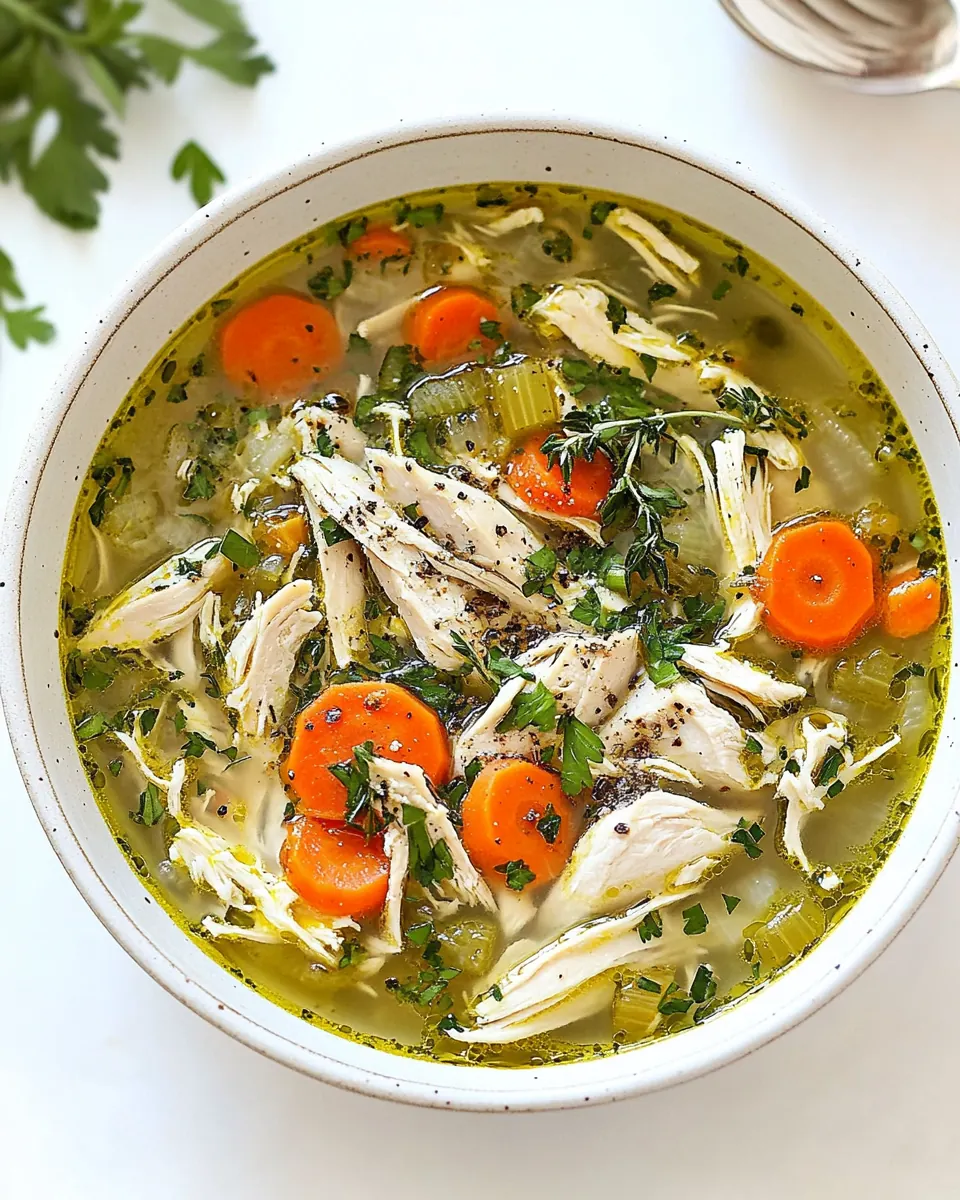
Chicken Vegetable Soup
Chicken Vegetable Soup is the kind of bowl I turn to when the air outside is sharp and I need something honest, warming, and restorative. I remember the first time I made it from scratch, standing over a steaming pot as the scent of onion and carrots filled the kitchen, and thinking how food can feel like a hug you can ladle. That night, friends gathered and a simple loaf of bread disappeared as quickly as the soup itself, leaving behind happy, contented silence.
Over the years I’ve tweaked this recipe for texture and clarity, learning when to let the pot whisper on a low simmer and when to bring it to a cheerful bubble. This version celebrates clear, bright flavors, with a clean broth built on water and the natural juices of chicken and vegetables, brightened at the end with lemon and parsley. The result is nourishing, not heavy, and perfect for a weekday supper or a quiet weekend when you want something that feels like home.
Recipe Snapshot
45 mins
15 mins
30 mins
Medium
300 kcal
American
Gluten-Free, Low FODMAP
Soups
Large pot with lid, Meat thermometer, Tongs, Two forks
Why You’ll Love This Chicken Vegetable Soup
Comfort without fuss
I love how Chicken Vegetable Soup manages to be deeply comforting while still being refreshingly light. The broth carries the essence of the chicken and vegetables without getting weighed down, so each spoonful feels clean and satisfying. For me, this is the soup I reach for when I want warmth without regret.
Flexible and forgiving
One reason I keep this recipe in heavy rotation is its flexibility. You can add potatoes or chickpeas, or leave them out, and the soup still holds its structure. I often adapt quantities to what I have on hand, and the method tolerates little changes because simmering extracts flavor steadily over time.
Bright finishes that matter
Finishing the soup with a squeeze of lemon juice and a scattering of chopped parsley lifts everything. The acidity cuts through the cozy, savory notes and gives the broth a lively finish. I find that these small touches transform a good soup into one that feels intentional and well balanced.
Everyday nourishment
Between the chicken, potatoes, and beans, this dish delivers substantial, wholesome nutrition. It is the sort of meal that fills you up and helps you recover from a long day or a chilly morning, and I love that it stores well, tasting even better the next day as the flavors meld.
Simple techniques, big payoff
The technique is straightforward, but attention at key moments makes a difference. Softening the onion, carrot, and celery properly, monitoring the simmer, and resting the chicken before shredding are small steps that multiply into a deeply satisfying bowl. I appreciate recipes that reward gentle care, and this one does exactly that.
Chicken Vegetable Soup Shopping List
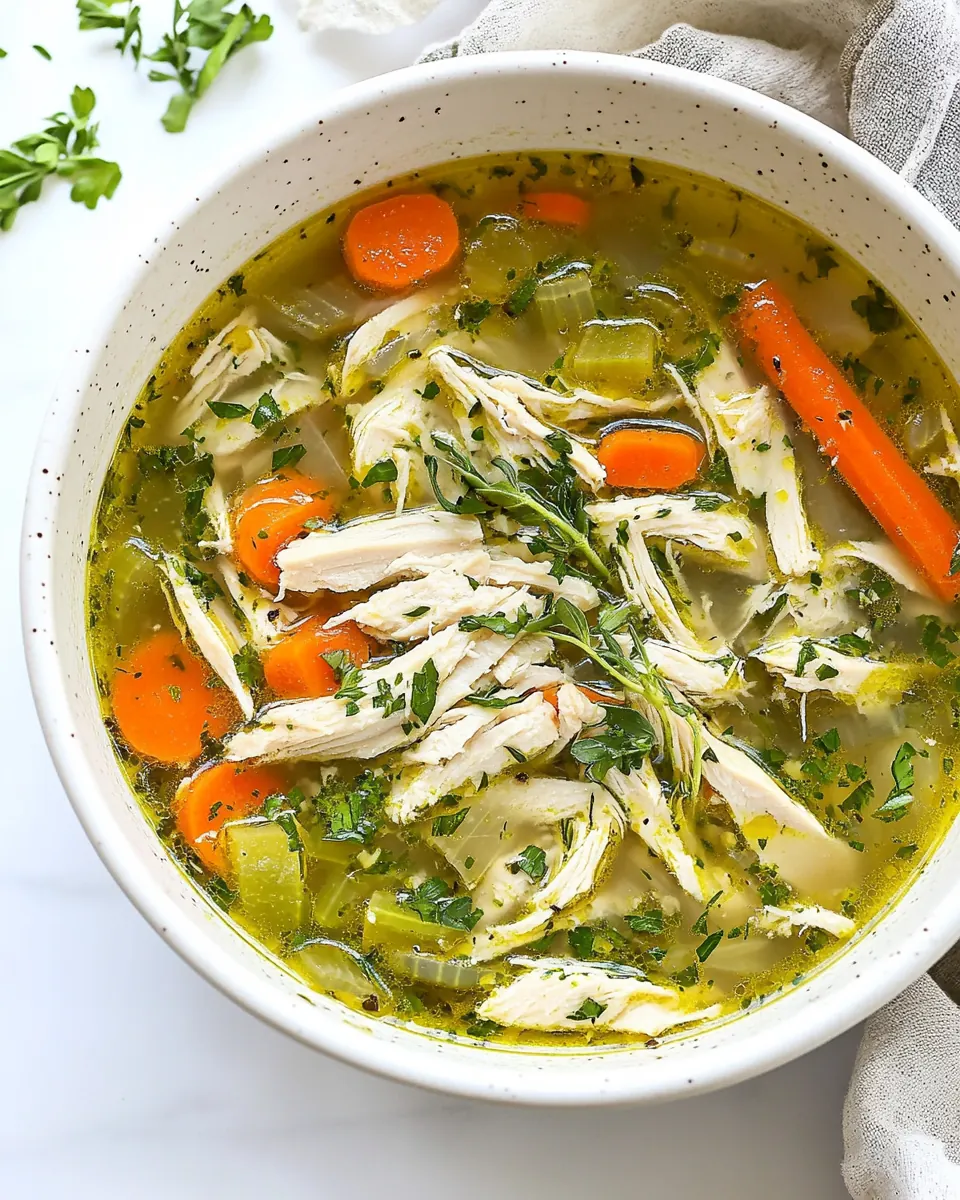
These ingredients form a classic, balanced base where each player supports the others. The aromatics build flavor, the vegetables add texture and sweetness, and the chicken provides protein and body. Simple pantry items like thyme, salt, and pepper shape the broth without masking the fresh components.
- 1 tablespoon extra virgin olive oil: Enhance sautéing and add a fruity, peppery flavor to the soup while helping vegetables release their aromas; use at the start to sweat onions and vegetables over medium heat for best texture.
- 1 yellow onion, chopped: Provide a sweet, aromatic base that softens and caramelizes to build depth; chop and cook until translucent to contribute savory flavor and body to the broth.
- 3 carrots, chopped: Contribute natural sweetness, color, and texture while softening in the broth; chop into uniform pieces so they cook evenly and release sugar for a balanced soup.
- 3 celery stalks, chopped: Add earthy flavor and a pleasant crunch when slightly softened; chop and sauté with onion and carrot to form a classic mirepoix that supports the soup’s savory profile.
- 2 garlic cloves, minced: Introduce pungent, aromatic notes that brighten the overall flavor; mince finely and add early in cooking to mellow its intensity and infuse the broth.
- 1 teaspoon dried thyme: Impart warm, herbaceous undertones that complement chicken and vegetables; measure and add with the aromatics to allow the flavor to bloom during simmering.
- 5 cups water: Provide the cooking liquid and dilute concentrated flavors while allowing vegetables and chicken to simmer; add enough to cover ingredients and adjust as needed for desired consistency.
- 1 1/2 cups fresh or frozen green beans, cut into 1-inch pieces: Offer a tender, slightly crisp vegetable element and add color and fiber; cut into uniform pieces and stir in during simmering so they remain bright and not overcooked.
- 1 pound boneless chicken breasts: Supply lean protein and a mild flavor that pairs well with vegetables; trim and cook through in the broth, then shred or slice to distribute throughout the soup.
- 2 to 3 teaspoons fine sea salt (I use Real Salt brand): Season the soup to enhance and balance flavors while also helping to tenderize; add gradually during cooking and taste to reach a pleasing savory level.
- 1/2 teaspoon ground black pepper: Provide mild heat and aromatic complexity to round out flavors; use sparingly and adjust to preference so it does not overpower the soup.
- 1 (15 oz.) can chickpeas or white beans, drained and rinsed: Add creamy texture, protein, and heartiness while increasing fiber content; drain and rinse before adding to control excess sodium and avoid clouding the broth.
- 1 pound potatoes, cut into 1/2-inch pieces: Bring starchy body and a comforting texture that helps thicken the broth slightly; cut into uniform pieces so they cook evenly and yield tender bites.
- Fresh lemon juice: Introduce bright acidity that lifts and balances the richness of the broth; squeeze to taste at the end of cooking to freshen and brighten flavors.
- chopped parsley: Contribute fresh, herbaceous finish and color while enhancing aromatic complexity; chop and sprinkle over bowls just before serving for visual appeal and fresh flavor.
Step by Step Guide for Chicken Vegetable Soup
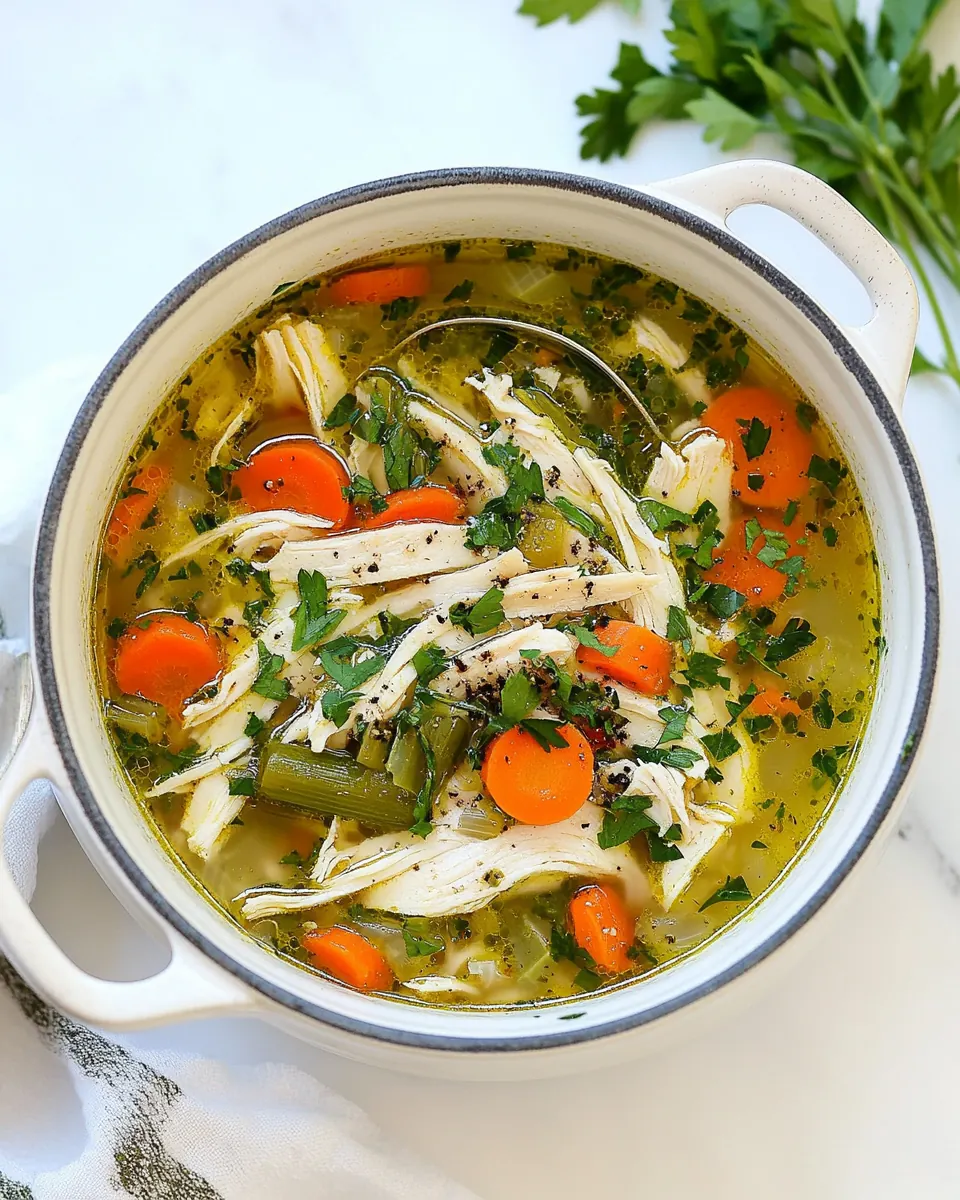
This is a relaxed, stovetop process that rewards attention more than speed. I find it helpful to have all ingredients prepped and within reach, because the timing of when you add aromatics and herbs affects the aroma and clarity of the broth.
- In a large pot with a lid, heat the olive oil over medium heat and saute the onion, carrots, and celery until softened, about 8 minutes. Add in the garlic and thyme, and stir for one more minute.: The kitchen will start to smell sweet and savory as the onion and carrots soften and their sugars begin to bloom, a gentle sizzle and a light caramel note indicate they are ready. Sauteing these aromatics builds the soup's foundation, extracting flavor that will infuse the broth; don't rush the color because overbrowning will push the flavor into bitter territory. Keep the heat steady so the vegetables soften evenly and stir occasionally to avoid sticking, especially around the pot edges where bits can scorch. A common mistake is cranking the heat too high to speed things up, which can leave the vegetables charred on the outside and raw inside; patience here leads to a rounder tasting soup.
- Add in the water, green beans, chicken, 2 teaspoons of salt, and pepper. Bring the liquid to a boil and then cover the pot and lower the heat so the soup can gently simmer for 15 minutes. (If you want to add potatoes or chickpeas, now is the time to do that, too.): As you add the minced garlic and dried thyme , you'll notice an immediate lift in aroma, a warm peppery and herbaceous note that blends with the softened vegetables. This brief moment lets the oils in the garlic bloom without burning it, which would create bitterness. Stir continuously so the garlic heats evenly for that fragrant pop; the thyme will rehydrate slightly and release its perfume. Watch closely because garlic goes from perfectly fragrant to burnt very quickly; if you smell any sharp, acrid notes, remove the pot from heat briefly to cool it down.
- Check on the chicken by lifting it out of the pot and testing it with a meat thermometer. When the temperature reaches 160ºF, you can use the tongs to remove the chicken and let it rest for 5 to 10 minutes, so it can finish cooking and reach a safe internal temperature of 165ºF.: When the pot comes to a boil you will see lively bubbles and a steam cloud, and then lowering to a gentle simmer produces a soft rolling surface with occasional small bubbles. The simmer extracts flavor from the chicken and the vegetables while keeping the broth clear; a furious boil can agitate the liquid too much and make it cloudy. During this simmer the green beans will soften and the chicken will begin to give up juices that enrich the broth. A common misstep is leaving the lid off the entire time, which can concentrate the liquid excessively, or leaving it fully sealed which may trap too much steam; covering partially and reducing heat to maintain that gentle movement yields the best texture.
- Use two forks to shred the chicken, or cut it into small, bite-sized pieces. Return the chicken to the soup pot, and adjust any seasoning to taste. (I usually add more salt, a half teaspoon at a time). You can add one more cup of water for extra broth, or add a squeeze of lemon juice to help brighten the flavor. Ladle the soup into bowls and garnish with freshly chopped parsley.: The meat thermometer will tell the story, so pull the chicken and aim for an internal reading of 160 degrees F at this stage, remembering it will finish to 165 degrees F while resting. The texture should be tender and the surface should feel firm but springy; if it still feels gummy, return it to the simmer a few more minutes. Resting the chicken is crucial because residual heat continues to cook the meat and keeps juices sealed inside, preventing dryness when you shred it. Avoid the mistake of cutting into it immediately, which can release those juices into the pot and yield drier shreds.
- Leftover soup can be stored in airtight container in the fridge for up to 4 days.: Once the chicken has rested and you begin shredding, you'll notice tender strands and moist fibers that mix back into the broth, thickening it slightly and distributing savory richness. Shredding produces delicate pieces that nestle with the vegetables, while cutting yields chunkier bites depending on your preference. After returning the chicken to the pot, taste and adjust seasoning carefully, adding salt in small increments to avoid oversalting. A frequent error is adding a large amount of salt at once; seasoning gradually ensures balance and prevents a flat, overly salty finish.
- When the temperature reaches 160ºF, you can use the tongs to remove the chicken and let it rest for 5 to 10 minutes, so it can finish cooking and reach a safe internal temperature of 165ºF: That resting window allows the proteins to relax and reabsorb juices, so the meat remains moist when shredded. You'll feel the meat firm slightly as it cools, and the thermometer climb is a quiet confirmation the process worked. Handle the chicken gently with tongs and place it on a warm plate to retain heat while it rests; avoid cutting immediately which causes juices to run out and leaves the final texture drier than intended.
- Return the chicken to the soup pot, and adjust any seasoning to taste: When the shredded or cut chicken rejoins the simmering broth, it brings concentrated flavor back into the pot, making the soup rounded and satisfying. This is the moment to fine tune salt, add a squeeze of fresh lemon juice for brightness, or thin the broth with an extra cup of water if you prefer a lighter bowl. Taste slowly, adding small increments of seasoning, because adjustments are easier than corrections. A common oversight is over season early in the process; final adjustments after the meat returns ensure a balanced, well seasoned finish.
- You can add one more cup of water for extra broth, or add a squeeze of lemon juice to help brighten the flavor: Adding a little extra water loosens the broth and makes each spoonful silkier and more liquid, while a squeeze of fresh lemon lifts the overall profile and cuts any heaviness. The contrast between the savory base and citrus keeps the bowl lively, and a small splash goes a long way. Too much lemon can clash with the other flavors, so add cautiously and taste as you go to avoid a sour edge.
- Ladle the soup into bowls and garnish with freshly chopped parsley: As you serve, the steam will carry herb aromas and the visual pop of green parsley makes each bowl inviting. The garnish adds a fresh, slightly peppery finish that complements the warmed herbs and vegetables. Serve in warmed bowls if possible so the soup stays hot, and avoid adding garnish too early which can wilt the herbs and mute their brightness.
- Leftover soup can be stored in airtight container in the fridge for up to 4 days: Cooling the soup slightly before sealing preserves texture, and refrigeration helps flavors meld further, often improving the taste the next day. When reheating, do so gently on the stovetop until steaming to maintain texture, and add a splash of water if it seems too thick. Reheating too vigorously can break down vegetables into an overly soft texture, so warm gently and stir occasionally for even heating.
How to Switch It Up
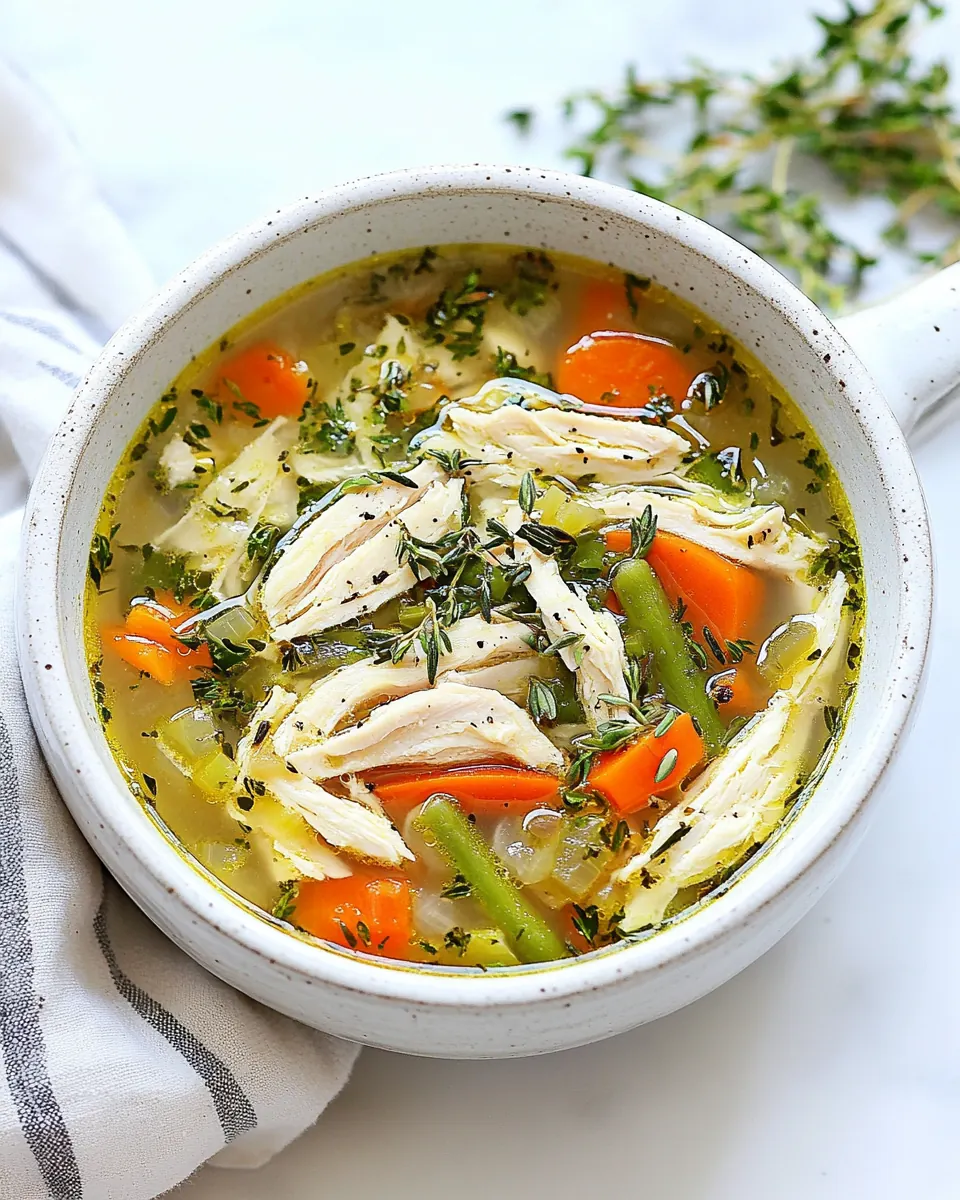
There are easy ways to adapt this recipe while keeping its spirit intact. Below are practical ideas to change texture, increase protein, or make the soup heartier without losing balance.
- Use broth instead of water: If you choose a store bought or homemade broth, reduce added salt at the start and taste as you go, because broths often contribute concentrated sodium that can quickly overpower the pot.
- Make it heartier with beans and potatoes: Adding the canned chickpeas or diced potatoes will elevate the soup into a full meal, offering more body and varied textures that hold up well for leftovers.
- Swap green beans for seasonal veg: Frozen green beans are convenient, but if you have tender zucchini or peas in season, add them late so they keep a bright color and pleasant bite.
- Finish with citrus and fresh herbs: A splash of fresh lemon juice and a handful of chopped parsley right before serving brightens flavors and gives the broth a lifted, clean finish.
- Use leftover cooked chicken: If you have pre cooked chicken on hand, add it during the last 10 minutes to warm through, which shortens cooking time and still delivers great flavor.
- Control salt with care: Taste as you go, especially if you substitute broth for water, adding salt in half teaspoon increments to reach balance without overshooting.
Side Dish Ideas for Chicken Vegetable Soup
This soup pairs beautifully with simple sides and is suitable for many occasions. Below are serving suggestions, storage guidance, and seasonal pairings to help you present the meal thoughtfully.
- Crusty bread: A warm, crusty loaf or sliced baguette is classic, perfect for sopping up broth and adding a satisfying textural contrast to the tender soup.
- Simple green salad: A crisp salad dressed lightly with lemon and olive oil provides a fresh counterpoint and keeps the overall meal bright and balanced.
- Rice or quinoa on the side: Serving cooked grains alongside lets guests add heft to their bowls, turning this into a heartier lunch or dinner option for cooler evenings.
- Occasions: This soup works for cozy weeknight dinners, light lunches, and during winter months when you want something restorative; it is also appropriate for post fasting meals where gentle nourishment is appreciated.
- Storage tips: Cool the soup slightly, store in airtight containers, and refrigerate up to four days; freeze in portions for up to three months, leaving space for expansion when freezing.
- Seasonal pairings: In winter, serve with roasted root vegetables or a robust grain salad; in spring, pair with a lemony arugula salad to keep the meal bright and fresh.
FAQ
Conclusion
This Chicken Vegetable Soup shines because it combines straightforward technique with thoughtful finishing touches to produce a bowl that is both nourishing and bright. The balance of tender shredded chicken, soft vegetables, and a lemony finish makes it a go to for chilly nights and comfort meals. I encourage you to give it a try, allowing yourself the small pleasures of attentive simmering and the fresh pop of parsley at the end. It’s simple to make, forgiving to adapt, and reliably satisfying, which is exactly why I keep returning to it again and again.

Chicken Vegetable Soup
Equipment
- Large pot with lid
- Meat Thermometer
- Tongs
- Two forks
Ingredients
- 1 tablespoon extra virgin olive oil Enhance sautéing and add a fruity, peppery flavor to the soup while helping vegetables release their aromas; use at the start to sweat onions and vegetables over medium heat for best texture.
- 1 yellow onion, chopped Provide a sweet, aromatic base that softens and caramelizes to build depth; chop and cook until translucent to contribute savory flavor and body to the broth.
- 3 carrots, chopped Contribute natural sweetness, color, and texture while softening in the broth; chop into uniform pieces so they cook evenly and release sugar for a balanced soup.
- 3 celery stalks, chopped Add earthy flavor and a pleasant crunch when slightly softened; chop and sauté with onion and carrot to form a classic mirepoix that supports the soup’s savory profile.
- 2 garlic cloves, minced Introduce pungent, aromatic notes that brighten the overall flavor; mince finely and add early in cooking to mellow its intensity and infuse the broth.
- 1 teaspoon dried thyme Impart warm, herbaceous undertones that complement chicken and vegetables; measure and add with the aromatics to allow the flavor to bloom during simmering.
- 5 cups water Provide the cooking liquid and dilute concentrated flavors while allowing vegetables and chicken to simmer; add enough to cover ingredients and adjust as needed for desired consistency.
- 1 1/2 cups fresh or frozen green beans, cut into 1-inch pieces Offer a tender, slightly crisp vegetable element and add color and fiber; cut into uniform pieces and stir in during simmering so they remain bright and not overcooked.
- 1 pound boneless chicken breasts Supply lean protein and a mild flavor that pairs well with vegetables; trim and cook through in the broth, then shred or slice to distribute throughout the soup.
- 2 to 3 teaspoons fine sea salt (I use Real Salt brand) Season the soup to enhance and balance flavors while also helping to tenderize; add gradually during cooking and taste to reach a pleasing savory level.
- 1/2 teaspoon ground black pepper Provide mild heat and aromatic complexity to round out flavors; use sparingly and adjust to preference so it does not overpower the soup.
- 1 (15 oz.) can chickpeas or white beans, drained and rinsed Add creamy texture, protein, and heartiness while increasing fiber content; drain and rinse before adding to control excess sodium and avoid clouding the broth.
- 1 pound potatoes, cut into 1/2-inch pieces Bring starchy body and a comforting texture that helps thicken the broth slightly; cut into uniform pieces so they cook evenly and yield tender bites.
- Fresh lemon juice Introduce bright acidity that lifts and balances the richness of the broth; squeeze to taste at the end of cooking to freshen and brighten flavors.
- chopped parsley Contribute fresh, herbaceous finish and color while enhancing aromatic complexity; chop and sprinkle over bowls just before serving for visual appeal and fresh flavor.
Instructions
- In a large pot with a lid, heat the olive oil over medium heat and saute the onion, carrots, and celery until softened, about 8 minutes. Add in the garlic and thyme, and stir for one more minute.: The kitchen will start to smell sweet and savory as the onion and carrots soften and their sugars begin to bloom, a gentle sizzle and a light caramel note indicate they are ready. Sauteing these aromatics builds the soup's foundation, extracting flavor that will infuse the broth; don't rush the color because overbrowning will push the flavor into bitter territory. Keep the heat steady so the vegetables soften evenly and stir occasionally to avoid sticking, especially around the pot edges where bits can scorch. A common mistake is cranking the heat too high to speed things up, which can leave the vegetables charred on the outside and raw inside; patience here leads to a rounder tasting soup.
- Add in the water, green beans, chicken, 2 teaspoons of salt, and pepper. Bring the liquid to a boil and then cover the pot and lower the heat so the soup can gently simmer for 15 minutes. (If you want to add potatoes or chickpeas, now is the time to do that, too.): As you add the minced garlic and dried thyme , you'll notice an immediate lift in aroma, a warm peppery and herbaceous note that blends with the softened vegetables. This brief moment lets the oils in the garlic bloom without burning it, which would create bitterness. Stir continuously so the garlic heats evenly for that fragrant pop; the thyme will rehydrate slightly and release its perfume. Watch closely because garlic goes from perfectly fragrant to burnt very quickly; if you smell any sharp, acrid notes, remove the pot from heat briefly to cool it down.
- Check on the chicken by lifting it out of the pot and testing it with a meat thermometer. When the temperature reaches 160ºF, you can use the tongs to remove the chicken and let it rest for 5 to 10 minutes, so it can finish cooking and reach a safe internal temperature of 165ºF.: When the pot comes to a boil you will see lively bubbles and a steam cloud, and then lowering to a gentle simmer produces a soft rolling surface with occasional small bubbles. The simmer extracts flavor from the chicken and the vegetables while keeping the broth clear; a furious boil can agitate the liquid too much and make it cloudy. During this simmer the green beans will soften and the chicken will begin to give up juices that enrich the broth. A common misstep is leaving the lid off the entire time, which can concentrate the liquid excessively, or leaving it fully sealed which may trap too much steam; covering partially and reducing heat to maintain that gentle movement yields the best texture.
- Use two forks to shred the chicken, or cut it into small, bite-sized pieces. Return the chicken to the soup pot, and adjust any seasoning to taste. (I usually add more salt, a half teaspoon at a time). You can add one more cup of water for extra broth, or add a squeeze of lemon juice to help brighten the flavor. Ladle the soup into bowls and garnish with freshly chopped parsley.: The meat thermometer will tell the story, so pull the chicken and aim for an internal reading of 160 degrees F at this stage, remembering it will finish to 165 degrees F while resting. The texture should be tender and the surface should feel firm but springy; if it still feels gummy, return it to the simmer a few more minutes. Resting the chicken is crucial because residual heat continues to cook the meat and keeps juices sealed inside, preventing dryness when you shred it. Avoid the mistake of cutting into it immediately, which can release those juices into the pot and yield drier shreds.
- Leftover soup can be stored in airtight container in the fridge for up to 4 days.: Once the chicken has rested and you begin shredding, you'll notice tender strands and moist fibers that mix back into the broth, thickening it slightly and distributing savory richness. Shredding produces delicate pieces that nestle with the vegetables, while cutting yields chunkier bites depending on your preference. After returning the chicken to the pot, taste and adjust seasoning carefully, adding salt in small increments to avoid oversalting. A frequent error is adding a large amount of salt at once; seasoning gradually ensures balance and prevents a flat, overly salty finish.
- When the temperature reaches 160ºF, you can use the tongs to remove the chicken and let it rest for 5 to 10 minutes, so it can finish cooking and reach a safe internal temperature of 165ºF: That resting window allows the proteins to relax and reabsorb juices, so the meat remains moist when shredded. You'll feel the meat firm slightly as it cools, and the thermometer climb is a quiet confirmation the process worked. Handle the chicken gently with tongs and place it on a warm plate to retain heat while it rests; avoid cutting immediately which causes juices to run out and leaves the final texture drier than intended.
- Return the chicken to the soup pot, and adjust any seasoning to taste: When the shredded or cut chicken rejoins the simmering broth, it brings concentrated flavor back into the pot, making the soup rounded and satisfying. This is the moment to fine tune salt, add a squeeze of fresh lemon juice for brightness, or thin the broth with an extra cup of water if you prefer a lighter bowl. Taste slowly, adding small increments of seasoning, because adjustments are easier than corrections. A common oversight is over season early in the process; final adjustments after the meat returns ensure a balanced, well seasoned finish.
- You can add one more cup of water for extra broth, or add a squeeze of lemon juice to help brighten the flavor: Adding a little extra water loosens the broth and makes each spoonful silkier and more liquid, while a squeeze of fresh lemon lifts the overall profile and cuts any heaviness. The contrast between the savory base and citrus keeps the bowl lively, and a small splash goes a long way. Too much lemon can clash with the other flavors, so add cautiously and taste as you go to avoid a sour edge.
- Ladle the soup into bowls and garnish with freshly chopped parsley: As you serve, the steam will carry herb aromas and the visual pop of green parsley makes each bowl inviting. The garnish adds a fresh, slightly peppery finish that complements the warmed herbs and vegetables. Serve in warmed bowls if possible so the soup stays hot, and avoid adding garnish too early which can wilt the herbs and mute their brightness.
- Leftover soup can be stored in airtight container in the fridge for up to 4 days: Cooling the soup slightly before sealing preserves texture, and refrigeration helps flavors meld further, often improving the taste the next day. When reheating, do so gently on the stovetop until steaming to maintain texture, and add a splash of water if it seems too thick. Reheating too vigorously can break down vegetables into an overly soft texture, so warm gently and stir occasionally for even heating.
Notes
- Use broth instead of water: If you choose a store bought or homemade broth, reduce added salt at the start and taste as you go, because broths often contribute concentrated sodium that can quickly overpower the pot.
- Make it heartier with beans and potatoes: Adding the canned chickpeas or diced potatoes will elevate the soup into a full meal, offering more body and varied textures that hold up well for leftovers.
- Swap green beans for seasonal veg: Frozen green beans are convenient, but if you have tender zucchini or peas in season, add them late so they keep a bright color and pleasant bite.
- Finish with citrus and fresh herbs: A splash of fresh lemon juice and a handful of chopped parsley right before serving brightens flavors and gives the broth a lifted, clean finish.
- Use leftover cooked chicken: If you have pre cooked chicken on hand, add it during the last 10 minutes to warm through, which shortens cooking time and still delivers great flavor.
- Control salt with care: Taste as you go, especially if you substitute broth for water, adding salt in half teaspoon increments to reach balance without overshooting.