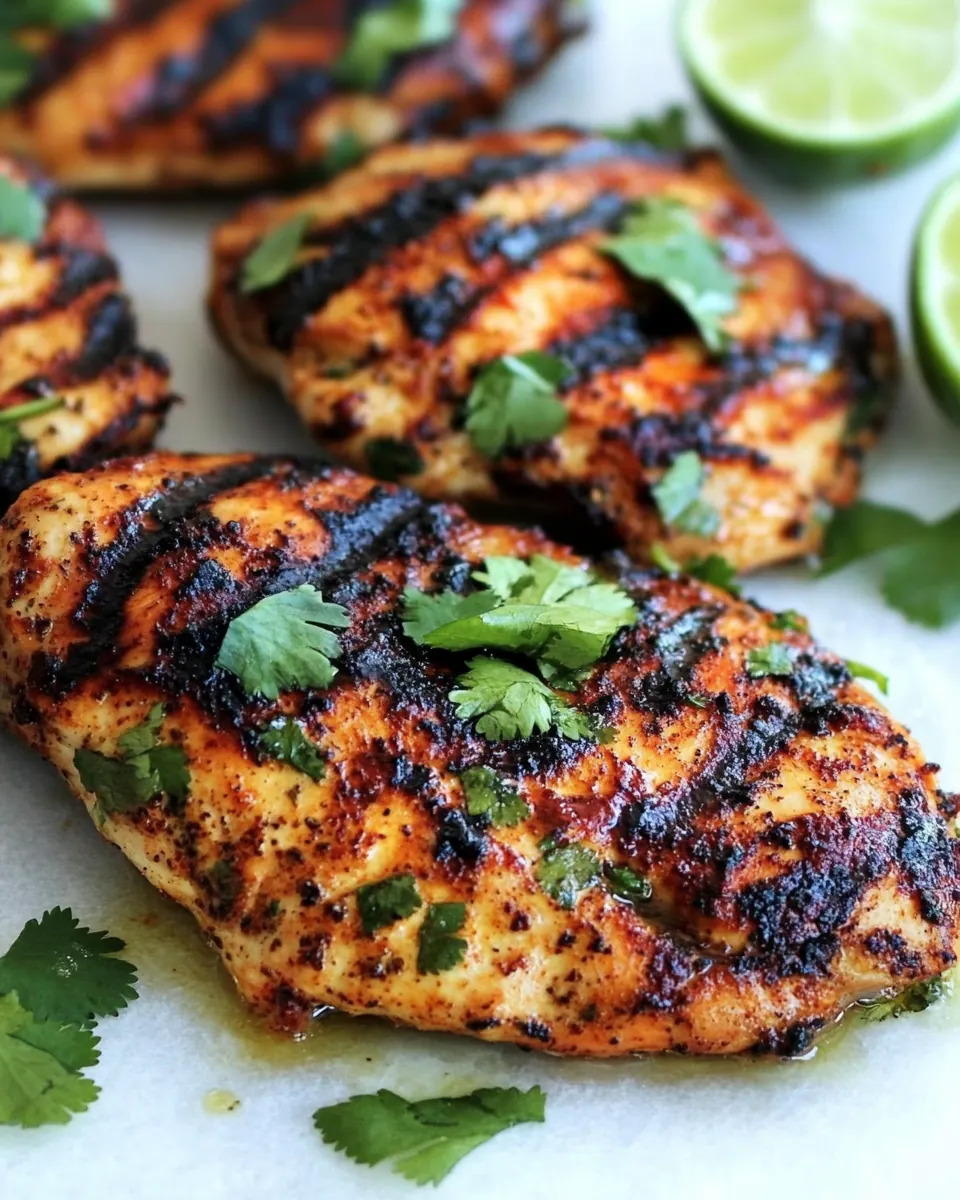
Chili Lime Grilled Chicken
Chili Lime Grilled Chicken has been my go to for backyard dinners all summer long, the kind of dish that turns hurried evenings into a relaxed celebration of bright flavors. I remember the first time I made it for friends, juggling a plate of charred, citrus kissed chicken between stories and laughter, the aroma of lime and warm spices pulling everyone to the grill. The moment the grill lid opened and that sizzle hit, conversations paused, forks reached out, and someone inevitably asked for the recipe.
There is something honest about the simplicity of Chili Lime Grilled Chicken, where a handful of pantry spices and fresh limes transform plain chicken breasts into something vibrant and tender. I like to think of it as a small ritual: a quick marinade, a spicy rub, and a quick turn over hot grates while I tend to sides and a quick salad. Each time I make it, the same small joy returns, that perfect balance of tang, warmth, and just enough char to make every bite interesting.
Over the years I’ve tweaked the timing and the balance of heat versus citrus so the outcome is reliably juicy rather than dry. If you are serving a crowd, it scales nicely, and if you are cooking for two, leftovers are an easy lunch upgrade. I often finish a batch with a sprinkle of extra chopped cilantro and an extra squeeze of lime to brighten the plate, and those finishing touches always make people ask for seconds. This recipe sits at the crossroads of weeknight practicality and weekend showmanship, and it never fails to make the meal feel special.
Recipe Snapshot
45 mins
35 mins
10 mins
Medium
350 kcal
Mexican
Gluten-Free, Low FODMAP
Dinner
Grill, Ziploc bag or bowl, Small bowl, Tongs
What’s Great About This Chili Lime Grilled Chicken
Bright citrus flavor that wakes the palate
I love how Chili Lime Grilled Chicken uses fresh lime juice and lime zest to cut through the richness of the chicken. The acidity lifts the dish, creating a lively contrast to the warm spices, and that contrast keeps each bite exciting. When I serve it, the tangy notes draw people in and make otherwise simple sides feel more composed.
Speed without sacrificing depth
This dish is quick to make, yet it feels like you spent more time on it because of the multilayered seasoning. I often marinate for only 30 minutes which is enough to infuse the chicken with flavor. The spice rub adds concentrated savory depth, so even with a short marinade the finished plate tastes thoughtfully prepared.
Versatile for many occasions
Whether it is a casual weeknight, a summer barbecue, or a small dinner party, Chili Lime Grilled Chicken fits right in. I find myself relying on it when I need a dependable main that pairs well with many sides. It is approachable enough for family meals and impressive enough for guests.
Simple ingredients, big payoff
The recipe leans on staple spices and fresh herbs, so you can make it without hunting down exotic items. The humble combination of garlic, chili powder, and cumin with a touch of sugar and cinnamon creates a flavor profile that feels layered and balanced. I appreciate recipes that respect basic ingredients and still deliver complexity.
Leftovers that sing
I love that leftovers are not an afterthought. Chilled slices work beautifully in salads and wraps, and reheated pieces keep their flavor when warmed gently. That flexibility makes this a practical choice for meal prep or for stretching a single cook into multiple meals throughout the week.
Ingredients Overview for Chili Lime Grilled Chicken
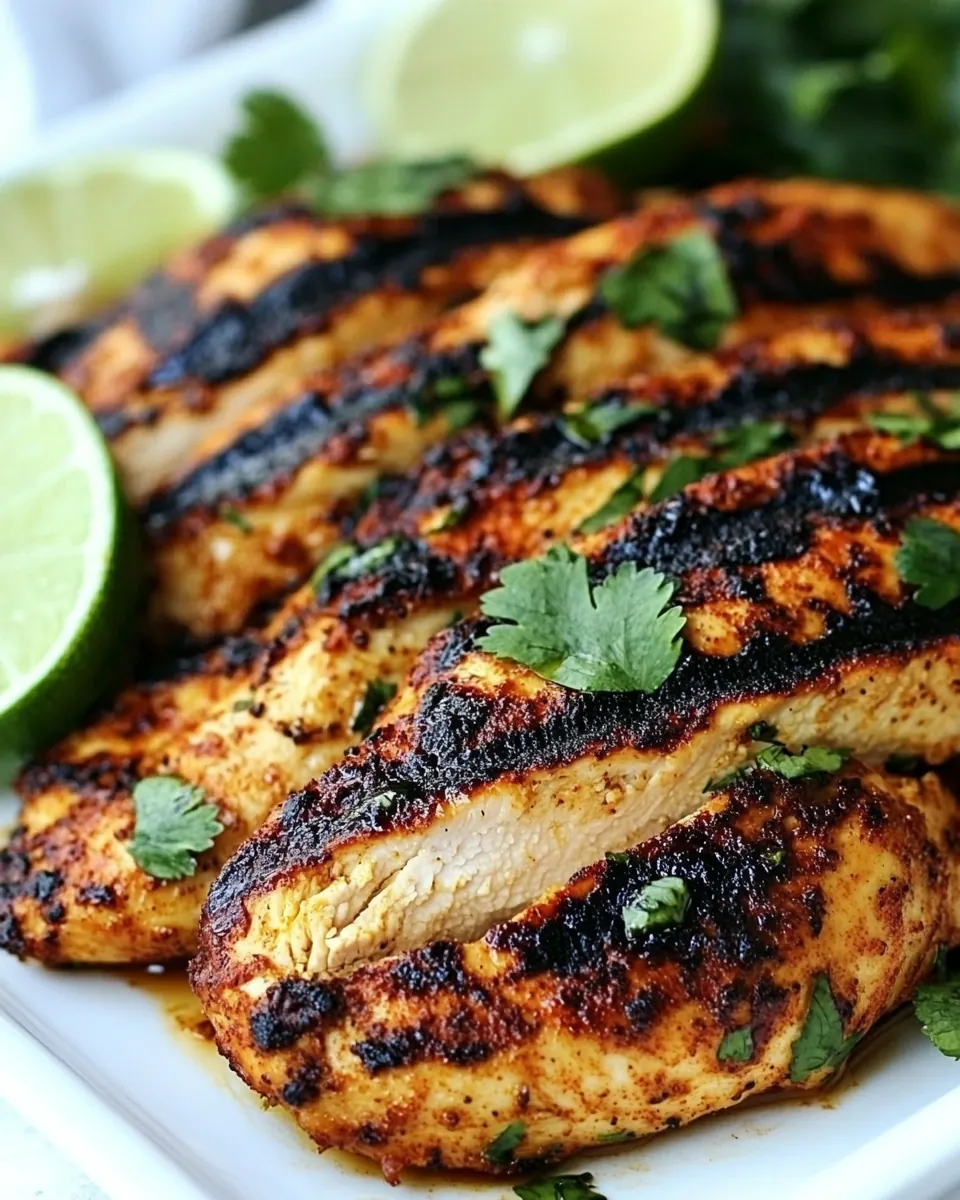
I approach these ingredients with a simple philosophy: bright, fragrant citrus meets warm, grounding spices and fresh herb notes to elevate chicken. The lime juice and zest provide acidity and lift, while the spice blend builds savory complexity. Fresh cilantro ties everything together at the end, offering a cool herbal finish that balances char and spice.
- Juice of 3 limes: Squeeze to provide bright, acidic juice that tenderizes the chicken and balances the spice; use immediately to preserve freshness and maximum citrus flavor. Incorporate into the marinade so its acidity helps break down proteins for a juicier result. Pair with zest and cilantro to layer fresh lime character throughout the dish.
- 1/4 chopped cilantro: Chop finely to add fresh herbal brightness and a slightly peppery, citrusy note; fold into the marinade or use as a mix-in for texture and color. Use the measured amount to avoid overpowering the other flavors while still contributing a lively green finish. Reserve some for garnish to reinforce the herbaceous element.
- 4 boneless skinless chicken breasts: Trim and score as needed to ensure even cooking and maximum surface exposure to the marinade; choose breasts of similar size for uniform grilling. Marinate thoroughly so the flavors penetrate and the meat becomes tender and juicy when grilled. Rest after cooking to retain juices and achieve best texture.
- Zest of 2 limes: Grate finely to intensify lime aroma and deliver concentrated citrus oils that elevate the marinade; add with the lime juice for complementary layers of flavor. Use zest sparingly to avoid bitterness from the pith and to provide aromatic lift to the finished chicken. Combine with spices to create a bright, fragrant crust when grilled.
- 2 cloves garlic minced: Mince very small to distribute pungent garlic flavor evenly throughout the marinade; its savory depth enhances the overall profile and complements citrus notes. Allow minced garlic to sit briefly with the acid to mellow sharpness and release aromatic compounds. Monitor cooking time to avoid burning when grilling directly over high heat.
- 1 teaspoon chili powder: Sprinkle to introduce smokey, mildly spicy warmth that defines the chili character; adjust amount for desired heat and complexity. Combine with cumin and paprika to build a layered, Southwestern-inspired spice rub. Dissolve into the marinade to evenly coat the chicken for consistent flavor.
- 1 teaspoon ground cumin: Measure and mix in to provide earthy, slightly nutty warmth that deepens the savory base of the marinade; its cumin aroma pairs well with chili powder. Use ground form for easy incorporation and consistent seasoning across pieces. Balance with salt and sugar to round out the spice profile.
- 1 teaspoon paprika: Add for sweet, smoky color and mild sweetness that enhances grilled flavor and appearance; paprika also contributes a vibrant red hue to the rub. Include in the spice blend to complement chili powder and cumin for a full-bodied seasoning. Consider smoked paprika if an extra layer of smokiness is desired.
- 1/4 teaspoon ground cinnamon: Use sparingly to impart subtle warmth and aromatic complexity with a hint of sweetness; cinnamon provides unexpected depth to savory chili rubs. Blend well with other spices to ensure it doesn't dominate but rather harmonizes the flavor profile. Adds a nuanced, warm undertone when balanced with citrus and salt.
- 2 teaspoons granulated sugar: Dissolve to slightly mellow acidity and enhance caramelization on the chicken while balancing savory and spicy elements; sugar helps develop a nice crust when grilling. Use measured quantity to avoid excessive sweetness while promoting browning through the Maillard reaction. Combine with salt and spices for harmonious glaze-like effects.
- 1 tablespoon salt: Sprinkle evenly to season and enhance all other flavors; salt is essential for tenderizing meat and improving moisture retention. Use the specified amount as a guideline, tasting as needed based on dietary preferences and saltiness of other components. Apply throughout the marinating process for deep seasoning penetration.
- 1/4 teaspoon black pepper: Grind fresh to add mild heat and a sharp, aromatic finish that brightens the spice blend; black pepper complements the chili and citrus notes. Use a light hand to avoid overwhelming the dish, adjusting to taste before cooking. Freshly cracked pepper offers better aroma than pre-ground.
- Extra chopped cilantro for garnish (optional): Garnish optionally to add a final burst of fresh herbaceous color and flavor; extra cilantro reinforces the cilantro already in the marinade for a vibrant finish. Scatter over sliced or whole cooked chicken just before serving to maintain freshness and visual appeal. Use as desired to customize presentation and flavor intensity.
Chili Lime Grilled Chicken Instructions
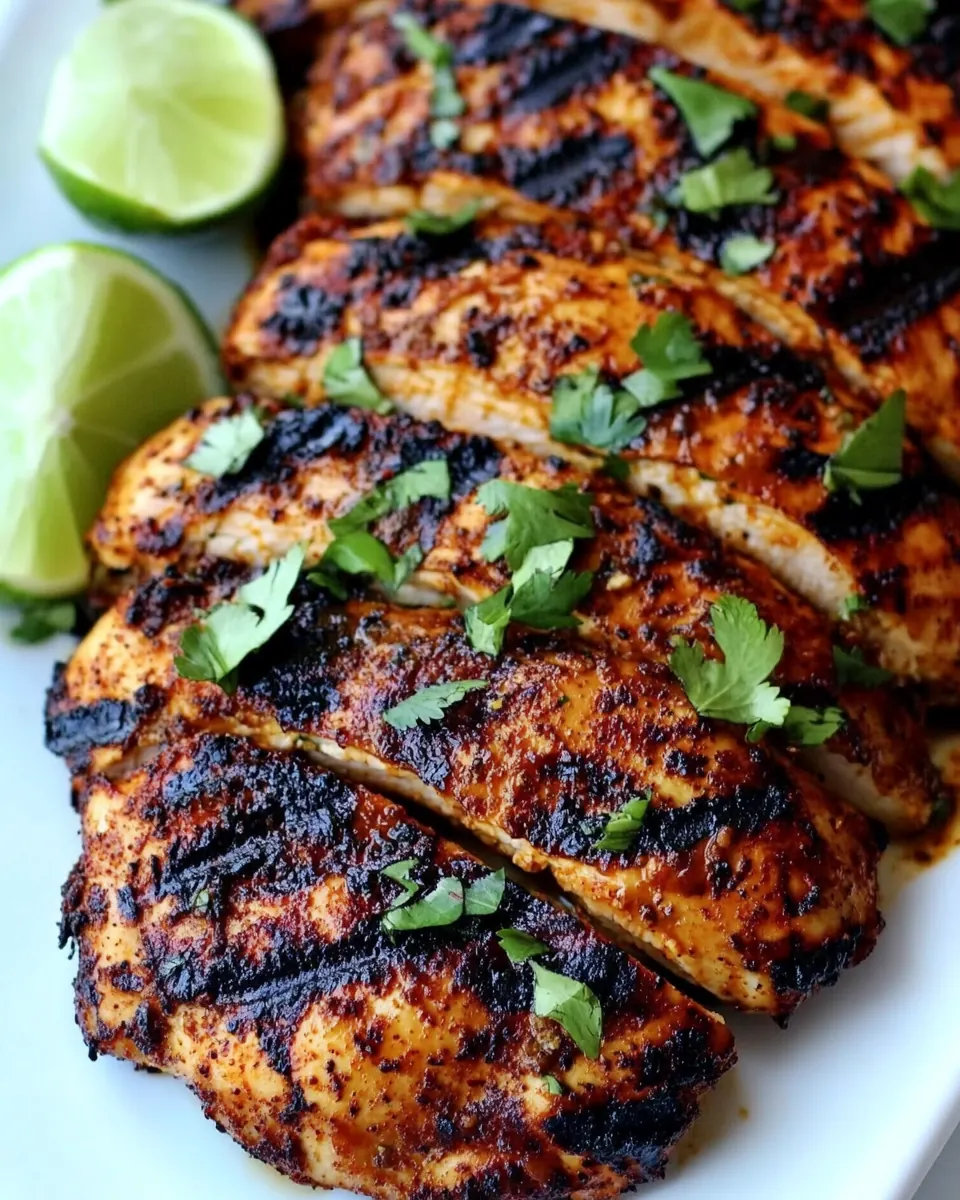
These instructions are straightforward, and they will take you through marinade, rub, and grilling so your chicken comes out juicy with balanced char and citrus. Read each expanded step for sensory cues and common pitfalls so you can cook confidently at the grill.
- Place lime juice, cilantro, and chicken breasts in a Ziploc bag or bowl. Make sure the chicken breasts are covered in the mixture. Let sit for 30 minutes.: The scent of fresh lime hits first, sharp and clean, and it should smell bright in the bowl or bag; that fresh citrus aroma means the acids are ready to tenderize the meat. When the chicken is submerged in the marinade, you should notice the surface becoming slick as the juices mingle. This brief contact allows the acid to start breaking down muscle fibers which helps with tenderness and flavor penetration, so even a short soak makes a difference. A common mistake is overpacking the container, which can prevent even coating; be sure each breast sits comfortably so the marinade can reach all surfaces. If you use a bag, press out excess air so the mixture can cling to the chicken and you get full contact with the marinade.
- While the chicken is marinating, make the rub. In a small bowl, combine the lime zest, garlic, chili powder, cumin, paprika, cinnamon, sugar, salt, and black pepper.: As you mix these spices, inhale the layered aroma, the citrus oils from the lime zest brightening the warm notes of cinnamon and cumin . The tactile feel should be slightly grainy thanks to the sugar and salt; that texture helps the rub adhere to the meat and promotes browning. The chemistry here matters, salt pulling moisture to the surface briefly to dissolve and then reabsorb, enhancing seasoning. A frequent error is making the rub too coarse or too wet; keep the texture balanced and store in a small bowl for easy sprinkling. Freshly grinding spices yields a more vibrant rub, so if you can, crush the spices just before combining.
- Remove the chicken breasts from the bag and discard the bag with juices. Place the chicken on a plate and cover breasts generously with the rub mixture.: When you lift the chicken out, pat it lightly with a paper towel to remove excess marinade so the rub will cling rather than slide off. You should feel the surface slightly tacky; this is ideal for the next step. Discard the used marinade to avoid cross contamination, and always wash hands and surfaces after handling raw chicken . If you skip this safety step, you risk carrying bacteria to other foods or utensils, so take a moment to sanitize your area. The visual cue to look for is a uniformly coated, slightly damp surface ready to accept the rub.
- Brush clean grill lightly with oil or spray with nonstick cooking spray. Preheat grill to medium-high heat. Grill chicken breasts until chicken is cooked through, about 5 minutes per side. Remove from the grill and garnish with cilantro, if using. Serve warm.: As you press the rub onto the chicken , you should feel the granules grip the meat, and you will notice a fragrant burst of spices that signals even coverage. Be generous yet even so each bite has balanced flavors; the rub forms a crust that seals in juices and creates contrast against the tender interior. One thing to avoid is piling too much in one spot which can create areas that char but remain underseasoned elsewhere. Visually aim for a consistent coating with no bare patches, and give the seasoned breasts a minute to rest so the rub adheres before hitting the heat.
- Brush clean grill lightly with oil or spray with nonstick cooking spray: Right before placing the chicken on the grill, the metal should shimmer with a light sheen of oil so the meat releases cleanly; if the grill is dry, the seasoned surface will stick and tear when you try to flip. Heat the grates to medium high so you get immediate sizzles on contact which signals proper searing. A common mistake is over oiling, which can cause flare ups, so use just enough to coat the grates. You should hear a steady sizzling sound when the chicken touches the hot surface and see the rub begin to darken into a golden to deep brown crust.
- Preheat grill to medium high heat: The right temperature gives a searing exterior while allowing the interior to cook without drying; when the grill reaches medium high, it should feel intensely hot a few inches above the grates and produce clear sizzles on contact. Preheating ensures even heat distribution and reduces sticking. A mistake cooks at too low a temperature which yields pale, unappealing sear and can encourage prolonged grilling that dries the chicken . Visually expect the rub to caramelize and the edges to take on an appetizing char in a short time under medium high heat.
- Grill chicken breasts until chicken is cooked through, about 5 minutes per side: As the chicken grills, listen for a steady sizzle and watch for juices to appear on the surface; those clear juices are visual cues the interior is reaching doneness. The rub should transition from raw spice to a fragrant, toasted crust that resists sticking when you gently nudge it. Pressing too hard to check is a common mistake because it squeezes out juices and dries the meat, so rely on timing and visual cues or an instant read thermometer. Aim for an internal temperature of 165 F to ensure safe doneness while preserving moisture, and expect a pleasant mix of char and glossy spice crust.
- Remove from the grill and garnish with cilantro if using: Rest the hot chicken on a clean plate for a few minutes so juices redistribute and the meat becomes juicier; you will notice the surface calm and the aromas intensify as it rests. Adding fresh chopped cilantro right before serving introduces a cool herbal contrast to the warm, spiced exterior, and a final squeeze of lime brightens the overall profile. A common error is slicing immediately which lets the juices run out and leaves the meat drier, so give it a brief rest. The final plate should smell citrusy with warm spice and show an appealing crust with moist interior slices when cut.
Make It Your Own
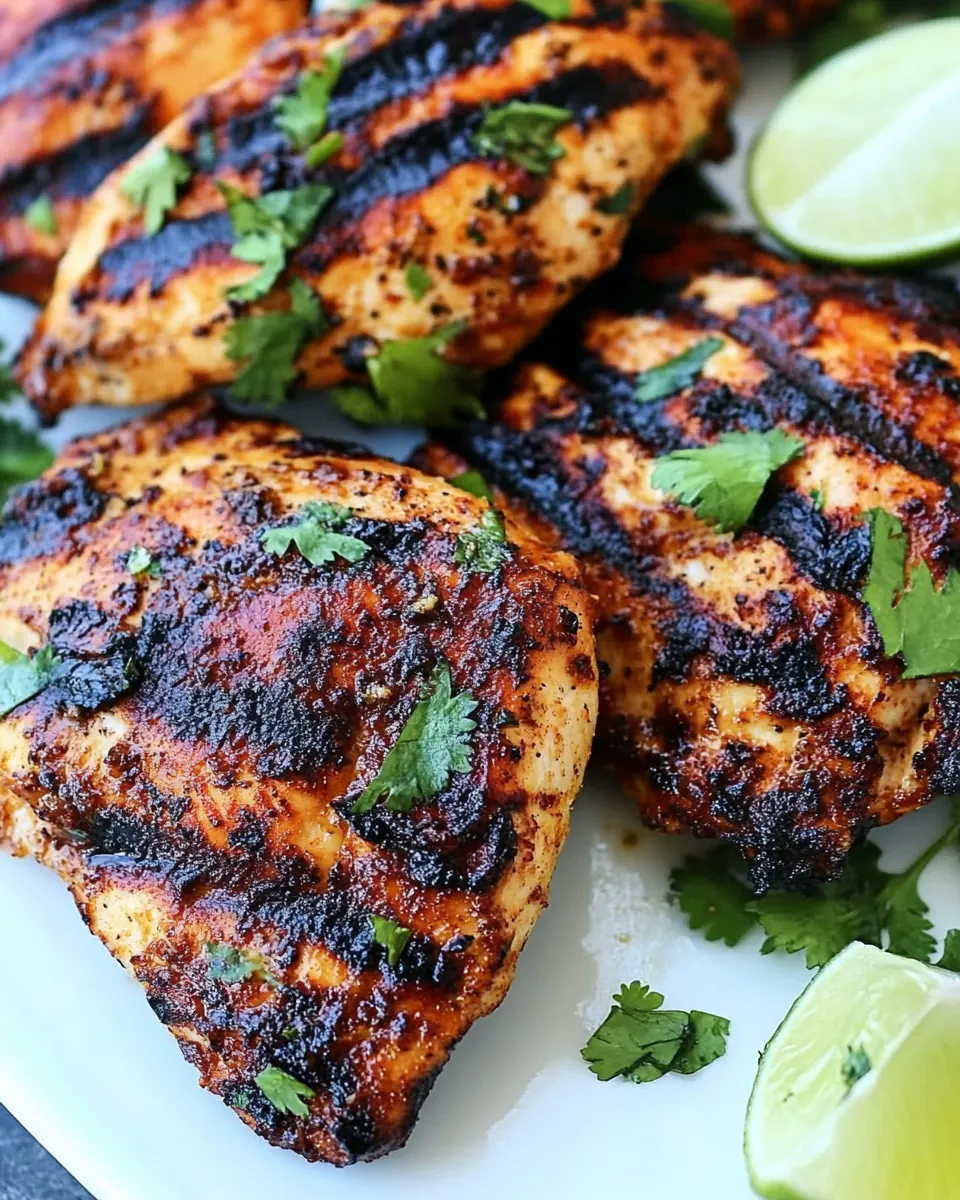
I like to offer a few easy ways to personalize this recipe so it suits your tastes and schedule. Below are tips that help you vary heat, herb brightness, and serving style without changing the core method that makes the dish reliably delicious.
- Adjust the heat by varying the amount of chili powder: increase slightly for more warmth or reduce for a milder profile, tasting the rub if you plan to use some on the side.
- Boost citrus by adding more lime zest or an extra squeeze before serving: this lifts flavors and provides a lively finishing accent that brightens each bite.
- Give it more herb by folding additional chopped cilantro into the marinade or sprinkling on top after grilling to refresh the plate and add visual color.
- Make ahead by prepping the rub in advance: store the dry rub in an airtight container so you can season the chicken quickly when time is tight.
- Control salt by adjusting the added salt to your preference or dietary needs, but remember some salt is necessary to bring out the other flavors and help retain moisture during cooking.
Best Served With
This section outlines complementary sides, occasions, and serving ideas that elevate the meal. The goal is to create balanced plates where Chili Lime Grilled Chicken remains the star while textures and temperatures provide contrast.
- Citrus rice or cilantro rice, a fluffy bed of rice flavored with a little grated lime zest and a handful of chopped cilantro, pairs perfectly by absorbing juices and echoing the dish’s bright notes.
- Fresh salad, a crisp green salad dressed simply lets the smoky and spicy elements of the grilled chicken shine and offers a cool textural counterpoint.
- Grilled vegetables, charred peppers or zucchini complement the grilled crust and provide a smoky, earthy layer that harmonizes with the spice rub.
- Occasions, this recipe works for casual weeknight dinners, weekend barbecues, and summer gatherings where you want something fast but impressive; it scales well for feeding a group.
- Storage tips, store leftover sliced chicken in an airtight container in the fridge for up to three days and reheat gently to preserve moisture; use in wraps or salads for easy lunches.
- Seasonal pairings, the bright lime and fresh cilantro make this ideal for summer menus, but it also brings welcome brightness to late spring and early fall plates.
FAQ
Conclusion
Chili Lime Grilled Chicken stands out for its bright citrus lift, warm spice complexity, and reliably juicy texture, making it a versatile go to for summer meals and casual gatherings. Give it a try this week; the quick marinade and simple rub make it easy to prepare while delivering layered flavors that feel thoughtful and fresh. Whether you are feeding a family or cooking for friends, this recipe adapts well and rewards you with satisfying results that are both approachable and full of character.
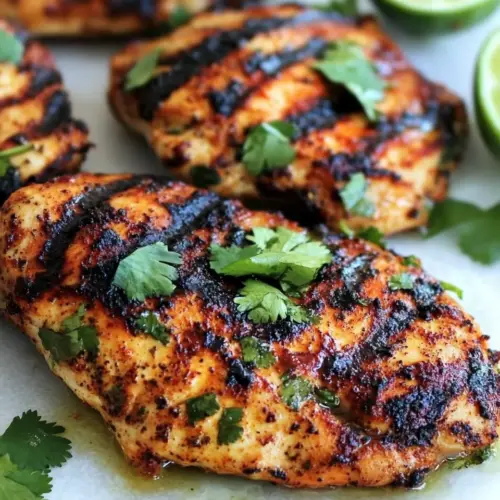
Chili Lime Grilled Chicken
Equipment
- Grill
- Ziploc bag or bowl
- Small Bowl
- Tongs
Ingredients
- Juice of 3 limes Squeeze to provide bright, acidic juice that tenderizes the chicken and balances the spice; use immediately to preserve freshness and maximum citrus flavor. Incorporate into the marinade so its acidity helps break down proteins for a juicier result. Pair with zest and cilantro to layer fresh lime character throughout the dish.
- 1/4 chopped cilantro Chop finely to add fresh herbal brightness and a slightly peppery, citrusy note; fold into the marinade or use as a mix-in for texture and color. Use the measured amount to avoid overpowering the other flavors while still contributing a lively green finish. Reserve some for garnish to reinforce the herbaceous element.
- 4 boneless skinless chicken breasts Trim and score as needed to ensure even cooking and maximum surface exposure to the marinade; choose breasts of similar size for uniform grilling. Marinate thoroughly so the flavors penetrate and the meat becomes tender and juicy when grilled. Rest after cooking to retain juices and achieve best texture.
- Zest of 2 limes Grate finely to intensify lime aroma and deliver concentrated citrus oils that elevate the marinade; add with the lime juice for complementary layers of flavor. Use zest sparingly to avoid bitterness from the pith and to provide aromatic lift to the finished chicken. Combine with spices to create a bright, fragrant crust when grilled.
- 2 cloves garlic minced Mince very small to distribute pungent garlic flavor evenly throughout the marinade; its savory depth enhances the overall profile and complements citrus notes. Allow minced garlic to sit briefly with the acid to mellow sharpness and release aromatic compounds. Monitor cooking time to avoid burning when grilling directly over high heat.
- 1 teaspoon chili powder Sprinkle to introduce smokey, mildly spicy warmth that defines the chili character; adjust amount for desired heat and complexity. Combine with cumin and paprika to build a layered, Southwestern-inspired spice rub. Dissolve into the marinade to evenly coat the chicken for consistent flavor.
- 1 teaspoon ground cumin Measure and mix in to provide earthy, slightly nutty warmth that deepens the savory base of the marinade; its cumin aroma pairs well with chili powder. Use ground form for easy incorporation and consistent seasoning across pieces. Balance with salt and sugar to round out the spice profile.
- 1 teaspoon paprika Add for sweet, smoky color and mild sweetness that enhances grilled flavor and appearance; paprika also contributes a vibrant red hue to the rub. Include in the spice blend to complement chili powder and cumin for a full-bodied seasoning. Consider smoked paprika if an extra layer of smokiness is desired.
- 1/4 teaspoon ground cinnamon Use sparingly to impart subtle warmth and aromatic complexity with a hint of sweetness; cinnamon provides unexpected depth to savory chili rubs. Blend well with other spices to ensure it doesn't dominate but rather harmonizes the flavor profile. Adds a nuanced, warm undertone when balanced with citrus and salt.
- 2 teaspoons granulated sugar Dissolve to slightly mellow acidity and enhance caramelization on the chicken while balancing savory and spicy elements; sugar helps develop a nice crust when grilling. Use measured quantity to avoid excessive sweetness while promoting browning through the Maillard reaction. Combine with salt and spices for harmonious glaze-like effects.
- 1 tablespoon salt Sprinkle evenly to season and enhance all other flavors; salt is essential for tenderizing meat and improving moisture retention. Use the specified amount as a guideline, tasting as needed based on dietary preferences and saltiness of other components. Apply throughout the marinating process for deep seasoning penetration.
- 1/4 teaspoon black pepper Grind fresh to add mild heat and a sharp, aromatic finish that brightens the spice blend; black pepper complements the chili and citrus notes. Use a light hand to avoid overwhelming the dish, adjusting to taste before cooking. Freshly cracked pepper offers better aroma than pre-ground.
- Extra chopped cilantro for garnish optional Garnish optionally to add a final burst of fresh herbaceous color and flavor; extra cilantro reinforces the cilantro already in the marinade for a vibrant finish. Scatter over sliced or whole cooked chicken just before serving to maintain freshness and visual appeal. Use as desired to customize presentation and flavor intensity.
Instructions
- Place lime juice, cilantro, and chicken breasts in a Ziploc bag or bowl. Make sure the chicken breasts are covered in the mixture. Let sit for 30 minutes.: The scent of fresh lime hits first, sharp and clean, and it should smell bright in the bowl or bag; that fresh citrus aroma means the acids are ready to tenderize the meat. When the chicken is submerged in the marinade, you should notice the surface becoming slick as the juices mingle. This brief contact allows the acid to start breaking down muscle fibers which helps with tenderness and flavor penetration, so even a short soak makes a difference. A common mistake is overpacking the container, which can prevent even coating; be sure each breast sits comfortably so the marinade can reach all surfaces. If you use a bag, press out excess air so the mixture can cling to the chicken and you get full contact with the marinade.
- While the chicken is marinating, make the rub. In a small bowl, combine the lime zest, garlic, chili powder, cumin, paprika, cinnamon, sugar, salt, and black pepper.: As you mix these spices, inhale the layered aroma, the citrus oils from the lime zest brightening the warm notes of cinnamon and cumin . The tactile feel should be slightly grainy thanks to the sugar and salt; that texture helps the rub adhere to the meat and promotes browning. The chemistry here matters, salt pulling moisture to the surface briefly to dissolve and then reabsorb, enhancing seasoning. A frequent error is making the rub too coarse or too wet; keep the texture balanced and store in a small bowl for easy sprinkling. Freshly grinding spices yields a more vibrant rub, so if you can, crush the spices just before combining.
- Remove the chicken breasts from the bag and discard the bag with juices. Place the chicken on a plate and cover breasts generously with the rub mixture.: When you lift the chicken out, pat it lightly with a paper towel to remove excess marinade so the rub will cling rather than slide off. You should feel the surface slightly tacky; this is ideal for the next step. Discard the used marinade to avoid cross contamination, and always wash hands and surfaces after handling raw chicken . If you skip this safety step, you risk carrying bacteria to other foods or utensils, so take a moment to sanitize your area. The visual cue to look for is a uniformly coated, slightly damp surface ready to accept the rub.
- Brush clean grill lightly with oil or spray with nonstick cooking spray. Preheat grill to medium-high heat. Grill chicken breasts until chicken is cooked through, about 5 minutes per side. Remove from the grill and garnish with cilantro, if using. Serve warm.: As you press the rub onto the chicken , you should feel the granules grip the meat, and you will notice a fragrant burst of spices that signals even coverage. Be generous yet even so each bite has balanced flavors; the rub forms a crust that seals in juices and creates contrast against the tender interior. One thing to avoid is piling too much in one spot which can create areas that char but remain underseasoned elsewhere. Visually aim for a consistent coating with no bare patches, and give the seasoned breasts a minute to rest so the rub adheres before hitting the heat.
- Brush clean grill lightly with oil or spray with nonstick cooking spray: Right before placing the chicken on the grill, the metal should shimmer with a light sheen of oil so the meat releases cleanly; if the grill is dry, the seasoned surface will stick and tear when you try to flip. Heat the grates to medium high so you get immediate sizzles on contact which signals proper searing. A common mistake is over oiling, which can cause flare ups, so use just enough to coat the grates. You should hear a steady sizzling sound when the chicken touches the hot surface and see the rub begin to darken into a golden to deep brown crust.
- Preheat grill to medium high heat: The right temperature gives a searing exterior while allowing the interior to cook without drying; when the grill reaches medium high, it should feel intensely hot a few inches above the grates and produce clear sizzles on contact. Preheating ensures even heat distribution and reduces sticking. A mistake cooks at too low a temperature which yields pale, unappealing sear and can encourage prolonged grilling that dries the chicken . Visually expect the rub to caramelize and the edges to take on an appetizing char in a short time under medium high heat.
- Grill chicken breasts until chicken is cooked through, about 5 minutes per side: As the chicken grills, listen for a steady sizzle and watch for juices to appear on the surface; those clear juices are visual cues the interior is reaching doneness. The rub should transition from raw spice to a fragrant, toasted crust that resists sticking when you gently nudge it. Pressing too hard to check is a common mistake because it squeezes out juices and dries the meat, so rely on timing and visual cues or an instant read thermometer. Aim for an internal temperature of 165 F to ensure safe doneness while preserving moisture, and expect a pleasant mix of char and glossy spice crust.
- Remove from the grill and garnish with cilantro if using: Rest the hot chicken on a clean plate for a few minutes so juices redistribute and the meat becomes juicier; you will notice the surface calm and the aromas intensify as it rests. Adding fresh chopped cilantro right before serving introduces a cool herbal contrast to the warm, spiced exterior, and a final squeeze of lime brightens the overall profile. A common error is slicing immediately which lets the juices run out and leaves the meat drier, so give it a brief rest. The final plate should smell citrusy with warm spice and show an appealing crust with moist interior slices when cut.
Notes
- Adjust the heat by varying the amount of chili powder: increase slightly for more warmth or reduce for a milder profile, tasting the rub if you plan to use some on the side.
- Boost citrus by adding more lime zest or an extra squeeze before serving: this lifts flavors and provides a lively finishing accent that brightens each bite.
- Give it more herb by folding additional chopped cilantro into the marinade or sprinkling on top after grilling to refresh the plate and add visual color.
- Make ahead by prepping the rub in advance: store the dry rub in an airtight container so you can season the chicken quickly when time is tight.
- Control salt by adjusting the added salt to your preference or dietary needs, but remember some salt is necessary to bring out the other flavors and help retain moisture during cooking.