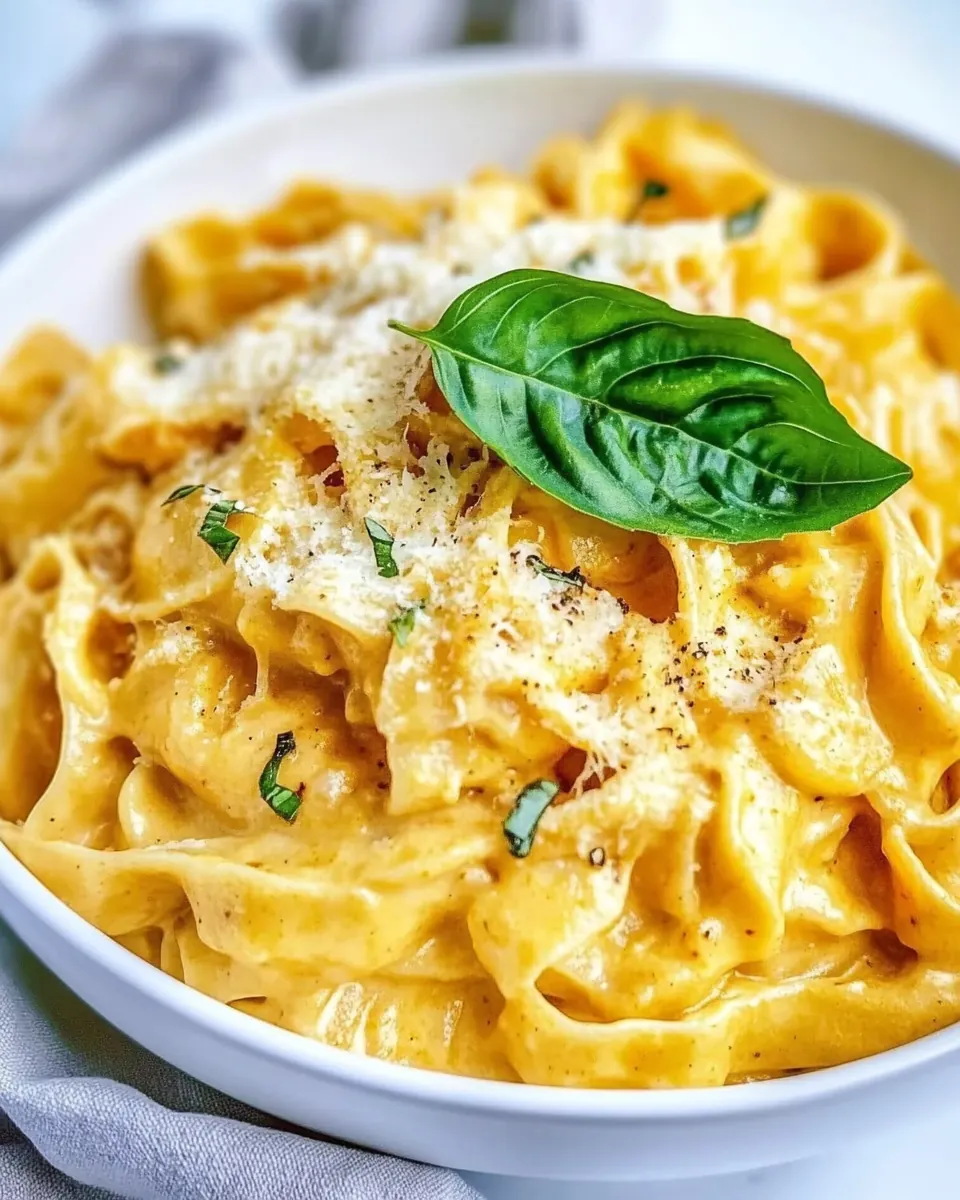
Pumpkin Pasta
Pumpkin Pasta is one of those cozy bowls that I turn to when the air cools and I want something comforting but not fussy.
One autumn evening a few years back I was craving something creamy yet bright, and I opened the pantry to find a can of pumpkin and a box of fettuccine. I ended up browning a little butter, crisping sage, and stirring in pumpkin and cream until the sauce smelled nutty and warm. The first bite — silky pasta wrapped in a slightly sweet, spiced sauce with a surprising crackle from toasted pumpkin seeds — felt like a jacket and a hug at once. From then on I started making this whenever I wanted an easy, elegant dinner that still felt homemade.
Over time I learned tiny tweaks that make the dish sing, like reserving a splash of starchy cooking water to loosen the sauce, or popping whole sage leaves into the hot butter to perfume the oil and create a crisp garnish. The recipe is forgiving, so it’s great for weeknights but pretty enough for guests. If you adore creamy comfort with seasonal flavor, this is one to keep in rotation.
Recipe Snapshot
25 mins
5 mins
20 mins
Easy
450 kcal
Italian
Gluten-Free, Vegan
Dinner
Large pot, Large skillet, Colander, Wooden spoon, Grater
What You’ll Enjoy About This Pumpkin Pasta
Comforting but Light
I love how Pumpkin Pasta balances richness and lift. The heavy cream gives a silky mouthfeel, but the pumpkin brings natural body so the sauce never feels greasy. I can serve it to friends without worrying it will weigh everyone down.
Quick Weeknight Winner
From boiling the fettuccine to plating is just about 25 minutes, which makes it a go to for busy evenings. I adore recipes that deliver big flavor in a short time, and this one lets me have dinner ready while I set the table and pour a second cup of tea.
Seasonal Personality
This dish sings in fall, the pumpkin and warm spices feel on theme. I often make it around holidays like Thanksgiving when people want cozy flavors without extra fuss. The aroma of browned butter and crisped sage makes the whole kitchen feel festive.
Textural Contrast
The toasted pumpkin seeds add a pop of crunch that transforms an otherwise smooth bowl. I always keep a small pan handy to toast seeds quickly; it only takes a minute and the result is enormous in contrast and satisfaction.
Easy to Personalize
I appreciate how forgiving Pumpkin Pasta is. You can dial the seasoning, add a touch of heat with red pepper flakes, or pile on extra freshly shredded parmesan cheese for an indulgent finish. That flexibility is why I reach for this recipe again and again.
What’s In This Pumpkin Pasta
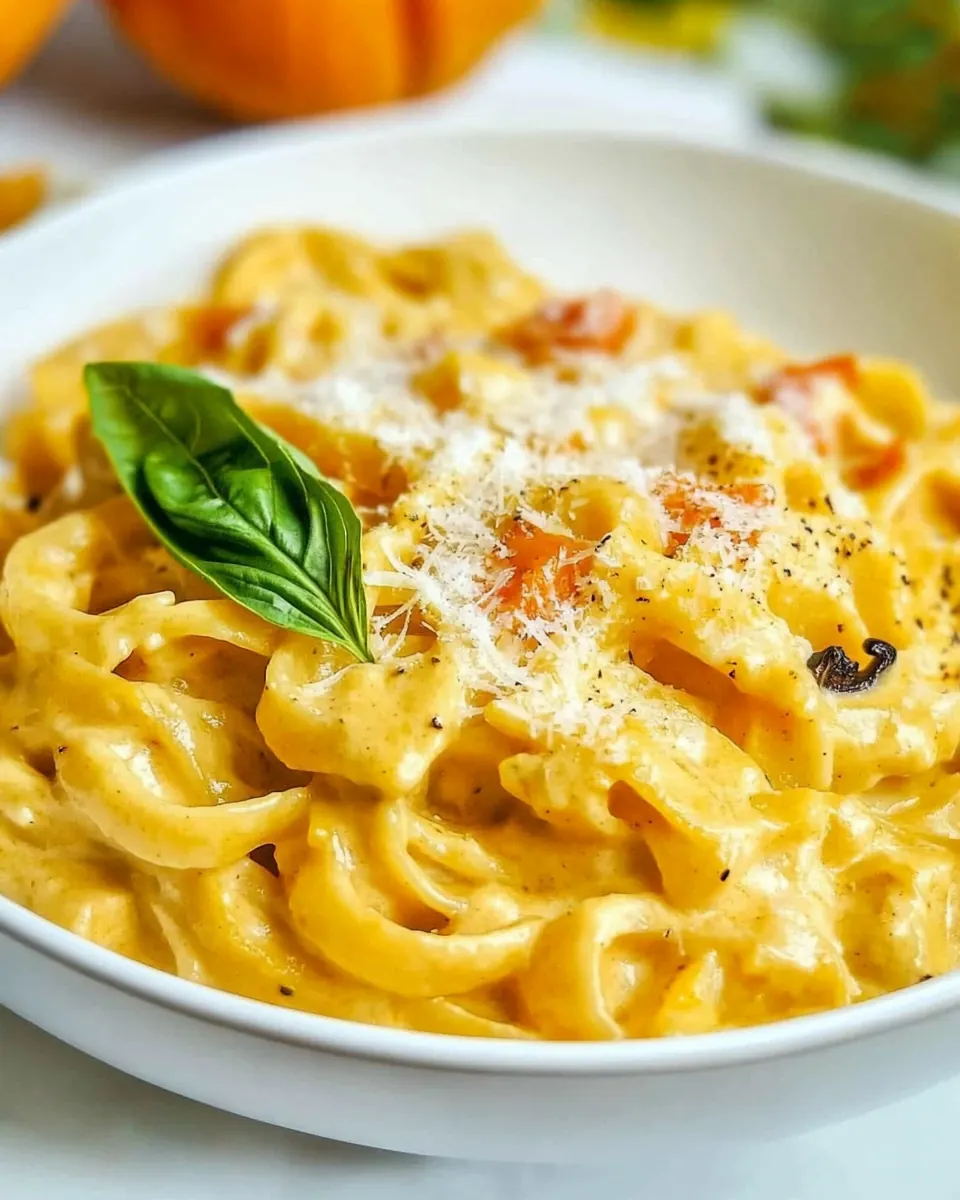
These ingredients were chosen to create a harmonious, creamy pasta where each element plays a clear role. The base pasta carries the sauce, while the pumpkin provides body and subtle sweetness. Butter and heavy cream build the rich mouthfeel, and parmesan cheese adds salty, savory depth. Aromatics like garlic and sage layer in fragrance, while toasted pumpkin seeds introduce crunch.
- 8 oz fettuccine pasta: Boil until al dente and serve as the main starch for the dish, providing a neutral base to carry the creamy pumpkin sauce and absorb flavors.
- 2 tablespoons unsalted butter: Melt to create a rich fat base for sautéeing garlic and sage, contributing a silky mouthfeel and subtle dairy richness to the sauce.
- 3 cloves garlic minced: Mince finely and sauté briefly to release pungent, aromatic flavors that deepen the sauce and balance the sweetness of the pumpkin.
- 2 sage leaves finely diced: Dice finely and cook gently to release earthy, slightly peppery notes that complement pumpkin and add herbal complexity to the sauce.
- 1 cup canned pumpkin puree 100% pumpkin, not pumpkin pie filling: Puree smooth to supply concentrated pumpkin flavor and natural sweetness, forming the body and color of the creamy sauce without added spices.
- 1 cup heavy cream: Simmer to enrich the sauce with a velvety texture and mellow dairy richness that helps create a cohesive, luxurious coating for the pasta.
- 1/2 cup parmesan cheese freshly shredded: Grate freshly to add nutty, salty, umami depth that enhances overall savory balance and helps thicken the sauce slightly.
- 1/4 teaspoon ground nutmeg: Sprinkle sparingly to introduce warm, aromatic undertones that pair well with pumpkin and add subtle complexity to the sauce.
- 1/2 teaspoon salt: Season moderately to enhance all flavors, control seasoning balance, and bring out savory notes in both the sauce and pasta.
- 1/4 teaspoon ground black pepper: Crack freshly to add bright, slightly sharp heat that helps balance richness and provides subtle peppery contrast.
- 1/4 teaspoon red pepper flakes: Scatter lightly to impart a lingering heat and piquant edge that contrasts the creaminess and adds dimension to each bite.
- 2 tablespoons pumpkin seeds: Toast briefly to provide crunchy texture and a nutty, toasty flavor that complements pumpkin and adds contrast to the creamy sauce.
- 6 whole sage leaves: Fry or crisp to create decorative, aromatic garnish pieces that add texture and a pronounced sage flavor when served atop the pasta.
- shredded parmesan for topping: Grate or shave over the finished dish to enhance visual appeal and add an extra burst of salty, savory, cheesy flavor as a final touch.
Preparation Steps for Pumpkin Pasta
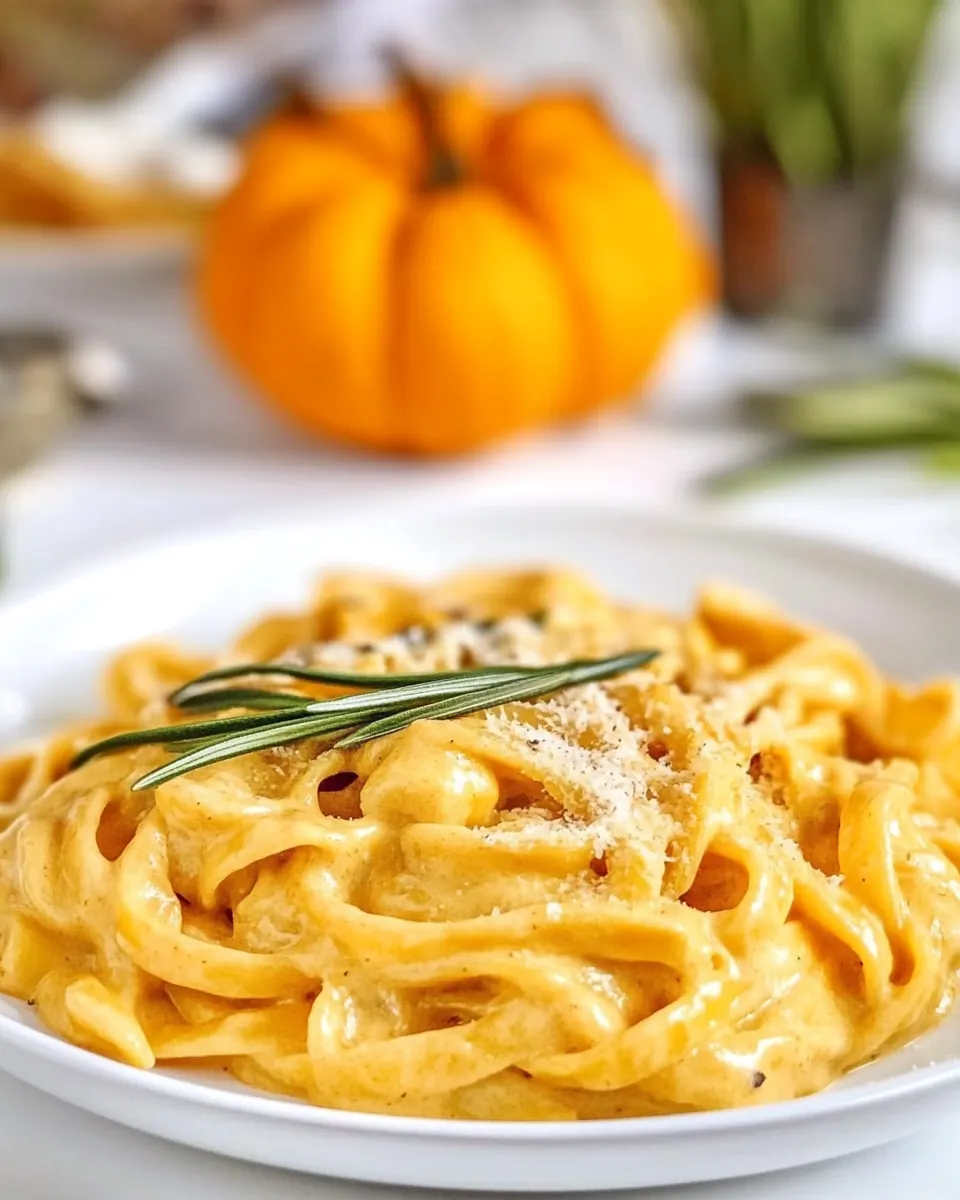
I like to keep the cooking flow relaxed: get the water boiling, toast the seeds and crisp the sage, then build the sauce while the pasta finishes. This approach keeps everything hot and textured at plating, and it helps me stay present at the stove.
- Salt and boil water in a pot, and cook pasta according to package instructions. Reserve 1/2 cup of pasta water then drain.: The kitchen will smell faintly of starch as the water comes to a rolling boil, and you will see big bubbles breaking the surface when it is ready. Adding a generous pinch of salt to the water seasons the pasta from within, which is crucial because an under seasoned noodle will make the whole dish taste flat. Cook until the pasta is al dente, meaning tender with a slight bite in the center; this gives the best texture when you toss it in the sauce. Reserve about half a cup of the cloudy starchy cooking water before you drain, it acts like liquid gold for loosening the sauce and helping it cling to the noodles. A common mistake is overcooking the pasta , which makes it mushy and incapable of holding sauce properly, so check it a minute or two before the package time to avoid that.
- In a separate, large skillet, toast the pumpkin seeds. Remove from skillet and set aside. In the same skillet, melt the butter then add the whole sage leaves. Let that fry for 20-30 seconds, then remove them from the pan and save them on a paper towel lined plate for later.: You will notice the reserved water looks milky because of released starch, and that is exactly what you want to emulsify the sauce later. Drain the pasta promptly to keep it from absorbing too much water and becoming soft; shaking the colander gently separates the strands so they do not stick together. Keep the reserved water warm so it integrates seamlessly when added to the hot skillet. A frequent oversight is letting the water cool or forgetting to save it, which results in a thinner, less cohesive sauce — so set the cup next to your skillet as you drain.
- To the skillet, add the minced garlic and diced sage. Sauté for 1 minute. Add the pumpkin puree and heavy cream. Stir until combined. Let that simmer for 3-4 minutes until thickened, stirring occasionally.: Toasting brings out a warm, nutty aroma that transforms the seeds from bland to brilliant; you will hear a light popping and smell a toasty, slightly sweet scent when they are ready. Use a dry skillet over medium heat, stirring or shaking frequently, and watch closely because they can burn fast. Once golden and fragrant, transfer them to a plate to stop the cooking and keep them crisp. A slip up here is leaving them in the pan too long which leads to bitterness; remove them the moment they color and smell toasty.
- Sprinkle in parmesan, nutmeg, salt, pepper, and red pepper flakes. Let that cook until the cheese has melted and you have a smooth, even sauce.: Letting the seeds cool on a plate prevents steaming and softening, preserving their crunch for the final garnish. The contrast between the crunchy seeds and the creamy sauce is part of the recipe’s charm, so don’t skip this rest. If you leave them in the hot pan they will continue to cook and may brown too much, so always move them to a separate dish.
- Add the cooked pasta to the sauce along with the pasta water. Toss until the noodles are evenly coated. Dish out your servings of pasta, and top each serving with some toasted pumpkin seeds, the roasted sage leaves, and more parmesan cheese if desired. Enjoy!: When you melt the butter , it will foam and begin to release a sweet, nutty scent as the milk solids brown lightly; that aroma deepens the sauce. Add the whole sage leaves and watch them sizzle and crisp in the sizzling butter for about 20 to 30 seconds, the edges will ripple and go golden. This step flavors the fat and creates delicate, crisped leaves for garnish, providing both fragrance and texture. Avoid burning the butter , which creates a bitter flavor, by keeping the heat moderate and removing the leaves as soon as they crisp.
- Let that fry for 20-30 seconds, then remove them from the pan and save them on a paper towel lined plate for later: The crisped sage will be fragile and fragrant, so draining them on paper towels keeps them from becoming greasy. These leaves add dramatic visual appeal and a timbered crunch when scattered over the finished dish. A common misstep is leaving them in the pan until they darken too much; remove them promptly to maintain a bright, herbaceous flavor.
- To the skillet, add the minced garlic and diced sage: As you add the minced garlic and diced sage , a fragrant steam will rise and the pan will smell herbaceous and garlicky within seconds. Sauté them just until the raw edge of the garlic softens, about a minute, to release aromatic oils into the butter . This quick cook time prevents the garlic from developing a bitter, burnt taste and helps the diced sage meld into the sauce evenly. Don’t walk away here; garlic can go from golden to burned quickly, which would ruin the subtle flavors you want.
- Sauté for 1 minute: You will hear a gentle hiss and sense the aroma intensify as the flavors bloom, and the tiny pieces of garlic will become translucent. That minute is long enough to soften and infuse without charring. This step builds the base flavor for the sauce, so be patient and keep the heat moderate. A typical error is cranking the heat to rush things, which risks burning the garlic and creating bitterness.
- Add the pumpkin puree and heavy cream: When the pumpkin and heavy cream hit the warm pan, the mixture will steam slightly and begin to meld; the sauce will look thinner at first but will thicken as it simmers. Stir consistently to combine the ingredients into a smooth emulsion, coaxing the pumpkin into the butter and aromatics. Use this moment to notice the color transition to a rich, golden orange that signals blending. A common slip is adding the cream too quickly to a very high heat which can cause it to separate, so moderate the temperature and stir gently.
- Stir until combined: The sauce should be uniform and glossy after stirring, with no streaks of cream or pumpkin visible. This helps create a cohesive texture that clings to the pasta . Keep the movement consistent to avoid hot spots that could scorch the sauce, and taste for seasoning as the base takes shape. If the sauce feels grainy or split, lower the heat and whisk in a splash of the reserved pasta water to smooth it out.
- Let that simmer for 3-4 minutes until thickened, stirring occasionally: As it simmers, watch the sauce reduce and coat the back of a spoon, becoming silkier and more concentrated in flavor. You will notice the aroma deepen and a slight bubbling that signals reduction; this is when the sauce gains body and intensity. Stir occasionally to prevent sticking and to keep the texture even. The main mistake here is rushing and not allowing the sauce to thicken, which leads to a watery final dish.
- Sprinkle in parmesan, nutmeg, salt, pepper, and red pepper flakes: When you add the parmesan cheese and spices, the sauce will smell instantly more complex; the cheese melts and thickens the texture while nutmeg imparts warm, rounded notes. Add salt gradually because the parmesan cheese already contributes saltiness, and adjust the red pepper flakes to your heat preference. Stir until the cheese is fully melted and the mixture is glossy; this meld is essential for a smooth, unified sauce. Over salting at this stage is an easy error, so always taste and tweak carefully.
- Let that cook until the cheese has melted and you have a smooth, even sauce: You will see the sauce become velvety and the aroma of parmesan cheese will lift, signaling readiness. The texture should be cohesive and creamy without lumps, and the sauce should cling when stirred. If the sauce seems too thick, add a splash of the reserved pasta water to achieve a silky consistency. One common issue is overheating after adding cheese, which can make it grainy, so keep the heat low while melting.
- Add the cooked pasta to the sauce along with the pasta water: As you fold the warm pasta into the sauce, the starchy water helps the emulsion bind, creating a glossy coating over each strand. Toss steadily so the sauce adheres and the flavors distribute evenly; you will see the noodles take on an even color and sheen. Continue tossing until every ribbon is coated and glossy, adding more reserved water a teaspoon at a time if necessary. A typical mistake is dumping all the water at once which can make the sauce too thin, so add gradually.
- Toss until the noodles are evenly coated: Sensory cues here are visual and tactile; the pasta should appear uniformly dressed and feel silky to the fork. This step ensures every bite carries sauce, seed, and herb. Avoid over stirring which can break down the noodles, instead toss gently to preserve the texture.
- Dish out your servings of pasta, and top each serving with some toasted pumpkin seeds, the roasted sage leaves, and more parmesan cheese if desired: Plating is where texture and aroma come together; scatter the crunchy pumpkin seeds and crisped sage leaves so they remain pronounced, and finish with extra parmesan cheese for brightness. The contrast between creamy sauce and crunchy topping is the final flourish and creates an inviting presentation. A common oversight is adding the toppings too early which makes them soggy, so sprinkle them on at the last moment.
- Enjoy: Sit down and savor the warmth and layered flavors, noticing the balance of creamy, nutty, and herbaceous notes. Take a moment to appreciate the textures and how the tiny details like toasted seeds and crisped sage elevate the whole bowl. Rushing this step means missing the best part, so relax and enjoy.
Making Adjustments
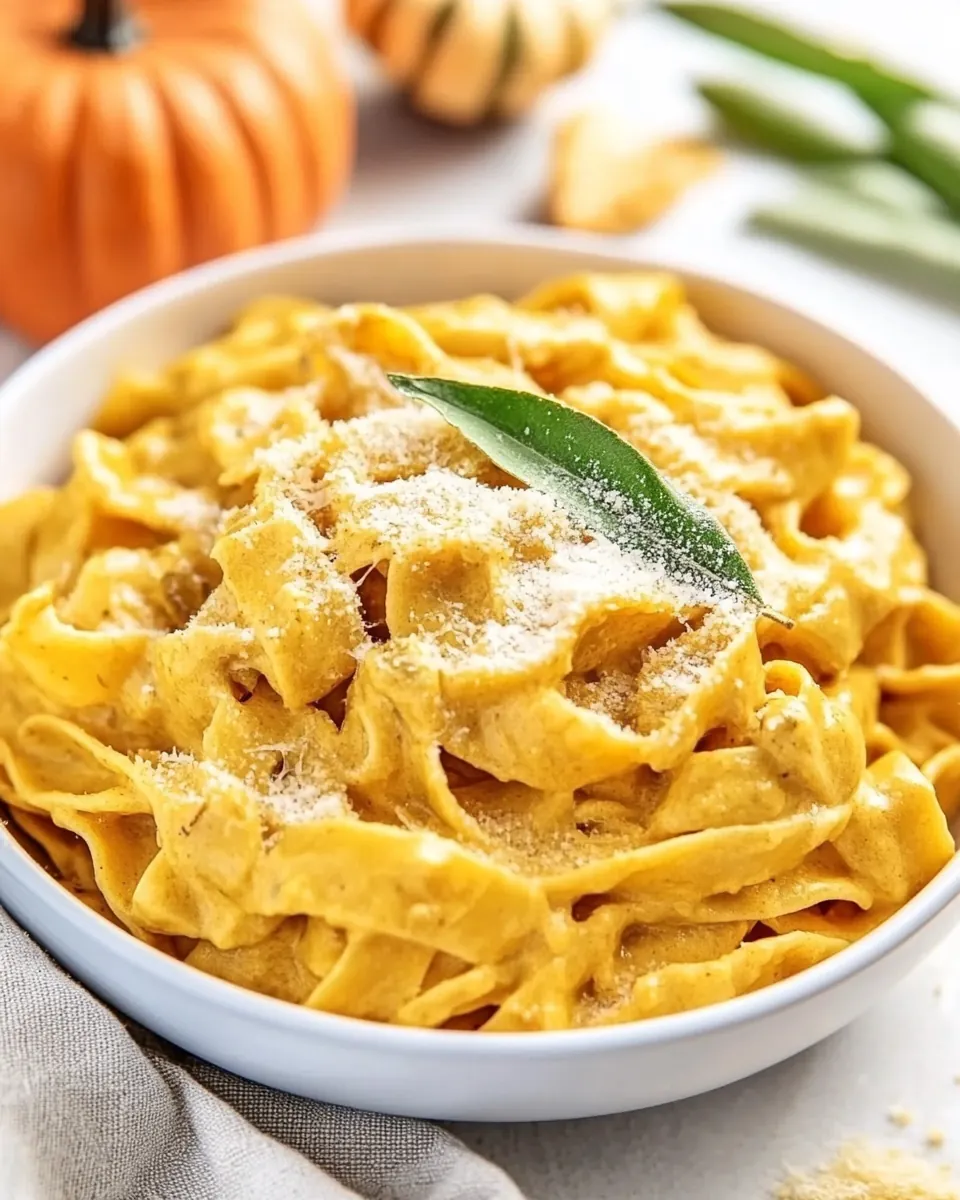
This section covers practical adjustments and storage guidance I use whenever I make Pumpkin Pasta. Think of these as quick, actionable notes you can apply while cooking.
- Storage tip Store leftovers in an airtight container in the fridge for 1 to 2 days, and keep toppings like toasted pumpkin seeds and crisped sage separate to maintain their crunch.
- Reheating tip Reheat gently over low heat on the stove with a splash of heavy cream or reserved pasta water to restore creaminess without drying out the sauce.
- Salt control Add salt gradually because the parmesan cheese contributes significant saltiness; taste before adding more.
- Adjusting heat To control spice, increase or decrease the amount of red pepper flakes to suit your preference; they add a subtle lift rather than overwhelming heat.
- Make ahead Prepare the sauce and store it in the fridge for a day, then warm and toss with freshly cooked pasta to keep the noodles from getting soggy.
What to Pair With Pumpkin Pasta
Pumpkin Pasta is versatile enough for cozy dinners or an autumn brunch style spread. I like pairing it with light, bright sides to balance the richness and textures that add contrast on the plate.
- Simple green salad A crisp salad dressed with a bright vinaigrette cuts through the creaminess and refreshes the palate between bites.
- Roasted vegetables Seasonal roasted root vegetables provide an earthy complement to the pumpkin and add more texture to the meal.
- Crisp bread A crusty loaf or toasted slices are great for scooping up leftover sauce and make the dinner feel more complete.
- Casual gatherings Serve this for a relaxed dinner party in fall or around Thanksgiving as a cozy vegetarian main that still feels special.
- Storage suggestion Keep leftover pasta refrigerated for up to 1 to 2 days, and store toppings separately to preserve crunch and texture.
- Seasonal pairing This shines in cooler months when pumpkin and warm spices feel most appropriate, but it is enjoyable any time you crave comfort with an autumnal twist.
FAQ
Conclusion
Pumpkin Pasta combines creamy pumpkin and heavy cream with browned butter, crisped sage, and crunchy toasted pumpkin seeds, creating a comforting, seasonally tuned bowl that feels both simple and special. Give it a try the next cool evening when you want an easy but elegant dinner that comes together quickly and pleases a crowd. I hope it becomes one of your go to recipes for fall entertaining and cozy weeknights alike.
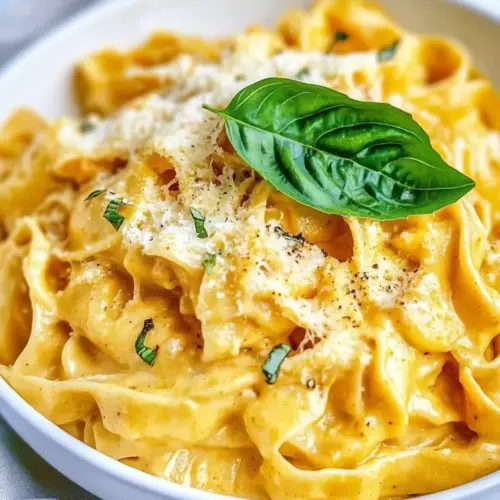
Pumpkin Pasta
Equipment
- Large Pot
- Large Skillet
- Colander
- Wooden Spoon
- Grater
Ingredients
- 8 oz fettuccine pasta Boil until al dente and serve as the main starch for the dish, providing a neutral base to carry the creamy pumpkin sauce and absorb flavors.
- 2 tablespoons unsalted butter Melt to create a rich fat base for sautéeing garlic and sage, contributing a silky mouthfeel and subtle dairy richness to the sauce.
- 3 cloves garlic minced Mince finely and sauté briefly to release pungent, aromatic flavors that deepen the sauce and balance the sweetness of the pumpkin.
- 2 sage leaves finely diced Dice finely and cook gently to release earthy, slightly peppery notes that complement pumpkin and add herbal complexity to the sauce.
- 1 cup canned pumpkin puree 100% pumpkin, not pumpkin pie filling Puree smooth to supply concentrated pumpkin flavor and natural sweetness, forming the body and color of the creamy sauce without added spices.
- 1 cup heavy cream Simmer to enrich the sauce with a velvety texture and mellow dairy richness that helps create a cohesive, luxurious coating for the pasta.
- 1/2 cup parmesan cheese freshly shredded Grate freshly to add nutty, salty, umami depth that enhances overall savory balance and helps thicken the sauce slightly.
- 1/4 teaspoon ground nutmeg Sprinkle sparingly to introduce warm, aromatic undertones that pair well with pumpkin and add subtle complexity to the sauce.
- 1/2 teaspoon salt Season moderately to enhance all flavors, control seasoning balance, and bring out savory notes in both the sauce and pasta.
- 1/4 teaspoon ground black pepper Crack freshly to add bright, slightly sharp heat that helps balance richness and provides subtle peppery contrast.
- 1/4 teaspoon red pepper flakes Scatter lightly to impart a lingering heat and piquant edge that contrasts the creaminess and adds dimension to each bite.
- 2 tablespoons pumpkin seeds Toast briefly to provide crunchy texture and a nutty, toasty flavor that complements pumpkin and adds contrast to the creamy sauce.
- 6 whole sage leaves Fry or crisp to create decorative, aromatic garnish pieces that add texture and a pronounced sage flavor when served atop the pasta.
- shredded parmesan for topping Grate or shave over the finished dish to enhance visual appeal and add an extra burst of salty, savory, cheesy flavor as a final touch.
Instructions
- Salt and boil water in a pot, and cook pasta according to package instructions. Reserve 1/2 cup of pasta water then drain.: The kitchen will smell faintly of starch as the water comes to a rolling boil, and you will see big bubbles breaking the surface when it is ready. Adding a generous pinch of salt to the water seasons the pasta from within, which is crucial because an under seasoned noodle will make the whole dish taste flat. Cook until the pasta is al dente, meaning tender with a slight bite in the center; this gives the best texture when you toss it in the sauce. Reserve about half a cup of the cloudy starchy cooking water before you drain, it acts like liquid gold for loosening the sauce and helping it cling to the noodles. A common mistake is overcooking the pasta , which makes it mushy and incapable of holding sauce properly, so check it a minute or two before the package time to avoid that.
- In a separate, large skillet, toast the pumpkin seeds. Remove from skillet and set aside. In the same skillet, melt the butter then add the whole sage leaves. Let that fry for 20-30 seconds, then remove them from the pan and save them on a paper towel lined plate for later.: You will notice the reserved water looks milky because of released starch, and that is exactly what you want to emulsify the sauce later. Drain the pasta promptly to keep it from absorbing too much water and becoming soft; shaking the colander gently separates the strands so they do not stick together. Keep the reserved water warm so it integrates seamlessly when added to the hot skillet. A frequent oversight is letting the water cool or forgetting to save it, which results in a thinner, less cohesive sauce — so set the cup next to your skillet as you drain.
- To the skillet, add the minced garlic and diced sage. Sauté for 1 minute. Add the pumpkin puree and heavy cream. Stir until combined. Let that simmer for 3-4 minutes until thickened, stirring occasionally.: Toasting brings out a warm, nutty aroma that transforms the seeds from bland to brilliant; you will hear a light popping and smell a toasty, slightly sweet scent when they are ready. Use a dry skillet over medium heat, stirring or shaking frequently, and watch closely because they can burn fast. Once golden and fragrant, transfer them to a plate to stop the cooking and keep them crisp. A slip up here is leaving them in the pan too long which leads to bitterness; remove them the moment they color and smell toasty.
- Sprinkle in parmesan, nutmeg, salt, pepper, and red pepper flakes. Let that cook until the cheese has melted and you have a smooth, even sauce.: Letting the seeds cool on a plate prevents steaming and softening, preserving their crunch for the final garnish. The contrast between the crunchy seeds and the creamy sauce is part of the recipe’s charm, so don’t skip this rest. If you leave them in the hot pan they will continue to cook and may brown too much, so always move them to a separate dish.
- Add the cooked pasta to the sauce along with the pasta water. Toss until the noodles are evenly coated. Dish out your servings of pasta, and top each serving with some toasted pumpkin seeds, the roasted sage leaves, and more parmesan cheese if desired. Enjoy!: When you melt the butter , it will foam and begin to release a sweet, nutty scent as the milk solids brown lightly; that aroma deepens the sauce. Add the whole sage leaves and watch them sizzle and crisp in the sizzling butter for about 20 to 30 seconds, the edges will ripple and go golden. This step flavors the fat and creates delicate, crisped leaves for garnish, providing both fragrance and texture. Avoid burning the butter , which creates a bitter flavor, by keeping the heat moderate and removing the leaves as soon as they crisp.
- Let that fry for 20-30 seconds, then remove them from the pan and save them on a paper towel lined plate for later: The crisped sage will be fragile and fragrant, so draining them on paper towels keeps them from becoming greasy. These leaves add dramatic visual appeal and a timbered crunch when scattered over the finished dish. A common misstep is leaving them in the pan until they darken too much; remove them promptly to maintain a bright, herbaceous flavor.
- To the skillet, add the minced garlic and diced sage: As you add the minced garlic and diced sage , a fragrant steam will rise and the pan will smell herbaceous and garlicky within seconds. Sauté them just until the raw edge of the garlic softens, about a minute, to release aromatic oils into the butter . This quick cook time prevents the garlic from developing a bitter, burnt taste and helps the diced sage meld into the sauce evenly. Don’t walk away here; garlic can go from golden to burned quickly, which would ruin the subtle flavors you want.
- Sauté for 1 minute: You will hear a gentle hiss and sense the aroma intensify as the flavors bloom, and the tiny pieces of garlic will become translucent. That minute is long enough to soften and infuse without charring. This step builds the base flavor for the sauce, so be patient and keep the heat moderate. A typical error is cranking the heat to rush things, which risks burning the garlic and creating bitterness.
- Add the pumpkin puree and heavy cream: When the pumpkin and heavy cream hit the warm pan, the mixture will steam slightly and begin to meld; the sauce will look thinner at first but will thicken as it simmers. Stir consistently to combine the ingredients into a smooth emulsion, coaxing the pumpkin into the butter and aromatics. Use this moment to notice the color transition to a rich, golden orange that signals blending. A common slip is adding the cream too quickly to a very high heat which can cause it to separate, so moderate the temperature and stir gently.
- Stir until combined: The sauce should be uniform and glossy after stirring, with no streaks of cream or pumpkin visible. This helps create a cohesive texture that clings to the pasta . Keep the movement consistent to avoid hot spots that could scorch the sauce, and taste for seasoning as the base takes shape. If the sauce feels grainy or split, lower the heat and whisk in a splash of the reserved pasta water to smooth it out.
- Let that simmer for 3-4 minutes until thickened, stirring occasionally: As it simmers, watch the sauce reduce and coat the back of a spoon, becoming silkier and more concentrated in flavor. You will notice the aroma deepen and a slight bubbling that signals reduction; this is when the sauce gains body and intensity. Stir occasionally to prevent sticking and to keep the texture even. The main mistake here is rushing and not allowing the sauce to thicken, which leads to a watery final dish.
- Sprinkle in parmesan, nutmeg, salt, pepper, and red pepper flakes: When you add the parmesan cheese and spices, the sauce will smell instantly more complex; the cheese melts and thickens the texture while nutmeg imparts warm, rounded notes. Add salt gradually because the parmesan cheese already contributes saltiness, and adjust the red pepper flakes to your heat preference. Stir until the cheese is fully melted and the mixture is glossy; this meld is essential for a smooth, unified sauce. Over salting at this stage is an easy error, so always taste and tweak carefully.
- Let that cook until the cheese has melted and you have a smooth, even sauce: You will see the sauce become velvety and the aroma of parmesan cheese will lift, signaling readiness. The texture should be cohesive and creamy without lumps, and the sauce should cling when stirred. If the sauce seems too thick, add a splash of the reserved pasta water to achieve a silky consistency. One common issue is overheating after adding cheese, which can make it grainy, so keep the heat low while melting.
- Add the cooked pasta to the sauce along with the pasta water: As you fold the warm pasta into the sauce, the starchy water helps the emulsion bind, creating a glossy coating over each strand. Toss steadily so the sauce adheres and the flavors distribute evenly; you will see the noodles take on an even color and sheen. Continue tossing until every ribbon is coated and glossy, adding more reserved water a teaspoon at a time if necessary. A typical mistake is dumping all the water at once which can make the sauce too thin, so add gradually.
- Toss until the noodles are evenly coated: Sensory cues here are visual and tactile; the pasta should appear uniformly dressed and feel silky to the fork. This step ensures every bite carries sauce, seed, and herb. Avoid over stirring which can break down the noodles, instead toss gently to preserve the texture.
- Dish out your servings of pasta, and top each serving with some toasted pumpkin seeds, the roasted sage leaves, and more parmesan cheese if desired: Plating is where texture and aroma come together; scatter the crunchy pumpkin seeds and crisped sage leaves so they remain pronounced, and finish with extra parmesan cheese for brightness. The contrast between creamy sauce and crunchy topping is the final flourish and creates an inviting presentation. A common oversight is adding the toppings too early which makes them soggy, so sprinkle them on at the last moment.
- Enjoy: Sit down and savor the warmth and layered flavors, noticing the balance of creamy, nutty, and herbaceous notes. Take a moment to appreciate the textures and how the tiny details like toasted seeds and crisped sage elevate the whole bowl. Rushing this step means missing the best part, so relax and enjoy.
Notes
- Storage tip Store leftovers in an airtight container in the fridge for 1 to 2 days, and keep toppings like toasted pumpkin seeds and crisped sage separate to maintain their crunch.
- Reheating tip Reheat gently over low heat on the stove with a splash of heavy cream or reserved pasta water to restore creaminess without drying out the sauce.
- Salt control Add salt gradually because the parmesan cheese contributes significant saltiness; taste before adding more.
- Adjusting heat To control spice, increase or decrease the amount of red pepper flakes to suit your preference; they add a subtle lift rather than overwhelming heat.
- Make ahead Prepare the sauce and store it in the fridge for a day, then warm and toss with freshly cooked pasta to keep the noodles from getting soggy.
