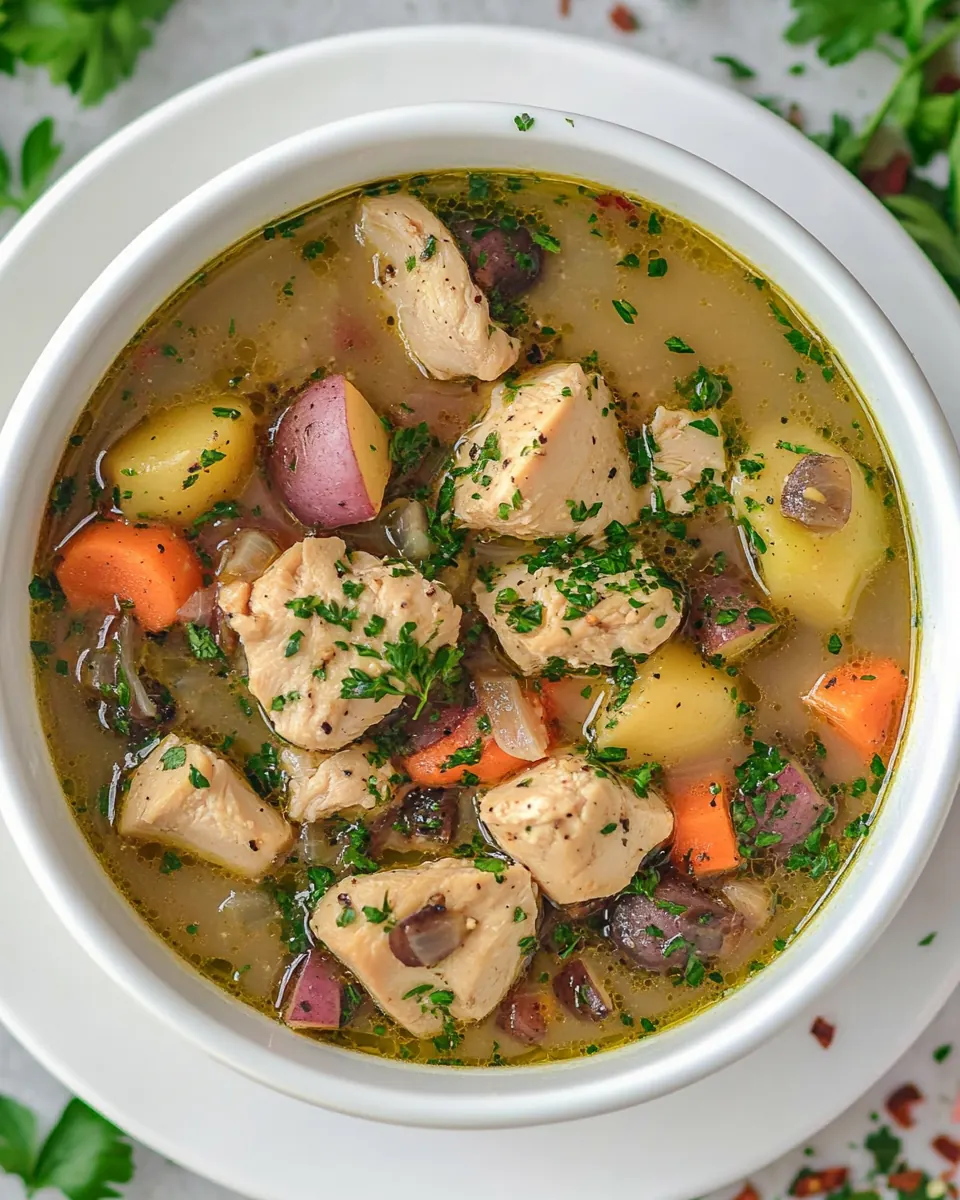
Chicken Stew
Chicken Stew is the kind of meal I reach for when the day has been long and the air has a chill to it, a bowl that feels like a warm handshake from the kitchen. I first learned to make this when a friend dropped by with a bag of mismatched vegetables and a request for something comforting, so I improvised and found a rhythm that turned simple pantry ingredients into a rich, homey supper. From that night on, this stew became my weekday sanctuary, the recipe I tweak when I want something forgiving and full of heart.
On slow afternoons I enjoy the small rituals that surround making Chicken Stew. There is something meditative about chopping carrots and celery, the steady scrape of a knife, the onion scent that begins to fill the kitchen and promises something good is coming. I like to take a moment to taste the broth as it simmers, adjusting seasoning as if I were composing a song. These little habits make the dish mine, and they keep it honest and straightforward at the same time.
Recipe Snapshot
55 mins
20 mins
35 mins
Medium
400 kcal
American
Gluten-Free, Paleo
Dinner
Large pot, Small saucepan
The Best Thing About This Chicken Stew
Hearty and Satisfying
I adore how Chicken Stew fills you up without feeling heavy. The combination of tender chicken and creamy little potatoes gives every spoonful texture, and the broth carries warmth that lingers. When I serve this, people always comment that it tastes like comfort, and I think that comes from the balance of savory stock, aromatic herbs, and the gentle starch from the potatoes.
Flexible and Forgiving
One reason I keep coming back to this recipe is its flexibility. If your pantry is slim, you can still make a satisfying pot by adjusting quantities and relying on core players like onion, garlic, and chicken. I often swap vegetables depending on seasonality, and the stew still sings. That forgiving nature is a huge selling point for busy weeknights.
Layered Flavors From Simple Steps
The technique matters here, and I promise it is worth the few extra minutes. Browning the chicken first builds fond, which deepens the broth. Sweating the mirepoix brings out sweetness in the onion, carrots, and celery, and finishing with a quick roux and splash of reserved broth creates body. These small moves add up to something much richer than the ingredient list might suggest.
Fresh Herbs Make a Difference
I like using minced fresh rosemary and thyme because they give the stew a bright, aromatic lift. They cut through the richness and make each bite feel balanced. When I can, I add the herbs toward the start of simmering so they have time to infuse, and a bit of fresh parsley at the end keeps the flavors lively.
Comfort That Travels Well
This dish reheats beautifully, which is another reason I adore it. The textures hold up, and the flavors often mellow and meld overnight. I make a pot when I know I will need quick lunches the next day, and it has saved more than one frantic, cold evening at my house.
What You’ll Need for Chicken Stew
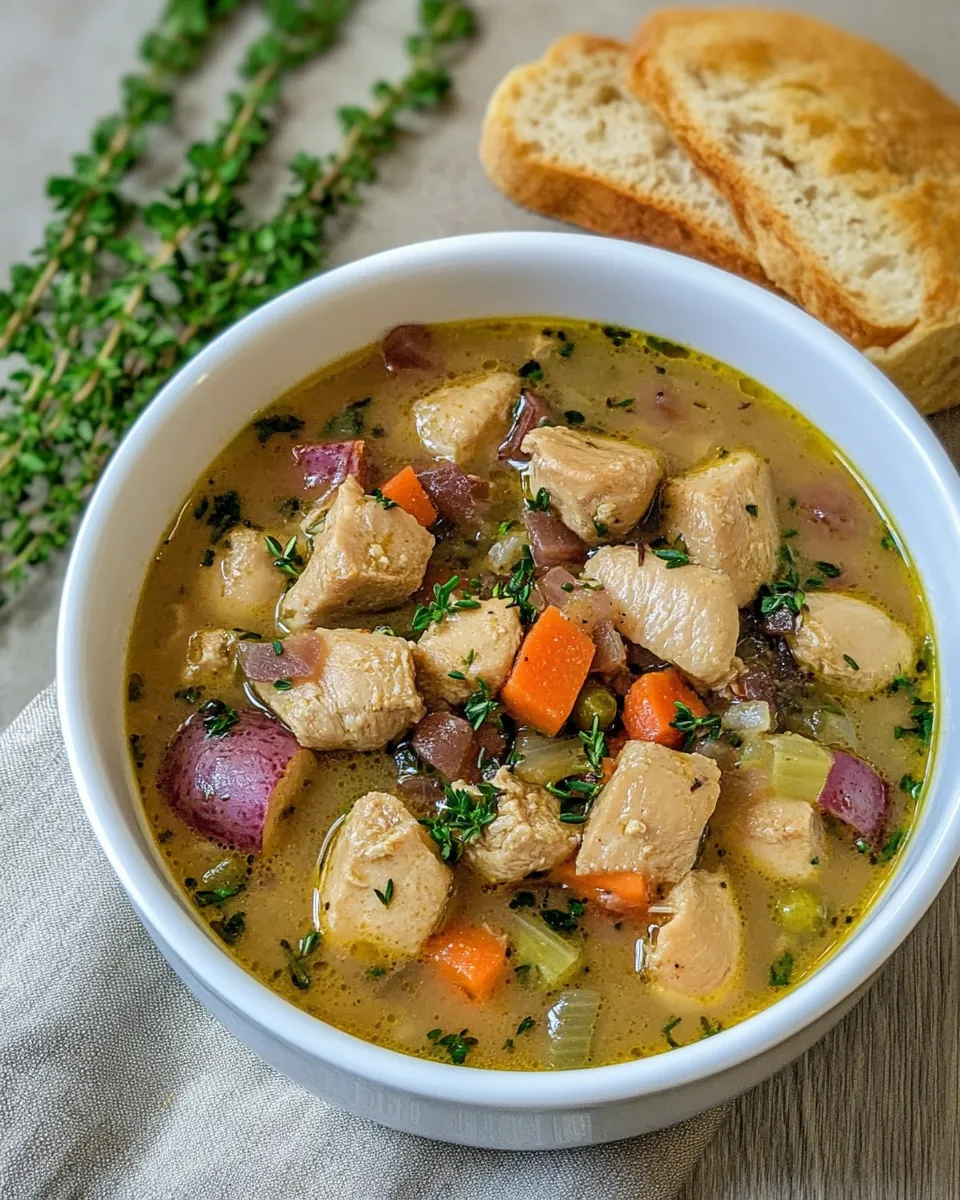
These ingredients are intentionally straightforward and work together to create a stew that is balanced and layered. The chicken contributes savory depth and protein, potatoes bring body and creaminess, and aromatic vegetables build a sweet base. Fresh herbs lift the profile, while a small roux gives the broth silkiness. Each component plays a clear role, so even slight tweaks keep the integrity of the final bowl.
- 1 1/2 lbs boneless skinless chicken thighs, trimmed of fat and diced into 1-inch pieces: Provide tender, flavorful protein and body to the stew while offering a rich mouthfeel; cook until browned and just cooked through to maintain juiciness and prevent toughness.
- 1 tbsp olive oil: Enhance browning and flavor development by sautéing aromatics and searing the chicken; contributes healthy fats and a subtle fruity note that complements the stew.
- 1 1/2 cups diced yellow onion: Build savory sweetness and depth when softened; caramelize gently to release sugars and form the aromatic base that balances the stew's broth.
- 1 cup diced celery: Add crisp, subtle vegetal flavor and aromatic texture when sautéed; soften slightly during cooking to meld with onions and contribute to overall stew structure.
- 1 cup diced carrots: Introduce natural sweetness and color while providing soft texture; simmer until tender so it integrates into the broth and complements the potatoes.
- 1 1/2 tbsp minced garlic: Deliver pungent, savory sharpness and aromatic lift; cook briefly to mellow harshness and release garlic oils that deepen the stew's flavor profile.
- 4 1/2 cups low-sodium chicken broth, divided: Create a savory cooking medium and the primary liquid component; use in stages to deglaze the pan, simmer the vegetables, and adjust final consistency and saltiness.
- 1 lb baby red potatoes, quartered (chop larger ones into 6 pieces): Contribute hearty starchiness and bulk while absorbing flavors; quartered pieces add texture contrast and thicken the broth slightly as they release starch when cooked.
- 2 tsp minced fresh rosemary: Impart piney, citrusy herbal notes and aromatic complexity; add early to infuse the cooking liquid so the rosemary's oils permeate the stew.
- 2 tsp minced fresh thyme: Provide subtle earthy, lemony herbal flavor and aromatic nuance; add during simmering to build layered herbaceousness without overpowering other elements.
- Salt and freshly ground black pepper: Season and balance flavors to taste; use gradually throughout cooking and finish with a final adjustment to highlight other ingredients and round the dish.
- 6 oz mushrooms, sliced: Add earthy, umami richness and tender bite when sautéed; brown mushrooms to concentrate flavor and incorporate savory depth into the stew's broth.
- 2 tbsp butter, diced into 1 Tbsp pieces: Contribute creamy richness and a silky finish when melted; add later to enrich the sauce and bind flavors while lending a subtle buttery note.
- 2 tbsp flour: Thicken the stew slightly and help create a cohesive, velvety broth when cooked into a roux with butter; sprinkle into the fat and cook briefly to eliminate raw flour taste.
- 3 tbsp minced fresh parsley: Provide fresh bright herbal finish and color when sprinkled on top; add at the end to lift flavors and offer a clean, slightly peppery contrast.
How to Assemble Chicken Stew
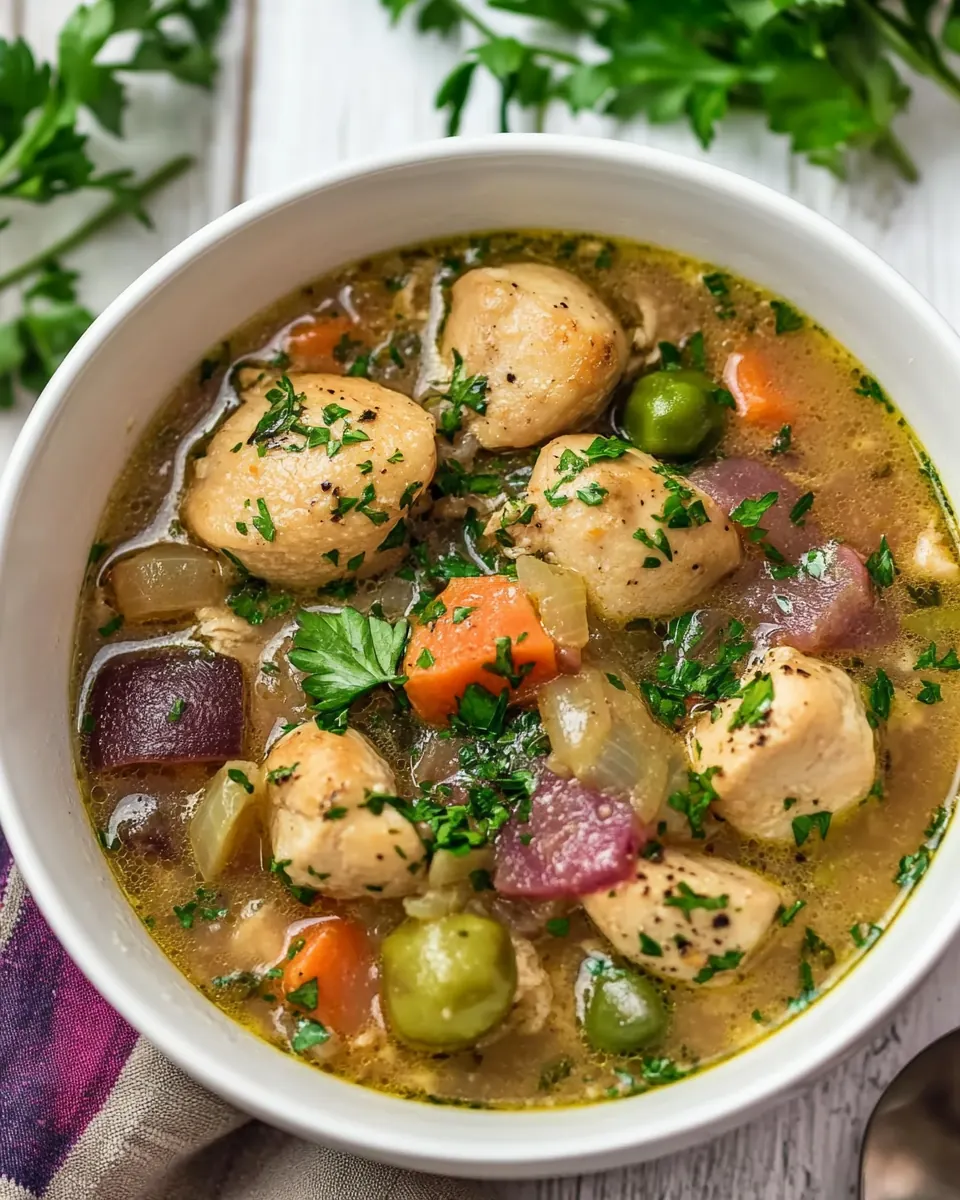
I like to approach assembling Chicken Stew like conducting a small orchestra. Each element goes in at a precise moment so the final harmony is balanced and comforting. Below I expand each instruction with sensory cues and troubleshooting tips so you can cook confidently and tweak as needed.
- Heat oil in a large pot over medium-high heat. Add chicken and cook, turning once halfway through, for 6 minutes total. Transfer chicken to a plate leaving fat in pan (there should be 1 1/2 Tbsp, if not add in a little oil).: The moment the olive oil hits the hot pot you should hear a soft sizzle, and when the chicken meets the surface it will begin to brown and smell meaty and toasty, which signals the development of fond that boosts the stew's savory depth. As the pieces sear, watch for color shifting from pale to a golden brown with slightly darker edges, and the pan should release a fragrant, roasted aroma. Turning once keeps juices locked in, so avoid constant agitation which prevents crust formation. If the pan gets too dry and there is not roughly 1 1/2 tablespoons of fat left, add a tiny splash of oil, because insufficient fat will cause the meat to stick and tear. A common mistake is crowding the pot, which causes steaming rather than browning, so work in batches if necessary. When removing to a plate, let the meat rest and the pan retain the browned bits for flavor.
- Reduce heat to medium. Add in onions, carrots, celery and saute 5 minutes. Add in garlic and saute 1 minute longer.: As the heat comes down the vegetables should begin to soften and release a sweet, savory aroma; the onion will turn translucent and the edges may take on a touch of color, while the carrots and celery will exhale a fresh, vegetal scent. This gentle cooking draws out natural sugars and forms the aromatic base known as a mirepoix, which underpins the stew's flavor. When you add the minced garlic toward the end, the kitchen gets a bright, pungent lift, but be alert because garlic browns quickly and can taste bitter if left too long. Stir frequently to avoid scorching, and if you notice dark bits forming on the bottom, lower the heat and deglaze with a splash of broth to lift those caramelized flavors into the vegetables.
- Pour in 3 1/2 cups chicken broth, potatoes, rosemary, thyme and season with salt and pepper to taste. Bring to a boil then add in mushrooms and chicken.: When the broth hits the pot it should steam and the mixture will begin to perfume the air with herbal and savory notes. Adding the potatoes now allows them to cook through and release a bit of starch which helps body the liquid. Stir to distribute the rosemary and thyme so their oils infuse the broth evenly, and season cautiously because the final reduction concentrates salt. Bringing to a boil gives the stew momentum, but once bubbling, adding the sliced mushrooms and the reserved browned chicken lets their juices mingle; the mushrooms will darken and lend umami, while the chicken rewarms and begins to finish cooking. A common error here is overboiling which can break down delicate pieces and cloud the texture, so monitor the transition closely.
- Reduce heat to medium-low then cover and simmer until potatoes are tender, stirring occasionally, about 25 minutes.: As the stew simmers gently, you should see tiny bubbles rising and a slow, steady steam that smells of herbs and cooking starch; the potatoes will soften and the broth will thicken slightly from their released starch. Stirring occasionally prevents sticking and helps you check doneness, watching for potatoes that give easily to a fork but still retain shape. Simmering at a low boil preserves tenderness in the chicken , preventing it from shredding into strands, and lets flavors meld without evaporating too much liquid. Avoid lifting the lid too often, as that drops temperature and extends cooking time, and resist cranking up heat which can make the meat tough and the liquid too reduced.
- During the last 5 minutes of soup cooking, in a separate small saucepan melt butter over medium heat. Add flour and cook whisking constantly, 1 minute.: The butter should foam and smell lightly nutty as it melts, and when you stir in the flour it will form a paste that cooks off raw starch flavors; whisking prevents lumps and creates a smooth base for thickening. Cooking the roux for about a minute gives it a pale, slightly toasted scent without darkening, which keeps the stew a golden rather than muddy color. If the paste darkens, the thickener will carry a toasted note that might alter the intended gentle profile, so keep the heat moderate and whisk continuously. A mistake here is letting the roux boil hard, which can cause separation when liquid is added.
- While whisking pour in remaining 1 cup chicken broth. Cook whisking constantly until mixture comes to a boil and thickens, remove from heat.: As you add the reserved chicken broth slowly, the roux should transform into a glossy, velvety sauce; the aroma will shift to a warm, slightly creamy scent. Whisking constantly integrates the liquid evenly, preventing lumps from forming and ensuring a stable emulsion. Once it reaches a gentle boil and the texture visibly thickens, remove it from the heat to avoid breaking the sauce. If the mixture seems grainy, you likely added liquid too quickly, so strain or whisk vigorously to smooth it. Timing matters because a properly thickened slurry will coat the back of a spoon and enrich the stew without tasting floury.
- Pour flour mixture into soup mixture once soup is finished. Stir parsley into soup and serve warm.: When you pour the glossy roux into the simmered stew, the broth should thicken perceptibly and develop a satiny sheen, carrying aromas of herbs, mushrooms , and cooked vegetables. Stirring distributes the thickener and blends flavors; you will feel a slight increase in body on the spoon and notice the stew clinging more to solids. Folding in the minced parsley at the end brightens the overall profile with a fresh, grassy note and restores a pop of color. Taste and adjust seasoning now, because thickening concentrates flavors. A common oversight is adding the roux too early or at high heat, which can make the sauce gummy, so ensure the soup has finished simmering and is at a gentle temperature before combining.
- Recipe source: Cooking Classy: Cooking Classy : This attribution notes the original inspiration, and acknowledging sources helps you remember recipe lineage when adapting or sharing. If you want to personalize the dish, consider small tweaks based on your palate, but avoid removing core steps that create depth like browning, gentle simmering, and finishing with a roux. One misstep is treating this as a quick stew without those layers, which will yield a flatter tasting bowl. Respecting the structure ensures consistent, comforting results.
Helpful Hints
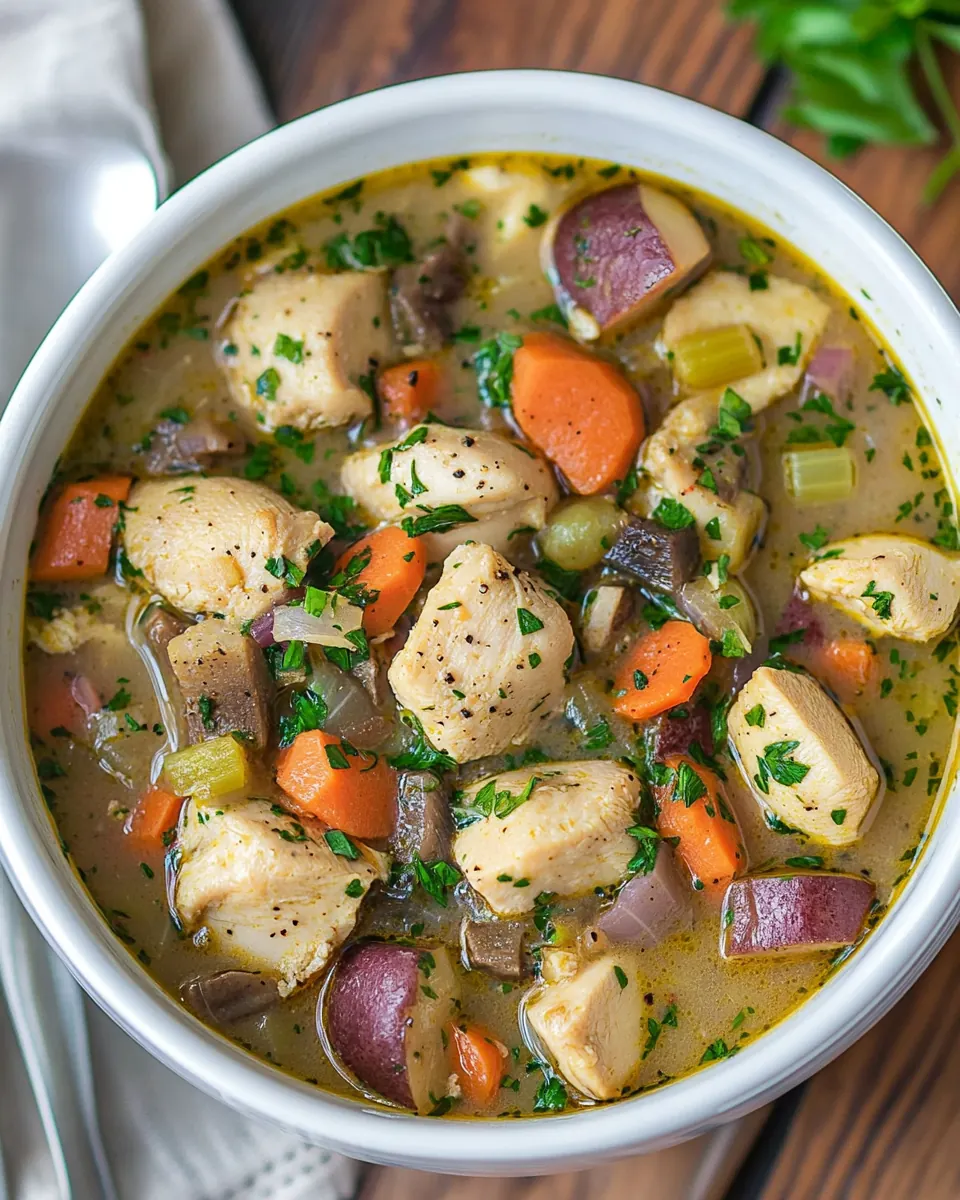
Below are practical tips I use every time I cook Chicken Stew. They cover timing, seasoning, and small tricks that help the recipe turn out reliably rich and comforting.
- Start with dry chicken: Pat the chicken dry before searing to get a proper brown crust, which adds deep savory notes to the broth and prevents steaming.
- Control your heat: Use medium high to sear and then reduce to medium low for simmering, this sequence preserves tenderness and prevents the stew from over reducing.
- Use low sodium broth: It lets you season gradually without risking an overly salty final pot, especially important once the roux concentrates flavors.
- Whisk slowly for a smooth roux: Add the reserved broth gradually while whisking to avoid lumps and achieve a glossy finish that clings to vegetables and chicken.
- Slice mushrooms evenly: Uniform slices ensure they cook through at the same pace and release consistent umami across the stew.
- Adjust herbs late for brightness: Finish with parsley and taste for salt just before serving, this preserves fresh aromatic notes.
Great Combinations for Chicken Stew
This stew pairs well with simple sides and fits many occasions, from cozy family dinners to low key lunches. Below are serving ideas, storage tips, and seasonal pairings to help you present the dish confidently.
- Crusty bread for dipping: A warm loaf or rolls soak up the silky broth and add a pleasant textural contrast, making the meal feel hearty and complete.
- Light green salad: A crisp salad with a tangy vinaigrette cuts through the stew’s richness and brings a refreshing balance on the plate.
- Weeknight family dinner: Serve Chicken Stew for a relaxed weeknight meal where everyone can ladle their own bowls and customize with extra parsley or cracked pepper.
- Make ahead and reheat: The stew often tastes even better the next day as flavors meld; store in an airtight container in the refrigerator for up to three days and reheat gently on the stove.
- Freezing tips: Cool completely, portion into freezer safe containers, and freeze up to three months; thaw overnight in the fridge before reheating slowly to preserve texture.
- Seasonal pairing: This fits winter menus perfectly, pairing well with roasted root vegetables or a simple apple slaw to add acidity.
FAQ
Conclusion
This Chicken Stew is special because it layers simple techniques and humble ingredients into a bowl of deep, comforting flavor. The combination of browned chicken, aromatic vegetables, fresh herbs, and a silky roux creates a stew that feels both nourishing and refined. I encourage you to give it a try on a chilly evening, invite someone to share a bowl, and notice how small steps like proper searing and finishing with fresh parsley transform basic components into a memorable meal. It warms the body and the kitchen, and it will likely become one of those reliable recipes you return to again and again.
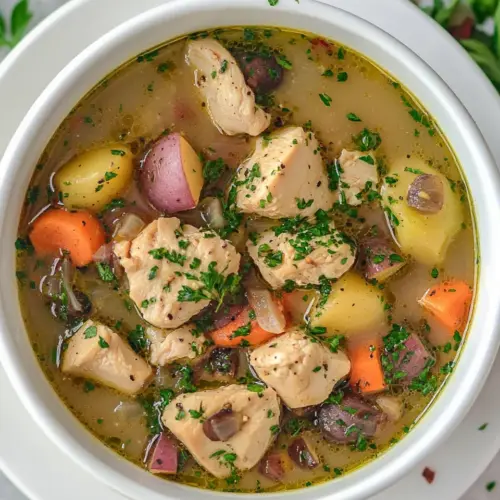
Chicken Stew
Equipment
- Large Pot
- Small Saucepan
Ingredients
- 1 1/2 lbs boneless skinless chicken thighs, trimmed of fat and diced into 1-inch pieces Provide tender, flavorful protein and body to the stew while offering a rich mouthfeel; cook until browned and just cooked through to maintain juiciness and prevent toughness.
- 1 tbsp olive oil Enhance browning and flavor development by sautéing aromatics and searing the chicken; contributes healthy fats and a subtle fruity note that complements the stew.
- 1 1/2 cups diced yellow onion Build savory sweetness and depth when softened; caramelize gently to release sugars and form the aromatic base that balances the stew's broth.
- 1 cup diced celery Add crisp, subtle vegetal flavor and aromatic texture when sautéed; soften slightly during cooking to meld with onions and contribute to overall stew structure.
- 1 cup diced carrots Introduce natural sweetness and color while providing soft texture; simmer until tender so it integrates into the broth and complements the potatoes.
- 1 1/2 tbsp minced garlic Deliver pungent, savory sharpness and aromatic lift; cook briefly to mellow harshness and release garlic oils that deepen the stew's flavor profile.
- 4 1/2 cups low-sodium chicken broth, divided Create a savory cooking medium and the primary liquid component; use in stages to deglaze the pan, simmer the vegetables, and adjust final consistency and saltiness.
- 1 lb baby red potatoes, quartered (chop larger ones into 6 pieces) Contribute hearty starchiness and bulk while absorbing flavors; quartered pieces add texture contrast and thicken the broth slightly as they release starch when cooked.
- 2 tsp minced fresh rosemary Impart piney, citrusy herbal notes and aromatic complexity; add early to infuse the cooking liquid so the rosemary's oils permeate the stew.
- 2 tsp minced fresh thyme Provide subtle earthy, lemony herbal flavor and aromatic nuance; add during simmering to build layered herbaceousness without overpowering other elements.
- Salt and freshly ground black pepper Season and balance flavors to taste; use gradually throughout cooking and finish with a final adjustment to highlight other ingredients and round the dish.
- 6 oz mushrooms, sliced Add earthy, umami richness and tender bite when sautéed; brown mushrooms to concentrate flavor and incorporate savory depth into the stew's broth.
- 2 tbsp butter, diced into 1 Tbsp pieces Contribute creamy richness and a silky finish when melted; add later to enrich the sauce and bind flavors while lending a subtle buttery note.
- 2 tbsp flour Thicken the stew slightly and help create a cohesive, velvety broth when cooked into a roux with butter; sprinkle into the fat and cook briefly to eliminate raw flour taste.
- 3 tbsp minced fresh parsley Provide fresh bright herbal finish and color when sprinkled on top; add at the end to lift flavors and offer a clean, slightly peppery contrast.
Instructions
- Heat oil in a large pot over medium-high heat. Add chicken and cook, turning once halfway through, for 6 minutes total. Transfer chicken to a plate leaving fat in pan (there should be 1 1/2 Tbsp, if not add in a little oil).: The moment the olive oil hits the hot pot you should hear a soft sizzle, and when the chicken meets the surface it will begin to brown and smell meaty and toasty, which signals the development of fond that boosts the stew's savory depth. As the pieces sear, watch for color shifting from pale to a golden brown with slightly darker edges, and the pan should release a fragrant, roasted aroma. Turning once keeps juices locked in, so avoid constant agitation which prevents crust formation. If the pan gets too dry and there is not roughly 1 1/2 tablespoons of fat left, add a tiny splash of oil, because insufficient fat will cause the meat to stick and tear. A common mistake is crowding the pot, which causes steaming rather than browning, so work in batches if necessary. When removing to a plate, let the meat rest and the pan retain the browned bits for flavor.
- Reduce heat to medium. Add in onions, carrots, celery and saute 5 minutes. Add in garlic and saute 1 minute longer.: As the heat comes down the vegetables should begin to soften and release a sweet, savory aroma; the onion will turn translucent and the edges may take on a touch of color, while the carrots and celery will exhale a fresh, vegetal scent. This gentle cooking draws out natural sugars and forms the aromatic base known as a mirepoix, which underpins the stew's flavor. When you add the minced garlic toward the end, the kitchen gets a bright, pungent lift, but be alert because garlic browns quickly and can taste bitter if left too long. Stir frequently to avoid scorching, and if you notice dark bits forming on the bottom, lower the heat and deglaze with a splash of broth to lift those caramelized flavors into the vegetables.
- Pour in 3 1/2 cups chicken broth, potatoes, rosemary, thyme and season with salt and pepper to taste. Bring to a boil then add in mushrooms and chicken.: When the broth hits the pot it should steam and the mixture will begin to perfume the air with herbal and savory notes. Adding the potatoes now allows them to cook through and release a bit of starch which helps body the liquid. Stir to distribute the rosemary and thyme so their oils infuse the broth evenly, and season cautiously because the final reduction concentrates salt. Bringing to a boil gives the stew momentum, but once bubbling, adding the sliced mushrooms and the reserved browned chicken lets their juices mingle; the mushrooms will darken and lend umami, while the chicken rewarms and begins to finish cooking. A common error here is overboiling which can break down delicate pieces and cloud the texture, so monitor the transition closely.
- Reduce heat to medium-low then cover and simmer until potatoes are tender, stirring occasionally, about 25 minutes.: As the stew simmers gently, you should see tiny bubbles rising and a slow, steady steam that smells of herbs and cooking starch; the potatoes will soften and the broth will thicken slightly from their released starch. Stirring occasionally prevents sticking and helps you check doneness, watching for potatoes that give easily to a fork but still retain shape. Simmering at a low boil preserves tenderness in the chicken , preventing it from shredding into strands, and lets flavors meld without evaporating too much liquid. Avoid lifting the lid too often, as that drops temperature and extends cooking time, and resist cranking up heat which can make the meat tough and the liquid too reduced.
- During the last 5 minutes of soup cooking, in a separate small saucepan melt butter over medium heat. Add flour and cook whisking constantly, 1 minute.: The butter should foam and smell lightly nutty as it melts, and when you stir in the flour it will form a paste that cooks off raw starch flavors; whisking prevents lumps and creates a smooth base for thickening. Cooking the roux for about a minute gives it a pale, slightly toasted scent without darkening, which keeps the stew a golden rather than muddy color. If the paste darkens, the thickener will carry a toasted note that might alter the intended gentle profile, so keep the heat moderate and whisk continuously. A mistake here is letting the roux boil hard, which can cause separation when liquid is added.
- While whisking pour in remaining 1 cup chicken broth. Cook whisking constantly until mixture comes to a boil and thickens, remove from heat.: As you add the reserved chicken broth slowly, the roux should transform into a glossy, velvety sauce; the aroma will shift to a warm, slightly creamy scent. Whisking constantly integrates the liquid evenly, preventing lumps from forming and ensuring a stable emulsion. Once it reaches a gentle boil and the texture visibly thickens, remove it from the heat to avoid breaking the sauce. If the mixture seems grainy, you likely added liquid too quickly, so strain or whisk vigorously to smooth it. Timing matters because a properly thickened slurry will coat the back of a spoon and enrich the stew without tasting floury.
- Pour flour mixture into soup mixture once soup is finished. Stir parsley into soup and serve warm.: When you pour the glossy roux into the simmered stew, the broth should thicken perceptibly and develop a satiny sheen, carrying aromas of herbs, mushrooms , and cooked vegetables. Stirring distributes the thickener and blends flavors; you will feel a slight increase in body on the spoon and notice the stew clinging more to solids. Folding in the minced parsley at the end brightens the overall profile with a fresh, grassy note and restores a pop of color. Taste and adjust seasoning now, because thickening concentrates flavors. A common oversight is adding the roux too early or at high heat, which can make the sauce gummy, so ensure the soup has finished simmering and is at a gentle temperature before combining.
- Recipe source: Cooking Classy: Cooking Classy : This attribution notes the original inspiration, and acknowledging sources helps you remember recipe lineage when adapting or sharing. If you want to personalize the dish, consider small tweaks based on your palate, but avoid removing core steps that create depth like browning, gentle simmering, and finishing with a roux. One misstep is treating this as a quick stew without those layers, which will yield a flatter tasting bowl. Respecting the structure ensures consistent, comforting results.
Notes
- Start with dry chicken: Pat the chicken dry before searing to get a proper brown crust, which adds deep savory notes to the broth and prevents steaming.
- Control your heat: Use medium high to sear and then reduce to medium low for simmering, this sequence preserves tenderness and prevents the stew from over reducing.
- Use low sodium broth: It lets you season gradually without risking an overly salty final pot, especially important once the roux concentrates flavors.
- Whisk slowly for a smooth roux: Add the reserved broth gradually while whisking to avoid lumps and achieve a glossy finish that clings to vegetables and chicken.
- Slice mushrooms evenly: Uniform slices ensure they cook through at the same pace and release consistent umami across the stew.
- Adjust herbs late for brightness: Finish with parsley and taste for salt just before serving, this preserves fresh aromatic notes.