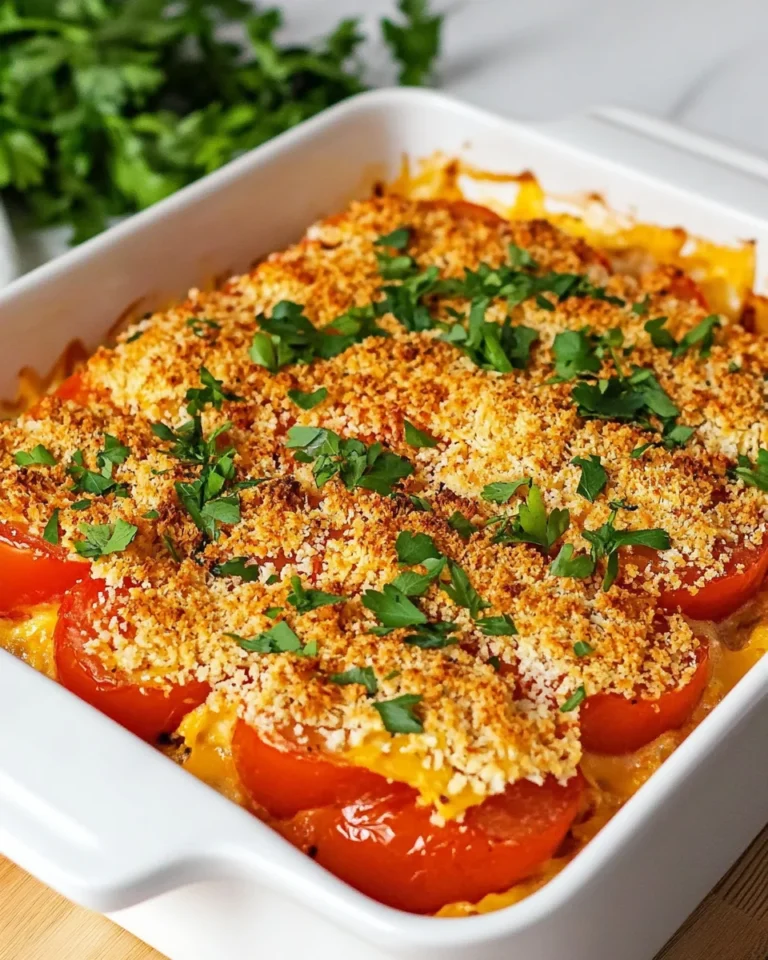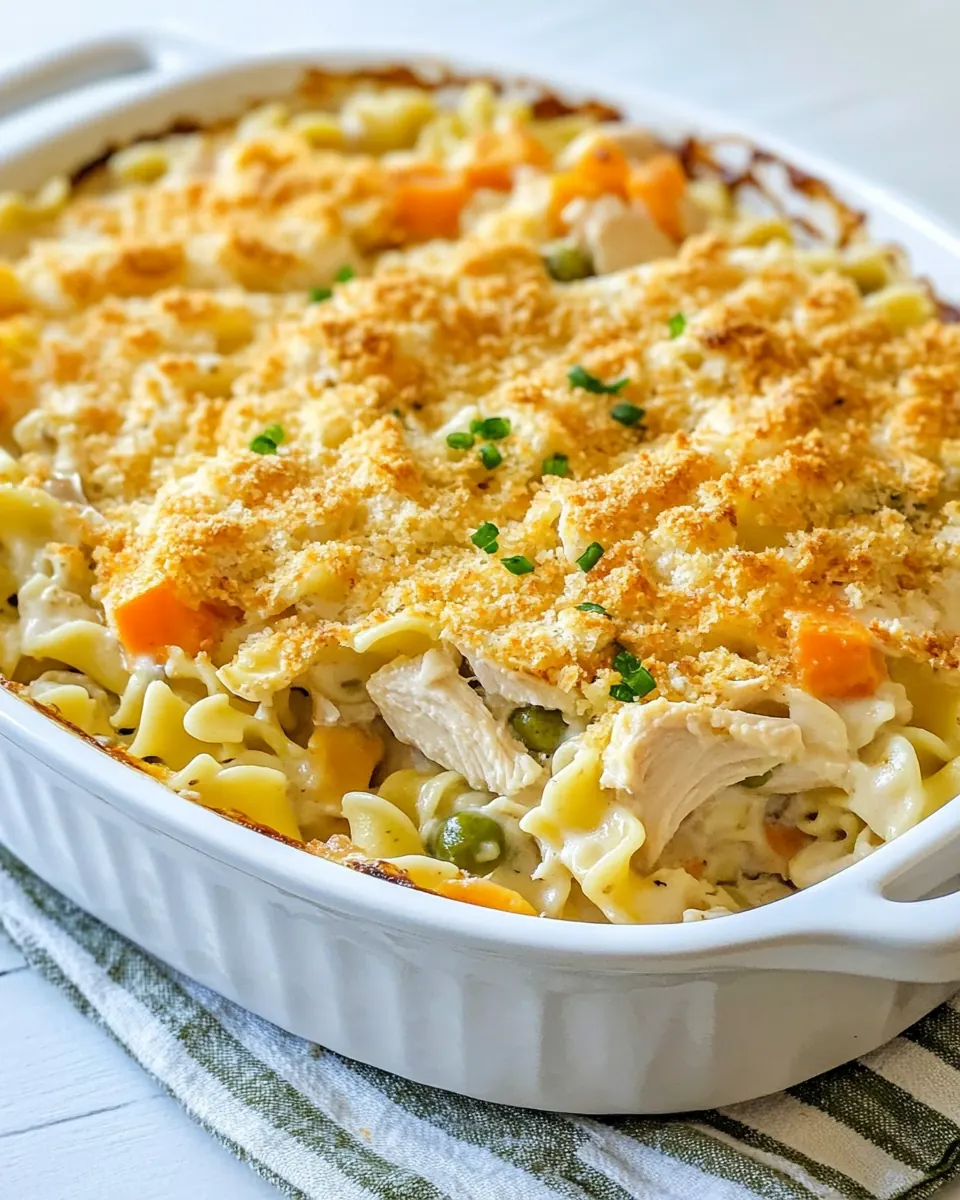
Chicken Noodle Casserole
Chicken Noodle Casserole has been the kind of dish I turn to when the house feels chilly and everyone needs a warm plate and a little comfort. The very first time I made it, I was coming off a long week and had only pantry basics and a couple of tired vegetables, yet the kitchen filled with a cozy, savory scent that made everyone gravitate to the table. From that night on, this casserole became my staple for weeknight family dinners when I wanted something that felt like a hug in a dish.
Over the years I’ve learned that the real magic of Chicken Noodle Casserole is how forgiving it is. If the kids have soccer practice, I can toss everything together and know dinner will be ready with minimal fuss. I love the contrast of creamy sauce and a crunchy topping, and how simple ingredients come together to taste like something earned. When a neighbor stopped by once, the leftovers disappeared within an hour because the flavors meld into something deeply satisfying.
Recipe Snapshot
50 mins
30 mins
20 mins
Medium
400 kcal
American
Gluten-Free, Keto
Dinner
Stock pot, Medium pan, Mixing bowl, 2 quart casserole dish
Why This Chicken Noodle Casserole Stands Out
Comforting Familiarity
I keep coming back to Chicken Noodle Casserole because it tastes like home, plain and simple. The creamy soups and sour cream create a lush texture that blankets the noodles and chicken, making each forkful instantly soothing. When I serve it, I notice people relax, conversations slow down, and seconds are offered without asking.
Speed and Simplicity
One of the reasons I recommend this recipe is how approachable it is. With pantry items such as condensed soups and frozen vegetables, you can assemble the dish quickly, making it ideal for an easy weeknight dinner. I often appreciate recipes that let me get dinner on the table without sacrificing flavor, and this one delivers every time.
Textural Contrast
The combination of creamy sauce and a crisp cracker crumb topping is why I love this casserole. When the top browns, it adds a toasty note that offsets the lush interior. I always tell friends that that crunchy top is not merely decorative, it balances the dish and keeps each bite interesting.
Family Friendly
I’ve served Chicken Noodle Casserole at casual gatherings and weeknight tables alike. It’s a crowd pleaser because both kids and adults tend to enjoy its familiar flavors. The dish is adaptable if you want to mix in different vegetables or swap noodle shapes, but even in its classic form it wins nearly every time.
Reliable Leftovers
Finally, leftovers behave wonderfully. The flavors deepen after a night in the fridge, and reheating restores the comfort without losing texture entirely. When I make a double batch, I know lunches for the next few days will be as welcome as the first serving.
Ingredients for Chicken Noodle Casserole
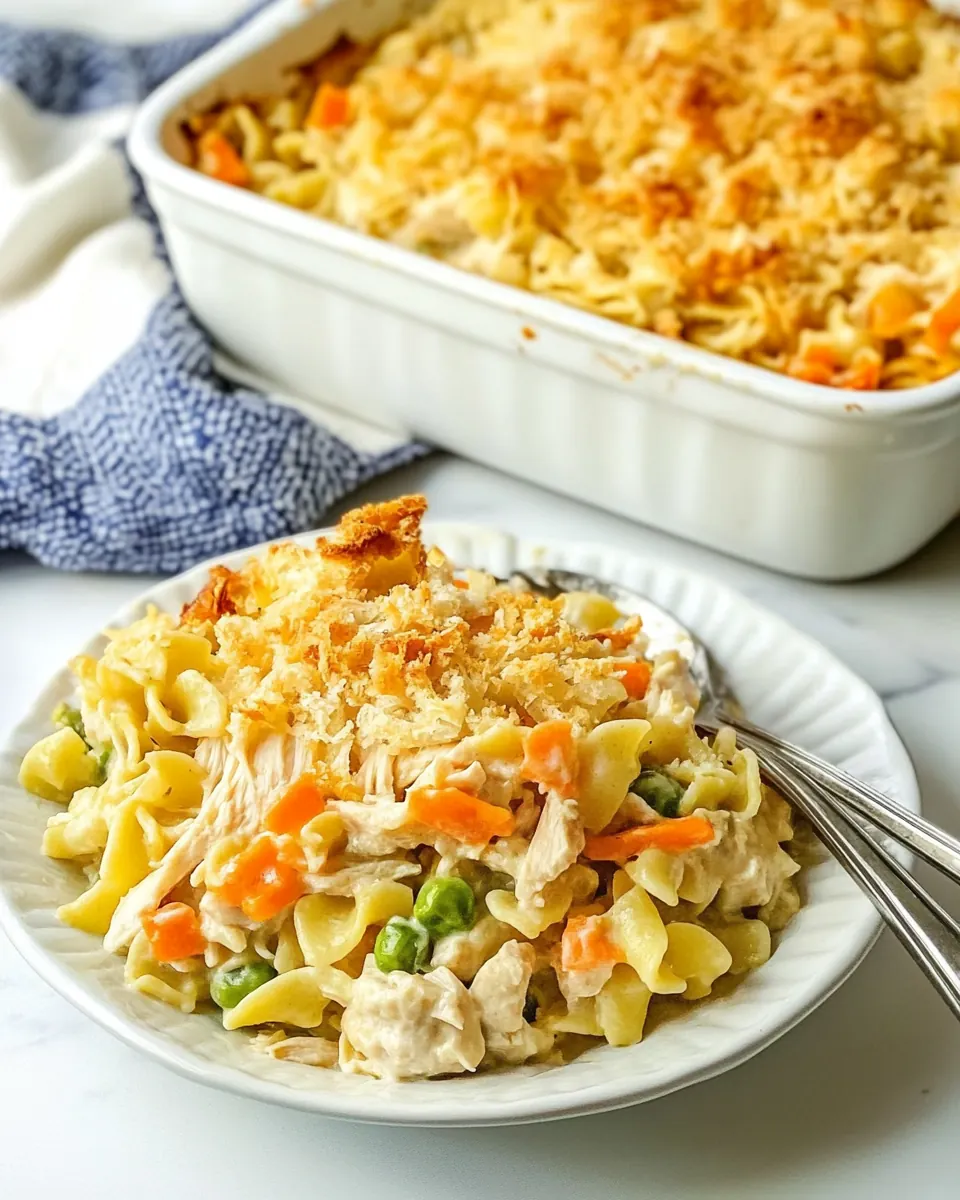
These ingredients are built around a simple philosophy: creamy binding agents, tender chicken, and sturdy noodles create a comforting base, while vegetables and a crunchy topping add color and contrast. The key players are the condensed soups and sour cream for body, the noodles for structure, and the cracker crumbs for a satisfying finish.
- 1 1/2 pounds chicken breast: Provide lean protein and moisture to the casserole, cooked and shredded or diced before combining with other ingredients; helps bind the dish and adds savory flavor that complements the creamy base.
- 6 ounces egg noodles: Bring tender pasta texture and body to the casserole when cooked al dente; absorbs flavors from the soups and seasonings while providing a comforting, chewy bite throughout the dish.
- 1 tablespoon butter: Add richness and a subtle buttery flavor to sautés or the casserole base; used to cook aromatics like onion and celery and to help meld ingredients together.
- 1 medium white onion chopped: Contribute sweet and savory aromatics when chopped and sautéed; soften during cooking to release flavor into the casserole and provide textural contrast to the noodles.
- 2 ribs celery chopped: Offer a mild, crunchy aromatic when chopped and softened in the pan; balances sweetness from the onion and adds a subtle vegetal note to the casserole.
- 1/2 teaspoons salt: Season the dish to enhance overall flavors; sprinkle gradually and taste as you go to avoid over-salting, especially because canned soups can be salty.
- 1 can condensed cream of chicken soup: Provide a creamy, savory base and condensed flavor that thickens the casserole; contributes chicken flavor, body, and moisture to the filling.
- 1 can condensed cream of mushroom soup: Add earthy, savory creaminess and thickening to the dish; balances the flavors of the chicken soup and enriches the casserole’s sauce.
- 1 cup sour cream: Introduce tangy creaminess and body to the sauce to create a smooth, rich texture; helps bind the filling and brightens overall flavor.
- 12 ounces mixed frozen vegetables: Supply a mix of vegetables for color, nutrients, and texture; frozen vegetables thaw into the casserole, contributing flavor and balance to the creamy base.
- 2 cups cracker crumbs you can use panko crumbs: Create a crunchy topping or additional binding layer when mixed into or sprinkled over the casserole; absorbs some moisture and provides a toasty, satisfying texture.
- 1/4 cup butter melted: Provide melted butter to moisten cracker crumbs for a golden, crisp topping; adds flavor and helps breadcrumbs brown evenly during baking.
The Method for Chicken Noodle Casserole
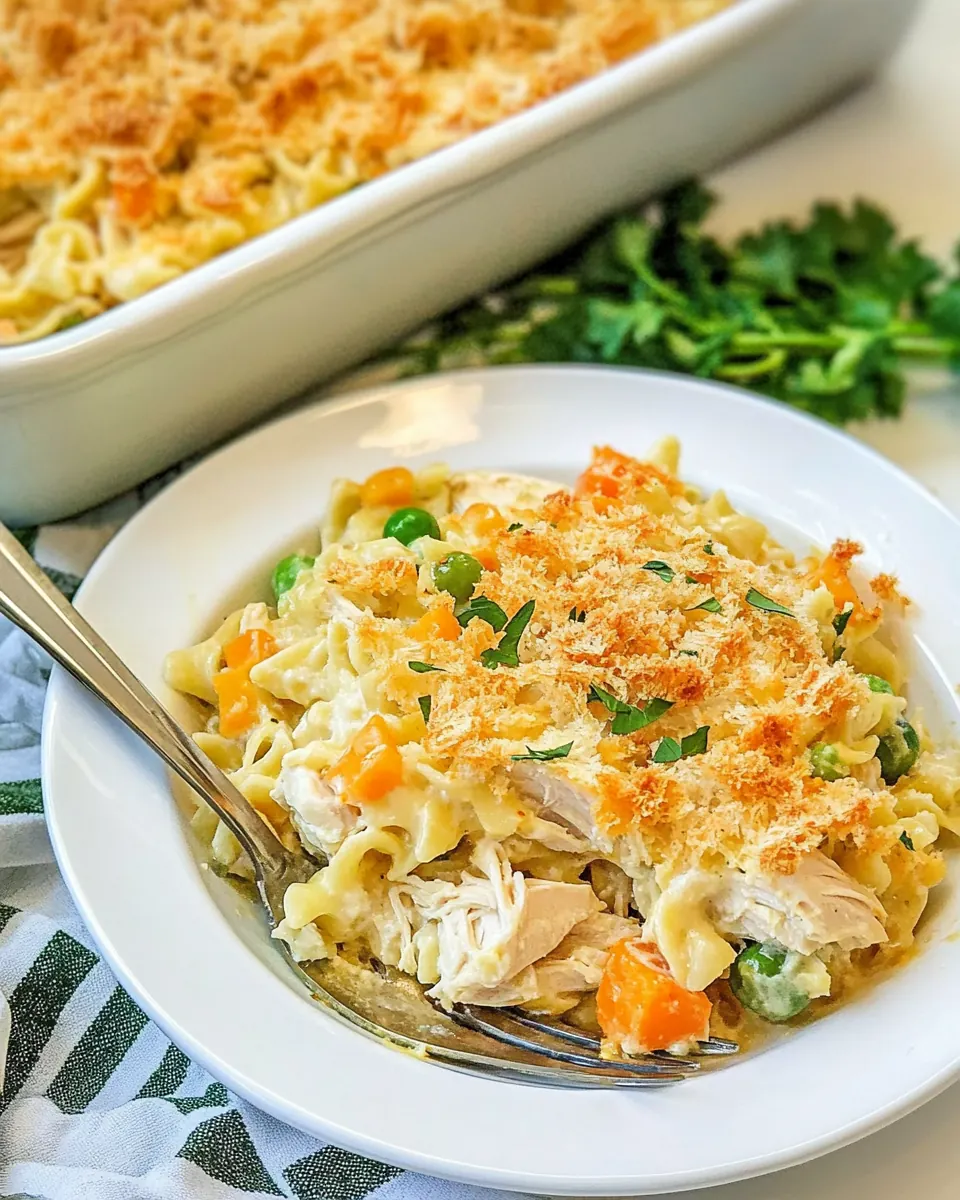
Making this casserole is a process I treat like a gentle assembly line. Start by preparing the proteins and noodles, then build layers of flavor in the pan, and finish by topping and baking to meld everything together. Below I expand each step into sensory, troubleshooting focused directions so you can reproduce the result confidently.
- Preheat the oven to 350°F.: The kitchen will carry a warm, anticipatory hum as the oven comes to temperature, and preheating ensures even baking and a nicely browned top. It matters because putting the casserole into a fully heated oven creates the proper environment for the crumbs to crisp without overcooking the interior. A common misstep is skipping preheat, which can yield an unevenly baked dish where the topping takes too long to brown while the inside overheats. To test readiness, watch for the oven to beep or reach the set reading, and if your oven runs cold, add a few extra minutes to compensate.
- If the chicken breasts have not been cooked, place the chicken into a large stock pot with enough water to fully cover them. Cook on medium-high heat until it is cooked through. Depending on the thickness of your chicken, this can take 20 to 30 minutes. When the chicken is done, remove it from the water, and cut it into bite-sized cubes. If desired, you can reserve the water to cook the noodles for additional flavor.: When the pot begins to simmer, the surface gives off a gentle hissing and small bubbles that signal steady heat, and the aroma of cooked chicken becomes faintly savory. Cooking the breasts in simmering water keeps them tender by avoiding high rolling boils that can toughen muscle fibers. A mistake I often see is boiling at too high a temperature, which tightens the meat and makes it stringy. Watch for the internal texture to change from translucent to opaque, and use a fork to check for a tender pull, or test with a meat thermometer if you prefer precision.
- Cook the noodles according to the package directions, using the same water you used to cook the chicken, if desired. Drain the noodles after they have cooked.: As the chicken cooks, the kitchen fills with a clean, savory scent, and the meat releases some cooking liquid that can be used for additional flavor. Maintaining medium-high rather than a full boil ensures gentle movement that cooks evenly. Many people err by overcooking, thinking more time equals safety, but this dries out the breast; aim for a firm yet yielding texture and remove from heat promptly when done.
- Place the butter in a medium pan over medium heat. When the butter has melted, add the onions, celery, and salt. Sauté until the celery is tender and the onions become translucent.: Thicker breasts feel denser to the touch and will need more time, while thin pieces finish quickly, so plan accordingly. The key sensory cue is the loss of pinkness and a slight spring when pressed; if the meat resists too much, it likely needs more time. A frequent oversight is assuming uniform size; try to choose similarly sized breasts or halve thicker ones for even cooking.
- In a mixing bowl, make a creamy sauce by combining the two cans of condensed soup and the sour cream. Blend until you have a uniform mixture. Then add the sautéed onions and celery and the frozen vegetables to the bowl and mix well.: Hot cooked chicken will steam slightly when transferred to a cutting board, and cubing it while warm helps retain some juices. The visual cue is a clean white interior without any glossy, raw areas. Cutting into uniform pieces ensures consistent distribution, and a common mistake is leaving large chunks that crowd bites with dry edges, so aim for roughly one inch pieces for balanced texture.
- Fill a 2-quart casserole dish with the cooked noodles. Add the creamy sauce and stir to coat the noodles with the sauce.: That reserved liquid carries subtle savory notes from the chicken , and using it to boil the noodles infuses them gently, creating more cohesion across the casserole. The broth will look slightly clouded and smell faintly meaty. Be careful with seasoning because the broth may already contain salt, and adding more can push the final dish to be too salty.
- In a small dish, combine the cracker crumbs and melted butter and mix until the cracker crumbs are coated with butter. Spoon the cracker crumbs on top of the casserole.: As the noodles come to a rolling boil, they tumble and rub slightly against each other, which helps release a bit of starch that later thickens the sauce. Aim for a texture a touch firmer than you would eat alone, since they will continue softening in the oven. The common error is to overcook them at this stage, leading to a structural failure when baking, so check a minute or two before the package time.
- Bake the casserole for about 20 minutes before serving.: Draining leaves them ready to absorb the sauce without adding extra starchy water that could make the casserole gluey. After draining, the noodles have a warm, slightly tacky surface that will grab the sauce. A trap to avoid is rinsing under cold water, which removes surface starch and can prevent proper sauce adhesion, unless you are stopping the cooking to use later.
- Place the butter in a medium pan over medium heat.: Melted butter will foam lightly and offer a nutty scent if warmed properly, and it creates a slick surface for the aromatics to cook without sticking. This stage builds the flavor base, and keeping to medium heat prevents the butter from browning, which would shift the intended mild profile. Overheating the pan can burn the aromatics, making them bitter rather than sweet.
- When the butter has melted, add the onions, celery, and salt.: The vegetables will sizzle softly and begin to release moisture, and within minutes the onion becomes translucent and the celery softens. These visual and auditory cues indicate the right moment to move on. If you rush this step at too high a flame you risk crisping or burning the edges, so stir frequently and lower heat if the pan starts to brown.
- Sauté until the celery is tender and the onions become translucent.: Proper sautéing brings out sweet notes from the onion and mellows the vegetal edge of the celery . You want a soft, yielding texture without caramelization. A misstep is leaving them undercooked, which keeps a raw assertiveness that clashes with the creamy sauce; taste a small piece to check for tenderness.
- In a mixing bowl, make a creamy sauce by combining the two cans of condensed soup and the sour cream.: The action of stirring these together turns lumps into a velvety emulsion, and the mixture should look smooth and slightly glossy. This sauce is the glue that coats the noodles and chicken , so proper blending is essential for even flavor distribution. If the sauce seems too thick, a splash of the reserved cooking liquid can loosen it carefully, but avoid thinning too much or the casserole will be runny.
- Blend until you have a uniform mixture.: Achieving uniformity ensures every bite has the same comforting balance of cream and tang. Use a whisk or sturdy spoon and watch for streaks to disappear, indicating proper incorporation. A poor mix leads to pockets of sour cream or undissolved soup, which results in inconsistent texture and flavor.
- Then add the sautéed onions and celery and the frozen vegetables to the bowl and mix well.: As the warm vegetables meet the cool sauce, you will notice a gentle softening and seamless integration. The frozen vegetables thaw quickly and release a faint steam and garden scent into the bowl. One common pitfall is adding them frozen into a cold sauce and then not stirring thoroughly, which can leave clumps and uneven heating; stir until the mixture looks cohesive and evenly studded.
- Fill a 2-quart casserole dish with the cooked noodles.: Layering the warm noodles into the dish gives them a chance to nest and creates a sturdy base. The noodles should sit loosely so the sauce can coat them evenly. Packing them too tightly prevents the sauce from penetrating, leading to dry pockets, so distribute them gently but evenly across the dish.
- Add the creamy sauce and stir to coat the noodles with the sauce.: When the sauce envelops the noodles, the mixture should glisten and hold together without appearing soupy. Look for even color with no dry strands of noodle visible. If you see uncoated noodles, fold gently to avoid breaking them; undercoating often results from adding too much dry material or not enough sauce.
- In a small dish, combine the cracker crumbs and melted butter and mix until the cracker crumbs are coated with butter.: The crumbs will take on a golden hue and feel slightly tacky when properly coated, which encourages even browning. Properly mixed crumbs create a crunchy, flavorful crust; dry crumbs will not crisp uniformly. A frequent error is adding too much butter, which leads to a greasy topping instead of a crisp one.
- Spoon the cracker crumbs on top of the casserole.: Spreading the crumbs evenly creates a consistent crust that will brown uniformly and offer a pleasing contrast to the creamy interior. If the topping is piled in one spot, you end up with uneven texture, so smooth it into a thin, even layer. Gently pressing the crumbs helps them adhere, but pressing too hard can compact them and prevent crisping.
- Bake the casserole for about 20 minutes before serving.: As it bakes, the kitchen fills with a toasty, buttery aroma and the edges will bubble slightly, signaling that the interior is hot and the topping is browning. This bake time is calibrated to heat through and develop the crust without overcooking. A common mistake is underbaking which leaves the center cool, so look for bubbling and a golden top; if you find it still cold inside, return it to the oven in five minute increments until uniformly heated.
Ways to Adapt This Recipe
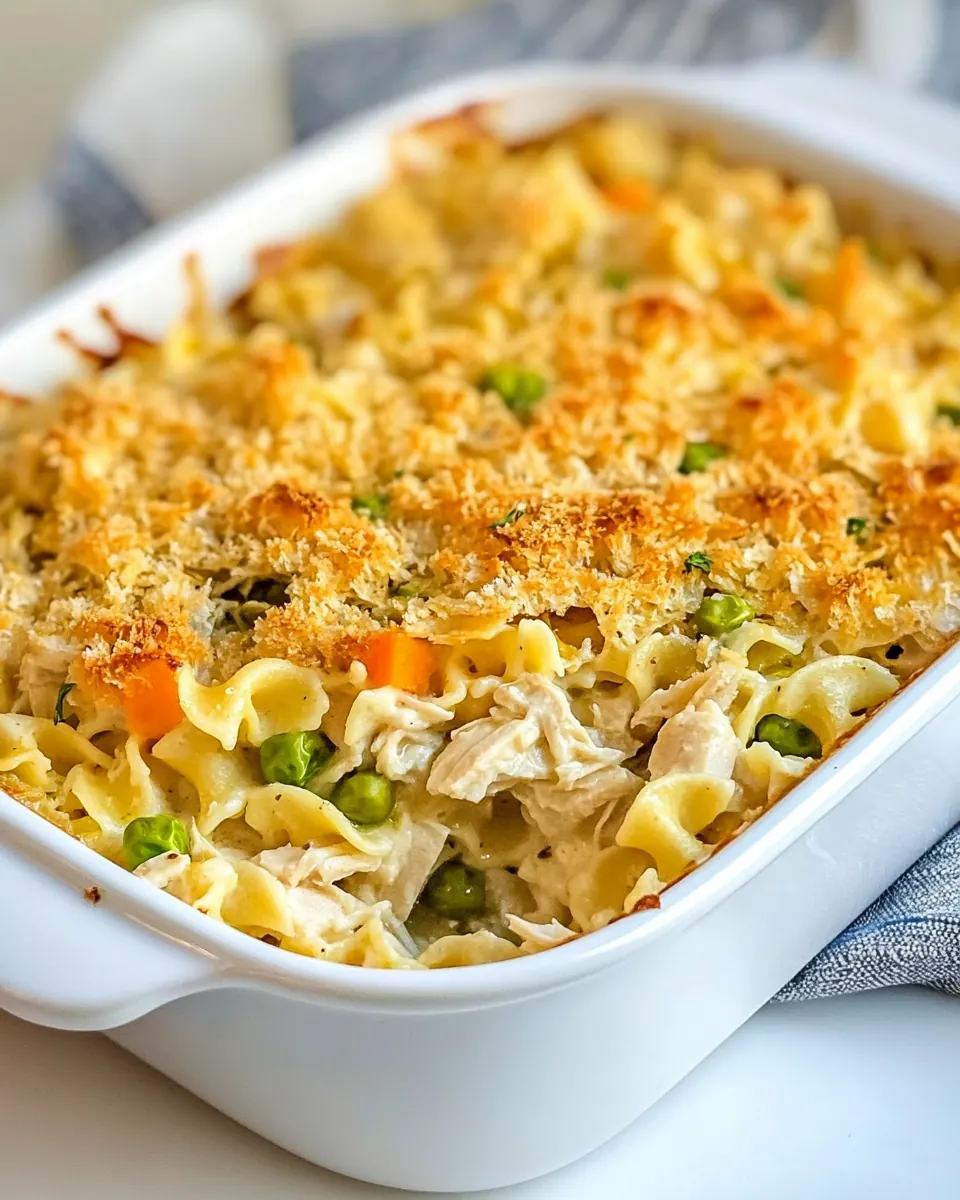
This section explores practical adjustments and ideas I use to tailor Chicken Noodle Casserole for different needs. Each tip begins with a bolded phrase to highlight the option, followed by a detailed note on why and how I apply it.
- Swap noodle shapes: If you prefer a different texture, try small shells or rotini to trap more sauce between their curves, giving a slightly chewier bite.
- Use lower-sodium soups: Select low-sodium condensed soup to better control seasoning and prevent the casserole from becoming overly salty, especially important if you plan to use reserved chicken broth.
- Enhance the topping: Mix cracker crumbs with a little grated cheese if you tolerate cheese, or add dried herbs for extra fragrance; this creates more complexity in the crust.
- Boost the vegetables: Increase the quantity of mixed frozen vegetables for a greener, more nutrient-dense casserole, watching the sauce thickness to keep texture balanced.
- Make ahead: Assemble the casserole and refrigerate for up to 24 hours before baking; allow extra bake time if starting cold so the center heats through.
- Lighten the dairy: Substitute a lighter sour cream option if you want fewer calories while retaining tang, but be cautious as very low fat versions can separate under heat.
What Goes Well With This Chicken Noodle Casserole
This casserole shines as a centerpiece for casual dinners, potlucks, and cozy winter nights. Below I outline pairing ideas, serving styles, and storage notes in a detailed list so you can present and preserve the dish perfectly.
- Simple green salad: A crisp salad with a bright vinaigrette cuts through the casserole’s creaminess and adds a refreshing contrast to the plate, perfect for balancing richness at dinner.
- Steamed seasonal vegetables: Lightly steamed greens or roasted root vegetables provide color and texture contrast, making the meal feel more varied and complete for family suppers.
- Weeknight dinner: Serve this casserole as the main course for an easy weeknight dinner; it pairs well with quick sides and keeps preparation time manageable for busy evenings.
- Potluck contribution: Bring it to gatherings since it transports well and can be reheated easily; cover tightly and rewarm at the host’s oven until bubbling through.
- Storage tips: Refrigerate leftovers in an airtight container for three to four days, and reheat gently in the oven to restore the topping crispness; freezing is possible, though texture may change slightly.
- Seasonal pairing: This is ideal in winter when you crave warmth and heartiness, but its familiar flavors make it suitable any time you want a comforting, crowd-pleasing meal.
FAQ
Conclusion
This Chicken Noodle Casserole stands out for its comforting creaminess, tender chicken, and satisfying crunchy topping, making it a dependable family favorite. Try it the next time you need a warm, simple meal that comes together with pantry staples and minimal fuss. Whether you serve it on a busy weeknight or bring it to a potluck, it reliably delivers cozy flavors and leftovers that stay welcome for days.

Chicken Noodle Casserole
Equipment
- Stock Pot
- Medium pan
- Mixing Bowl
- 2 quart casserole dish
Ingredients
- 1 1/2 pounds chicken breast Provide lean protein and moisture to the casserole, cooked and shredded or diced before combining with other ingredients; helps bind the dish and adds savory flavor that complements the creamy base.
- 6 ounces egg noodles Bring tender pasta texture and body to the casserole when cooked al dente; absorbs flavors from the soups and seasonings while providing a comforting, chewy bite throughout the dish.
- 1 tablespoon butter Add richness and a subtle buttery flavor to sautés or the casserole base; used to cook aromatics like onion and celery and to help meld ingredients together.
- 1 medium white onion chopped Contribute sweet and savory aromatics when chopped and sautéed; soften during cooking to release flavor into the casserole and provide textural contrast to the noodles.
- 2 ribs celery chopped Offer a mild, crunchy aromatic when chopped and softened in the pan; balances sweetness from the onion and adds a subtle vegetal note to the casserole.
- 1/2 teaspoons salt Season the dish to enhance overall flavors; sprinkle gradually and taste as you go to avoid over-salting, especially because canned soups can be salty.
- 1 can condensed cream of chicken soup Provide a creamy, savory base and condensed flavor that thickens the casserole; contributes chicken flavor, body, and moisture to the filling.
- 1 can condensed cream of mushroom soup Add earthy, savory creaminess and thickening to the dish; balances the flavors of the chicken soup and enriches the casserole’s sauce.
- 1 cup sour cream Introduce tangy creaminess and body to the sauce to create a smooth, rich texture; helps bind the filling and brightens overall flavor.
- 12 ounces mixed frozen vegetables Supply a mix of vegetables for color, nutrients, and texture; frozen vegetables thaw into the casserole, contributing flavor and balance to the creamy base.
- 2 cups cracker crumbs you can use panko crumbs Create a crunchy topping or additional binding layer when mixed into or sprinkled over the casserole; absorbs some moisture and provides a toasty, satisfying texture.
- 1/4 cup butter melted Provide melted butter to moisten cracker crumbs for a golden, crisp topping; adds flavor and helps breadcrumbs brown evenly during baking.
Instructions
- Preheat the oven to 350°F.: The kitchen will carry a warm, anticipatory hum as the oven comes to temperature, and preheating ensures even baking and a nicely browned top. It matters because putting the casserole into a fully heated oven creates the proper environment for the crumbs to crisp without overcooking the interior. A common misstep is skipping preheat, which can yield an unevenly baked dish where the topping takes too long to brown while the inside overheats. To test readiness, watch for the oven to beep or reach the set reading, and if your oven runs cold, add a few extra minutes to compensate.
- If the chicken breasts have not been cooked, place the chicken into a large stock pot with enough water to fully cover them. Cook on medium-high heat until it is cooked through. Depending on the thickness of your chicken, this can take 20 to 30 minutes. When the chicken is done, remove it from the water, and cut it into bite-sized cubes. If desired, you can reserve the water to cook the noodles for additional flavor.: When the pot begins to simmer, the surface gives off a gentle hissing and small bubbles that signal steady heat, and the aroma of cooked chicken becomes faintly savory. Cooking the breasts in simmering water keeps them tender by avoiding high rolling boils that can toughen muscle fibers. A mistake I often see is boiling at too high a temperature, which tightens the meat and makes it stringy. Watch for the internal texture to change from translucent to opaque, and use a fork to check for a tender pull, or test with a meat thermometer if you prefer precision.
- Cook the noodles according to the package directions, using the same water you used to cook the chicken, if desired. Drain the noodles after they have cooked.: As the chicken cooks, the kitchen fills with a clean, savory scent, and the meat releases some cooking liquid that can be used for additional flavor. Maintaining medium-high rather than a full boil ensures gentle movement that cooks evenly. Many people err by overcooking, thinking more time equals safety, but this dries out the breast; aim for a firm yet yielding texture and remove from heat promptly when done.
- Place the butter in a medium pan over medium heat. When the butter has melted, add the onions, celery, and salt. Sauté until the celery is tender and the onions become translucent.: Thicker breasts feel denser to the touch and will need more time, while thin pieces finish quickly, so plan accordingly. The key sensory cue is the loss of pinkness and a slight spring when pressed; if the meat resists too much, it likely needs more time. A frequent oversight is assuming uniform size; try to choose similarly sized breasts or halve thicker ones for even cooking.
- In a mixing bowl, make a creamy sauce by combining the two cans of condensed soup and the sour cream. Blend until you have a uniform mixture. Then add the sautéed onions and celery and the frozen vegetables to the bowl and mix well.: Hot cooked chicken will steam slightly when transferred to a cutting board, and cubing it while warm helps retain some juices. The visual cue is a clean white interior without any glossy, raw areas. Cutting into uniform pieces ensures consistent distribution, and a common mistake is leaving large chunks that crowd bites with dry edges, so aim for roughly one inch pieces for balanced texture.
- Fill a 2-quart casserole dish with the cooked noodles. Add the creamy sauce and stir to coat the noodles with the sauce.: That reserved liquid carries subtle savory notes from the chicken , and using it to boil the noodles infuses them gently, creating more cohesion across the casserole. The broth will look slightly clouded and smell faintly meaty. Be careful with seasoning because the broth may already contain salt, and adding more can push the final dish to be too salty.
- In a small dish, combine the cracker crumbs and melted butter and mix until the cracker crumbs are coated with butter. Spoon the cracker crumbs on top of the casserole.: As the noodles come to a rolling boil, they tumble and rub slightly against each other, which helps release a bit of starch that later thickens the sauce. Aim for a texture a touch firmer than you would eat alone, since they will continue softening in the oven. The common error is to overcook them at this stage, leading to a structural failure when baking, so check a minute or two before the package time.
- Bake the casserole for about 20 minutes before serving.: Draining leaves them ready to absorb the sauce without adding extra starchy water that could make the casserole gluey. After draining, the noodles have a warm, slightly tacky surface that will grab the sauce. A trap to avoid is rinsing under cold water, which removes surface starch and can prevent proper sauce adhesion, unless you are stopping the cooking to use later.
- Place the butter in a medium pan over medium heat.: Melted butter will foam lightly and offer a nutty scent if warmed properly, and it creates a slick surface for the aromatics to cook without sticking. This stage builds the flavor base, and keeping to medium heat prevents the butter from browning, which would shift the intended mild profile. Overheating the pan can burn the aromatics, making them bitter rather than sweet.
- When the butter has melted, add the onions, celery, and salt.: The vegetables will sizzle softly and begin to release moisture, and within minutes the onion becomes translucent and the celery softens. These visual and auditory cues indicate the right moment to move on. If you rush this step at too high a flame you risk crisping or burning the edges, so stir frequently and lower heat if the pan starts to brown.
- Sauté until the celery is tender and the onions become translucent.: Proper sautéing brings out sweet notes from the onion and mellows the vegetal edge of the celery . You want a soft, yielding texture without caramelization. A misstep is leaving them undercooked, which keeps a raw assertiveness that clashes with the creamy sauce; taste a small piece to check for tenderness.
- In a mixing bowl, make a creamy sauce by combining the two cans of condensed soup and the sour cream.: The action of stirring these together turns lumps into a velvety emulsion, and the mixture should look smooth and slightly glossy. This sauce is the glue that coats the noodles and chicken , so proper blending is essential for even flavor distribution. If the sauce seems too thick, a splash of the reserved cooking liquid can loosen it carefully, but avoid thinning too much or the casserole will be runny.
- Blend until you have a uniform mixture.: Achieving uniformity ensures every bite has the same comforting balance of cream and tang. Use a whisk or sturdy spoon and watch for streaks to disappear, indicating proper incorporation. A poor mix leads to pockets of sour cream or undissolved soup, which results in inconsistent texture and flavor.
- Then add the sautéed onions and celery and the frozen vegetables to the bowl and mix well.: As the warm vegetables meet the cool sauce, you will notice a gentle softening and seamless integration. The frozen vegetables thaw quickly and release a faint steam and garden scent into the bowl. One common pitfall is adding them frozen into a cold sauce and then not stirring thoroughly, which can leave clumps and uneven heating; stir until the mixture looks cohesive and evenly studded.
- Fill a 2-quart casserole dish with the cooked noodles.: Layering the warm noodles into the dish gives them a chance to nest and creates a sturdy base. The noodles should sit loosely so the sauce can coat them evenly. Packing them too tightly prevents the sauce from penetrating, leading to dry pockets, so distribute them gently but evenly across the dish.
- Add the creamy sauce and stir to coat the noodles with the sauce.: When the sauce envelops the noodles, the mixture should glisten and hold together without appearing soupy. Look for even color with no dry strands of noodle visible. If you see uncoated noodles, fold gently to avoid breaking them; undercoating often results from adding too much dry material or not enough sauce.
- In a small dish, combine the cracker crumbs and melted butter and mix until the cracker crumbs are coated with butter.: The crumbs will take on a golden hue and feel slightly tacky when properly coated, which encourages even browning. Properly mixed crumbs create a crunchy, flavorful crust; dry crumbs will not crisp uniformly. A frequent error is adding too much butter, which leads to a greasy topping instead of a crisp one.
- Spoon the cracker crumbs on top of the casserole.: Spreading the crumbs evenly creates a consistent crust that will brown uniformly and offer a pleasing contrast to the creamy interior. If the topping is piled in one spot, you end up with uneven texture, so smooth it into a thin, even layer. Gently pressing the crumbs helps them adhere, but pressing too hard can compact them and prevent crisping.
- Bake the casserole for about 20 minutes before serving.: As it bakes, the kitchen fills with a toasty, buttery aroma and the edges will bubble slightly, signaling that the interior is hot and the topping is browning. This bake time is calibrated to heat through and develop the crust without overcooking. A common mistake is underbaking which leaves the center cool, so look for bubbling and a golden top; if you find it still cold inside, return it to the oven in five minute increments until uniformly heated.
Notes
- Swap noodle shapes: If you prefer a different texture, try small shells or rotini to trap more sauce between their curves, giving a slightly chewier bite.
- Use lower-sodium soups: Select low-sodium condensed soup to better control seasoning and prevent the casserole from becoming overly salty, especially important if you plan to use reserved chicken broth.
- Enhance the topping: Mix cracker crumbs with a little grated cheese if you tolerate cheese, or add dried herbs for extra fragrance; this creates more complexity in the crust.
- Boost the vegetables: Increase the quantity of mixed frozen vegetables for a greener, more nutrient-dense casserole, watching the sauce thickness to keep texture balanced.
- Make ahead: Assemble the casserole and refrigerate for up to 24 hours before baking; allow extra bake time if starting cold so the center heats through.
- Lighten the dairy: Substitute a lighter sour cream option if you want fewer calories while retaining tang, but be cautious as very low fat versions can separate under heat.