Fava Bean Puree
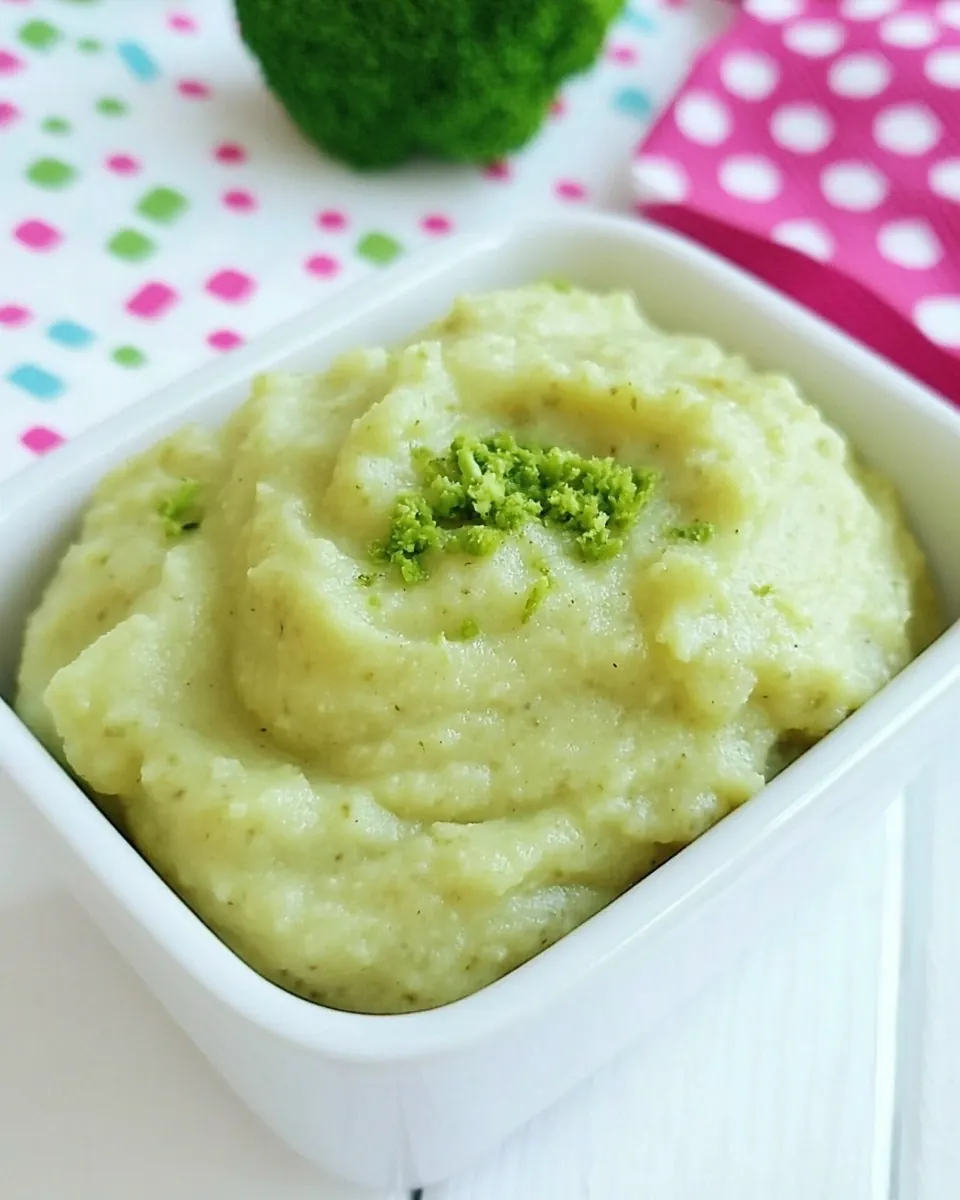
Fava Bean Puree first seduced me on a sunlit market morning when I bought a bag of fresh, bright pods because I could not resist their color and gentle perfume. I remember walking home with them tucked under my arm, the air full of green notes, and thinking I had to make something simple that honored that flavor. That impulse led me to a bowl of verdant, creamy spread that became an unexpected favorite in my kitchen.
Over the next few weeks I kept returning to the recipe, refining textures and balances until the spread tasted like spring in a spoon. Each time I served Fava Bean Puree someone asked for the recipe, so I began to tell the story of how a small handful of humble ingredients can create something elegant. The dish pairs well with crisp bread and bright salads, and it has a way of making a small meal feel intentional.
Recipe Snapshot
5 mins
1 mins
4 mins
Easy
150 kcal
Mediterranean
Gluten-Free, Low FODMAP
Side Dishes
Pot, Colander, Blender or Food Processor
The Magic of This Fava Bean Puree
Fresh seasonal flavor in a spreadable form
I love that Fava Bean Puree captures the clean, grassy notes of spring without fuss. When I mash the cooked beans, that silky texture carries the vegetable’s sweetness and makes a spread that sings on toast or as a dip. You get bright, vegetal character in every bite, which is why I reach for this recipe when the market is flush with young beans.
Minimal ingredients, maximum impact
One of the things that fascinates me is how few elements you need to create depth. With just fava beans, yellow squash, a hint of garlic, creamy yogurt, and a squeeze of lemon juice, the puree becomes layered and satisfying. The simplicity lets each ingredient shine, and I find that restraint often leads to the most memorable bites.
Versatility makes it a weeknight hero
I use Fava Bean Puree as a centerpiece for quick meals. Spoon it on toast for an easy lunch, smear it in a wrap for dinner, or serve it alongside roasted veg for a light supper. Its ability to shift roles in the meal is one reason I keep this recipe bookmarked. It adapts to what I have on hand and still tastes considered.
Textural contrast and balance
What keeps me coming back is the play between silky puree and any crisp or acidic accompaniment. The creamy body of the dish benefits from something crunchy or tart, which highlights the beans‘ sweetness. That balance is intentional, and it makes each bite interesting rather than flat.
Comfort with a bright personality
Finally, this recipe is comforting without being heavy. It feels nourishing, but the lemon and yellow squash keep it lively. For me, Fava Bean Puree is the kind of thing I serve guests when I want something cozy, but not predictable.
What You Need for Fava Bean Puree
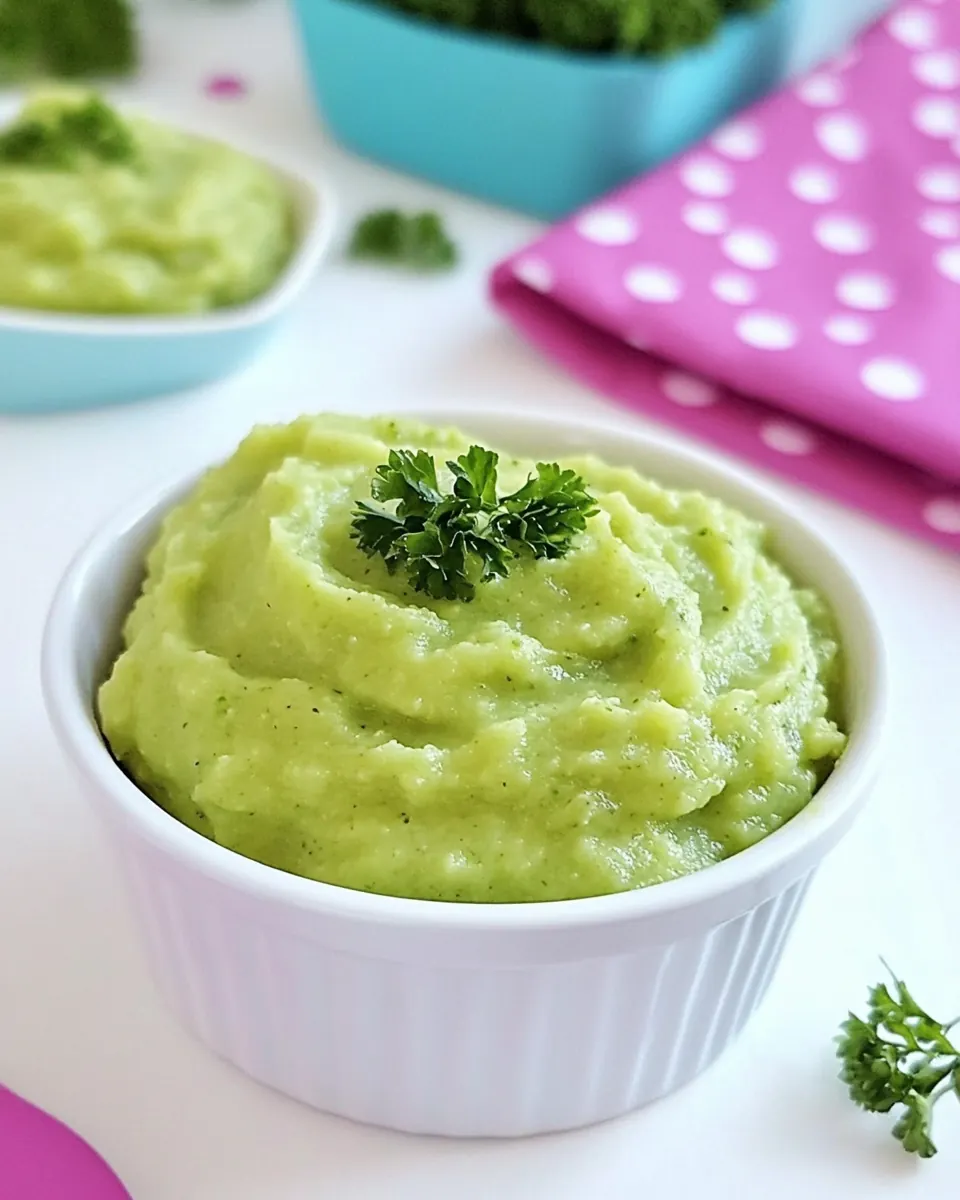
These ingredients are intentionally few, chosen to create a silky, bright spread. The real work is in simple techniques, where each element plays a role. The beans form the creamy base, the yellow squash adds gentle sweetness and body, the garlic introduces an aromatic bite, yogurt brings tang and smoothness, and lemon juice brightens the whole mixture.
- 1/2 cups helled fava beans: Boiled and shelled to tender texture, provides the base creaminess and earthy flavor essential for the puree. Blended until smooth, it contributes protein, body, and a slightly sweet bean character that carries other seasonings. Adds nutritional density and a velvety mouthfeel when combined with yogurt and lemon.
- 1 cup chopped yellow squash: Sautéed or steamed until soft, adds mild sweetness and subtle vegetal notes that brighten the puree's profile. Chopped into small pieces, it offers light texture contrast and natural moisture to help reach desired consistency. Complements the fava beans with a gentle, summery flavor and color.
- 1/2 clove garlic: Crushed or minced to release pungent aroma and sharpness that lifts the overall flavor. Used sparingly to avoid overpowering, it adds savory depth and a warm bite that balances the creamy components. Enhances aromatic complexity when briefly cooked or rubbed and then blended.
- 2 tablespoons yogurt: Stirred in or whisked to contribute tangy creaminess and a smooth, silky texture to the mixture. Provides mild acidity and a dairy richness that mellows the beans and ties flavors together. Helps achieve a luxurious consistency while adding slight tartness.
- 1/2 tsp lemon juice: Squeezed or added in small amounts to provide bright acidity and citrusy lift that balances the puree's richness. Enhances freshness and prevents the dish from tasting flat, while accentuating vegetal and dairy notes. Adjusted to taste, it sharpens overall flavor and rounds out the palate.
Directions for Fava Bean Puree
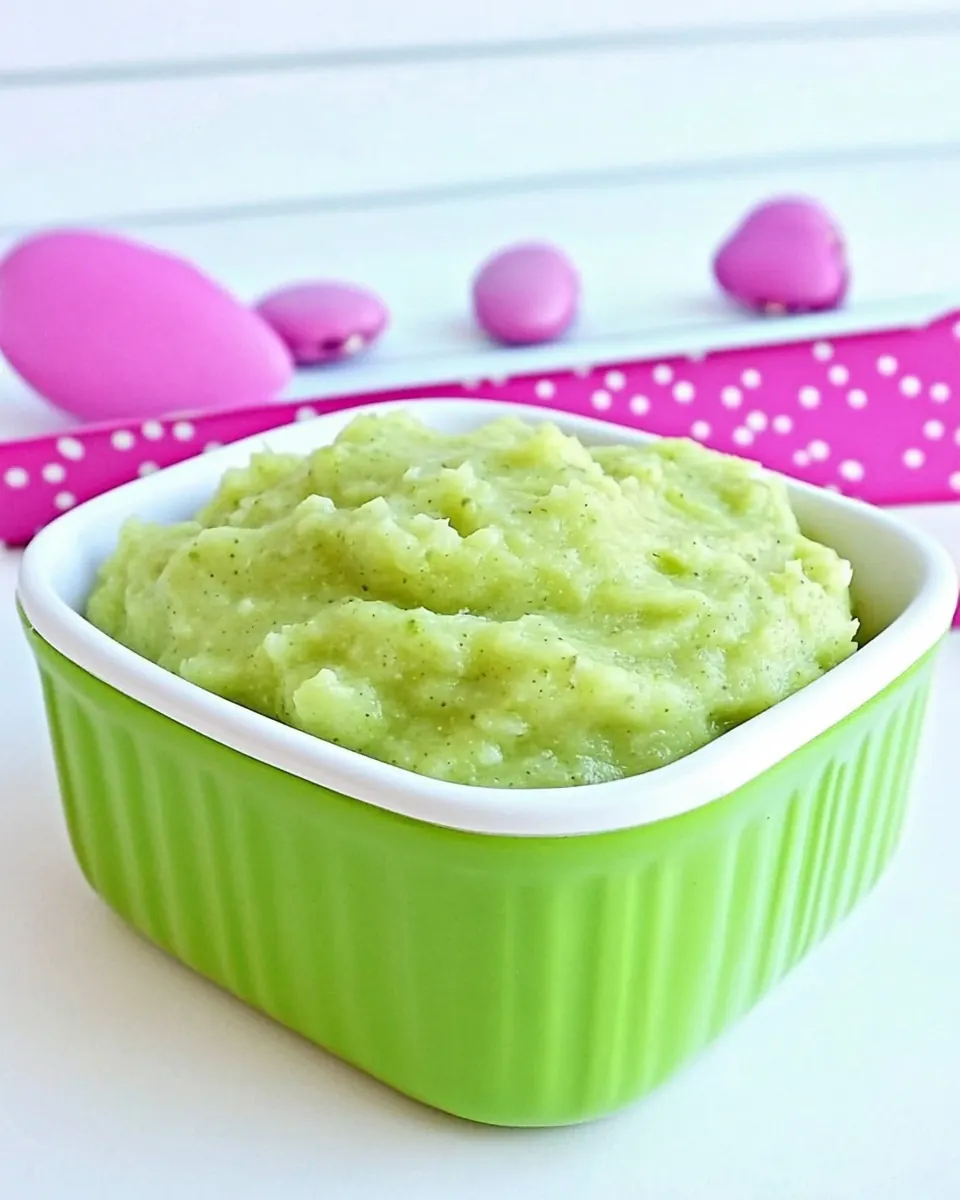
These directions will guide you through turning simple ingredients into a velvety spread. Read them calmly and let sensory cues guide you more than the clock. Below, each core instruction is paired with detailed notes to help you achieve the right texture and flavor.
- Instructions: As you work with the fava beans and yellow squash , pay attention to the aroma and texture, which will tell you when things are properly cooked. You should notice a faint sweetness rising from the beans as they soften, and the squash will release a gentle, vegetal fragrance. Use these sensory cues to avoid undercooking, which yields a chalky texture, or overcooking, which can make flavors flat. A frequent mistake is rushing the cooking stage, so be patient and check for tenderness by pressing a bean between your fingers. If it splits and feels creamy inside, it's ready. If it resists, continue cooking in short increments.
Expert Tips about Fava Bean Puree
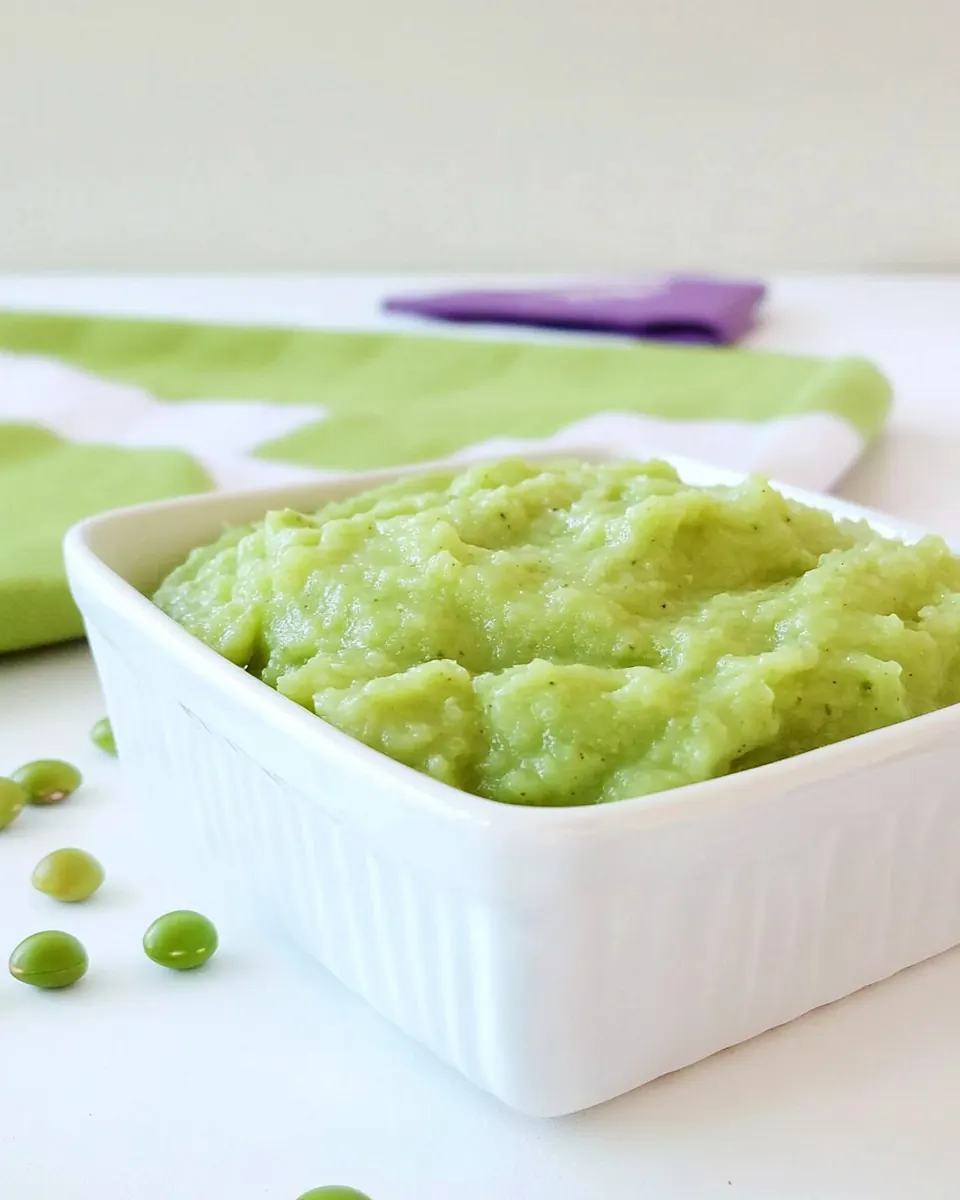
This short tips section covers small techniques that make a big difference, from how to handle the beans to achieving a silky texture. Follow these notes to elevate your puree with minimal effort.
- Choose fresh beans: Fresh, tender fava beans have a sweeter, greener flavor and yield a smoother puree than older beans. If the beans are mature, they can be fibrous. Always check a sample bean before committing to the batch.
- Shell thoroughly: Remove both the pod and the inner skin for the creamiest texture. The papery skin can be astringent and disrupt the silkiness. Blanch and shock to loosen skins for easy peeling.
- Control the liquid: Add the yogurt and any cooking liquid in small amounts when blending. It is easier to thin the puree gradually than to fix an overly runny texture. Reserve a little cooking water to adjust consistency if needed.
- Blend in short bursts: Pulse your processor to avoid overheating and creating a gluey texture. Scrape down the sides often so everything incorporates evenly. Over-blending can make the puree too dense.
- Brighten at the end: Hold back most of the lemon juice until after blending, then add a touch and taste. This preserves the fresh bean character while preventing the acid from dulling other flavors.
Serving Options for Fava Bean Puree
This section outlines how to present and pair the puree across meals and occasions. I’ll describe serving styles, seasonal pairings, and storage notes so you can use the recipe year round. Think of the puree as a versatile canvas that adapts to what you serve it with.
- As a spread on toast: Spoon the puree onto warm, toasted bread for a simple lunch or snack. The contrast of creamy spread and crisp bread is satisfying, and you can finish with a drizzle of good olive oil if you like. This is a quick, everyday serving that highlights the puree’s texture.
- Plated as a starter: Serve a dollop on a shallow plate, top with a few shards of raw or lightly cooked vegetable for contrast, and present as an elegant appetizer. This works well for casual dinner gatherings when you want to offer something fresh and light.
- As part of a mezze board: Include the puree in a selection with olives, raw vegetables, and crusty bread, making it a friendly addition for shared meals. Its mild flavor provides balance among stronger-tasting items on the board.
- Occasion ideas: This recipe suits spring and warmer months, and it is appropriate for lunches, light dinners, or Ramadan if you need something nourishing at Iftar. It’s also a gentle choice for brunch when guests want savory options.
- Storage tips: Refrigerate in an airtight container for up to three days, and bring to room temperature before serving to revive aroma. If freezing, expect some texture change; thaw slowly in the fridge and whisk to recombine before use.
- Seasonal pairings: Pair with simple salads, crisp raw vegetables, or warm grains. The puree’s bright profile complements spring produce like young greens and tender lettuces, making it ideal for seasonal menus.
FAQ
Conclusion
Fava Bean Puree shines because it transforms a handful of simple spring ingredients into a silky, flavorful spread with bright personality. The dish is approachable, flexible, and quick to make, offering fresh bean flavor with a creamy body and a hint of tang. I encourage you to give it a try, whether you serve it on toast, as part of a mezze board, or alongside roasted vegetables. Enjoy the process, and let the natural sweetness of the beans guide your adjustments.
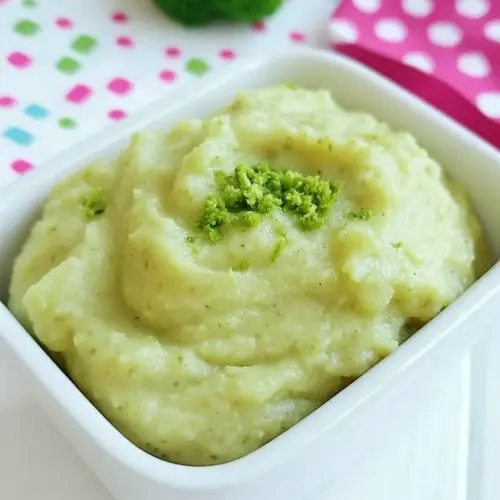
Fava Bean Puree
Equipment
- Pot
- Colander
- Blender or food processor
Ingredients
- 1/2 cups helled fava beans Boiled and shelled to tender texture, provides the base creaminess and earthy flavor essential for the puree. Blended until smooth, it contributes protein, body, and a slightly sweet bean character that carries other seasonings. Adds nutritional density and a velvety mouthfeel when combined with yogurt and lemon.
- 1 cup chopped yellow squash Sautéed or steamed until soft, adds mild sweetness and subtle vegetal notes that brighten the puree's profile. Chopped into small pieces, it offers light texture contrast and natural moisture to help reach desired consistency. Complements the fava beans with a gentle, summery flavor and color.
- 1/2 clove garlic Crushed or minced to release pungent aroma and sharpness that lifts the overall flavor. Used sparingly to avoid overpowering, it adds savory depth and a warm bite that balances the creamy components. Enhances aromatic complexity when briefly cooked or rubbed and then blended.
- 2 tablespoons yogurt Stirred in or whisked to contribute tangy creaminess and a smooth, silky texture to the mixture. Provides mild acidity and a dairy richness that mellows the beans and ties flavors together. Helps achieve a luxurious consistency while adding slight tartness.
- 1/2 tsp lemon juice Squeezed or added in small amounts to provide bright acidity and citrusy lift that balances the puree's richness. Enhances freshness and prevents the dish from tasting flat, while accentuating vegetal and dairy notes. Adjusted to taste, it sharpens overall flavor and rounds out the palate.
Instructions
- Instructions: As you work with the fava beans and yellow squash , pay attention to the aroma and texture, which will tell you when things are properly cooked. You should notice a faint sweetness rising from the beans as they soften, and the squash will release a gentle, vegetal fragrance. Use these sensory cues to avoid undercooking, which yields a chalky texture, or overcooking, which can make flavors flat. A frequent mistake is rushing the cooking stage, so be patient and check for tenderness by pressing a bean between your fingers. If it splits and feels creamy inside, it's ready. If it resists, continue cooking in short increments.
Notes
- Choose fresh beans: Fresh, tender fava beans have a sweeter, greener flavor and yield a smoother puree than older beans. If the beans are mature, they can be fibrous. Always check a sample bean before committing to the batch.
- Shell thoroughly: Remove both the pod and the inner skin for the creamiest texture. The papery skin can be astringent and disrupt the silkiness. Blanch and shock to loosen skins for easy peeling.
- Control the liquid: Add the yogurt and any cooking liquid in small amounts when blending. It is easier to thin the puree gradually than to fix an overly runny texture. Reserve a little cooking water to adjust consistency if needed.
- Blend in short bursts: Pulse your processor to avoid overheating and creating a gluey texture. Scrape down the sides often so everything incorporates evenly. Over-blending can make the puree too dense.
- Brighten at the end: Hold back most of the lemon juice until after blending, then add a touch and taste. This preserves the fresh bean character while preventing the acid from dulling other flavors.