Chess Pie
Chess Pie has been one of those recipes that follows me through kitchen memories, hauling a simple sweetness into every family gathering I’ve brought it to.
I first met Chess Pie at my grandmother’s counter, where the scent of unsalted butter melting into a custardy filling filled the house and made the whole afternoon feel like a warm promise. I remember how the crust would glint slightly after a quick blind bake, and how the filling bubbled with a faint, reassuring jiggle as it cooled.
Over the years, I’ve tinkered with tiny adjustments, learning how a teaspoon of lemon zest can brighten the custard and how cornmeal gives the pie that characteristic grainy mouthfeel that sets it apart from a standard custard. I don’t treat this as just a dessert, it’s a lesson in balance where simple pantry items turn into something unexpectedly complex.
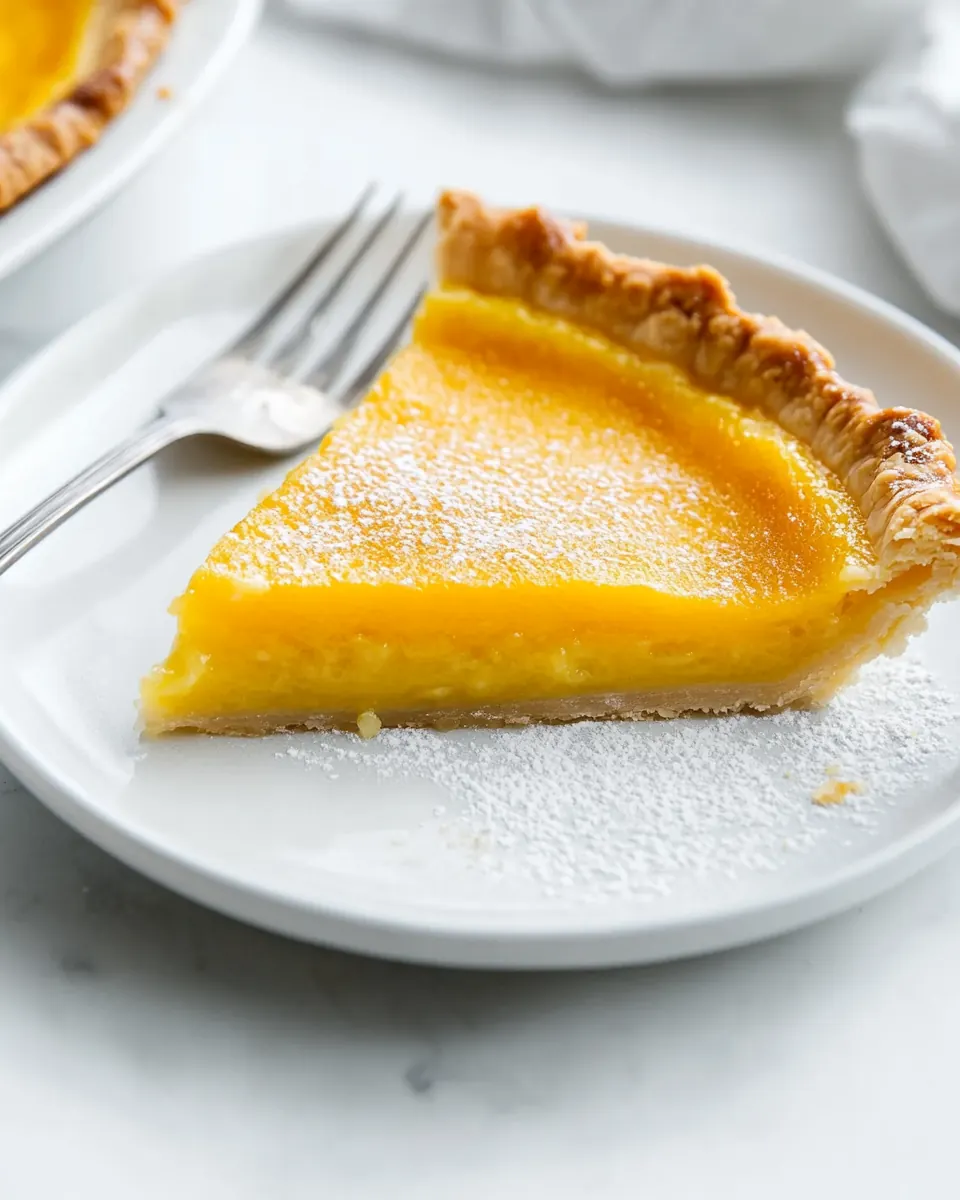
I like to bring Chess Pie to potlucks because it travels well, and because people always ask for a second slice. Making it has taught me patience, especially during the long cooling phase when the filling sets and the flavors mellow into the final profile I love. Every time I slice a piece, the hint of confectioners’ sugar on top quiets the sweetness and makes each bite sing.
Recipe Snapshot
1 hr 35 mins
30 mins
65 mins
Medium
320 kcal
American
Gluten-Free, Low FODMAP
Desserts
Oven, Pie dish or 9 inch pie pan, Parchment paper, Pie weights or dried beans, Mixing bowl, Whisk, Wire rack
The Best Thing About This Chess Pie
Classic Simplicity That Still Feels Special
I love how Chess Pie manages to be humble and showy at the same time. Using everyday staples like granulated sugar, eggs, and butter, it delivers a custard with a dense, silky texture that feels indulgent. I often mention to friends that mastering this pie is like learning a kitchen handshake with the past, because the technique is straightforward but rewarding.
Texture with a Tiny Twist
One of the reasons I keep returning to Chess Pie is the inclusion of cornmeal. It adds a subtle grainy nuance that contrasts with the smooth custard, giving each mouthful a little more interest. I think of it as a culinary wink, a small detail that transforms a plain custard into something memorably textured.
Bright, Balanced Flavor
The lemon components, the zest of 1 lemon and a bit of lemon juice, cut through the very sweet, buttery base and keep the pie from becoming cloying. I appreciate how the citrus lifts the filling, allowing the flavors to breathe. When I serve this pie, guests often comment on the perfect balance between sweet, buttery, and bright.
Reliable for Gatherings
Chess Pie is forgiving, which I value when cooking for others. The pie tolerates small timing variations and still turns out with a lovely set. I’ve learned to make it ahead, refrigerating it so the flavors meld, and it’s always a welcome sight at a potluck or family dinner. I find it easier to transport than pies with fragile meringues or whipped toppings, making it a practical favorite.
Approachable Technique
For home bakers who are a little nervous about pies, this recipe is an excellent confidence builder. The steps are clear and repeatable, and the cues are sensory, so you can tell when things are right by sight and feel. I like teaching this to people new to baking because it showcases how basic skills produce impressive results.
Chess Pie Ingredients

These ingredients form a short, purposeful cast where each member plays a clear role. The eggs and granulated sugar create the custard structure, while butter adds richness. A pinch of salt and a hint of vanilla elevate the flavors, and the cornmeal contributes a unique texture. The pie shell holds everything together and provides a crisp frame for the tender filling.
- 1 (9-in) store-bought pie shell, thawed but cold (see note), or homemade pie crust: Used as the structural vessel for the filling, providing a flaky or tender base and rim that holds the custard; can be store–bought for convenience or homemade for a fresher texture. Chill before filling to prevent shrinking and to help the crust bake evenly and develop a golden color. Blind-bake partially if recipe or personal preference calls for a crisper bottom and to avoid a soggy crust.
- 5 large eggs: Provide richness and body to the custard, coagulating when baked to set the pie; large eggs ensure proper balance of fat and protein for a smooth, firm filling. Whisk thoroughly to incorporate air and create a homogeneous mixture so the pie sets evenly. Use at room temperature for better emulsification with the other wet ingredients.
- 1 3/4 cups granulated sugar: Sweeten the filling and contribute to the classic dense, sweet profile of chess pie while also affecting texture by interacting with eggs and butter. Dissolve into the wet mixture to ensure consistent sweetness and help the custard achieve the right firmness when baked. Adjust slightly if you prefer a less-sweet finish, keeping proportions for proper structure.
- Zest of 1 lemon (a heaping teaspoon, packed): Brighten the filling with concentrated citrus aroma and lift the rich custard by adding fresh, fragrant oils from the peel; about a heaping teaspoon when packed gives a noticeable lemon character. Finely grate only the yellow portion to avoid bitterness, and add to the sugar or wet ingredients to distribute the zest evenly. Pair with the lemon juice for a coordinated citrus profile.
- 3 tablespoons lemon juice, from 1 to 2 lemons: Add fresh acidity and tang that cuts through the sweetness and enhances overall flavor balance, with juice from 1 to 2 lemons yielding around 3 tablespoons. Stir into the custard mixture to provide brightness and help temper the richness of eggs and butter. Use freshly squeezed juice for the cleanest, most vibrant citrus flavor.
- 1 1/2 teaspoons vanilla extract: Impart a warm, rounded vanilla aroma that complements the citrus and sweet elements, deepening the filling's overall flavor complexity. Stir into the custard after other liquids are combined to evenly disperse the extract without boiling off volatile compounds. Use pure vanilla extract for best quality and a natural flavor profile.
- 2 tablespoons cornmeal: Provide a subtle, grainy texture and slight thickening that is traditional in many chess pie recipes, helping to give the filling a slightly sandy, pleasant mouthfeel. Mix into the dry ingredients or combine with sugar to prevent clumping before adding to the wet mixture. Use yellow or stone-ground cornmeal depending on desired coarseness.
- 1 tablespoon all-purpose flour: Act as a small additional thickener and binder, helping stabilize the custard and improve its texture without affecting flavor significantly. Whisk with the cornmeal and sugar to ensure even distribution and to avoid lumps in the final filling. Contribute to a smooth, set consistency when baked.
- 1/2 teaspoon salt: Enhance and balance flavors by moderating sweetness and rounding out the custard, while also contributing to the overall seasoning profile. Sprinkle into the dry mix or add with the flour to distribute evenly, ensuring the filling is neither flat nor overly sweet. Keep quantity modest to maintain the pie's sweet character.
- 1/2 cup (1 stick) unsalted butter, melted and cooled slightly: Add rich buttery flavor and contribute fat that yields a silkier, more tender custard, helping the filling set with a smooth mouthfeel; melting and cooling slightly prevents cooking the eggs when combined. Pour slowly into the beaten eggs and sugar while whisking to create an emulsion and avoid curdling. Use unsalted butter to better control overall seasoning.
- Confectioners' sugar, for serving () (optional): Provide a light, decorative finish when dusted over slices, adding a hint of extra sweetness and an attractive presentation touch; optional for those who prefer a sweeter look. Sprinkle just before serving to avoid melting into the warm filling, and use a fine sieve for an even dusting. Enhance visual contrast with the golden filling beneath.
How to Make Chess Pie

I like to approach the process steadily, focusing on sensory cues and small checkpoints so nothing feels rushed. This recipe rewards patience during the blind baking and the long cooling, and those steps are what give the pie its signature texture and appearance.
- Preheat the oven to 375°F (190°C) and set an oven rack in the middle position.: As you begin, you should smell the faint warmth of a heating oven and hear the quiet hum as it reaches temperature, which ensures even baking. Preheating is important because launching a cold crust into a hot oven helps form a crisp base, preventing sogginess. A common mistake is skipping full preheat, which can cause uneven browning and a raw interior. Make sure the rack is centered for balanced heat exposure.
- Blind bake the crust: Line the unbaked crust with parchment paper (if you crumple it up and then flatten it a bit, it will sit better inside the crust). Fill it with dried beans, rice, or pie weights to keep the dough flat and prevent puffing. Bake for 10 minutes, then carefully remove the parchment and weights. Continue baking for an additional 5 minutes to dry and lightly brown the bottom. Reduce the oven temperature to 325°F (165°C).: Line the unbaked crust with parchment paper and fill it with dried beans, rice, or pie weights : When you press the parchment into the shell, you will feel it snug against the edges, and the weights keep the dough from puffing up. Baking for 10 minutes sets the dough sufficiently so it holds shape, and removing the weights and baking an additional 5 minutes helps dry the bottom so the filling does not make it soggy. If you skip crumpling the parchment to fit, it may slide and expose parts of the crust, leading to uneven bake. Watch for a light golden rim as a cue that the crust is ready to proceed.
- Meanwhile, make the filling: Whisk the eggs in a large bowl until smooth. Whisk in the granulated sugar, lemon zest and juice, vanilla, cornmeal, flour, and salt until well combined. Whisk in the butter until the mixture is uniform.: Lowering the heat before the final bake prevents the custard from browning too quickly while allowing the center to set gently. You will notice the oven dials settling and the interior becoming more steady, which is essential for a smooth finish. A frequent error is leaving the oven too hot, which can cause cracking or an overly browned top. Allow a minute for the oven to reach the new temperature before introducing the filling.
- Whisk the filling briefly to recombine and pour into the par-baked pie shell. Bake until just set and the surface is golden (the center may jiggle just slightly when shaken), 50 to 55 minutes. Cool completely on wire rack, about 4 hours. Dust with confectioners’ sugar, if desired, and serve.: Whisk the eggs in a large bowl until smooth : The sound and rhythm of whisking should feel steady, with bubbles forming that signal aeration, but not so vigorous that you add too much air. Smooth eggs ensure a uniform custard base, and whisking also helps incorporate sugar more evenly. Overbeating can trap excess air, leading to an unstable set, so stop once the mixture looks cohesive and glossy.
- Whisk in the granulated sugar, lemon zest and juice, vanilla, cornmeal, flour, and salt until well combined: As you fold each ingredient in, inhale the citrus oils from the zest and notice how the batter gleams with sugar. The cornmeal and flour will make the mixture slightly grainy at first, but continued whisking distributes them evenly for a consistent texture. If the sugar does not dissolve, you may feel some grit, which indicates more stirring is needed. Proper blending prevents pockets of dry flour or cornmeal in the finished pie.
- Whisk in the butter until the mixture is uniform: Adding warm but not hot butter creates a silky emulsion. The filling should look glossy and flow smoothly when the bowl is tipped. If the butter is too hot, it can cook bits of egg, leading to a curdled appearance, so allow the butter to cool slightly first. If you see streaks of fat, keep whisking until fully incorporated for a harmonious texture.
- Whisk the filling briefly to recombine and pour into the par-baked pie shell: Pouring should be steady, and you might hear a faint glug as the mixture settles into the shell. The surface will look uniform and reflective, and small air bubbles will dissipate as you set the pie down. If you notice large air pockets, gently tap the pie on the counter to coax them out; failing to do so can leave uneven craters after baking.
- Bake until just set and the surface is golden, 50 to 55 minutes: During baking, the kitchen will fill with a toasty, buttery aroma and the surface will slowly take on a warm, golden color. The center should have a slight jiggle when you gently shake the pan, indicating the custard is not overcooked; it will continue to set as it cools. A common mistake is overbaking until fully firm, which yields a dry texture rather than a creamy one. Use the jiggle test and color cues rather than relying solely on time.
- Cool completely on wire rack, about 4 hours: The cooling phase is critical, and patience here produces clean slices and a properly set interior. As the pie cools, you will notice the residual steam diminish and the filling firm to a sliceable consistency. Rushing this step by cutting while warm often results in a runny center or collapsed slices. Leave it undisturbed so flavors meld and the structure stabilizes.
- Dust with confectioners' sugar, if desired, and serve: A fine dusting of confectioners' sugar adds a gentle sweetness and an elegant look, and the contrast between the matte sugar and glossy filling is visually appealing. Use a small sieve for an even application. Avoid adding too much sugar, which can mask the pie's nuanced lemon and buttery notes; a light sprinkle is all you need.
Recipe Tips about Chess Pie
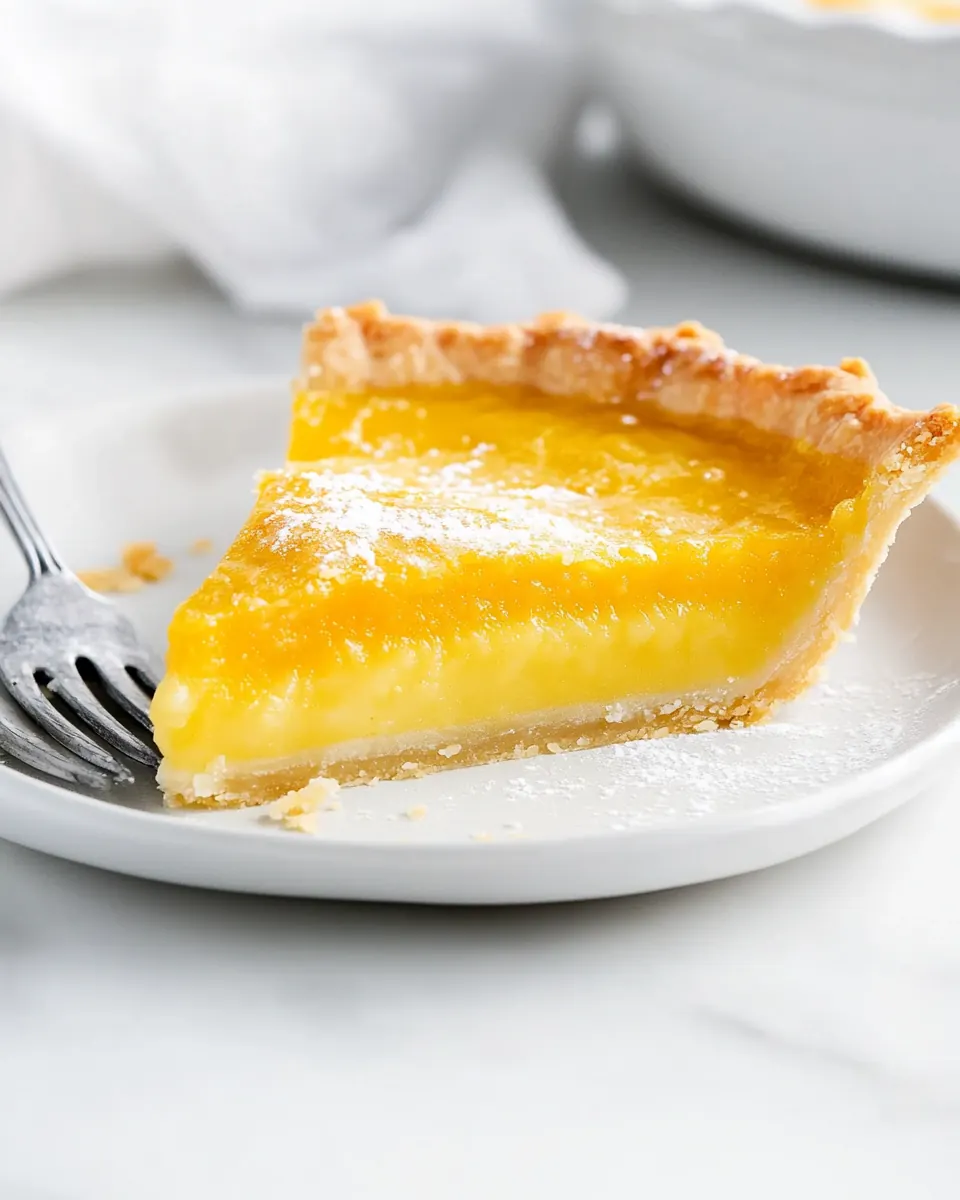
This section collects practical tips I use every time I bake Chess Pie. They save time, improve texture, and ensure consistent results, especially when you are sharing the pie with guests.
- Chill the pie shell: If using a homemade crust, keep it cold until the moment it goes into the oven to promote flakiness and reduce shrinkage during blind baking.
- Cool the melted butter slightly: Let the butter cool to warm so it blends smoothly without cooking the eggs when combined.
- Use a wire rack to cool: Allow the pie to cool on a rack so air circulates beneath, which prevents steam from making the crust soggy.
- Measure cornmeal finely: Using a slightly finer cornmeal prevents an overly coarse mouthfeel while preserving the traditional texture it provides.
- Tap out air bubbles: After pouring the filling, gently tap the pan to release trapped air for an even surface and fewer cratered spots.
- Dust sparingly: Apply confectioners’ sugar lightly at the end to complement, not overwhelm, the pie’s flavor.
Great Combinations for Chess Pie
Chess Pie pairs well with modest accompaniments that highlight its custardy nature. I often serve it simply, letting the pie be the star, but a few thoughtful additions can enhance the experience. Below I offer pairing ideas, occasions, and storage notes to help you serve this pie confidently.
- Simple Beverage Pairings: Offer tea or coffee alongside slices to balance the sweetness and provide a warm contrast to the pie’s cool texture after refrigeration.
- Occasions: This pie is great for family dinners, potlucks, and holiday dessert tables; its sturdy slices travel well and please a crowd.
- Serving Temperature: Serve at room temperature for the best texture; chilling straight from the fridge can mute flavors, so allow slices to come to room temperature for 15 to 30 minutes.
- Presentation: Dust with a light sprinkling of confectioners’ sugar just before serving to add a finishing touch without dominating the flavors.
- Storage: Store covered in the refrigerator for up to 2 days for optimal texture and flavor, or freeze wrapped tightly for up to 3 months and thaw overnight in the fridge before serving.
- Seasonal Pairings: In spring and summer, pair with simple fresh berries to introduce a tart contrast; in cooler months, serve alongside a warm beverage for cozy appeal.
FAQ
Conclusion
What makes Chess Pie special is its elegant simplicity, where a handful of pantry staples transform into a rich, buttery custard with a hint of lemon and a distinct cornmeal texture. This pie rewards patience and sensory baking, offering dependable results whether you are feeding family or bringing a dish to a gathering. Give it a try and let the comforting flavors remind you why simple desserts remain beloved. Slice slowly, share generously, and enjoy the small, sweet ritual of serving a timeless pie.

Chess Pie
Equipment
- Oven
- Pie dish or 9 inch pie pan
- Parchment Paper
- Pie weights or dried beans
- Mixing Bowl
- Whisk
- Wire Rack
Ingredients
- 1 (9-in) store-bought pie shell, thawed but cold (see note), or homemade pie crust Used as the structural vessel for the filling, providing a flaky or tender base and rim that holds the custard; can be store-bought for convenience or homemade for a fresher texture. Chill before filling to prevent shrinking and to help the crust bake evenly and develop a golden color. Blind-bake partially if recipe or personal preference calls for a crisper bottom and to avoid a soggy crust.
- 5 large eggs Provide richness and body to the custard, coagulating when baked to set the pie; large eggs ensure proper balance of fat and protein for a smooth, firm filling. Whisk thoroughly to incorporate air and create a homogeneous mixture so the pie sets evenly. Use at room temperature for better emulsification with the other wet ingredients.
- 1 3/4 cups granulated sugar Sweeten the filling and contribute to the classic dense, sweet profile of chess pie while also affecting texture by interacting with eggs and butter. Dissolve into the wet mixture to ensure consistent sweetness and help the custard achieve the right firmness when baked. Adjust slightly if you prefer a less-sweet finish, keeping proportions for proper structure.
- Zest of 1 lemon (a heaping teaspoon, packed) Brighten the filling with concentrated citrus aroma and lift the rich custard by adding fresh, fragrant oils from the peel; about a heaping teaspoon when packed gives a noticeable lemon character. Finely grate only the yellow portion to avoid bitterness, and add to the sugar or wet ingredients to distribute the zest evenly. Pair with the lemon juice for a coordinated citrus profile.
- 3 tablespoons lemon juice, from 1 to 2 lemons Add fresh acidity and tang that cuts through the sweetness and enhances overall flavor balance, with juice from 1 to 2 lemons yielding around 3 tablespoons. Stir into the custard mixture to provide brightness and help temper the richness of eggs and butter. Use freshly squeezed juice for the cleanest, most vibrant citrus flavor.
- 1 1/2 teaspoons vanilla extract Impart a warm, rounded vanilla aroma that complements the citrus and sweet elements, deepening the filling's overall flavor complexity. Stir into the custard after other liquids are combined to evenly disperse the extract without boiling off volatile compounds. Use pure vanilla extract for best quality and a natural flavor profile.
- 2 tablespoons cornmeal Provide a subtle, grainy texture and slight thickening that is traditional in many chess pie recipes, helping to give the filling a slightly sandy, pleasant mouthfeel. Mix into the dry ingredients or combine with sugar to prevent clumping before adding to the wet mixture. Use yellow or stone-ground cornmeal depending on desired coarseness.
- 1 tablespoon all-purpose flour Act as a small additional thickener and binder, helping stabilize the custard and improve its texture without affecting flavor significantly. Whisk with the cornmeal and sugar to ensure even distribution and to avoid lumps in the final filling. Contribute to a smooth, set consistency when baked.
- 1/2 teaspoon salt Enhance and balance flavors by moderating sweetness and rounding out the custard, while also contributing to the overall seasoning profile. Sprinkle into the dry mix or add with the flour to distribute evenly, ensuring the filling is neither flat nor overly sweet. Keep quantity modest to maintain the pie's sweet character.
- 1/2 cup (1 stick) unsalted butter, melted and cooled slightly Add rich buttery flavor and contribute fat that yields a silkier, more tender custard, helping the filling set with a smooth mouthfeel; melting and cooling slightly prevents cooking the eggs when combined. Pour slowly into the beaten eggs and sugar while whisking to create an emulsion and avoid curdling. Use unsalted butter to better control overall seasoning.
- Confectioners' sugar, for serving (optional) Provide a light, decorative finish when dusted over slices, adding a hint of extra sweetness and an attractive presentation touch; optional for those who prefer a sweeter look. Sprinkle just before serving to avoid melting into the warm filling, and use a fine sieve for an even dusting. Enhance visual contrast with the golden filling beneath.
Instructions
- Preheat the oven to 375°F (190°C) and set an oven rack in the middle position.: As you begin, you should smell the faint warmth of a heating oven and hear the quiet hum as it reaches temperature, which ensures even baking. Preheating is important because launching a cold crust into a hot oven helps form a crisp base, preventing sogginess. A common mistake is skipping full preheat, which can cause uneven browning and a raw interior. Make sure the rack is centered for balanced heat exposure.
- Blind bake the crust: Line the unbaked crust with parchment paper (if you crumple it up and then flatten it a bit, it will sit better inside the crust). Fill it with dried beans, rice, or pie weights to keep the dough flat and prevent puffing. Bake for 10 minutes, then carefully remove the parchment and weights. Continue baking for an additional 5 minutes to dry and lightly brown the bottom. Reduce the oven temperature to 325°F (165°C).: Line the unbaked crust with parchment paper and fill it with dried beans, rice, or pie weights : When you press the parchment into the shell, you will feel it snug against the edges, and the weights keep the dough from puffing up. Baking for 10 minutes sets the dough sufficiently so it holds shape, and removing the weights and baking an additional 5 minutes helps dry the bottom so the filling does not make it soggy. If you skip crumpling the parchment to fit, it may slide and expose parts of the crust, leading to uneven bake. Watch for a light golden rim as a cue that the crust is ready to proceed.
- Meanwhile, make the filling: Whisk the eggs in a large bowl until smooth. Whisk in the granulated sugar, lemon zest and juice, vanilla, cornmeal, flour, and salt until well combined. Whisk in the butter until the mixture is uniform.: Lowering the heat before the final bake prevents the custard from browning too quickly while allowing the center to set gently. You will notice the oven dials settling and the interior becoming more steady, which is essential for a smooth finish. A frequent error is leaving the oven too hot, which can cause cracking or an overly browned top. Allow a minute for the oven to reach the new temperature before introducing the filling.
- Whisk the filling briefly to recombine and pour into the par-baked pie shell. Bake until just set and the surface is golden (the center may jiggle just slightly when shaken), 50 to 55 minutes. Cool completely on wire rack, about 4 hours. Dust with confectioners’ sugar, if desired, and serve.: Whisk the eggs in a large bowl until smooth : The sound and rhythm of whisking should feel steady, with bubbles forming that signal aeration, but not so vigorous that you add too much air. Smooth eggs ensure a uniform custard base, and whisking also helps incorporate sugar more evenly. Overbeating can trap excess air, leading to an unstable set, so stop once the mixture looks cohesive and glossy.
- Whisk in the granulated sugar, lemon zest and juice, vanilla, cornmeal, flour, and salt until well combined: As you fold each ingredient in, inhale the citrus oils from the zest and notice how the batter gleams with sugar. The cornmeal and flour will make the mixture slightly grainy at first, but continued whisking distributes them evenly for a consistent texture. If the sugar does not dissolve, you may feel some grit, which indicates more stirring is needed. Proper blending prevents pockets of dry flour or cornmeal in the finished pie.
- Whisk in the butter until the mixture is uniform: Adding warm but not hot butter creates a silky emulsion. The filling should look glossy and flow smoothly when the bowl is tipped. If the butter is too hot, it can cook bits of egg, leading to a curdled appearance, so allow the butter to cool slightly first. If you see streaks of fat, keep whisking until fully incorporated for a harmonious texture.
- Whisk the filling briefly to recombine and pour into the par-baked pie shell: Pouring should be steady, and you might hear a faint glug as the mixture settles into the shell. The surface will look uniform and reflective, and small air bubbles will dissipate as you set the pie down. If you notice large air pockets, gently tap the pie on the counter to coax them out; failing to do so can leave uneven craters after baking.
- Bake until just set and the surface is golden, 50 to 55 minutes: During baking, the kitchen will fill with a toasty, buttery aroma and the surface will slowly take on a warm, golden color. The center should have a slight jiggle when you gently shake the pan, indicating the custard is not overcooked; it will continue to set as it cools. A common mistake is overbaking until fully firm, which yields a dry texture rather than a creamy one. Use the jiggle test and color cues rather than relying solely on time.
- Cool completely on wire rack, about 4 hours: The cooling phase is critical, and patience here produces clean slices and a properly set interior. As the pie cools, you will notice the residual steam diminish and the filling firm to a sliceable consistency. Rushing this step by cutting while warm often results in a runny center or collapsed slices. Leave it undisturbed so flavors meld and the structure stabilizes.
- Dust with confectioners' sugar, if desired, and serve: A fine dusting of confectioners' sugar adds a gentle sweetness and an elegant look, and the contrast between the matte sugar and glossy filling is visually appealing. Use a small sieve for an even application. Avoid adding too much sugar, which can mask the pie's nuanced lemon and buttery notes; a light sprinkle is all you need.
Notes
- Chill the pie shell: If using a homemade crust, keep it cold until the moment it goes into the oven to promote flakiness and reduce shrinkage during blind baking.
- Cool the melted butter slightly: Let the butter cool to warm so it blends smoothly without cooking the eggs when combined.
- Use a wire rack to cool: Allow the pie to cool on a rack so air circulates beneath, which prevents steam from making the crust soggy.
- Measure cornmeal finely: Using a slightly finer cornmeal prevents an overly coarse mouthfeel while preserving the traditional texture it provides.
- Tap out air bubbles: After pouring the filling, gently tap the pan to release trapped air for an even surface and fewer cratered spots.
- Dust sparingly: Apply confectioners' sugar lightly at the end to complement, not overwhelm, the pie's flavor.