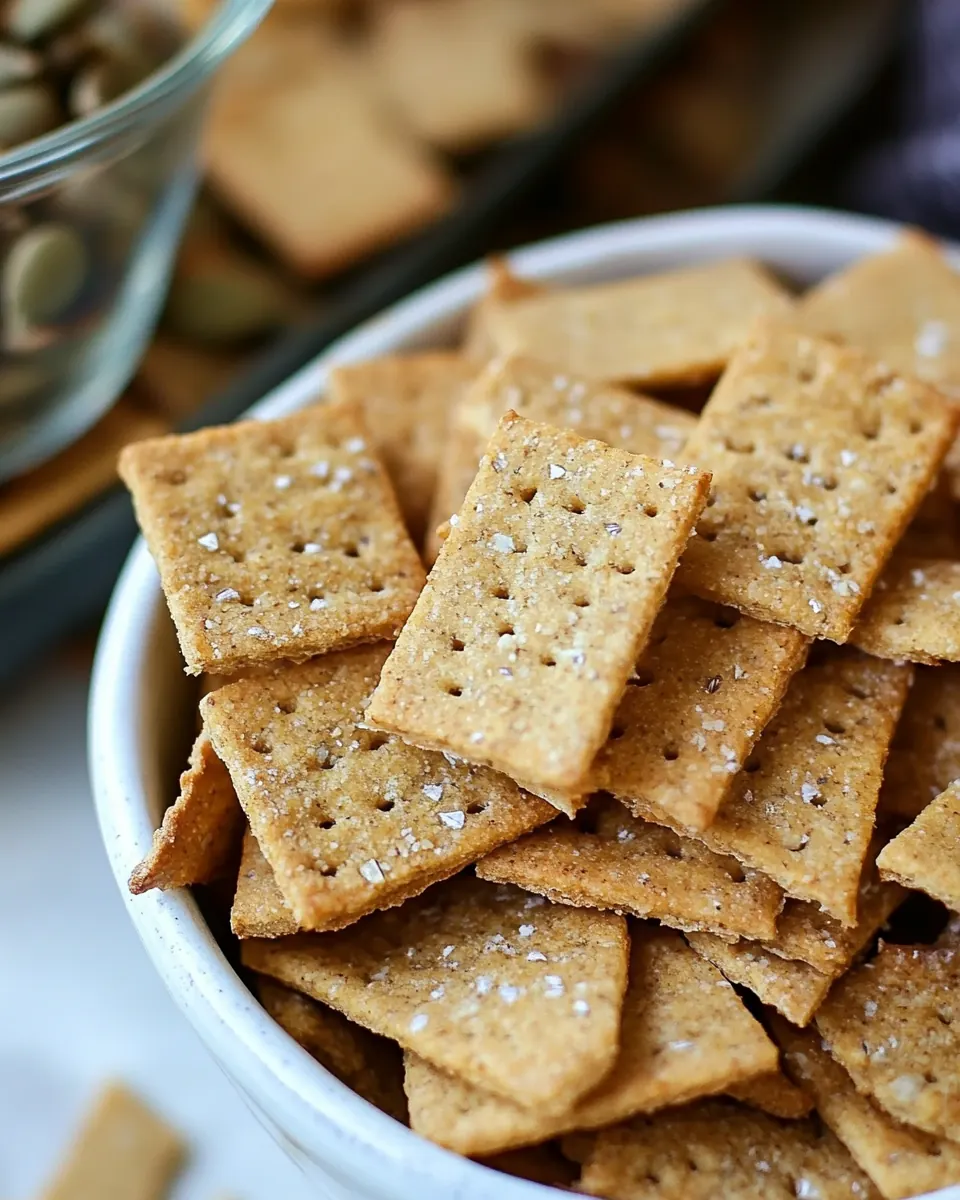
Cheesy Pumpkin Seed Crackers
Cheesy Pumpkin Seed Crackers sprang from one of those late autumn afternoons when I had a jar of raw pumpkin seeds and an insatiable craving for something crunchy and savory.
I was folding laundry while the oven warmed, thinking about how simple pantry items can transform into snackable treasures. The memory of a childhood cracker box, the salty snap when you bit in, nudged me to experiment. I wanted something that felt indulgent but stayed vegan, so I leaned into nutritional yeast for that cheesy hit and let the pumpkin seeds lend earthiness and body. I mixed, pulsed, rolled, and worried the dough might crack, but the process felt grounding, like a small ritual to mark the season.
Once they baked, the kitchen filled with a warm, toasty aroma that reminded me of campfire seeds and slow roasted squash. I sat at the counter, tea in hand, and listened to the crackers cool on the tray as they whispered their final crisp into being. Each bite was the kind of snack that asks for conversation, a bowl passed around friends, or a quiet moment with a good book. I kept tweaking the salt and the thickness until the texture felt just right, light yet substantial enough to scoop hummus.
Recipe Snapshot
30 mins
15 mins
15 mins
Medium
130 kcal
American
Vegan, Gluten-Free
Appetizers
Oven, Baking sheet, Parchment paper, Food processor, Rolling pin, Pizza wheel, Bench scraper, Fork, Wire cooling rack
What Makes This Cheesy Pumpkin Seed Crackers Special
Crunch with Character
I adore how Cheesy Pumpkin Seed Crackers manage to be both fragile and satisfying. The combination of pulsed pumpkin seeds and spelt flour gives a toothsome crunch that still melts gently on the tongue. When I bite into one, I notice layered textures, and that contrast is why I keep making them whenever the air turns crisp.
Vegan Umami, No Compromise
Using nutritional yeast delivers that savory, cheesy note without dairy. I often hear skepticism about vegan swaps, but these crackers prove that you do not need cheese to get depth. The tiny flakes of umami brighten each mouthful, making them excellent alone or paired with spreads.
Pantry Friendly and Flexible
Most of the time I can assemble this recipe from staples. The ingredient list is short and approachable, and I appreciate how forgiving the dough is. If you are short on time, the method lets you pulse and roll quickly, and the crackers still come out crisp and appealing. That reliability is a major reason I keep this recipe in heavy rotation.
Perfect for Gathering
These crackers travel well from kitchen to picnic blanket. I love how they maintain structure for dipping yet break with a satisfying snap. They are an easy item to double for a crowd, and I often bring a batch to casual get togethers because they pair beautifully with a wide range of toppings.
Textural and Sensory Rewards
Baking them releases a warm, toasty scent that fills the kitchen, and the Maldon sea salt on top forms tiny crystals that glitter and add a bright pop. The visual appeal of those salt flakes and the golden edges is immediate, and I always find guests reaching for them first.
What to Gather for Cheesy Pumpkin Seed Crackers
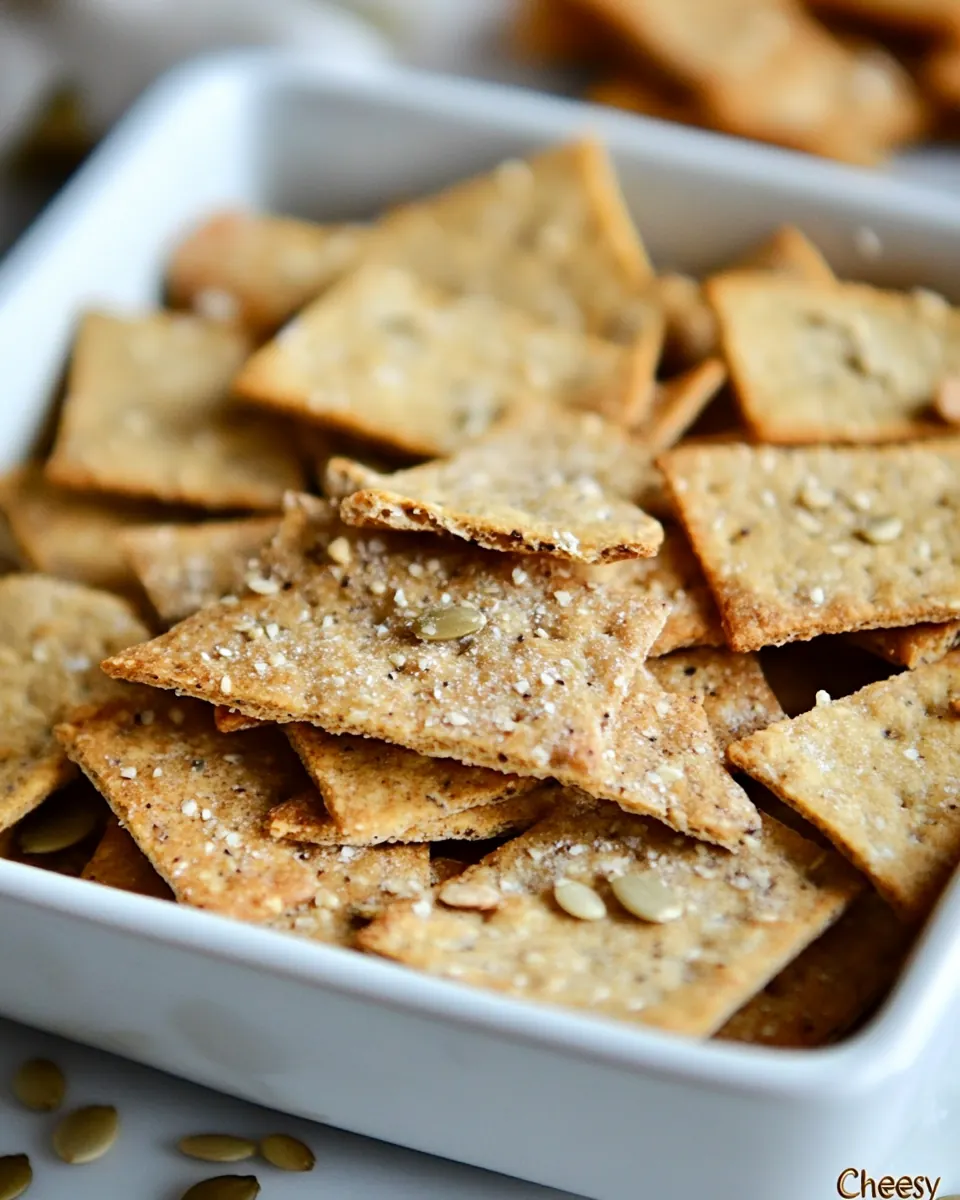
These ingredients are intentionally simple, chosen to create a balance of nutty depth, savory umami, and structural body. The key players are the pumpkin seeds which provide healthy fats and a distinct roasted quality after pulsing, the spelt flour that keeps the crackers light and crisp, and nutritional yeast which mimics cheesy notes without dairy. Small additions like garlic powder and sea salt round out the flavor, while avocado oil and cold water bring the dough together without weighing it down.
- 1/3 cup raw pumpkin seeds: Provide a crunchy, nutty base and contribute texture and toasty flavor when lightly toasted; also add healthy fats and protein that help enrich the cracker structure and mouthfeel.
- 2/3 cups spelt flour: Add bulk and a tender, slightly nutty crumb to the crackers while offering gluten-lite structure; spelt flour hydrates with liquids to form the dough and browns pleasingly on baking.
- 2 tbsp nutritional yeast: Impart a savory, cheese-like umami depth without dairy and help intensify overall savory flavor; nutritional yeast also contributes subtle thickness to the dough when mixed with dry ingredients.
- 1/2 tsp garlic powder: Deliver a warm, savory garlic note that uplifts the savory profile without adding moisture; garlic powder disperses evenly through the dough for balanced flavor in each bite.
- 1/2 tsp sea salt: Enhance and balance the overall flavors while subtly strengthening gluten development; sea salt seasons the crackers throughout the dough for a more satisfying taste.
- 1/4 tsp baking powder: Provide a light leavening boost that helps create slight lift and crispness; baking powder interacts with moisture and heat to prevent overly dense crackers.
- 3 tbsp avocado oil: Contribute smooth richness and tenderness to the dough while helping bind ingredients; avocado oil adds a neutral, slightly fruity fat that promotes flakiness and browning.
- 3 tbsp cold water: Hydrate the dough to the proper consistency for rolling and shaping while activating the leavening; cold water helps control dough temperature for a crisper final texture.
- 1 tsp Maldon sea salt, for topping the crackers: Add a bright, flaky finish and concentrated saline crunch on top of the baked crackers; Maldon sea salt enhances flavor perception and provides an attractive, crunchy garnish.
The Method for Cheesy Pumpkin Seed Crackers
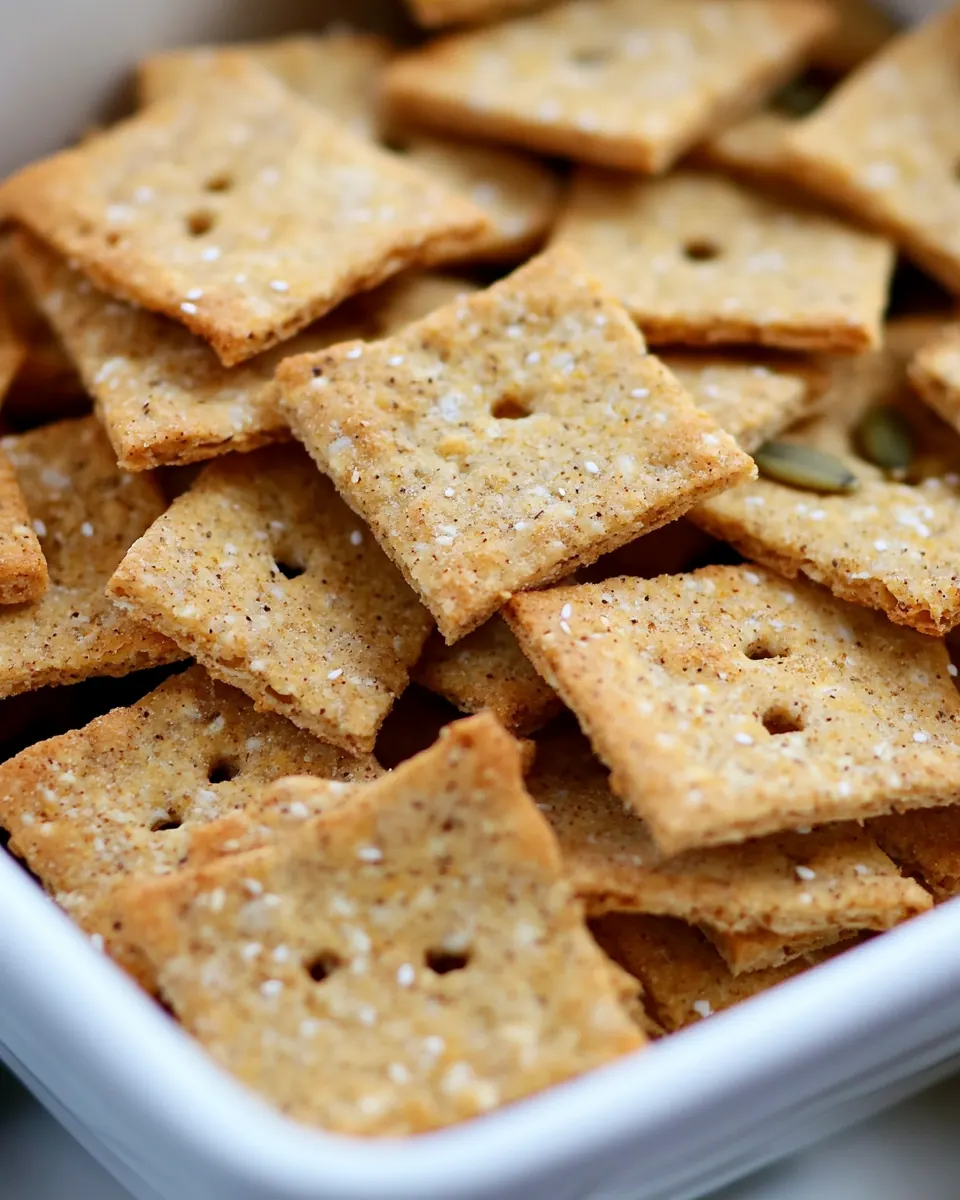
These steps are straightforward but rewarding, and I like to work methodically so each cracker ends up evenly baked. The directions below translate the original process into descriptive, sensory-driven instructions that help you master texture and flavor. Keep your workspace ready and listen for the subtle cues that tell you when each stage is done.
- Preheat the oven to 350°F and line a baking sheet with parchment paper.: As the oven warms, you will notice the faint mechanical hum of preheating and the air beginning to feel slightly warm near the oven door. This steady heat is crucial because it promotes even browning across the crackers, producing that attractive golden edge we want. A common error at this stage is waiting until the dough is rolled to preheat the oven, which can slow the process and affect texture; always preheat first so the baking sheet is ready. Make sure the rack is centered so heat circulates evenly, and use parchment to prevent sticking and make clean removal simple.
- In a food processor, blend the pumpkin seeds until they are a fine flour.: You will hear the motor pulse and see the seeds transform from distinct kernels into a fine, slightly grainy powder. The aroma becomes more pronounced, with warm, toasty notes surfacing as oils are released. This texture is important because it mimics nut flour, giving the crackers structure and nutty flavor. Avoid overprocessing into a paste, which can release too much oil and yield a greasy dough; pulse in short bursts and scrape down the sides as needed to check the consistency.
- Add the spelt flour, nutritional yeast, garlic powder, sea salt, and baking powder to the food processor bowl with the pumpkin seed flour and pulse a few times to blend.: After combining, you will sense a uniform, sandy mixture with the faint scent of yeast and garlic lifting gently. This dry mix ensures even distribution of flavors so no bite tastes underseasoned or overly intense. Watch for clumps of baking powder or uneven pockets of seasoning; pulsing several times helps eliminate these. A typical mistake here is pulsing too long, which can warm the mix and begin breaking down delicate flours, so keep the bursts short and controlled.
- Pour the avocado oil into the food processor and pulse to blend until the mixture resembles fine wet sand.: As you add the oil and pulse, the texture will shift, becoming slightly cohesive and pebbly, with tiny glints of oil visible. This tactile change is a sign that the fat is coating the dry ingredients, which helps create crisp layers during baking. If you skip this step or add too little oil, the crackers can be dry and crumbly. Conversely, too much oil makes the dough fatty and hard to roll. Aim for a sandy, barely-moist feel to the mixture.
- Next, add the cold water and pulse a few times, or until the dough begins to clump.: The addition of cold water is the moment the dough comes together, forming a cohesive mass that holds when pressed. Cold liquid keeps the fat slightly firm, helping create that tender, flaky texture after baking. You will notice the mixture forming into a ball when enough water is added, and the sound of the processor will change slightly to a quieter, more muffled pitch. A common pitfall is adding too much water; if the dough becomes sticky, chill it briefly before rolling to firm it up.
- Remove the dough from the food processor and form it into a firm ball.: Handling the dough lets you feel its elasticity and moisture; it should be smooth and not sticky. Forming a tight ball helps minimize air pockets and makes rolling easier. If it feels too crumbly, press it together and add a tiny splash of water, but do so cautiously. One mistake people make is overworking the dough with warm hands, which can soften the fats and alter the final crispness, so work briskly or chill the dough if needed.
- Place the dough ball on a sheet of parchment paper, and top with another sheet of parchment. Use a rolling pin to roll the dough into about 1/8 inch thin sheet. Peel the top layer of the parchment paper off of the dough.: Rolling between parchment prevents sticking and keeps the surface smooth. You will feel the dough spread evenly under the pin, and visually you want a uniform thickness so crackers bake at the same rate. Thinness is key for crispness, but if you go too thin the crackers can bake too fast and burn. Remove the top parchment carefully, so the sheet remains intact for later transfer.
- Sprinkle the Maldon sea salt over the dough, and gently press the salt into the top.: The salt crystals will look like tiny jewels against the dough, and pressing them in ensures they stay attached after baking. This step adds bright, crunchy bursts of flavor that contrast with the mellow base. Take care not to press too hard or you may compress the dough unevenly, creating spots that bake differently. If you prefer less salt, reduce the quantity, but the crystals are part of the sensory experience.
- Use a pizza wheel to cut the dough into about 1-inch small squares. You can cut them a little larger or smaller if you’d like, this does not have to be exact.: Cutting produces clean edges, and you will notice how the dough separates smoothly without tearing when properly hydrated. The sound of the wheel gliding and the visual of neat squares is satisfying, and consistent sizing helps all crackers finish cooking at the same time. A frequent misstep is pushing the wheel too hard and dragging the dough; use a confident, even motion to get sharp cuts.
- Use a bench scraper to gently remove the crackers from the parchment paper and place them onto the parchment paper-lined baking sheet. Allow at least 1/4 inch between each cracker. Gently prick each cracker with a fork.: Transferring them carefully preserves the crisp edges. The small air gap between crackers helps hot air circulate, ensuring even baking. Pricking with a fork prevents large air bubbles and encourages a uniform, flat surface. Rushing this transfer can cause cracks or misshapen pieces, so work patiently and maintain spacing for best results.
- Bake the crackers for 15 minutes, until fragrant and lightly browned.: As they bake you will notice a warm, toasty aroma and the edges developing a light golden color. The sound is subtle, but the change in color and the scent are reliable indicators that they are near done. Overbaking can lead to bitter notes, while underbaking yields limp crackers; check that the centers feel firm and the edges are golden to know they are ready. Rotate the sheet if your oven has hot spots for the most even finish.
- Allow the crackers to cool on the baking sheet for at least 15 minutes before enjoying or moving to a wire cooling rack to cool completely. They will continue to crisp up as they cool.: Cooling is where the magic of crisping finishes. You will hear tiny clicks and see steam dissipate as moisture leaves the crackers, firming them to the perfect snap. Moving them too soon can cause breakage, and tasting before they cool fully may give a misleadingly soft texture. Patience here pays off; wait for them to come to room temperature for maximum crunch.
Variations to Try
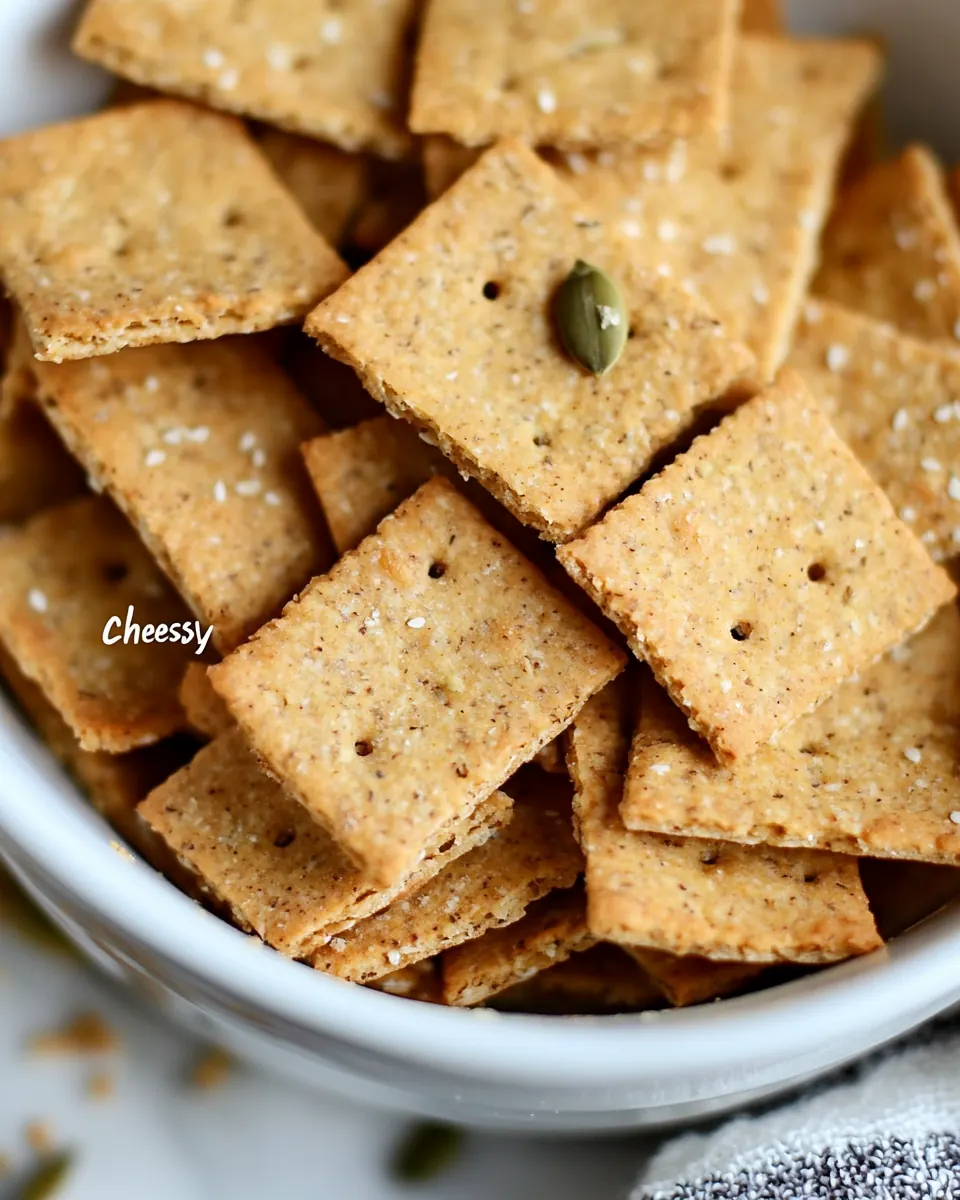
If you enjoy experimenting, these variations let you nudge the flavor or texture without changing the soul of the recipe. I often tweak one element at a time so I can taste the difference and decide which direction I prefer. Below are focused, practical ideas to personalize your batch while keeping the method intact.
- Swap the flour: Try replacing part of the spelt flour with another whole grain flour, keeping the total weight similar, to add rustic texture while maintaining crispness.
- Adjust the salt finish: Use less Maldon sea salt on top for a milder finish or scatter a few seeds for visual interest while preserving the dough seasoning.
- Make them thinner or thicker: Roll to a slightly thinner sheet for crisp, delicate crackers or a touch thicker for a heartier bite suited to sturdy dips.
- Chill the dough before rolling: Allowing the dough to rest in the fridge firms it, making rolling and cutting neater and often improving final texture.
- Double the batch safely: Scale ingredients linearly and pulse in batches in the processor to keep texture consistent across a larger quantity.
Serving Options for Cheesy Pumpkin Seed Crackers
These crackers are wonderfully versatile and can be dressed up or kept simple depending on the occasion. I enjoy presenting them as an appetizer, a snack with tea, or part of a shared platter during gatherings. They store well, making them handy for busy weeks or planned events. Below are detailed serving ideas and storage suggestions laid out to inspire how you might enjoy them.
- Snack bowl for casual gatherings: Arrange a bowl of Cheesy Pumpkin Seed Crackers with small dishes of spreads and pickles for a mix and match experience that guests can graze on throughout the evening.
- Appetizer platter: Line a wooden board with crackers, then add bowls of hummus, olive tapenade, and fresh vegetables to create a composed starter for dinner parties or holiday spreads.
- Lunchbox addition: Pack a handful alongside sliced fruit and a small salad to add crunch and savory balance to midday meals, keeping them in an airtight container to retain crispness.
- Ramadan or seasonal snack: These crackers make a light, nutritious option for iftar or seasonal snack times when you want something satisfying yet not heavy; pair with a protein rich dip to feel nourished.
- Storage tips: Store leftovers in an airtight container at room temperature for up to two weeks, or freeze in a freezer safe container for up to three months, then defrost before serving to refresh the texture.
- Occasion pairings: Use them at picnics, potlucks, or as part of a cheese free grazing board where their nutty, savory profile complements olives, dried fruit, and roasted vegetables.
FAQ
Conclusion
What makes this recipe special is the way humble pantry ingredients transform into a cracker that is both deeply flavorful and satisfyingly crunchy. With the nutty body from ground pumpkin seeds, the tender structure of spelt flour, and the savory lift from nutritional yeast, these crackers deliver big personality from a small ingredient list. Give them a try because they are easy to assemble, forgiving to make, and they store beautifully so you can enjoy a wholesome snack any time. I hope these crackers become a regular part of your snack repertoire, whether you are craving something simple or planning a cozy gathering with friends.
Cheesy Pumpkin Seed Crackers
Equipment
- Oven
- Baking Sheet
- Parchment Paper
- Food Processor
- Rolling Pin
- Pizza wheel
- Bench scraper
- Fork
- wire cooling rack
Ingredients
- 1/3 cup raw pumpkin seeds Provide a crunchy, nutty base and contribute texture and toasty flavor when lightly toasted; also add healthy fats and protein that help enrich the cracker structure and mouthfeel.
- 2/3 cups spelt flour Add bulk and a tender, slightly nutty crumb to the crackers while offering gluten-lite structure; spelt flour hydrates with liquids to form the dough and browns pleasingly on baking.
- 2 tbsp nutritional yeast Impart a savory, cheese-like umami depth without dairy and help intensify overall savory flavor; nutritional yeast also contributes subtle thickness to the dough when mixed with dry ingredients.
- 1/2 tsp garlic powder Deliver a warm, savory garlic note that uplifts the savory profile without adding moisture; garlic powder disperses evenly through the dough for balanced flavor in each bite.
- 1/2 tsp sea salt Enhance and balance the overall flavors while subtly strengthening gluten development; sea salt seasons the crackers throughout the dough for a more satisfying taste.
- 1/4 tsp baking powder Provide a light leavening boost that helps create slight lift and crispness; baking powder interacts with moisture and heat to prevent overly dense crackers.
- 3 tbsp avocado oil Contribute smooth richness and tenderness to the dough while helping bind ingredients; avocado oil adds a neutral, slightly fruity fat that promotes flakiness and browning.
- 3 tbsp cold water Hydrate the dough to the proper consistency for rolling and shaping while activating the leavening; cold water helps control dough temperature for a crisper final texture.
- 1 tsp Maldon sea salt, for topping the crackers Add a bright, flaky finish and concentrated saline crunch on top of the baked crackers; Maldon sea salt enhances flavor perception and provides an attractive, crunchy garnish.
Instructions
- Preheat the oven to 350°F and line a baking sheet with parchment paper.: As the oven warms, you will notice the faint mechanical hum of preheating and the air beginning to feel slightly warm near the oven door. This steady heat is crucial because it promotes even browning across the crackers, producing that attractive golden edge we want. A common error at this stage is waiting until the dough is rolled to preheat the oven, which can slow the process and affect texture; always preheat first so the baking sheet is ready. Make sure the rack is centered so heat circulates evenly, and use parchment to prevent sticking and make clean removal simple.
- In a food processor, blend the pumpkin seeds until they are a fine flour.: You will hear the motor pulse and see the seeds transform from distinct kernels into a fine, slightly grainy powder. The aroma becomes more pronounced, with warm, toasty notes surfacing as oils are released. This texture is important because it mimics nut flour, giving the crackers structure and nutty flavor. Avoid overprocessing into a paste, which can release too much oil and yield a greasy dough; pulse in short bursts and scrape down the sides as needed to check the consistency.
- Add the spelt flour, nutritional yeast, garlic powder, sea salt, and baking powder to the food processor bowl with the pumpkin seed flour and pulse a few times to blend.: After combining, you will sense a uniform, sandy mixture with the faint scent of yeast and garlic lifting gently. This dry mix ensures even distribution of flavors so no bite tastes underseasoned or overly intense. Watch for clumps of baking powder or uneven pockets of seasoning; pulsing several times helps eliminate these. A typical mistake here is pulsing too long, which can warm the mix and begin breaking down delicate flours, so keep the bursts short and controlled.
- Pour the avocado oil into the food processor and pulse to blend until the mixture resembles fine wet sand.: As you add the oil and pulse, the texture will shift, becoming slightly cohesive and pebbly, with tiny glints of oil visible. This tactile change is a sign that the fat is coating the dry ingredients, which helps create crisp layers during baking. If you skip this step or add too little oil, the crackers can be dry and crumbly. Conversely, too much oil makes the dough fatty and hard to roll. Aim for a sandy, barely-moist feel to the mixture.
- Next, add the cold water and pulse a few times, or until the dough begins to clump.: The addition of cold water is the moment the dough comes together, forming a cohesive mass that holds when pressed. Cold liquid keeps the fat slightly firm, helping create that tender, flaky texture after baking. You will notice the mixture forming into a ball when enough water is added, and the sound of the processor will change slightly to a quieter, more muffled pitch. A common pitfall is adding too much water; if the dough becomes sticky, chill it briefly before rolling to firm it up.
- Remove the dough from the food processor and form it into a firm ball.: Handling the dough lets you feel its elasticity and moisture; it should be smooth and not sticky. Forming a tight ball helps minimize air pockets and makes rolling easier. If it feels too crumbly, press it together and add a tiny splash of water, but do so cautiously. One mistake people make is overworking the dough with warm hands, which can soften the fats and alter the final crispness, so work briskly or chill the dough if needed.
- Place the dough ball on a sheet of parchment paper, and top with another sheet of parchment. Use a rolling pin to roll the dough into about 1/8 inch thin sheet. Peel the top layer of the parchment paper off of the dough.: Rolling between parchment prevents sticking and keeps the surface smooth. You will feel the dough spread evenly under the pin, and visually you want a uniform thickness so crackers bake at the same rate. Thinness is key for crispness, but if you go too thin the crackers can bake too fast and burn. Remove the top parchment carefully, so the sheet remains intact for later transfer.
- Sprinkle the Maldon sea salt over the dough, and gently press the salt into the top.: The salt crystals will look like tiny jewels against the dough, and pressing them in ensures they stay attached after baking. This step adds bright, crunchy bursts of flavor that contrast with the mellow base. Take care not to press too hard or you may compress the dough unevenly, creating spots that bake differently. If you prefer less salt, reduce the quantity, but the crystals are part of the sensory experience.
- Use a pizza wheel to cut the dough into about 1-inch small squares. You can cut them a little larger or smaller if you’d like, this does not have to be exact.: Cutting produces clean edges, and you will notice how the dough separates smoothly without tearing when properly hydrated. The sound of the wheel gliding and the visual of neat squares is satisfying, and consistent sizing helps all crackers finish cooking at the same time. A frequent misstep is pushing the wheel too hard and dragging the dough; use a confident, even motion to get sharp cuts.
- Use a bench scraper to gently remove the crackers from the parchment paper and place them onto the parchment paper-lined baking sheet. Allow at least 1/4 inch between each cracker. Gently prick each cracker with a fork.: Transferring them carefully preserves the crisp edges. The small air gap between crackers helps hot air circulate, ensuring even baking. Pricking with a fork prevents large air bubbles and encourages a uniform, flat surface. Rushing this transfer can cause cracks or misshapen pieces, so work patiently and maintain spacing for best results.
- Bake the crackers for 15 minutes, until fragrant and lightly browned.: As they bake you will notice a warm, toasty aroma and the edges developing a light golden color. The sound is subtle, but the change in color and the scent are reliable indicators that they are near done. Overbaking can lead to bitter notes, while underbaking yields limp crackers; check that the centers feel firm and the edges are golden to know they are ready. Rotate the sheet if your oven has hot spots for the most even finish.
- Allow the crackers to cool on the baking sheet for at least 15 minutes before enjoying or moving to a wire cooling rack to cool completely. They will continue to crisp up as they cool.: Cooling is where the magic of crisping finishes. You will hear tiny clicks and see steam dissipate as moisture leaves the crackers, firming them to the perfect snap. Moving them too soon can cause breakage, and tasting before they cool fully may give a misleadingly soft texture. Patience here pays off; wait for them to come to room temperature for maximum crunch.
Notes
- Swap the flour: Try replacing part of the spelt flour with another whole grain flour, keeping the total weight similar, to add rustic texture while maintaining crispness.
- Adjust the salt finish: Use less Maldon sea salt on top for a milder finish or scatter a few seeds for visual interest while preserving the dough seasoning.
- Make them thinner or thicker: Roll to a slightly thinner sheet for crisp, delicate crackers or a touch thicker for a heartier bite suited to sturdy dips.
- Chill the dough before rolling: Allowing the dough to rest in the fridge firms it, making rolling and cutting neater and often improving final texture.
- Double the batch safely: Scale ingredients linearly and pulse in batches in the processor to keep texture consistent across a larger quantity.