Chickpea Soup
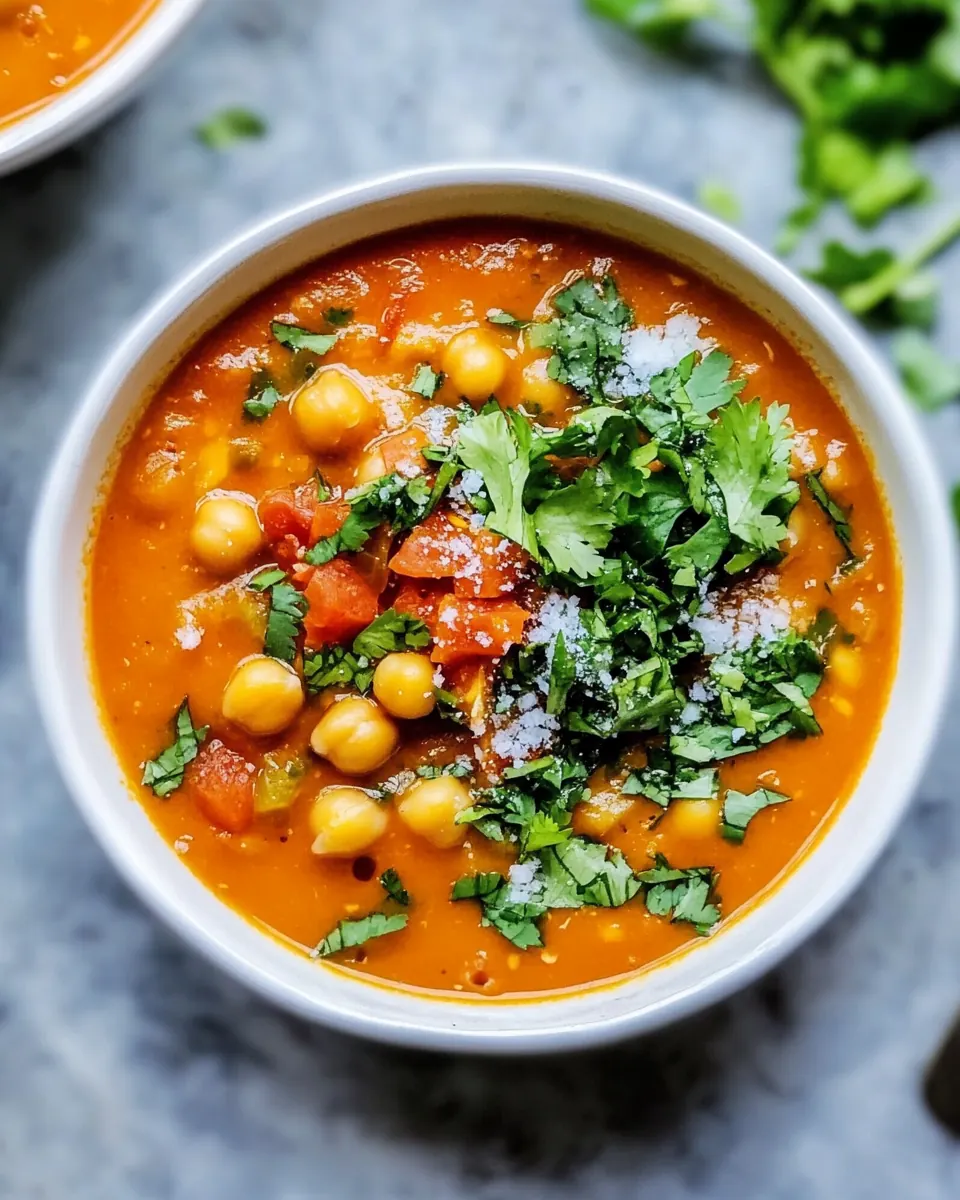
Chickpea Soup has been one of those bowls I reach for whenever I want something that feels like a hug and still tastes vibrant.
I first made this version after a long winter market run, my hands cold and my bag heavy with root vegetables, and I wanted something bright but comforting. That first simmer filled my kitchen with warm spices and the mellow scent of coconut, and I remember thinking how a single pot could transform simple pantry staples into something memorable. Over time I tweaked the balance of spices and texture so the chickpea soup is both creamy and slightly toothsome, with chickpeas that hold their own against the puréed base. Each spoonful carries soft carrots, tender lentils, and the gentle hum of curry, so it never feels one dimensional.
When I serve this, I usually set out wedges of lemon, fresh cilantro, and a small bowl of reserved coconut milk so guests can personalize their bowls. It’s become my go to for casual weeknight dinners and for serving when friends drop by on chilly afternoons. The recipe is forgiving, and that freedom is what makes it a keeper in my kitchen. I love that it’s easy to scale up, and the flavors actually deepen if you let it sit overnight, which is perfect for planning ahead. Whether you want a solo bowl with toast or a communal pot for company, this soup hits the spot every time.
Recipe Snapshot
40 mins
15 mins
25 mins
Easy
250 kcal
Mediterranean
Vegan, Gluten-Free
Soups
Large pot, Blender
Why We Love This Chickpea Soup
Comfort without heaviness
I love how Chickpea Soup manages to feel rich without weighing you down. The combination of coconut and puréed lentils creates a silky mouthfeel that still lets the chickpeas keep their bite. I often pick this when I want something filling that does not leave you sluggish afterward.
Pantry friendly and reliable
One of the reasons I return to this recipe is its pantry confidence. Canned chickpeas, red lentils, crushed tomatoes, and a can of coconut milk mean you can pull this together even on a busy evening. I appreciate recipes that save the day without a last minute grocery run, and this one reliably does.
Layered spice profile
I’m drawn to how simple spices like curry powder, cumin, and paprika build warmth and complexity. They mingle with fresh garlic and ginger to produce aroma and depth. It’s an approach I favor, because each spice plays a clear role, creating a soup that evolves with each spoonful.
Texture play
This recipe balances puréed base with whole legumes, so you get creamy and textured elements together. I enjoy that contrast, it keeps every bite interesting and prevents monotony. It’s a small trick that makes the bowl feel thoughtfully composed.
Make ahead and adaptable
I often prepare this a day ahead because the flavors marry beautifully overnight. It reheats gently on the stove, and adding a splash of water or stock restores the ideal consistency. For gatherings, I like that you can finish with bright toppings for freshness and color.
Main Ingredients for Chickpea Soup
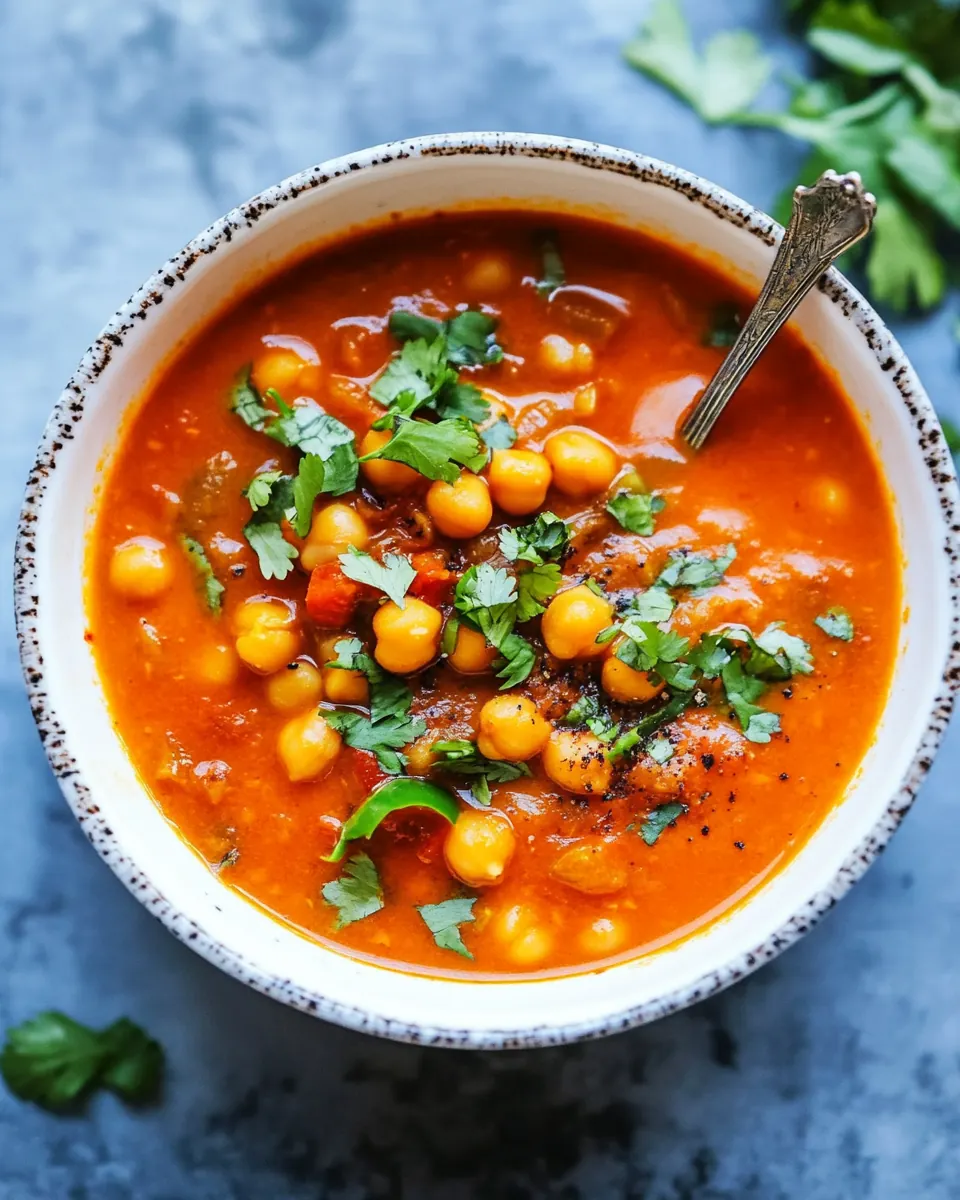
These ingredients form a harmonious pantry driven soup. I focus on a few key players: legumes for body, coconut for creaminess, and warm spices for personality. Together they build a bowl that is nourishing and balanced, with each component supporting the others rather than competing.
- 2 tablespoons coconut oil or olive oil: Melt and coat the pot to sauté aromatics and prevent sticking while adding a subtle richness and mild flavor to the base of the soup.
- 1 cup diced yellow onion: Provide a sweet, savory foundation when softened; dice finely to release natural sugars and build depth in the soup's flavor profile.
- 1 cup diced carrots: Add earthy sweetness and texture when diced; sauté until tender to contribute body and balance to the curry-spiced broth.
- 1 tablespoon finely minced garlic: Infuse pungent, savory aroma when finely minced; stir in early to bloom flavors and create a fragrant background for the soup.
- 1 tablespoon minced ginger: Contribute warm, zesty brightness when minced; cook briefly to mellow raw sharpness and enhance the soup's aromatic complexity.
- 2 tablespoons tomato paste: Concentrate tomato flavor and add umami depth; stir in to thicken the broth slightly and provide a rich, savory backbone.
- 1 tablespoon yellow curry powder: Impart warm, aromatic curry flavor and color; sprinkle in to define the soup's primary spice character and aromatic profile.
- 1 teaspoon ground cumin: Lend warm earthiness and a slight nutty note; add to complement curry flavors and deepen the overall savory complexity.
- 1 teaspoon paprika: Provide sweet-smoky warmth and color; include to round out spice layers and accentuate roasted or smoky notes in the broth.
- 1/4 teaspoon red pepper flakes (optional): Introduce optional heat and a touch of lingering spice; add sparingly to control the soup's overall spiciness to taste.
- 1 teaspoon salt: Enhance and balance flavors by seasoning the broth; dissolve fully to bring out sweetness and savory elements in the soup.
- 1/4 teaspoon pepper: Brighten and balance the soup with subtle sharpness; adjust to taste to harmonize salty and aromatic components.
- 4 cups vegetable stock or chicken stock: Create the liquid base and deliver savory depth; use as the primary cooking medium to meld spices, legumes, and vegetables.
- 1 (14.5-ounce) can fire-roasted crushed tomatoes: Add bright tomato flavor and chunky texture; stir in canned crushed tomatoes to contribute acidity and body to the soup.
- 1/2 cup red lentils see note 1: Thicken and slightly sweeten the broth while adding protein-friendly starch; rinse before use if needed and cook until tender.
- 2 (15.5-ounce) cans chickpeas drained and rinsed: Provide hearty protein and creamy texture when drained and rinsed; simmer to absorb flavors and contribute substantial body.
- 1 (13.5-ounce) can coconut milk full-fat, divided, see note 2: Add rich creaminess and subtle coconut sweetness; reserve some for finishing to create a silky mouthfeel and balanced richness.
- Toppings as desired see note 3: Offer fresh contrast and finishing touches such as herbs, citrus, or crunchy elements; customize to add color, texture, and brightness.
Cooking Instructions for Chickpea Soup
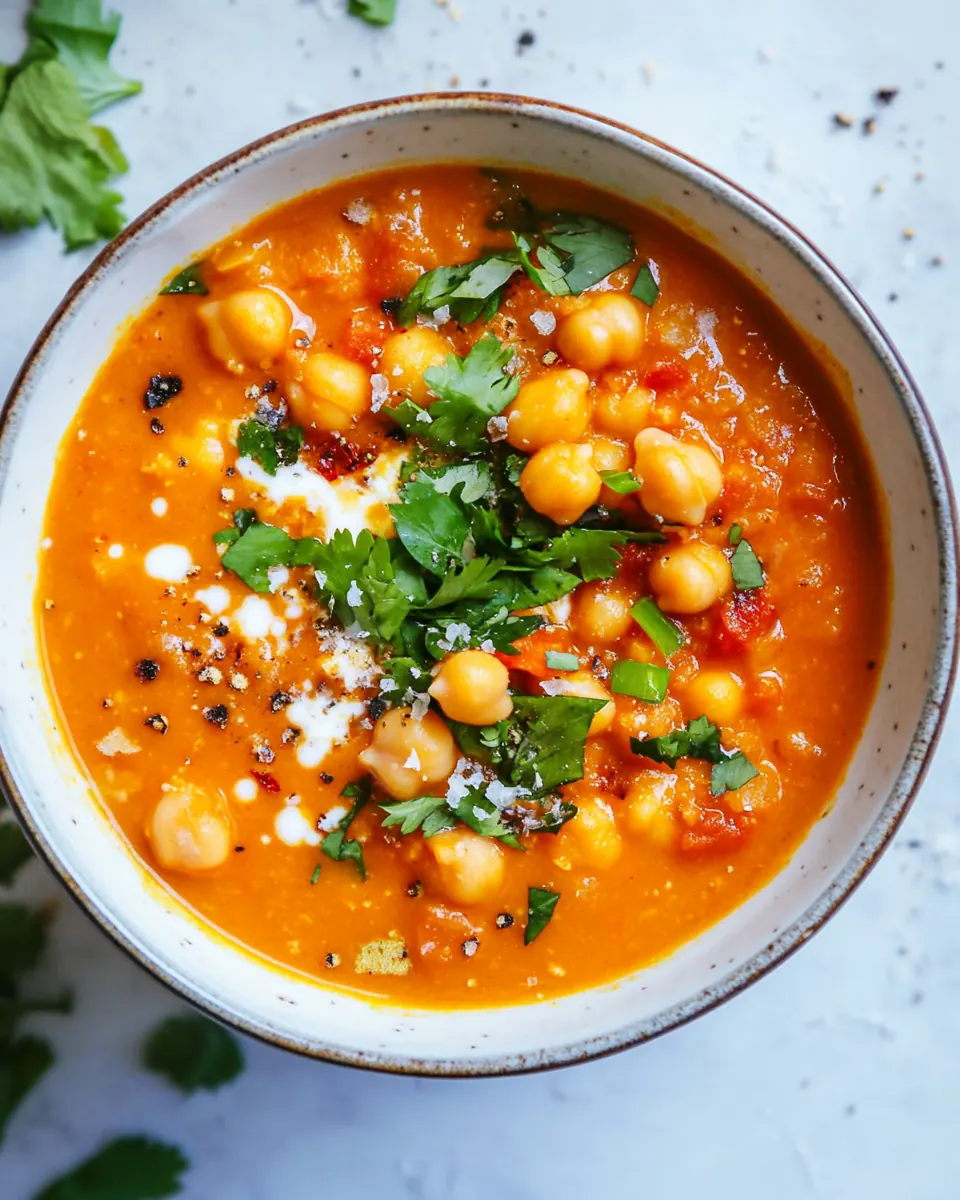
This method is straightforward and forgiving, and you will be rewarded for slow, attentive cooking. I like to work in stages, building aroma at each turn so the final bowl feels layered and complete.
- Open can of coconut milk and stir well. Remove 1/3 cup of coconut milk and set aside for later.: As you stir, you will notice the cream rising and the liquid becoming glossy, which helps later when you want a silky garnish. Set aside 1/3 cup so the reserved coconut remains cool and visibly bright when drizzled on finished bowls. A common misstep is shaking the can vigorously, which can create splatters when opened; instead, gently stir with a spoon. The why here is simple, the separated fats if unmixed will give uneven texture, and reserving some creates a pretty finishing touch.
- In a large pot, heat the oil over medium heat. Add the onions and carrots. Season to preference with salt and pepper. Cook, stirring occasionally, until tender, about 8–10 minutes. Add garlic, ginger, curry powder, cumin, paprika, optional red pepper flakes, salt, pepper, and tomato paste. Cook, stirring frequently until very fragrant, about 2–4 minutes. Add in can of undrained crushed tomatoes and cook, mixing and scraping any browned bits off the bottom of the pan for 1 minute.: You should hear a gentle sizzle as the onion and carrots hit the pan and see the edges turn translucent and slightly golden, releasing a sweet aroma. Stirring occasionally prevents sticking and promotes even caramelization. This step builds the soup’s flavor base by coaxing natural sugars out of the vegetables. Avoid rushing with a too high flame, which could char the outsides while leaving centers raw, and make sure the oil is warmed but not smoking before adding the vegetables.
- Add red lentils, vegetable stock, and all the coconut milk except the set aside 1/3 cup. Bring to a boil. As soon as it boils, cover the pot and reduce heat to low. Simmer for 10 minutes. Add chickpeas, return lid to the pot, and cook 10 more minutes. Remove lid and carefully transfer 2 cups of the soup to a blender and purée until smooth.: As the spices bloom, they will perfume the kitchen with toasty, warm notes and the tomato paste will darken slightly, indicating that its raw edge has softened. Stir constantly to avoid burning the spices which would impart bitterness. This brief toasting mellows the spices and releases essential oils that flavor the entire pot. If you smell anything acrid, lower the heat immediately, because burnt spices cannot be rescued.
- Add the puréed soup back to the pot and stir in the lemon zest, lemon juice, and cilantro. Taste and adjust the seasoning as needed. If you prefer a thicker soup, blend it a bit more. Ladle the soup into bowls, drizzle reserved coconut milk on top, and serve with extra fresh cilantro, mint, and lemon wedges.: The tomatoes will bubble and loosen the browned fond, which carries concentrated flavor into the broth. Use a wooden spoon to scrape and incorporate those browned bits, they are pure savory gold. Simmering briefly melds the tomato with the spices, creating a cohesive base. A mistake here is skimming off the fond, losing that deep flavor; instead, dissolve it into the sauce.
- Add red lentils, vegetable stock, and all the coconut milk except the set aside 1/3 cup. Bring to a boil: You will see the red lentils swell and begin to release starches almost immediately, and the broth will take on a creamier appearance as the coconut disperses. Bringing to a vigorous boil ensures the lentils start cooking evenly. Watch the pot during this stage to prevent boil overs, and use medium high heat to reach a boil efficiently.
- As soon as it boils, cover the pot and reduce heat to low. Simmer for 10 minutes: On low the soup should maintain a gentle simmer, with small bubbles rising steadily. This controlled simmer allows the lentils to soften and integrate without breaking into complete mush. It also helps the flavors marry slowly and steadily. If you simmer too vigorously, the lentils may break down too quickly and make the texture gummy, so keep a gentle simmer.
- Add chickpeas, return lid to the pot, and cook 10 more minutes: Adding the canned chickpeas later keeps them pleasantly chewy rather than falling apart, which creates textural contrast with the puréed base. During this second simmer the chickpeas warm through and pick up the surrounding spice notes. If you prefer softer legumes, you can add them earlier, but expect a more homogeneous texture. A common error is not rinsing canned chickpeas, which can add a metallic or overly salty note, so rinse well before adding.
- Remove lid and carefully transfer 2 cups of the soup to a blender and purée until smooth: When you blend hot liquid, you will first hear a rush and then a steady hum as the mixture becomes glossy and lump free. Puréeing brightens the texture and thickens the body by breaking down the lentils and veggies. To avoid steam pressure build up, hold the blender lid with a towel and start at low speed, increasing gradually. Never fill the blender more than half full with hot liquid, or you risk splatter burns.
- Add the puréed soup back to the pot and stir in the lemon zest, lemon juice, and cilantro: The return of the silken purée will immediately transform the pot, creating a smooth, cohesive broth with suspended bits of whole chickpeas . Lemon zest and juice lift the heavy flavors and add a bright counterpoint, while cilantro offers an herbal finish. Stir until evenly combined and taste to adjust seasoning. If the soup tastes flat, more acid often helps; if overly sharp, a pinch more salt can balance it.
- Taste and adjust the seasoning as needed. If you prefer a thicker soup, blend it a bit more: This tasting moment is crucial, because simmering and blending change perception of salt, heat, and acidity. Adjust salt, pepper, or a squeeze more lemon to refine the balance. If the soup becomes too thick upon standing, thin with a splash of stock and rewarm gently. A frequent misstep is over salting before reductions or blending, so season cautiously and recheck at the end.
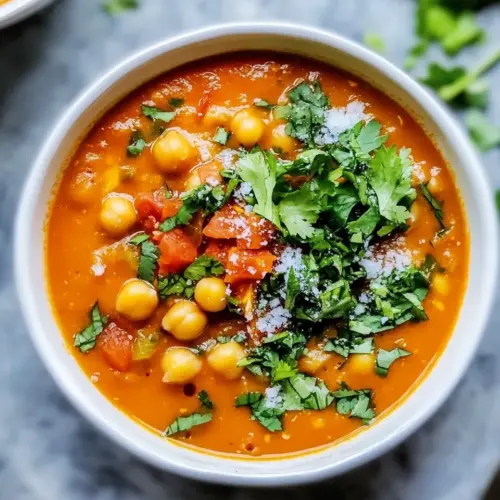
- Ladle the soup into bowls, drizzle reserved coconut milk on top, and serve with extra fresh cilantro, mint, and lemon wedges: The final presentation adds contrast, the white swirl of coconut against warm orange broth signals creaminess, and the bright herbs and lemon visually and flavorwise elevate the bowl. I like to offer extra garnishes so everyone tailors bowls to their taste. Avoid adding garnishes too early if you plan to store leftovers, as herbs will wilt and lose vibrancy.
Expert Tips about Chickpea Soup
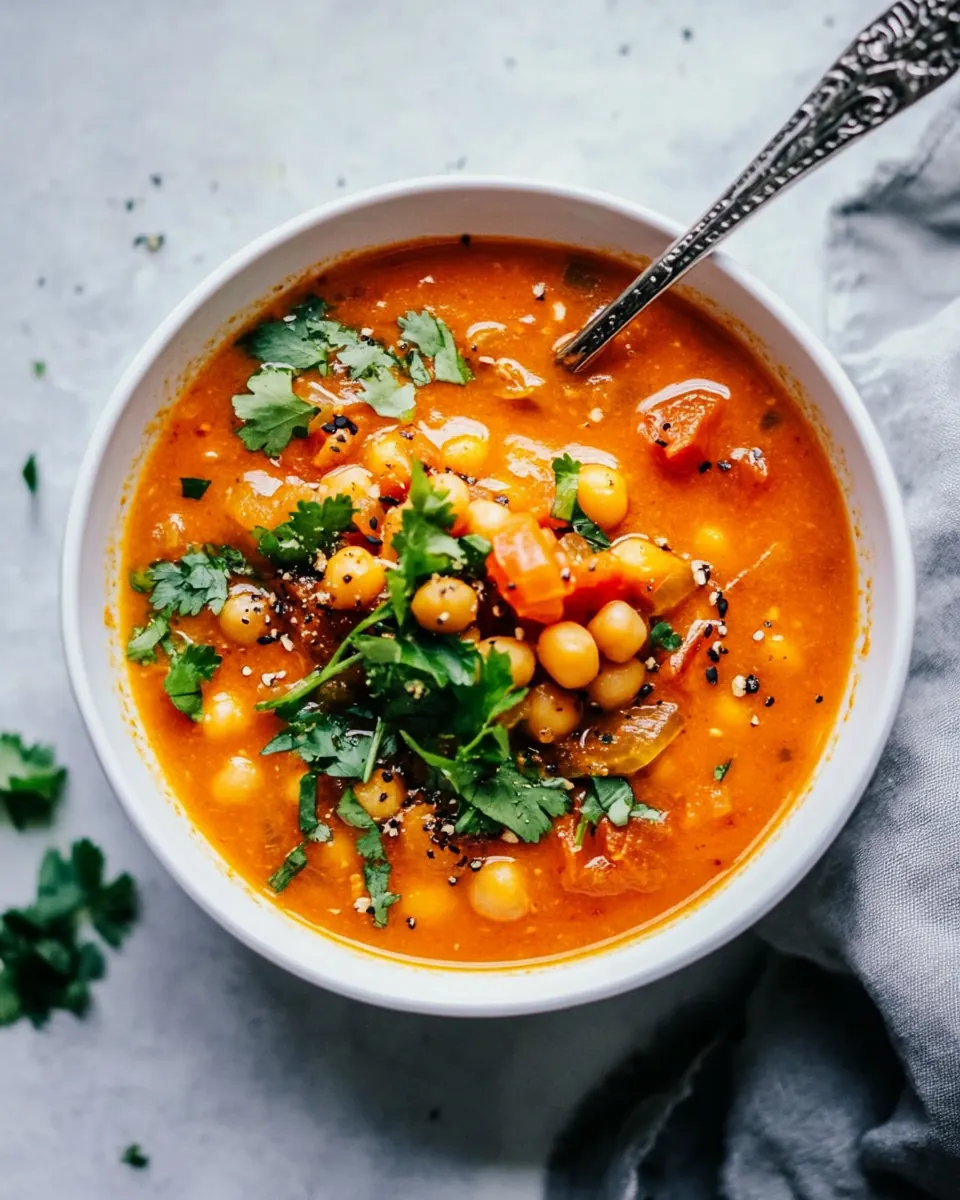
I like to think of these tips as little nudges that help you get the most from the recipe. They focus on texture, timing, and finishing touches so your final bowl looks and tastes its best.
- Blooming spices: Toast the curry powder, cumin, and paprika briefly in the oil to release their essential oils, which deepens aroma and flavor across the soup.
- Reserved coconut: Save a small amount of the coconut milk to drizzle on top for a visually pleasing swirl and a cool contrast to the warm broth.
- Control the heat: Keep the sauté on medium to medium low so aromatics soften without burning, which preserves sweetness and avoids bitterness.
- Rinse lentils and chickpeas: Rinsing removes dust and excess canning liquid, improving the final clean flavor of the soup.
- Finish with acid: A squeeze of lemon brightens the bowl and balances richness, so always taste and add acid at the end.
How to Enjoy Chickpea Soup
This soup is flexible for many occasions and plates up beautifully with simple accompaniments. I usually present it with a few topping options so guests can customize their bowls to taste.
- Weeknight dinner: Serve bowls with crusty bread for dipping, and a simple green salad to round out the meal.
- Entertaining: Offer lemon wedges, chopped cilantro, and a bowl of reserved coconut milk so guests can garnish to personal preference.
- Special occasions: It works well for cozy winter gatherings or a lighter Ramadan iftar, because it is warming and sustaining without being heavy.
- Storage: Store in an airtight container in the refrigerator for four to five days; reheat gently on the stove and add a splash of stock if it thickens too much.
- Make ahead: The flavors develop overnight, so prepare a day ahead for deeper flavor, then reheat and finish with fresh toppings just before serving.
- Seasonal pairings: Pair with simple roasted vegetables in winter or bright salads in spring to complement the soup’s warm spice profile.
FAQ
Conclusion
This Chickpea Soup stands out because it balances creamy, spiced flavors with satisfying texture from whole chickpeas and puréed lentils. It’s a reliable, pantry driven recipe that warms the kitchen and feeds a crowd with minimal fuss. Give it a try on a chilly evening, and you’ll likely find it becomes a staple for weeknight dinners and casual gatherings. I hope you enjoy assembling the layers of flavor as much as I do, and that this bowl brings you the cozy, nourishing moments that make simple cooking so rewarding.
Chickpea Soup
Equipment
- Large Pot
- Blender
Ingredients
- 2 tablespoons coconut oil or olive oil Melt and coat the pot to sauté aromatics and prevent sticking while adding a subtle richness and mild flavor to the base of the soup.
- 1 cup diced yellow onion Provide a sweet, savory foundation when softened; dice finely to release natural sugars and build depth in the soup's flavor profile.
- 1 cup diced carrots Add earthy sweetness and texture when diced; sauté until tender to contribute body and balance to the curry-spiced broth.
- 1 tablespoon finely minced garlic Infuse pungent, savory aroma when finely minced; stir in early to bloom flavors and create a fragrant background for the soup.
- 1 tablespoon minced ginger Contribute warm, zesty brightness when minced; cook briefly to mellow raw sharpness and enhance the soup's aromatic complexity.
- 2 tablespoons tomato paste Concentrate tomato flavor and add umami depth; stir in to thicken the broth slightly and provide a rich, savory backbone.
- 1 tablespoon yellow curry powder Impart warm, aromatic curry flavor and color; sprinkle in to define the soup's primary spice character and aromatic profile.
- 1 teaspoon ground cumin Lend warm earthiness and a slight nutty note; add to complement curry flavors and deepen the overall savory complexity.
- 1 teaspoon paprika Provide sweet-smoky warmth and color; include to round out spice layers and accentuate roasted or smoky notes in the broth.
- 1/4 teaspoon red pepper flakes optional Introduce optional heat and a touch of lingering spice; add sparingly to control the soup's overall spiciness to taste.
- 1 teaspoon salt Enhance and balance flavors by seasoning the broth; dissolve fully to bring out sweetness and savory elements in the soup.
- 1/4 teaspoon pepper Brighten and balance the soup with subtle sharpness; adjust to taste to harmonize salty and aromatic components.
- 4 cups vegetable stock or chicken stock Create the liquid base and deliver savory depth; use as the primary cooking medium to meld spices, legumes, and vegetables.
- 1 (14.5-ounce) can fire-roasted crushed tomatoes Add bright tomato flavor and chunky texture; stir in canned crushed tomatoes to contribute acidity and body to the soup.
- 1/2 cup red lentils see note 1 Thicken and slightly sweeten the broth while adding protein-friendly starch; rinse before use if needed and cook until tender.
- 2 (15.5-ounce) cans chickpeas drained and rinsed Provide hearty protein and creamy texture when drained and rinsed; simmer to absorb flavors and contribute substantial body.
- 1 (13.5-ounce) can coconut milk full-fat, divided, see note 2 Add rich creaminess and subtle coconut sweetness; reserve some for finishing to create a silky mouthfeel and balanced richness.
- Toppings as desired see note 3 Offer fresh contrast and finishing touches such as herbs, citrus, or crunchy elements; customize to add color, texture, and brightness.
Instructions
- Open can of coconut milk and stir well. Remove 1/3 cup of coconut milk and set aside for later.: As you stir, you will notice the cream rising and the liquid becoming glossy, which helps later when you want a silky garnish. Set aside 1/3 cup so the reserved coconut remains cool and visibly bright when drizzled on finished bowls. A common misstep is shaking the can vigorously, which can create splatters when opened; instead, gently stir with a spoon. The why here is simple, the separated fats if unmixed will give uneven texture, and reserving some creates a pretty finishing touch.
- In a large pot, heat the oil over medium heat. Add the onions and carrots. Season to preference with salt and pepper. Cook, stirring occasionally, until tender, about 8–10 minutes. Add garlic, ginger, curry powder, cumin, paprika, optional red pepper flakes, salt, pepper, and tomato paste. Cook, stirring frequently until very fragrant, about 2–4 minutes. Add in can of undrained crushed tomatoes and cook, mixing and scraping any browned bits off the bottom of the pan for 1 minute.: You should hear a gentle sizzle as the onion and carrots hit the pan and see the edges turn translucent and slightly golden, releasing a sweet aroma. Stirring occasionally prevents sticking and promotes even caramelization. This step builds the soup’s flavor base by coaxing natural sugars out of the vegetables. Avoid rushing with a too high flame, which could char the outsides while leaving centers raw, and make sure the oil is warmed but not smoking before adding the vegetables.
- Add red lentils, vegetable stock, and all the coconut milk except the set aside 1/3 cup. Bring to a boil. As soon as it boils, cover the pot and reduce heat to low. Simmer for 10 minutes. Add chickpeas, return lid to the pot, and cook 10 more minutes. Remove lid and carefully transfer 2 cups of the soup to a blender and purée until smooth.: As the spices bloom, they will perfume the kitchen with toasty, warm notes and the tomato paste will darken slightly, indicating that its raw edge has softened. Stir constantly to avoid burning the spices which would impart bitterness. This brief toasting mellows the spices and releases essential oils that flavor the entire pot. If you smell anything acrid, lower the heat immediately, because burnt spices cannot be rescued.
- Add the puréed soup back to the pot and stir in the lemon zest, lemon juice, and cilantro. Taste and adjust the seasoning as needed. If you prefer a thicker soup, blend it a bit more. Ladle the soup into bowls, drizzle reserved coconut milk on top, and serve with extra fresh cilantro, mint, and lemon wedges.: The tomatoes will bubble and loosen the browned fond, which carries concentrated flavor into the broth. Use a wooden spoon to scrape and incorporate those browned bits, they are pure savory gold. Simmering briefly melds the tomato with the spices, creating a cohesive base. A mistake here is skimming off the fond, losing that deep flavor; instead, dissolve it into the sauce.
- Add red lentils, vegetable stock, and all the coconut milk except the set aside 1/3 cup. Bring to a boil: You will see the red lentils swell and begin to release starches almost immediately, and the broth will take on a creamier appearance as the coconut disperses. Bringing to a vigorous boil ensures the lentils start cooking evenly. Watch the pot during this stage to prevent boil overs, and use medium high heat to reach a boil efficiently.
- As soon as it boils, cover the pot and reduce heat to low. Simmer for 10 minutes: On low the soup should maintain a gentle simmer, with small bubbles rising steadily. This controlled simmer allows the lentils to soften and integrate without breaking into complete mush. It also helps the flavors marry slowly and steadily. If you simmer too vigorously, the lentils may break down too quickly and make the texture gummy, so keep a gentle simmer.
- Add chickpeas, return lid to the pot, and cook 10 more minutes: Adding the canned chickpeas later keeps them pleasantly chewy rather than falling apart, which creates textural contrast with the puréed base. During this second simmer the chickpeas warm through and pick up the surrounding spice notes. If you prefer softer legumes, you can add them earlier, but expect a more homogeneous texture. A common error is not rinsing canned chickpeas, which can add a metallic or overly salty note, so rinse well before adding.
- Remove lid and carefully transfer 2 cups of the soup to a blender and purée until smooth: When you blend hot liquid, you will first hear a rush and then a steady hum as the mixture becomes glossy and lump free. Puréeing brightens the texture and thickens the body by breaking down the lentils and veggies. To avoid steam pressure build up, hold the blender lid with a towel and start at low speed, increasing gradually. Never fill the blender more than half full with hot liquid, or you risk splatter burns.
- Add the puréed soup back to the pot and stir in the lemon zest, lemon juice, and cilantro: The return of the silken purée will immediately transform the pot, creating a smooth, cohesive broth with suspended bits of whole chickpeas . Lemon zest and juice lift the heavy flavors and add a bright counterpoint, while cilantro offers an herbal finish. Stir until evenly combined and taste to adjust seasoning. If the soup tastes flat, more acid often helps; if overly sharp, a pinch more salt can balance it.
- Taste and adjust the seasoning as needed. If you prefer a thicker soup, blend it a bit more: This tasting moment is crucial, because simmering and blending change perception of salt, heat, and acidity. Adjust salt, pepper, or a squeeze more lemon to refine the balance. If the soup becomes too thick upon standing, thin with a splash of stock and rewarm gently. A frequent misstep is over salting before reductions or blending, so season cautiously and recheck at the end.
- Ladle the soup into bowls, drizzle reserved coconut milk on top, and serve with extra fresh cilantro, mint, and lemon wedges: The final presentation adds contrast, the white swirl of coconut against warm orange broth signals creaminess, and the bright herbs and lemon visually and flavorwise elevate the bowl. I like to offer extra garnishes so everyone tailors bowls to their taste. Avoid adding garnishes too early if you plan to store leftovers, as herbs will wilt and lose vibrancy.
Notes
- Blooming spices: Toast the curry powder, cumin, and paprika briefly in the oil to release their essential oils, which deepens aroma and flavor across the soup.
- Reserved coconut: Save a small amount of the coconut milk to drizzle on top for a visually pleasing swirl and a cool contrast to the warm broth.
- Control the heat: Keep the sauté on medium to medium low so aromatics soften without burning, which preserves sweetness and avoids bitterness.
- Rinse lentils and chickpeas: Rinsing removes dust and excess canning liquid, improving the final clean flavor of the soup.
- Finish with acid: A squeeze of lemon brightens the bowl and balances richness, so always taste and add acid at the end.