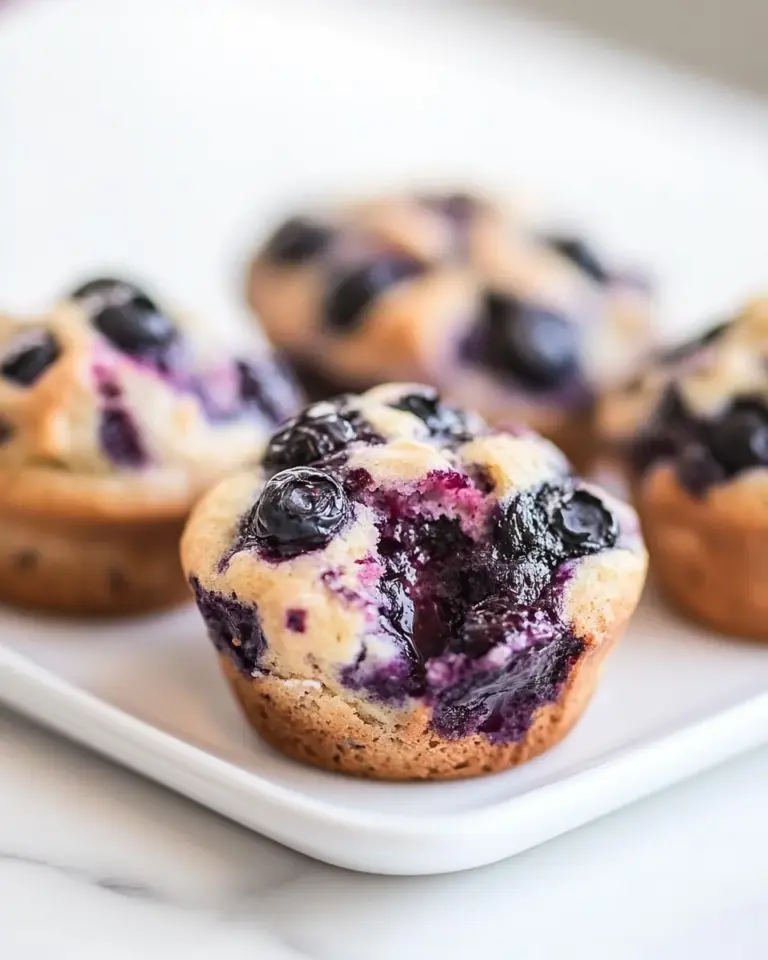
Lemon Raspberry Sweet Quick Bread
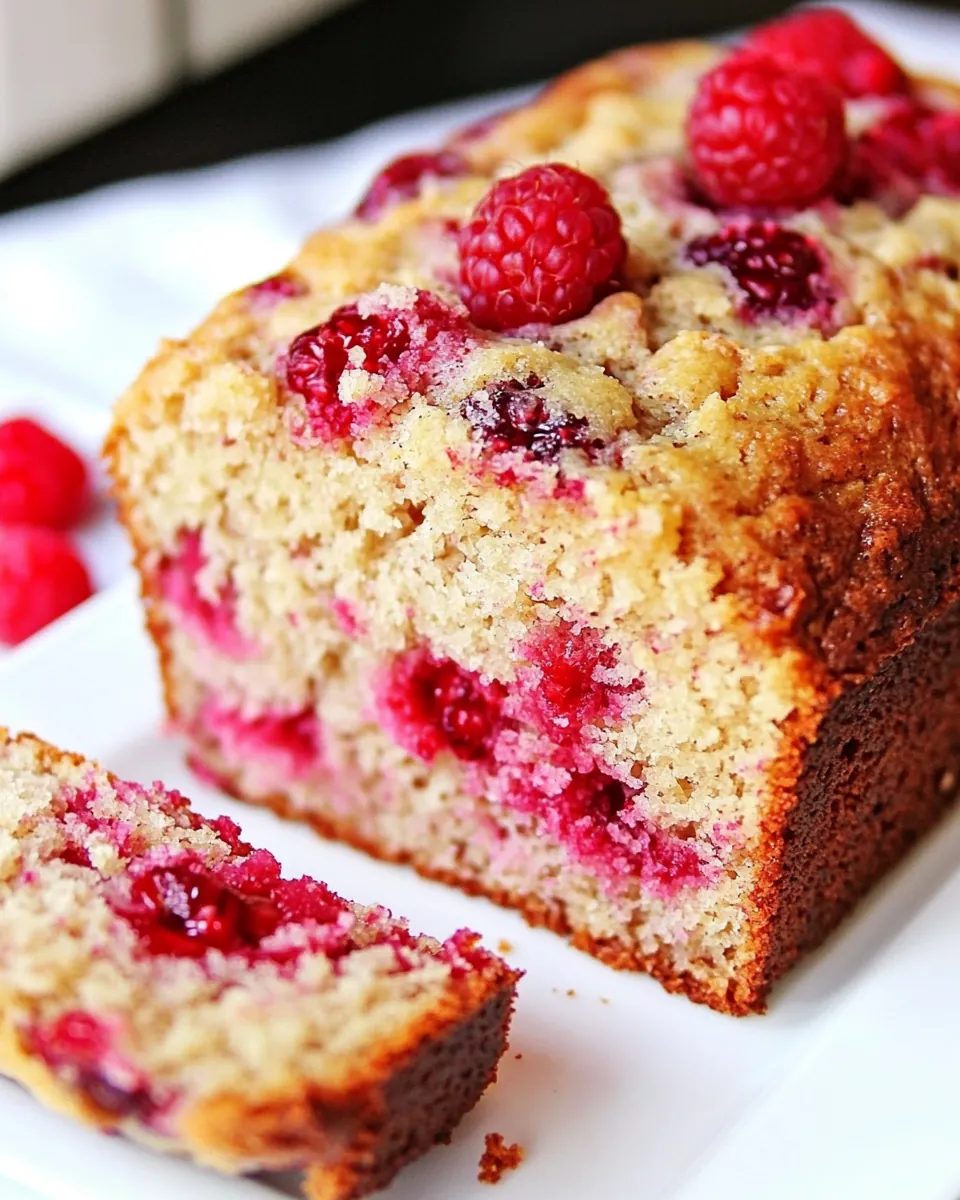
Lemon Raspberry Sweet Quick Bread is the kind of loaf I reach for when I want something bright and unfussy that still feels special. I remember the first time I baked this, the kitchen filling with a lemony perfume that made me pause with the bowl in my hands, smiling at how simple ingredients could lift the whole room. The raspberries burst into little pink pockets, leaving tiny stains on the crumb that felt like confetti for an ordinary afternoon.
There are mornings when I slice a thick piece, spread a whisper of butter, and sit by the window with a mug of tea. Other times I bring it to a weekend brunch and watch friends’ faces light up at the first bite. I like that this loaf travels well, and that it makes a small celebration out of everyday life without needing anything fussy. Whether you’re new to baking or you bake weekly, this recipe asks for straightforward techniques and rewards patience.
Recipe Snapshot
55 mins
15 mins
40 mins
Medium
200 kcal
American
Gluten-Free, Low FODMAP
Desserts
9 by 5 inch loaf pan, Mixing bowls, Whisk, Spatula, Cooling rack
Why This Lemon Raspberry Sweet Quick Bread Hits Different
Bright, natural flavor that sings
I love how the combination of lemon and raspberries balances sweet and tart. The citrus zest and juice lift the batter, while the berries add bursts of fresh acidity. It never needs heavy glazes or extra sugar for flavor, which I really appreciate when I want something light but memorable.
Approachable technique for all bakers
This loaf uses simple mixing methods, so I often recommend it to people just starting to bake. There’s no folding of meringue or tempering of chocolate, just basic whisking and gentle stirring. I find that this keeps the crumb tender without intimidating anyone new to the kitchen.
Flexible and forgiving
I’m drawn to recipes that can handle a little improvisation. You can use fresh or frozen raspberries, and the batter tolerates slight timing differences. When I’ve been short on time, I’ve baked it a little longer at a slightly lower temperature with great results, so it’s resilient when life gets busy.
Perfect for many occasions
This loaf feels right for a quiet breakfast, an afternoon treat, or paired with coffee at a casual brunch. I often bring it to gatherings because it travels well and slices neatly, making it an easy shareable. The bread’s pleasing look, dotted with berries, makes a humble but charming centerpiece.
Texture that delights
The crumb is tender and moist thanks to the buttermilk and vegetable oil, while the raspberries create juicy pockets. I appreciate how the crust browns to a gentle golden color without becoming tough, giving a nice contrast to the soft interior.
Essential Ingredients for Lemon Raspberry Sweet Quick Bread
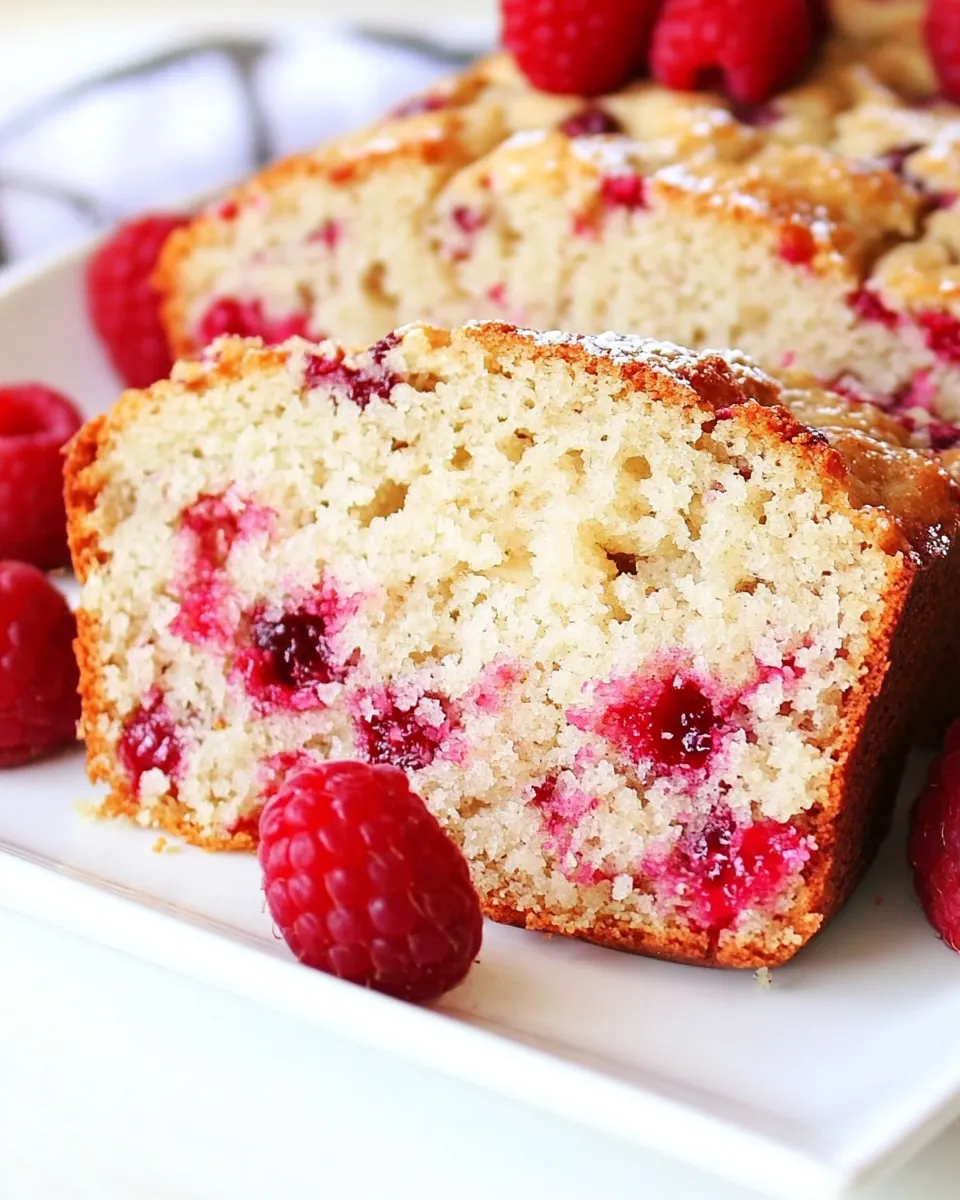
These ingredients are intentionally simple, selected to create a moist, tender loaf with bright flavor. The flour and leaveners form the structure, the granulated sugar and lemon components provide the lift and brightness, and the dairy and oil deliver moisture. The raspberries finish the loaf with bursts of tangy fruitiness that keep each slice interesting.
- 2 cups all-purpose flour: Provide structure and bulk to the loaf by combining with leavening agents; sifts easily to remove lumps and creates a tender crumb when mixed properly. Use as measured to maintain the bread's balance of dry and wet ingredients for even baking.
- 1 teaspoon and 1/2 baking powder: React with the acidic ingredients to help the bread rise; contributes lightness and a soft texture when properly activated. Measure precisely because too much can produce an off taste or overly tall, fragile crumb.
- 1/2 teaspoon baking soda: Contribute additional leavening power alongside baking powder to improve lift and create a finer crumb; neutralizes acids in buttermilk and lemon juice. Use accurately to prevent metallic or soapy flavors from developing in the finished bread.
- 1 cup granulated sugar: Sweeten the batter, help with browning, and tenderize the crumb by interfering with gluten formation; also enhances the perception of citrus and raspberry flavors. Cream or dissolve into wet ingredients to ensure even distribution throughout the loaf.
- 1/2 teaspoons salt: Enhance overall flavor balance by suppressing excessive sweetness and highlighting the lemon and raspberry notes; also helps regulate yeast and chemical reactions. Measure carefully, as even small deviations can noticeably alter taste in quick breads.
- 1 cup buttermilk: Add moisture and acidity to activate baking soda, contributing to tenderness and a slight tang in the final loaf; also helps dissolve sugar and distribute flavors. Use at room temperature for better emulsification with other wet ingredients.
- 1 teaspoon pure vanilla extract: Impart a rounded, sweet aroma and depth of flavor that complements lemon and raspberry notes; stabilizes the batter's flavor profile. Add to wet ingredients to evenly incorporate and enhance the overall taste without overpowering delicate fruit.
- 1/4 cup vegetable oil: Provide fat to tenderize the crumb and promote moistness without a heavy texture; helps carry flavors and improves shelf life of the bread. Use measured amount to keep loaf light while ensuring enough lubrication for gluten strands.
- 1 large egg: Bind ingredients together and add richness and structure through coagulated proteins when baked; contributes to a finer, more cohesive crumb. Beat lightly before adding to ensure even distribution and smooth batter consistency.
- 2 teaspoons lemon zest: Introduce bright citrus oils and fragrance that elevate the bread's aroma and flavor intensity; small amount adds noticeable lemon character without extra liquid. Zest fresh just before use to maximize volatile oil freshness and flavor impact.
- 1 tablespoon fresh lemon juice: Contribute fresh citrus acidity and brightness that balances sweetness and activates baking soda for leavening; adds a clean lemon flavor. Use freshly squeezed juice for best flavor and avoid overdoing to prevent thinning the batter excessively.
- 1 cup fresh or frozen raspberries: Provide bursts of fruity tartness and moisture, plus visual appeal and texture contrast within the bread; frozen berries can be used but should be folded in gently. Toss with a little flour before adding to prevent sinking and distribute fruit evenly.
Step by Step Instructions for Lemon Raspberry Sweet Quick Bread
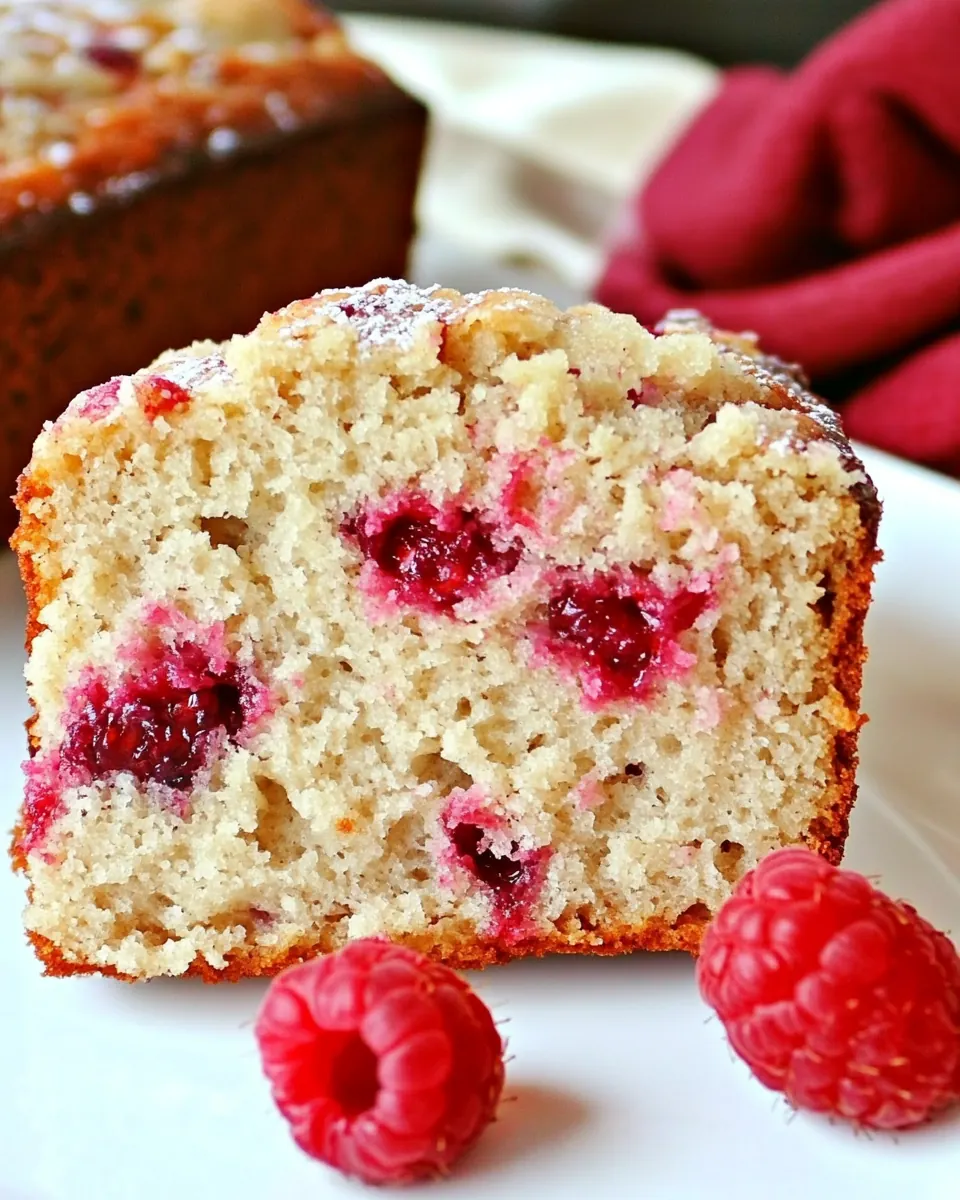
This loaf comes together with straightforward steps and a gentle touch. Read through the instructions before you start so you know your sequence, and keep your tools at hand. I find that laying out ingredients on the counter calms the process and helps the batter come together smoothly.
- Preheat oven to 350 degrees F.: As you warm the oven, notice the gradual rise in warmth and the faint mechanical hum, it helps create consistent bake conditions which are vital for even rise. Preheating ensures the leavening reacts correctly when the batter hits the heat, producing the proper oven spring. A common mistake is putting the pan into a cool oven, which can cause a dense center. If your oven runs hot or cold, use an oven thermometer to confirm accuracy.
- Grease and flour (or line with parchment paper) a 9" by 5" loaf pan. Set aside.: Greasing and flouring creates a release barrier, letting the loaf separate cleanly from the pan once cooled. The scent of oil warming on metal is subtle, but prepping the pan well prevents tearing when you invert the loaf. A common error is skipping flour when using oil alone, which can make the loaf stick. If you prefer, a parchment sling makes removal effortless and protects the sides.
- In a large mixing bowl, whisk together flour, baking powder, baking soda, sugar and salt.: Whisking dry ingredients blends leaveners evenly so the rise is uniform; you'll hear a soft whisking sound and see a pale, homogenous mixture form. Proper distribution avoids pockets of baking powder or soda that can leave bitter spots. Overworking the flour here is not a concern yet, but ensure there are no lumps. If your baking powder is old, you might notice weaker rise.
- Add raspberries and toss to coat all berries in the flour mixture. This will prevent them from sinking to the bottom.: Tossing the raspberries lightly in the flour creates a thin coating that helps suspend them throughout the batter, resulting in even berry placement. The texture changes to a speckled appearance as each berry gets a dusting, and that visual cue is useful. If you skip this, berries can sink and make the bottom overly moist. Be gentle to avoid crushing the berries and releasing too much juice.
- In another mixing bowl, whisk together buttermilk, lemon juice, lemon zest, vanilla, oil and egg.: Combining wet ingredients creates a glossy, slightly frothy mixture with a bright lemon aroma and a silky sheen from the oil . This mixture hydrates the dry ingredients evenly and the acid from lemon juice starts reacting with the baking soda . If the liquid is too cold, the batter may not mix smoothly, so room temperature components are best. Avoid beating vigorously, which can incorporate excessive air.
- Add the wet ingredients to the dry ingredients and stir until all of the flour mixture is incorporated. Do not overmix.: After you combine, the batter should come together with streaks disappearing into a slightly thick, pourable texture, and you may see ribbons of oil settling in temporarily. This stage matters because overmixing develops gluten, leading to a tough crumb. One telltale sign of overmixing is a stringy batter and a dense final loaf. Stir just until no dry pockets remain for the best tender texture.
- Pour the batter into the prepared pan.: As you transfer the batter, note its weight and the small air bubbles that sit near the surface, a sign of proper leavening. Smooth the top gently with a spatula for an even rise and visual appeal. If you over-smooth, you can compress the batter and reduce texture. Tap the pan lightly on the counter to pop large air pockets, but do this sparingly to avoid deflating the batter.
- Bake the bread for 40 to 45 minutes, OR until the top is golden brown and the toothpick inserted in the center comes out clean.: During baking, the kitchen fills with lemon fragrance and you will see the top take on a warm golden color, signaling caramelization and set crumb. The interior finishes as the center reaches the proper temperature and the structure firms. A common pitfall is opening the oven door too often, which can cause uneven rise and a collapsed center. If the top browns too quickly, tent loosely with foil for the remaining time.
- Cool for 10 minutes in the pan. Invert onto a cooling rack and cool completely.: Cooling in the pan allows the interior to finish setting while the crumb relaxes; you may notice a gentle steam releasing as it rests. After inverting, the loaf reveals its golden crust and the crumb firms to slicing texture. Cutting too soon risks a gummy interior, so patience yields cleaner slices. If the loaf sticks, run a thin knife around the edges before inverting to avoid tearing.
Tips and Tricks about Lemon Raspberry Sweet Quick Bread
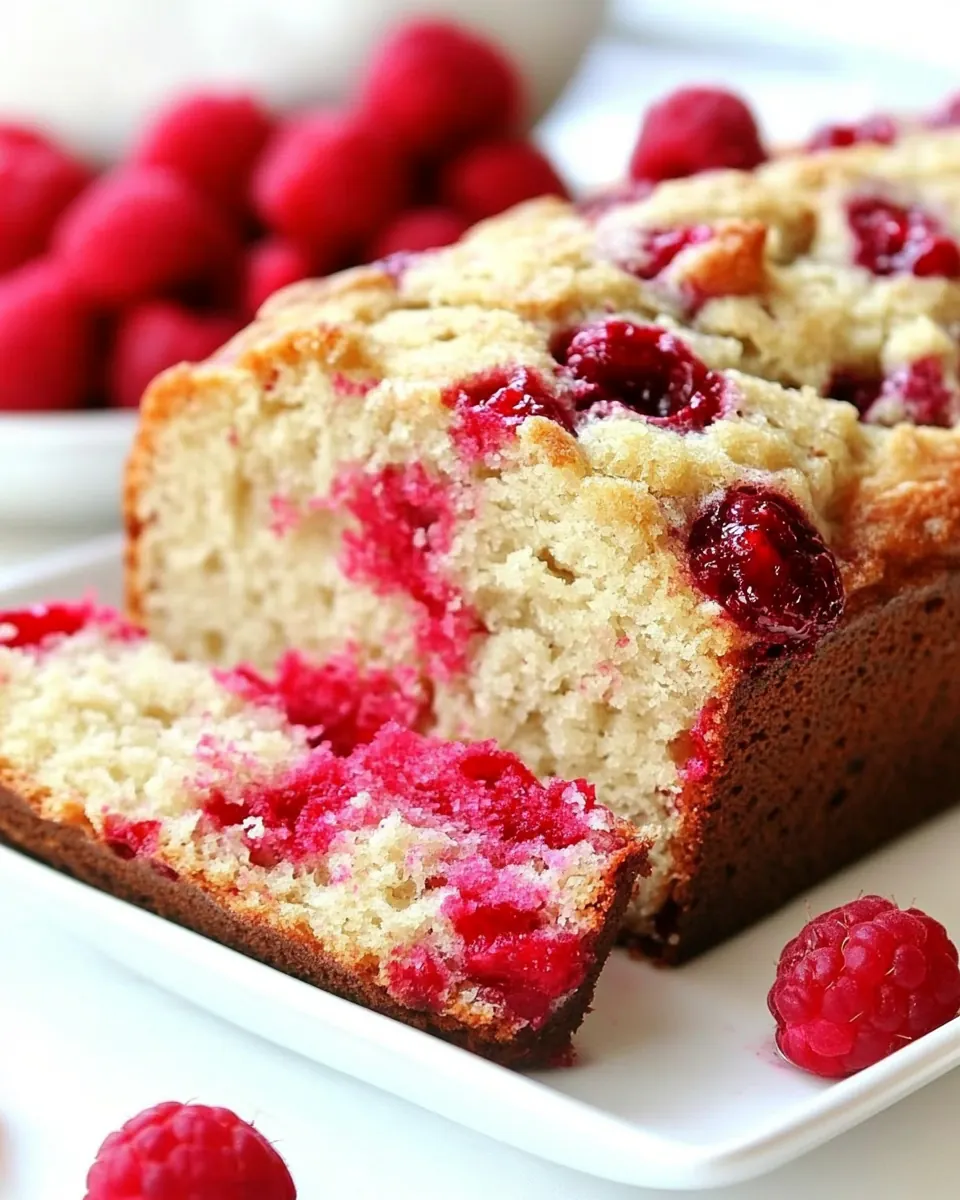
I like to gather small details that make a reliable loaf every time. The following tips expand on common questions and practical choices I make when baking this bread, and they reflect techniques that save time and improve texture.
- Room temperature ingredients: Let the egg and buttermilk come to room temperature to ensure a smooth, cohesive batter and even baking.
- Flour coating for berries: Tossing the raspberries in flour prevents sinking and keeps distribution even through the loaf.
- Gentle mixing: Stir only until the flour is incorporated to avoid gluten development that makes the crumb tough.
- Oven accuracy: Use an oven thermometer to confirm your oven matches the set temperature, ensuring predictable bake times and even color.
- Freeze extra slices: Wrap cooled slices individually and freeze for easy breakfasts that thaw quickly at room temperature.
Accompaniments for Lemon Raspberry Sweet Quick Bread
This loaf pairs well with a variety of beverages and simple spreads, and it works for many occasions from casual breakfasts to light brunches. Below are serving ideas, storage suggestions, and seasonal pairings to help you present it thoughtfully.
- Breakfast pairing: Serve sliced with a smear of butter or a light ricotta for a morning treat, alongside a cup of coffee or tea.
- Brunch presentation: Arrange slices on a platter with fresh berries and a small bowl of whipped cream for weekend gatherings, offering a pretty and effortless centerpiece.
- Afternoon snack: Enjoy a slice with herbal tea or a citrusy iced tea, a peaceful option for a midafternoon pause.
- Storage tip: Keep the loaf wrapped at room temperature for up to two days, or refrigerate to extend it to five days; freeze individual slices for longer storage.
- Seasonal pairing: This loaf shines in spring and early summer, when fresh raspberries are available, and it complements light salads or yogurt based sides for brighter meals.
FAQ
Conclusion
This recipe stands out because it blends simple techniques with bright, fresh flavors to create a loaf that feels both comforting and celebratory. The interplay of lemon and raspberries gives a lively, balanced bite while the buttermilk and vegetable oil keep the crumb tender and moist. I encourage you to try this loaf the next time you want an effortless, crowd pleasing bake; it’s dependable, quick to prepare, and makes ordinary moments feel a bit more special.
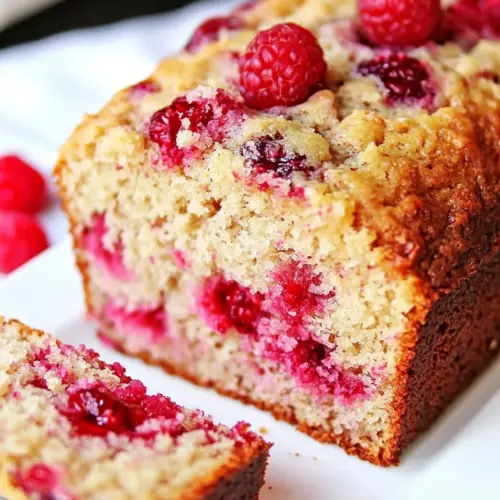
Lemon Raspberry Sweet Quick Bread
Equipment
- 9 by 5 inch loaf pan
- Mixing Bowls
- Whisk
- Spatula
- Cooling rack
Ingredients
- 2 cups all-purpose flour Provide structure and bulk to the loaf by combining with leavening agents; sifts easily to remove lumps and creates a tender crumb when mixed properly. Use as measured to maintain the bread's balance of dry and wet ingredients for even baking.
- 1 teaspoon and 1/2 baking powder React with the acidic ingredients to help the bread rise; contributes lightness and a soft texture when properly activated. Measure precisely because too much can produce an off taste or overly tall, fragile crumb.
- 1/2 teaspoon baking soda Contribute additional leavening power alongside baking powder to improve lift and create a finer crumb; neutralizes acids in buttermilk and lemon juice. Use accurately to prevent metallic or soapy flavors from developing in the finished bread.
- 1 cup granulated sugar Sweeten the batter, help with browning, and tenderize the crumb by interfering with gluten formation; also enhances the perception of citrus and raspberry flavors. Cream or dissolve into wet ingredients to ensure even distribution throughout the loaf.
- 1/2 teaspoons salt Enhance overall flavor balance by suppressing excessive sweetness and highlighting the lemon and raspberry notes; also helps regulate yeast and chemical reactions. Measure carefully, as even small deviations can noticeably alter taste in quick breads.
- 1 cup buttermilk Add moisture and acidity to activate baking soda, contributing to tenderness and a slight tang in the final loaf; also helps dissolve sugar and distribute flavors. Use at room temperature for better emulsification with other wet ingredients.
- 1 teaspoon pure vanilla extract Impart a rounded, sweet aroma and depth of flavor that complements lemon and raspberry notes; stabilizes the batter's flavor profile. Add to wet ingredients to evenly incorporate and enhance the overall taste without overpowering delicate fruit.
- 1/4 cup vegetable oil Provide fat to tenderize the crumb and promote moistness without a heavy texture; helps carry flavors and improves shelf life of the bread. Use measured amount to keep loaf light while ensuring enough lubrication for gluten strands.
- 1 large egg Bind ingredients together and add richness and structure through coagulated proteins when baked; contributes to a finer, more cohesive crumb. Beat lightly before adding to ensure even distribution and smooth batter consistency.
- 2 teaspoons lemon zest Introduce bright citrus oils and fragrance that elevate the bread's aroma and flavor intensity; small amount adds noticeable lemon character without extra liquid. Zest fresh just before use to maximize volatile oil freshness and flavor impact.
- 1 tablespoon fresh lemon juice Contribute fresh citrus acidity and brightness that balances sweetness and activates baking soda for leavening; adds a clean lemon flavor. Use freshly squeezed juice for best flavor and avoid overdoing to prevent thinning the batter excessively.
- 1 cup fresh or frozen raspberries Provide bursts of fruity tartness and moisture, plus visual appeal and texture contrast within the bread; frozen berries can be used but should be folded in gently. Toss with a little flour before adding to prevent sinking and distribute fruit evenly.
Instructions
- Preheat oven to 350 degrees F.: As you warm the oven, notice the gradual rise in warmth and the faint mechanical hum, it helps create consistent bake conditions which are vital for even rise. Preheating ensures the leavening reacts correctly when the batter hits the heat, producing the proper oven spring. A common mistake is putting the pan into a cool oven, which can cause a dense center. If your oven runs hot or cold, use an oven thermometer to confirm accuracy.
- Grease and flour (or line with parchment paper) a 9" by 5" loaf pan. Set aside.: Greasing and flouring creates a release barrier, letting the loaf separate cleanly from the pan once cooled. The scent of oil warming on metal is subtle, but prepping the pan well prevents tearing when you invert the loaf. A common error is skipping flour when using oil alone, which can make the loaf stick. If you prefer, a parchment sling makes removal effortless and protects the sides.
- In a large mixing bowl, whisk together flour, baking powder, baking soda, sugar and salt.: Whisking dry ingredients blends leaveners evenly so the rise is uniform; you'll hear a soft whisking sound and see a pale, homogenous mixture form. Proper distribution avoids pockets of baking powder or soda that can leave bitter spots. Overworking the flour here is not a concern yet, but ensure there are no lumps. If your baking powder is old, you might notice weaker rise.
- Add raspberries and toss to coat all berries in the flour mixture. This will prevent them from sinking to the bottom.: Tossing the raspberries lightly in the flour creates a thin coating that helps suspend them throughout the batter, resulting in even berry placement. The texture changes to a speckled appearance as each berry gets a dusting, and that visual cue is useful. If you skip this, berries can sink and make the bottom overly moist. Be gentle to avoid crushing the berries and releasing too much juice.
- In another mixing bowl, whisk together buttermilk, lemon juice, lemon zest, vanilla, oil and egg.: Combining wet ingredients creates a glossy, slightly frothy mixture with a bright lemon aroma and a silky sheen from the oil . This mixture hydrates the dry ingredients evenly and the acid from lemon juice starts reacting with the baking soda . If the liquid is too cold, the batter may not mix smoothly, so room temperature components are best. Avoid beating vigorously, which can incorporate excessive air.
- Add the wet ingredients to the dry ingredients and stir until all of the flour mixture is incorporated. Do not overmix.: After you combine, the batter should come together with streaks disappearing into a slightly thick, pourable texture, and you may see ribbons of oil settling in temporarily. This stage matters because overmixing develops gluten, leading to a tough crumb. One telltale sign of overmixing is a stringy batter and a dense final loaf. Stir just until no dry pockets remain for the best tender texture.
- Pour the batter into the prepared pan.: As you transfer the batter, note its weight and the small air bubbles that sit near the surface, a sign of proper leavening. Smooth the top gently with a spatula for an even rise and visual appeal. If you over-smooth, you can compress the batter and reduce texture. Tap the pan lightly on the counter to pop large air pockets, but do this sparingly to avoid deflating the batter.
- Bake the bread for 40 to 45 minutes, OR until the top is golden brown and the toothpick inserted in the center comes out clean.: During baking, the kitchen fills with lemon fragrance and you will see the top take on a warm golden color, signaling caramelization and set crumb. The interior finishes as the center reaches the proper temperature and the structure firms. A common pitfall is opening the oven door too often, which can cause uneven rise and a collapsed center. If the top browns too quickly, tent loosely with foil for the remaining time.
- Cool for 10 minutes in the pan. Invert onto a cooling rack and cool completely.: Cooling in the pan allows the interior to finish setting while the crumb relaxes; you may notice a gentle steam releasing as it rests. After inverting, the loaf reveals its golden crust and the crumb firms to slicing texture. Cutting too soon risks a gummy interior, so patience yields cleaner slices. If the loaf sticks, run a thin knife around the edges before inverting to avoid tearing.
Notes
- Room temperature ingredients: Let the egg and buttermilk come to room temperature to ensure a smooth, cohesive batter and even baking.
- Flour coating for berries: Tossing the raspberries in flour prevents sinking and keeps distribution even through the loaf.
- Gentle mixing: Stir only until the flour is incorporated to avoid gluten development that makes the crumb tough.
- Oven accuracy: Use an oven thermometer to confirm your oven matches the set temperature, ensuring predictable bake times and even color.
- Freeze extra slices: Wrap cooled slices individually and freeze for easy breakfasts that thaw quickly at room temperature.