Candied Yams
Candied Yams have been a warm corner of my holiday table for as long as I can remember, a sticky, spice-kissed side that always draws a second helping.
Growing up, my aunt would pull a bubbling pan from the oven and everyone would crowd the kitchen, waiting for that first heavenly waft of cinnamon and brown sugar. I learned early that the secret to great Candied Yams is patience, gentle heat, and a good glaze that clings to every slice. Over the years I’ve tweaked the technique, traded tips with neighbors, and watched faces light up when the dish hits the table.
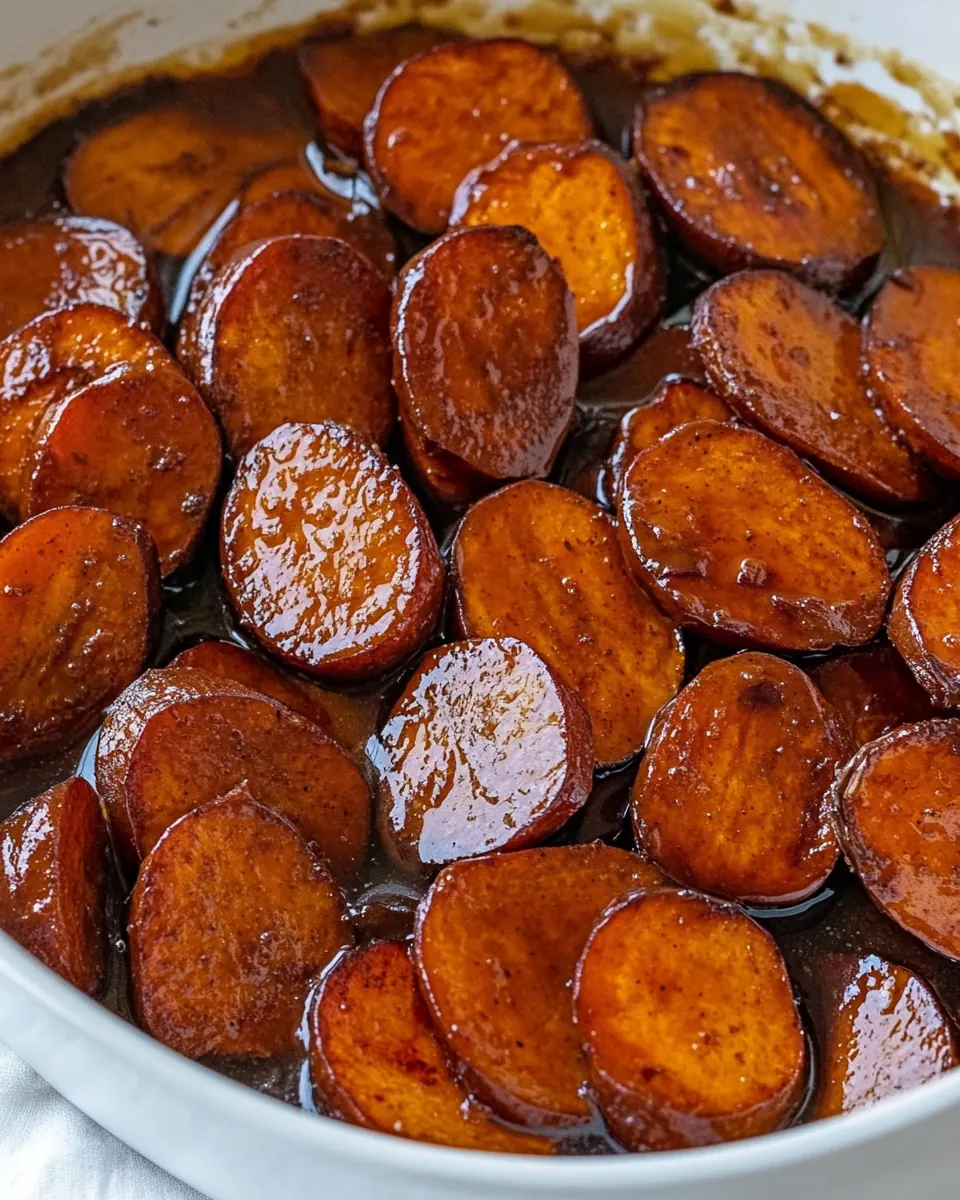
Now when I make Candied Yams, I think about balance, about soft, yielding yams that hold their shape, and a glossy sauce that is just sweet enough to feel indulgent. There is comfort here, but also a simplicity that makes this recipe a reliable choice for busy holiday prep. I like to listen to a little music while the oven does most of the work, and I always remind myself to check the pan and baste so every piece gets lacquered in that warm spice mix.
Recipe Snapshot
1 hr 15 mins
15 mins
60 mins
Medium
250 kcal
American
Gluten-Free, Low FODMAP
Side Dishes
Large pot, 13 x 9 x 2 inch baking dish, Aluminum foil, Whisk
Why This Candied Yams Works
Classic Holiday Comfort
I’ve always loved how Candied Yams signals celebration. The warm spices and brown sugar glaze create an aroma that instantly shifts the room into a cozy mode. I choose this dish when I want a side that feels both indulgent and familiar, something that evokes memories and makes guests feel at home.
Simple Ingredients, Big Flavor
One of the reasons I keep returning to this recipe is the elegant economy of the ingredient list. With staples like butter, dark brown sugar, and a few warming spices, the natural sweetness of the yams shines. I appreciate recipes that ask for little but deliver a lot, and this one does exactly that.
Texture That Pleases
What I love most is the contrast you get when the yams are baked until tender yet still hold their shape, while the glaze becomes syrupy and clings to each piece. That mouthfeel is what keeps me coming back, and why I take the extra minute to stir and recoat halfway through baking.
Reliable for Company
This recipe scales well and stays stable in the oven while you finish other dishes. I often make it for a crowd because it travels from oven to table without losing its charm. It’s the kind of side I trust to look and taste fantastic when guests arrive.
Flexible, Yet Traditional
I love that Candied Yams feels timeless, but also welcomes small tweaks. You can play gently with spice levels or how thinly you slice the yams, yet the core experience remains the same. That balance of tradition and flexibility is one of the recipe’s strongest appeals to me.
What’s In This Candied Yams
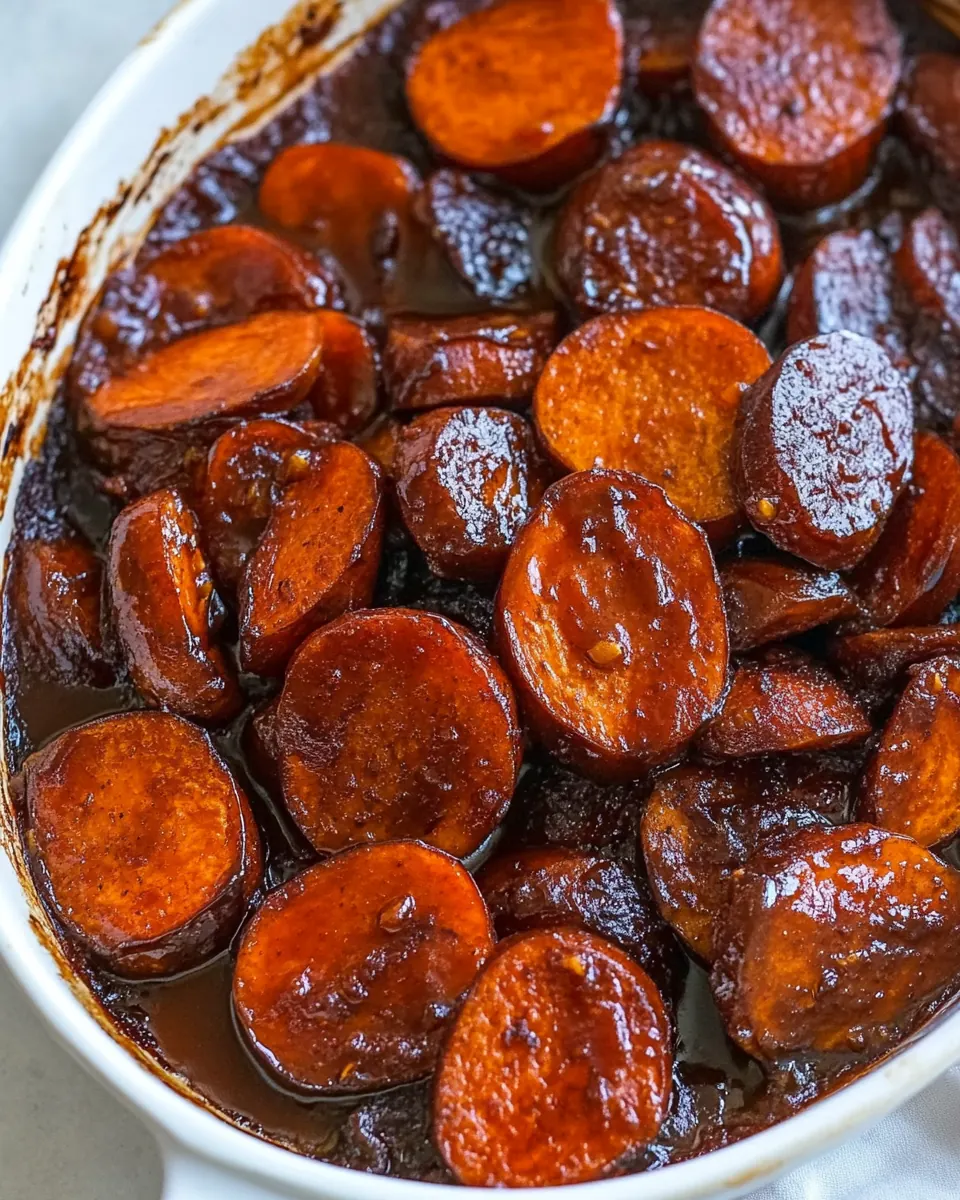
These ingredients come together to create a harmonious blend of sweet, warm, and silky textures. The key players are the yams, which provide natural sweetness and body, and the sugars and butter, which form a glossy, spiced glaze. Each spice lends a warm note that complements the tuber without overpowering it, while a touch of cornstarch helps the glaze cling and thicken during baking.
- 5 6 medium red garnet yams or sweet potatoes, about 3 pounds: Peel and slice into uniform rounds or chunks to ensure even cooking and tender texture throughout the dish, providing the hearty, sweet base for the casserole-like preparation. Roast or boil until just tender so the yams absorb the glaze without becoming mushy, contributing natural sweetness and vibrant color to the finished recipe.
- 1/2 cup butter: Melt and whisk into the sugars and spices to create a rich, glossy glaze that coats the yams and carries the aromatic flavors. Provide creaminess and help the sugars caramelize gently, yielding a smooth mouthfeel and sheen on the finished candied yams.
- 1/2 teaspoon kosher salt: Season sparingly to enhance overall flavor balance and temper the sweetness of the sugars, making the dish taste more rounded. Dissolve into the butter–sugar mixture so the savory note distributes evenly without overpowering the other flavors.
- 1 cup dark brown sugar: Sweeten deeply and contribute molasses-like flavor and moisture for a complex, robust caramel profile; dark brown sugar also darkens the glaze for an appealing appearance. Combine with butter and spices so the sugars melt into a thick sauce that clings to the yams and caramelizes during baking.
- 1/4 cup granulated sugar: Add bright, clean sweetness and help control the overall sugar intensity so the glaze isn't overly heavy; granulated sugar also assists with caramelization and texture. Sprinkle in with the brown sugar to adjust sweetness levels and contribute to a balanced, shiny syrup.
- 1 teaspoon cornstarch: Thicken the glaze slightly by absorbing excess liquid and preventing it from becoming too runny, creating a clingy coating on the yams. Blend into the sugar–butter mixture so it activates during baking and yields a cohesive, slightly glossy sauce.
- 2 teaspoons cinnamon: Infuse warm, aromatic spice that complements the yams' natural sweetness and adds depth to the glaze; cinnamon is the primary warming spice in this recipe. Mix thoroughly with the sugars and butter so the flavor permeates every piece and enhances the overall comfort-food profile.
- 1/4 teaspoon nutmeg: Contribute a sweet, slightly nutty warmth that enhances complexity without dominating the spice blend, pairing especially well with cinnamon and cloves. Measure carefully and stir into the sugar-spice mix to ensure a balanced, nuanced flavor throughout the dish.
- 1/8 teaspoon cloves: Introduce a pungent, warm note in very small quantity to round out the spice profile and add complexity to the glaze. Use sparingly and mix evenly with the other spices so the clove complements rather than overwhelms the cinnamon and nutmeg.
The Process for Making Candied Yams
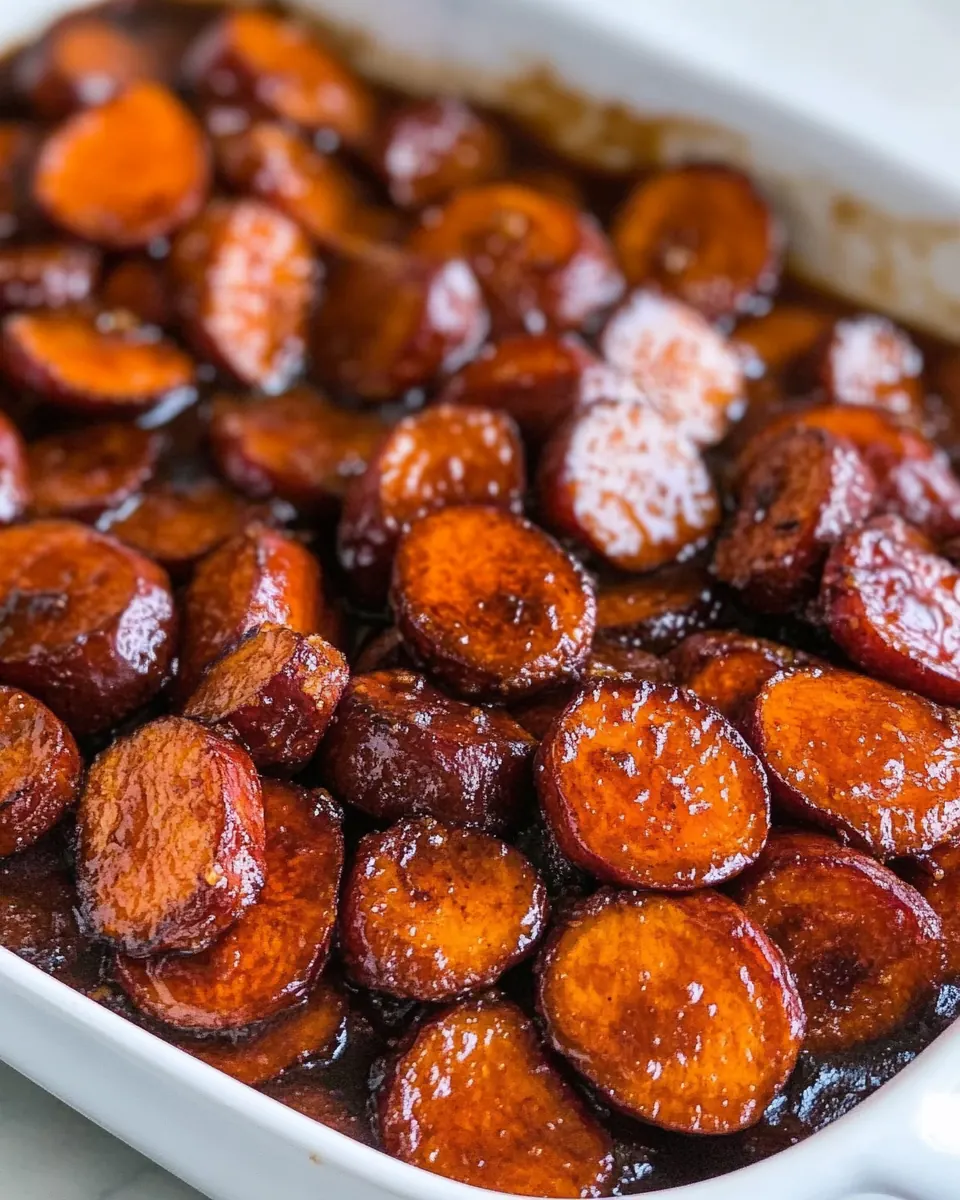
I like to move through this recipe with calm focus, letting the glaze develop on the stovetop while the oven does its gentle work. The following steps will guide you through preparing the pan, glazing the yams, and baking them to tender, syrupy perfection. Keep an eye on visual cues and aromas to know when to stir and when to pull the dish from the oven.
- Preheat the oven to 375 degrees Fahrenheit and spray a 13 x 9 x 2-inch baking dish with non-stick cooking spray.: Warm, even heat is the backbone of this recipe. As the oven approaches temperature you should feel a steady warmth from the vent and notice a faint dry scent of heated air. This step ensures the pan is ready to receive the glazed yams so they begin baking immediately, which promotes an even texture. If you skip preheating, the baking time will extend and the glaze may cook inconsistently. A frequent error is setting the oven temperature incorrectly, so double check that it reads 375 degrees Fahrenheit before you start.
- Peel and cut 5-6 medium red garnet yams or sweet potatoes, into 1/2-inch thick slices or 2-inch bite-size pieces.: Cutting the yams uniformly is a sensory exercise, where you’ll notice their firm resistance and bright orange color. Even slices cook at the same rate and allow the glaze to coat each surface. If pieces are uneven, some will become mushy while others remain underdone. Avoid slicing too thin, which can lead to disintegration in the oven; aim for consistent thickness so each bite yields a tender yet intact texture.
- Add 1/2 cup butter, 1/2 teaspoon kosher salt, 1 cup dark brown sugar, 1/4 cup granulated sugar, 1 teaspoon cornstarch, 2 teaspoons cinnamon, 1/4 teaspoon nutmeg, and 1/8 teaspoon cloves to a large pot.: Combining these elements in a pot creates the aromatic foundation of the glaze. As the sugars meet the butter you’ll begin to sense molasses and spice mingling, which signals that flavor is building. The cornstarch will play an invisible but crucial role by thickening the mixture as it heats. A common pitfall is adding the cornstarch dry, which can create lumps, so ensure it is evenly mixed into the other ingredients before heating.
- Heat the mixture over medium-high heat. Whisk until the mixture is melted and combined.: As the mixture warms you’ll hear a gentle bubbling and smell a rich, caramel aroma. Whisking is tactile and rhythmic, breaking up any sugar clumps while encouraging a smooth emulsion between the butter and sugars. This process also activates the cornstarch , thickening the glaze into a glossy syrup. If the heat is too high, the sugars can scorch and give a bitter note, so maintain a steady medium-high flame and keep whisking until fully integrated.
- Add the yam slices to the pot of glaze. Gently stir to coat the yams with the brown sugar glaze. Pour the coated yams into the prepared pan.: When you fold the yams into the warm glaze, each piece should pick up a shiny coat that clings and drips slowly. The sound is soft, a muted stir, and visually you’ll see the slices become lacquered. Pouring them into the dish, arrange them so they sit comfortably without severe overcrowding, which helps heat circulate during baking. A common mistake is over-stirring, which can break delicate pieces; be gentle to preserve shape.
- Cover the baking dish with aluminum foil and bake for 40 minutes. Open the oven to stir and coat the yams with the glaze. Replace the foil and finish baking the yams for an additional 15 minutes.: The foil traps steam, gently cooking the yams through while the glaze seeps into their flesh. After the initial 40 minutes you should detect a deepened sugar scent and see bubbling edges beneath the foil. Stirring at this point refreshes the glaze on each piece and promotes even caramelization. Replace the foil so the tops do not brown too quickly. Overbaking at this stage can dry the edges and harden the glaze, so adhere to the times and check for fork tenderness.
- Remove the yams from the oven when they are fork-tender and enjoy!: A fork should glide into the yams with minimal resistance and the glaze will be glossy and slightly syrupy around the pieces. The aroma should be warm cinnamon and caramel, and the surface will shimmer. Allow the dish to rest briefly so the glaze settles; serving immediately can cause the syrup to run too freely. One common misstep is pulling them out too soon before they’re fully tender, resulting in a firmer texture than intended. Let them rest for a few minutes to achieve the ideal balance of soft interior and sticky coating.
Customization Ideas
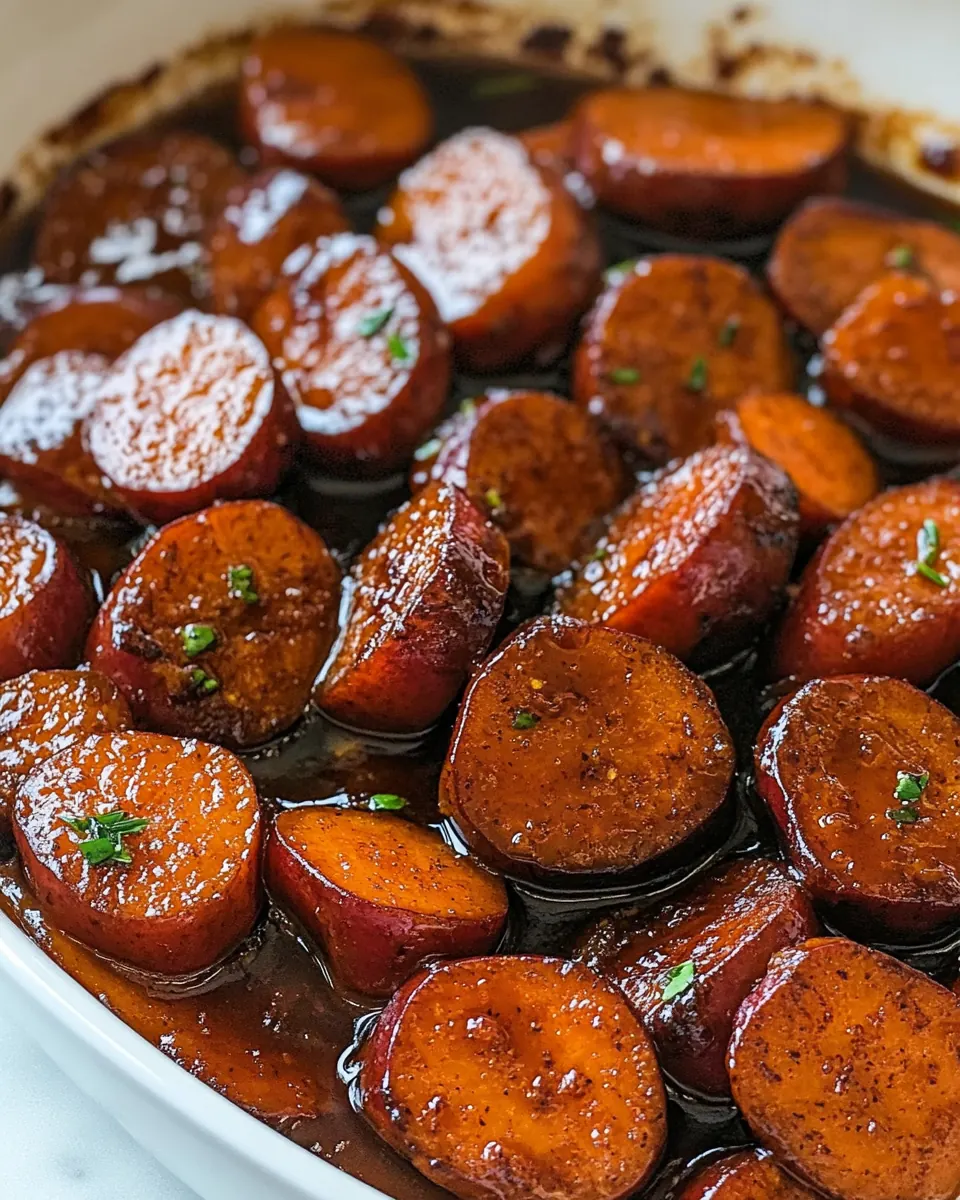
I enjoy offering small variations that honor tradition while letting you tailor the dish to your taste. Below are ideas that tweak texture, spice level, or presentation, each explained so you can pick what suits your meal.
- Boost Warmth Add a touch more cinnamon if you prefer a stronger spice profile, adjusting in small increments to avoid overpowering the natural sweetness.
- Adjust Sweetness Reduce the granulated sugar slightly if you want a less cloying glaze, balancing with the dark brown sugar for depth.
- Uniform Slices Use a mandoline or steady knife technique to ensure all yams are the same thickness for consistent doneness.
- Glaze Thickness If the glaze seems thin after baking, return the pan to the oven uncovered for a few minutes to concentrate it, watching closely to avoid hardening.
- Make Ahead Assemble and glaze the yams a few hours ahead, then refrigerate; bring to room temperature before baking for best results.
- Presentation Arrange glazed slices in neat rows in the baking dish for a tidy, family-style serving that looks as good as it tastes.
Serving Options for Candied Yams
Candied Yams pairs beautifully with hearty mains and festive spreads, and there are many ways to present and store it. Below are several detailed serving ideas to fit different occasions and preferences.
- Holiday Centerpiece Serve Candied Yams hot from the oven as a classic Thanksgiving or holiday side alongside roasted mains and green vegetables. The warm spices complement savory dishes and add a comforting sweet counterpoint.
- Weeknight Comfort For an easy weeknight dinner, plate a smaller portion alongside roasted protein and a simple salad, letting the syrupy glaze act as a rich accent without dominating the plate.
- Family Style Present the dish in the original baking pan on the table, encouraging guests to help themselves, which keeps the warm syrup contained and the serving casual and communal.
- Make Ahead and Reheat You can prepare the glazed yams up to a day ahead and refrigerate. Reheat uncovered in a 350 degree Fahrenheit oven until warmed through, about 15 to 20 minutes, to revive the glaze and soften any chilled pieces.
- Storage Tips Cool completely, then transfer leftovers to an airtight container and refrigerate for up to four days. To reheat gently, warm in a covered dish in a low oven until the glaze loosens and the interior is heated through.
- Seasonal Pairings This dish sits well with other fall flavors like roasted squash and baked apples, making it an excellent choice for autumn gatherings and cozy dinners.
FAQ
Conclusion
Candied Yams stand out because they combine simple ingredients into a comforting, richly spiced side that tastes like celebration. Give them a try the next time you want a warm, nostalgic dish that is easy to make yet impressive to serve. I hope this recipe becomes one of your reliable favorites for holidays and cozy dinners, bringing the same sticky, fragrant joy to your table that it brings to mine.
Candied Yams
Equipment
- Large Pot
- 13 x 9 x 2 inch baking dish
- Aluminum Foil
- Whisk
Ingredients
- 5 -6 medium red garnet yams or sweet potatoes, about 3 pounds Peel and slice into uniform rounds or chunks to ensure even cooking and tender texture throughout the dish, providing the hearty, sweet base for the casserole-like preparation. Roast or boil until just tender so the yams absorb the glaze without becoming mushy, contributing natural sweetness and vibrant color to the finished recipe.
- 1/2 cup butter Melt and whisk into the sugars and spices to create a rich, glossy glaze that coats the yams and carries the aromatic flavors. Provide creaminess and help the sugars caramelize gently, yielding a smooth mouthfeel and sheen on the finished candied yams.
- 1/2 teaspoon kosher salt Season sparingly to enhance overall flavor balance and temper the sweetness of the sugars, making the dish taste more rounded. Dissolve into the butter-sugar mixture so the savory note distributes evenly without overpowering the other flavors.
- 1 cup dark brown sugar Sweeten deeply and contribute molasses-like flavor and moisture for a complex, robust caramel profile; dark brown sugar also darkens the glaze for an appealing appearance. Combine with butter and spices so the sugars melt into a thick sauce that clings to the yams and caramelizes during baking.
- 1/4 cup granulated sugar Add bright, clean sweetness and help control the overall sugar intensity so the glaze isn't overly heavy; granulated sugar also assists with caramelization and texture. Sprinkle in with the brown sugar to adjust sweetness levels and contribute to a balanced, shiny syrup.
- 1 teaspoon cornstarch Thicken the glaze slightly by absorbing excess liquid and preventing it from becoming too runny, creating a clingy coating on the yams. Blend into the sugar-butter mixture so it activates during baking and yields a cohesive, slightly glossy sauce.
- 2 teaspoons cinnamon Infuse warm, aromatic spice that complements the yams' natural sweetness and adds depth to the glaze; cinnamon is the primary warming spice in this recipe. Mix thoroughly with the sugars and butter so the flavor permeates every piece and enhances the overall comfort-food profile.
- 1/4 teaspoon nutmeg Contribute a sweet, slightly nutty warmth that enhances complexity without dominating the spice blend, pairing especially well with cinnamon and cloves. Measure carefully and stir into the sugar-spice mix to ensure a balanced, nuanced flavor throughout the dish.
- 1/8 teaspoon cloves Introduce a pungent, warm note in very small quantity to round out the spice profile and add complexity to the glaze. Use sparingly and mix evenly with the other spices so the clove complements rather than overwhelms the cinnamon and nutmeg.
Instructions
- Preheat the oven to 375 degrees Fahrenheit and spray a 13 x 9 x 2-inch baking dish with non-stick cooking spray.: Warm, even heat is the backbone of this recipe. As the oven approaches temperature you should feel a steady warmth from the vent and notice a faint dry scent of heated air. This step ensures the pan is ready to receive the glazed yams so they begin baking immediately, which promotes an even texture. If you skip preheating, the baking time will extend and the glaze may cook inconsistently. A frequent error is setting the oven temperature incorrectly, so double check that it reads 375 degrees Fahrenheit before you start.
- Peel and cut 5-6 medium red garnet yams or sweet potatoes, into 1/2-inch thick slices or 2-inch bite-size pieces.: Cutting the yams uniformly is a sensory exercise, where you’ll notice their firm resistance and bright orange color. Even slices cook at the same rate and allow the glaze to coat each surface. If pieces are uneven, some will become mushy while others remain underdone. Avoid slicing too thin, which can lead to disintegration in the oven; aim for consistent thickness so each bite yields a tender yet intact texture.
- Add 1/2 cup butter, 1/2 teaspoon kosher salt, 1 cup dark brown sugar, 1/4 cup granulated sugar, 1 teaspoon cornstarch, 2 teaspoons cinnamon, 1/4 teaspoon nutmeg, and 1/8 teaspoon cloves to a large pot.: Combining these elements in a pot creates the aromatic foundation of the glaze. As the sugars meet the butter you’ll begin to sense molasses and spice mingling, which signals that flavor is building. The cornstarch will play an invisible but crucial role by thickening the mixture as it heats. A common pitfall is adding the cornstarch dry, which can create lumps, so ensure it is evenly mixed into the other ingredients before heating.
- Heat the mixture over medium-high heat. Whisk until the mixture is melted and combined.: As the mixture warms you’ll hear a gentle bubbling and smell a rich, caramel aroma. Whisking is tactile and rhythmic, breaking up any sugar clumps while encouraging a smooth emulsion between the butter and sugars. This process also activates the cornstarch , thickening the glaze into a glossy syrup. If the heat is too high, the sugars can scorch and give a bitter note, so maintain a steady medium-high flame and keep whisking until fully integrated.
- Add the yam slices to the pot of glaze. Gently stir to coat the yams with the brown sugar glaze. Pour the coated yams into the prepared pan.: When you fold the yams into the warm glaze, each piece should pick up a shiny coat that clings and drips slowly. The sound is soft, a muted stir, and visually you’ll see the slices become lacquered. Pouring them into the dish, arrange them so they sit comfortably without severe overcrowding, which helps heat circulate during baking. A common mistake is over-stirring, which can break delicate pieces; be gentle to preserve shape.
- Cover the baking dish with aluminum foil and bake for 40 minutes. Open the oven to stir and coat the yams with the glaze. Replace the foil and finish baking the yams for an additional 15 minutes.: The foil traps steam, gently cooking the yams through while the glaze seeps into their flesh. After the initial 40 minutes you should detect a deepened sugar scent and see bubbling edges beneath the foil. Stirring at this point refreshes the glaze on each piece and promotes even caramelization. Replace the foil so the tops do not brown too quickly. Overbaking at this stage can dry the edges and harden the glaze, so adhere to the times and check for fork tenderness.
- Remove the yams from the oven when they are fork-tender and enjoy!: A fork should glide into the yams with minimal resistance and the glaze will be glossy and slightly syrupy around the pieces. The aroma should be warm cinnamon and caramel, and the surface will shimmer. Allow the dish to rest briefly so the glaze settles; serving immediately can cause the syrup to run too freely. One common misstep is pulling them out too soon before they’re fully tender, resulting in a firmer texture than intended. Let them rest for a few minutes to achieve the ideal balance of soft interior and sticky coating.
Notes
- Boost Warmth Add a touch more cinnamon if you prefer a stronger spice profile, adjusting in small increments to avoid overpowering the natural sweetness.
- Adjust Sweetness Reduce the granulated sugar slightly if you want a less cloying glaze, balancing with the dark brown sugar for depth.
- Uniform Slices Use a mandoline or steady knife technique to ensure all yams are the same thickness for consistent doneness.
- Glaze Thickness If the glaze seems thin after baking, return the pan to the oven uncovered for a few minutes to concentrate it, watching closely to avoid hardening.
- Make Ahead Assemble and glaze the yams a few hours ahead, then refrigerate; bring to room temperature before baking for best results.
- Presentation Arrange glazed slices in neat rows in the baking dish for a tidy, family-style serving that looks as good as it tastes.