Honey Garlic Shrimp
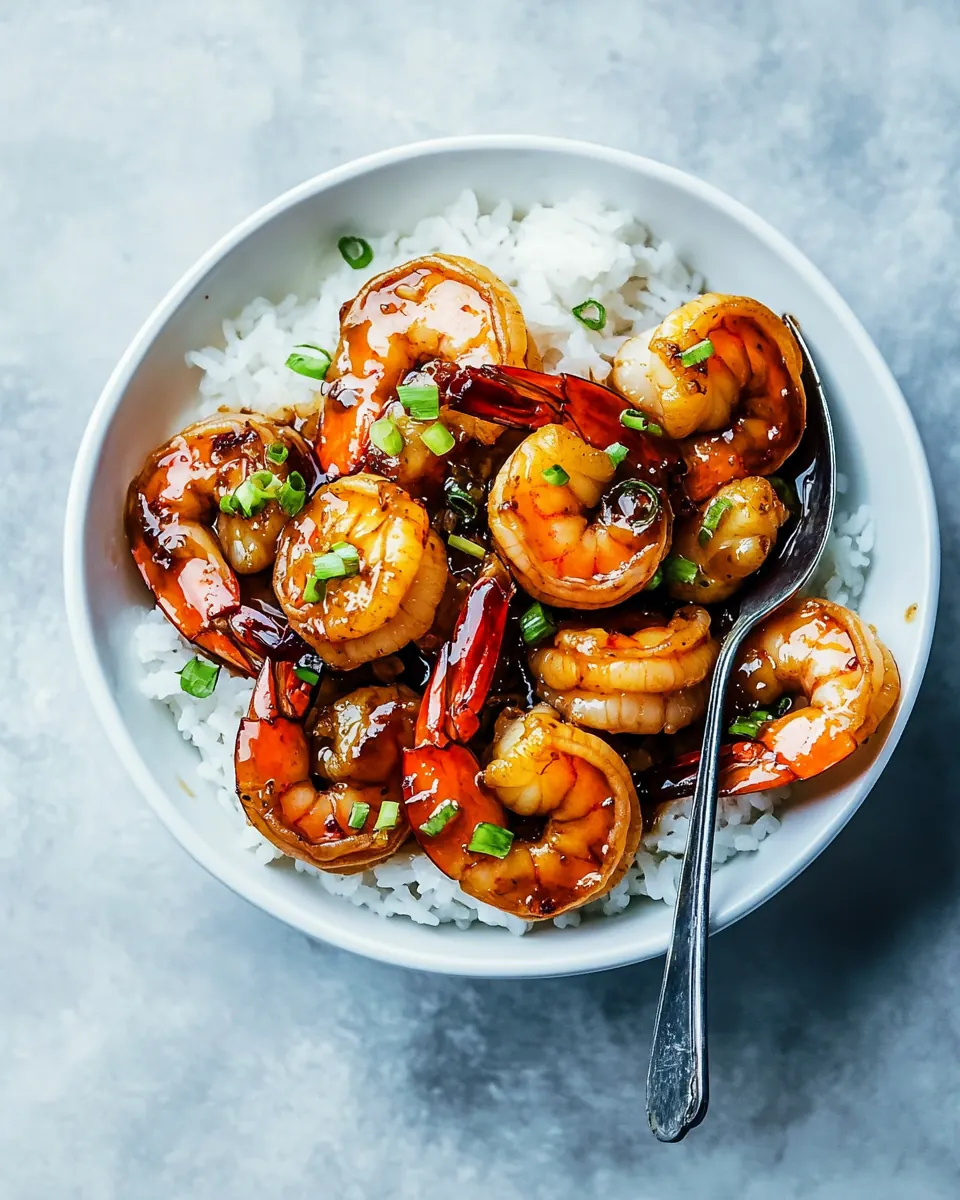
Honey Garlic Shrimp is one of those weeknight rescues I turn to when I want something fast, bright, and a little bit saucy without a ton of fuss.
I remember the first time I made Honey Garlic Shrimp for a friend who was staying over between late meetings and travel. We had a tiny window for dinner, and I wanted to showcase how shrimp can feel indulgent while still being quick. The contrast of warm, caramelized honey and the snap of freshly sautéed broccoli made the kitchen smell like a restaurant, and my friend kept commenting on the balance of sweet, savory, and spicy.
That night taught me a lot about timing and texture, and how properly searing shrimp and finishing them in a glossy sauce makes a simple meal feel special. I like to cook the shrimp in two batches so they get a little crust and do not steam. The leftover sauce clings to each piece, and when spooned over a bowl of steaming cooked white rice, it’s comfort on a plate. If you are feeding two, this recipe is perfect, and if you have guests, it scales up easily.
Recipe Snapshot
25 mins
15 mins
10 mins
Easy
350 kcal
American
Gluten-Free, Paleo
Dinner
Large pannonstick
Why This Honey Garlic Shrimp Hits Different
Fast and Flavorful
I love that Honey Garlic Shrimp comes together in under 30 minutes, giving you a high impact dinner with minimal time investment. The quick sear gives the shrimp a satisfying snap, while the honey and soy sauce create a glossy, sticky coating that tastes like you fussed for hours.
Balanced Sweet Heat
The honey mellows the heat of the Sriracha, so you get a pleasant warm note without overwhelming spice. I appreciate that subtle interplay because it lets the natural sweetness of the shrimp shine through rather than masking it.
Textural Contrast
Crunchy, crisp-tender broccoli contrasts with tender, plump shrimp, and the thinly sliced onion softens into sweet ribbons. That combination keeps every bite interesting and satisfying.
Accessible Ingredients
This recipe uses pantry-friendly components like cornstarch, soy sauce, and honey, so it is easy to make on short notice. Even the optional cooked white rice is something most of us have handy, making this a go to for busy evenings.
Flexible and Friendly
I like that Honey Garlic Shrimp adapts well to different levels of spice and can be halved or doubled without fuss. You can adjust the Sriracha to suit kids or spice lovers, and it still tastes balanced and satisfying.
Ingredients for Honey Garlic Shrimp
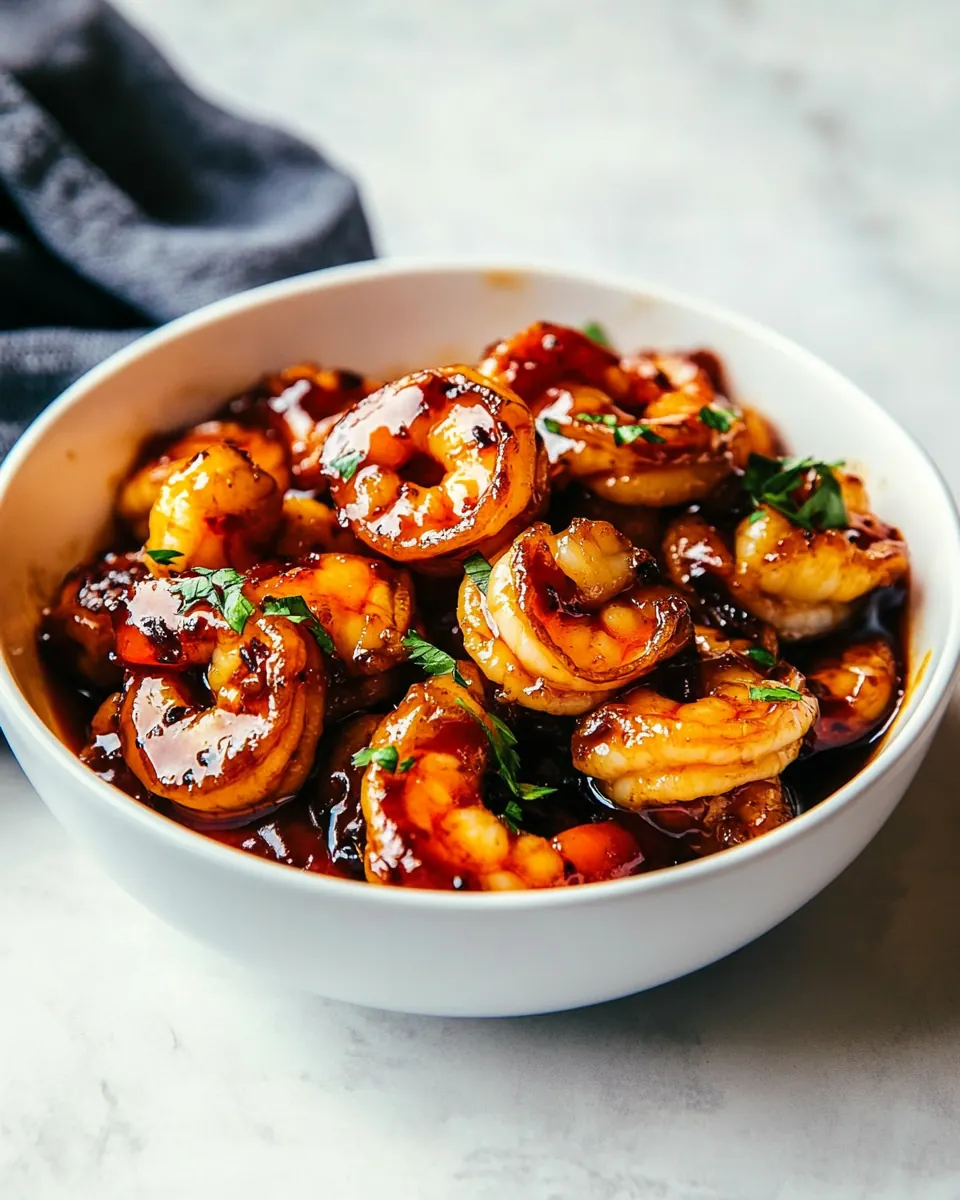
These ingredients are built around a simple philosophy: tender, well seared shrimp combined with a glossy, savory sweet sauce and crisp green broccoli. The key players, like soy sauce for umami and honey for sweetness, harmonize with aromatics such as garlic and ginger to create depth. The cornstarch gives the sauce body so it clings to every morsel.
- 2 tablespoons vegetable or sesame oil: Provide a neutral high-heat cooking medium that helps brown shrimp and vegetables quickly; use vegetable oil for a neutral flavor or sesame oil for added nuttiness. Heat until shimmering before adding aromatics to prevent sticking and ensure even searing. Measure accurately to avoid greasy results while achieving a crisp-tender texture on the shrimp. Stir frequently during sautéing to distribute heat and prevent burning.
- 1 pound extra large shrimp: Offer a tender, protein-rich centerpiece that cooks rapidly and absorbs sauces; choose extra large shrimp for a meaty bite and impressive presentation. Peel and devein if necessary, patting dry to promote better browning and prevent steaming. Add near the end of cooking to avoid overcooking and becoming rubbery, removing briefly if sauce needs reduction. Marinate briefly or toss with cornstarch for a light coating that helps thicken the sauce and improve texture.
- 1/2 large yellow onion thinly sliced: Contribute sweet, savory depth and a soft texture when thinly sliced; cook until translucent to release natural sugars that complement the sauce. Slice uniformly to ensure even cooking and to meld with other bite–sized components. Sweat gently with aromatics to form a flavor base without caramelizing too quickly. Use the cooked onion to balance the richness of the glaze and provide contrast to the shrimp.
- 2 teaspoons minced fresh ginger: Introduce bright, zesty warmth and a subtle citrus-like aroma that lifts the sauce; mince fresh ginger finely to distribute flavor evenly. Add early when sautéing aromatics to infuse the oil and vegetables with its pungent notes. Avoid burning by cooking briefly on medium heat, as burned ginger can turn bitter. Pair with garlic and soy to create a classic savory foundation for the dish.
- 1 tablespoon minced garlic: Provide pungent, savory depth and aromatic backbone; mince garlic to release oils and distribute flavor evenly through the sauce. Add with ginger and onions, cooking just until fragrant to avoid bitterness from overcooking. Use fresh garlic for the best flavor impact, balancing the sweetness of honey and heat of Sriracha. Stir into the sauce so its aroma permeates the shrimp and broccoli.
- 3 cups fresh broccoli chopped to bite-sized pieces: Add a crisp, vegetal component and bright color that contrasts with the shrimp and sauce; chop broccoli into bite–sized florets for even cooking. Steam or sauté until tender-crisp so it retains slight crunch and nutrients without becoming mushy. Toss with sauce briefly to coat and allow flavors to adhere while preserving texture. Use as a primary vegetable to bulk the dish and provide nutritional balance.
- 2 teaspoons cornstarch: Act as a thickening agent to give the sauce a glossy, clingy texture; dissolve cornstarch in a small amount of cold liquid before adding to avoid lumps. Add toward the end of cooking and simmer briefly to activate its thickening properties and achieve the desired consistency. Avoid overcooking once incorporated, as prolonged heat can thin the sauce again. Use sparingly to maintain a balance between coating and runniness.
- 4 tablespoons soy sauce not reduced-sodium: Deliver a salty, umami-rich backbone that seasons the dish and enhances savory notes; use regular soy sauce for full flavor rather than reduced–sodium varieties. Add gradually, tasting to adjust saltiness and depth, as soy sauce significantly impacts overall seasoning. Combine with honey and aromatics to form the core of the glaze. Stir well to distribute evenly and meld with sesame oils and cornstarch.
- 2 tablespoons toasted sesame oil: Provide a pronounced nutty aroma and finish that complements sesame oil already used for frying; add toasted sesame oil sparingly near the end of cooking for maximum fragrance. Drizzle at the finish to preserve its delicate flavor, as prolonged heat diminishes its aroma and can become bitter. Use to round out the sauce and tie together ginger, garlic, and soy notes. Balance with other oils to prevent overpowering the dish.
- 2 teaspoons Sriracha: Introduce a concentrated, spicy kick that can be adjusted to taste; add Sriracha gradually to control heat level and depth. Stir into the sauce to blend its vinegary, garlicky heat with the sweet honey and salty soy. Use as an optional element for those who prefer a spicy-sweet profile or to contrast the richness of sesame oil. Taste and modify to ensure the heat complements rather than overwhelms.
- 2 tablespoons honey: Bring essential sweetness that caramelizes slightly to form a glaze; add honey to balance salty and spicy elements while coating shrimp and vegetables. Mix with soy and cornstarch to create a shiny, clingy sauce that adheres well to ingredients. Add toward the end of cooking to preserve its bright floral notes and avoid burning. Adjust amount for personal sweetness preference and texture of the finished glaze.
- 1/4 teaspoon ground white pepper (optional): Provide a subtle, warm peppery background when used; add ground white pepper optionally for its milder, slightly earthy heat compared with black pepper. Sprinkle lightly into the sauce to enhance complexity without dominating other flavors, particularly in dishes with soy and sesame. Use sparingly, tasting as you go, since white pepper can be more concentrated in heat. Incorporate near the end of cooking to preserve its aroma.
- Cooked white rice , for serving (optional): Serve as a starchy, neutral base to absorb and highlight the sauce if desired; prepare cooked white rice according to package instructions and keep warm. Plate the saucy shrimp and broccoli over rice to create a balanced, satisfying meal that stretches servings. Use rice to mellow intense flavors and provide comforting texture contrast. Offer as optional for guests who prefer a carbohydrate component.
Instructions for Honey Garlic Shrimp
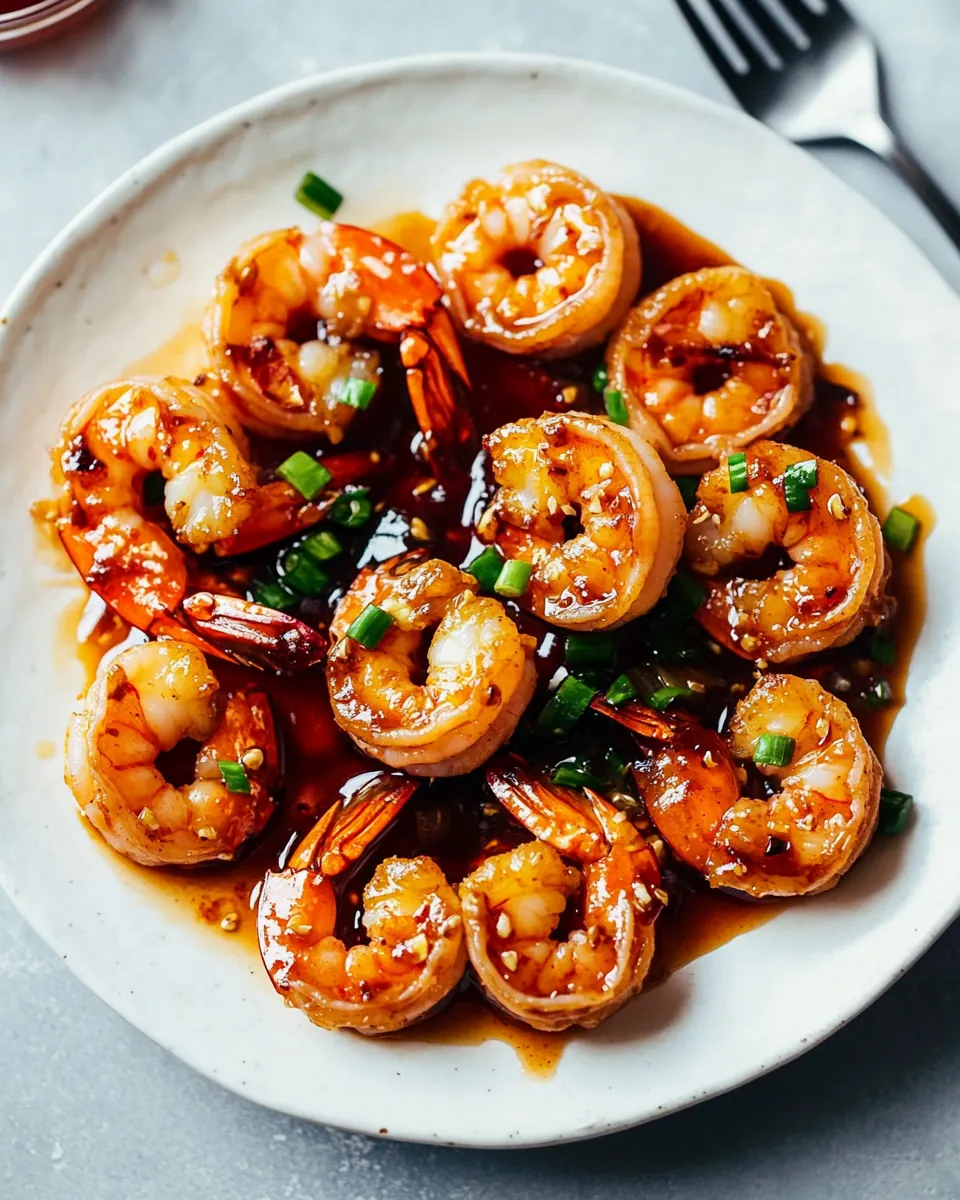
I like to think of the cooking process as choreography, where timing and heat control make the difference between a good meal and a great one. Keep your mise en place ready and have a plate for cooked shrimp so you can finish the sauce without overcooking them.
- Steam broccoli. See note 4.: The aroma of slightly steamed broccoli is green and fresh, and steaming first prevents the vegetable from ending up mushy when it finishes in the pan. Steam until crisp tender so it retains color and bite, then drain well, because excess water will dilute the sauce and steam the shrimp if added wet. A common mistake is under draining, which can make the sauce thin and prevent it from thickening properly.
- In a small bowl, add cornstarch and soy sauce. Whisk with a fork until smooth. Add remaining sauce ingredients and whisk again.: You will notice the cornstarch dissolving and the mixture shifting from opaque to sleek and glossy as it combines with the soy sauce and honey . This slurry is what turns into a syrupy glaze when heated. Whisking thoroughly prevents lumps, which would produce an uneven texture in the finished sauce. If you skip whisking, you risk a grainy sauce with pockets of starch.
- Add oil to a large nonstick pan over medium-high heat. Add 1/2 of shrimp in an even layer (don’t overcrowd or overlap). Cook for 1 minute, then use tongs to flip on the other side and cook 1 more minute up to 90 seconds or until cooked through. Use tongs to transfer to a plate. Repeat cooking the remaining shrimp and transfer to the plate.: When the oil is shimmering, it gives off a delicate nutty scent if you used sesame oil , and the pan should hiss as the shrimp kisses the surface. Searing creates a faint caramelization and a taut texture on the outside while keeping the interior tender. Flip once to get even color; over flipping cools the pan and prevents browning. A frequent error is overcrowding the pan, which causes steaming rather than searing and yields limp shrimp .
- Keeping the heat at medium-high, add the thinly sliced onion. Cook, stirring frequently, for 2–3 minutes or until starting to soften. Add a touch more oil if needed and scrape the bottom of the pan as you cook. Add in garlic and ginger, cooking for another 30 seconds. Finally, add in broccoli and cook to crisp tender.: The pan will smell sweet as the onion softens and takes on color, and the action of scraping the fond releases those browned bits that build flavor. Adding the garlic and ginger briefly ensures they bloom without burning. When you add the pre steamed broccoli , you will hear a quick sizzle and see the florets regain vivacious green tones, indicating they are approaching crisp tender. Be careful not to let the aromatics char, because burned garlic will introduce bitterness and throw off the sauce balance.
- Quickly stir up the sauce again (honey usually settles) and add to pan. Cook, stirring constantly, until the sauce thickens like syrup (about a minute). Add the shrimp back in (and any accumulated juices) and toss through just to fully warm the shrimp. Remove from heat, garnish with sesame seeds if desired, and serve immediately! I like this served over cooked rice.: As the sauce hits the hot pan, it will hiss and begin to reduce, transforming into a glossy, syrup like coating that clings to the vegetables and shrimp . Stirring continuously helps it thicken evenly and prevents hotspots where it could scorch. When it reaches a clingy, shiny glaze, return the reserved shrimp and any juices to the pan; the residual heat warms them without further cooking. Overcooking here will toughen the shrimp , so toss just until heated through. A mistake to watch for is letting the sauce reduce too far until it becomes sticky and scorch prone, so remove from heat as soon as it coats the back of a spoon.
Recipe Notes about Honey Garlic Shrimp
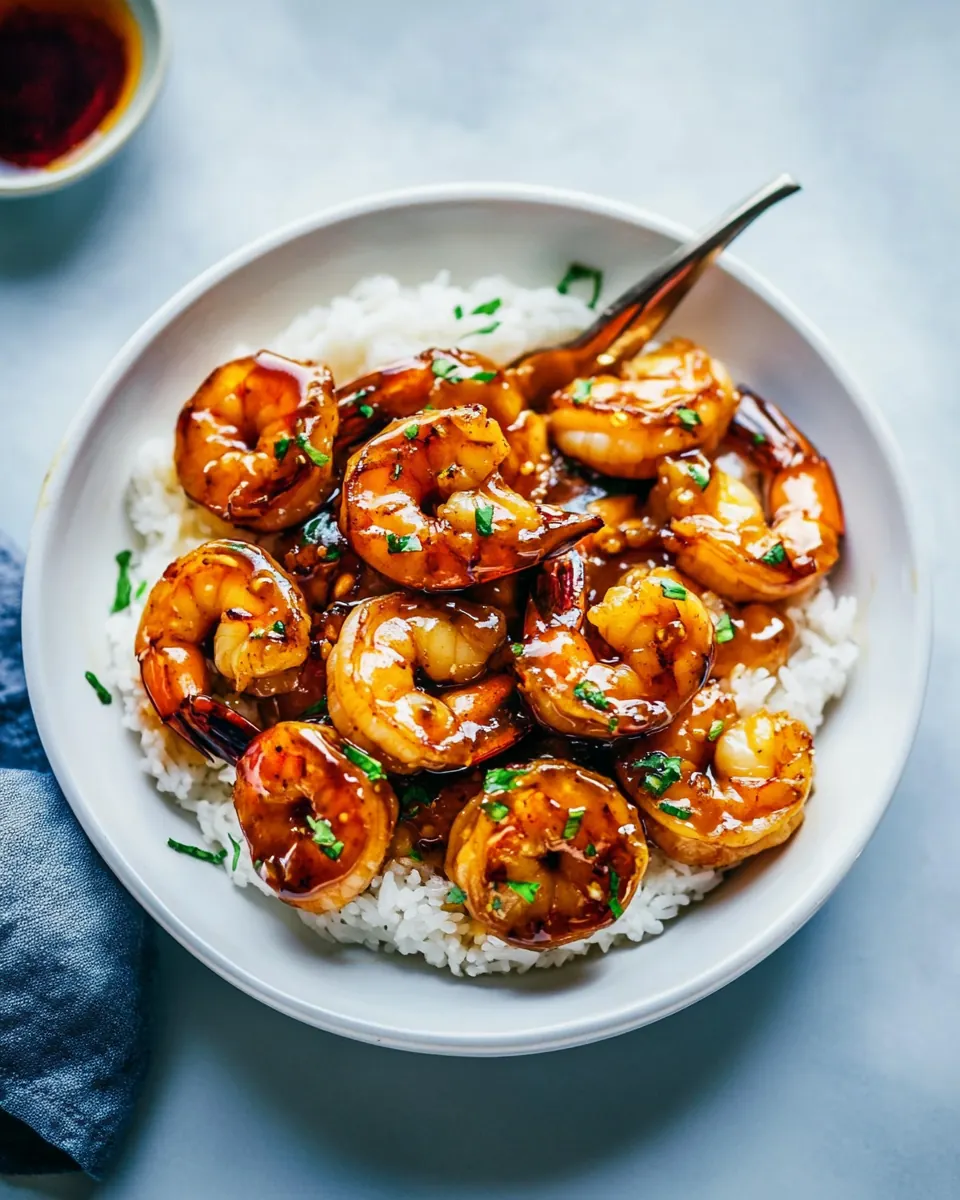
This collection of notes expands on practical handling, flavor adjustments, and storage. Each tip begins with a highlighted phrase to draw attention, and then I dive into specifics so you can cook confidently and adapt the recipe to your needs.
- Shrimp handling: Use shelled, peeled, and deveined shrimp sized as specified, and pat completely dry before cooking to ensure a proper sear. If you use frozen shrimp, thaw in the refrigerator overnight or under cold running water, then dry thoroughly to avoid excess moisture in the pan.
- Oil choice: Toasted sesame oil offers a richer, nutty aroma, but if you only have neutral oil, combine a small amount of sesame oil with vegetable oil to get similar flavor without smoking at high heat. Keep an eye on oil smoking point and lower heat if needed.
- Sriracha level: Adjust the heat to taste, using less for children or those sensitive to spice, and up the amount if you enjoy a pronounced kick. Remember that reducing the sauce condenses heat, so start milder if unsure.
- Broccoli prep: Steam the broccoli briefly or blanch and shock in cold water to preserve color and crispness, then drain completely to avoid watering down the sauce when you finish in the pan.
- Storage and reheating: Store leftovers in an airtight container in the refrigerator for up to three days. Reheat gently in a skillet over medium heat to revive texture, adding a splash of water if the sauce has thickened too much.
Perfect Pairings for Honey Garlic Shrimp
This dish plays well with simple, clean sides and fits many occasions from quick weeknight dinners to a modest celebratory meal. Below I outline serving ideas, storage notes, and occasions where this recipe shines.
- Rice bowl: Serve the Honey Garlic Shrimp over steaming cooked white rice to soak up the sauce, creating a balanced bowl with protein, vegetables, and carbs.
- Light weeknight dinner: Pair with a simple cucumber salad or quick steamed greens to keep the meal bright and fast on a busy evening.
- Casual dinner party: Offer family style bowls of rice and the sauced shrimp so guests can help themselves, making it easy to feed a small group without last minute fuss.
- Meal prep: Store in airtight containers and portion with rice for ready to reheat lunches. Reheat gently to preserve the texture of the shrimp and the vibrancy of the broccoli.
- Seasonal suitability: This recipe works all year, providing a bright, saucy protein in winter and a light, quick option for summer evenings when you want something fast and flavorful.
- Serving suggestions: Garnish with sesame seeds or thinly sliced green onion for color and a fresh bite, and serve immediately so the sauce remains glossy and clingy rather than congealed.
FAQ
Conclusion
Honey Garlic Shrimp stands out because it delivers big flavor with minimal fuss, combining tender seared shrimp, crisp broccoli, and a glossy honey soy glaze. Give it a try on a busy weeknight and you will see how quickly it elevates a simple bowl into a satisfying meal. I hope you enjoy the balance of sweet, savory, and gentle heat; it has become one of my reliable go to dinners when I want something fast, comforting, and crowd friendly.
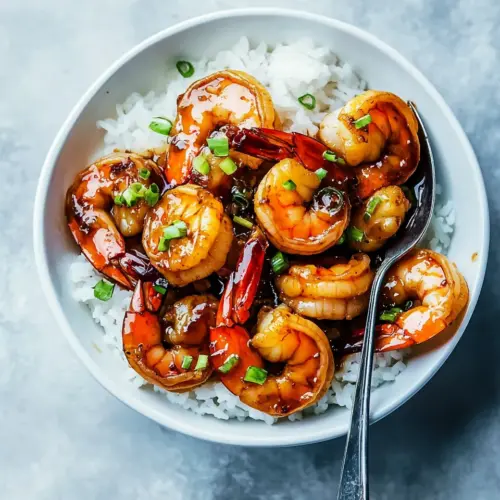
Honey Garlic Shrimp
Equipment
- Large pannonstick
Ingredients
- 2 tablespoons vegetable or sesame oil Provide a neutral high-heat cooking medium that helps brown shrimp and vegetables quickly; use vegetable oil for a neutral flavor or sesame oil for added nuttiness. Heat until shimmering before adding aromatics to prevent sticking and ensure even searing. Measure accurately to avoid greasy results while achieving a crisp-tender texture on the shrimp. Stir frequently during sautéing to distribute heat and prevent burning.
- 1 pound extra large shrimp Offer a tender, protein-rich centerpiece that cooks rapidly and absorbs sauces; choose extra large shrimp for a meaty bite and impressive presentation. Peel and devein if necessary, patting dry to promote better browning and prevent steaming. Add near the end of cooking to avoid overcooking and becoming rubbery, removing briefly if sauce needs reduction. Marinate briefly or toss with cornstarch for a light coating that helps thicken the sauce and improve texture.
- 1/2 large yellow onion thinly sliced Contribute sweet, savory depth and a soft texture when thinly sliced; cook until translucent to release natural sugars that complement the sauce. Slice uniformly to ensure even cooking and to meld with other bite-sized components. Sweat gently with aromatics to form a flavor base without caramelizing too quickly. Use the cooked onion to balance the richness of the glaze and provide contrast to the shrimp.
- 2 teaspoons minced fresh ginger Introduce bright, zesty warmth and a subtle citrus-like aroma that lifts the sauce; mince fresh ginger finely to distribute flavor evenly. Add early when sautéing aromatics to infuse the oil and vegetables with its pungent notes. Avoid burning by cooking briefly on medium heat, as burned ginger can turn bitter. Pair with garlic and soy to create a classic savory foundation for the dish.
- 1 tablespoon minced garlic Provide pungent, savory depth and aromatic backbone; mince garlic to release oils and distribute flavor evenly through the sauce. Add with ginger and onions, cooking just until fragrant to avoid bitterness from overcooking. Use fresh garlic for the best flavor impact, balancing the sweetness of honey and heat of Sriracha. Stir into the sauce so its aroma permeates the shrimp and broccoli.
- 3 cups fresh broccoli chopped to bite-sized pieces Add a crisp, vegetal component and bright color that contrasts with the shrimp and sauce; chop broccoli into bite-sized florets for even cooking. Steam or sauté until tender-crisp so it retains slight crunch and nutrients without becoming mushy. Toss with sauce briefly to coat and allow flavors to adhere while preserving texture. Use as a primary vegetable to bulk the dish and provide nutritional balance.
- 2 teaspoons cornstarch Act as a thickening agent to give the sauce a glossy, clingy texture; dissolve cornstarch in a small amount of cold liquid before adding to avoid lumps. Add toward the end of cooking and simmer briefly to activate its thickening properties and achieve the desired consistency. Avoid overcooking once incorporated, as prolonged heat can thin the sauce again. Use sparingly to maintain a balance between coating and runniness.
- 4 tablespoons soy sauce not reduced-sodium Deliver a salty, umami-rich backbone that seasons the dish and enhances savory notes; use regular soy sauce for full flavor rather than reduced-sodium varieties. Add gradually, tasting to adjust saltiness and depth, as soy sauce significantly impacts overall seasoning. Combine with honey and aromatics to form the core of the glaze. Stir well to distribute evenly and meld with sesame oils and cornstarch.
- 2 tablespoons toasted sesame oil Provide a pronounced nutty aroma and finish that complements sesame oil already used for frying; add toasted sesame oil sparingly near the end of cooking for maximum fragrance. Drizzle at the finish to preserve its delicate flavor, as prolonged heat diminishes its aroma and can become bitter. Use to round out the sauce and tie together ginger, garlic, and soy notes. Balance with other oils to prevent overpowering the dish.
- 2 teaspoons Sriracha Introduce a concentrated, spicy kick that can be adjusted to taste; add Sriracha gradually to control heat level and depth. Stir into the sauce to blend its vinegary, garlicky heat with the sweet honey and salty soy. Use as an optional element for those who prefer a spicy-sweet profile or to contrast the richness of sesame oil. Taste and modify to ensure the heat complements rather than overwhelms.
- 2 tablespoons honey Bring essential sweetness that caramelizes slightly to form a glaze; add honey to balance salty and spicy elements while coating shrimp and vegetables. Mix with soy and cornstarch to create a shiny, clingy sauce that adheres well to ingredients. Add toward the end of cooking to preserve its bright floral notes and avoid burning. Adjust amount for personal sweetness preference and texture of the finished glaze.
- 1/4 teaspoon ground white pepper optional Provide a subtle, warm peppery background when used; add ground white pepper optionally for its milder, slightly earthy heat compared with black pepper. Sprinkle lightly into the sauce to enhance complexity without dominating other flavors, particularly in dishes with soy and sesame. Use sparingly, tasting as you go, since white pepper can be more concentrated in heat. Incorporate near the end of cooking to preserve its aroma.
- Cooked white rice optional, for serving Serve as a starchy, neutral base to absorb and highlight the sauce if desired; prepare cooked white rice according to package instructions and keep warm. Plate the saucy shrimp and broccoli over rice to create a balanced, satisfying meal that stretches servings. Use rice to mellow intense flavors and provide comforting texture contrast. Offer as optional for guests who prefer a carbohydrate component.
Instructions
- Steam broccoli. See note 4.: The aroma of slightly steamed broccoli is green and fresh, and steaming first prevents the vegetable from ending up mushy when it finishes in the pan. Steam until crisp tender so it retains color and bite, then drain well, because excess water will dilute the sauce and steam the shrimp if added wet. A common mistake is under draining, which can make the sauce thin and prevent it from thickening properly.
- In a small bowl, add cornstarch and soy sauce. Whisk with a fork until smooth. Add remaining sauce ingredients and whisk again.: You will notice the cornstarch dissolving and the mixture shifting from opaque to sleek and glossy as it combines with the soy sauce and honey . This slurry is what turns into a syrupy glaze when heated. Whisking thoroughly prevents lumps, which would produce an uneven texture in the finished sauce. If you skip whisking, you risk a grainy sauce with pockets of starch.
- Add oil to a large nonstick pan over medium-high heat. Add 1/2 of shrimp in an even layer (don’t overcrowd or overlap). Cook for 1 minute, then use tongs to flip on the other side and cook 1 more minute up to 90 seconds or until cooked through. Use tongs to transfer to a plate. Repeat cooking the remaining shrimp and transfer to the plate.: When the oil is shimmering, it gives off a delicate nutty scent if you used sesame oil , and the pan should hiss as the shrimp kisses the surface. Searing creates a faint caramelization and a taut texture on the outside while keeping the interior tender. Flip once to get even color; over flipping cools the pan and prevents browning. A frequent error is overcrowding the pan, which causes steaming rather than searing and yields limp shrimp .
- Keeping the heat at medium-high, add the thinly sliced onion. Cook, stirring frequently, for 2–3 minutes or until starting to soften. Add a touch more oil if needed and scrape the bottom of the pan as you cook. Add in garlic and ginger, cooking for another 30 seconds. Finally, add in broccoli and cook to crisp tender.: The pan will smell sweet as the onion softens and takes on color, and the action of scraping the fond releases those browned bits that build flavor. Adding the garlic and ginger briefly ensures they bloom without burning. When you add the pre steamed broccoli , you will hear a quick sizzle and see the florets regain vivacious green tones, indicating they are approaching crisp tender. Be careful not to let the aromatics char, because burned garlic will introduce bitterness and throw off the sauce balance.
- Quickly stir up the sauce again (honey usually settles) and add to pan. Cook, stirring constantly, until the sauce thickens like syrup (about a minute). Add the shrimp back in (and any accumulated juices) and toss through just to fully warm the shrimp. Remove from heat, garnish with sesame seeds if desired, and serve immediately! I like this served over cooked rice.: As the sauce hits the hot pan, it will hiss and begin to reduce, transforming into a glossy, syrup like coating that clings to the vegetables and shrimp . Stirring continuously helps it thicken evenly and prevents hotspots where it could scorch. When it reaches a clingy, shiny glaze, return the reserved shrimp and any juices to the pan; the residual heat warms them without further cooking. Overcooking here will toughen the shrimp , so toss just until heated through. A mistake to watch for is letting the sauce reduce too far until it becomes sticky and scorch prone, so remove from heat as soon as it coats the back of a spoon.
Notes
- Shrimp handling: Use shelled, peeled, and deveined shrimp sized as specified, and pat completely dry before cooking to ensure a proper sear. If you use frozen shrimp, thaw in the refrigerator overnight or under cold running water, then dry thoroughly to avoid excess moisture in the pan.
- Oil choice: Toasted sesame oil offers a richer, nutty aroma, but if you only have neutral oil, combine a small amount of sesame oil with vegetable oil to get similar flavor without smoking at high heat. Keep an eye on oil smoking point and lower heat if needed.
- Sriracha level: Adjust the heat to taste, using less for children or those sensitive to spice, and up the amount if you enjoy a pronounced kick. Remember that reducing the sauce condenses heat, so start milder if unsure.
- Broccoli prep: Steam the broccoli briefly or blanch and shock in cold water to preserve color and crispness, then drain completely to avoid watering down the sauce when you finish in the pan.
- Storage and reheating: Store leftovers in an airtight container in the refrigerator for up to three days. Reheat gently in a skillet over medium heat to revive texture, adding a splash of water if the sauce has thickened too much.