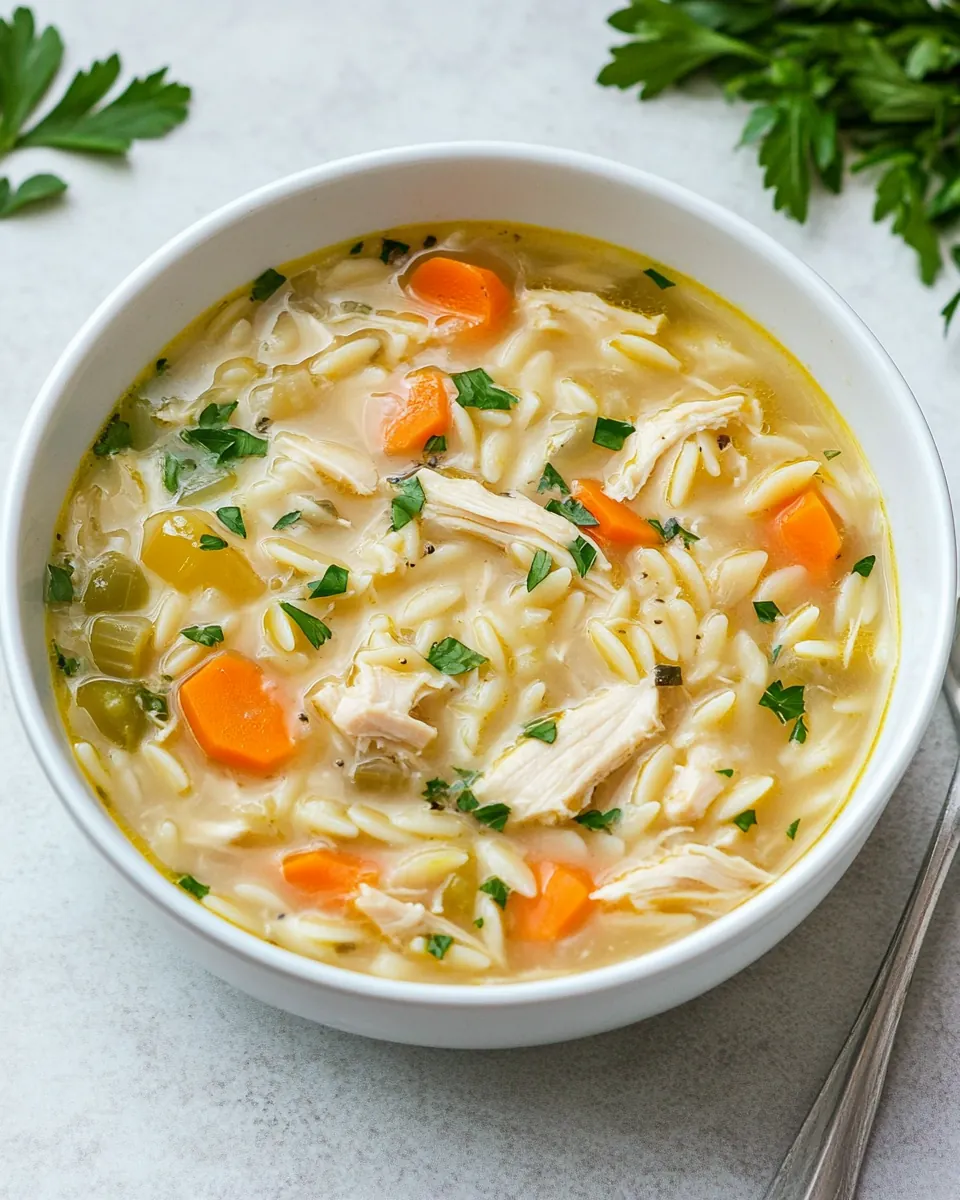
Lemon Chicken Orzo Soup
Lemon Chicken Orzo Soup is the kind of bowl I turn to when I want comfort that feels thoughtful and bright at the same time.
I first made this soup on a blustery winter evening when guests arrived unexpectedly, and I had little more than a rotisserie bird and a pantry of staples. The warm kitchen, the sound of a gentle simmer, and the citrusy lift from fresh lemon turned simple ingredients into something that felt both homey and a little celebratory. I remember tearing the chicken apart while the aroma of saut eded onion and carrot rose, then adding orzo that cooked until tender but not mushy. Friends praised the balance, and I kept thinking how easy it would be for a weeknight or for welcoming someone under the weather. Over time I refined the timing so the orzo stays plump and the broth keeps a silky finish.
What I love most about Lemon Chicken Orzo Soup is its flexibility, and how a few small choices make a big difference. Using low sodium chicken broth keeps control over salt, while a splash of fresh lemon juice and a little lemon zest wake up the whole pot. The shredded rotisserie chicken makes this accessible, and finishing with chopped parsley and grated cheese gives that final, cozy flourish. I often double the batch for leftovers, because the next-day flavors are even more rounded, provided you mind the orzo timing. This recipe feels like a warm hug you can make on short notice, and I still reach for it whenever I want something nourishing and bright.
Recipe Snapshot
25 mins
10 mins
15 mins
Easy
320 kcal
American
Gluten-Free, Low FODMAP
Soups
Large Dutch oven or large pot, Wooden spoon or spatula, Ladle
Why We Love This Lemon Chicken Orzo Soup
Bright yet comforting
I love how Lemon Chicken Orzo Soup marries a citrusy brightness with classic comfort. The fresh lemon juice and lemon zest lift the broth so it never feels heavy, while the shredded chicken and orzo provide satisfying body. When I taste it, the lemon cuts through the natural richness and keeps each spoonful lively.
Speed without sacrifice
We often need dinner fast, and this soup proves quick does not mean bland. Using a rotisserie chicken and a handful of pantry staples, I can have dinner bubbling away in under thirty minutes. The method concentrates flavor efficiently, so you get depth even on busy nights.
Texture harmony
Texture is everything, and this recipe balances tender orzo, soft but slightly crisp vegetables, and shredded chicken. I pay attention to the orzo timing so it stays al dente and does not turn into mush, especially if I know the soup will sit before serving.
Family friendly and adaptable
Everyone at my table finds something to love. Kids usually reach for seconds, while adults appreciate the subtle herbs and finishing cheese. The soup adapts to what you have on hand, and small swaps keep it interesting without breaking the overall character.
Bright finish and presentation
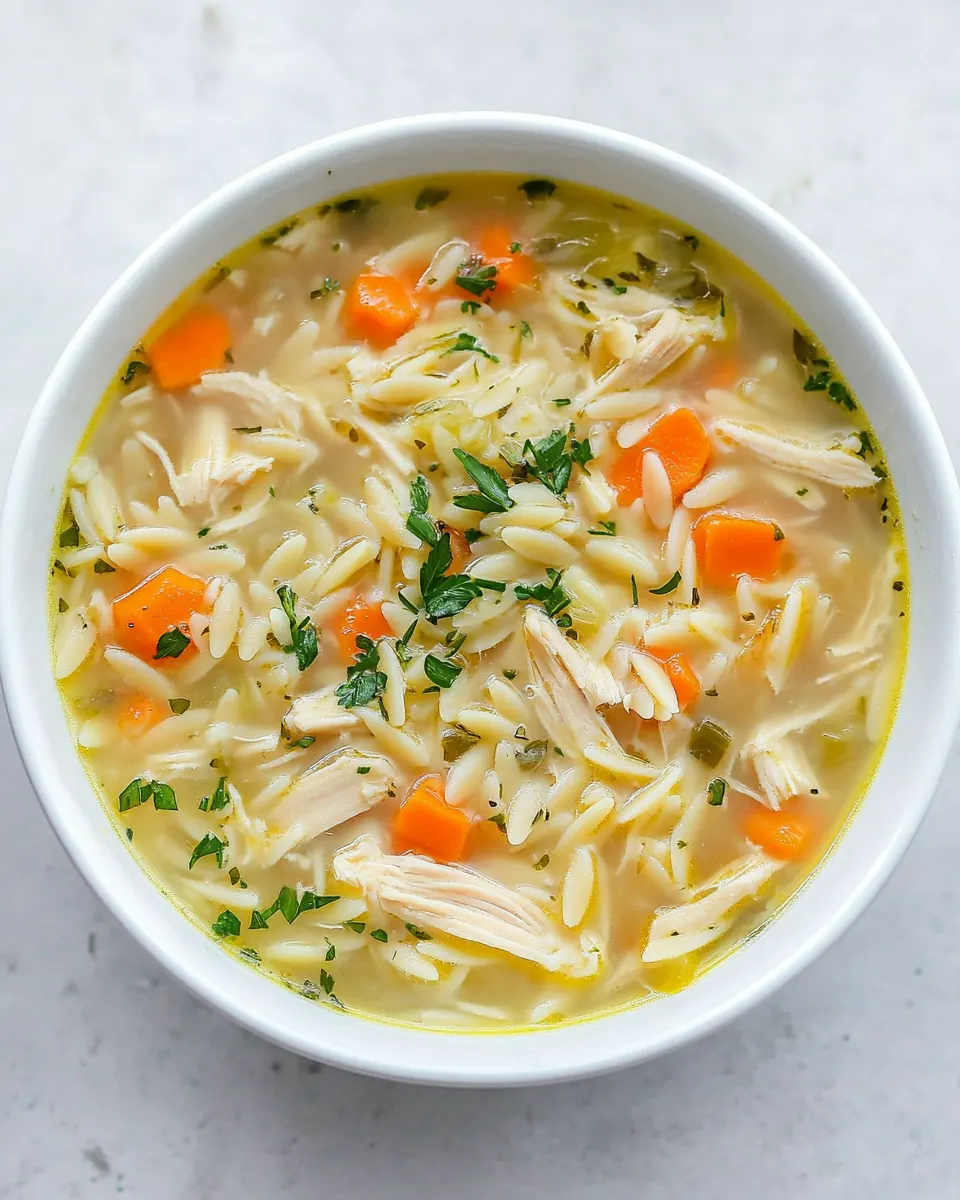
Finishing with chopped parsley and a grating of cheese makes the bowl look and taste finished. I find those last touches make the soup feel intentional, not thrown-together, and they turn a simple pot into a meal that comforts and impresses.
What to Buy for Lemon Chicken Orzo Soup

This ingredient list is tuned to balance bright acidity, savory depth, and comforting starch. The key players are the chicken, which contributes body and protein, the orzo for satisfying texture, and the lemon juice and lemon zest for lift. Vegetables like carrots, celery, and onion build a flavor base while butter and olive oil add mouthfeel. Together they create a broth that is both nourishing and lively.
- 1 tablespoon olive oil: Sauté in a skillet to provide a flavorful cooking fat and aromatic base for vegetables and proteins; adds a bright, fruity olive note and helps brown ingredients for depth.
- 1 tablespoon butter: Melt into the pan to enrich soups with silky mouthfeel and a subtle creamy flavor; helps carry and meld the butter-soluble aromatics throughout the dish.
- 1 1/3 cups carrots, chopped, (about 2 large carrots): Add as diced root vegetables to contribute natural sweetness, body, and texture; soften during simmering to create a tender, comforting element in the broth.
- 1 1/3 cups celery, chopped, (about 2 large celery stalks): Include as chopped stalks to deliver crunchy texture, herbal freshness, and an aromatic celery backbone that enhances the soup’s savory profile.
- 1 cup onion, chopped finely, (about 1/2 an onion): Sweat until translucent to introduce sweetness and savory complexity; finely chopped pieces blend into the broth for added flavor and subtle texture.
- 2 garlic cloves, minced: Sauté briefly to release pungent, aromatic oils that amplify savory depth; minced form disperses evenly throughout the soup for consistent garlic flavor.
- 2 tablespoons all-purpose flour: Whisk into the fat to form a roux that slightly thickens the broth; flour helps create a gentle body and improves mouthfeel without overpowering the soup.
- 8 cups low-sodium chicken broth: Pour as the primary liquid to create the soup’s base, supplying savory stock, seasoning control, and simmering medium to extract flavors from the ingredients.
- 1 bay leaf: Simmer whole to impart a subtle herbal, slightly floral depth; bay leaf infuses background complexity and is removed before serving to avoid toughness.
- 2 tablespoons fresh lemon juice: Stir in near the end to add bright acidity, balance richness, and lift flavors; fresh lemon juice brightens the broth and complements the chicken.
- 1 teaspoon lemon zest: Grate finely to contribute concentrated citrus aroma and zesty flavor; lemon zest intensifies lemon character without adding additional acidity.
- 1 teaspoon kosher salt: Season during cooking to enhance and balance savory flavors; kosher salt helps draw out aromas and improve the overall taste of the soup.
- 1/4 teaspoon Italian seasonings: Sprinkle for a blend of Mediterranean herbs that provides earthy, savory notes; Italian seasonings add background herbaceous complexity in small amounts.
- 1 cup orzo pasta, uncooked: Add uncooked to the simmering broth to cook to al dente, providing tender pasta body and slight chewiness while absorbing the soup’s flavors.
- 1 rotisserie chicken, shredded (about 3 cups): Shred and fold in to supply cooked protein, savory richness, and satisfying bite; rotisserie chicken contributes depth and convenience to the finished soup.
- 2 tablespoons fresh flat-leaf parsley, chopped: Garnish chopped over the finished bowl to lend fresh, herbaceous brightness and a pop of color; parsley balances flavors and enhances presentation.
- grated Parmesan or Romano cheese () (optional): Grate over servings to introduce a salty, umami finish and creamy texture; Parmesan or Romano elevates richness and adds savory complexity when desired.
Preparation Steps for Lemon Chicken Orzo Soup
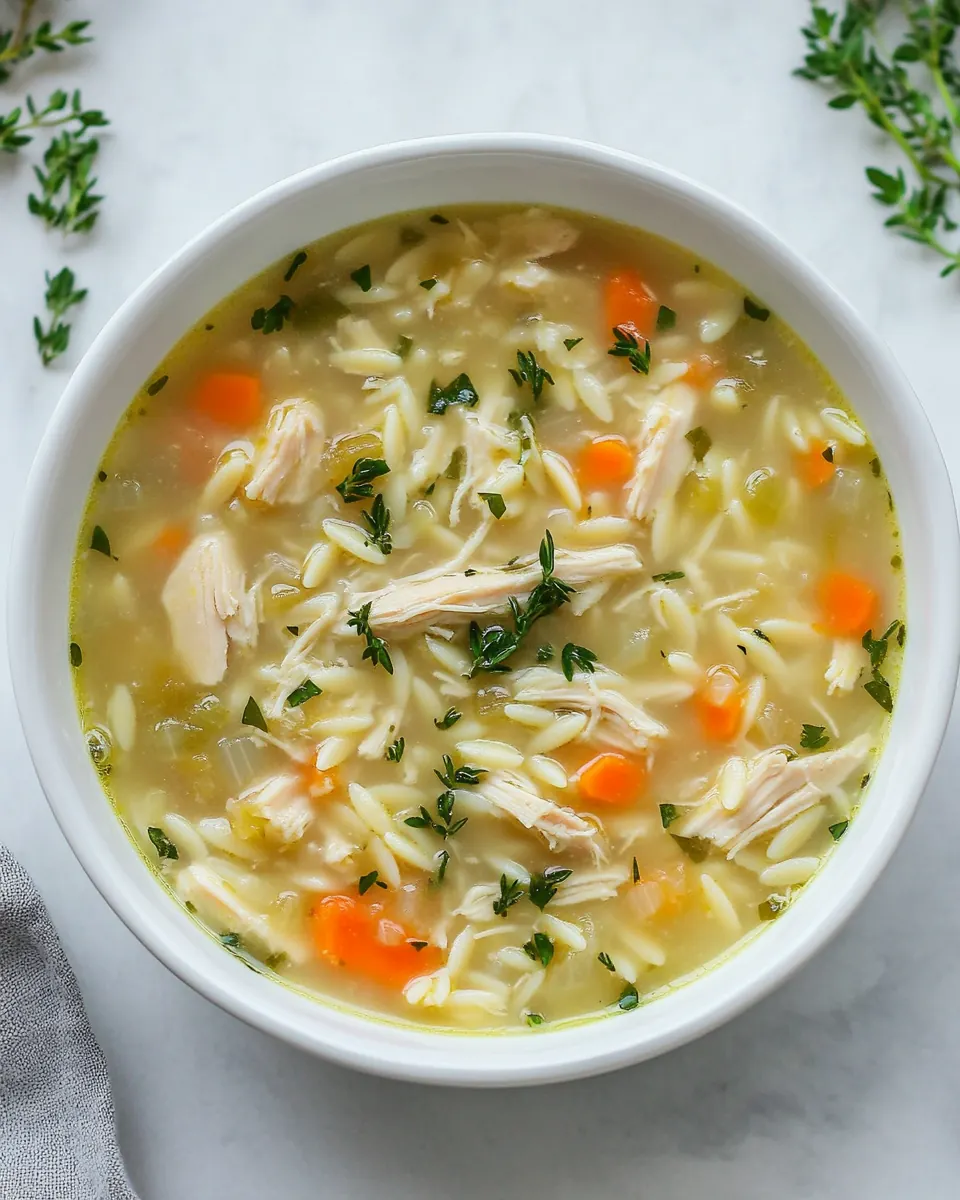
These steps walk you through building flavor from the pan up, managing texture, and finishing with freshness. Read each one fully so you can sense the right cues and avoid common mistakes.
- Heat the olive oil and melt butter in a large Dutch oven or large pot over medium-high heat.: Warmth first, then aromatics. When the olive oil shimmers and the butter has melted into it, your pan is ready. You should hear a faint, welcoming sizzle as microbubbles form, and the aroma will go from neutral to buttery, which tells you the fats are hot enough to gently cook vegetables rather than soak into them. This initial heat creates a flavor foundation by enabling the Maillard reaction on the vegetables, which adds depth to the broth. A common error is overheating the fat until it smokes, which yields bitterness, so maintain medium high so the oil is warm but not smoking. If your pan is too cool, the vegetables will stew and release water, preventing proper browning, so wait until you see that shimmer before adding anything.
- Add the carrot, celery, and onion. Sautee for about 5 minutes or until veggies are soft. Add the garlic and cook for thirty seconds.: Softening brings out natural sweetness. As you stir the chopped carrots , celery , and onion , listen for a soft, steady hiss and watch the edges of the onion turn translucent to pale gold. This signals that their sugars are releasing and building flavor. After roughly five minutes, add the minced garlic and cook just long enough for it to become aromatic, about thirty seconds, because garlic goes from fragrant to bitter quickly. The scent should shift from vegetable sweetness to a savory, garlicky perfume. Avoid high heat here to prevent scorching, and resist the urge to crowd the pan, which can steam the vegetables instead of browning them.
- Sprinkle the flour over the mixture and cook for one minute. Add the chicken broth, bay leaf, lemon juice, lemon zest, salt and Italian seasonings.: The flour creates a silky body, so after sprinkling it over the softened vegetables stir until it becomes a sandy, cohesive paste and cook just long enough to lose its raw flour taste. You will notice it darken slightly and bind the vegetables. When you add the hot or room temperature chicken broth , whisk or stir to dissolve any lumps, and you will hear a gentle simmer begin as the liquid hits the pan. Adding the bay leaf , fresh lemon juice , lemon zest , salt , and Italian seasonings at this stage allows aromas to infuse into the stock. The broth should smell layered and bright. A common slip is adding too much flour or not cooking it long enough, which leads to a pasty or raw flavor, so one minute is usually sufficient to toast the flour slightly.
- Add the orzo and simmer until orzo is cooked through about 10 minutes (see Note not serving soup right away). Stir in the chicken until heated through.: The orzo absorbs broth and makes the soup satisfyingly substantial. When you add it, you should see the pot return to a steady, gentle simmer with small bubbles rising to the surface, and the aroma will deepen as starches are released. Stir occasionally to prevent the orzo from sticking to the bottom. After about ten minutes the pasta should be tender yet still hold a little bite, and the broth will be slightly thickened and glossy from released starches. Stir in the shredded rotisserie chicken just long enough to warm it through; the meat should be juicy and integrated, not dried out. If you are not serving immediately, consider cooking the orzo separately, because it will continue to swell and thicken the soup as it sits, which can result in an overly dense texture.
- Just before serving add parsley and remove bay leaf. Add more salt and pepper to taste. Add Romano or Parmesan cheese if desired.: Finish with fresh chopped parsley for herbaceous brightness and remove the bay leaf so no one encounters its sharp texture. At this stage the aroma brightens, and the bowl should look vibrant with green flecks and a sheen on the broth. Taste carefully and adjust seasoning, because the cheese will add salt and umami if you choose to include Romano or Parmesan . A common misstep is adding too much salt before tasting after the cheese, so season conservatively and recheck. Serve immediately while the orzo is tender and the soup is hot but not scalding.
Ways to Adapt This Recipe
This section offers practical, tested adaptations to suit timing, texture, and flavor preferences. Each tip starts with a bold phrase so you can scan for the tweak you need, followed by a clear explanation of how to implement it and why it works.
- Make it heartier with extra chicken: If you want more protein, add an additional cup of shredded rotisserie chicken after the orzo has nearly finished cooking so the meat warms through without drying. This increases satiety and makes the bowl feel more like a main course. Be mindful of additional salt, and taste before adding more seasoning.
- Control the orzo for later serving: Cook the orzo separately to al dente, drain and toss with a little olive oil, then add to bowls when serving. This prevents the pasta from soaking all the broth if the soup sits, preserving the intended broth to pasta ratio and texture.
- Boost citrus without extra acidity: Use extra lemon zest rather than more juice to amplify lemon aroma without making the broth too tart. Zest contains essential oils that deliver vibrant fragrance and perceived brightness with less actual acidity, which helps balance flavor.
- Swap herbs for different profiles: If you prefer an herb-forward finish, mix chopped fresh basil or dill with the parsley when you finish the soup. Each herb adds a unique top note and can subtly change the cultural leaning of the bowl while keeping the base intact.
- Adjust thickness with broth: If the soup thickens too much after resting, thin it with additional warm low sodium chicken broth rather than water to preserve flavor. Warm broth reincorporates smoothly and keeps the temperature steady for serving.
Serving Options for Lemon Chicken Orzo Soup
This section outlines how to present and pair the soup across meals and occasions, with ideas for side dishes, storage, and seasonal serving. Each bullet highlights a practical phrase in bold so you can quickly find the suggestion that fits your plan.
- Serve as a weeknight dinner: Pair bowls of Lemon Chicken Orzo Soup with crusty bread for soaking up broth, and a simple side salad for contrast. The soup is substantial enough to be the main course, especially when the rotisserie chicken is generous.
- Lunch option for the office: Portion soup into microwave safe containers with the orzo on the side if possible, then combine before reheating to keep texture. This helps maintain a lively broth and prevents the pasta from softening too much during storage.
- Comfort food during winter: On cold winter evenings this soup warms the table with both heat and citrus lift. Serve in deep bowls with extra grated Parmesan offered at the table to add richness if desired.
- Light dinner for spring: For a lighter springtime meal, serve smaller bowls alongside a bright vegetable salad, and finish the soup with an extra sprinkle of chopped parsley to emphasize freshness.
- Storing and reheating: Cool the soup quickly and refrigerate in airtight containers for up to three days. If the orzo has absorbed too much liquid after chilling, add warm low sodium chicken broth when reheating to restore the desired consistency.
- Occasion friendly: For casual entertaining, offer bowls with small ramekins of grated Parmesan, extra chopped parsley, and lemon wedges so guests can finish their bowls to taste. This allows each diner to personalize brightness and richness.
- Seasonal pairings: In winter, serve with roasted root vegetables as sides; in spring, pair with a crisp green salad. The citrus in the soup balances richer, earthier side dishes and complements lighter, fresher accompaniments.
FAQ
Conclusion
This Lemon Chicken Orzo Soup shines because it balances comforting warmth with a bright citrus finish, making each spoonful both soothing and lively. Give it a try when you need a quick, nourishing meal that still feels special, whether for a busy weeknight or when friends drop by unexpectedly. The simple steps and pantry friendly ingredients mean you can make a pot with confidence, and the fresh finishing touches transform it into something you will return to again and again.

Lemon Chicken Orzo Soup
Equipment
- Large Dutch oven or large pot
- Wooden spoon or spatula
- Ladle
Ingredients
- 1 tablespoon olive oil Sauté in a skillet to provide a flavorful cooking fat and aromatic base for vegetables and proteins; adds a bright, fruity olive note and helps brown ingredients for depth.
- 1 tablespoon butter Melt into the pan to enrich soups with silky mouthfeel and a subtle creamy flavor; helps carry and meld the butter-soluble aromatics throughout the dish.
- 1 1/3 cups carrots, chopped, (about 2 large carrots) Add as diced root vegetables to contribute natural sweetness, body, and texture; soften during simmering to create a tender, comforting element in the broth.
- 1 1/3 cups celery, chopped, (about 2 large celery stalks) Include as chopped stalks to deliver crunchy texture, herbal freshness, and an aromatic celery backbone that enhances the soup’s savory profile.
- 1 cup onion, chopped finely, (about 1/2 an onion) Sweat until translucent to introduce sweetness and savory complexity; finely chopped pieces blend into the broth for added flavor and subtle texture.
- 2 garlic cloves, minced Sauté briefly to release pungent, aromatic oils that amplify savory depth; minced form disperses evenly throughout the soup for consistent garlic flavor.
- 2 tablespoons all-purpose flour Whisk into the fat to form a roux that slightly thickens the broth; flour helps create a gentle body and improves mouthfeel without overpowering the soup.
- 8 cups low-sodium chicken broth Pour as the primary liquid to create the soup’s base, supplying savory stock, seasoning control, and simmering medium to extract flavors from the ingredients.
- 1 bay leaf Simmer whole to impart a subtle herbal, slightly floral depth; bay leaf infuses background complexity and is removed before serving to avoid toughness.
- 2 tablespoons fresh lemon juice Stir in near the end to add bright acidity, balance richness, and lift flavors; fresh lemon juice brightens the broth and complements the chicken.
- 1 teaspoon lemon zest Grate finely to contribute concentrated citrus aroma and zesty flavor; lemon zest intensifies lemon character without adding additional acidity.
- 1 teaspoon kosher salt Season during cooking to enhance and balance savory flavors; kosher salt helps draw out aromas and improve the overall taste of the soup.
- 1/4 teaspoon Italian seasonings Sprinkle for a blend of Mediterranean herbs that provides earthy, savory notes; Italian seasonings add background herbaceous complexity in small amounts.
- 1 cup orzo pasta, uncooked Add uncooked to the simmering broth to cook to al dente, providing tender pasta body and slight chewiness while absorbing the soup’s flavors.
- 1 rotisserie chicken, shredded (about 3 cups) Shred and fold in to supply cooked protein, savory richness, and satisfying bite; rotisserie chicken contributes depth and convenience to the finished soup.
- 2 tablespoons fresh flat-leaf parsley, chopped Garnish chopped over the finished bowl to lend fresh, herbaceous brightness and a pop of color; parsley balances flavors and enhances presentation.
- grated Parmesan or Romano cheese (optional) Grate over servings to introduce a salty, umami finish and creamy texture; Parmesan or Romano elevates richness and adds savory complexity when desired.
Instructions
- Heat the olive oil and melt butter in a large Dutch oven or large pot over medium-high heat.: Warmth first, then aromatics. When the olive oil shimmers and the butter has melted into it, your pan is ready. You should hear a faint, welcoming sizzle as microbubbles form, and the aroma will go from neutral to buttery, which tells you the fats are hot enough to gently cook vegetables rather than soak into them. This initial heat creates a flavor foundation by enabling the Maillard reaction on the vegetables, which adds depth to the broth. A common error is overheating the fat until it smokes, which yields bitterness, so maintain medium high so the oil is warm but not smoking. If your pan is too cool, the vegetables will stew and release water, preventing proper browning, so wait until you see that shimmer before adding anything.
- Add the carrot, celery, and onion. Sautee for about 5 minutes or until veggies are soft. Add the garlic and cook for thirty seconds.: Softening brings out natural sweetness. As you stir the chopped carrots , celery , and onion , listen for a soft, steady hiss and watch the edges of the onion turn translucent to pale gold. This signals that their sugars are releasing and building flavor. After roughly five minutes, add the minced garlic and cook just long enough for it to become aromatic, about thirty seconds, because garlic goes from fragrant to bitter quickly. The scent should shift from vegetable sweetness to a savory, garlicky perfume. Avoid high heat here to prevent scorching, and resist the urge to crowd the pan, which can steam the vegetables instead of browning them.
- Sprinkle the flour over the mixture and cook for one minute. Add the chicken broth, bay leaf, lemon juice, lemon zest, salt and Italian seasonings.: The flour creates a silky body, so after sprinkling it over the softened vegetables stir until it becomes a sandy, cohesive paste and cook just long enough to lose its raw flour taste. You will notice it darken slightly and bind the vegetables. When you add the hot or room temperature chicken broth , whisk or stir to dissolve any lumps, and you will hear a gentle simmer begin as the liquid hits the pan. Adding the bay leaf , fresh lemon juice , lemon zest , salt , and Italian seasonings at this stage allows aromas to infuse into the stock. The broth should smell layered and bright. A common slip is adding too much flour or not cooking it long enough, which leads to a pasty or raw flavor, so one minute is usually sufficient to toast the flour slightly.
- Add the orzo and simmer until orzo is cooked through about 10 minutes (see Note not serving soup right away). Stir in the chicken until heated through.: The orzo absorbs broth and makes the soup satisfyingly substantial. When you add it, you should see the pot return to a steady, gentle simmer with small bubbles rising to the surface, and the aroma will deepen as starches are released. Stir occasionally to prevent the orzo from sticking to the bottom. After about ten minutes the pasta should be tender yet still hold a little bite, and the broth will be slightly thickened and glossy from released starches. Stir in the shredded rotisserie chicken just long enough to warm it through; the meat should be juicy and integrated, not dried out. If you are not serving immediately, consider cooking the orzo separately, because it will continue to swell and thicken the soup as it sits, which can result in an overly dense texture.
- Just before serving add parsley and remove bay leaf. Add more salt and pepper to taste. Add Romano or Parmesan cheese if desired.: Finish with fresh chopped parsley for herbaceous brightness and remove the bay leaf so no one encounters its sharp texture. At this stage the aroma brightens, and the bowl should look vibrant with green flecks and a sheen on the broth. Taste carefully and adjust seasoning, because the cheese will add salt and umami if you choose to include Romano or Parmesan . A common misstep is adding too much salt before tasting after the cheese, so season conservatively and recheck. Serve immediately while the orzo is tender and the soup is hot but not scalding.
Notes
- Make it heartier with extra chicken: If you want more protein, add an additional cup of shredded rotisserie chicken after the orzo has nearly finished cooking so the meat warms through without drying. This increases satiety and makes the bowl feel more like a main course. Be mindful of additional salt, and taste before adding more seasoning.
- Control the orzo for later serving: Cook the orzo separately to al dente, drain and toss with a little olive oil, then add to bowls when serving. This prevents the pasta from soaking all the broth if the soup sits, preserving the intended broth to pasta ratio and texture.
- Boost citrus without extra acidity: Use extra lemon zest rather than more juice to amplify lemon aroma without making the broth too tart. Zest contains essential oils that deliver vibrant fragrance and perceived brightness with less actual acidity, which helps balance flavor.
- Swap herbs for different profiles: If you prefer an herb-forward finish, mix chopped fresh basil or dill with the parsley when you finish the soup. Each herb adds a unique top note and can subtly change the cultural leaning of the bowl while keeping the base intact.
- Adjust thickness with broth: If the soup thickens too much after resting, thin it with additional warm low sodium chicken broth rather than water to preserve flavor. Warm broth reincorporates smoothly and keeps the temperature steady for serving.