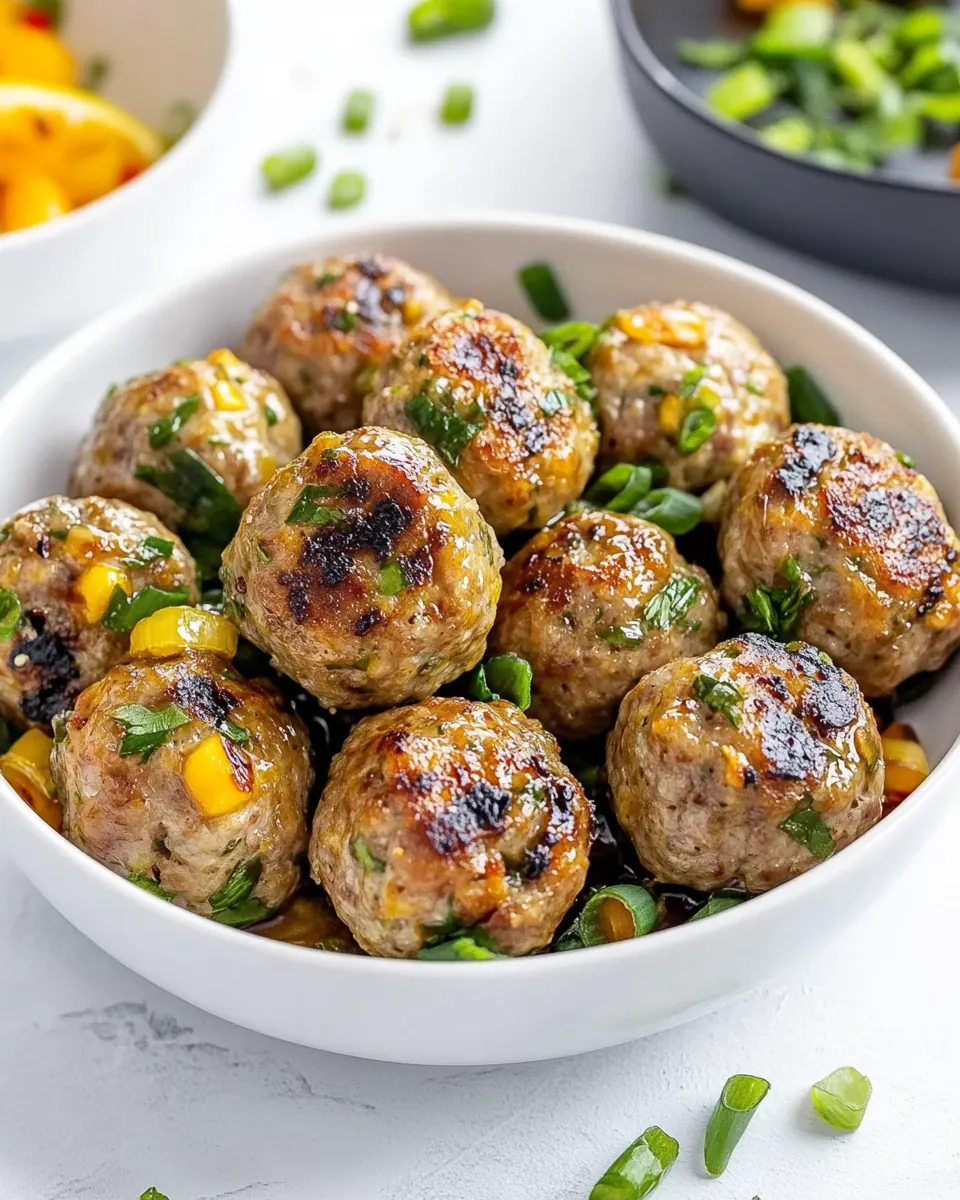
Thai Baked Turkey Meatballs
Thai Baked Turkey Meatballs are one of those recipes I reach for when I want bold flavor without fuss. The first time I made these I was juggling a busy weeknight and a fridge full of takeout temptation, and the bright snap of basil and lemongrass cut through the chaos in the best way. I remember tasting the warm meatball and thinking how the fish sauce and garlic created an umami backbone that felt both familiar and a little adventurous.
There is a small ritual I follow with these meatballs. I like to chop the scallions at the last minute so their peppery freshness stays alive. While the oven warms, I mix the ground turkey gently, respecting its texture so the meatballs stay tender. The whole process is quick, and the payoff is a tray of slightly crisp, aromatic bites that make everyone at the table smile.
Recipe Snapshot
30 mins
10 mins
20 mins
Easy
250 kcal
Thai
Paleo, Gluten-Free
Dinner
Mixing bowl, Baking sheet, Parchment paper, Measuring spoons, Scoop
Why This Thai Baked Turkey Meatballs Shines
Vibrant, layered flavors that surprise
I love how Thai Baked Turkey Meatballs balance fragrant herbs and savory depth. The combination of basil, lemongrass, and garlic gives each bite an immediate aromatic hit, while the fish sauce supplies a savory backbone that keeps the flavor grounded. I find this contrast makes the meatballs feel special without adding extra steps.
Weeknight friendly without sacrificing quality
Because these are baked, not fried, they are fast and low fuss, and I’ve often pulled them together between errands. Baking lets me skip constant babysitting at the stove, and the result is tender interiors with lightly crisped exteriors, a texture I personally crave during busy evenings.
Flexible for different diets and swaps
I appreciate that the recipe allows for simple swaps like GF panko or almond flour, which keeps these meatballs accessible to many dietary needs. The structure stays intact and the flavor remains bright, so I can adapt without losing the heart of the dish.
Make ahead friendly
These meatballs freeze and reheat beautifully, so they become my secret weapon for meal prep. I like to bake a double batch, refrigerate half, and freeze the rest. When life gets hectic, having a tray ready to reheat is a real comfort.
Kid and party approved
Even picky eaters often enjoy the gentle spice and herb notes here. I’ve brought these to potlucks and they disappear fast, which tells me they hit the sweet spot between familiar comfort and interesting flavor.
Ingredients You’ll Need for Thai Baked Turkey Meatballs
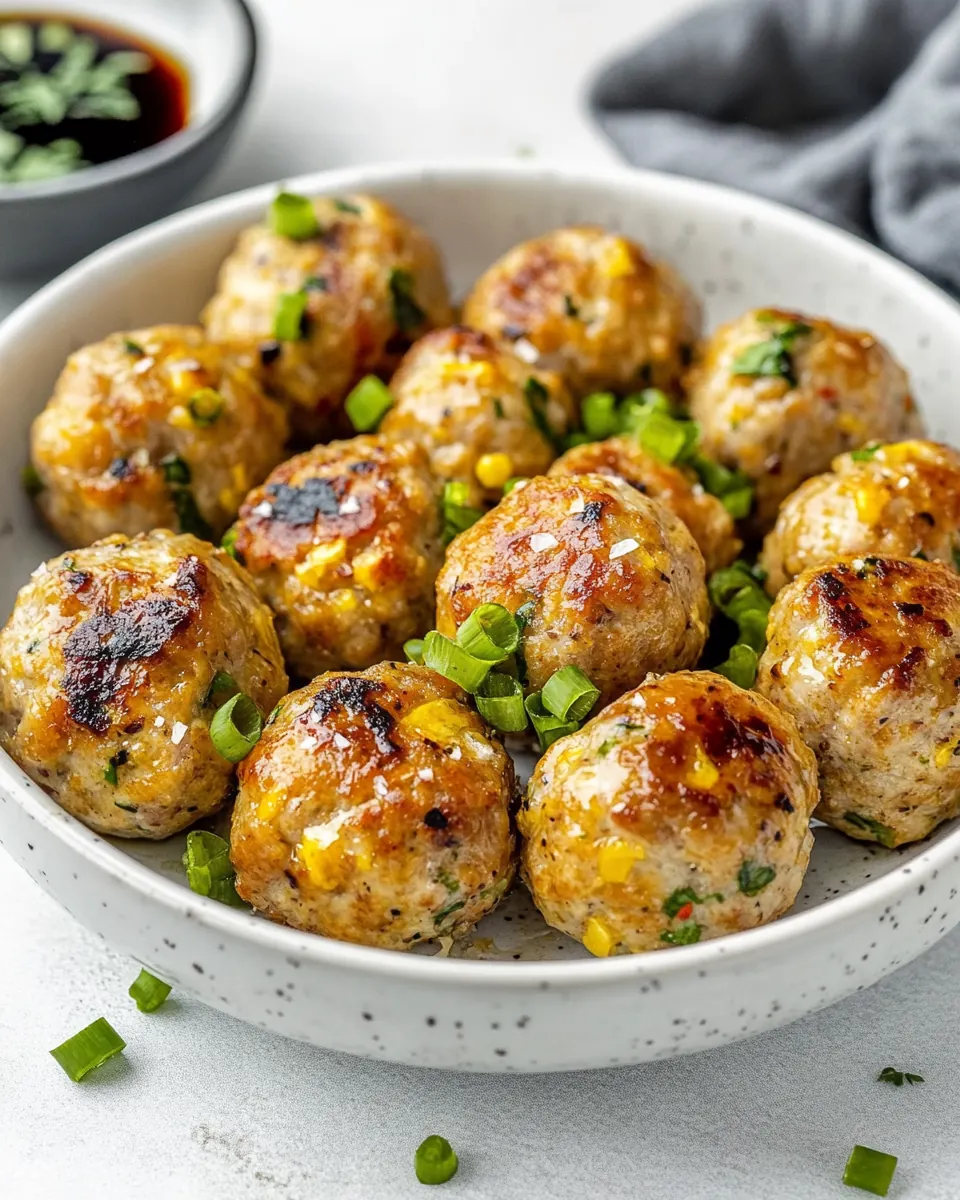
These ingredients work as a compact team. The ground turkey provides a lean, tender base, while the panko breadcrumbs or almond flour add structure so the meatballs hold their shape. The eggs bind everything together, and fresh aromatics like scallions, basil, and garlic bring bright, herby notes. Umami from fish sauce and citrusy warmth from lemongrass keep each bite layered and interesting.
- 1 1/2 pounds ground turkey or chicken: Provide lean protein and moisture for binding; helps form tender, handheld meatballs while keeping calories lower than beef. Absorbs seasonings well and browns in the oven for savory flavor.
- 1 cup panko breadcrumbs GF panko, or almond flour: Add light, airy structure to help bind and retain moisture; panko creates a delicate crumb that prevents dense meatballs. Use gluten-free panko or almond flour as noted to accommodate dietary needs without altering texture drastically.
- 2 large eggs: Bind ingredients together while adding richness and moisture; eggs help the meatballs hold their shape during baking. Whisk lightly before mixing to distribute yolk and white evenly for consistent texture.
- 1/2 cup chopped scallions: Contribute a mild onion-like freshness and crisp texture; chopped scallions brighten the meatball mixture and add aroma. Fold in near the end of mixing to preserve color and subtle crunch.
- 1/4 cup chopped fresh basil: Impart sweet, slightly peppery, and aromatic notes typical of Thai cuisine; fresh basil lifts the overall flavor profile. Chop finely so leaves distribute evenly for bursts of herbal fragrance in each bite.
- 3 cloves garlic minced: Provide pungent, savory depth and aromatic heat when minced; garlic enhances umami and melds with other flavors during baking. Sautéing is optional, but raw minced garlic mixes well and softens when cooked.
- 2 tablespoons fish sauce paleo: Introduce savory umami and a salty, oceanic complexity characteristic of Thai dishes; fish sauce deepens flavor without adding bulk. Use sparingly and taste as you go to balance saltiness with other seasonings.
- 2 tablespoons chopped lemongrass fresh, paste, or freeze-dried: Contribute bright citrusy, slightly floral notes reminiscent of lemongrass; chopped lemongrass adds an authentic Southeast Asian fragrance. Use fresh, paste, or freeze–dried versions interchangeably, adjusting quantity to match intensity.
- 1/2 teaspoon crushed red pepper: Provide a touch of heat and subtle smoky flavor; crushed red pepper helps balance sweet and savory elements in the meatballs. Start with the listed amount and adjust to personal spice preference.
- 1 tablespoon melted coconut oil or olive oil: Add fat for moisture, help prevent sticking, and impart a mild flavor depending on choice; melted coconut oil gives a faint tropical note while olive oil offers a neutral, fruity richness. Stir into the mixture to distribute fat evenly and promote browning.
The Process for Making Thai Baked Turkey Meatballs
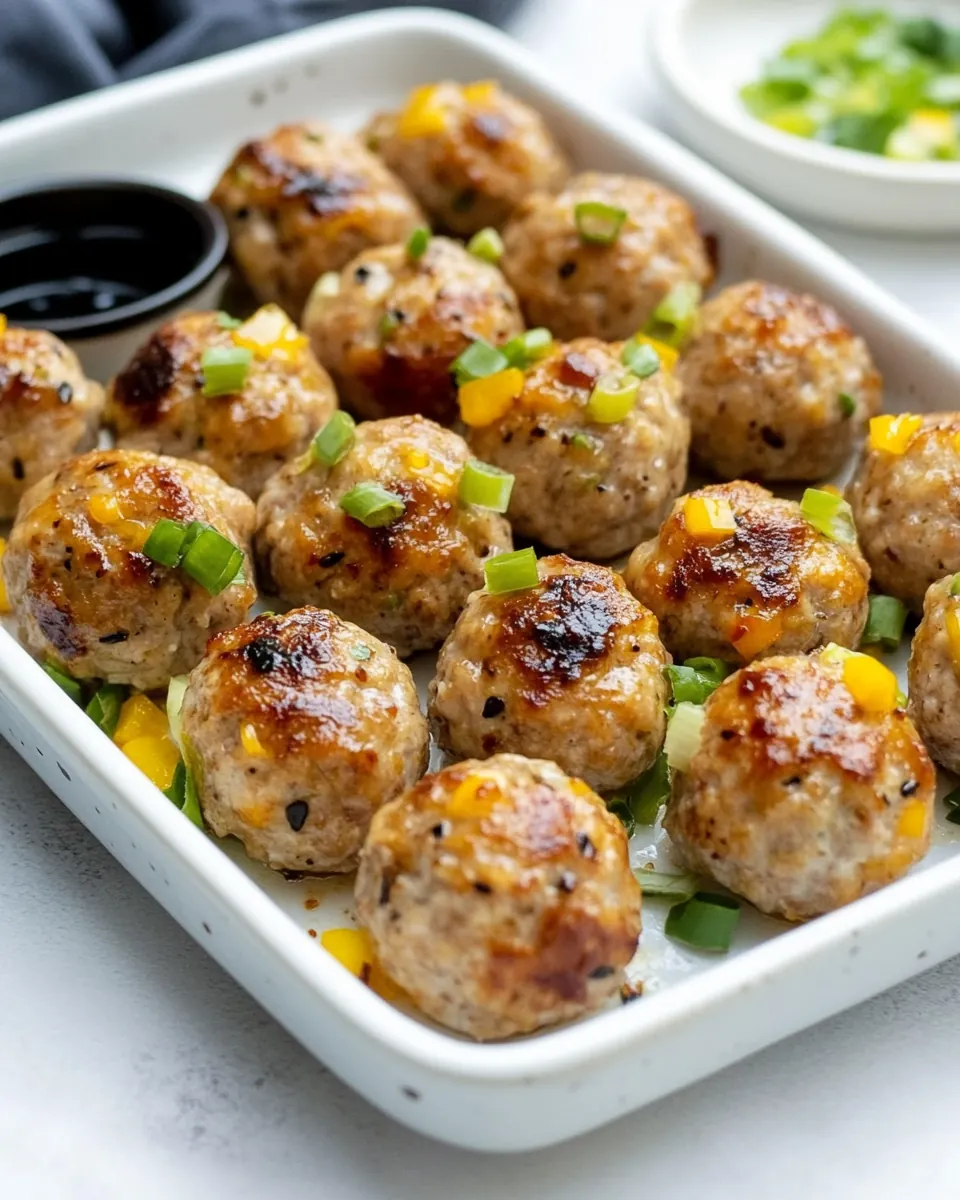
These directions are straightforward, and I like to work with a relaxed rhythm so the flavors can develop. Below I expand each step into sensory cues, troubleshooting tips, and the reasons behind the technique so you can feel confident at every stage.
- Preheat the oven to 400 degrees F. Line a large rimmed baking sheet with parchment paper.: The smell of a hot oven is reassuring; you want it fully warmed so the meatballs begin to set immediately on contact, which helps create a slightly crisp exterior. If the oven is not fully preheated, the meatballs may release more liquid and become softer. Common mistake, rushing this step leads to uneven browning. Listen for the faint hum of heating elements, and watch for steady temperature before inserting the tray.
- Set out a large mixing bowl. Add the ground turkey, almond flour, eggs, scallions, basil, garlic, fish sauce, lemongrass, and crushed red pepper. Mix until well combined with a smooth texture. (Don't overmix!): The tactile feel of the mixture should be cohesive and slightly tacky, not soupy. Mixing releases proteins that bind the ingredients, giving a tender interior when handled properly. Overmixing will make the texture dense and gummy. If the bowl feels too wet, a small extra tablespoon of panko or almond flour can help, but add sparingly so you do not dry the meat.
- Use a 1.5 tablespoon scoop to portion out balls. Gently roll the balls and lay them on a baking sheet. The meat mixture will be very soft and sticky, so try not to roll the balls too much.: The tactile image here is soft, yielding, and slightly sticky hands; gentle shaping keeps the meatballs airy. Overworking will compact the mix and tighten the crumb, robbing tenderness. If the mixture clings excessively, wet your hands or lightly oil them to prevent sticking. Arrange the balls with space between them to allow hot air to circulate and promote even browning.
- Once all the balls are formed. Warm the coconut oil, then drizzle it over the tops of the meatballs.: The warm oil brings out the aromatics and encourages the tops to brown and glisten in the oven, signaling caramelization. If you pour cold oil it may sink and not coat evenly. A common slip is using too much oil; a gentle drizzle is enough. The oil will add a faint, toasty scent as it heats and help the tops develop a light crust without frying.
- Place the meatballs in the oven for 10 minutes. Then flip each meatball and place back in the oven for another 10 minutes. Serve warm.: During the first bake you should notice gentle oven steam and a subtle herb fragrance. After flipping, the second bake develops even color and ensures the centers reach a safe temperature. If you skip flipping, one side may brown more than the other. Test for doneness by checking that the internal temperature registers safely and the juices run clear; the texture should be springy, not raw or overly firm.
Recipe Variations about Thai Baked Turkey Meatballs
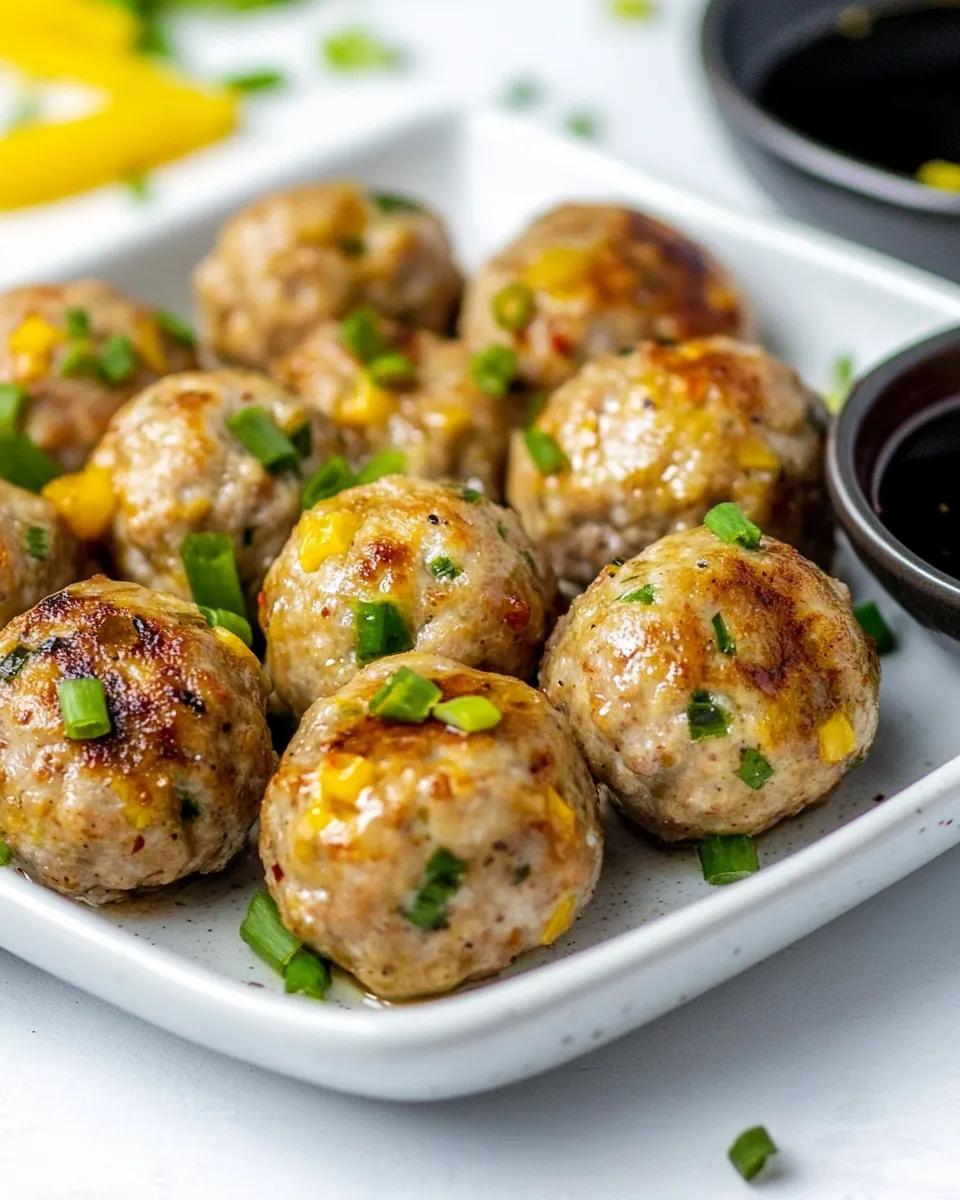
There are simple ways to tweak these meatballs for texture, dietary needs, or flavor intensity. Below I expand practical variations you can try at home, each starting with a bold suggestion and followed by details.
- Make them gluten free: Swap the panko breadcrumbs for a certified GF panko or use almond flour to maintain structure. Almond flour will add a slightly nuttier note and keep the meatballs moist, but the exterior may be less crisp than traditional panko. Adjust moisture as needed.
- Boost herbaceousness: Increase the amount of chopped basil or add extra scallions for a brighter, greener profile. This enhances aroma and gives a fresher finish on the palate without changing cooking times.
- Adjust the heat: Tweak the crushed red pepper to suit your spice tolerance. For entertaining, leave it mild and serve chili on the side; for a bolder kick, add a pinch more in the mix.
- Lemongrass alternatives: If fresh lemongrass is unavailable, good quality paste or freeze dried works. Paste is concentrated so use measured amounts to avoid overpowering the mix.
- Air fry for extra crisp: After forming, you can air fry the meatballs at 350 degrees for a shorter time to get a crunchier exterior. Keep an eye on them to prevent drying out, and reduce the oil slightly.
- Double batch and freeze: Bake or flash freeze the formed balls, then store in an airtight container for up to three months. Thaw overnight in the fridge before reheating to retain texture.
Perfect Pairings for Thai Baked Turkey Meatballs
These meatballs are versatile and pair well with a range of sides and occasions. Below I outline serving ideas, seasonal suggestions, and storage pointers in a list format so you can plan a full plate with ease.
- Serve with jasmine rice: A bed of warm jasmine rice absorbs the savory juices and offers a soft, fragrant base that complements the herb and lemongrass notes. This pairing is ideal for a simple family dinner.
- Fresh salad accompaniment: A crisp cucumber and carrot salad dressed with lime and a touch of sweet chili provides contrast with crunchy texture and bright acidity, balancing the richer meatballs.
- Wrap in lettuce leaves: Use crisp lettuce as a handheld vessel for a lighter lunch, emphasizing the fresh scallions and basil flavors while keeping the meal low carb.
- Party appetizer: Arrange meatballs on a platter with toothpicks and a small bowl of dipping sauce for gatherings. They make a crowd pleasing finger food that travels well.
- Make ahead for busy weeks: Bake a double batch and refrigerate or freeze portions. Reheat gently in the oven to revive the texture and serve warm for fast weeknight meals.
- Occasion flexibility: These work for casual lunches, weeknight dinners, or as part of a Ramadan iftar spread because they are easy to prepare in batches and reheat well.
- Storage tips: Refrigerate in an airtight container up to three days, or freeze for up to three months. Thaw in the fridge overnight to preserve texture before reheating.
- Seasonal pairing: In warmer months, lean into fresh herbs and light salads; in cooler months, serve alongside steamed greens and warm rice for comfort.
FAQ
Conclusion
These Thai Baked Turkey Meatballs stand out because they deliver bright Thai flavors in a simple, bake and serve format. Give them a try when you want something that feels special but fits into a busy evening or a make ahead plan. I hope you enjoy how the herbs, lemongrass, and fish sauce come together to create a savory, aromatic bite that keeps well and pleases a crowd. Let me know how you serve them, and experiment with small swaps to make them your own.
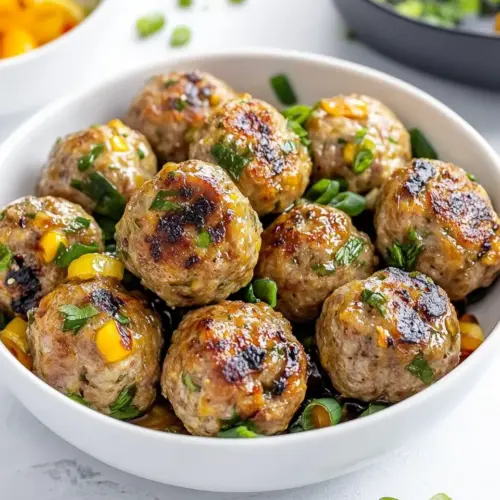
Thai Baked Turkey Meatballs
Equipment
- Mixing Bowl
- Baking Sheet
- Parchment Paper
- Measuring Spoons
- Scoop
Ingredients
- 1 1/2 pounds ground turkey or chicken Provide lean protein and moisture for binding; helps form tender, handheld meatballs while keeping calories lower than beef. Absorbs seasonings well and browns in the oven for savory flavor.
- 1 cup panko breadcrumbs GF panko, or almond flour Add light, airy structure to help bind and retain moisture; panko creates a delicate crumb that prevents dense meatballs. Use gluten-free panko or almond flour as noted to accommodate dietary needs without altering texture drastically.
- 2 large eggs Bind ingredients together while adding richness and moisture; eggs help the meatballs hold their shape during baking. Whisk lightly before mixing to distribute yolk and white evenly for consistent texture.
- 1/2 cup chopped scallions Contribute a mild onion-like freshness and crisp texture; chopped scallions brighten the meatball mixture and add aroma. Fold in near the end of mixing to preserve color and subtle crunch.
- 1/4 cup chopped fresh basil Impart sweet, slightly peppery, and aromatic notes typical of Thai cuisine; fresh basil lifts the overall flavor profile. Chop finely so leaves distribute evenly for bursts of herbal fragrance in each bite.
- 3 cloves garlic minced Provide pungent, savory depth and aromatic heat when minced; garlic enhances umami and melds with other flavors during baking. Sautéing is optional, but raw minced garlic mixes well and softens when cooked.
- 2 tablespoons fish sauce paleo Introduce savory umami and a salty, oceanic complexity characteristic of Thai dishes; fish sauce deepens flavor without adding bulk. Use sparingly and taste as you go to balance saltiness with other seasonings.
- 2 tablespoons chopped lemongrass fresh, paste, or freeze-dried Contribute bright citrusy, slightly floral notes reminiscent of lemongrass; chopped lemongrass adds an authentic Southeast Asian fragrance. Use fresh, paste, or freeze-dried versions interchangeably, adjusting quantity to match intensity.
- 1/2 teaspoon crushed red pepper Provide a touch of heat and subtle smoky flavor; crushed red pepper helps balance sweet and savory elements in the meatballs. Start with the listed amount and adjust to personal spice preference.
- 1 tablespoon melted coconut oil or olive oil Add fat for moisture, help prevent sticking, and impart a mild flavor depending on choice; melted coconut oil gives a faint tropical note while olive oil offers a neutral, fruity richness. Stir into the mixture to distribute fat evenly and promote browning.
Instructions
- Preheat the oven to 400 degrees F. Line a large rimmed baking sheet with parchment paper.: The smell of a hot oven is reassuring; you want it fully warmed so the meatballs begin to set immediately on contact, which helps create a slightly crisp exterior. If the oven is not fully preheated, the meatballs may release more liquid and become softer. Common mistake, rushing this step leads to uneven browning. Listen for the faint hum of heating elements, and watch for steady temperature before inserting the tray.
- Set out a large mixing bowl. Add the ground turkey, almond flour, eggs, scallions, basil, garlic, fish sauce, lemongrass, and crushed red pepper. Mix until well combined with a smooth texture. (Don't overmix!): The tactile feel of the mixture should be cohesive and slightly tacky, not soupy. Mixing releases proteins that bind the ingredients, giving a tender interior when handled properly. Overmixing will make the texture dense and gummy. If the bowl feels too wet, a small extra tablespoon of panko or almond flour can help, but add sparingly so you do not dry the meat.
- Use a 1.5 tablespoon scoop to portion out balls. Gently roll the balls and lay them on a baking sheet. The meat mixture will be very soft and sticky, so try not to roll the balls too much.: The tactile image here is soft, yielding, and slightly sticky hands; gentle shaping keeps the meatballs airy. Overworking will compact the mix and tighten the crumb, robbing tenderness. If the mixture clings excessively, wet your hands or lightly oil them to prevent sticking. Arrange the balls with space between them to allow hot air to circulate and promote even browning.
- Once all the balls are formed. Warm the coconut oil, then drizzle it over the tops of the meatballs.: The warm oil brings out the aromatics and encourages the tops to brown and glisten in the oven, signaling caramelization. If you pour cold oil it may sink and not coat evenly. A common slip is using too much oil; a gentle drizzle is enough. The oil will add a faint, toasty scent as it heats and help the tops develop a light crust without frying.
- Place the meatballs in the oven for 10 minutes. Then flip each meatball and place back in the oven for another 10 minutes. Serve warm.: During the first bake you should notice gentle oven steam and a subtle herb fragrance. After flipping, the second bake develops even color and ensures the centers reach a safe temperature. If you skip flipping, one side may brown more than the other. Test for doneness by checking that the internal temperature registers safely and the juices run clear; the texture should be springy, not raw or overly firm.
Notes
- Make them gluten free: Swap the panko breadcrumbs for a certified GF panko or use almond flour to maintain structure. Almond flour will add a slightly nuttier note and keep the meatballs moist, but the exterior may be less crisp than traditional panko. Adjust moisture as needed.
- Boost herbaceousness: Increase the amount of chopped basil or add extra scallions for a brighter, greener profile. This enhances aroma and gives a fresher finish on the palate without changing cooking times.
- Adjust the heat: Tweak the crushed red pepper to suit your spice tolerance. For entertaining, leave it mild and serve chili on the side; for a bolder kick, add a pinch more in the mix.
- Lemongrass alternatives: If fresh lemongrass is unavailable, good quality paste or freeze dried works. Paste is concentrated so use measured amounts to avoid overpowering the mix.
- Air fry for extra crisp: After forming, you can air fry the meatballs at 350 degrees for a shorter time to get a crunchier exterior. Keep an eye on them to prevent drying out, and reduce the oil slightly.
- Double batch and freeze: Bake or flash freeze the formed balls, then store in an airtight container for up to three months. Thaw overnight in the fridge before reheating to retain texture.