Butter Cream Cheese Frosting
Butter Cream Cheese Frosting is my go to when I need a rich, silky finish that still feels light and dreamy on the tongue. The first time I made it was for a friends birthday cake, and I remember laughing at how simple ingredients like butter and cream cheese transformed into something that tasted far fancier than the steps suggested. That evening the kitchen smelled faintly sweet and dairy rich, and I kept stealing tiny tastes with a spoon, grinning each time my palate found that balance of tang and sweet.
Over the years Ive swapped ratios and techniques to suit texture preferences, but the core appeal never changed. When friends ask for a frosting that spreads effortlessly yet holds shape, I point them straight to this Butter Cream Cheese Frosting. Its forgiving, quick, and pairs beautifully with simple cakes or cupcakes. I often make a small batch just to experiment with piping tips and colors, because the base is so reliable its a great canvas for creativity.
Recipe Snapshot
10 mins
10 mins
Easy
200 kcal
American
Gluten-Free, Low FODMAP
Desserts
Electric mixer, Large bowl, Whisk attachment, Rubber spatula
Why This Butter Cream Cheese Frosting Stands Out
Reliably smooth texture every time
I love that this Butter Cream Cheese Frosting produces a consistently smooth, spreadable texture. Because I start with very soft butter and very soft cream cheese, the mixer glides over the mixture, and the end result is glossy and velvety. This matters because a frosting that is too stiff will tear cakes when you spread it, while one that is too loose will slide off. Ive found the low to medium speed mixing keeps the frosting airy without overwhipping.
Balanced sweet and tangy flavor
I often choose this frosting when I want a sweetness that does not overwhelm the cake. The tang from the cream cheese cuts through the powdered sugars sweetness, creating a nuanced profile. I enjoy that it complements carrot cakes, spice cakes, and simple vanilla slices equally well. Every time I taste it, Im reminded how a little acidity lifts the whole dessert.
Flexible for piping or spreading
One reason I keep this recipe in my repertoire is its versatility. It can be whipped a bit looser for spreading or slightly thicker for piping borders and rosettes. I adjust by mixing a bit longer or by chilling briefly, and that small tweak reliably changes the texture without altering the flavor. When guests ask for decorative touches, Im confident this frosting will hold its shape.
Quick and pantry friendly
I appreciate how few ingredients this requires, and theyre items I usually have at home. In under 15 minutes I can turn simple staples into an elegant topping. That speed makes it my go to for last minute gatherings, when I need a finish that looks intentional but didnt demand a whole afternoon.
Great yield and economical
This batch covers a lot of surface area, so its excellent when I need to frost multiple treats. One batch can top a 9 by 13 cake or many cupcakes, which helps when Im baking for groups. I like knowing a small investment of time gives me consistent results across a few desserts, and I rarely have leftover whey or odd ingredients to store.
Ingredient List for Butter Cream Cheese Frosting

The philosophy behind these components is wonderfully simple. Each element plays a clear role: butter lends richness and structure, cream cheese brings tang and creaminess, powdered sugar builds sweetness and stability, and vanilla extract adds aromatic warmth. Together they create a balanced frosting that is smooth enough to spread and sturdy enough to pipe. I treat the butter and cream cheese as the technical base, and the powdered sugar as the variable that controls firmness.
- 1/2 cups salted butter at room temperature: Soften to room temperature to ensure smooth incorporation and prevent lumps when creaming; adds rich flavor and helps stabilize the frosting's texture for spreading.
- 8 ounces cream cheese at room temperature: Bring to room temperature so it blends seamlessly with butter; provides tangy richness and creamy body that balances the sweetness of the frosting.
- 1 pound powdered sugar: Sift or add gradually to achieve desired sweetness and thickness; acts as the primary sweetener and helps create structure and stability in the frosting.
- 1 teaspoon vanilla extract: Add for flavor depth and balance; contributes a warm, aromatic note that enhances the overall taste without altering texture.
How to Assemble Butter Cream Cheese Frosting
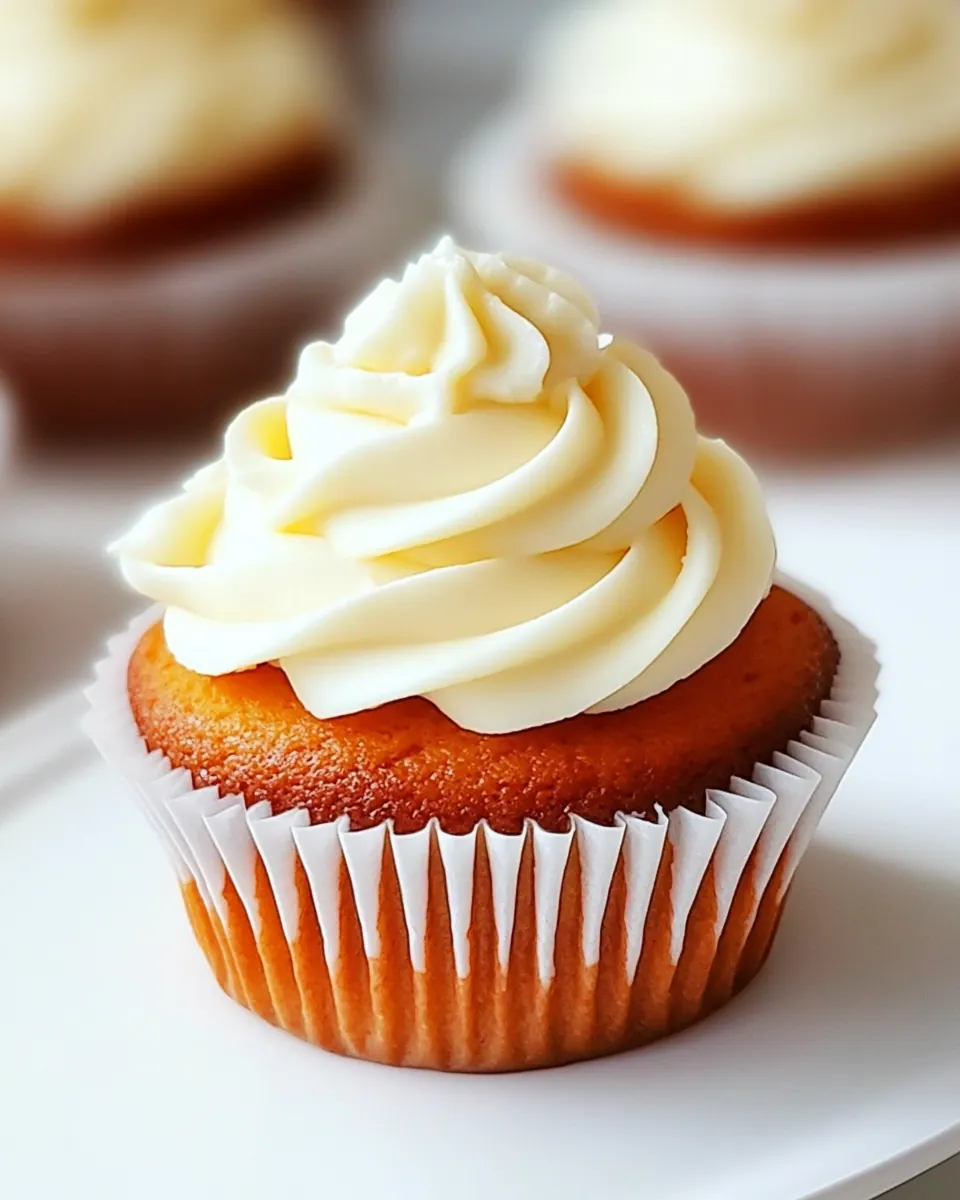
Assembling this frosting is straightforward, but I always take a moment to set out tools and ingredients so the process flows. Ready soft butter and soft cream cheese make all the difference, and I like to have the powdered sugar nearby so I can add it steadily. Keep your mixer speed controlled and scrape the bowl as you go to ensure a smooth, lump free finish.
- Place very soft butter and a very soft cream cheese into the bottom of a large bowl.: The first sensory cue you notice is the gentle give when you press the softened butter and the slight tack of the cream cheese . At this stage the aroma is dairy forward and cool. Mixing two soft fats together ensures an even emulsion later, which prevents grainy pockets of sugar. A common mistake is working with cold ingredients, which results in uneven texture and small clumps. Use a rubber spatula to press them together in the bowl so the mixer can grab the mass easily, and pause to check the temperature by touching the sides of the bowl. If they feel too firm, let them sit five to ten minutes until they yield to gentle pressure.
- On top of that, pour powdered sugar and vanilla extract.: When the powdered sugar hits the bowl it creates a faint cloud of sweetness and powdery aroma, and adding the vanilla extract introduces a fragrant, warm note. Adding dry and liquid elements at once encourages the powdered sugar to absorb moisture gradually, but you should add slowly if you are worried about dust. A mistake to avoid is dumping all the sugar at once which can create a dusty mess and uneven incorporation. Measure carefully and, if your powdered sugar is clumpy, sift it first so the mixture remains smooth.
- Use an electric mixer or stand mixer with the whisk attachment and mix it all together on low speed until completely smooth and thick. At first, it might seem like the powdered sugar won't all mix in, but as you stir and work it together with the hand mixer, it will surely come together.: You will hear a steady whir and see the ingredients begin to coalesce into a pale, velvety mass. The sound changes from separate particles being moved to a cohesive, muffled hum as the mixture becomes uniform. This low speed prevents the powdered sugar from spitting out of the bowl and keeps the emulsion stable. The goal is a thick, lump free texture; if you rush to high speed too early you can powder the room and create air bubbles that collapse later. If the mixture seems resistant at first, be patient and let the mixer work, occasional pauses to scrape ensure even mixing.
- Scrape the sides of the bowl, increase to medium speed if desired and mix again briefly to make sure it's fully smooth.: When you scrape, you ll see pockets of unmixed powdered sugar or streaks of cream cheese that need folding in. After scraping the surface should look glossy and consistent, and increasing speed for a short burst incorporates air for a lighter texture. You can feel the frosting become silkier under the beaters, and visually it will lose any grainy appearance. A common problem is overmixing at high speed which makes the frosting too soft and aerated. Limit the medium speed burst to brief pulses, watching for the glossy, ribbon like fall from the whisk.
- Use as desired.: At this point the frosting should spread easily, smelling sweet with a pleasant tang from the cream cheese . The texture should hold peaks slightly, ideal for both spreading and piping. If it seems too soft, chill briefly to firm it up; if too stiff, let it sit at room temperature and stir gently. Avoid applying hot or warm frosting to a delicate cake as it may slide off. For best results work quickly but gently, and store any leftovers in an airtight container in the fridge.
Tips for Success

I like to gather everything ahead of time and pay attention to temperature, because minor adjustments make a major difference. These tips are the ones I return to when I want consistent, bakery quality results. Read each closely and apply the small tricks to get the texture and flavor you prefer.
- Start with softened ingredients Make sure both the butter and cream cheese are soft to the touch but not melted, so they combine seamlessly without lumps.
- Add sugar slowly Pour the powdered sugar in batches to help it incorporate smoothly and to avoid a flour like cloud when the mixer runs.
- Control your mixer speed Begin on low to blend, then use short medium speed bursts to finalize texture, preventing over aeration which can yield a runny frosting.
- Scrape often Use a spatula to fold in any unmixed bits from the bowl sides, ensuring a consistent, glossy finish.
- Adjust firmness safely Chill the frosting for firmer piping or let it rest at room temperature for easier spreading, checking texture frequently.
Serve This Butter Cream Cheese Frosting With
This frosting pairs with many cakes and cupcakes and adapts to different occasions, from casual gatherings to holiday desserts. I often prepare a batch for birthdays, potlucks, and special dinners, because it elevates simple cakes instantly. Below are serving ideas, storage tips, and seasonal pairings presented as a list so you can choose what fits your event.
- Classic vanilla or yellow cake Spread a thick layer of this frosting over a cooled cake for a timeless dessert presentation that balances sweet and tangy flavors.
- Carrot cake or spice cake Use the frosting to complement warm spices and dense cake crumb, offering a creamy contrast that brightens each bite.
- Cupcakes for gatherings Pipe rosettes or simple swirls on cupcakes; the batch yields enough to frost many cupcakes, ideal for parties or bake sales.
- Storage and make ahead Store in an airtight container in the fridge for up to a week, and bring to room temperature before using for easy spreading.
- Seasonal pairings In cooler months pair with spiced desserts, and in warmer months use as a screen for fruit topped slices, as the tang keeps desserts refreshing.
- Occasion suggestions Great for birthdays, family dinners, potlucks, and holiday gatherings where a reliable frosting is needed quickly.
FAQ
Conclusion
This recipe stands out for its perfect balance of tang from the cream cheese and rich creaminess from the butter, delivering a frosting that is both luscious and dependable. I encourage you to try it because it transforms simple cakes and cupcakes into memorable treats with very little effort. Whether youre finishing a sleepy weeknight cake or prepping for a celebration, this frosting adapts to your needs, offering consistent texture and a flavor profile that delights guests and home bakers alike. Have fun experimenting with piping or spreading techniques, and enjoy the small moments of joy a great frosting can bring.

Butter Cream Cheese Frosting
Equipment
- Electric Mixer
- Large Bowl
- Whisk attachment
- Rubber spatula
Ingredients
- 1/2 cups salted butter at room temperature Soften to room temperature to ensure smooth incorporation and prevent lumps when creaming; adds rich flavor and helps stabilize the frosting's texture for spreading.
- 8 ounces cream cheese at room temperature Bring to room temperature so it blends seamlessly with butter; provides tangy richness and creamy body that balances the sweetness of the frosting.
- 1 pound powdered sugar Sift or add gradually to achieve desired sweetness and thickness; acts as the primary sweetener and helps create structure and stability in the frosting.
- 1 teaspoon vanilla extract Add for flavor depth and balance; contributes a warm, aromatic note that enhances the overall taste without altering texture.
Instructions
- Place very soft butter and a very soft cream cheese into the bottom of a large bowl.: The first sensory cue you notice is the gentle give when you press the softened butter and the slight tack of the cream cheese . At this stage the aroma is dairy forward and cool. Mixing two soft fats together ensures an even emulsion later, which prevents grainy pockets of sugar. A common mistake is working with cold ingredients, which results in uneven texture and small clumps. Use a rubber spatula to press them together in the bowl so the mixer can grab the mass easily, and pause to check the temperature by touching the sides of the bowl. If they feel too firm, let them sit five to ten minutes until they yield to gentle pressure.
- On top of that, pour powdered sugar and vanilla extract.: When the powdered sugar hits the bowl it creates a faint cloud of sweetness and powdery aroma, and adding the vanilla extract introduces a fragrant, warm note. Adding dry and liquid elements at once encourages the powdered sugar to absorb moisture gradually, but you should add slowly if you are worried about dust. A mistake to avoid is dumping all the sugar at once which can create a dusty mess and uneven incorporation. Measure carefully and, if your powdered sugar is clumpy, sift it first so the mixture remains smooth.
- Use an electric mixer or stand mixer with the whisk attachment and mix it all together on low speed until completely smooth and thick. At first, it might seem like the powdered sugar won't all mix in, but as you stir and work it together with the hand mixer, it will surely come together.: You will hear a steady whir and see the ingredients begin to coalesce into a pale, velvety mass. The sound changes from separate particles being moved to a cohesive, muffled hum as the mixture becomes uniform. This low speed prevents the powdered sugar from spitting out of the bowl and keeps the emulsion stable. The goal is a thick, lump free texture; if you rush to high speed too early you can powder the room and create air bubbles that collapse later. If the mixture seems resistant at first, be patient and let the mixer work, occasional pauses to scrape ensure even mixing.
- Scrape the sides of the bowl, increase to medium speed if desired and mix again briefly to make sure it's fully smooth.: When you scrape, you ll see pockets of unmixed powdered sugar or streaks of cream cheese that need folding in. After scraping the surface should look glossy and consistent, and increasing speed for a short burst incorporates air for a lighter texture. You can feel the frosting become silkier under the beaters, and visually it will lose any grainy appearance. A common problem is overmixing at high speed which makes the frosting too soft and aerated. Limit the medium speed burst to brief pulses, watching for the glossy, ribbon like fall from the whisk.
- Use as desired.: At this point the frosting should spread easily, smelling sweet with a pleasant tang from the cream cheese . The texture should hold peaks slightly, ideal for both spreading and piping. If it seems too soft, chill briefly to firm it up; if too stiff, let it sit at room temperature and stir gently. Avoid applying hot or warm frosting to a delicate cake as it may slide off. For best results work quickly but gently, and store any leftovers in an airtight container in the fridge.
Notes
- Start with softened ingredients Make sure both the butter and cream cheese are soft to the touch but not melted, so they combine seamlessly without lumps.
- Add sugar slowly Pour the powdered sugar in batches to help it incorporate smoothly and to avoid a flour like cloud when the mixer runs.
- Control your mixer speed Begin on low to blend, then use short medium speed bursts to finalize texture, preventing over aeration which can yield a runny frosting.
- Scrape often Use a spatula to fold in any unmixed bits from the bowl sides, ensuring a consistent, glossy finish.
- Adjust firmness safely Chill the frosting for firmer piping or let it rest at room temperature for easier spreading, checking texture frequently.