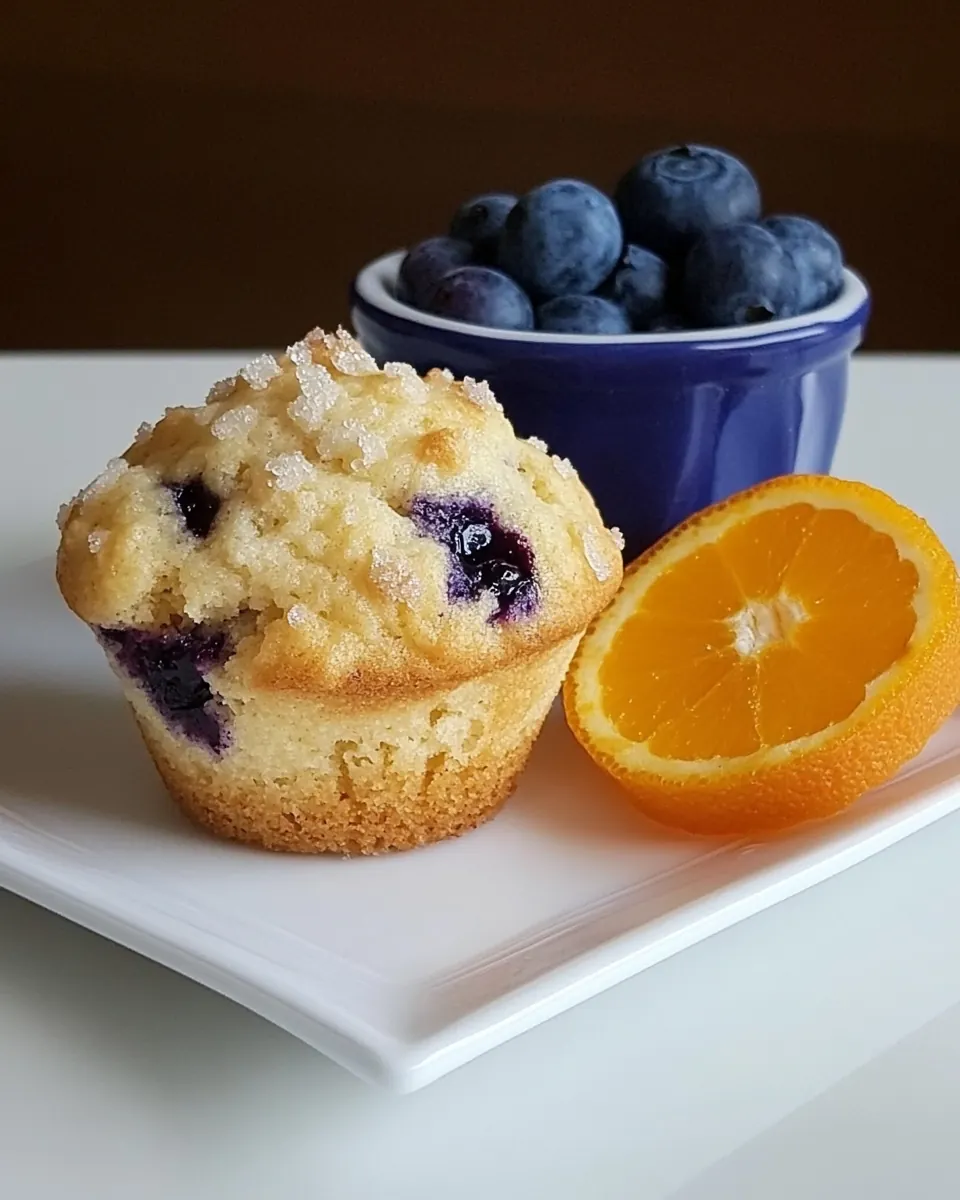
Blueberry Orange Muffins
Blueberry Orange Muffins have been a comfort in my kitchen for as long as I can remember, and the first sentence I ever wrote about them in my notes mentions the bright pop of citrus against tender crumb. I grew up with a neighbor who brought over warm baked goods every spring, and one rainy Saturday she handed me a paper bag of muffins studded with blueberries and flecked with orange zest. That encounter changed my weekend baking forever, and since then I’ve been chasing that perfect balance of sweet fruit and citrus lift.
I like to bake these when the sun is soft and the farmer market begins to brim with berries. The recipe feels approachable but special, the kind I bring along to brunch gatherings or tuck into a lunchbox. Over time I learned to trust simple techniques and small details, like rubbing the orange zest into the sugar to bloom its oils, or using a gentle hand when folding in the blueberries so they do not bleed into the batter. Those tiny choices make a huge difference in texture and appearance, and they keep the muffins light and speckled instead of gray and dense.
When I bake a batch I can almost hear the oven humming as the tops rise and brown, and I know the smell will drift through the house within minutes, inviting anyone nearby to the kitchen. I enjoy experimenting with the timing and the moisture balance, and each iteration teaches me something new about flour ratios and how buttermilk reacts with baking powder. If you like baking that rewards patience with bright, tender results, these are the kind of muffins that will become a staple in your rotation.
Recipe Snapshot
40 mins
15 mins
25 mins
Medium
200 kcal
American
Gluten-Free, Low FODMAP
Breakfast
Oven, 12 cup muffin tin, Paper muffin cups, Mixing bowls, Rubber spatula, Whisk, Measuring cup, Cooling rack
Why This Blueberry Orange Muffins Is a Winner
Bright citrus contrast
I love how Blueberry Orange Muffins pair the juicy burst of blueberries with the zesty lift of orange. That interplay keeps the muffins from tasting one dimensional, and it creates a fresh flavor that feels both homey and lively. When I take a bite, the citrus oils hit first, then the berry sweetness follows, giving a layered tasting experience.
Simple pantry friendly
These muffins rely on everyday ingredients like flour, sugar, butter, and eggs so you rarely need a special trip to the store. I often pull them together on a weekday morning because the components are items I already have on hand. That convenience makes them a reliable go to when I need quick baking comfort.
Texture that feels indulgent yet light
The combination of melted butter and buttermilk creates a tender crumb that is gently rich without being heavy. I value this balance, because it means the muffins are satisfying but not cloying. You get a golden crust and a moist interior, and the blueberries contribute little pockets of juiciness throughout.
Flexible and crowd friendly
One of the reasons I reach for Blueberry Orange Muffins for gatherings is how adaptable they are. They travel well, freeze and reheat nicely, and please both kids and adults. I often double the batch for brunches, and they still maintain their texture after a day or two when stored properly.
Techniques that teach
Every step in this recipe reinforces fundamentals I want home bakers to learn, like not overmixing batter and how to coax maximum flavor from simple citrus zest. I enjoy sharing those small lessons because they immediately improve results, and they build confidence for more ambitious bakes.
Everything You Need for Blueberry Orange Muffins
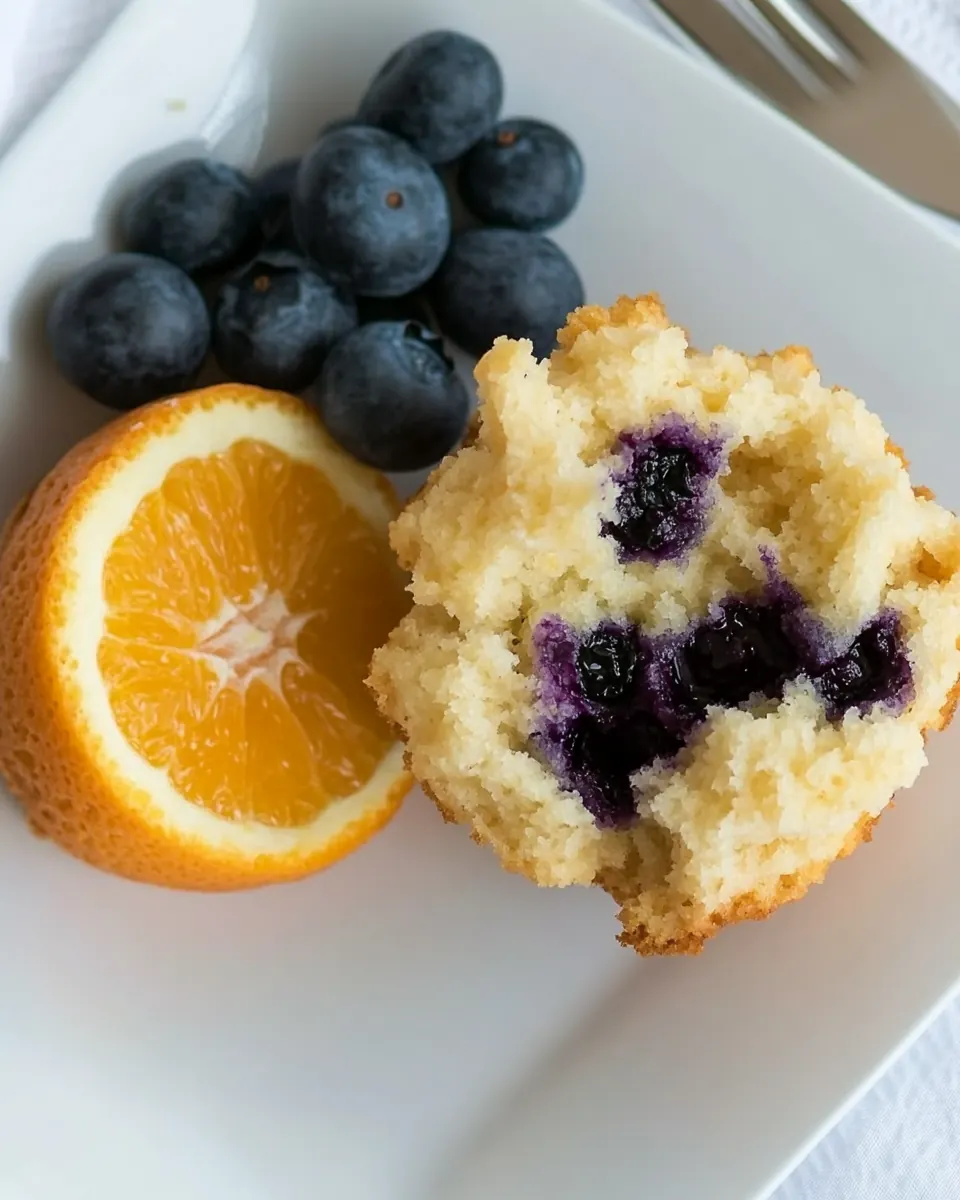
These ingredients are chosen to give balance between tender crumb, bright flavor, and moistness. The real stars are the blueberries and the orange, with supporting players like buttermilk and butter creating texture and lift. The dry leaveners work together to produce a gentle rise while the sugar and honey add sweetness and caramelized notes on the top.
- Grated zest and juice of 1 orange: Provide bright citrus aroma and acidity; add grated zest for concentrated orange oils and juice for tangy moisture that balances sweetness and enhances blueberry notes.
- About 3/4 cup buttermilk: Contribute tender crumb and slight tang; pour about three quarters cup to hydrate dry ingredients and react with leaveners for soft, moist muffins.
- 2 large eggs: Bind and enrich the batter; beat two large eggs to incorporate air, provide structure from proteins, and help create a light, stable crumb.
- 3 tablespoons honey: Impart natural sweetness and deep floral flavor; stir in three tablespoons of honey to add moisture, subtle caramel notes, and help brown the muffins.
- 1 stick (8 tablespoons) butter, melted and cooled: Add richness and promote tender texture; melt and cool one stick of butter before blending to distribute fat evenly, improving mouthfeel and flavor.
- 1/3 cup sugar: Provide sweetness and help with browning; measure one third cup of sugar to balance acidity and enhance crust color while contributing to overall sweetness.
- 2 cups flour: Form the structural base of the muffins; combine two cups of flour to supply gluten and starch that set during baking, creating body and chew.
- 2 1/2 teaspoons baking powder: Act as a primary leavening agent; include two and a half teaspoons to produce carbon dioxide, lift the batter, and yield light, airy muffins.
- 1/4 teaspoon baking soda: Support lift when paired with acid; add a quarter teaspoon to react with buttermilk, enhancing rise and contributing to fine crumb texture.
- 1/4 teaspoon salt: Enhance overall flavor balance; use a quarter teaspoon of salt to amplify sweetness, round flavors, and strengthen gluten development subtly.
- 1 cup fresh blueberries (Driscoll's preferred): Provide fresh burst and texture contrast; fold in one cup of blueberries to introduce juicy pockets, natural sweetness, and visual appeal to each muffin.
How to Prepare Blueberry Orange Muffins
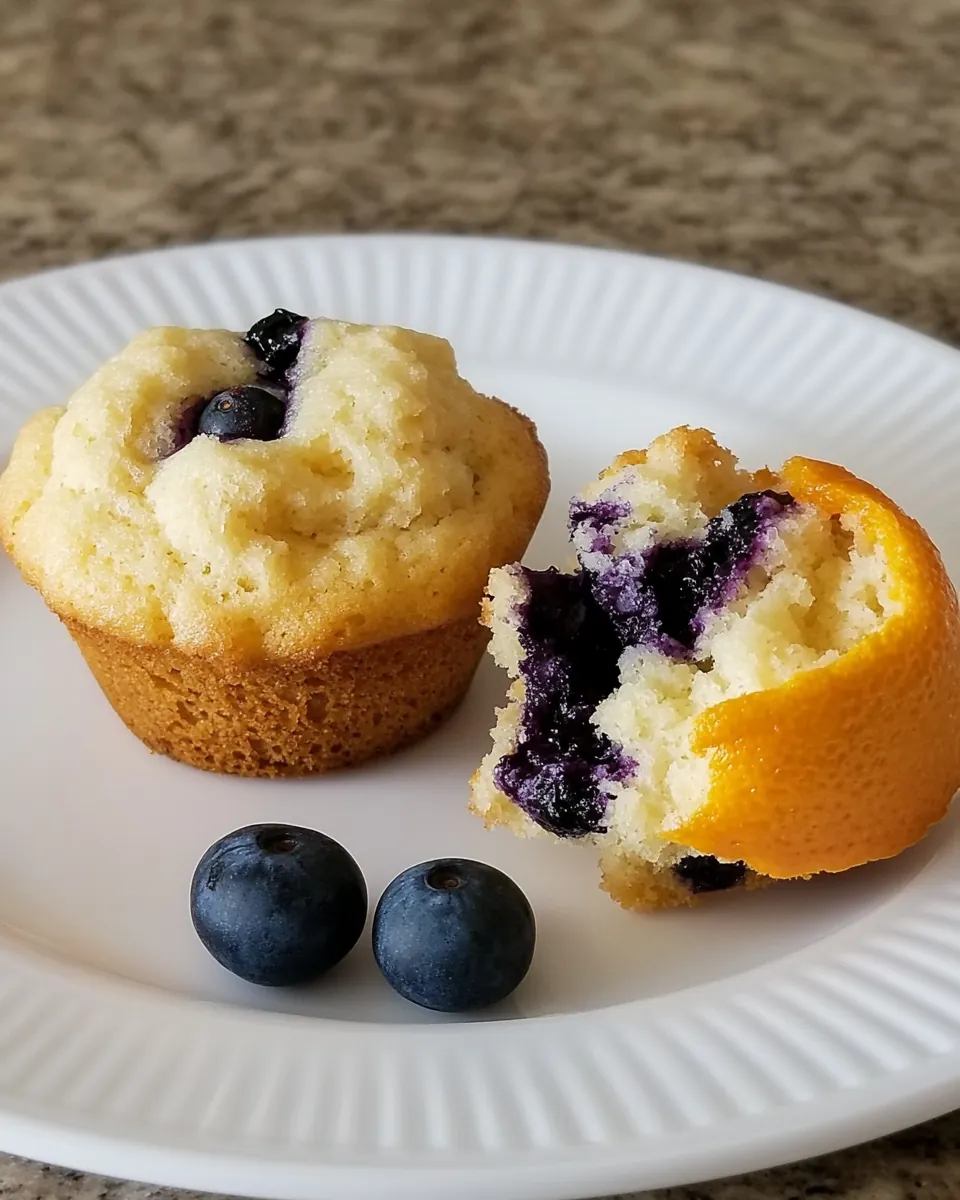
These instructions guide you through each stage with patience and sensory cues so you can bake with confidence. I like to move deliberately from measuring to mixing, noticing textures, smells, and the visual cues that signal readiness. Below, each step centers on one core action, followed by detailed sensory notes, reasons, and troubleshooting to help you learn what to watch for.
- Preheat the oven to 400º. Line 12 cup muffin tin with paper muffin cups or grease well.: Warmth transforms batter into tender muffins, and the first sign you are on the right track is the oven reaching a steady heat that encourages an immediate rise when the batter hits the tin. You should smell a faint dry, warm scent as the oven nears temperature, and the racks will feel hot when you briefly hover a hand above them at a safe distance. This step matters because placing batter into an inadequately heated oven can cause muted rise and denser muffins. Common mistakes include skipping the preheat or rushing it, which often results in uneven tops and texture. To avoid that, keep the door closed while preheating and use an oven thermometer if your oven tends to run cool or hot.
- Juice your orange and remove any seeds if necessary. Pour the orange juice into a large glass measuring cup or a bowl and pour in enough buttermilk to make 1 cup.: Preparing the tin sets you up for clean release and attractive muffins; well greased cups yield a golden edge while paper liners catch any juices and make transport easier. As you press the liners in or brush the wells, you may notice a slight residue of fat spreading where the butter will meet the batter, which helps with browning. This matters because stuck muffins can tear and lose their neat tops when you remove them. A typical error is skimping on greasing when using foil liners or nonstick tins, so apply a thin film of neutral oil or melted butter if you do not use paper cups.
- Whisk in the eggs, honey, and melted butter.: Freshly squeezed orange juice should be bright and perfumy, with a gentle tang that wakes the palate. You will see fine pulp and droplets of oil from the rind when you squeeze, and straining catches seeds that could create bitter surprises. This liquid is combined with the buttermilk , and its acidity plays a key role in activating the baking soda . One common oversight is not checking for seeds, which can cause crunchy, bitter bites; a quick strain through a small sieve prevents that issue.
- In a large bowl, rub the sugar and orange zest together with your fingertips until the sugar is moist.: The joined liquids should look slightly opaque and move easily when stirred, indicating they will incorporate smoothly into the batter. Combining them first creates a uniform acidic base that interacts predictably with the leaveners, producing consistent lift. If the mixture looks separated or clumpy, it's usually because one component was too cold or curdled; room temperature ingredients blend more harmoniously. Avoid adding cold dairy straight from the fridge without a minute to temper it, as that can tighten the batter.
- Whisk in the flour, baking powder, baking soda, and salt. Pour the liquid ingredients over the dry ingredients and gently but quickly stir to blend with a rubber spatula.: When you whisk these elements into the liquid base, you will notice the mixture become glossy and cohesive, with tiny ribbons moving across the surface as you lift the whisk. The eggs contribute structure while the honey adds viscosity, and the cooled melted butter enriches without cooking the eggs . This harmonized liquid helps the dry ingredients hydrate evenly, which is why we mix them together before combining with flour. A typical mistake is adding hot butter , which can scramble the eggs , so ensure the butter has cooled to warm or room temperature first.
- Do not overmix; a few lumps are OK. Carefully stir in the blueberries. Divide the batter evenly among the muffin cups.: You should feel the sugar grains soften and smell a burst of citrus as the oils release from the orange rind. This tactile step perfumes the sugar and distributes the citrus aroma deeply into the batter, uplifting every bite. The mixture will look slightly darker and glossy where the oil has coated the grains. Overlooking this technique means the orange flavor may remain faint, so resist the urge to skip it; just a minute of rubbing is enough.
- Bake for 22 to 25 minutes till browned and a toothpick inserted in muffin comes out clean.: The dry blend should look even and free of clumps, with the pale flour stream broken only by the small particles of leavener and salt. Combining the dry ingredients first ensures they distribute uniformly and prevents pockets of leavening that could create odd air pockets. You may notice a faint flour dust when whisking, and working gently helps avoid spreading it everywhere. A common misstep is failing to level the flour when measuring, which can make the batter too heavy; spoon and level for best accuracy.
- Place pan on a cooling rack and cool for 5 minutes before carefully removing muffins.: As you fold, pay attention to the texture; the batter should come together in broad, slightly lumpy ribbons that fall from the spatula, not a completely smooth pourable batter. This texture means the gluten has not been overdeveloped, preserving tenderness. You will also notice small pockets of unmixed flour, which is fine, and those disappear with a few careful folds. Overmixing creates a gluey, dense crumb, so stop when you no longer see large streaks of dry ingredients.
- Do not overmix; a few lumps are OK: Accepting slight lumps is key to light muffins, and you will sense a thicker, pillowy batter that still yields easily when scooped. The batter should cling to the spatula without being stiff, and when you tilt the bowl slightly it should slowly settle. If it feels elastic or overly smooth, it has likely been overworked and may produce a tight texture after baking. To rescue an overmixed batter, fold in a small splash of additional buttermilk carefully, but prevention is preferable, so mix with restraint.
- Carefully stir in the blueberries: The blueberries should appear intact and glossy, and as you fold them in you will see tiny purple specks if any berries begin to burst. Gently incorporate them so they remain distinct and do not bleed too much into the batter, preserving visual contrast. If you notice a lot of juice spreading, it usually means the berries were overhandled or warmed; keep them cold until the final fold. A common error is vigorous stirring which bruises the fruit, so be slow and deliberate here.
- Divide the batter evenly among the muffin cups: Even distribution ensures uniform bake time and consistent tops across the pan. I use an ice cream scoop or a measuring cup to portion the batter, aiming for each cup to be about two thirds full for generous domes. After filling, the batter should sit slightly rounded above the rim, ready to rise. If one cup is overloaded, it may spill over during baking, so wipe excess and even them out before placing in the oven.
- Bake for 22 to 25 minutes till browned and a toothpick inserted in muffin comes out clean: While baking you will see a gentle dome form and the edges turning golden brown, and the kitchen will fill with a warm, citrus berry aroma. The toothpick test confirms the interior is set, and the tops should spring back lightly when touched. Underbaking yields a gummy crumb, while overbaking dries them out, so start checking at the earlier time. If the tops brown too quickly but the center is not set, lower the oven by 15 to 25 degrees and extend the time slightly to allow even cooking.
- Place pan on a cooling rack and cool for 5 minutes before carefully removing muffins: Cooling on the rack lets steam escape from the bottom and prevents soggy bottoms, while the brief wait helps the muffins firm just enough to release cleanly from the tin. You will notice a gentle settling of the tops and a final softening of the crust during these minutes. Removing them too soon risks tearing, and leaving them in the pan longer can trap moisture and soften the crust. Use a thin offset spatula if any need coaxing out of the wells.
Making Adjustments
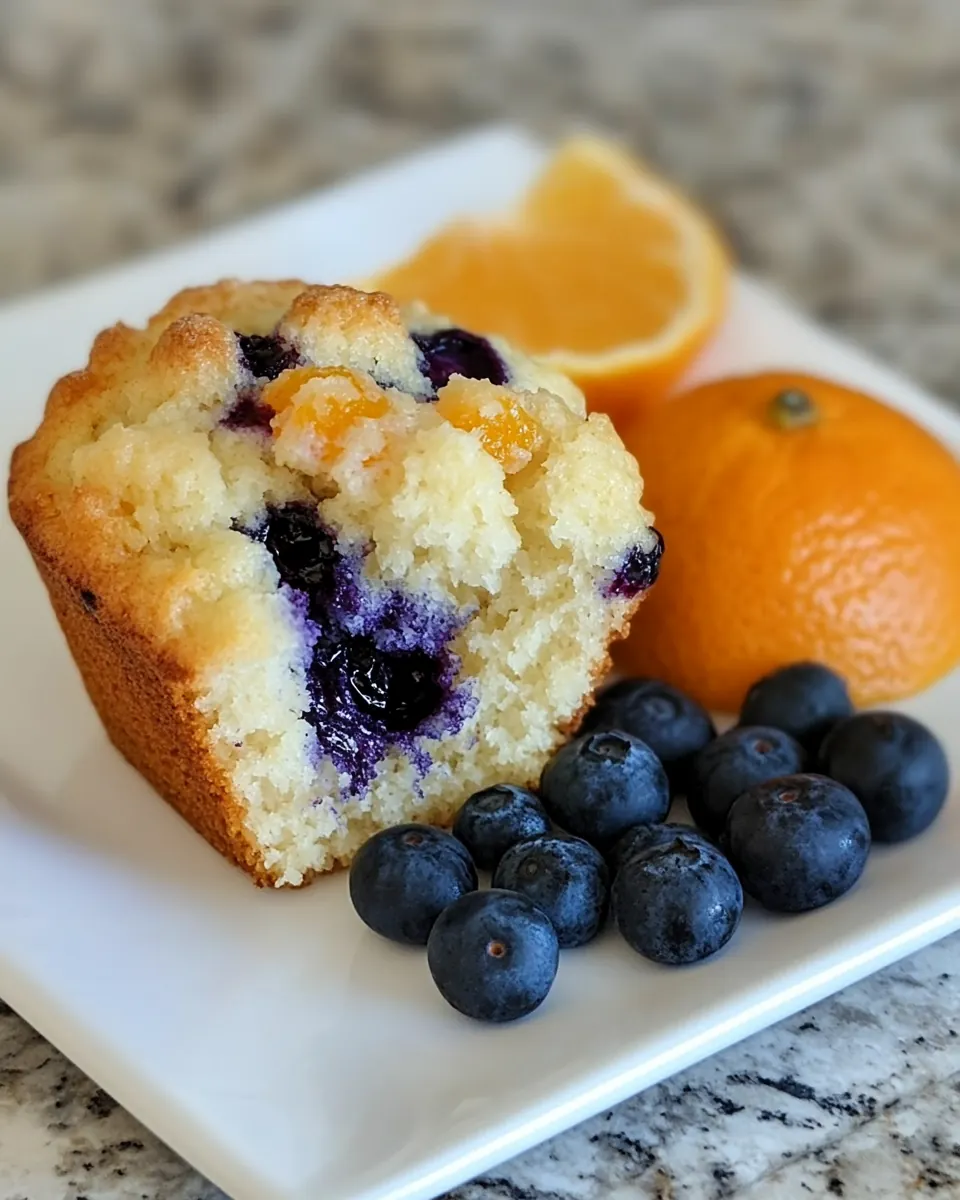
I like to offer practical tweaks that respect the recipe’s balance while allowing you to tailor texture and sweetness. Below are focused tips you can use to adapt the muffins for swaps, texture changes, and serving situations without compromising the core result.
- Reduce sugar slightly if you prefer a less sweet muffin, cut the sugar by up to one quarter and the honey by one half tablespoon, noting that the muffin tops will brown slightly less.
- Use frozen blueberries cautiously by tossing them in a tablespoon of flour before folding into the batter, which helps prevent color bleed and sinking.
- Room temperature ingredients mix more evenly, so take the eggs and butter out of the fridge 20 minutes before starting for better emulsification.
- Adjust crumb moisture by adding a tablespoon more buttermilk if your climate is very dry or your flour seems overly absorbent; add cautiously to avoid a runny batter.
- Enhance orange intensity by using the finely grated zest of an extra half orange, rubbing it into the sugar so the flavor disperses throughout the batter.
What to Serve With Blueberry Orange Muffins
These muffins are versatile and can anchor a casual breakfast, a relaxed brunch, or a light afternoon snack. Below are serving suggestions, pairings, and storage notes to help you present them beautifully and keep them tasting fresh.
- Breakfast plates: Serve one or two muffins with a side of fresh fruit and a smear of softened butter, creating a balanced morning plate that pairs sweetness with fresh acidity.
- Brunch spread: Arrange the muffins on a platter alongside savory quiches or a simple green salad to offer contrasting textures and flavors for guests.
- Tea time: Present the muffins warm with a pot of tea, highlighting the orange aroma and offering a cozy afternoon treat that feels homemade and thoughtful.
- Picnic friendly: Pack the muffins in a single layer in an airtight container with a paper towel to absorb excess moisture, making them ideal for outdoor gatherings or school lunches.
- Storage tips: Keep muffins at room temperature in a sealed container for up to two days, or freeze individually wrapped for up to three months; thaw gently and reheat briefly for that fresh out of the oven feeling.
- Occasions: They work beautifully for spring brunches, casual weekend breakfasts, and potlucks where portable, crowd friendly baked goods shine.
FAQ
Conclusion
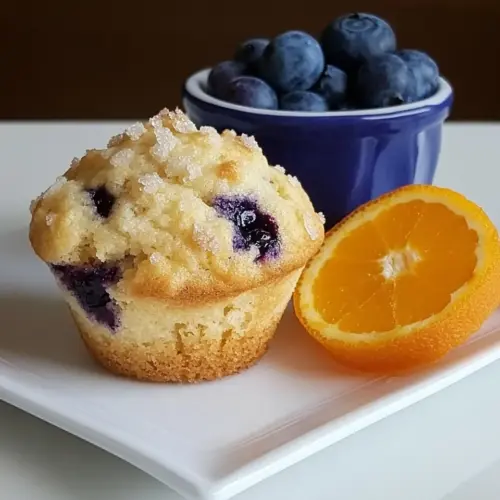
Blueberry Orange Muffins shine because they combine bright citrus and juicy berries with a tender, buttery crumb that feels both comforting and fresh. They are easy to make, rely on simple pantry ingredients, and reward small techniques like zested sugar and gentle folding. I hope you give them a try for breakfast, brunch, or as a friendly baked gift, and that you discover your own little adjustments to make them uniquely yours. Happy baking, and enjoy the warm, fragrant results straight from your oven.
Blueberry Orange Muffins
Equipment
- Oven
- 12-cup muffin tin
- Paper muffin cups
- Mixing Bowls
- Rubber spatula
- Whisk
- Measuring Cup
- Cooling rack
Ingredients
- Grated zest and juice of 1 orange Provide bright citrus aroma and acidity; add grated zest for concentrated orange oils and juice for tangy moisture that balances sweetness and enhances blueberry notes.
- About 3/4 cup buttermilk Contribute tender crumb and slight tang; pour about three quarters cup to hydrate dry ingredients and react with leaveners for soft, moist muffins.
- 2 large eggs Bind and enrich the batter; beat two large eggs to incorporate air, provide structure from proteins, and help create a light, stable crumb.
- 3 tablespoons honey Impart natural sweetness and deep floral flavor; stir in three tablespoons of honey to add moisture, subtle caramel notes, and help brown the muffins.
- 1 stick (8 tablespoons) butter, melted and cooled Add richness and promote tender texture; melt and cool one stick of butter before blending to distribute fat evenly, improving mouthfeel and flavor.
- 1/3 cup sugar Provide sweetness and help with browning; measure one third cup of sugar to balance acidity and enhance crust color while contributing to overall sweetness.
- 2 cups flour Form the structural base of the muffins; combine two cups of flour to supply gluten and starch that set during baking, creating body and chew.
- 2 -1/2 teaspoons baking powder Act as a primary leavening agent; include two and a half teaspoons to produce carbon dioxide, lift the batter, and yield light, airy muffins.
- 1/4 teaspoon baking soda Support lift when paired with acid; add a quarter teaspoon to react with buttermilk, enhancing rise and contributing to fine crumb texture.
- 1/4 teaspoon salt Enhance overall flavor balance; use a quarter teaspoon of salt to amplify sweetness, round flavors, and strengthen gluten development subtly.
- 1 cup fresh blueberries (Driscoll's preferred) Provide fresh burst and texture contrast; fold in one cup of blueberries to introduce juicy pockets, natural sweetness, and visual appeal to each muffin.
Instructions
- Preheat the oven to 400º. Line 12 cup muffin tin with paper muffin cups or grease well.: Warmth transforms batter into tender muffins, and the first sign you are on the right track is the oven reaching a steady heat that encourages an immediate rise when the batter hits the tin. You should smell a faint dry, warm scent as the oven nears temperature, and the racks will feel hot when you briefly hover a hand above them at a safe distance. This step matters because placing batter into an inadequately heated oven can cause muted rise and denser muffins. Common mistakes include skipping the preheat or rushing it, which often results in uneven tops and texture. To avoid that, keep the door closed while preheating and use an oven thermometer if your oven tends to run cool or hot.
- Juice your orange and remove any seeds if necessary. Pour the orange juice into a large glass measuring cup or a bowl and pour in enough buttermilk to make 1 cup.: Preparing the tin sets you up for clean release and attractive muffins; well greased cups yield a golden edge while paper liners catch any juices and make transport easier. As you press the liners in or brush the wells, you may notice a slight residue of fat spreading where the butter will meet the batter, which helps with browning. This matters because stuck muffins can tear and lose their neat tops when you remove them. A typical error is skimping on greasing when using foil liners or nonstick tins, so apply a thin film of neutral oil or melted butter if you do not use paper cups.
- Whisk in the eggs, honey, and melted butter.: Freshly squeezed orange juice should be bright and perfumy, with a gentle tang that wakes the palate. You will see fine pulp and droplets of oil from the rind when you squeeze, and straining catches seeds that could create bitter surprises. This liquid is combined with the buttermilk , and its acidity plays a key role in activating the baking soda . One common oversight is not checking for seeds, which can cause crunchy, bitter bites; a quick strain through a small sieve prevents that issue.
- In a large bowl, rub the sugar and orange zest together with your fingertips until the sugar is moist.: The joined liquids should look slightly opaque and move easily when stirred, indicating they will incorporate smoothly into the batter. Combining them first creates a uniform acidic base that interacts predictably with the leaveners, producing consistent lift. If the mixture looks separated or clumpy, it's usually because one component was too cold or curdled; room temperature ingredients blend more harmoniously. Avoid adding cold dairy straight from the fridge without a minute to temper it, as that can tighten the batter.
- Whisk in the flour, baking powder, baking soda, and salt. Pour the liquid ingredients over the dry ingredients and gently but quickly stir to blend with a rubber spatula.: When you whisk these elements into the liquid base, you will notice the mixture become glossy and cohesive, with tiny ribbons moving across the surface as you lift the whisk. The eggs contribute structure while the honey adds viscosity, and the cooled melted butter enriches without cooking the eggs . This harmonized liquid helps the dry ingredients hydrate evenly, which is why we mix them together before combining with flour. A typical mistake is adding hot butter , which can scramble the eggs , so ensure the butter has cooled to warm or room temperature first.
- Do not overmix; a few lumps are OK. Carefully stir in the blueberries. Divide the batter evenly among the muffin cups.: You should feel the sugar grains soften and smell a burst of citrus as the oils release from the orange rind. This tactile step perfumes the sugar and distributes the citrus aroma deeply into the batter, uplifting every bite. The mixture will look slightly darker and glossy where the oil has coated the grains. Overlooking this technique means the orange flavor may remain faint, so resist the urge to skip it; just a minute of rubbing is enough.
- Bake for 22 to 25 minutes till browned and a toothpick inserted in muffin comes out clean.: The dry blend should look even and free of clumps, with the pale flour stream broken only by the small particles of leavener and salt. Combining the dry ingredients first ensures they distribute uniformly and prevents pockets of leavening that could create odd air pockets. You may notice a faint flour dust when whisking, and working gently helps avoid spreading it everywhere. A common misstep is failing to level the flour when measuring, which can make the batter too heavy; spoon and level for best accuracy.
- Place pan on a cooling rack and cool for 5 minutes before carefully removing muffins.: As you fold, pay attention to the texture; the batter should come together in broad, slightly lumpy ribbons that fall from the spatula, not a completely smooth pourable batter. This texture means the gluten has not been overdeveloped, preserving tenderness. You will also notice small pockets of unmixed flour, which is fine, and those disappear with a few careful folds. Overmixing creates a gluey, dense crumb, so stop when you no longer see large streaks of dry ingredients.
- Do not overmix; a few lumps are OK: Accepting slight lumps is key to light muffins, and you will sense a thicker, pillowy batter that still yields easily when scooped. The batter should cling to the spatula without being stiff, and when you tilt the bowl slightly it should slowly settle. If it feels elastic or overly smooth, it has likely been overworked and may produce a tight texture after baking. To rescue an overmixed batter, fold in a small splash of additional buttermilk carefully, but prevention is preferable, so mix with restraint.
- Carefully stir in the blueberries: The blueberries should appear intact and glossy, and as you fold them in you will see tiny purple specks if any berries begin to burst. Gently incorporate them so they remain distinct and do not bleed too much into the batter, preserving visual contrast. If you notice a lot of juice spreading, it usually means the berries were overhandled or warmed; keep them cold until the final fold. A common error is vigorous stirring which bruises the fruit, so be slow and deliberate here.
- Divide the batter evenly among the muffin cups: Even distribution ensures uniform bake time and consistent tops across the pan. I use an ice cream scoop or a measuring cup to portion the batter, aiming for each cup to be about two thirds full for generous domes. After filling, the batter should sit slightly rounded above the rim, ready to rise. If one cup is overloaded, it may spill over during baking, so wipe excess and even them out before placing in the oven.
- Bake for 22 to 25 minutes till browned and a toothpick inserted in muffin comes out clean: While baking you will see a gentle dome form and the edges turning golden brown, and the kitchen will fill with a warm, citrus berry aroma. The toothpick test confirms the interior is set, and the tops should spring back lightly when touched. Underbaking yields a gummy crumb, while overbaking dries them out, so start checking at the earlier time. If the tops brown too quickly but the center is not set, lower the oven by 15 to 25 degrees and extend the time slightly to allow even cooking.
- Place pan on a cooling rack and cool for 5 minutes before carefully removing muffins: Cooling on the rack lets steam escape from the bottom and prevents soggy bottoms, while the brief wait helps the muffins firm just enough to release cleanly from the tin. You will notice a gentle settling of the tops and a final softening of the crust during these minutes. Removing them too soon risks tearing, and leaving them in the pan longer can trap moisture and soften the crust. Use a thin offset spatula if any need coaxing out of the wells.
Notes
- Reduce sugar slightly if you prefer a less sweet muffin, cut the sugar by up to one quarter and the honey by one half tablespoon, noting that the muffin tops will brown slightly less.
- Use frozen blueberries cautiously by tossing them in a tablespoon of flour before folding into the batter, which helps prevent color bleed and sinking.
- Room temperature ingredients mix more evenly, so take the eggs and butter out of the fridge 20 minutes before starting for better emulsification.
- Adjust crumb moisture by adding a tablespoon more buttermilk if your climate is very dry or your flour seems overly absorbent; add cautiously to avoid a runny batter.
- Enhance orange intensity by using the finely grated zest of an extra half orange, rubbing it into the sugar so the flavor disperses throughout the batter.