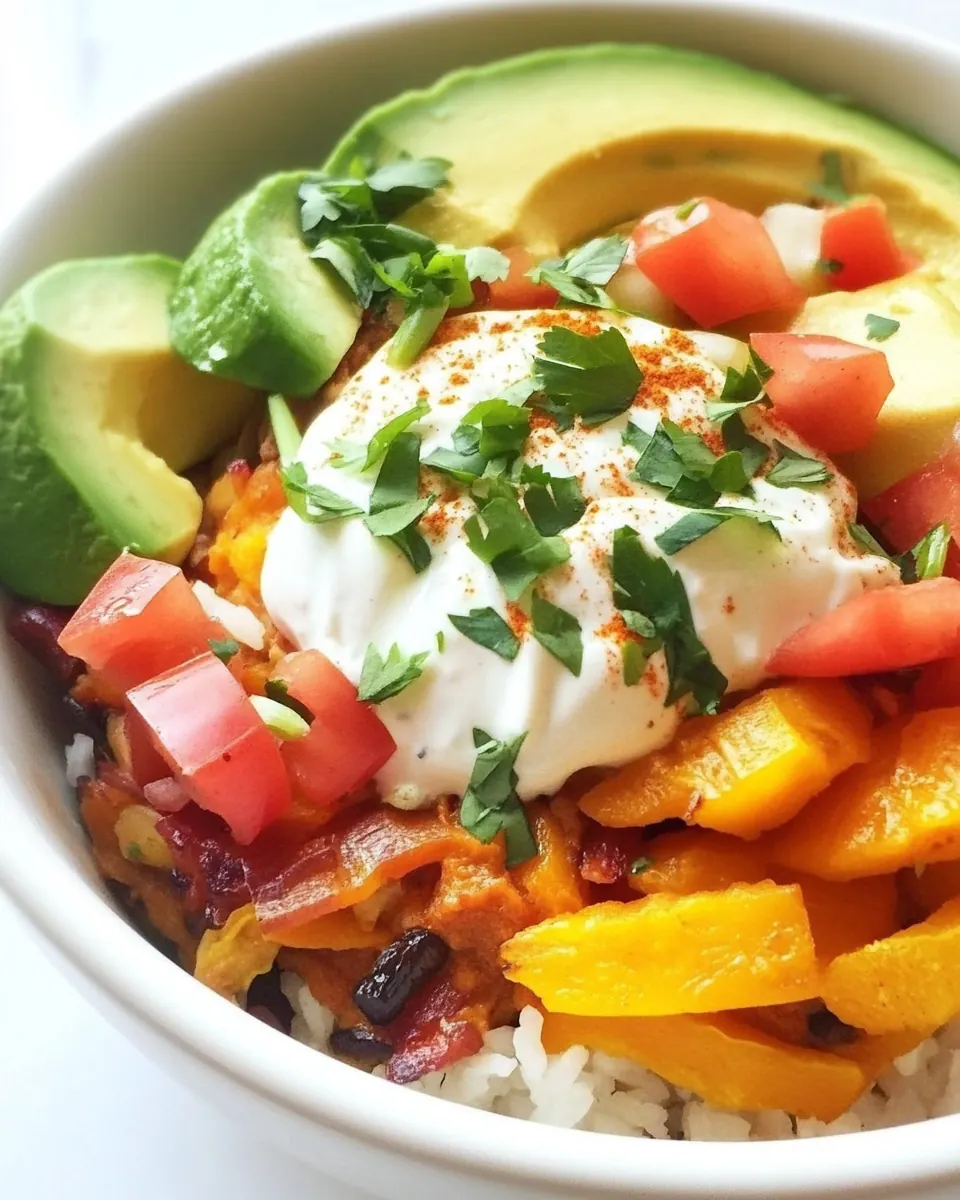
Breakfast Burrito Bowl with Spiced Butternut Squash
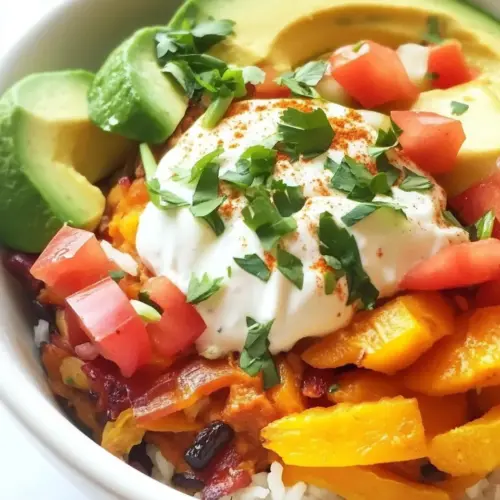
Breakfast Burrito Bowl with Spiced Butternut Squash landed on my table the morning I decided to treat weekday chaos like a celebration. I remember juggling lunchboxes, a buzzing phone, and a kettle that would not stop clicking, yet the bright orange cubes of butternut squash and the sizzle of eggs in a small skillet made everything feel calmer. That first bite, warm and slightly sweet against the tang of lime and the cream of avocado, felt intentionally simple, and it changed how I think about quick mornings.
I have a habit of riffing on bowls because they let each ingredient sing by itself. With this Breakfast Burrito Bowl with Spiced Butternut Squash, I learned to balance cozy, roasted textures with fresh, acidic notes from a tiny pico that wakes up the palate. Every spoonful is layered, so you get the roasted, caramelized edges of the butternut squash, the soft, custardy mouthfeel of the eggs, and the bright lift from lime and cilantro. That blend of textures makes mornings feel less rushed and more worth savoring.
Over time, this bowl became my go to for feed a week of early meetings, because it’s forgiving and assembled in minutes. I like to roast extra butternut squash and keep a container in the fridge for when life gets hectic. It reheats well, and the toppings stay vibrant if you store them separately. If you enjoy food that is both practical and full of personality, this is one you will return to often, I promise.
Recipe Snapshot
30 mins
5 mins
25 mins
Easy
400 kcal
Mexican
Keto, Gluten-Free
Breakfast
Oven, Sheet pan, Mixing bowl, Small skillet, Spatula
Why We Love This Breakfast Burrito Bowl with Spiced Butternut Squash
Roasted sweet meets savory comfort
I love how the roasted butternut squash brings a natural sweetness that deepens as it caramelizes, creating a base that is both comforting and sophisticated. The roast concentrates flavor, giving the bowl a cozy backbone that pairs beautifully with bright toppings.
Fast enough for busy mornings
What sold me was the speed. From chopping to plating, this dish behaves like an ally on rushed days. You get restaurant style textures without the fuss, and I appreciate a recipe that respects the clock without sacrificing flavor.
Layered textures for interest
The contrast between the tender roasted butternut squash, the creamy avocado, and the slightly crisp edges of a pan cooked egg creates a mouthfeel that keeps every bite engaging. I rarely skip the pico de gallo because its acidity cuts through the richness.
Flexible and forgiving
I’ve adapted this bowl for different mornings, and it always survives substitutions or slight timing changes. Because the components are prepared separately, it’s easy to scale, swap, or make ahead without losing the core character.
Nutrition that feels like a treat
It feels indulgent, yet it delivers real nutrients from the butternut squash, eggs, and avocado. For me, that balance between feel good and taste good is why I return to this recipe again and again.
Ingredients for Breakfast Burrito Bowl with Spiced Butternut Squash
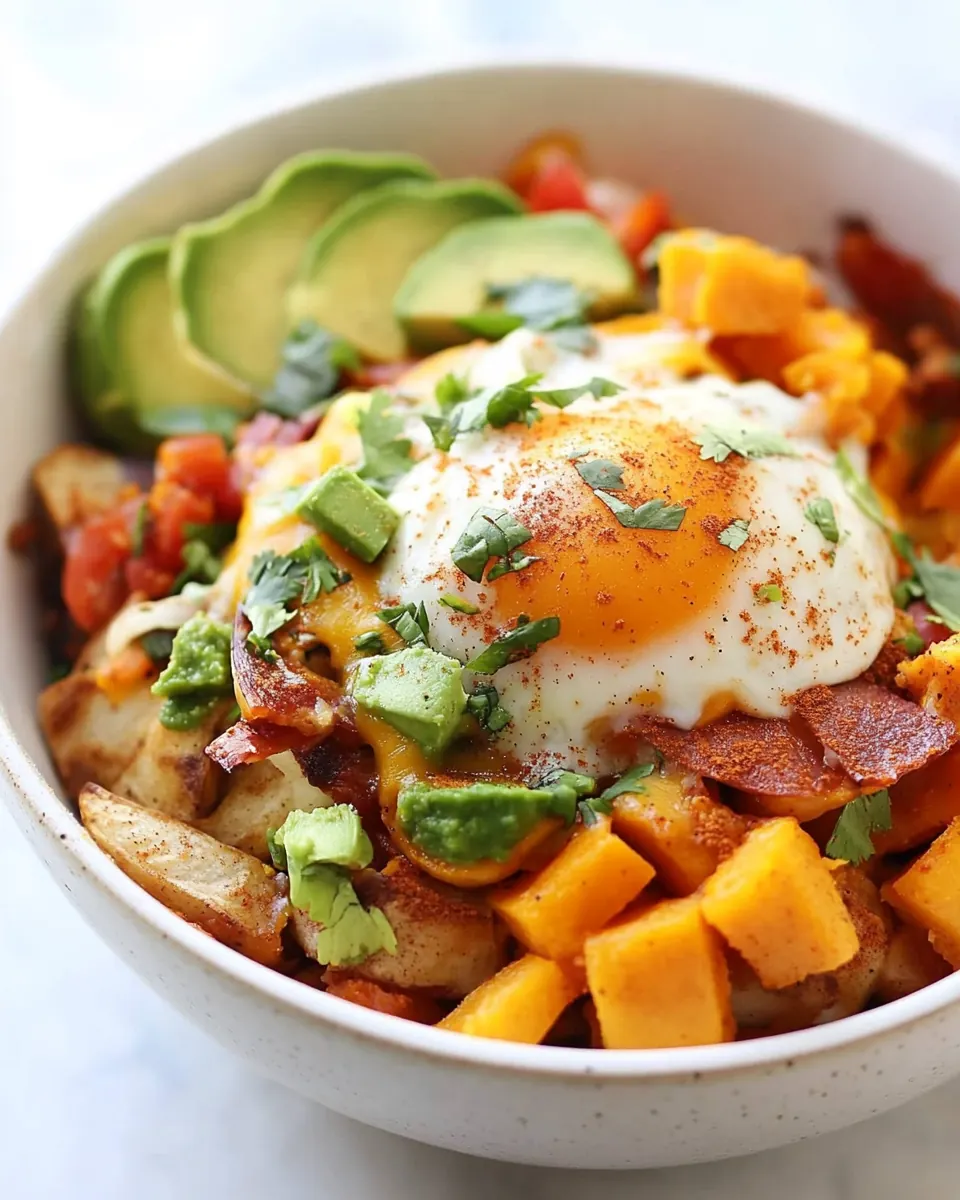
These ingredients are chosen to create harmony between roast warmth and fresh brightness. The star is the roasted butternut squash, which gives the bowl body, while smaller players like the pico and avocado add lift and creaminess. Simple seasonings make each component sing without overwhelming the palate.
- cooking spray: Lightly coat the cooking surface to prevent sticking and ensure even browning when sautéing or roasting components of the bowl; particularly useful for keeping eggs, squash, and other ingredients from adhering. Provide a low-calorie alternative to pouring oil, allowing for controlled application and less mess in the pan or baking sheet.
- 20 ounces butternut squash, seeded and cut into 1-inch cubes: Provide sweet, nutty roasted flavor and hearty texture when cut into 1-inch cubes and cooked; act as the main vegetable component offering fiber and vitamins to the bowl. Roast or sauté to caramelize edges, which adds depth and balances the savory spices and creamy toppings.
- 1 1/2 teaspoons olive oil: Help promote even roasting by lightly drizzling over squash or using to coat a pan; impart a subtle fruity richness that complements the spices. Use sparingly to avoid excess oil while still aiding in browning and preventing sticking.
- 3 teaspoons garlic powder: Impart a concentrated garlic flavor that seasons the squash and eggs without adding moisture; dispersed powdered form allows for even distribution across roasted vegetables. Pair with cumin and smoked paprika to build an aromatic base for the bowl's southwest-inspired profile.
- 1/2 teaspoon cumin: Contribute warm, earthy notes that enhance the savory profile of the roasted squash and eggs; use a small amount to avoid overpowering the dish. Work well with smoked paprika and garlic powder to create a balanced, mildly spiced seasoning blend.
- 1/2 teaspoon smoked paprika: Add deep, smoky complexity that complements roasted vegetables and pairs well with cumin and garlic; introduce a subtle barbecue-like flavor without adding liquid. Use in moderation to create a rounded, savory taste that ties the bowl together.
- 3/4 teaspoon kosher salt: Provide essential seasoning to amplify and balance the flavors of the squash, eggs, and salsa components; help make the vegetables and proteins taste more vibrant. Dissolve into roasted pieces and egg mixture to ensure consistent saltiness throughout the dish.
- Freshly ground pepper, to taste: Add adjustable heat and brighten flavors when freshly ground over finished components; allow diners to control the level of spice to taste. Sprinkle lightly during plating to complement the smokiness and salt without overwhelming the palate.
- 1 cup chopped tomatoes: Contribute fresh acidity, juiciness, and color to the bowl while balancing roasted and savory elements; chopped tomatoes form a simple salsa or topping that lightens the dish. Combine with onion, cilantro, and lime juice to create a fresh, bright contrast to the spiced squash and eggs.
- 1/3 cup chopped onion: Provide crisp texture and sharp, savory flavor that complements the tomatoes and balances richer components like eggs and cheese; small dice disperses onion bites evenly through the bowl. Sauté lightly or use raw in a salsa to maintain brightness and crunch.
- 1/4 cup chopped cilantro: Offer bright, herbaceous notes and fresh aroma that lift the overall flavor profile; chopped cilantro pairs with lime and tomatoes to create a classic finishing garnish. Scatter over the assembled bowl to add color contrast and Mediterranean/Central American flavor cues.
- Juice from 1/2 a lime: Introduce tangy brightness and acidity to balance rich and starchy elements when squeezed over the assembled bowl; juice from half a lime is sufficient to refresh the flavors. Drizzle over tomatoes, avocado, and squash to tie ingredients together and enhance overall taste.
- Olive oil spray: Provide a quick, even mist of oil to prevent sticking during cooking or to finish vegetables with a light sheen; functions similarly to cooking spray but allows targeted application. Use sparingly to aid browning while maintaining lower overall fat content in the bowl.
- 4 large eggs: Serve as the primary protein, offering a tender, fluffy texture when cooked and a neutral canvas for savory seasonings; four large eggs supply satiety and nutrients like protein and vitamins. Scramble or fry to preference and incorporate into the bowl to complement roasted squash and fresh toppings.
- 4 ounces Hass avocado, cubed: Offer creamy, buttery texture and healthy monounsaturated fats when cubed and added as a topping; avocado adds richness that contrasts roasted squash and tangy salsa. Cube just before serving to maintain color and combine with lime juice to prevent browning.
- 1/4 cup reduced-fat shredded cheddar cheese: Provide a mild, melty element that adds salty, cheesy richness when sprinkled over warm eggs and squash; reduced-fat shredded cheddar contributes familiar comfort flavor while limiting calories. Scatter over hot components so it softens and binds flavors together without overpowering other ingredients.
Recipe Steps for Breakfast Burrito Bowl with Spiced Butternut Squash
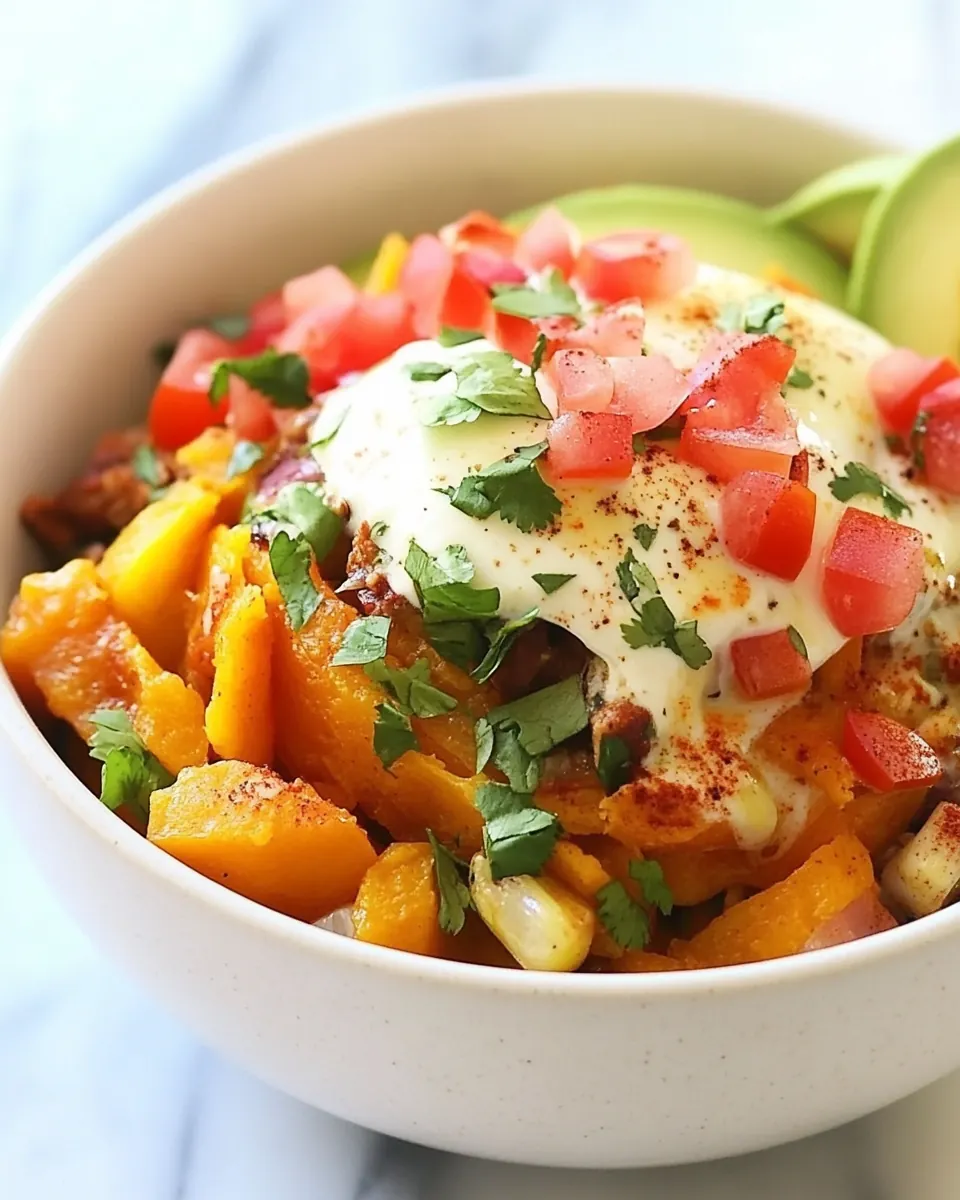
This recipe is comforting and straightforward, but the small details matter. Follow the steps below and pay attention to aromas, textures, and timing to get the best bowl. I like to keep my mise en place simple, and I always taste the pico for salt and acidity before plating.
- Preheat oven to 425 degrees F. Spray a large nonstick baking sheet with oil. In a medium bowl, combine squash, olive oil, garlic powder, cumin, smoked paprika, 1/2 teaspoon salt and pepper. Toss well to coat. Spread squash evenly onto a sheet pan and roast for 20-25 minutes, or until browned and tender, tossing once halfway through.: As the oven warms, you will smell a faint residual kitchen scent that fades as it reaches temperature, which is a good cue that the environment is ready for roasting; the hot oven ensures the butternut squash will brown on the outside while staying tender inside, creating caramelized flavors; a common mistake is not preheating long enough, which leads to steaming rather than roasting, so wait until the oven fully reaches 425 degrees F before putting the sheet pan in.
- Meanwhile, in a small bowl, combine tomatoes, onions, cilantro, lime juice, pinch of salt and pepper, to taste. Set aside.: The light sheen of cooking spray prevents sticking and encourages even browning, so the squash edges turn golden and slightly crisp; you should see a glint on the pan when it is ready; avoid overspraying because excess oil pools and causes uneven caramelization.
- Heat a small skillet over medium heat, lightly spray with olive oil spray, add eggs, season with salt, cover and cook to your desired doneness.: When you toss these ingredients, their aromas will lift, the spice blend coating each cube for an even flavor profile; this step builds the foundation of taste, with the olive oil acting as the flavor carrier; do not skip tossing thoroughly or some cubes will roast blandly.
- To assemble bowls: Layer 2/3 cup squash, 1/2 cup pico, 1 oz avocado, 1 egg and 1 tablespoon cheese. Repeat for remaining bowls.: You will feel the spices adhere to the surface, and visually the cubes will look glossy and evenly speckled; this ensures every bite contains seasoned flesh, enhancing the finished bowl; a mistake is to toss too roughly which can bruise softer pieces, instead use gentle folding motions.
- Spread squash evenly onto a sheet pan and roast for 20 to 25 minutes: The oven will transform the squash, filling the kitchen with sweet, toasty notes as edges brown, and you should hear a slight steam release as water evaporates; roast time concentrates sweetness and creates chewy caramelized bits; a common error is overcrowding the pan, which causes steaming and prevents browning, so space the cubes in a single layer.
- Toss once halfway through: Mid roast, flipping the cubes encourages uniform browning and reveals the new golden faces that developed; this action evens texture so no piece is underdone; be careful not to mash the cubes while turning, use a spatula and gentle lift instead of pressing down.
- Meanwhile, in a small bowl, combine tomatoes, onions, cilantro, lime juice, pinch of salt and pepper, to taste: As you mix the pico, the lime will brighten the tomatoes and soften the raw onion slightly, creating a lively counterpoint to the roasted squash; tasting and adjusting salt at this stage is crucial to balance acidity; avoid overdressing the pico which can make it watery, keep it freshly dressed just before serving.
- Set aside: Letting the pico rest briefly allows flavors to meld and the heat from the roasted squash will not wilt it when assembled; you will notice the aromas become more integrated after a few minutes; a common oversight is making pico too far in advance, which can mute its brightness, so prepare it close to serving time if possible.
- Heat a small skillet over medium heat: The pan should feel warm to the touch when you hover your hand a few inches above it, indicating it will cook the eggs evenly; proper pan temperature prevents sticking and promotes gentle cooking; avoid too high heat which makes eggs rubbery and causes them to brown excessively.
- Lightly spray with olive oil spray: A thin mist of olive oil spray creates a non stick surface for the eggs and yields a tender exterior on the cooked eggs; this keeps added fat minimal while ensuring even cooking; too much spray can pool and cause the eggs to fry instead of gently set.
- Add eggs, season with salt, cover and cook to your desired doneness: Covered cooking traps steam, gently setting the whites while keeping yolks luscious if you prefer them soft, and the sound changes from quiet to a soft simmer as moisture escapes; I like an even, slightly jiggly yolk that adds silk to the bowl; a frequent mistake is overcooking under high heat, resulting in dry, chalky whites and firm yolks, so watch the eggs closely and remove from heat when they reach your preferred texture.
- To assemble bowls: When you layer the components, start by placing warm roasted butternut squash then spoon the pico on top for contrast, add cubed avocado for creaminess, top with the cooked egg , and finish with the shredded cheddar cheese so it melts slightly from the residual heat; the mix of temperatures and textures ensures every bite has complexity; avoid piling ingredients in a way that buries the egg, instead arrange so each element remains visible and accessible.
- Layer 2/3 cup squash, 1/2 cup pico, 1 oz avocado, 1 egg and 1 tablespoon cheese: These proportions create balance between sweet, bright, creamy and savory components, and the visual arrangement invites you to dig in; note the contrast of warm squash and cool pico is what keeps the bowl from feeling monotone; a pitfall is uneven portions that overemphasize one element, so measure if you want consistent bowls.
- Repeat for remaining bowls: As you plate the rest, you will notice rhythm, and the process becomes quicker and more precise; assembling all bowls immediately ensures everyone gets components at their best temperature; avoid letting assembled bowls sit too long before serving, as the pico will begin to wilt and the avocado may brown.
Making Adjustments
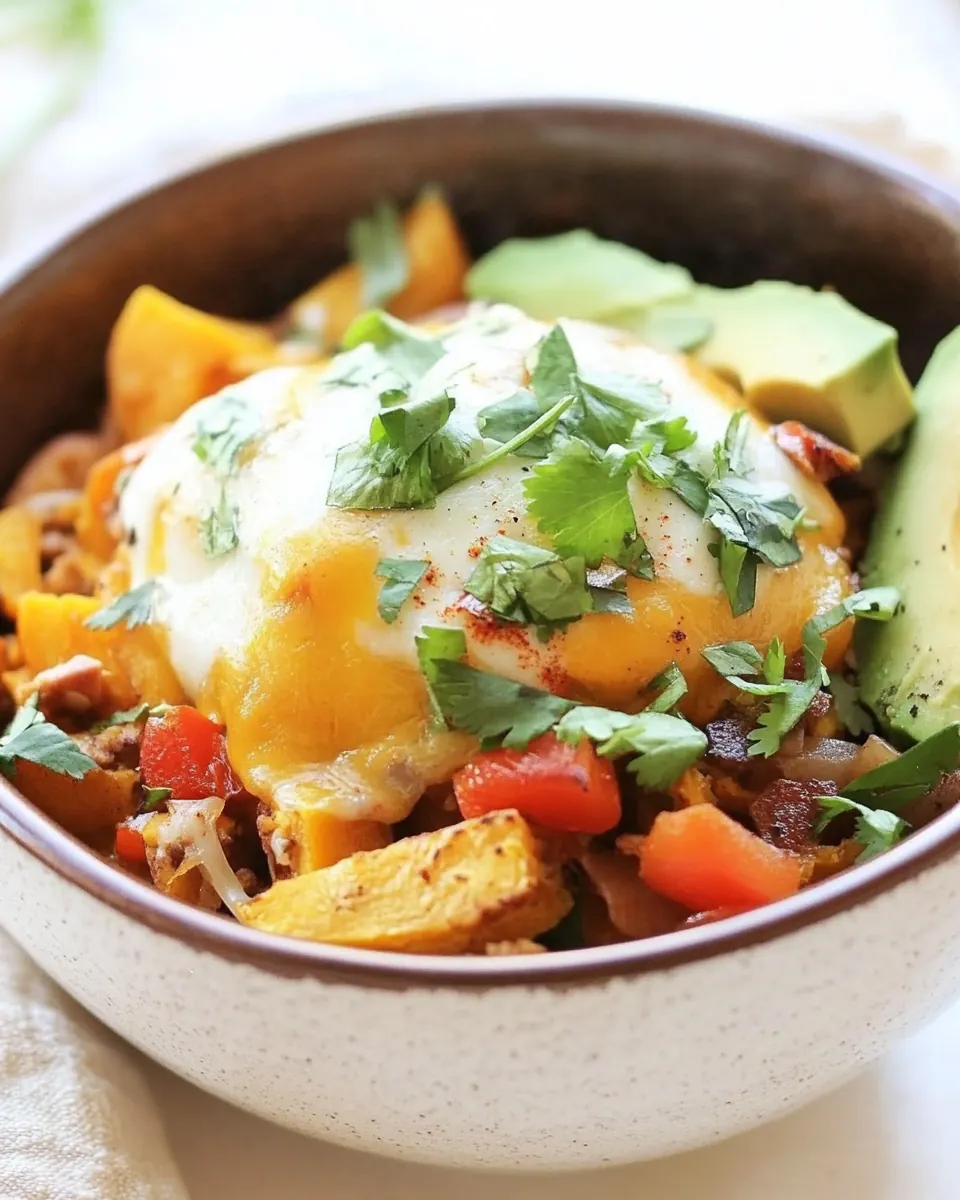
Small swaps and timing changes can make this bowl fit different mornings or dietary needs. Below are practical tips I use to adjust flavors, textures, and timing without losing what makes the bowl special.
- Swap oil sparingly Replace the olive oil with a light flavored oil if you prefer a neutral roast, but keep the amount the same to preserve browning and spice adherence.
- Make pico milder If raw onion is too assertive, soak the chopped pieces in cold water for 10 minutes before draining to take off some bite without losing crunch.
- Advance prep the squash Roast the butternut squash up to three days ahead and refrigerate in an airtight container, then reheat in a hot oven to refresh the crisp edges.
- Egg timing trick Cook the eggs last while the squash rests, that way the eggs are hot and tender, and you avoid overcooking them while waiting on other components.
- Keep avocado fresh Toss cubed avocado with a touch of lime to slow browning if you are assembling bowls slightly ahead of time.
- Adjust salt to taste Season each component lightly and then taste the assembled bowl, finishing salt can be more precise when you consider the whole bite.
What to Serve Alongside Breakfast Burrito Bowl with Spiced Butternut Squash
This bowl is generous and versatile, and pairing it with simple sides can elevate a casual morning into a memorable meal. Below are serving ideas that suit occasions from busy weeknights to relaxed weekend brunches.
- Fresh fruit platter A selection of seasonal fruit like berries or melon provides a cool, juicy contrast to the warm, spiced butternut squash, making it a great light side.
- Hot tea or coffee Serve with a robust hot beverage to complement the roasted and savory notes of the bowl; the warmth ties the elements together for a comforting meal.
- Simple green salad A crisp salad dressed with a light vinaigrette offers a textural contrast and adds leafy greens to the plate, balancing the richer components.
- Warm tortillas Offer warm corn or flour tortillas on the side for those who want to convert the bowl back into a burrito style, adding a hand held option for casual dining.
- Meal planning tip Roast a double batch of butternut squash and portion it for lunches and dinners across the week, it pairs well with other proteins and grains for varied meals.
- Seasonal pairings In the fall, serve with spiced apple slices or a light squash soup for a harvest themed meal that echoes the butternut squash centerpiece.
- Storage advice Keep the pico and avocado separate from the squash when storing leftovers to preserve texture, reheat the squash and eggs gently to avoid drying out.
- Serving for Ramadan This bowl provides nourishing energy for suhoor when portioned thoughtfully, pair with hydrating fruit and warm beverages to sustain before fasting.
- Lunch shift Turn the leftovers into a hearty lunch by adding a handful of greens and a squeeze of lime, the bowl transforms easily into a balanced midday meal.
- Entertaining For a brunch gathering, set up a bowl assembly station so guests can customize toppings and textures, making it interactive and stress free.
FAQ
Conclusion
This recipe stands out because it balances roasted sweetness, fresh acidity, and creamy richness in a single, approachable bowl. It’s a practical, flavorful solution for busy mornings or a relaxed weekend brunch, and the components come together quickly while remaining satisfying. Give it a try and notice how a few simple steps transform humble ingredients into something that feels special. Share it with friends or keep it as your personal go to, because it adapts easily and rewards small efforts with big, memorable flavor.
Breakfast Burrito Bowl with Spiced Butternut Squash
Equipment
- Oven
- Sheet Pan
- Mixing Bowl
- Small skillet
- Spatula
Ingredients
- cooking spray Lightly coat the cooking surface to prevent sticking and ensure even browning when sautéing or roasting components of the bowl; particularly useful for keeping eggs, squash, and other ingredients from adhering. Provide a low-calorie alternative to pouring oil, allowing for controlled application and less mess in the pan or baking sheet.
- 20 ounces butternut squash, seeded and cut into 1-inch cubes Provide sweet, nutty roasted flavor and hearty texture when cut into 1-inch cubes and cooked; act as the main vegetable component offering fiber and vitamins to the bowl. Roast or sauté to caramelize edges, which adds depth and balances the savory spices and creamy toppings.
- 1 1/2 teaspoons olive oil Help promote even roasting by lightly drizzling over squash or using to coat a pan; impart a subtle fruity richness that complements the spices. Use sparingly to avoid excess oil while still aiding in browning and preventing sticking.
- 3 teaspoons garlic powder Impart a concentrated garlic flavor that seasons the squash and eggs without adding moisture; dispersed powdered form allows for even distribution across roasted vegetables. Pair with cumin and smoked paprika to build an aromatic base for the bowl's southwest-inspired profile.
- 1/2 teaspoon cumin Contribute warm, earthy notes that enhance the savory profile of the roasted squash and eggs; use a small amount to avoid overpowering the dish. Work well with smoked paprika and garlic powder to create a balanced, mildly spiced seasoning blend.
- 1/2 teaspoon smoked paprika Add deep, smoky complexity that complements roasted vegetables and pairs well with cumin and garlic; introduce a subtle barbecue-like flavor without adding liquid. Use in moderation to create a rounded, savory taste that ties the bowl together.
- 3/4 teaspoon kosher salt Provide essential seasoning to amplify and balance the flavors of the squash, eggs, and salsa components; help make the vegetables and proteins taste more vibrant. Dissolve into roasted pieces and egg mixture to ensure consistent saltiness throughout the dish.
- Freshly ground pepper, to taste Add adjustable heat and brighten flavors when freshly ground over finished components; allow diners to control the level of spice to taste. Sprinkle lightly during plating to complement the smokiness and salt without overwhelming the palate.
- 1 cup chopped tomatoes Contribute fresh acidity, juiciness, and color to the bowl while balancing roasted and savory elements; chopped tomatoes form a simple salsa or topping that lightens the dish. Combine with onion, cilantro, and lime juice to create a fresh, bright contrast to the spiced squash and eggs.
- 1/3 cup chopped onion Provide crisp texture and sharp, savory flavor that complements the tomatoes and balances richer components like eggs and cheese; small dice disperses onion bites evenly through the bowl. Sauté lightly or use raw in a salsa to maintain brightness and crunch.
- 1/4 cup chopped cilantro Offer bright, herbaceous notes and fresh aroma that lift the overall flavor profile; chopped cilantro pairs with lime and tomatoes to create a classic finishing garnish. Scatter over the assembled bowl to add color contrast and Mediterranean/Central American flavor cues.
- Juice from 1/2 a lime Introduce tangy brightness and acidity to balance rich and starchy elements when squeezed over the assembled bowl; juice from half a lime is sufficient to refresh the flavors. Drizzle over tomatoes, avocado, and squash to tie ingredients together and enhance overall taste.
- Olive oil spray Provide a quick, even mist of oil to prevent sticking during cooking or to finish vegetables with a light sheen; functions similarly to cooking spray but allows targeted application. Use sparingly to aid browning while maintaining lower overall fat content in the bowl.
- 4 large eggs Serve as the primary protein, offering a tender, fluffy texture when cooked and a neutral canvas for savory seasonings; four large eggs supply satiety and nutrients like protein and vitamins. Scramble or fry to preference and incorporate into the bowl to complement roasted squash and fresh toppings.
- 4 ounces Hass avocado, cubed Offer creamy, buttery texture and healthy monounsaturated fats when cubed and added as a topping; avocado adds richness that contrasts roasted squash and tangy salsa. Cube just before serving to maintain color and combine with lime juice to prevent browning.
- 1/4 cup reduced-fat shredded cheddar cheese Provide a mild, melty element that adds salty, cheesy richness when sprinkled over warm eggs and squash; reduced-fat shredded cheddar contributes familiar comfort flavor while limiting calories. Scatter over hot components so it softens and binds flavors together without overpowering other ingredients.
Instructions
- Preheat oven to 425 degrees F. Spray a large nonstick baking sheet with oil. In a medium bowl, combine squash, olive oil, garlic powder, cumin, smoked paprika, 1/2 teaspoon salt and pepper. Toss well to coat. Spread squash evenly onto a sheet pan and roast for 20-25 minutes, or until browned and tender, tossing once halfway through.: As the oven warms, you will smell a faint residual kitchen scent that fades as it reaches temperature, which is a good cue that the environment is ready for roasting; the hot oven ensures the butternut squash will brown on the outside while staying tender inside, creating caramelized flavors; a common mistake is not preheating long enough, which leads to steaming rather than roasting, so wait until the oven fully reaches 425 degrees F before putting the sheet pan in.
- Meanwhile, in a small bowl, combine tomatoes, onions, cilantro, lime juice, pinch of salt and pepper, to taste. Set aside.: The light sheen of cooking spray prevents sticking and encourages even browning, so the squash edges turn golden and slightly crisp; you should see a glint on the pan when it is ready; avoid overspraying because excess oil pools and causes uneven caramelization.
- Heat a small skillet over medium heat, lightly spray with olive oil spray, add eggs, season with salt, cover and cook to your desired doneness.: When you toss these ingredients, their aromas will lift, the spice blend coating each cube for an even flavor profile; this step builds the foundation of taste, with the olive oil acting as the flavor carrier; do not skip tossing thoroughly or some cubes will roast blandly.
- To assemble bowls: Layer 2/3 cup squash, 1/2 cup pico, 1 oz avocado, 1 egg and 1 tablespoon cheese. Repeat for remaining bowls.: You will feel the spices adhere to the surface, and visually the cubes will look glossy and evenly speckled; this ensures every bite contains seasoned flesh, enhancing the finished bowl; a mistake is to toss too roughly which can bruise softer pieces, instead use gentle folding motions.
- Spread squash evenly onto a sheet pan and roast for 20 to 25 minutes: The oven will transform the squash, filling the kitchen with sweet, toasty notes as edges brown, and you should hear a slight steam release as water evaporates; roast time concentrates sweetness and creates chewy caramelized bits; a common error is overcrowding the pan, which causes steaming and prevents browning, so space the cubes in a single layer.
- Toss once halfway through: Mid roast, flipping the cubes encourages uniform browning and reveals the new golden faces that developed; this action evens texture so no piece is underdone; be careful not to mash the cubes while turning, use a spatula and gentle lift instead of pressing down.
- Meanwhile, in a small bowl, combine tomatoes, onions, cilantro, lime juice, pinch of salt and pepper, to taste: As you mix the pico, the lime will brighten the tomatoes and soften the raw onion slightly, creating a lively counterpoint to the roasted squash; tasting and adjusting salt at this stage is crucial to balance acidity; avoid overdressing the pico which can make it watery, keep it freshly dressed just before serving.
- Set aside: Letting the pico rest briefly allows flavors to meld and the heat from the roasted squash will not wilt it when assembled; you will notice the aromas become more integrated after a few minutes; a common oversight is making pico too far in advance, which can mute its brightness, so prepare it close to serving time if possible.
- Heat a small skillet over medium heat: The pan should feel warm to the touch when you hover your hand a few inches above it, indicating it will cook the eggs evenly; proper pan temperature prevents sticking and promotes gentle cooking; avoid too high heat which makes eggs rubbery and causes them to brown excessively.
- Lightly spray with olive oil spray: A thin mist of olive oil spray creates a non stick surface for the eggs and yields a tender exterior on the cooked eggs; this keeps added fat minimal while ensuring even cooking; too much spray can pool and cause the eggs to fry instead of gently set.
- Add eggs, season with salt, cover and cook to your desired doneness: Covered cooking traps steam, gently setting the whites while keeping yolks luscious if you prefer them soft, and the sound changes from quiet to a soft simmer as moisture escapes; I like an even, slightly jiggly yolk that adds silk to the bowl; a frequent mistake is overcooking under high heat, resulting in dry, chalky whites and firm yolks, so watch the eggs closely and remove from heat when they reach your preferred texture.
- To assemble bowls: When you layer the components, start by placing warm roasted butternut squash then spoon the pico on top for contrast, add cubed avocado for creaminess, top with the cooked egg , and finish with the shredded cheddar cheese so it melts slightly from the residual heat; the mix of temperatures and textures ensures every bite has complexity; avoid piling ingredients in a way that buries the egg, instead arrange so each element remains visible and accessible.
- Layer 2/3 cup squash, 1/2 cup pico, 1 oz avocado, 1 egg and 1 tablespoon cheese: These proportions create balance between sweet, bright, creamy and savory components, and the visual arrangement invites you to dig in; note the contrast of warm squash and cool pico is what keeps the bowl from feeling monotone; a pitfall is uneven portions that overemphasize one element, so measure if you want consistent bowls.
- Repeat for remaining bowls: As you plate the rest, you will notice rhythm, and the process becomes quicker and more precise; assembling all bowls immediately ensures everyone gets components at their best temperature; avoid letting assembled bowls sit too long before serving, as the pico will begin to wilt and the avocado may brown.
Notes
- Swap oil sparingly Replace the olive oil with a light flavored oil if you prefer a neutral roast, but keep the amount the same to preserve browning and spice adherence.
- Make pico milder If raw onion is too assertive, soak the chopped pieces in cold water for 10 minutes before draining to take off some bite without losing crunch.
- Advance prep the squash Roast the butternut squash up to three days ahead and refrigerate in an airtight container, then reheat in a hot oven to refresh the crisp edges.
- Egg timing trick Cook the eggs last while the squash rests, that way the eggs are hot and tender, and you avoid overcooking them while waiting on other components.
- Keep avocado fresh Toss cubed avocado with a touch of lime to slow browning if you are assembling bowls slightly ahead of time.
- Adjust salt to taste Season each component lightly and then taste the assembled bowl, finishing salt can be more precise when you consider the whole bite.
