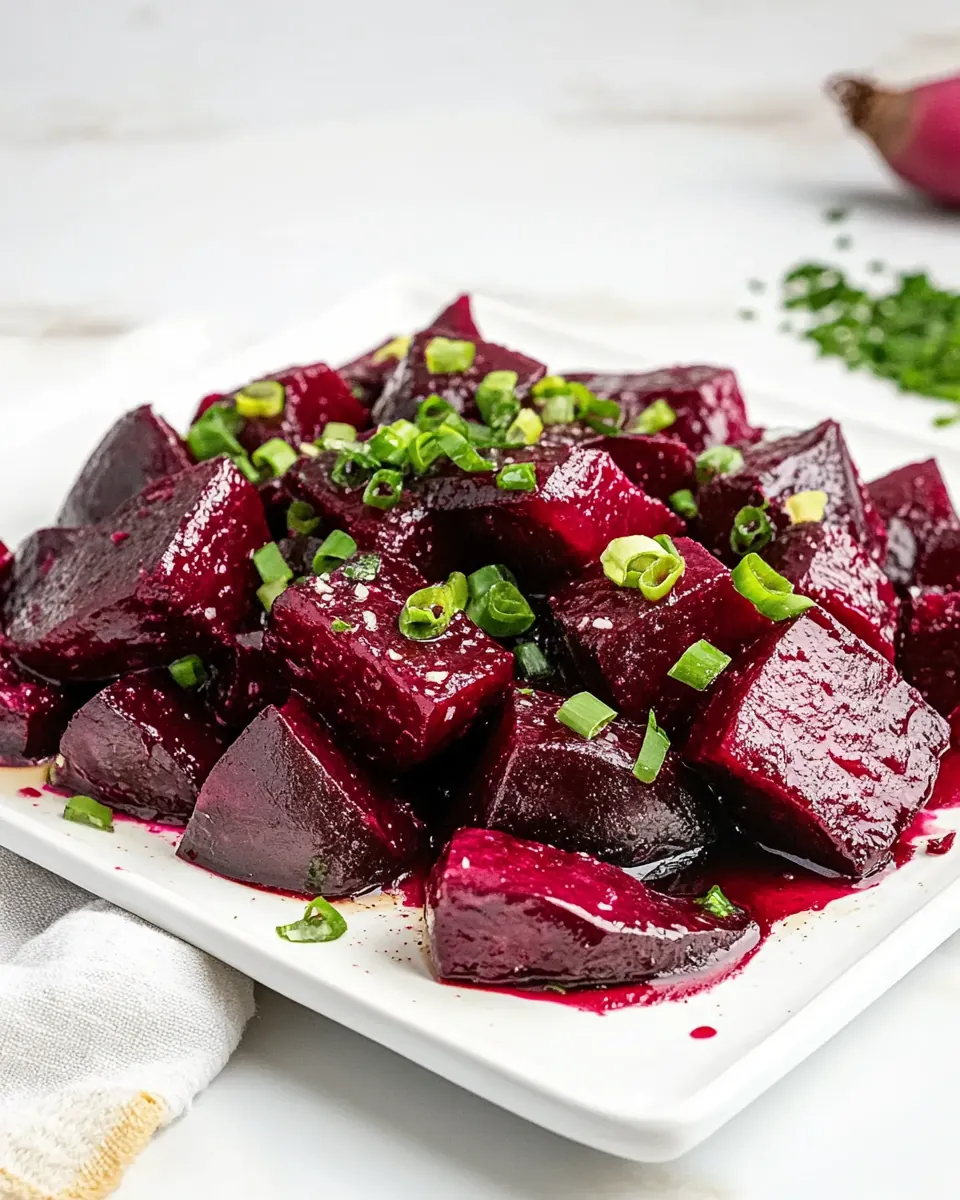
Roasted Beets with White Balsamic Dressing
Roasted Beets with White Balsamic Dressing is one of those recipes I reach for when I want something that feels elegant without fuss. The first time I made it, I was trying to use up a bag of fresh beets I found at the farmers market, and the bright citrus dressing saved them from being just another side. I remember the kitchen filling with a sweet, earthy aroma as the beets roasted, and how the dressing cut through that earthiness with a lively tang that made everyone at the table reach for seconds.
I often make this dish for nights when friends drop by at the last minute, because it travels well from oven to table and holds its texture whether served gently warm or at room temperature. The balance of beets, citrus, and the soft acidity of the white balsamic always sparks compliments, and it pairs beautifully with simple roasted proteins or a grain bowl. Over time I learned little swaps that preserve the core flavor while letting the dish feel new each season.
Recipe Snapshot
1 hr 10 mins
30 mins
40 mins
Medium
150 kcal
American
Vegan, Gluten-Free
Side Dishes
Oven, Baking dish, Mixing bowl, Whisk
The Beauty of This Roasted Beets with White Balsamic Dressing
Bright contrast of flavors
I love how the natural sweetness of beets meets the crisp bite of the white balsamic vinegar and the citrus. That contrast is why I keep returning to this recipe, it makes a humble root vegetable feel celebratory.
Easy prep that rewards patience
Roasting requires a little time, but the payoff is huge. I appreciate that the hands on work is minimal, and while the oven does the heavy lifting, the results are rich and caramelized without fuss.
Versatile serving options
You can serve this warm, at room temperature, or chilled, and it still sings. I often adapt it for casual weeknight dinners or for a holiday table, and it never feels out of place. That flexibility makes it a staple in my rotation.
Minimal ingredients, maximum impact
With just a handful of pantry staples like extra virgin olive oil, salt, and citrus juices, the dish highlights the beets without masking them. I appreciate recipes that celebrate a single ingredient this honestly.
Approachable for cooks of every skill level
Whether you are new to roasting vegetables or a seasoned cook, this recipe is forgiving. I find people feel confident after making it once, and it becomes a go to for hosting or meal prep.
Ingredient List for Roasted Beets with White Balsamic Dressing
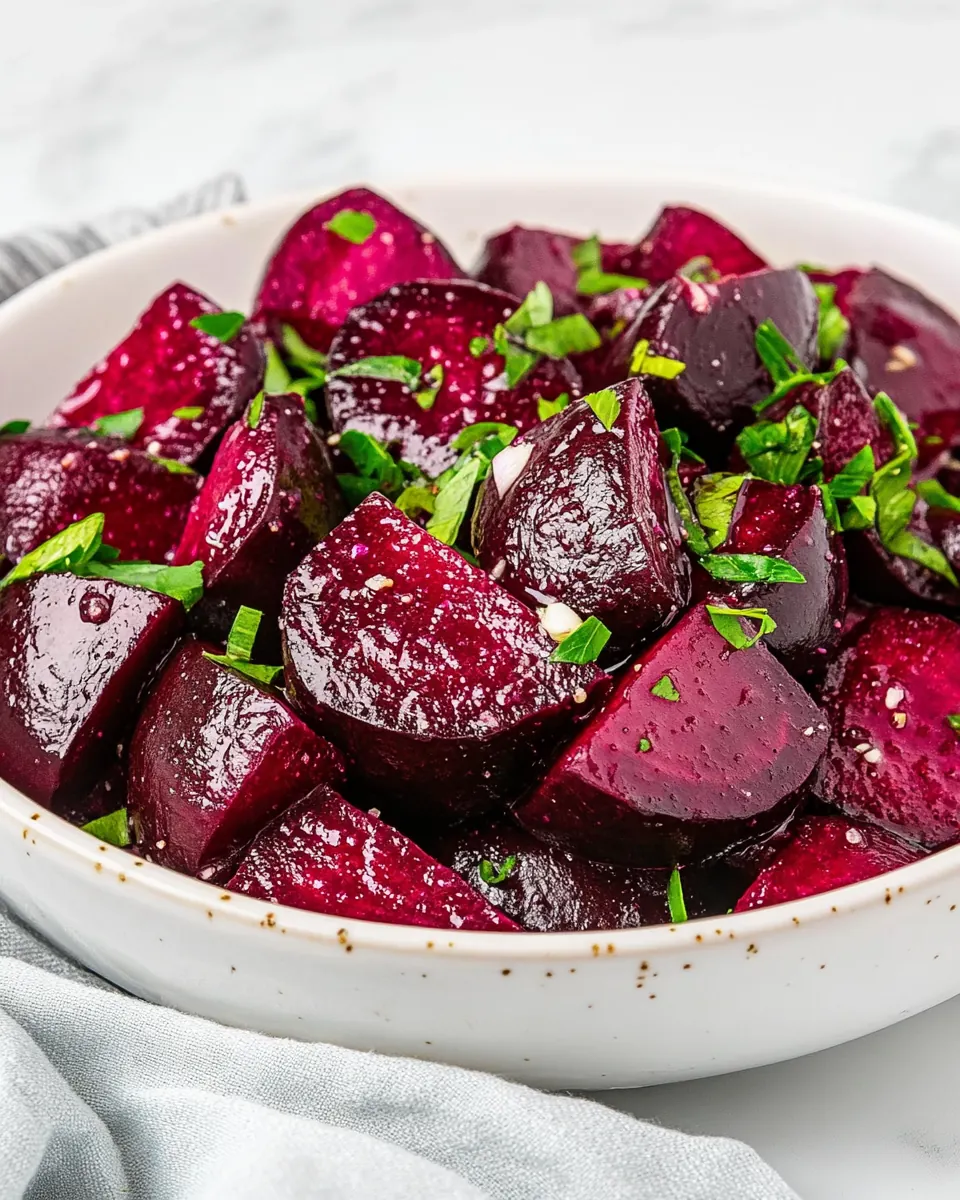
These ingredients are intentionally simple, each playing a clear role. The beets provide earthy sweetness and texture, the extra virgin olive oil helps with caramelization and mouthfeel, while the white balsamic vinegar and citrus juices brighten the whole dish. Small seasonings like kosher salt and freshly ground black pepper sharpen flavors, and optional chives bring a fresh, onion like lift as a finishing touch.
- 8 ounces (4 to 5 medium) beets: Roast or boil to tender perfection and provide the dish's earthy, sweet base while contributing vivid color and hearty texture.
- 2 tablespoons extra virgin olive oil: Dress and lightly coat the beets to add fruity, peppery richness and help carry the vinaigrette across the vegetables.
- 1/4 teaspoon kosher salt: Season during cooking to enhance natural flavors and help balance the sweetness of the beets with a subtle savory note.
- 1/4 cup freshly squeezed orange juice, strained: Brighten the dressing with natural sweetness and citrus aroma, adding acidity and a fresh, juicy lift when strained for clarity.
- 1 tablespoon white balsamic vinegar: Introduce a mild, slightly sweet acidity to the dressing to deepen flavor complexity and balance citrus and oil.
- 1 teaspoon freshly squeezed lemon juice: Add a sharp, fresh citrus edge that heightens brightness and balances sweetness and vinegar in the dressing.
- 1/4 teaspoons ea salt (or more to taste): Provide precise saline seasoning to the salad for layering saltiness; adjust quantity to taste for optimal balance.
- freshly ground black pepper: Contribute aromatic heat and a final peppery finish when freshly ground, enhancing the overall savory profile of the dish.
- 1 to 2 tablespoons chopped fresh chives () (optional): Garnish and add a mild onionlike freshness and color contrast, sprinkled sparingly to complement the roasted beets.
Step by Step Guide for Roasted Beets with White Balsamic Dressing
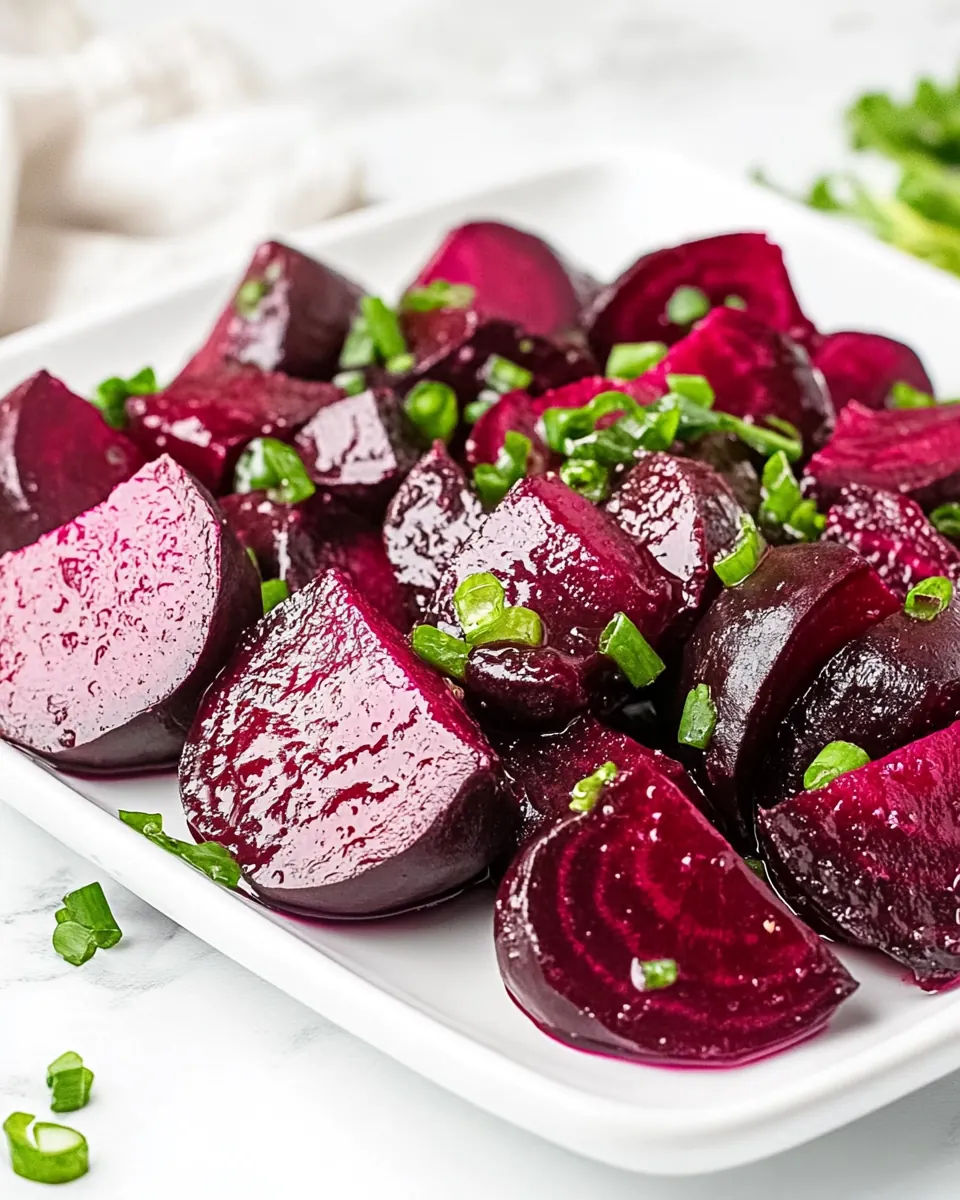
This recipe is straightforward, but each moment matters. The roasting stage builds deep flavor, while the dressing brings clarity and brightness. Follow the steps carefully and pay attention to the sensory cues as you go, and you will end up with a reliably delicious dish.
- Position a rack in the center of the oven and heat the oven to 450°F.: You will feel the kitchen warm as the oven comes up to temperature, and a preheated oven ensures the beets begin caramelizing immediately rather than steaming. The intense heat helps create browned edges that add texture and extra flavor. If the oven is not fully preheated, the beets may take longer and end up softer without those roasted notes. A common mistake is opening the oven repeatedly to check, which lets heat escape and prevents even roasting.
- Trim, peel, and cut the beets into 1-inch wedges. Discard the greens or save for another use. Put the beets in a shallow 9×13-inch (or similar) baking dish. Toss them with the olive oil and salt until thoroughly coated, and then arrange them in a single layer.: The scent is earthy and raw now, but the texture will transform in the oven. Cutting into uniform 1 inch wedges ensures even cooking so every piece reaches tenderness at the same time. I always discard or reserve greens for another use because they have a different cook time and flavor profile. If pieces are uneven, smaller ones can overcook and larger ones remain firm, so take a little extra time to size them consistently.
- Roast the beets, stirring after 20 minutes, until tender when pierced with a fork or skewer and lightly browned on the edges, 30 to 40 minutes.: Arrange them so each wedge hugs the pan but still has space around it, this helps airflow and encourages browning. When you toss with the oil and salt the surface will glisten, which is the start of caramelization. Overcrowding traps steam and produces soft, pale beets instead of the rich roasted texture you want.
- Meanwhile, in a small bowl, whisk the orange juice, vinegar, lemon juice, salt and pepper until the salt has dissolved.: As you mix, notice how the beets become glossy, the oil carrying the salt to each surface. This coating is essential for achieving even browning and concentrated flavor. If some pieces are dry, they will not brown properly so ensure a light, even coating. A common error is adding too much oil which can make the pan greasy and inhibit crisping, so use the measured amount.
- While the beets are still hot, drizzle the dressing over them, tossing to coat. Let the beets cool to room temperature to meld the flavors. Taste and add more salt, if necessary. Serve at room temperature or gently warmed, topped with chives, if using.: The oven will start to fill with a toasty, earthy scent as sugars in the beets caramelize. When you stir at 20 minutes you will hear a slightly crisp sound as colder pieces hit the hot pan. Look for fork tender interiors and edges that have turned a deeper shade and show little darkened spots. If you skip stirring, some pieces may brown unevenly, and if you test too early they may still be hard in the middle. Keep an eye on them from minute 30 to 40 to avoid burning.
- Meanwhile in a small bowl whisk the orange juice vinegar lemon juice salt and pepper until the salt has dissolved: As you whisk you will notice the dressing emulsify slightly, the aromas of citrus lifting as they combine. The salt dissolving is important because it seasons uniformly, preventing grainy pockets in the dressing. The acid brightens the entire dish and draws forward the natural sugars of the beets . A frequent pitfall is under whisking which can leave the dressing separated and less glossy when drizzled over the beets .
- While the beets are still hot drizzle the dressing over them tossing to coat: The heat helps the beets absorb the flavors quickly, and you will see the dressing cling and shine on each wedge. Toss gently so the coating is even, and let the warmth release extra aroma from the citrus and vinegar. If you wait until the beets are cold the dressing may sit on top instead of melding into the vegetable. Avoid over mixing which can break the wedges apart.
- Let the beets cool to room temperature to meld the flavors: As they cool the dressing and the roasted juices marry and the overall flavor becomes more integrated. I often let them rest uncovered for a short while, watching steam fade and the surface develop a slightly tacky sheen. Serving immediately while still hot will be bright and steaming, while waiting yields a more rounded taste. A pitfall is refrigerating them right away which can dull flavors and change texture, so cool on the counter first.
- Taste and add more salt if necessary: Tasting is the moment of truth, the flavors will have shifted as they blended together. Add salt in small increments until the balance feels right, then adjust pepper if you want a touch more warmth. Over salting is easy to do here, so add cautiously and taste between additions. Not tasting before serving can leave the dish under seasoned and less vibrant.
- Serve at room temperature or gently warmed topped with chives if using: The final presentation should show glossy wedges dotted with bright green chives if you chose to include them. Serving at room temperature allows all flavors to be perceived equally, while gentle warmth emphasizes aroma and comfort. If you reheat, do it briefly so textures remain intact. A common mistake is overheating which can make the beets soft and reduce the fresh lift from the dressing.
Tips and Tricks about Roasted Beets with White Balsamic Dressing
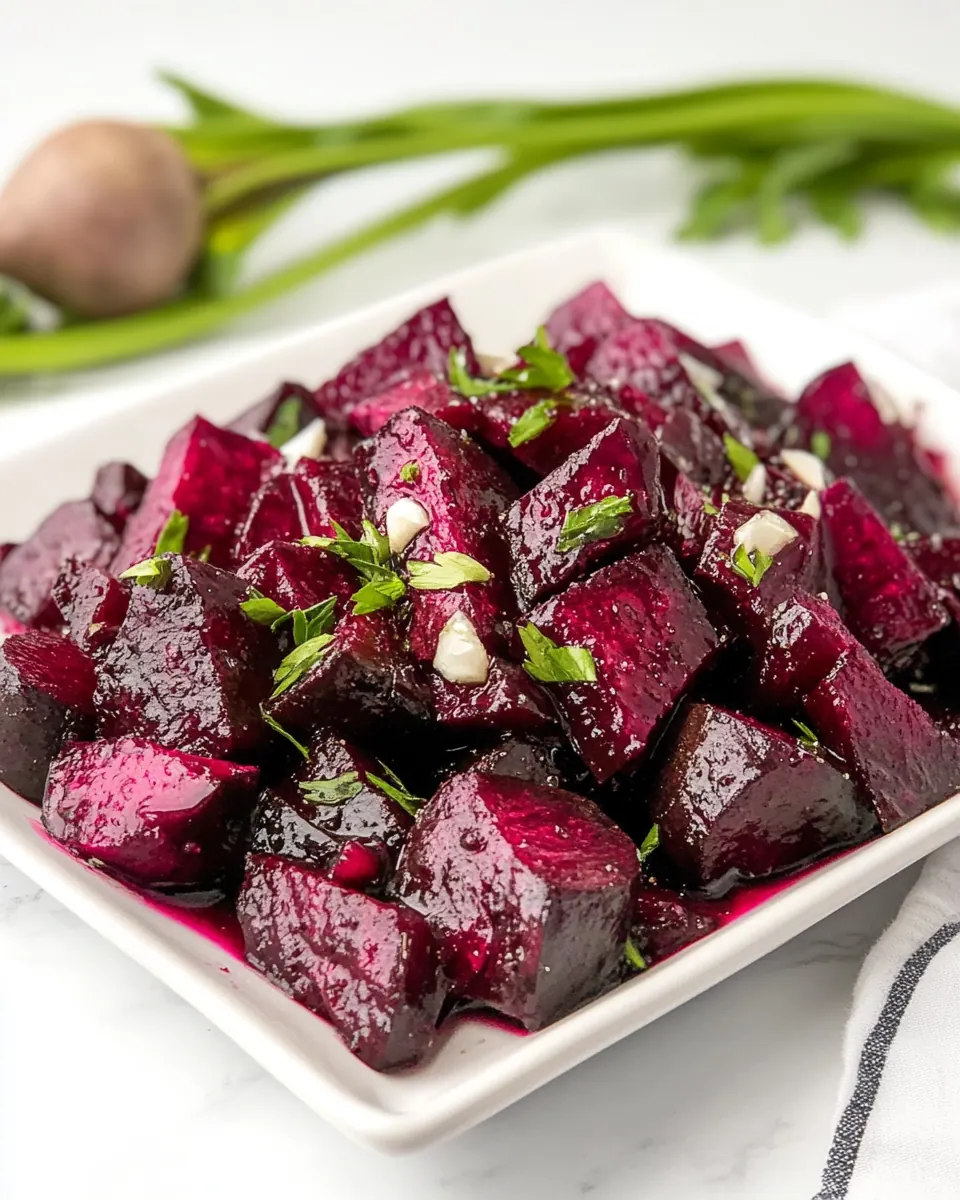
I like to share practical tips that make the process smoother and improve the final dish. These pointers reflect small habits that yield dependable results for roasting and dressing beets. Each tip begins with a focused idea and expands into helpful detail.
- Choose similar sized beets, so they roast evenly. If sizes vary, cut the larger ones down to match the smaller pieces, which prevents some pieces from being overdone while others stay firm.
- Dry beets before roasting, moisture can steam the vegetables instead of encouraging browning. Pat them with a towel after washing and trimming to improve caramelization.
- Use a shallow baking dish, this gives the beets more surface contact for even browning. A crowded, deep pan traps steam and reduces color development.
- Warm the dressing slightly if desired, a few seconds near the oven will loosen flavors and help it cling to hot beets, but avoid heating it long enough to cook the citrus.
- Store leftovers properly, keep them in an airtight container in the refrigerator for up to four days. Bring to room temperature before serving to restore flavor balance.
Serving Options for Roasted Beets with White Balsamic Dressing
This dish is flexible when it comes to serving. Whether you are putting together a casual lunch, a holiday side, or a composed salad, the roasted beets with their bright dressing can be adapted to different plates and occasions. Below are ideas and practical tips for presenting and pairing the recipe.
- As a side for dinner, serve alongside roasted or grilled vegetables and grains. The bright dressing cuts through richer flavors and offers a refreshing foil.
- On a salad platter, tuck the roasted beets among mixed greens and other vegetables for a colorful composed salad suitable for lunch or brunch occasions.
- For special occasions, present the beets on a serving dish with a sprinkle of chopped chives for color, suitable for holiday buffets or family gatherings.
- Storage and make ahead, roast the beets a day ahead and hold the dressing separately. Toss before serving to keep textures bright and fresh.
- Seasonal pairing, this plays well in fall menus when root vegetables are at their peak, and the citrus keeps it feeling lively against heartier seasonal flavors.
FAQ
Conclusion
This recipe shines because it transforms simple beets into a vibrant, balanced dish with minimal fuss. Give it a try the next time you want a side that feels thoughtful and fresh, whether for a weeknight meal or a special gathering. I hope it becomes one of those recipes you return to again and again, the kind that reliably impresses while staying easy to make.
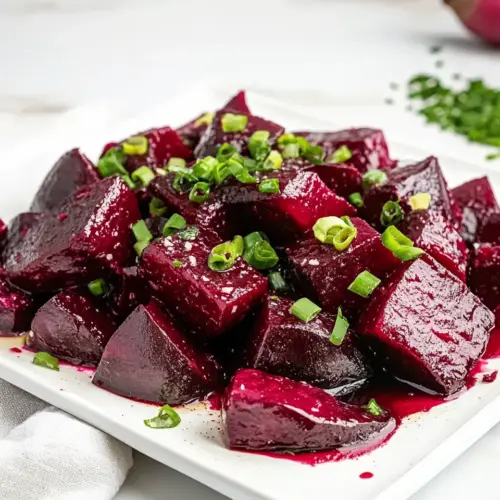
Roasted Beets with White Balsamic Dressing
Equipment
- Oven
- Baking Dish
- Mixing Bowl
- Whisk
Ingredients
- 8 ounces (4 to 5 medium) beets Roast or boil to tender perfection and provide the dish's earthy, sweet base while contributing vivid color and hearty texture.
- 2 tablespoons extra virgin olive oil Dress and lightly coat the beets to add fruity, peppery richness and help carry the vinaigrette across the vegetables.
- 1/4 teaspoon kosher salt Season during cooking to enhance natural flavors and help balance the sweetness of the beets with a subtle savory note.
- 1/4 cup freshly squeezed orange juice, strained Brighten the dressing with natural sweetness and citrus aroma, adding acidity and a fresh, juicy lift when strained for clarity.
- 1 tablespoon white balsamic vinegar Introduce a mild, slightly sweet acidity to the dressing to deepen flavor complexity and balance citrus and oil.
- 1 teaspoon freshly squeezed lemon juice Add a sharp, fresh citrus edge that heightens brightness and balances sweetness and vinegar in the dressing.
- 1/4 teaspoons ea salt (or more to taste) Provide precise saline seasoning to the salad for layering saltiness; adjust quantity to taste for optimal balance.
- freshly ground black pepper Contribute aromatic heat and a final peppery finish when freshly ground, enhancing the overall savory profile of the dish.
- 1 to 2 tablespoons chopped fresh chives (optional) Garnish and add a mild onionlike freshness and color contrast, sprinkled sparingly to complement the roasted beets.
Instructions
- Position a rack in the center of the oven and heat the oven to 450°F.: You will feel the kitchen warm as the oven comes up to temperature, and a preheated oven ensures the beets begin caramelizing immediately rather than steaming. The intense heat helps create browned edges that add texture and extra flavor. If the oven is not fully preheated, the beets may take longer and end up softer without those roasted notes. A common mistake is opening the oven repeatedly to check, which lets heat escape and prevents even roasting.
- Trim, peel, and cut the beets into 1-inch wedges. Discard the greens or save for another use. Put the beets in a shallow 9×13-inch (or similar) baking dish. Toss them with the olive oil and salt until thoroughly coated, and then arrange them in a single layer.: The scent is earthy and raw now, but the texture will transform in the oven. Cutting into uniform 1 inch wedges ensures even cooking so every piece reaches tenderness at the same time. I always discard or reserve greens for another use because they have a different cook time and flavor profile. If pieces are uneven, smaller ones can overcook and larger ones remain firm, so take a little extra time to size them consistently.
- Roast the beets, stirring after 20 minutes, until tender when pierced with a fork or skewer and lightly browned on the edges, 30 to 40 minutes.: Arrange them so each wedge hugs the pan but still has space around it, this helps airflow and encourages browning. When you toss with the oil and salt the surface will glisten, which is the start of caramelization. Overcrowding traps steam and produces soft, pale beets instead of the rich roasted texture you want.
- Meanwhile, in a small bowl, whisk the orange juice, vinegar, lemon juice, salt and pepper until the salt has dissolved.: As you mix, notice how the beets become glossy, the oil carrying the salt to each surface. This coating is essential for achieving even browning and concentrated flavor. If some pieces are dry, they will not brown properly so ensure a light, even coating. A common error is adding too much oil which can make the pan greasy and inhibit crisping, so use the measured amount.
- While the beets are still hot, drizzle the dressing over them, tossing to coat. Let the beets cool to room temperature to meld the flavors. Taste and add more salt, if necessary. Serve at room temperature or gently warmed, topped with chives, if using.: The oven will start to fill with a toasty, earthy scent as sugars in the beets caramelize. When you stir at 20 minutes you will hear a slightly crisp sound as colder pieces hit the hot pan. Look for fork tender interiors and edges that have turned a deeper shade and show little darkened spots. If you skip stirring, some pieces may brown unevenly, and if you test too early they may still be hard in the middle. Keep an eye on them from minute 30 to 40 to avoid burning.
- Meanwhile in a small bowl whisk the orange juice vinegar lemon juice salt and pepper until the salt has dissolved: As you whisk you will notice the dressing emulsify slightly, the aromas of citrus lifting as they combine. The salt dissolving is important because it seasons uniformly, preventing grainy pockets in the dressing. The acid brightens the entire dish and draws forward the natural sugars of the beets . A frequent pitfall is under whisking which can leave the dressing separated and less glossy when drizzled over the beets .
- While the beets are still hot drizzle the dressing over them tossing to coat: The heat helps the beets absorb the flavors quickly, and you will see the dressing cling and shine on each wedge. Toss gently so the coating is even, and let the warmth release extra aroma from the citrus and vinegar. If you wait until the beets are cold the dressing may sit on top instead of melding into the vegetable. Avoid over mixing which can break the wedges apart.
- Let the beets cool to room temperature to meld the flavors: As they cool the dressing and the roasted juices marry and the overall flavor becomes more integrated. I often let them rest uncovered for a short while, watching steam fade and the surface develop a slightly tacky sheen. Serving immediately while still hot will be bright and steaming, while waiting yields a more rounded taste. A pitfall is refrigerating them right away which can dull flavors and change texture, so cool on the counter first.
- Taste and add more salt if necessary: Tasting is the moment of truth, the flavors will have shifted as they blended together. Add salt in small increments until the balance feels right, then adjust pepper if you want a touch more warmth. Over salting is easy to do here, so add cautiously and taste between additions. Not tasting before serving can leave the dish under seasoned and less vibrant.
- Serve at room temperature or gently warmed topped with chives if using: The final presentation should show glossy wedges dotted with bright green chives if you chose to include them. Serving at room temperature allows all flavors to be perceived equally, while gentle warmth emphasizes aroma and comfort. If you reheat, do it briefly so textures remain intact. A common mistake is overheating which can make the beets soft and reduce the fresh lift from the dressing.
Notes
- Choose similar sized beets, so they roast evenly. If sizes vary, cut the larger ones down to match the smaller pieces, which prevents some pieces from being overdone while others stay firm.
- Dry beets before roasting, moisture can steam the vegetables instead of encouraging browning. Pat them with a towel after washing and trimming to improve caramelization.
- Use a shallow baking dish, this gives the beets more surface contact for even browning. A crowded, deep pan traps steam and reduces color development.
- Warm the dressing slightly if desired, a few seconds near the oven will loosen flavors and help it cling to hot beets, but avoid heating it long enough to cook the citrus.
- Store leftovers properly, keep them in an airtight container in the refrigerator for up to four days. Bring to room temperature before serving to restore flavor balance.
