Boiled Cabbage
Boiled Cabbage has been my go to when I want something simple, homey, and quietly flavorful on the table. Growing up, my grandmother would set a steaming pot of cabbage in the middle of our kitchen table and we would gather around, forks poised, savoring the gentle, buttery warmth. The memory of that modest dish has stayed with me, and over the years I have refined the little touches that make it sing for weeknight dinners and cozy family meals.
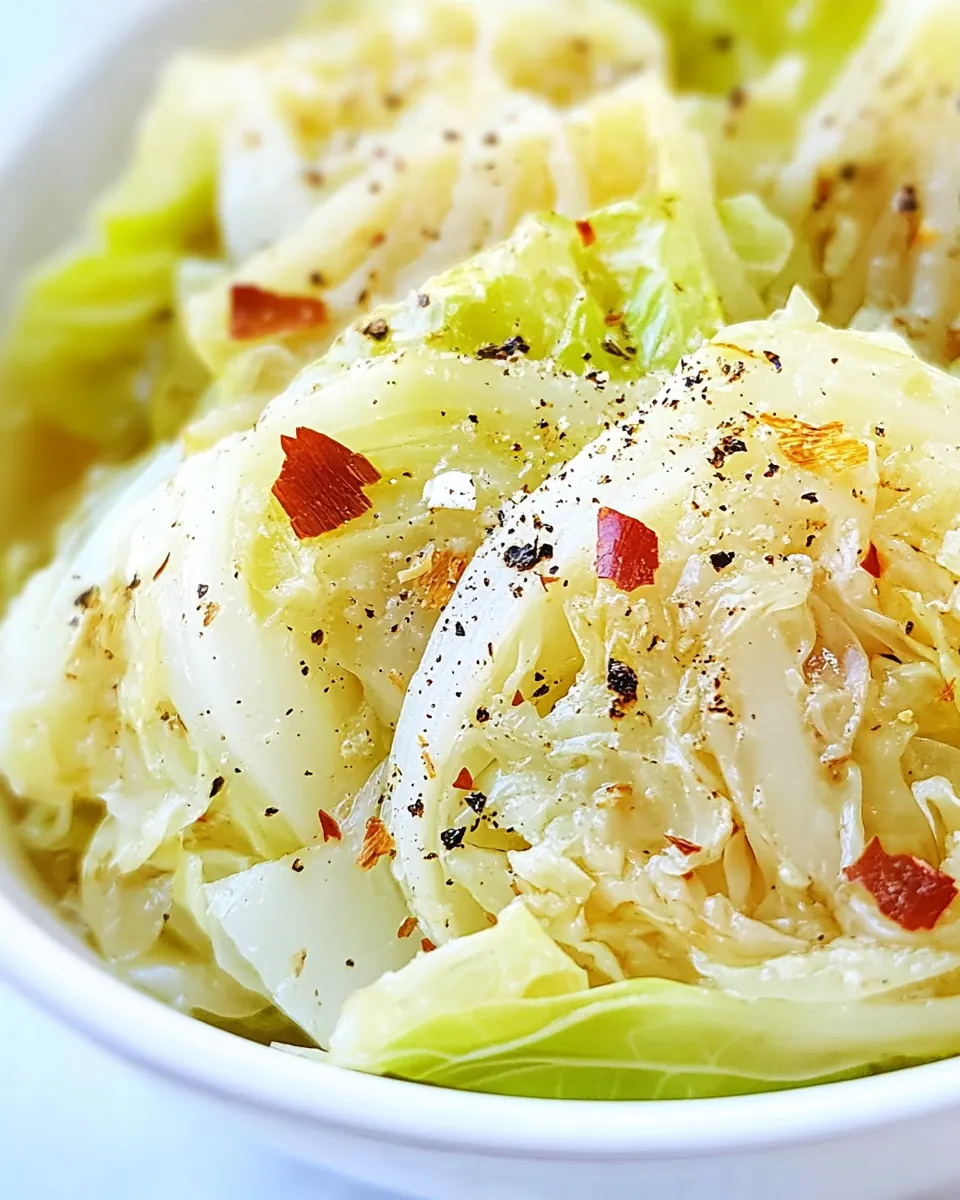
When I make Boiled Cabbage now, I intentionally keep the seasoning restrained so the vegetable’s natural sweetness shows through. I love the moment when the kitchen fills with a faint vegetal scent, when the outer leaves take on a glossy sheen from melted butter, and when a squeeze of lemon brightens everything. These small contrasts of texture and acid are what turn boiled cabbage from forgettable to memorable.
Recipe Snapshot
30 mins
10 mins
20 mins
Medium
150 kcal
American
Keto, Gluten-Free
Side Dishes
Large deep skillet, Dutch oven, Tongs
The Magic of This Boiled Cabbage
Pure, unmasked flavor
I adore how Boiled Cabbage lets the vegetable speak for itself. With just a pinch of salt and a finish of butter and lemon, the sweet, mildly nutty tones of the leaves become clear. I find this honesty refreshing, especially after richer meals.
Fast and forgiving
This recipe is wonderfully forgiving, I can start it while prepping other dishes and come back with a perfectly tender result. The short cook time means you get reliable texture without babysitting, which is a huge win on busy evenings.
Textural contrast with minimal effort
What I love most is the contrast between the tender interior and the slightly glossy outer leaves after tossing with butter. That soft chew paired with the bright pop of lemon creates a satisfying mouthfeel that feels much more complex than the simple ingredient list suggests.
Customizable finishing touches
In my kitchen I treat the seasonings as suggestions. A dusting of black pepper and a pinch of red pepper flakes give the dish a gentle lift, while fresh chopped parsley adds color and a herbaceous note. I like that these little tweaks let me tailor the dish to the mood of the meal.
Comfort food that pairs broadly
I keep returning to Boiled Cabbage because it pairs beautifully with many mains, and it works across seasons. It is humble yet reliable, a side that never competes for attention and often becomes the dish people ask for seconds of.
Boiled Cabbage Ingredients
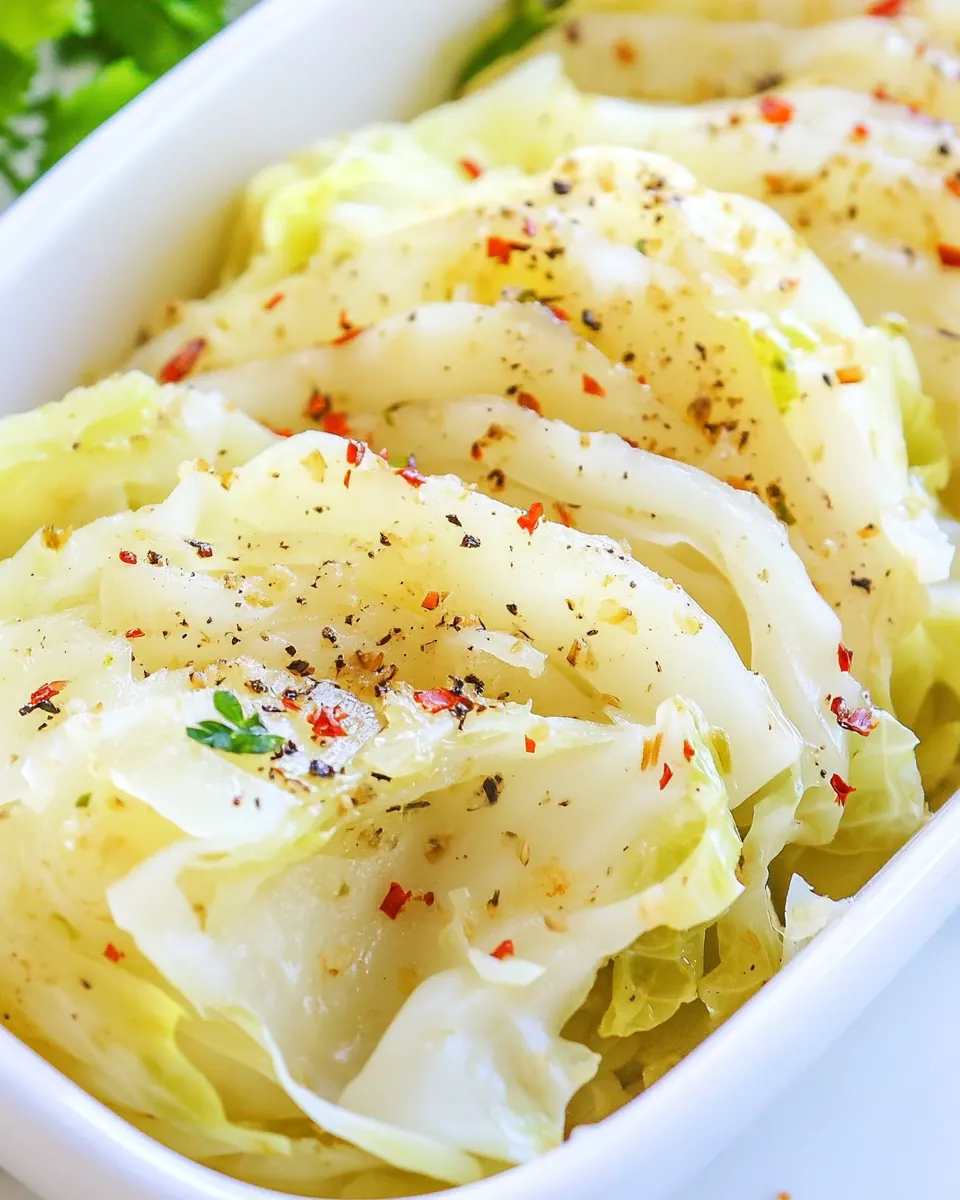
These ingredients are intentionally few and purposeful. The philosophy here is restraint, letting the cabbage be the star while small, high impact players like butter, salt, and lemon provide balance. The result is a pantry friendly side that highlights texture and bright finishing notes.
- 1 medium head cabbage: Provides a crunchy, slightly sweet base and makes up the bulk of the dish; core and tough outer leaves should be removed, then chopped or quartered for even boiling. Releases moisture and softens to absorb butter and seasonings, yielding tender, mild-flavored cabbage when cooked through. Works as the primary vegetable delivering texture contrast and volume in the finished plate.
- 1/2 teaspoons salt or to taste: Balances and enhances overall flavor by bringing out the natural sweetness of the cabbage; add during boiling to season the water and the vegetable uniformly. Helps elevate taste without overpowering, allowing other spices and butter to complement the cabbage. Adjust quantity to personal preference for saltiness.
- 4 tablespoons butter melted: Adds richness and a smooth mouthfeel when melted over the hot cabbage; use after draining to coat leaves and increase palatability. Contributes buttery aroma and helps distribute herbs and spices, creating a glossy finish. Can be substituted with alternative fats if desired, but butter lends classic flavor.
- 1/4 teaspoon black pepper or to taste: Adds a warm, savory note and subtle heat when freshly ground; sprinkle after cooking to taste to avoid bitterness from overcooking. Complements salt and butter by deepening the overall flavor profile and enhancing aroma. Use sparingly to maintain balance.
- 1/4 teaspoon red pepper flakes: Introduces concentrated heat and a touch of smokiness to brighten the dish; incorporate either during cooking for diffused spice or afterwards for more pronounced kick. Enhances complexity without adding sweetness and pairs well with lemon and parsley. Adjust amount based on heat tolerance.
- 1 tablespoon fresh chopped parsley: Provides bright, herbal freshness and a pop of color when chopped and sprinkled over the finished cabbage; stir into butter before tossing or use as a final garnish. Helps cut through richness and refresh the palate while adding subtle green notes. Use fresh parsley for best flavor and appearance.
- 4 lemon wedges: Adds acidity and a citrusy brightness to balance butter and spice; squeeze wedges over the cooked cabbage just before serving to lift flavors. Complements the natural sweetness of the vegetable and enhances overall freshness. Serve on the side so diners can adjust acidity.
Recipe Steps for Boiled Cabbage
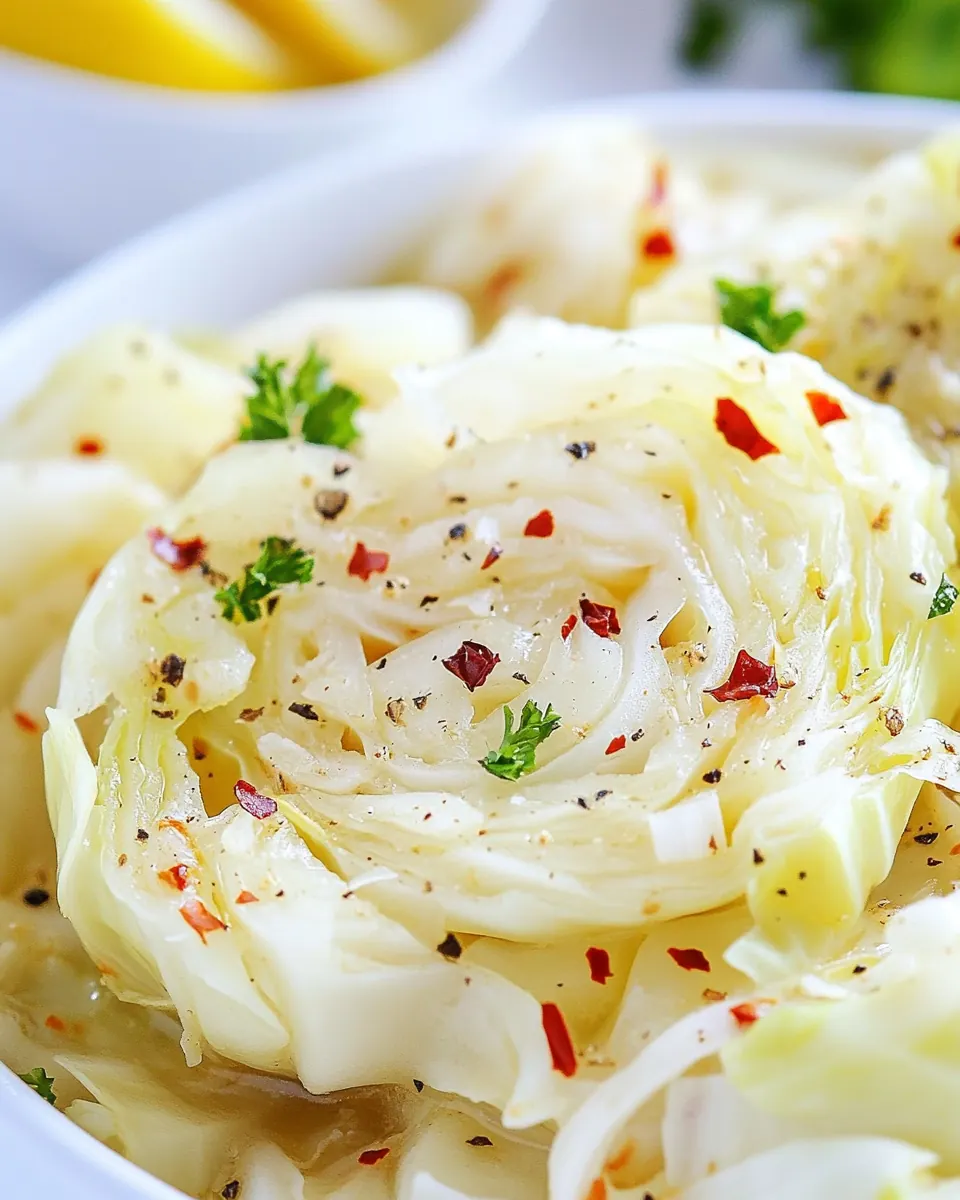
These steps are straightforward but I like to be chatty about sensory cues and small troubleshooting tips. Take your time with the simmer and the final toss, because those moments determine texture and balance.
- Rinse the cabbage remove the visible bad leaves, and cut it into 6 wedges.: The leaves should feel crisp and cool when you rinse them, and cutting into wedges exposes the layered structure so heat penetrates evenly. Use a sharp knife to slice through the core, you will hear a clean, decisive sound as the blade passes through. If the outer leaves are wilted or torn, remove them first to keep the wedges tidy. A common mistake here is leaving the core too intact, which can make wedges fall apart while cooking, so trim the base slightly to help wedges hold their shape.
- Add about 1/2 to 1 inch of lightly salted water to a large deep skillet or Dutch oven, and bring to a boil.: You want the water level low enough that it will steam the wedges rather than fully submerge them, producing a gentle, enveloping heat that softens without turning the leaves mushy. As the water heats, you will notice faint steam and a rising shimmer on the surface. If the water is too high, the cabbage will sit soggy, so aim for that shallow depth. Avoid using a wide shallow pan where water evaporates too quickly, because uneven cooking can result.
- Add the cabbage wedges and 1/2 teaspoon of salt. Cover and simmer over medium heat for 8 to 10 minutes.: Once the pan is covered, the aroma will shift to a vegetal sweetness, and small beads of condensation will gather on the lid. This steam is what cooks the cabbage through. After about eight minutes, a fork should slide into the thickest part with gentle resistance. If the fork goes in too easily, the cabbage may be overcooked and mushy, which you want to avoid. A common error is cooking at too high heat, which makes the outer leaves collapse before the center softens.
- Turn cabbage on the other side, work gently, and simmer for an additional 8 to 10 minutes or until tender.: When you flip the wedges, do it carefully so they keep their shape, and listen for a soft sizzle as they settle back into the pan. The interior will become translucent and the layers will separate slightly, signaling tenderness. Continue checking with a fork; the goal is tender but not falling apart. Too vigorous turning can bruise the leaves, so be gentle and patient.
- Discard the water and return the pan to the stove over low heat, until the moisture has evaporated entirely.: As the excess water evaporates, the pan will go quiet and you will see a faint film left on the surface. This step concentrates flavor and prevents diluted seasoning, leaving the cabbage ready to accept the melted butter . Watch closely because once dry, the bottom can brown quickly. A pitfall here is leaving too much water which will prevent the butter from coating properly.
- Add the melted butter and gently toss the cabbage to coat.: When you pour in the warm butter , there should be an audible soft hiss and an immediate glossy sheen on the leaves. Use tongs or a spatula to turn the wedges, making sure the butter seeps into the layered pockets. This finish smooths out the texture and adds richness. If you add cold butter , it will seize and fail to distribute evenly, so always melt it first.
- Sprinkle with salt and pepper, red pepper flakes, and a squeeze of lemon juice. Serve with lemon wedges and garnished with parsley.: The final seasoning brightens and balances the dish, with the tang of lemon cutting through the richness of the butter and the warmth of the black pepper and red pepper flakes adding depth. You will notice a fresh citrus perfume as you squeeze the wedges. Taste before serving to adjust salt and pepper. Over seasoning at this point is a common misstep because concentrated flavors can become overpowering, so add cautiously and taste.
Recipe Tips about Boiled Cabbage
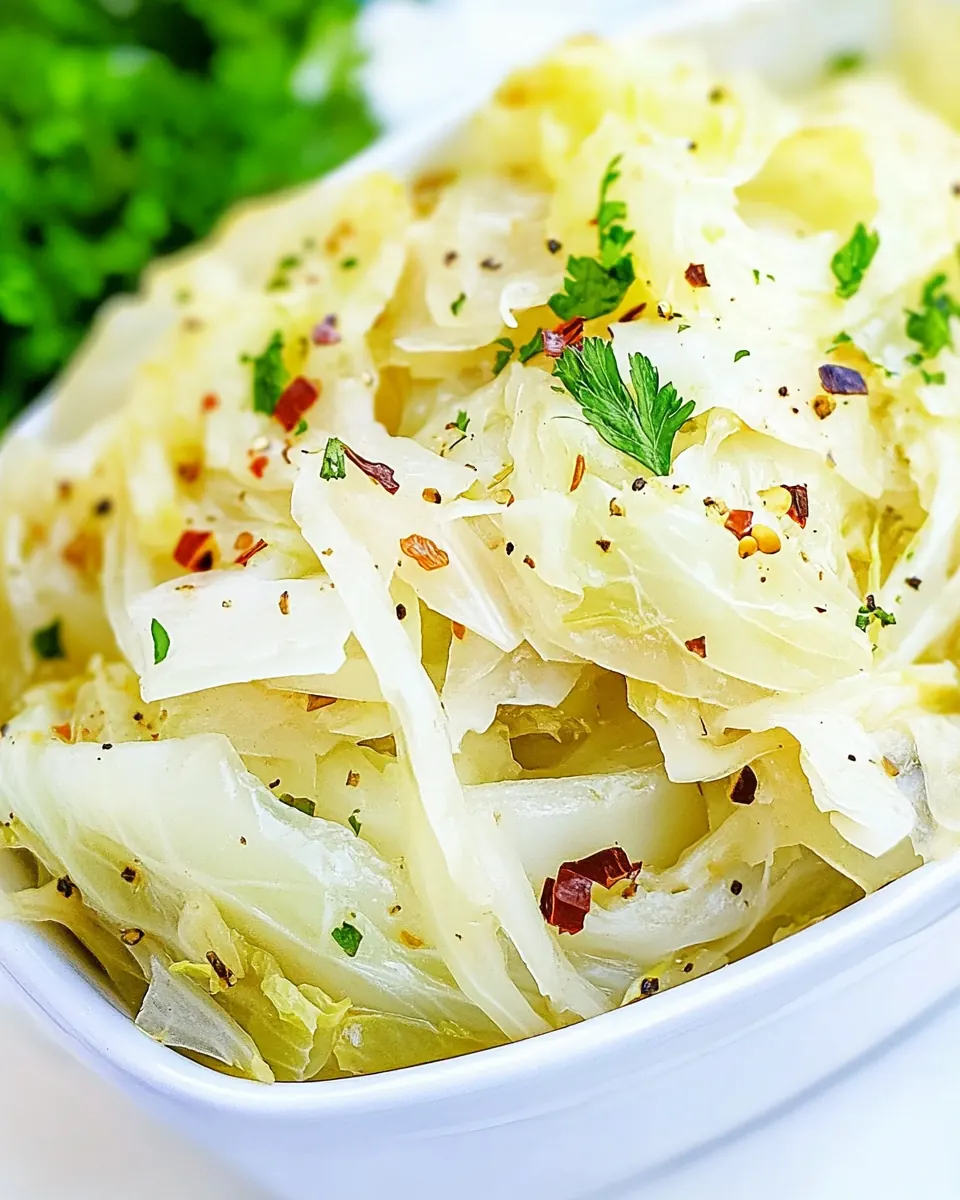
I like to think of these tips as small refinements that elevate the humble boiling technique. They focus on timing, texture, and finishing touches so you get consistent results every time.
- Choose firm, fresh heads: A dense, crisp cabbage head will hold its shape and produce the best texture after simmering. Avoid heads with brown spots or a soft core.
- Salt the water lightly: Adding a little salt to the cooking water seasons the vegetable from the inside out, bringing out its natural sweetness without overwhelming it.
- Watch the steam not the clock: Use sensory cues like fork tenderness and leaf translucence rather than rigid timings, because stove heat can vary widely.
- Dry the pan before finishing: Ensuring the cooking water has evaporated prevents the butter from diluting and helps it coat the leaves evenly for a glossy finish.
- Warm the butter: Melted warm butter disperses beautifully over the cabbage, adding silkiness and carrying the seasoning into the leaves.
- Finish with acid: A squeeze of lemon brightens flavors and balances the richness of the butter, use wedges to let diners control the acidity.
How to Serve Boiled Cabbage
This simple dish is versatile, and the way you present it can shift the mood from rustic family supper to a lighter, elegant side. Here are ideas for serving, pairing, and storing, presented as practical options to suit many occasions.
- Family dinners: Serve the warm wedges right from the skillet with extra butter on the side so everyone can add more if they wish. The communal presentation encourages second helpings.
- Weeknight meals: Plate a couple of wedges alongside roasted mains and a grain, letting the cabbage provide a mellow, vegetal counterpoint that is easy and fast.
- Festive tables: For holiday spreads, present the cabbage garnished with chopped parsley and lemon wedges in a shallow dish so guests can dress their portions to taste.
- Storage tips: Refrigerate leftover cabbage in an airtight container for up to three days. Reheat gently in a skillet with a splash of water or a small pat of butter to restore moisture and gloss.
- Seasonal pairing: This dish fits well into winter menus when heartier vegetables feature, and it can also complement lighter spring plates when finished with bright lemon and fresh parsley.
FAQ
Conclusion
Boiled Cabbage shines because it elevates a humble vegetable with simple, intentional touches that highlight natural sweetness and bright finishing notes. Give it a try as a quick, comforting side that can easily become a weeknight staple. The minimal ingredients and forgiving technique make it accessible, while small details like warm melted butter and fresh lemon bring surprising depth. I hope you enjoy making it and find it as reliably satisfying as I do.
Boiled Cabbage
Equipment
- Large deep skillet
- Dutch Oven
- Tongs
Ingredients
- 1 medium head cabbage Provides a crunchy, slightly sweet base and makes up the bulk of the dish; core and tough outer leaves should be removed, then chopped or quartered for even boiling. Releases moisture and softens to absorb butter and seasonings, yielding tender, mild-flavored cabbage when cooked through. Works as the primary vegetable delivering texture contrast and volume in the finished plate.
- 1/2 teaspoons salt or to taste Balances and enhances overall flavor by bringing out the natural sweetness of the cabbage; add during boiling to season the water and the vegetable uniformly. Helps elevate taste without overpowering, allowing other spices and butter to complement the cabbage. Adjust quantity to personal preference for saltiness.
- 4 tablespoons butter melted Adds richness and a smooth mouthfeel when melted over the hot cabbage; use after draining to coat leaves and increase palatability. Contributes buttery aroma and helps distribute herbs and spices, creating a glossy finish. Can be substituted with alternative fats if desired, but butter lends classic flavor.
- 1/4 teaspoon black pepper or to taste Adds a warm, savory note and subtle heat when freshly ground; sprinkle after cooking to taste to avoid bitterness from overcooking. Complements salt and butter by deepening the overall flavor profile and enhancing aroma. Use sparingly to maintain balance.
- 1/4 teaspoon red pepper flakes Introduces concentrated heat and a touch of smokiness to brighten the dish; incorporate either during cooking for diffused spice or afterwards for more pronounced kick. Enhances complexity without adding sweetness and pairs well with lemon and parsley. Adjust amount based on heat tolerance.
- 1 tablespoon fresh chopped parsley Provides bright, herbal freshness and a pop of color when chopped and sprinkled over the finished cabbage; stir into butter before tossing or use as a final garnish. Helps cut through richness and refresh the palate while adding subtle green notes. Use fresh parsley for best flavor and appearance.
- 4 lemon wedges Adds acidity and a citrusy brightness to balance butter and spice; squeeze wedges over the cooked cabbage just before serving to lift flavors. Complements the natural sweetness of the vegetable and enhances overall freshness. Serve on the side so diners can adjust acidity.
Instructions
- Rinse the cabbage remove the visible bad leaves, and cut it into 6 wedges.: The leaves should feel crisp and cool when you rinse them, and cutting into wedges exposes the layered structure so heat penetrates evenly. Use a sharp knife to slice through the core, you will hear a clean, decisive sound as the blade passes through. If the outer leaves are wilted or torn, remove them first to keep the wedges tidy. A common mistake here is leaving the core too intact, which can make wedges fall apart while cooking, so trim the base slightly to help wedges hold their shape.
- Add about 1/2 to 1 inch of lightly salted water to a large deep skillet or Dutch oven, and bring to a boil.: You want the water level low enough that it will steam the wedges rather than fully submerge them, producing a gentle, enveloping heat that softens without turning the leaves mushy. As the water heats, you will notice faint steam and a rising shimmer on the surface. If the water is too high, the cabbage will sit soggy, so aim for that shallow depth. Avoid using a wide shallow pan where water evaporates too quickly, because uneven cooking can result.
- Add the cabbage wedges and 1/2 teaspoon of salt. Cover and simmer over medium heat for 8 to 10 minutes.: Once the pan is covered, the aroma will shift to a vegetal sweetness, and small beads of condensation will gather on the lid. This steam is what cooks the cabbage through. After about eight minutes, a fork should slide into the thickest part with gentle resistance. If the fork goes in too easily, the cabbage may be overcooked and mushy, which you want to avoid. A common error is cooking at too high heat, which makes the outer leaves collapse before the center softens.
- Turn cabbage on the other side, work gently, and simmer for an additional 8 to 10 minutes or until tender.: When you flip the wedges, do it carefully so they keep their shape, and listen for a soft sizzle as they settle back into the pan. The interior will become translucent and the layers will separate slightly, signaling tenderness. Continue checking with a fork; the goal is tender but not falling apart. Too vigorous turning can bruise the leaves, so be gentle and patient.
- Discard the water and return the pan to the stove over low heat, until the moisture has evaporated entirely.: As the excess water evaporates, the pan will go quiet and you will see a faint film left on the surface. This step concentrates flavor and prevents diluted seasoning, leaving the cabbage ready to accept the melted butter . Watch closely because once dry, the bottom can brown quickly. A pitfall here is leaving too much water which will prevent the butter from coating properly.
- Add the melted butter and gently toss the cabbage to coat.: When you pour in the warm butter , there should be an audible soft hiss and an immediate glossy sheen on the leaves. Use tongs or a spatula to turn the wedges, making sure the butter seeps into the layered pockets. This finish smooths out the texture and adds richness. If you add cold butter , it will seize and fail to distribute evenly, so always melt it first.
- Sprinkle with salt and pepper, red pepper flakes, and a squeeze of lemon juice. Serve with lemon wedges and garnished with parsley.: The final seasoning brightens and balances the dish, with the tang of lemon cutting through the richness of the butter and the warmth of the black pepper and red pepper flakes adding depth. You will notice a fresh citrus perfume as you squeeze the wedges. Taste before serving to adjust salt and pepper. Over seasoning at this point is a common misstep because concentrated flavors can become overpowering, so add cautiously and taste.
Notes
- Choose firm, fresh heads: A dense, crisp cabbage head will hold its shape and produce the best texture after simmering. Avoid heads with brown spots or a soft core.
- Salt the water lightly: Adding a little salt to the cooking water seasons the vegetable from the inside out, bringing out its natural sweetness without overwhelming it.
- Watch the steam not the clock: Use sensory cues like fork tenderness and leaf translucence rather than rigid timings, because stove heat can vary widely.
- Dry the pan before finishing: Ensuring the cooking water has evaporated prevents the butter from diluting and helps it coat the leaves evenly for a glossy finish.
- Warm the butter: Melted warm butter disperses beautifully over the cabbage, adding silkiness and carrying the seasoning into the leaves.
- Finish with acid: A squeeze of lemon brightens flavors and balances the richness of the butter, use wedges to let diners control the acidity.