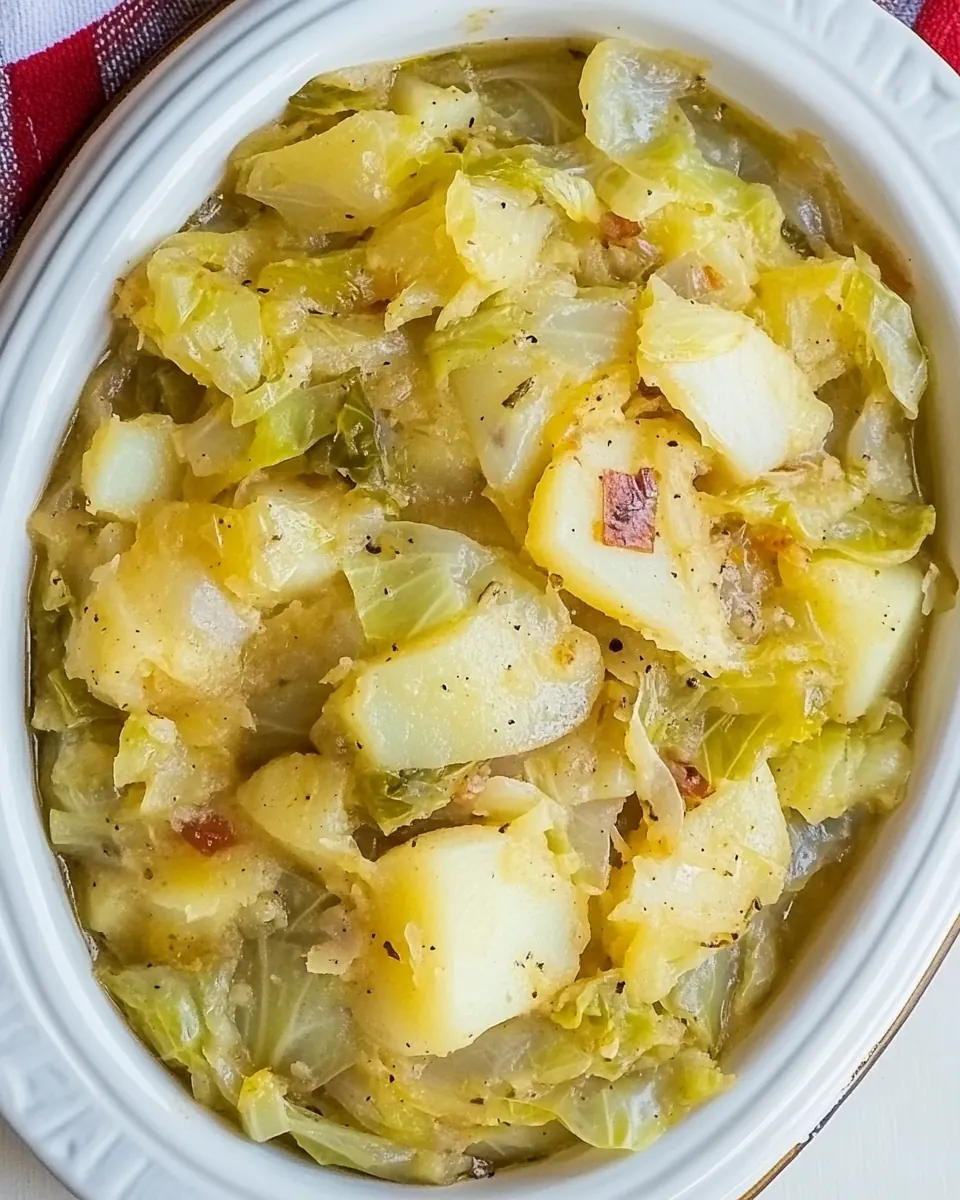
Smothered Cabbage and Potatoes
Smothered Cabbage and Potatoes has been a kitchen anchor for me on cool evenings when comfort food means something simple, savory, and honest. I remember the first time I cooked it for friends who had driven in from out of town, each of us tracking mud into my tiny kitchen while the scent of butter and onion began to fill the house. We sat around a cluttered table and passed steaming bowls, the edges of the cabbage leaves tender and glossy, the potatoes yielding under a fork. That night felt like warmth stitched into a recipe.
Over the years I have played with the balance of seasoning and liquid, learning how a little patience with the onions and a careful simmer can transform humble cabbage and potatoes into something almost luxurious. There is a rhythm to the process, the softening of the onion, the bubbling of the broth, the moment when steam lifts and the kitchen fills with a faint tang of caramelization. I love how this dish feeds a table without fuss, and how leftovers somehow taste even better the next day.
Recipe Snapshot
40 mins
10 mins
30 mins
Easy
250 kcal
American
Gluten-Free, Low FODMAP
Dinner
Dutch oven, Wooden spoon
Why We Love This Smothered Cabbage and Potatoes
Hearty, honest flavors
I adore how Smothered Cabbage and Potatoes concentrates simple tastes into something deeply satisfying. The combination of butter and sautéed onion builds a savory backbone, while the chicken broth lends body and a subtle savory depth. Each forkful has a creamy mouthfeel from the potatoes, and the softened cabbage adds a gentle vegetal sweetness, making every bite balanced and comforting.
Frugal but festive
I’ve always recommended this recipe when feeding a group on a budget. With pantry-friendly staples like potatoes and cabbage, you can stretch a few ingredients into six generous servings. I find it’s perfect for casual family dinners, and it never feels like a compromise because the textures and flavors are rich and complete.
Flexible cooking that rewards patience
This dish is forgiving, and that is one of the reasons I turn to it often. Letting the mixture simmer then reducing the liquid concentrates flavors and encourages gentle caramelization, creating tiny pockets of sweet, nutty flavor. I like recommending it for cooks who want a low stress, high reward meal that still feels thoughtful.
Comfort in every season
While I tend to make it in cooler months, the lightness of cabbage keeps it from feeling heavy. It works for weeknight dinners or as a side at a holiday spread. I especially appreciate how it pairs with many mains without stealing the spotlight, which is why I keep this recipe in my regular rotation.
Simple technique, impressive results
The method is straightforward but precise enough that small choices matter. From the moment you brown the onion in butter, to the patient simmering in chicken broth, each step layers flavor. I find home cooks gain confidence making this dish because the payoff is immediate and delicious.
What to Gather for Smothered Cabbage and Potatoes
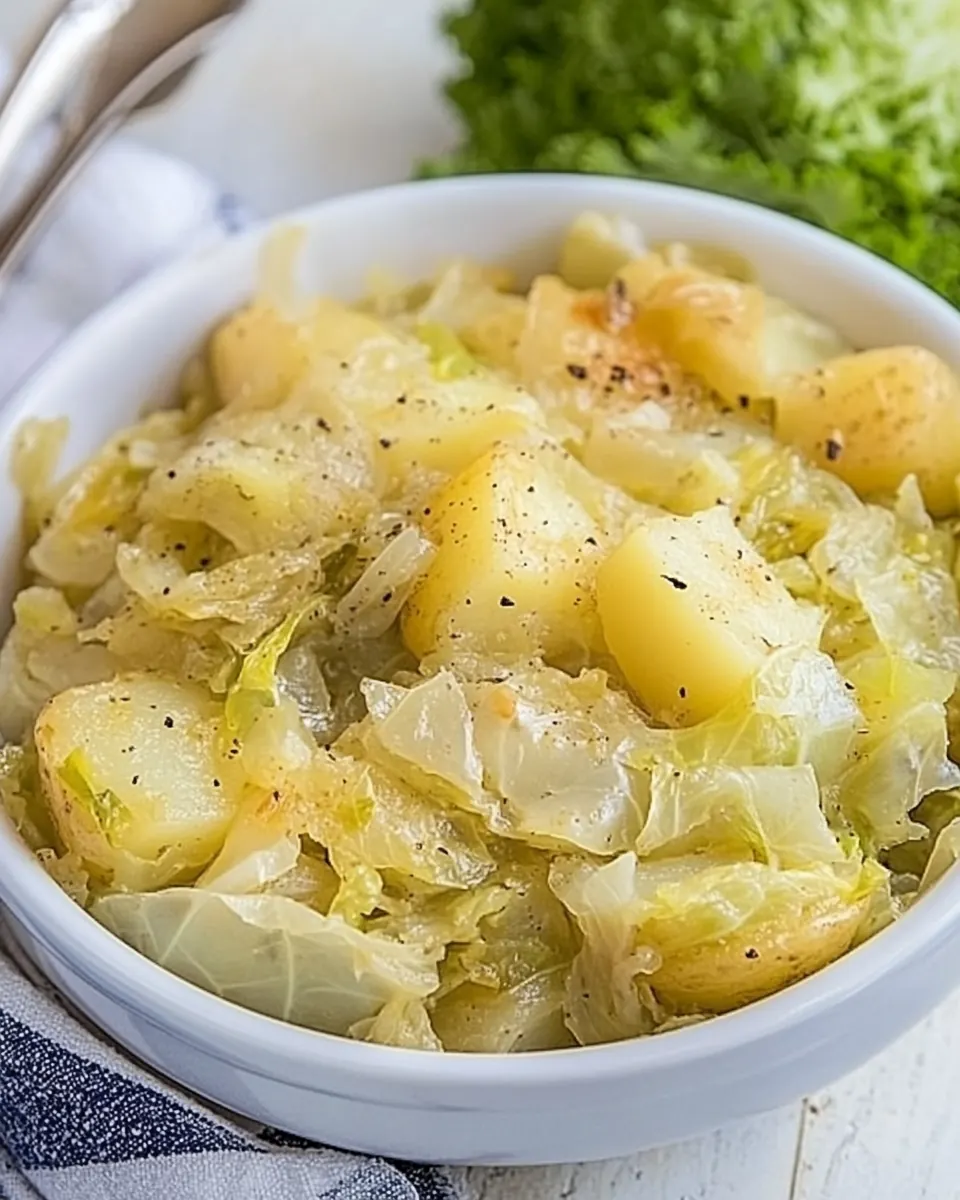
These ingredients form a small, harmonious ensemble. I choose them to build a foundation of fat and aromatics, add starchy body, and finish with seasoning that enhances natural sweetness. The key players are butter for richness, onion for aromatic depth, cabbage for texture and brightness, chicken broth for savory liquid, and potatoes for creamy heft.
- 5 tablespoons salted butter: Melted and nutty, provides a rich cooking medium and helps brown the vegetables while adding savory depth to the dish. Contributes fat that carries and melds flavors, creating a silky mouthfeel in the final smothered cabbage and potatoes.
- 1 medium yellow or sweet onion, thinly sliced: Softened and sweet, adds aromatic backbone and caramelized flavor when sautéed until translucent. Builds savory complexity and balances the dish’s textures by introducing a tender, slightly sweet component.
- 1 medium head green cabbage, cut into 1-inch pieces: Crisp yet tender when cooked, supplies bulk and a mild, slightly peppery flavor that soaks up seasonings and broth. Breaks down during simmering to create a luscious, smothered texture and pairs well with potatoes for hearty mouthfeel.
- 1 1/2 cups chicken broth: Savory and liquid, provides necessary moisture to braise the cabbage and potatoes and infuse them with flavor. Also helps deglaze the pan and distribute salt, spices, and butter evenly throughout the dish.
- 2 medium Yukon Gold potatoes, peeled and cut into 1-inch chunks: Starchy and creamy when cooked, adds heft and a comforting texture that complements the cabbage. Absorbs broth and seasonings while contributing substance and a pleasant bite to each serving.
- 1 1/2 teaspoons salt: Essential for seasoning, enhances overall flavor and helps bring out the natural sweetness of the vegetables. Used to adjust taste during cooking so the dish is well-balanced and savory.
- 1/2 teaspoon pepper: Bright and grounding, adds mild heat and helps accentuate other seasonings without overpowering. Used to season during cooking and at the end to control the dish’s spiciness.
- 1/4 teaspoon crushed red pepper flakes: Spicy and aromatic, introduces a subtle kick and warm heat that elevates the smothered flavors without dominating them. Used sparingly to provide a gentle lingering warmth and complexity.
Putting Together Smothered Cabbage and Potatoes
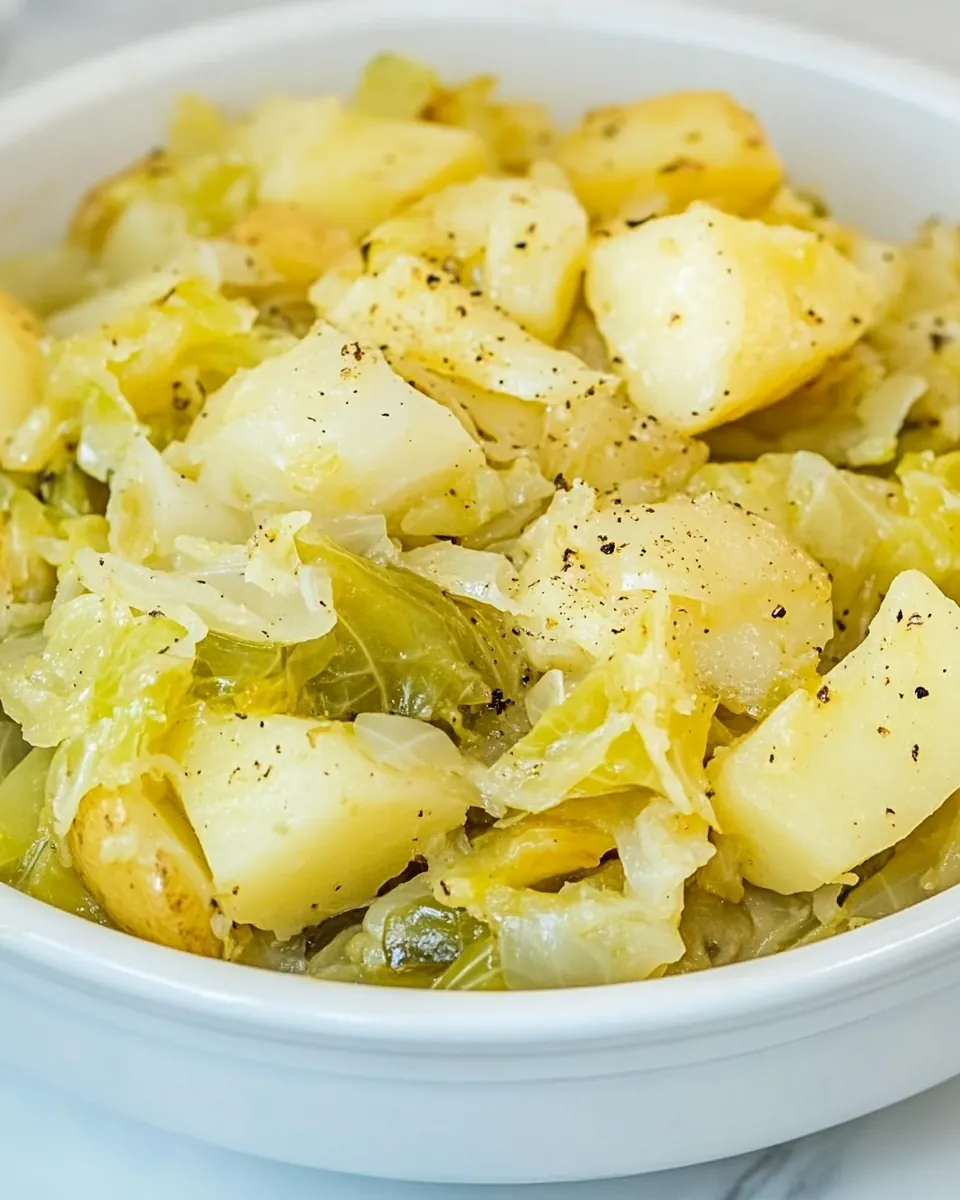
Bringing this dish together is about pacing, patience, and paying attention to sensory cues. Follow the sequence carefully so the onion softens, the cabbage and potatoes cook through, and the liquid reduces to a glossy finish.
- In a Dutch oven, melt butter over medium heat. Add onion and cook for 4 minutes, or until soft.: You will notice the butter foam and then settle, releasing a warm, nutty aroma; the onion will soften and begin to shimmer, turning translucent and sweet smelling. This stage sets the flavor base, so listen for a gentle sizzle rather than frantic popping. If the butter starts to brown too quickly, lower the heat to avoid burning, which would add a bitter note. A common mistake here is rushing the process with high heat, which gives raw centers or scorched edges instead of even sweetness. The sound should be steady and gentle, and the visual cue is softened, glossy onion with no hard white cores remaining.
- Add cabbage, potatoes, broth, salt, pepper, and red pepper flakes.: As you add the chopped cabbage and the chunked potatoes , you will hear the pan quiet as the vegetables hit the butter , then begin to steam. The chicken broth will hiss softly, adding savory steam that starts to knit flavors together. Stir to combine so the seasonings distribute; the salt will begin to draw moisture from the cabbage , accelerating softening. A common issue is uneven layering, which can leave some potatoes undercooked. Make sure the pieces are similar in size for uniform cooking. Visually, the pot will go from glossy to slightly soupy as the broth settles around the vegetables.
- Cover, reduce heat to medium-low and simmer for 10 minutes, stirring occasionally.: With the lid on, steam will circulate, softening the cabbage and cooking the potatoes through gently. You should detect an intensified aroma as flavors meld, and the texture will shift toward tender without falling apart. Stirring occasionally prevents sticking and helps monitor progress. Avoid lifting the lid too often, which releases heat and lengthens cooking time. If the pot seems too dry before the 10 minutes are up, add a splash more chicken broth to prevent scorching. The visual cue for readiness here is tender potatoes when pierced and wilted, glossy cabbage .
- Remove lid and increase heat to medium-high. Cook until most of liquid has evaporated (about 12 to 14 minutes), stirring occasionally.: When you uncover the pot and crank the heat, you will notice vigorous bubbling and a louder sizzle; this is when moisture reduces and the vegetables begin to concentrate flavor. Steam will rise quickly, and the edges of the cabbage and potatoes may take on light golden spots where they caramelize, adding complexity. Stir periodically to encourage even browning and to prevent sticking, but allow intervals of contact time so the fond forms, which deepens taste. Watch closely because the final reduction can go from perfect to dry fast. If the mixture seems to be drying unevenly, lower the heat momentarily and stir to redistribute moisture. You want most of the liquid gone, leaving a glossy coating on the vegetables and a few toasted bits, which provide textural contrast and intensified flavor.
Substitutions and Tips
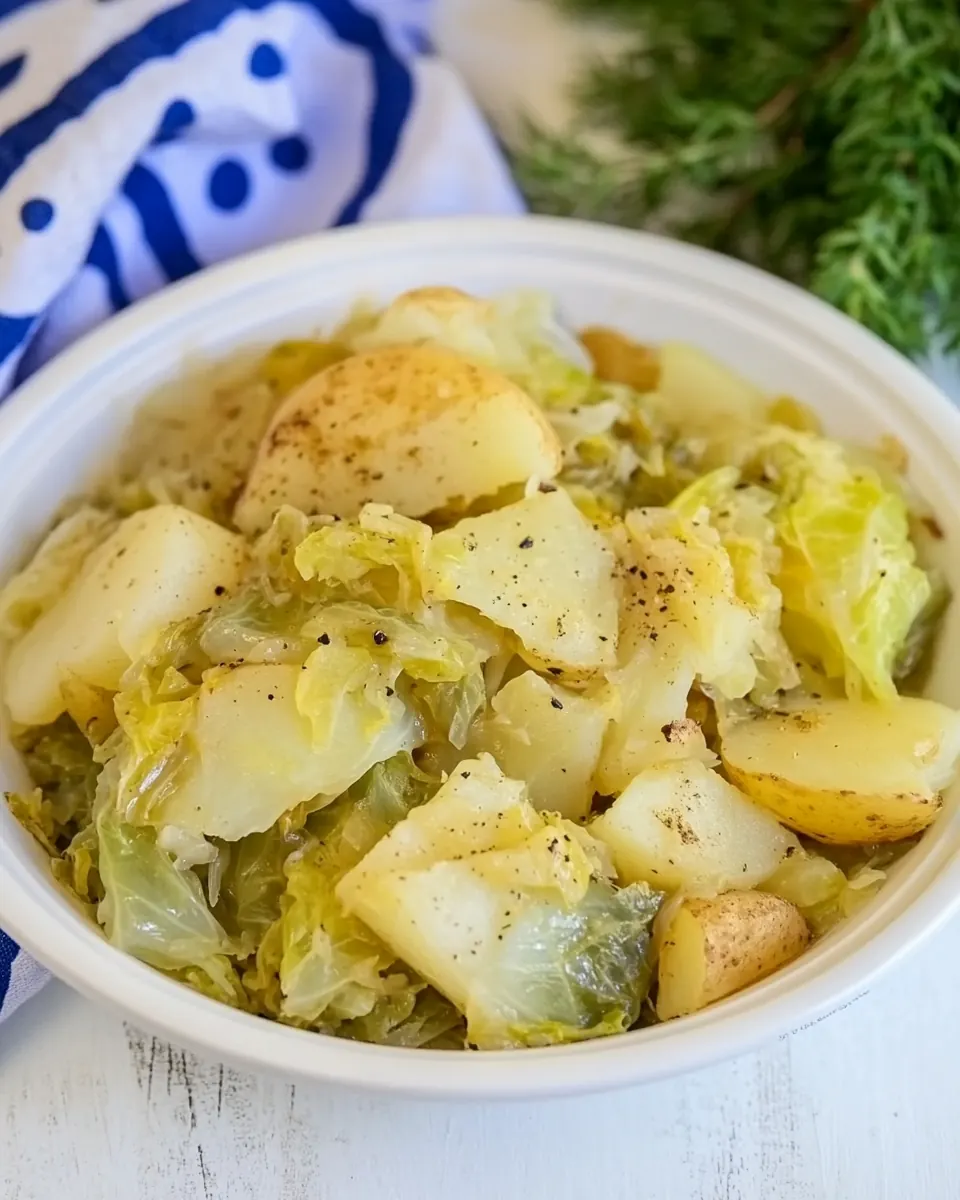
This section walks through practical swaps and hands on tips to get the best results with Smothered Cabbage and Potatoes. Read each suggestion and pick the ones that match your pantry and appetite.
- Butter swap If you need to reduce saturated fat, you can use a neutral oil in place of butter, but note the flavor will be less rich; consider finishing with a small pat of butter if you can.
- Onion choice Yellow or sweet onion gives a balanced sweetness, but if you prefer a sharper note use a white onion sparingly to avoid overpowering the dish.
- Cabbage variety Green cabbage is the classic here, but firm savoy cabbage works as well and adds a slightly crisper texture when cooked the same way.
- Broth intensity Use a low sodium chicken broth if available so you can control salt at the end of cooking, especially since reduction concentrates saltiness.
- Potato choice Yukon Gold potatoes balance waxy and starchy qualities, ensuring a creamy finish without falling apart; avoid very high starch russets if you want pieces to hold shape.
Great Combinations for Smothered Cabbage and Potatoes
Smothered Cabbage and Potatoes pairs well with simple proteins and bright accompaniments, and it adapts to many occasions from weeknight dinners to cozy holiday spreads. Below are serving ideas, storage notes, and pairing suggestions to help you present it beautifully.
- Simple roasted chicken Serve this with a roasted or pan seared chicken for a classic, homey plate where the buttery vegetables soak up pan juices.
- Grains on the side Offer a bowl of steamed rice or crusty bread so guests can mop up the glossy reduction, turning the dish into a more substantial meal.
- Casual family dinner This is an ideal choice for a relaxed weeknight dinner, where the dish can sit on the table and everyone helps themselves to warm, comforting servings.
- Holiday side Bring it to a holiday table as a less fussy side that still holds its own next to richer mains, and it complements roasted meats and savory pies.
- Storage tips Refrigerate leftovers in an airtight container for up to four days; the flavors deepen overnight, and reheating gently in a skillet keeps the texture pleasant.
- Seasonal pairing In fall and winter, pair with roasted root vegetables and braises, while in milder months serve alongside simply seasoned proteins to keep the plate light.
FAQ
Conclusion
Smothered Cabbage and Potatoes stands out because it transforms modest ingredients into a comforting, flavorful dish through simple technique and careful reduction. Give it a try on a cool evening when you want something that feels like a warm embrace without complicated prep. I hope this recipe becomes one of your reliable go to meals that brings people together with minimal fuss and maximum satisfaction.
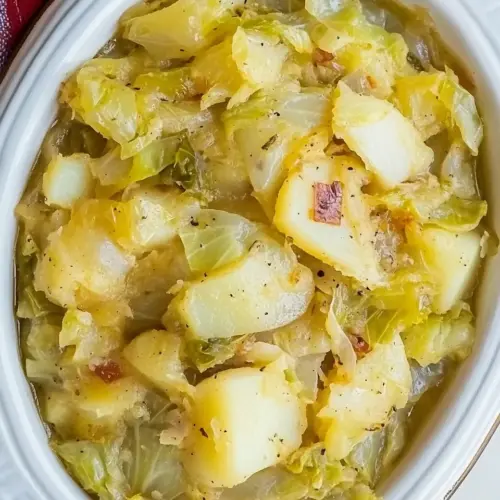
Smothered Cabbage and Potatoes
Equipment
- Dutch Oven
- Wooden Spoon
Ingredients
- 5 tablespoons salted butter Melted and nutty, provides a rich cooking medium and helps brown the vegetables while adding savory depth to the dish. Contributes fat that carries and melds flavors, creating a silky mouthfeel in the final smothered cabbage and potatoes.
- 1 medium yellow or sweet onion, thinly sliced Softened and sweet, adds aromatic backbone and caramelized flavor when sautéed until translucent. Builds savory complexity and balances the dish’s textures by introducing a tender, slightly sweet component.
- 1 medium head green cabbage, cut into 1-inch pieces Crisp yet tender when cooked, supplies bulk and a mild, slightly peppery flavor that soaks up seasonings and broth. Breaks down during simmering to create a luscious, smothered texture and pairs well with potatoes for hearty mouthfeel.
- 1 1/2 cups chicken broth Savory and liquid, provides necessary moisture to braise the cabbage and potatoes and infuse them with flavor. Also helps deglaze the pan and distribute salt, spices, and butter evenly throughout the dish.
- 2 medium Yukon Gold potatoes, peeled and cut into 1-inch chunks Starchy and creamy when cooked, adds heft and a comforting texture that complements the cabbage. Absorbs broth and seasonings while contributing substance and a pleasant bite to each serving.
- 1 1/2 teaspoons salt Essential for seasoning, enhances overall flavor and helps bring out the natural sweetness of the vegetables. Used to adjust taste during cooking so the dish is well-balanced and savory.
- 1/2 teaspoon pepper Bright and grounding, adds mild heat and helps accentuate other seasonings without overpowering. Used to season during cooking and at the end to control the dish’s spiciness.
- 1/4 teaspoon crushed red pepper flakes Spicy and aromatic, introduces a subtle kick and warm heat that elevates the smothered flavors without dominating them. Used sparingly to provide a gentle lingering warmth and complexity.
Instructions
- In a Dutch oven, melt butter over medium heat. Add onion and cook for 4 minutes, or until soft.: You will notice the butter foam and then settle, releasing a warm, nutty aroma; the onion will soften and begin to shimmer, turning translucent and sweet smelling. This stage sets the flavor base, so listen for a gentle sizzle rather than frantic popping. If the butter starts to brown too quickly, lower the heat to avoid burning, which would add a bitter note. A common mistake here is rushing the process with high heat, which gives raw centers or scorched edges instead of even sweetness. The sound should be steady and gentle, and the visual cue is softened, glossy onion with no hard white cores remaining.
- Add cabbage, potatoes, broth, salt, pepper, and red pepper flakes.: As you add the chopped cabbage and the chunked potatoes , you will hear the pan quiet as the vegetables hit the butter , then begin to steam. The chicken broth will hiss softly, adding savory steam that starts to knit flavors together. Stir to combine so the seasonings distribute; the salt will begin to draw moisture from the cabbage , accelerating softening. A common issue is uneven layering, which can leave some potatoes undercooked. Make sure the pieces are similar in size for uniform cooking. Visually, the pot will go from glossy to slightly soupy as the broth settles around the vegetables.
- Cover, reduce heat to medium-low and simmer for 10 minutes, stirring occasionally.: With the lid on, steam will circulate, softening the cabbage and cooking the potatoes through gently. You should detect an intensified aroma as flavors meld, and the texture will shift toward tender without falling apart. Stirring occasionally prevents sticking and helps monitor progress. Avoid lifting the lid too often, which releases heat and lengthens cooking time. If the pot seems too dry before the 10 minutes are up, add a splash more chicken broth to prevent scorching. The visual cue for readiness here is tender potatoes when pierced and wilted, glossy cabbage .
- Remove lid and increase heat to medium-high. Cook until most of liquid has evaporated (about 12 to 14 minutes), stirring occasionally.: When you uncover the pot and crank the heat, you will notice vigorous bubbling and a louder sizzle; this is when moisture reduces and the vegetables begin to concentrate flavor. Steam will rise quickly, and the edges of the cabbage and potatoes may take on light golden spots where they caramelize, adding complexity. Stir periodically to encourage even browning and to prevent sticking, but allow intervals of contact time so the fond forms, which deepens taste. Watch closely because the final reduction can go from perfect to dry fast. If the mixture seems to be drying unevenly, lower the heat momentarily and stir to redistribute moisture. You want most of the liquid gone, leaving a glossy coating on the vegetables and a few toasted bits, which provide textural contrast and intensified flavor.
Notes
- Butter swap If you need to reduce saturated fat, you can use a neutral oil in place of butter, but note the flavor will be less rich; consider finishing with a small pat of butter if you can.
- Onion choice Yellow or sweet onion gives a balanced sweetness, but if you prefer a sharper note use a white onion sparingly to avoid overpowering the dish.
- Cabbage variety Green cabbage is the classic here, but firm savoy cabbage works as well and adds a slightly crisper texture when cooked the same way.
- Broth intensity Use a low sodium chicken broth if available so you can control salt at the end of cooking, especially since reduction concentrates saltiness.
- Potato choice Yukon Gold potatoes balance waxy and starchy qualities, ensuring a creamy finish without falling apart; avoid very high starch russets if you want pieces to hold shape.
