
Strawberry Rhubarb Bars
Strawberry Rhubarb Bars have been one of those recipes that always brings back a specific spring afternoon for me, when the market smelled of cut grass and the sun felt like a promise. I remember grabbing a basket of bright strawberries and a handful of tart rhubarb while humming to myself, thinking how their flavors would sing together in a simple tray of bars. I wanted something rustic, not fussy, something that would travel to a picnic and still taste like it had been made with care.
On another occasion, I baked these to celebrate a neighbor who had just moved in, and the whole building stopped by because the aroma was irresistible. The buttery crumble, the sweet and tangy fruit bubbling up through, it all felt like an invitation to slow down and chat. Over time I refined the balance between sugar and tartness so the filling sets perfectly, and the topping stays crisp yet tender. When I make Strawberry Rhubarb Bars now, I still think about that first sunny market run, and I always tuck a note of lemon in the filling for brightness.
Recipe Snapshot
1 hr 20 mins
20 mins
60 mins
Medium
200 kcal
American
Gluten-Free, Low FODMAP
Desserts
9-inch Square Baking Cake Pan
Why We Love This Strawberry Rhubarb Bars
1. Balanced Sweetness and Tang
I love how strawberries bring gentle sweetness while rhubarb adds a lively tartness, creating a dynamic flavor contrast. The mix is never cloying because we layer sugars and a touch of lemon juice and lemon zest to lift the profile. I find this balance keeps the bars from tasting flat, and it lets each bite reveal a new note.
2. Textural Harmony
The base and crumb use all-purpose flour, rolled oats, and butter for a texture that is both sturdy and tender. When baked, the bottom becomes slightly crisp and the top stays crumbly, which makes each piece satisfying to bite into. I like that the crumb holds the filling without turning soggy, so you get clean slices every time.
3. Simple Pantry Staples
One reason I keep coming back to Strawberry Rhubarb Bars is that the ingredients are everyday items: brown sugar, granulated sugar, butter, cornstarch, eggs or fancy additions are not required. That simplicity makes this recipe approachable on a weeknight, and it encourages improvisation when your fruit is slightly different in sweetness.
4. Flexible Serving Options
I often serve these warm with a scoop of vanilla ice cream for dessert, or cool them for an afternoon snack with tea. The bars travel well and stay intact for picnics and potlucks, so they are a reliable choice when I need something that will please a crowd without last minute fuss.
5. Seasonal Celebration
When spring arrives and strawberries and rhubarb are at their peak, these bars feel celebratory without being showy. I like that the seasonality shines through, making them a favorite for garden visits and casual gatherings. They are one of my go to recipes for using fresh fruit with minimal effort.
Ingredients Required for Strawberry Rhubarb Bars
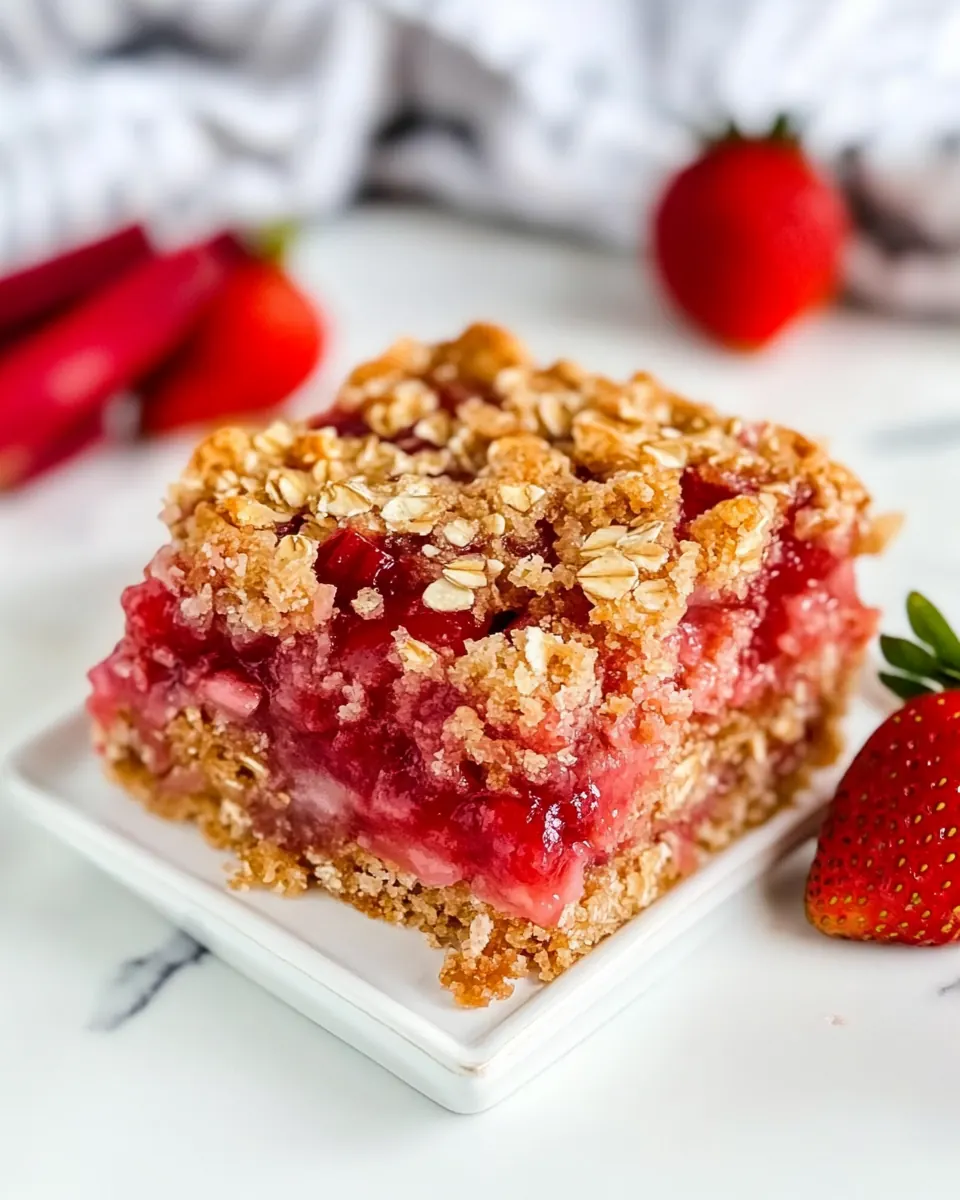
The ingredients here are honest and straightforward, chosen to create contrast between a crisp, buttery crumble and a vibrant fruit filling. The key players are the all-purpose flour and rolled oats which build structure and chew, the butter which adds richness and tenderness, and the fresh strawberries and rhubarb which supply bright, lively flavor. Together they create a balance of texture and taste that is both rustic and refined.
- 1 cup all-purpose flour: Provides structure and a tender crumb to the bars by forming gluten when mixed with liquids; balances moisture and helps bind the oats and butter into a cohesive crust and topping. Sifts or measures accurately for consistent texture and to avoid dense bars.
- 11/2 cups rolled oats: Adds hearty texture and a nutty flavor while absorbing moisture to create a chewy, substantial base and streusel component. Keeps the bars rustic and adds fiber and a contrasting bite to the tender flour base.
- 1/2 teaspoon baking powder: Lightly aerates the crumb and contributes a subtle lift so the crust and topping are not overly dense; helps create a slightly lighter texture. Use sparingly to avoid a chemical aftertaste while still improving tenderness.
- 1/2 teaspoons salt: Enhances overall flavor by balancing sweetness and aiding in dough development; controls fermentation and strengthens structure slightly. Use measured amounts to prevent overly salty results while improving the crust’s depth.
- 1/2 cup brown sugar (packed): Contributes moistness, caramel-like flavor, and depth to the crust and streusel; helps bind dry ingredients and adds chewiness. Pack firmly when measuring to ensure consistent sweetness and texture across batches.
- 1/4 cup granulated sugar: Provides clean sweetness and helps macerate the fruit filling slightly when combined, balancing the deeper flavor of brown sugar. Dissolve evenly into the filling or topping to prevent gritty spots and ensure uniform sweetness.
- 3/4 cup butter (unsalted, softened): Incorporates richness, moisture, and richness to the crust and crumble; binds dry ingredients and helps create a tender, golden topping when baked. Soften to room temperature for even creaming and proper integration with sugars.
- 1 teaspoon vanilla extract: Adds aromatic warmth and enhances perceived sweetness and fruit flavors throughout the bars; balances the tang of rhubarb and brightness of lemon. Use pure extract for the cleanest flavor and add during creaming for even distribution.
- 2 cups strawberries (hulled and diced): Provides bright, fruity flavor, natural sweetness, and a tender texture to the filling when hulled and diced; pairs well with rhubarb’s tartness to create a balanced filling. Choose ripe strawberries for best flavor and uniform pieces for even cooking.
- 2 cups rhubarb (diced in small 1/4 pieces): Contributes pronounced tartness and firm texture when diced into small pieces, complementing strawberries to create a balanced, jammy filling. Cut uniformly so rhubarb softens consistently during baking without leaving large fibrous chunks.
- 1 teaspoon lemon zest: Adds concentrated citrus aroma and light acidity to brighten the fruit filling and cut through sweetness; enhances overall flavor complexity. Zest finely to avoid bitter white pith and incorporate evenly into the filling.
- 1 teaspoon lemon juice (freshly squeezed): Provides fresh acidity to balance sweetness and intensify fruit flavors, helping the filling taste lively and bright. Squeeze just before using to retain aromatic oils and natural brightness in the mixture.
- 1 tablespoon cornstarch: Thickens fruit juices released during baking to create a cohesive, glossy filling and prevent a runny bar; stabilizes fruits into a jam-like consistency. Mix with sugar first for even dispersion before combining with fruit juices.
- 1/3 cup sugar: Sweetens and balances the tart rhubarb while contributing to the filling’s syrupy texture; dissolves into the fruit mixture to control overall sweetness. Adjust slightly to taste depending on fruit ripeness and acidity.
Preparation Steps for Strawberry Rhubarb Bars
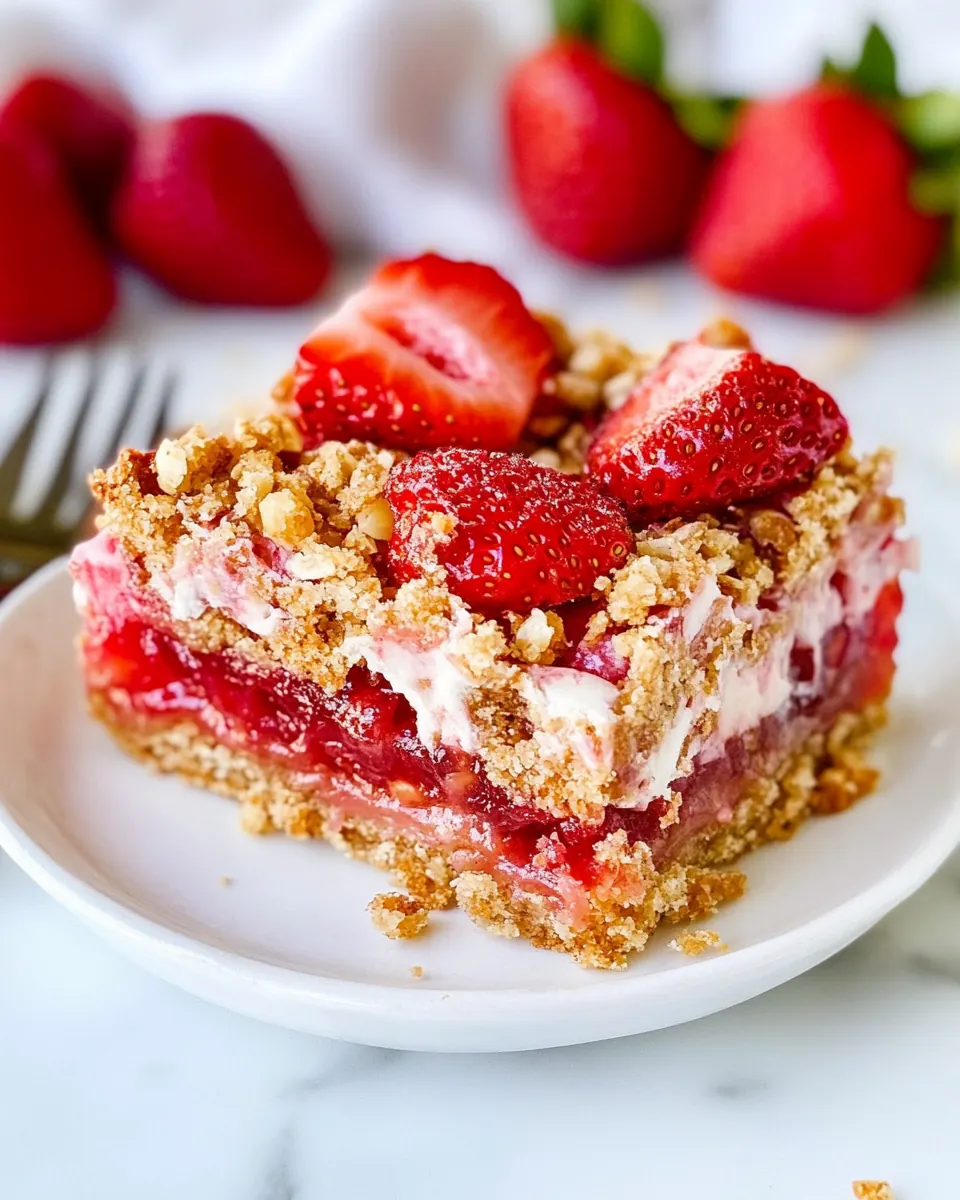
These steps will guide you through creating a sturdy base, a jammy filling, and a buttery crumble topping. I’ll walk you through sensory cues, the reason behind each technique, and common pitfalls so you can bake with confidence.
- Prep the oven and baking dish. Preheat the oven to 350°F. Spray a 9×9-inch baking dish with cooking spray then line it with parchment paper, with the parchment paper hanging off the sides to make it easy to lift out the bars.: You will notice a warm, slightly sweet scent as the oven approaches 350°F , that steady heat is crucial for even baking. Lining the pan with parchment makes removing the bars effortless, and spraying first prevents sticking and ensures the edges bake with a clean release. Pressing the parchment to the corners and leaving an overhang gives you handles to lift the whole slab out once cooled, which is much easier than cutting in the pan. A common mistake is not pressing the parchment snugly into the corners, which can cause the crust to curl and bake unevenly. If your oven runs hot, consider rotating the pan halfway through baking to avoid overly browned edges.
- Make the fruit filling. In a mixing bowl combine all the filling ingredients together.: When you mix the strawberries , rhubarb , sugar , lemon juice , lemon zest , and cornstarch , the aroma will shift from sharp to fragrant as the citrus oils and fruit juices mingle. The cornstarch is the unsung hero, it binds the released juices as it heats, ensuring the filling sets rather than turning soupy. Stir until the sugar dissolves into a glossy coating on the fruit, but avoid crushing the berries, which could over-release juice. A typical error here is adding too much cornstarch; that can make the filling pasty. If the mixture looks dry, let it sit for a few minutes so the sugar draws out natural juices before baking.
- Make the crumble mixture. To a large bowl, add the flour, oats, baking powder, brown sugar, granulated sugar, salt and toss to combine. Add the butter and vanilla extract and stir using a spatula or a pastry cutter until well combined and crumbly. Set aside about a cup for the topping.: As you mix in the softened butter , the dry ingredients will begin to clump into coarse crumbs and emit a toasty scent from the oats and brown sugar. Using a pastry cutter or spatula allows you to control texture, keeping some pea sized bits of butter, which yields a tender, flaky crumb once baked. Reserving a cup for the topping means the bottom layer will be compacted enough to hold the filling, while the top remains airy. Overworking the mixture can result in too fine a texture, which bakes up dense instead of crumbly. If the mixture feels wet, chill it briefly so the butter firms up before pressing.
- Assemble the bars. Press the rest of the crumb mixture into the bottom of the prepared pan. Spread the strawberries and rhubarb evenly over the crumb layer in the baking pan. Sprinkle the reserved crumb mixture over the fruit and gently press down with your hands.: When you press the base into the pan, you should feel it compact but still slightly tender to the touch; the surface will appear matte and evenly packed. Spreading the filling evenly prevents pockets of excess juice, and sprinkling the reserved crumble on top creates visual contrast and a textural crown that bakes golden. Gently pressing the top keeps the crumbs from blowing away in the oven but don’t compress them into a solid layer, as that will remove the desirable crunch. A common oversight is piling the fruit in the center, which leads to uneven cooking; distribute it to the edges for consistent results.
- Bake. Transfer the baking pan to the oven and bake for 45 minutes to 1 hour or until lightly browned.: During baking you will hear a subtle crackle as the topping browns and the filling begins to bubble. Look for a golden brown hue on the crumble and gentle bubbling at the edges as visual cues that the filling has thickened. The oven’s steady heat allows the cornstarch to activate and set the juices, while the crumbs caramelize for flavor. Avoid opening the oven door frequently, which can drop the temperature and lengthen baking time; instead, use the oven light to check progress. If the top is browning too quickly before the filling sets, tent with foil to prevent burning while the center finishes cooking.
- Cool, cut and serve. Cool completely before cutting into slices and serving. Serve with vanilla ice cream if preferred.: As the bars cool, you will notice the filling firming and the aroma shifting from hot fruit to baked confection, with browned butter notes from the topping. Cooling is essential to get clean slices; cutting while warm often results in squishy pieces. Use the parchment overhang to lift the slab from the pan onto a cutting board, then slice with a sharp knife for neat edges. A common mistake is slicing too soon, which makes the pieces fall apart. If you like, a scoop of vanilla ice cream provides a creamy temperature contrast, but the bars are delightful on their own at room temperature or slightly warm.
Making Adjustments
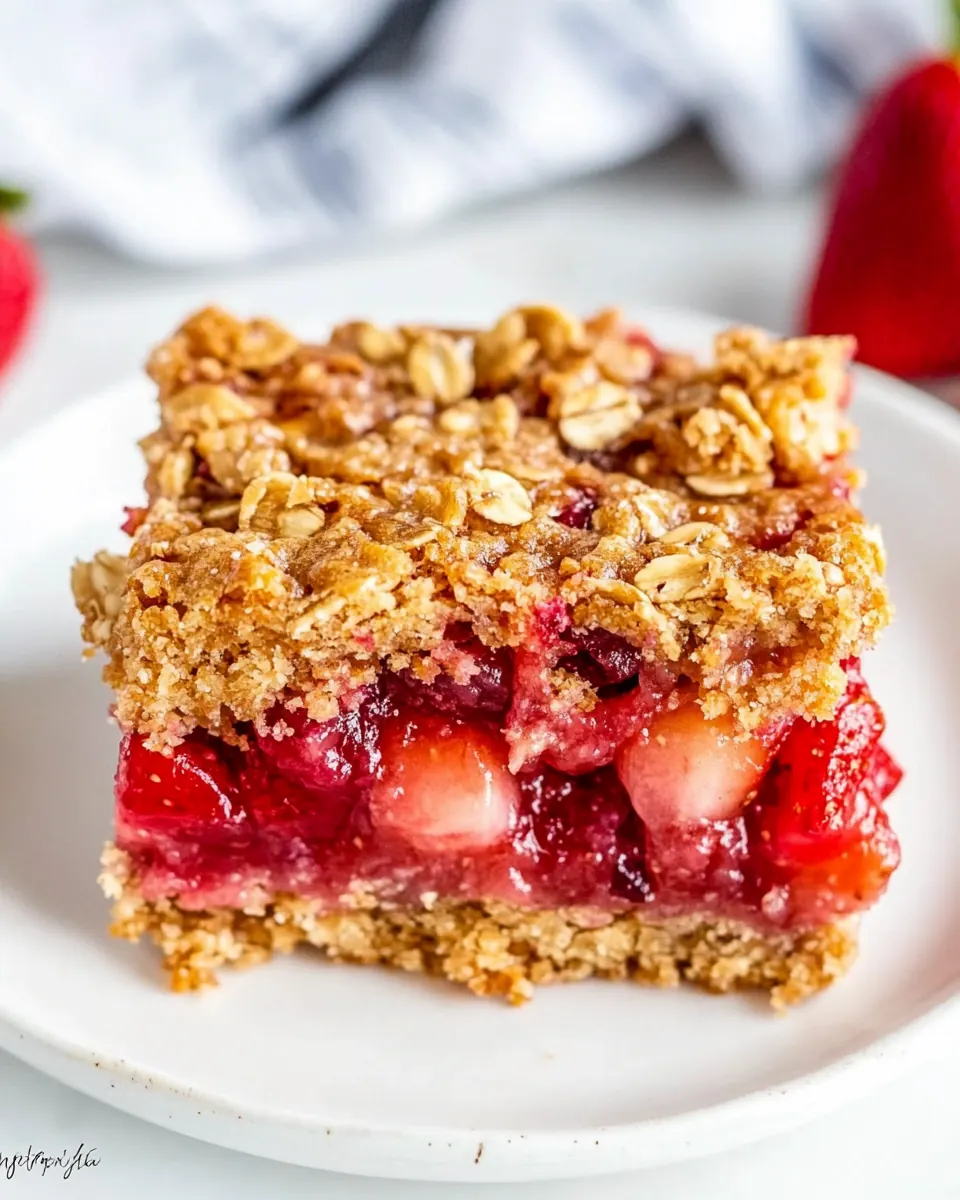
These adjustment tips will help you adapt the recipe to your pantry, your oven, or the exact mood you are trying to create. I have included options for texture, sweetness, and serving style so you can tune the bars to your preference.
- Adjust sugar for fruit ripeness: If your strawberries are exceptionally sweet, reduce the combined filling sugar by up to one quarter; conversely, increase it slightly if the fruit is very tart.
- Control fruit moisture: For very juicy fruit, toss the filling with the cornstarch and let it sit for a few minutes to absorb some liquid before assembling.
- Make the crumble crunchier: Substitute half the rolled oats with quick oats for a finer texture, or pulse a small amount in a food processor for a nutty, crisp topping.
- Pan size flexibility: If you only have an 8 by 8 inch pan, expect a slightly taller bar and modestly increased baking time; check for bubbling at the edges to confirm doneness.
- Advance prep: You can prepare the crumb and fruit the day before, storing them separately in the fridge, then assemble and bake the next day for fresher flavor.
- Serving temperature: Serve warm for gooey filling and a soft crumble, or cool completely for cleaner slices and a chewier texture.
Serving Ideas for Strawberry Rhubarb Bars
These bars are versatile and can be dressed up or kept rustic depending on the occasion. Below are serving suggestions that cover casual snacks, festive gatherings, and storage tips so you can enjoy them throughout the week.
- Classic dessert: Serve warm with a scoop of vanilla ice cream for an indulgent finish after dinner, letting the cold cream melt into the warm fruit.
- Brunch option: Place a bar on a small plate with a dollop of whipped cream and a few fresh strawberries for a bright brunch accompaniment.
- Picnic friendly: Cut into squares and pack in an airtight container for a portable sweet treat that travels well without needing refrigeration for a few hours.
- Tea time: Offer alongside a pot of tea or coffee in the afternoon; the bars pair nicely with black or herbal teas thanks to their balanced sweetness.
- Storage tips: Store cooled bars in an airtight container at room temperature for up to two days, or refrigerate for up to five days; rewarm briefly in a low oven for a just-baked feel.
- Seasonal pairing: These shine in spring when strawberries and rhubarb are at peak flavor, making them perfect for garden gatherings and seasonal celebrations.
FAQ
Conclusion
These Strawberry Rhubarb Bars stand out because they combine a tender, buttery crumble with a bright, jammy fruit filling that highlights the best of spring produce. They are satisfying in texture and balanced in flavor, making them a reliable crowd pleaser for potlucks or a cozy afternoon treat. I hope you give them a try when strawberries and rhubarb are in season, and that they bring a bit of warm, nostalgic comfort to your table. Once you taste the contrast between the crisp topping and the tart sweet filling, you may find yourself reaching for this recipe again and again.
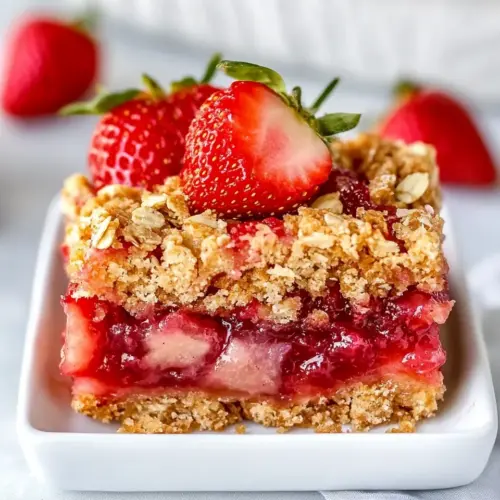
Strawberry Rhubarb Bars
Equipment
- 9-inch Square Baking Cake Pan
Ingredients
- 1 cup all-purpose flour Provides structure and a tender crumb to the bars by forming gluten when mixed with liquids; balances moisture and helps bind the oats and butter into a cohesive crust and topping. Sifts or measures accurately for consistent texture and to avoid dense bars.
- 11/2 cups rolled oats Adds hearty texture and a nutty flavor while absorbing moisture to create a chewy, substantial base and streusel component. Keeps the bars rustic and adds fiber and a contrasting bite to the tender flour base.
- 1/2 teaspoon baking powder Lightly aerates the crumb and contributes a subtle lift so the crust and topping are not overly dense; helps create a slightly lighter texture. Use sparingly to avoid a chemical aftertaste while still improving tenderness.
- 1/2 teaspoons salt Enhances overall flavor by balancing sweetness and aiding in dough development; controls fermentation and strengthens structure slightly. Use measured amounts to prevent overly salty results while improving the crust’s depth.
- 1/2 cup brown sugar (packed) Contributes moistness, caramel-like flavor, and depth to the crust and streusel; helps bind dry ingredients and adds chewiness. Pack firmly when measuring to ensure consistent sweetness and texture across batches.
- 1/4 cup granulated sugar Provides clean sweetness and helps macerate the fruit filling slightly when combined, balancing the deeper flavor of brown sugar. Dissolve evenly into the filling or topping to prevent gritty spots and ensure uniform sweetness.
- 3/4 cup butter (unsalted, softened) Incorporates richness, moisture, and richness to the crust and crumble; binds dry ingredients and helps create a tender, golden topping when baked. Soften to room temperature for even creaming and proper integration with sugars.
- 1 teaspoon vanilla extract Adds aromatic warmth and enhances perceived sweetness and fruit flavors throughout the bars; balances the tang of rhubarb and brightness of lemon. Use pure extract for the cleanest flavor and add during creaming for even distribution.
- 2 cups strawberries (hulled and diced) Provides bright, fruity flavor, natural sweetness, and a tender texture to the filling when hulled and diced; pairs well with rhubarb’s tartness to create a balanced filling. Choose ripe strawberries for best flavor and uniform pieces for even cooking.
- 2 cups rhubarb (diced in small 1/4 pieces) Contributes pronounced tartness and firm texture when diced into small pieces, complementing strawberries to create a balanced, jammy filling. Cut uniformly so rhubarb softens consistently during baking without leaving large fibrous chunks.
- 1 teaspoon lemon zest Adds concentrated citrus aroma and light acidity to brighten the fruit filling and cut through sweetness; enhances overall flavor complexity. Zest finely to avoid bitter white pith and incorporate evenly into the filling.
- 1 teaspoon lemon juice (freshly squeezed) Provides fresh acidity to balance sweetness and intensify fruit flavors, helping the filling taste lively and bright. Squeeze just before using to retain aromatic oils and natural brightness in the mixture.
- 1 tablespoon cornstarch Thickens fruit juices released during baking to create a cohesive, glossy filling and prevent a runny bar; stabilizes fruits into a jam-like consistency. Mix with sugar first for even dispersion before combining with fruit juices.
- 1/3 cup sugar Sweetens and balances the tart rhubarb while contributing to the filling’s syrupy texture; dissolves into the fruit mixture to control overall sweetness. Adjust slightly to taste depending on fruit ripeness and acidity.
Instructions
- Prep the oven and baking dish. Preheat the oven to 350°F. Spray a 9×9-inch baking dish with cooking spray then line it with parchment paper, with the parchment paper hanging off the sides to make it easy to lift out the bars.: You will notice a warm, slightly sweet scent as the oven approaches 350°F , that steady heat is crucial for even baking. Lining the pan with parchment makes removing the bars effortless, and spraying first prevents sticking and ensures the edges bake with a clean release. Pressing the parchment to the corners and leaving an overhang gives you handles to lift the whole slab out once cooled, which is much easier than cutting in the pan. A common mistake is not pressing the parchment snugly into the corners, which can cause the crust to curl and bake unevenly. If your oven runs hot, consider rotating the pan halfway through baking to avoid overly browned edges.
- Make the fruit filling. In a mixing bowl combine all the filling ingredients together.: When you mix the strawberries , rhubarb , sugar , lemon juice , lemon zest , and cornstarch , the aroma will shift from sharp to fragrant as the citrus oils and fruit juices mingle. The cornstarch is the unsung hero, it binds the released juices as it heats, ensuring the filling sets rather than turning soupy. Stir until the sugar dissolves into a glossy coating on the fruit, but avoid crushing the berries, which could over-release juice. A typical error here is adding too much cornstarch; that can make the filling pasty. If the mixture looks dry, let it sit for a few minutes so the sugar draws out natural juices before baking.
- Make the crumble mixture. To a large bowl, add the flour, oats, baking powder, brown sugar, granulated sugar, salt and toss to combine. Add the butter and vanilla extract and stir using a spatula or a pastry cutter until well combined and crumbly. Set aside about a cup for the topping.: As you mix in the softened butter , the dry ingredients will begin to clump into coarse crumbs and emit a toasty scent from the oats and brown sugar. Using a pastry cutter or spatula allows you to control texture, keeping some pea sized bits of butter, which yields a tender, flaky crumb once baked. Reserving a cup for the topping means the bottom layer will be compacted enough to hold the filling, while the top remains airy. Overworking the mixture can result in too fine a texture, which bakes up dense instead of crumbly. If the mixture feels wet, chill it briefly so the butter firms up before pressing.
- Assemble the bars. Press the rest of the crumb mixture into the bottom of the prepared pan. Spread the strawberries and rhubarb evenly over the crumb layer in the baking pan. Sprinkle the reserved crumb mixture over the fruit and gently press down with your hands.: When you press the base into the pan, you should feel it compact but still slightly tender to the touch; the surface will appear matte and evenly packed. Spreading the filling evenly prevents pockets of excess juice, and sprinkling the reserved crumble on top creates visual contrast and a textural crown that bakes golden. Gently pressing the top keeps the crumbs from blowing away in the oven but don’t compress them into a solid layer, as that will remove the desirable crunch. A common oversight is piling the fruit in the center, which leads to uneven cooking; distribute it to the edges for consistent results.
- Bake. Transfer the baking pan to the oven and bake for 45 minutes to 1 hour or until lightly browned.: During baking you will hear a subtle crackle as the topping browns and the filling begins to bubble. Look for a golden brown hue on the crumble and gentle bubbling at the edges as visual cues that the filling has thickened. The oven’s steady heat allows the cornstarch to activate and set the juices, while the crumbs caramelize for flavor. Avoid opening the oven door frequently, which can drop the temperature and lengthen baking time; instead, use the oven light to check progress. If the top is browning too quickly before the filling sets, tent with foil to prevent burning while the center finishes cooking.
- Cool, cut and serve. Cool completely before cutting into slices and serving. Serve with vanilla ice cream if preferred.: As the bars cool, you will notice the filling firming and the aroma shifting from hot fruit to baked confection, with browned butter notes from the topping. Cooling is essential to get clean slices; cutting while warm often results in squishy pieces. Use the parchment overhang to lift the slab from the pan onto a cutting board, then slice with a sharp knife for neat edges. A common mistake is slicing too soon, which makes the pieces fall apart. If you like, a scoop of vanilla ice cream provides a creamy temperature contrast, but the bars are delightful on their own at room temperature or slightly warm.
Notes
- Adjust sugar for fruit ripeness: If your strawberries are exceptionally sweet, reduce the combined filling sugar by up to one quarter; conversely, increase it slightly if the fruit is very tart.
- Control fruit moisture: For very juicy fruit, toss the filling with the cornstarch and let it sit for a few minutes to absorb some liquid before assembling.
- Make the crumble crunchier: Substitute half the rolled oats with quick oats for a finer texture, or pulse a small amount in a food processor for a nutty, crisp topping.
- Pan size flexibility: If you only have an 8 by 8 inch pan, expect a slightly taller bar and modestly increased baking time; check for bubbling at the edges to confirm doneness.
- Advance prep: You can prepare the crumb and fruit the day before, storing them separately in the fridge, then assemble and bake the next day for fresher flavor.
- Serving temperature: Serve warm for gooey filling and a soft crumble, or cool completely for cleaner slices and a chewier texture.
