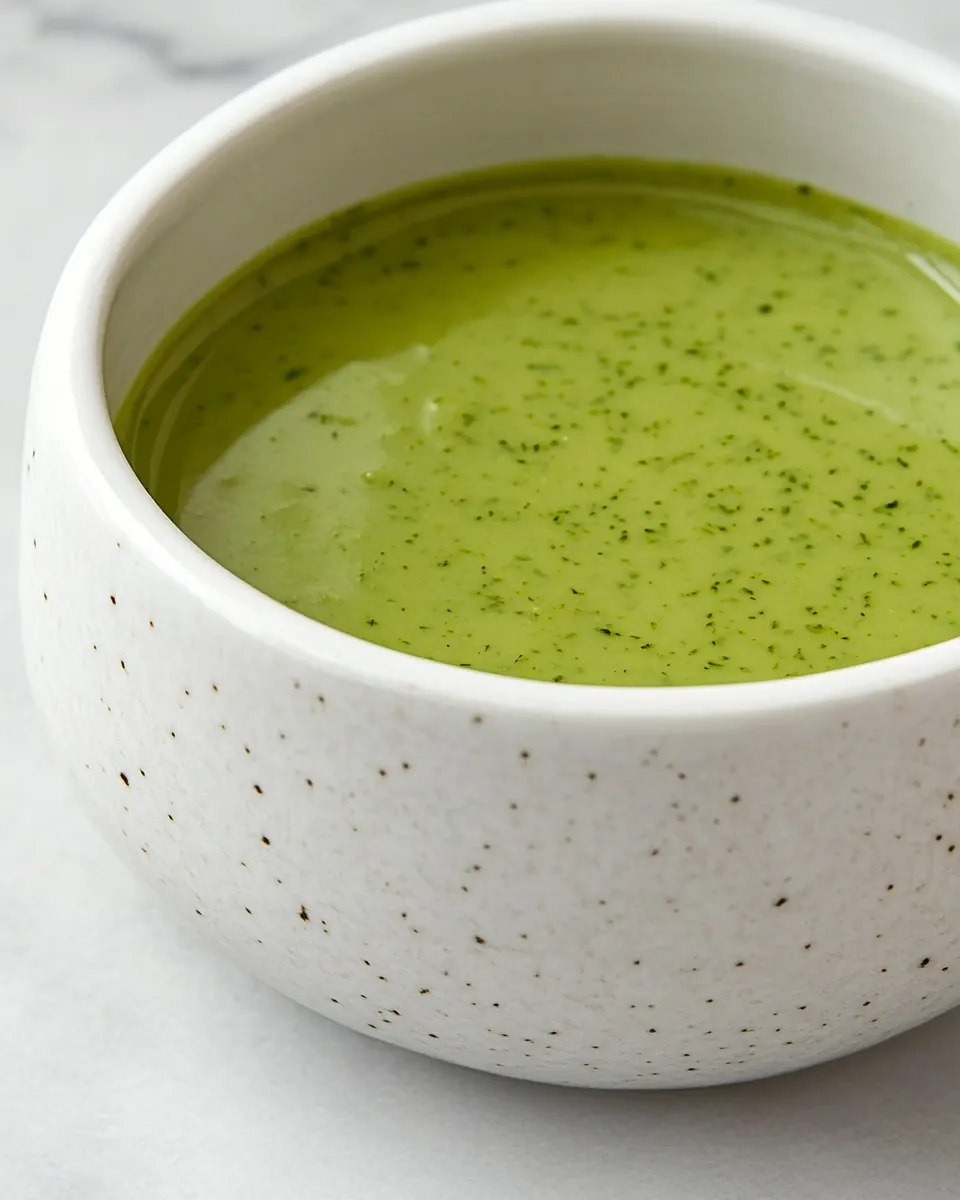
Aji Verde
Aji Verde is the kind of sauce that sneaks into your weeknight rotation and never leaves. I first met it at a bustling Peruvian spot where a friend insisted we try everything on the table, and when that bright green jar arrived, I leaned in and tasted sunshine, heat, and something deeply familiar all at once. From that moment, I started making it at home, tweaking amounts, and learning how a simple blend of cilantro, serrano peppers, and mayonnaise can lift roasted vegetables, grilled proteins, and sandwiches to a whole new level.
Over the years I learned to respect the balance between heat and cream, and to pace additions so the blender doesn’t get overwhelmed. I’ll tell you, there is nothing quite like the first whiff when you lift the blender lid, a rush of herbal, garlicky steam that makes your kitchen feel alive. I remember serving this at a small dinner where everyone kept asking for more; the jar disappeared faster than I expected. That evening taught me that sauces are not just condiments, they are memories.
Recipe Snapshot
15 mins
15 mins
Easy
150 kcal
Peruvian
Paleo, Whole30
Appetizers
blender
What Sets This Aji Verde Apart
Bright, herbal flavor that wakes everything up
I love Aji Verde because it gives dishes an immediate lift. The combination of fresh cilantro and lime juice provides a zesty backbone, while the serrano peppers add a liveliness that is more like a lively nudge than an overpowering kick. When I spoon it over roasted vegetables or grilled chicken, the contrast makes each bite pop.
Creamy texture without heaviness
The inclusion of mayonnaise creates a silky mouthfeel that clings to food beautifully. It smooths the heat from the peppers and helps the sauce adhere to foods, so every forkful carries sauce, not just a smear. In my experience this texture is what transforms a simple bowl into something indulgent yet approachable.
Versatility across meals and occasions
I often reach for Aji Verde for casual lunches, backyard dinners, and busy weeknights. It plays well as a dip for fries, a drizzle for salads, and a finishing sauce for grilled vegetables. Because it stores well in the refrigerator, I make a batch and use it across multiple meals, which saves time without skimping on flavor.
Simple, mostly pantry friendly ingredients
There is something satisfying about a sauce that relies on a handful of quality items. Fresh garlic, good olive oil, and a tangy squeeze of lime do most of the heavy lifting. I find this encourages improvisation; if I am missing one thing I usually have a viable swap or slight adjustment that still keeps the spirit of the sauce intact.
Room to personalize heat and herb notes
One of my favorite aspects is customization. I like to dial the heat up or down depending on who is eating, and sometimes I experiment with aji amarillo paste for a deeper, fruity heat. Personalizing a jar of Aji Verde becomes a small act of hospitality, because you can tune it to complement whatever you are serving.
Essential Ingredients for Aji Verde
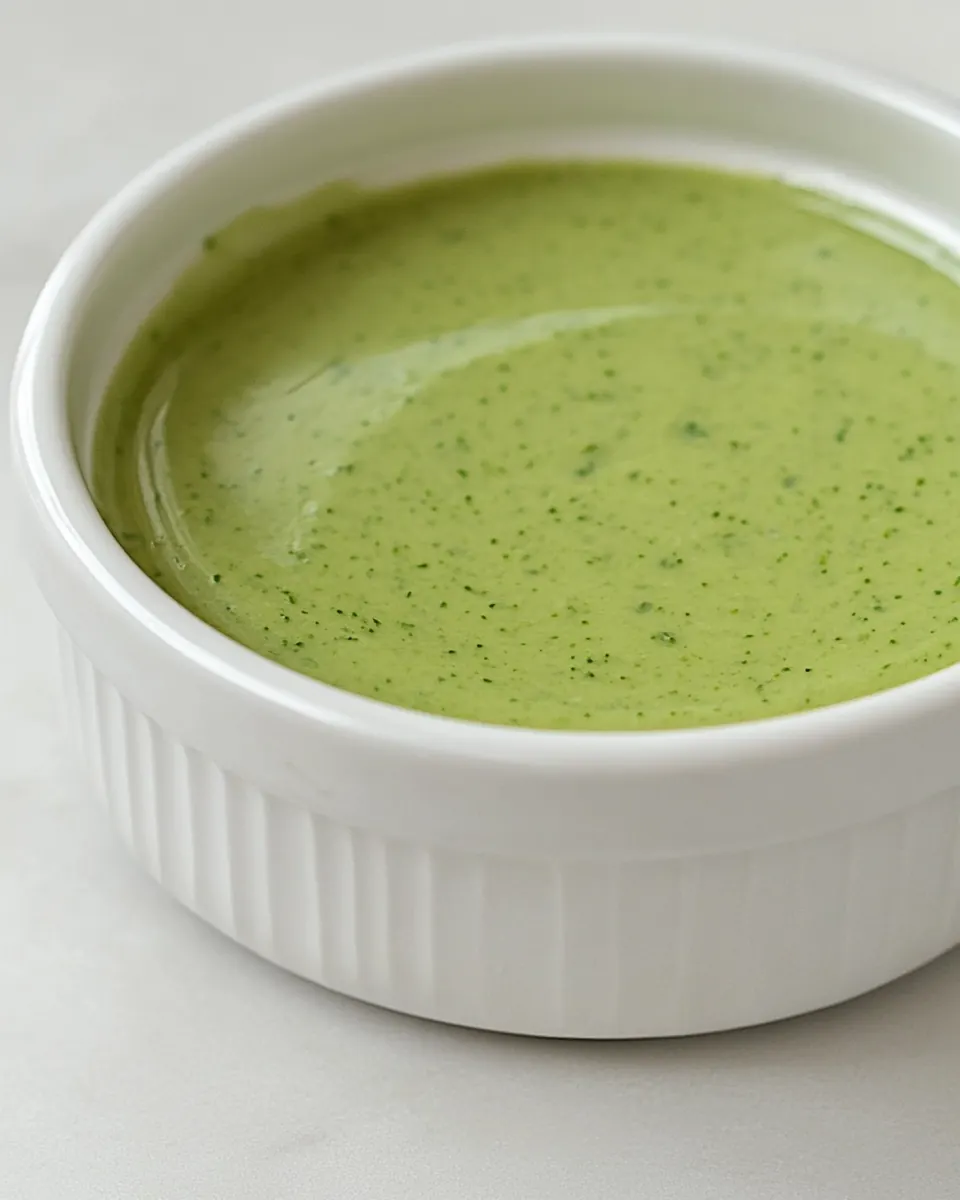
These ingredients form a compact, harmonious team. The goal is balance: herbaceous brightness from the cilantro, a creamy binder from the mayonnaise, acid from the lime, and heat from the serrano peppers. Each item plays a distinct role, and together they create a sauce that is vibrant, rich, and versatile.
- 1 whole lime, juiced: Squeezed to add bright, acidic juice that balances richness and brightens overall flavor in the sauce.
- 2 tablespoons olive oil: Used to emulsify and carry flavors while adding a subtle fruity richness and smooth mouthfeel to the dressing.
- 1/2 cup good-quality mayonnaise, (such as Hellmann's): Added to provide creamy body and tangy richness that lends a silky texture and stabilizes the emulsion.
- 3 ounces queso fresco or blanco: Crumbled into the sauce to contribute a mild, salty, slightly tangy crumbly cheese character and savory depth.
- 2 serrano peppers, ends trimmed: Chopped and blended to bring fresh heat and vegetal spice, contributing sharpness and lively peppery notes.
- 1 bunch cilantro, with the leaves removed and stems discarded: Washed and minced leaves used for fresh, aromatic herbaceousness that adds bright green flavor and freshness.
- 4 garlic cloves, peeled: Puréed into the mixture to provide pungent, aromatic bite and depth that complements the herbs and peppers.
- 2 green onions, ends trimmed and roughly chopped: Sliced and incorporated to add mild oniony sweetness and a gentle sharpness that layers savory flavor.
- 1 tablespoon aji amarillo paste, () (optional): Stirred in optionally to introduce fruity, slightly floral heat and authentic Peruvian color and complexity.
- 1/4 teaspoon kosher salt: Measured precisely to season and enhance all flavors while preventing the sauce from tasting flat or bland.
Recipe Steps for Aji Verde
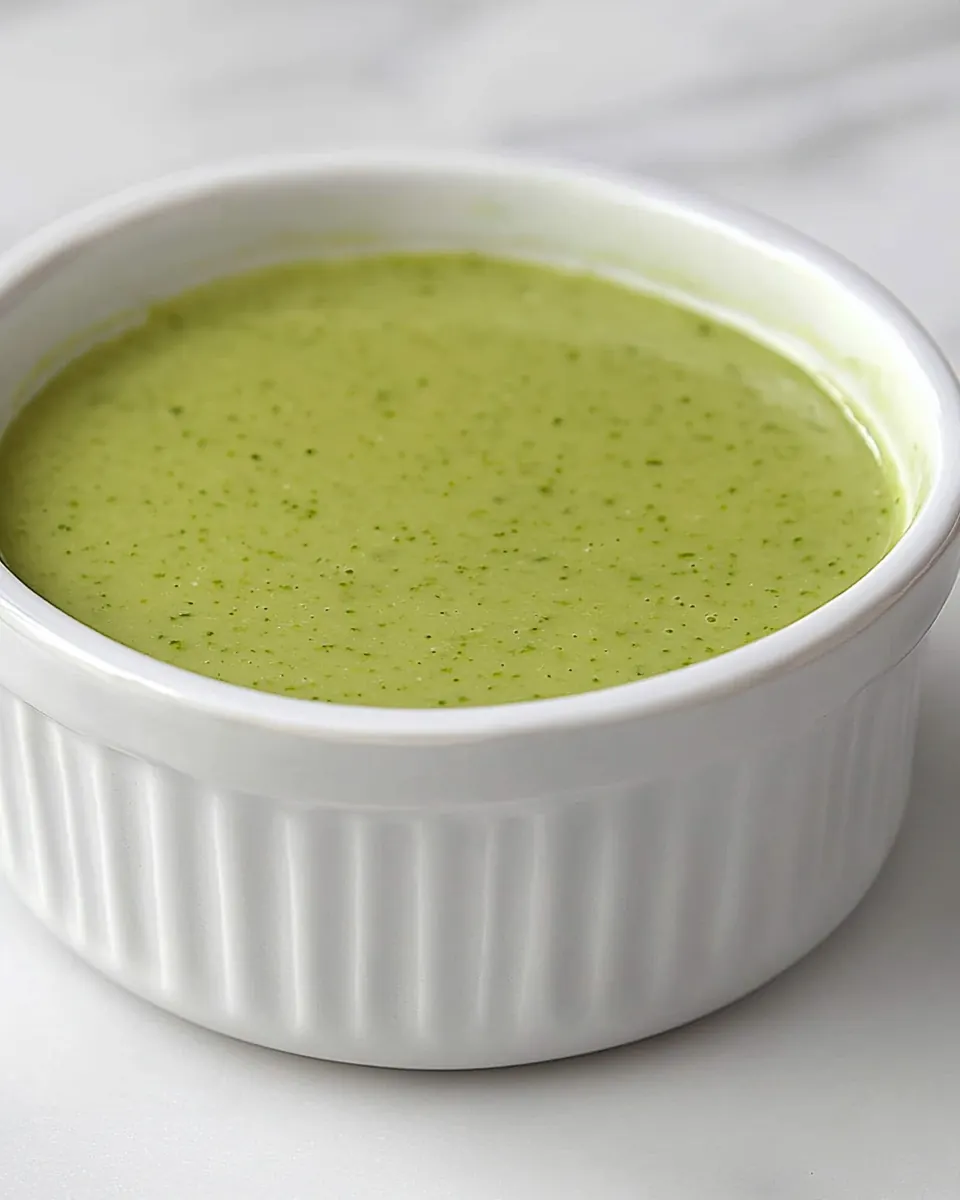
This sauce is remarkably straightforward, and the technique is mostly about layering and blending to reach that smooth, cohesive texture. Below I expand the two original directions into detailed, sensory driven steps so you know exactly what to expect and how to avoid common pitfalls.
- To a blender, add the lime juice, olive oil, cheese, mayonnaise, serrano peppers, cilantro leaves, garlic cloves, green onions, huacatay paste, aji amarillo and salt. Blend for about 1 to 2 minutes, until very smooth. At first the cilantro leaves won't be totally smooth, but keep the blender running and it will eventually become cohesive and smooth.: When you begin, you will notice the immediate contrast between the glossy olive oil and the bright green of the cilantro . The blender jar will look like a colorful collage, and when you press start you should hear a steady whir that turns into a more even hum as the solids break down. The lime scent will lift first, sharp and fresh, then the warm, garlicky aroma will follow. Why this order matters, I have found, is that placing liquids near the blades helps the blender pull everything down, making blending more efficient. A common mistake is to overload the blender with herbs on top when the blades are dry, which can lead to uneven processing or overheating. If your blender struggles, stop and scrape down the sides, then pulse rather than run it continuously to avoid heating the herbs and losing that fresh green color.
- Give it a taste and adjust the salt according to your liking. Keeps in the fridge for up to a week.: As the blades work, the mixture will transition from chunky to silky, and you will notice the sound change to a thinner, higher pitch. Visually, watch for a glossy emulsion where the green becomes uniform rather than flecked. The scent should become more integrated, with garlic and cilantro playing together. Blending at too high a speed for too long can warm the sauce and flatten the bright notes, so pulse and check at intervals if your blender is powerful. A sign you are done is when the sauce moves like a cohesive ribbon when you tilt the jar. Common troubleshooting here is under-blending, which leaves fibrous bits of cilantro and a gritty texture. Keep going until the texture is smooth and creamy, but avoid running the motor nonstop beyond the recommended time if you want to preserve fresh aromatics.
- At first the cilantro leaves won't be totally smooth but keep the blender running and it will eventually become cohesive and smooth: Initially the cilantro will appear stringy and small ribbons may cling to the sides. The key sensory cue is aroma rather than sight; when the herb smell spreads evenly you are close to the ideal texture. The blender may pulse more heavily as it catches larger pieces, and you may see small bubbles form as air incorporates. The reason this patience matters is that breaking down the herb properly releases volatile oils that create the sauce’s signature brightness. A frequent error is stopping too early when you still detect leafy bits; continue blending in short bursts and scrape the sides to encourage uniformity. If your blender is not high powered, consider removing stubborn stems initially to avoid this issue.
- Give it a taste and adjust the salt according to your liking: When you sample, the first hit will likely be herb and lime, followed by creamy mouthfeel and a background heat from the serrano peppers . Salt is the amplifier that lifts the flavors into harmony. Add a pinch at a time, mixing between additions, and notice how the sweetness of the cheese and the acidity of the lime become more pronounced. A common mistake is over-salting, which can be difficult to reverse, so err on the conservative side and correct gradually. If the sauce tastes flat even after salt, a little extra lime juice can restore brightness without changing the core profile.
- Keeps in the fridge for up to a week: Stored in an airtight container, the sauce will mellow and the flavors will marry over time. Early on it will smell bright and herbaceous, then gradually the dairy and oil will soften the edges. When you scoop it out later, the texture may firm slightly from refrigeration, so let it sit at room temperature for 10 to 15 minutes before serving to revive that silky consistency. A very common storage misstep is leaving it uncovered, which leads to flavor loss and potential absorption of other fridge odors. Label the container with the date and use within a week for peak freshness.
Helpful Notes about Aji Verde
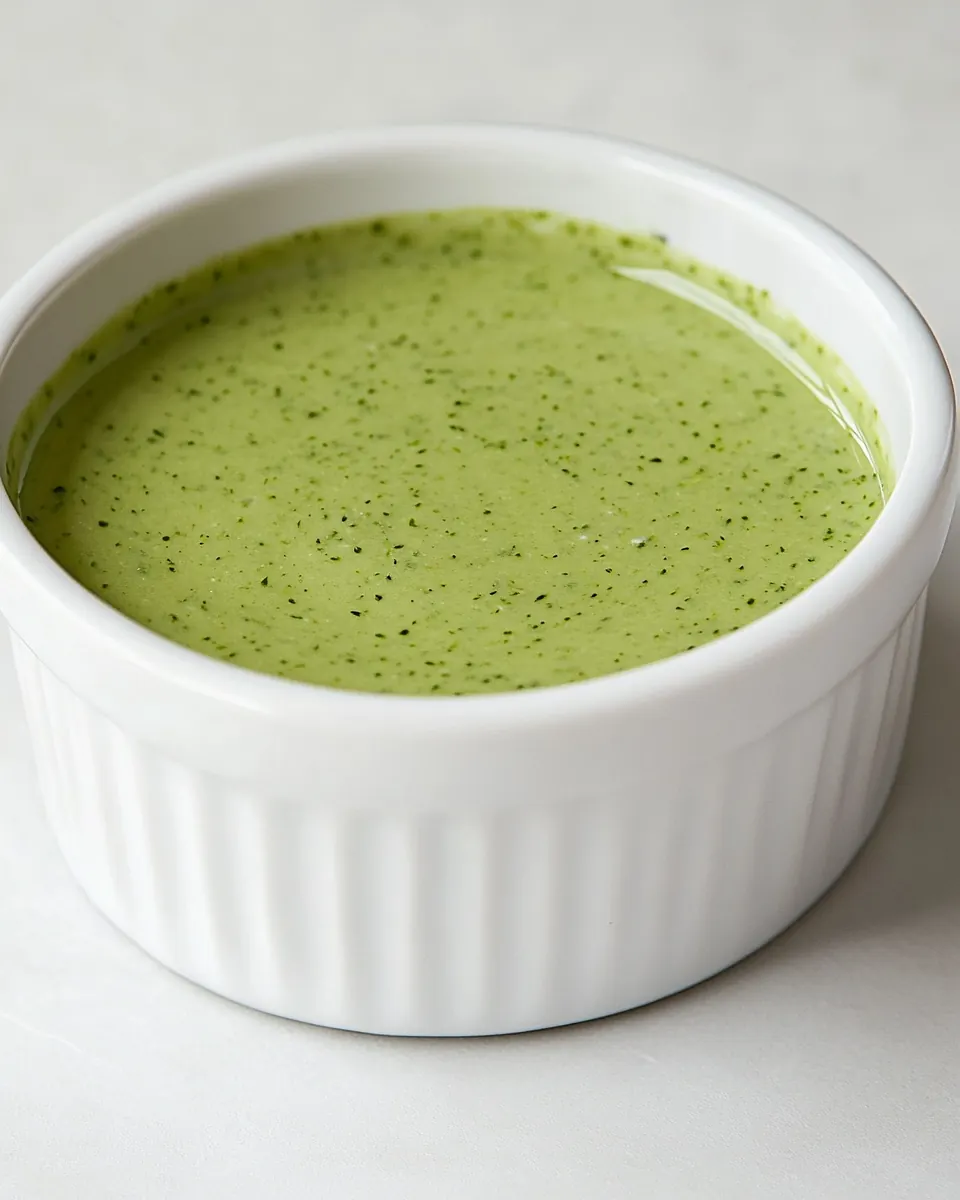
This sauce rewards small attentions and adapts well to your pantry. Below are expanded notes based on my experience, focusing on texture, flavor balance, and storage to help you make the best jar possible.
- If you have a high powered blender: It can process more of the cilantro stems, which saves prep time and yields a very smooth texture. Be mindful of heat buildup by pulsing, and add liquids first to create a strong vortex.
- If your blender is modest: Remove all stems and add the liquids to the bottom, then layer the herbs on top so the blades can incorporate them without getting clogged. This small change makes blending more efficient and prevents a stringy result.
- To make Whole 30 compliant: Eliminate the cheese and increase compliant mayonnaise slightly to maintain creaminess. This keeps the texture satisfying while respecting the dietary constraint.
- Order of ingredients matters: Placing liquids near the blades first helps the mixture emulsify quickly, ensuring a smoother finish and less stress on the motor. This also preserves the bright green color by minimizing blending time.
- Storage tip: Keep in an airtight jar and consume within one week for best flavor. If the surface darkens slightly, stir well and taste, but avoid using beyond seven days to ensure freshness and safety.
Pairing Suggestions for Aji Verde
This sauce is a multi purpose condiment that complements many dishes and occasions. Below are serving ideas, seasonal notes, and storage suggestions to help you integrate the sauce into meals thoughtfully.
- As a dip for fries or roasted potatoes: Serve alongside hot, crisp fries so the creamy sauce can cling to each piece, creating a satisfying contrast between crunchy and silky textures.
- With grilled vegetables: Drizzle over warm, charred vegetables to add a fresh herbal lift. The sauce brightens smoky notes and adds a pleasing cooling element to hot vegetables.
- For sandwiches and wraps: Spread a layer on bread or tortillas to introduce acidity and heat, which pairs well with roasted vegetables or grilled proteins for an easy lunch.
- At casual gatherings: Keep a jar on the table as a universal condiment. It works equally well for appetizers or as a final flourish, and guests can control the amount they use.
- Storage and make ahead: Make a batch up to a week in advance and refrigerate in an airtight container. Bring to room temperature before serving for best texture and flavor release.
- Seasonal pairing: In summer, pair with fresh grilled corn or chilled roasted peppers; in cooler months, serve with roasted root vegetables to cut through richness with herbal brightness.
FAQ
Conclusion
Aji Verde stands out because it combines bright herbs, zesty acid, and creamy texture into a single versatile sauce that enhances a wide range of dishes. Give it a try on sandwiches, roasted vegetables, or as a dip, and you may find yourself reaching for it again and again. It is approachable to make, easy to adjust to your heat preference, and reliable for adding instant personality to meals, so make a jar and see how it transforms your everyday plates.
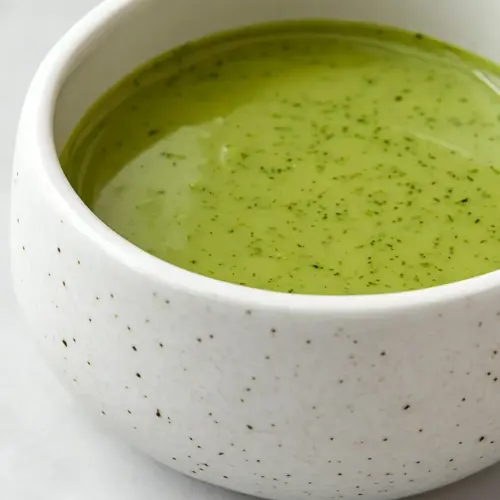
Aji Verde
Equipment
- Blender
Ingredients
- 1 whole lime, juiced Squeezed to add bright, acidic juice that balances richness and brightens overall flavor in the sauce.
- 2 tablespoons olive oil Used to emulsify and carry flavors while adding a subtle fruity richness and smooth mouthfeel to the dressing.
- 1/2 cup good-quality mayonnaise, (such as Hellmann's) Added to provide creamy body and tangy richness that lends a silky texture and stabilizes the emulsion.
- 3 ounces queso fresco or blanco Crumbled into the sauce to contribute a mild, salty, slightly tangy crumbly cheese character and savory depth.
- 2 serrano peppers, ends trimmed Chopped and blended to bring fresh heat and vegetal spice, contributing sharpness and lively peppery notes.
- 1 bunch cilantro, with the leaves removed and stems discarded Washed and minced leaves used for fresh, aromatic herbaceousness that adds bright green flavor and freshness.
- 4 garlic cloves, peeled Puréed into the mixture to provide pungent, aromatic bite and depth that complements the herbs and peppers.
- 2 green onions, ends trimmed and roughly chopped Sliced and incorporated to add mild oniony sweetness and a gentle sharpness that layers savory flavor.
- 1 tablespoon aji amarillo paste, (optional) Stirred in optionally to introduce fruity, slightly floral heat and authentic Peruvian color and complexity.
- 1/4 teaspoon kosher salt Measured precisely to season and enhance all flavors while preventing the sauce from tasting flat or bland.
Instructions
- To a blender, add the lime juice, olive oil, cheese, mayonnaise, serrano peppers, cilantro leaves, garlic cloves, green onions, huacatay paste, aji amarillo and salt. Blend for about 1 to 2 minutes, until very smooth. At first the cilantro leaves won't be totally smooth, but keep the blender running and it will eventually become cohesive and smooth.: When you begin, you will notice the immediate contrast between the glossy olive oil and the bright green of the cilantro . The blender jar will look like a colorful collage, and when you press start you should hear a steady whir that turns into a more even hum as the solids break down. The lime scent will lift first, sharp and fresh, then the warm, garlicky aroma will follow. Why this order matters, I have found, is that placing liquids near the blades helps the blender pull everything down, making blending more efficient. A common mistake is to overload the blender with herbs on top when the blades are dry, which can lead to uneven processing or overheating. If your blender struggles, stop and scrape down the sides, then pulse rather than run it continuously to avoid heating the herbs and losing that fresh green color.
- Give it a taste and adjust the salt according to your liking. Keeps in the fridge for up to a week.: As the blades work, the mixture will transition from chunky to silky, and you will notice the sound change to a thinner, higher pitch. Visually, watch for a glossy emulsion where the green becomes uniform rather than flecked. The scent should become more integrated, with garlic and cilantro playing together. Blending at too high a speed for too long can warm the sauce and flatten the bright notes, so pulse and check at intervals if your blender is powerful. A sign you are done is when the sauce moves like a cohesive ribbon when you tilt the jar. Common troubleshooting here is under-blending, which leaves fibrous bits of cilantro and a gritty texture. Keep going until the texture is smooth and creamy, but avoid running the motor nonstop beyond the recommended time if you want to preserve fresh aromatics.
- At first the cilantro leaves won't be totally smooth but keep the blender running and it will eventually become cohesive and smooth: Initially the cilantro will appear stringy and small ribbons may cling to the sides. The key sensory cue is aroma rather than sight; when the herb smell spreads evenly you are close to the ideal texture. The blender may pulse more heavily as it catches larger pieces, and you may see small bubbles form as air incorporates. The reason this patience matters is that breaking down the herb properly releases volatile oils that create the sauce’s signature brightness. A frequent error is stopping too early when you still detect leafy bits; continue blending in short bursts and scrape the sides to encourage uniformity. If your blender is not high powered, consider removing stubborn stems initially to avoid this issue.
- Give it a taste and adjust the salt according to your liking: When you sample, the first hit will likely be herb and lime, followed by creamy mouthfeel and a background heat from the serrano peppers . Salt is the amplifier that lifts the flavors into harmony. Add a pinch at a time, mixing between additions, and notice how the sweetness of the cheese and the acidity of the lime become more pronounced. A common mistake is over-salting, which can be difficult to reverse, so err on the conservative side and correct gradually. If the sauce tastes flat even after salt, a little extra lime juice can restore brightness without changing the core profile.
- Keeps in the fridge for up to a week: Stored in an airtight container, the sauce will mellow and the flavors will marry over time. Early on it will smell bright and herbaceous, then gradually the dairy and oil will soften the edges. When you scoop it out later, the texture may firm slightly from refrigeration, so let it sit at room temperature for 10 to 15 minutes before serving to revive that silky consistency. A very common storage misstep is leaving it uncovered, which leads to flavor loss and potential absorption of other fridge odors. Label the container with the date and use within a week for peak freshness.
Notes
- If you have a high powered blender: It can process more of the cilantro stems, which saves prep time and yields a very smooth texture. Be mindful of heat buildup by pulsing, and add liquids first to create a strong vortex.
- If your blender is modest: Remove all stems and add the liquids to the bottom, then layer the herbs on top so the blades can incorporate them without getting clogged. This small change makes blending more efficient and prevents a stringy result.
- To make Whole 30 compliant: Eliminate the cheese and increase compliant mayonnaise slightly to maintain creaminess. This keeps the texture satisfying while respecting the dietary constraint.
- Order of ingredients matters: Placing liquids near the blades first helps the mixture emulsify quickly, ensuring a smoother finish and less stress on the motor. This also preserves the bright green color by minimizing blending time.
- Storage tip: Keep in an airtight jar and consume within one week for best flavor. If the surface darkens slightly, stir well and taste, but avoid using beyond seven days to ensure freshness and safety.