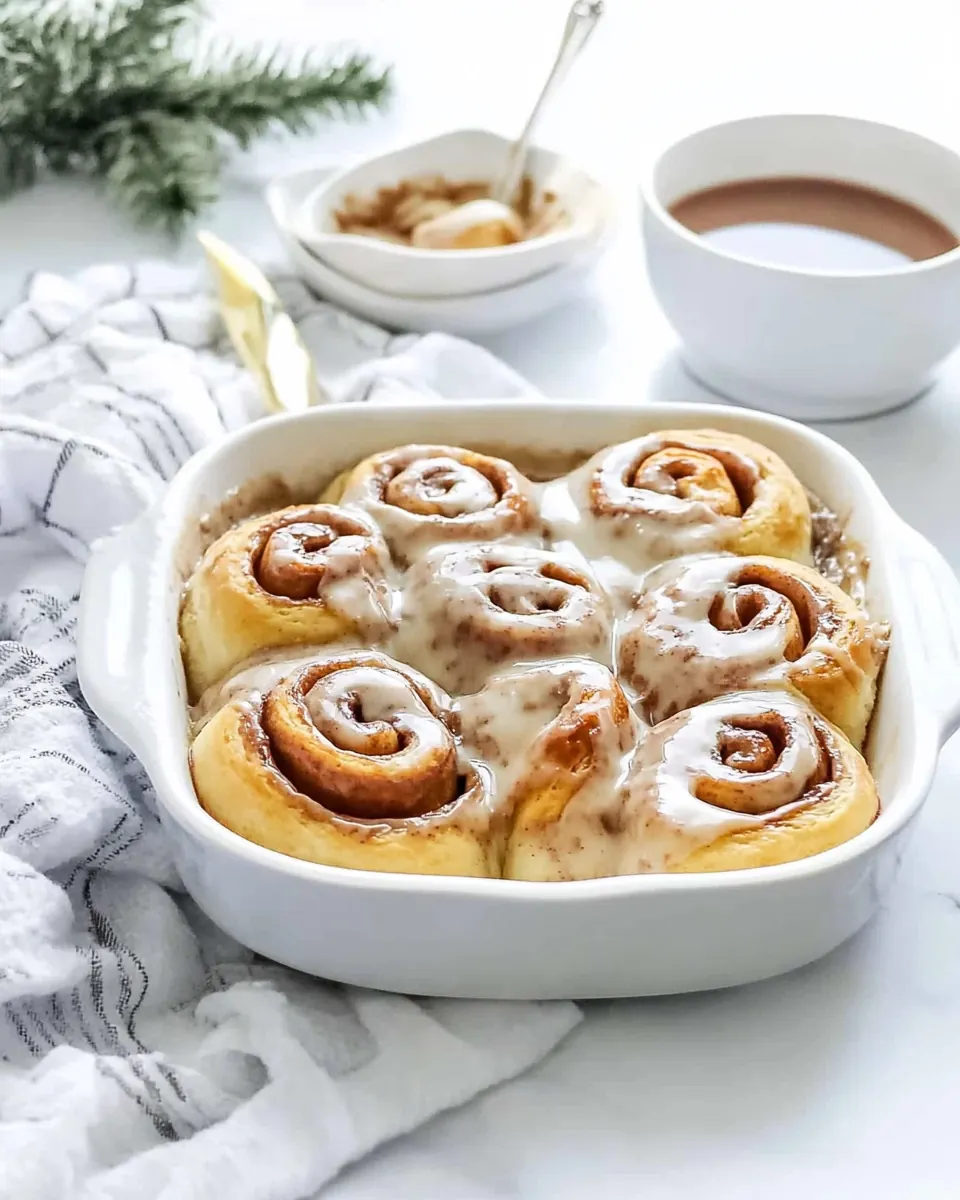
Overnight Toffee Cinnamon Rolls
Overnight Toffee Cinnamon Rolls are the kind of morning treat I wake up early for, the sweet smell pulling me into the kitchen before my coffee is even ready. I first made these on a slow weekend when friends were staying over, and the house filled with warm notes of cinnamon and caramel as the rolls baked. There is something comforting about preparing dough the night before, tucking it into the fridge, and knowing that the next day will begin with a truly special breakfast.
That first bite still stands out, the soft, pillowy all purpose flour dough giving way to a rich ribbon of brown sugar and crunchy toffee bits. I love how the overnight rest deepens flavor and makes the texture effortlessly tender, which means you can enjoy bakery style rolls without spending all morning at the counter. Guests always ask if I made them from scratch, and I smile because this is one of those recipes where technique and patience do most of the work.
Recipe Snapshot
1 hr 25 mins
50 mins
35 mins
Medium
320 kcal
American
Gluten-Free, Low FODMAP
Breakfast
Large bowl, Pastry blender or two forks, Saucepan, 13 x 9 inch pan, Rolling pin
Why You Need This Overnight Toffee Cinnamon Rolls
Comfort in Convenience
I adore these Overnight Toffee Cinnamon Rolls because they let you do the labor ahead of time, so the morning feels relaxed. Refrigerating the dough overnight develops the flavor and gives you an easy next day bake, which I find perfect when I want to savor company without a chaotic kitchen.
Layered Textures and Flavors
The combination of tender all purpose flour dough, a buttery brown sugar filling, and crunchy toffee bits creates delightful contrasts. I always enjoy how the toffee bits hold their little pockets of crunch amid the soft spiral, offering surprise bites that lift the whole experience.
Reliable Technique
This recipe uses straightforward steps that reliably produce great results. From warming the cream and milk to proof egg yolks, to rolling the dough into a neat rectangle, each step has a clear purpose, and when I follow them, the rolls turn out consistently tender and well risen.
Showstopping Finish
The caramel style icing brings everything together, coating the tops with glossy, warm sweetness. I like the moment when the icing first hits the warm rolls and begins to melt into the nooks, creating a decadent finish that makes guests linger at the table.
Flexible Scheduling
Finally, I love that you can refrigerate the dough up to two days, which makes these rolls adaptable to busy schedules or special occasions. Whether you make them for a holiday brunch or a cozy weekend breakfast, they reliably deliver big flavor with a reasonable amount of effort.
Main Ingredients for Overnight Toffee Cinnamon Rolls
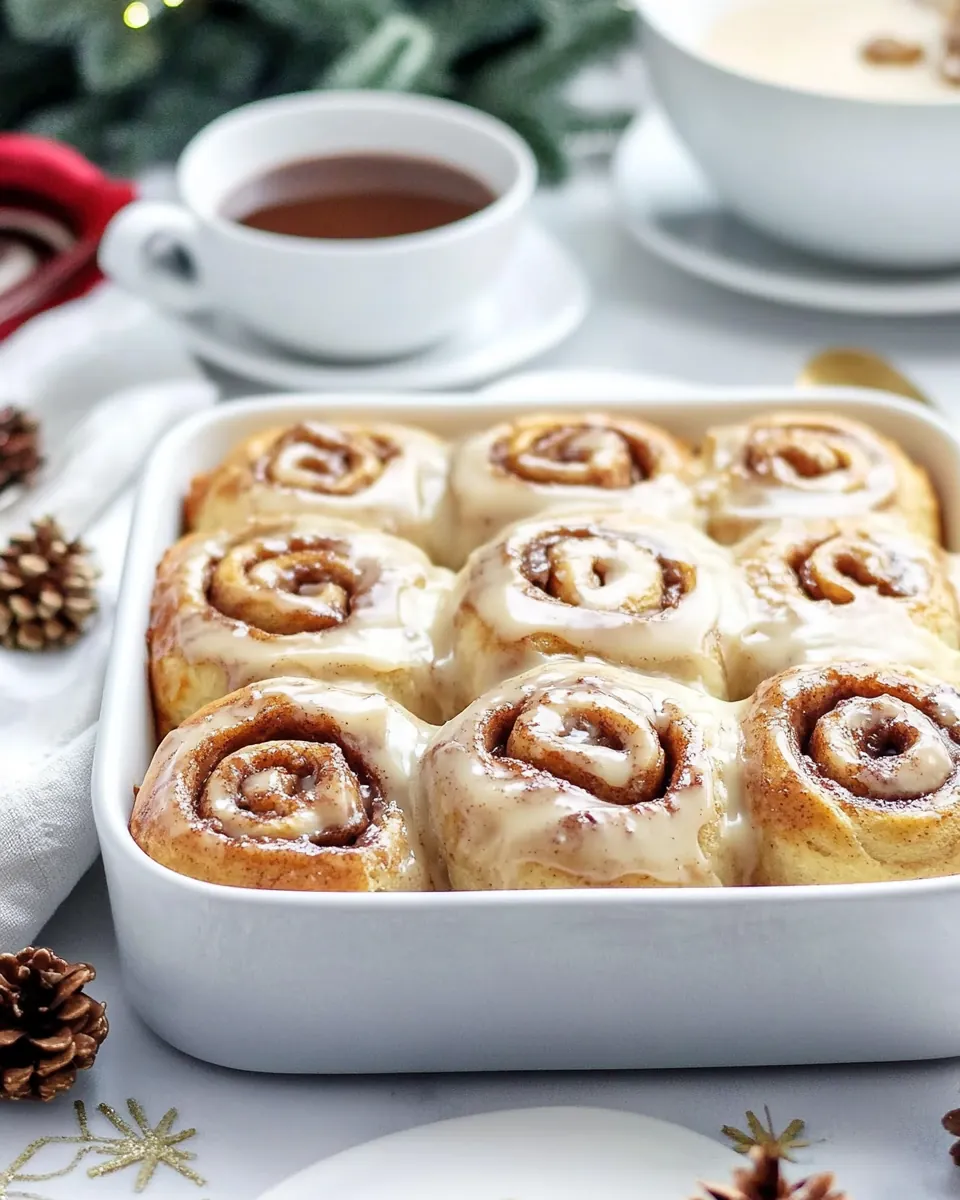
These ingredients read like a short list of champions, each playing an essential role in delivering tender, flavorful rolls. The balance of all purpose flour and fats yields a soft crumb, while brown sugar and ground cinnamon build the classic spiced filling. The toffee bits add texture and sweet, buttery pops. Together they form a simple but effective team that yields a bakery quality result at home.
- 3 1/3 cups all-purpose flour 427 grams: Provide structure and bulk to the dough, supplying gluten for chewiness and stability; measure accurately by spooning into the cup for consistent texture. Combine with liquids to form the base of the rolls and ensure a tender crumb when properly developed and rested.
- 1/4 cups sugar 32 grams: Add gentle sweetness to the dough, balancing flavors and aiding browning during baking; dissolve into the wet ingredients to distribute evenly. Promote fermentation by feeding yeast slightly and contribute to the overall flavor profile of the rolls.
- 1 teaspoons salt: Enhance overall flavor balance and strengthen gluten network slightly, helping to control yeast activity; dissolve fully into the dough for even seasoning. Regulate sweetness perception and bring out other ingredients without overpowering the mix.
- 1/2 cup unsalted butter softened: Provide rich fat for tenderness and flavor in the dough, coating flour proteins to yield a softer crumb; soften to room temperature for smooth incorporation. Contribute to mouthfeel and help extend freshness of the baked rolls when mixed properly.
- 1 envelope Fleischmann's® RapidRise™ Yeast: Leaven the dough quickly by producing carbon dioxide, enabling overnight rise with a predictable schedule; sprinkle or mix according to package instructions for reliable activation. Support a light, airy texture in the final rolls when combined with warm liquids.
- 1 cup whipping cream: Contribute richness and a high-fat content that tenderizes the dough and adds a silky mouthfeel; keep chilled or at recipe temperature as required for proper dough consistency. Add depth of flavor and assist in creating a softer crumb for the overnight rise.
- 1/2 cup milk: Adjust dough hydration and help activate yeast when warmed slightly; combine with cream and other liquids for proper dough consistency. Influence final texture and softness of the rolls by controlling the amount and temperature used.
- 3 egg yolks: Provide richness, color, and binding power without adding extra water that could weaken the dough; incorporate yolks to enrich flavor and strengthen the rolled pastry. Contribute to tenderness and a glossy finish in the baked rolls when blended with the wet ingredients.
- 2 tablespoons unsalted butter softened: Supply additional fat for the filling or dough, enhancing flavor and creating a spreadable consistency; soften to ensure even layering when rolled. Aid in producing a tender, buttery interior and help the filling adhere to the dough surface.
- 1/4 cup brown sugar: Add deep caramel-like sweetness to the filling, melting into a gooey layer that pairs with spices; sprinkle evenly for consistent flavor in each roll. Help create a sticky, flavorful center that complements the toffee bits.
- 1 1/2 teaspoons ground cinnamon: Impart warm, aromatic spice to the filling, enhancing sweetness and adding complexity; mix thoroughly with the sugar to distribute evenly. Elevate overall flavor and provide a classic cinnamon roll profile when combined with buttery filling.
- 1/2 cup toffee bits: Contribute crunchy, sweet, and buttery-toffee bits to the filling for texture contrast and concentrated caramel flavor; fold into the filling just before rolling to avoid melting. Offer bursts of chewiness and toffee richness throughout each baked roll.
- 1/4 cup unsalted butter: Add a layer of rich butter to the filling or sauce, creating a smooth, glossy texture and enhancing flavor; melt or soften as directed for even spreading. Help bind sugar and cinnamon into a cohesive filling and promote caramelization during baking.
- 1/2 cup brown sugar: Provide another layer of molasses-like sweetness for the filling or sauce, creating depth and a sticky caramel consistency; combine with butter to form a cohesive filling. Enhance chewiness and create a luxuriously sweet center in the finished rolls.
- 4 tablespoons milk: Adjust sauce or dough consistency and facilitate caramelization when heated; whisk into sauces to smooth and thin without separating. Contribute mild dairy flavor and help achieve the desired pourable texture for glazes or fillings.
- 1 1/2 cups powdered sugar: Create a smooth, sweet glaze base that thickens when combined with liquids and adds a delicate finish to the rolls; sift before mixing to avoid lumps. Balance sweetness and texture while making the frosting easy to spread or drizzle over cooled buns.
- 1 teaspoon pure vanilla extract: Add aromatic flavor and enhance sweetness perception in the glaze, providing a rounded finish; stir into the powdered sugar mixture for uniform taste. Bring subtle floral and vanilla notes that complement the toffee and cinnamon components.
How to Make Overnight Toffee Cinnamon Rolls
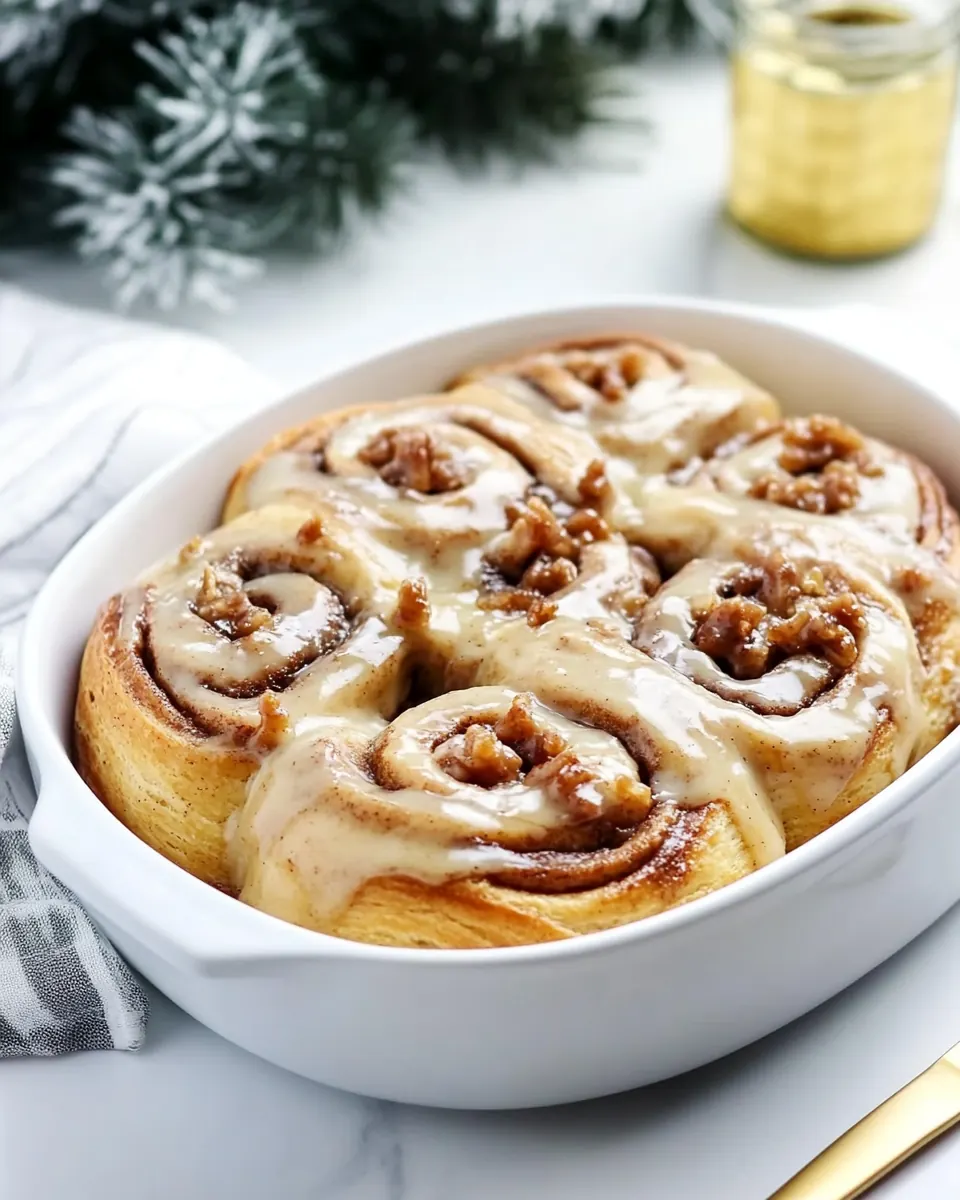
These directions take you from mixing to glorious baked rolls. I find that a calm, methodical approach in the evening leads to an effortless and rewarding bake the next morning. Keep a sense of rhythm as you knead and roll, and pay attention to the sensory cues described in each step so you can judge readiness by feel, smell, and sight.
- Combine flour, sugar and salt in a large bowl. Cut in butter with pastry blender or two forks until mixture resembles coarse crumbs. Stir in undissolved yeast.: When you work the all purpose flour with the softened unsalted butter , you want a sandy texture, not a paste; this creates a tender dough while still allowing enough structure to form. You will feel small pea sized bits of butter in the flour, and the mixture should look evenly speckled. The aroma will be faintly sweet from the sugar, nothing overpowering yet. This step matters because those buttery pockets melt during baking, leaving tender layers. A common mistake is overworking here and warming the butter too much, which yields a greasy, dense dough, so work quickly and chill hands if needed.
- Heat the cream and milk until very warm over stovetop or microwave (120° to 130°F). Add egg yolks, mixing well.: You should feel a gentle warmth when you touch the container, not hot, and you may notice a comforting dairy aroma as the liquids heat. Whisking in the egg yolks creates a silky, homogenous mixture that will help tenderize the dough and add richness. The warmth activates components for a smooth integration but keep it under 130°F to avoid cooking the yolks. If the liquid feels too hot, let it cool slightly; if too cool, it may not meld well. Avoid rapid pouring, which can scramble eggs if temperature control is off.
- Add to flour mixture and stir just until dry ingredients are moistened. Spread light film of butter on dough to prevent drying. Cover bowl with plastic wrap and refrigerate overnight or up to 2 days.: At this point the texture should be shaggy and slightly sticky, not a dense ball. The dough will come together as you fold the wet into the dry; resist adding extra flour, because the overnight chill helps firm the dough. Coating the surface with a thin layer of unsalted butter prevents a skin from forming and preserves moisture during slow fermentation. Refrigeration deepens flavor and improves texture, so plan ahead. A frequent error is leaving the dough uncovered or too exposed, which creates a tough outer crust, so check your wrap.
- Turn dough out onto a lightly floured surface and knead a few turns to shape into a ball. Roll the dough into a 12 x 16-inch rectangle. Spread with softened butter.: When you knead briefly, the dough should feel springy and slightly tacky, not sticky. Rolling into a rectangle gives you consistent spiral layers; use even pressure and rotate the dough occasionally to maintain shape. The softened unsalted butter spread across the surface should be thin but even, creating a lubricated layer that helps the filling adhere and the spirals seal tightly. If the dough resists rolling or shrinks back, let it rest for a few minutes to relax the gluten; forcing it will result in a tight, tough roll.
- Combine brown sugar and cinnamon and sprinkle over butter, followed by the toffee chips. Roll up jellyroll style and pinch seams to seal. Cut roll into 15 equal slices. Arrange cut side up, in a greased 13 x 9-inch pan.: As you sprinkle the brown sugar and ground cinnamon , you will see the surface take on a speckled, caramelized look. The toffee bits add little glints of texture across the layer. When you roll jellyroll style, keep a gentle, consistent tension to form tight spirals; the seam should be pinched to prevent unrolling during rise. Cutting into even portions ensures uniform baking; a sharp knife or dental floss gives a clean cut. A common slip is cutting uneven slices, which can make some rolls under or over baked.
- Let rolls rise in a warm place until nearly double, about 1 hour. Bake in preheated 350°F oven for 30 to 35 minutes or until light brown. If rolls are browning too quickly, cover lightly with a piece of foil for the last 5 to 10 minutes of baking.: During the rise you will notice the rolls puff and soften, a visible sign that the yeast is doing its work; the surface will become slightly domed. In the oven, the aroma will deepen to warm caramel and cinnamon, and you will see the edges become golden. The correct visual cue is a uniform light brown top; underbaked dough looks pale and yields a gummy interior. Tent with foil if the tops brown too fast, which is helpful to avoid dark crusts while the center finishes baking. Using an oven thermometer helps prevent temperature surprises.
- Remove rolls from oven and let cool a few minutes before removing from pan. Cool 10 minutes and frost.: After baking, the smell is luscious and buttery, and the rolls will relax as steam escapes. Letting them rest makes them easier to transfer without tearing and allows the interior to set slightly, avoiding a runny center. Cooling 10 minutes keeps them warm enough for the glaze to meld but not so hot that the icing melts away entirely. A common error is frosting too soon, which causes a very thin glaze that runs off; wait the recommended time for the best balance of sheen and coverage.
- To make caramel icing, melt butter in small saucepan. Add brown sugar and cook, stirring constantly, until mixture just comes to a boil. Remove from heat; stir in milk. Add powdered sugar and vanilla, beating until smooth. Drizzle warm icing over rolls.: As you cook the brown sugar with melted unsalted butter , the mixture will smell richly caramelized and begin to thicken; watch it closely as it can go from perfect to too dark quickly. Once you stir in the milk , the mixture will loosen and steam, and the final addition of powdered sugar gives body and a glossy finish. The warm icing should drizzle easily and form ribbons over the rolls that settle into crevices. If the glaze seems too thick, add small increments of milk until pourable. Avoid boiling too long, which makes a brittle glaze instead of a velvety one.
Ways to Customize
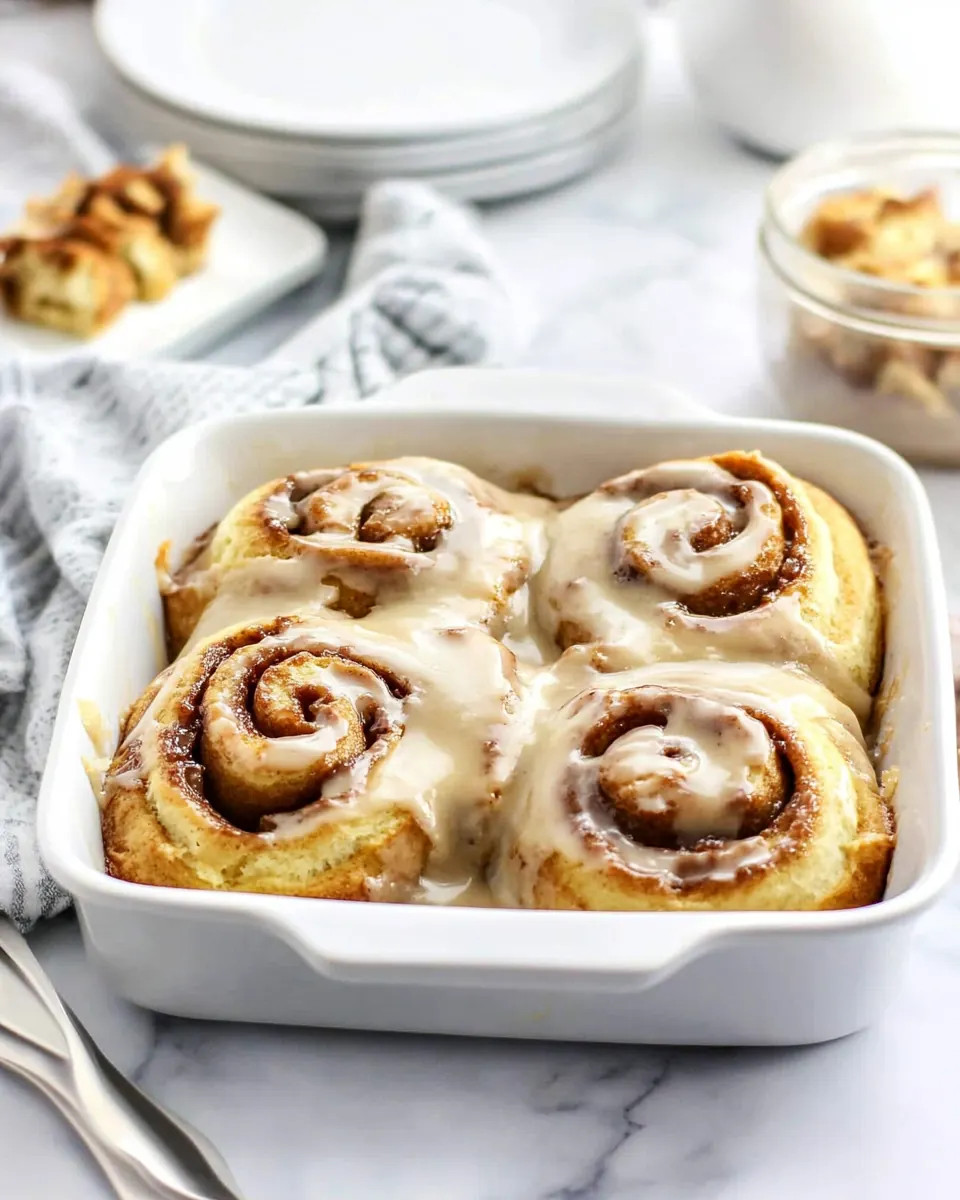
These suggestions let you tailor the Overnight Toffee Cinnamon Rolls to taste and schedule. I like to keep a few consistent practices, like keeping dairy warm and using gentle rolling, while experimenting with mix ins and glaze thickness. Below are practical tips you can try at home.
- Use the butter wrapper tip Use the residue of butter on the butter wrapper to coat the top of the dough, it s a convenient way to add a thin protective film without extra dishes.
- Adjust glaze consistency If the caramel glaze is too thick to drizzle easily, add more milk one teaspoon at a time until you reach the desired pourable texture.
- Chill timing flexibility You can refrigerate the dough up to two days, which helps plan for gatherings and keeps mornings relaxed.
- Even slicing Use a sharp knife or unflavored dental floss to cut clean, even slices so rolls bake uniformly without squashing the spiral.
- Control browning If the tops start to get dark before centers are done, tent gently with foil for the last 5 to 10 minutes to preserve color while finishing bake.
Perfect Matches for Overnight Toffee Cinnamon Rolls
These rolls pair wonderfully with simple beverages and light accompaniments. Serve them warmed, allowing the glaze to shimmer and the toffee bits to be pleasantly soft yet slightly crisp. They are ideal for a relaxed brunch, holiday morning or any special occasion where you want a sweet centerpiece. Below are thoughtful serving ideas and practical storage notes to keep your rolls tasting their best.
- Serve warm with coffee A freshly brewed pot or a creamy latte complements the buttery sweetness and balances the richness.
- Brunch centerpiece Present these on a platter at brunch, alongside fruit and a simple yogurt dish to add contrast and freshness.
- Holiday mornings These work beautifully for festive occasions, offering an indulgent, shareable treat that feels celebratory.
- Storage on the counter Store leftover rolls in an airtight container at room temperature for up to two days, keeping them soft and tender.
- Reheat gently Warm individual rolls in the microwave for 10 to 15 seconds to revive the gooey texture before serving.
- Make ahead flexibility Prepare the dough one to two days ahead and refrigerate, then bake the morning of for the freshest results.
FAQ
Conclusion
What makes these rolls special is their effortless combination of tender, enriched dough, spiced brown sugar filling, and crunchy toffee that creates a bakery worthy bite. Give them the overnight rest and the reward is a richer flavor and a beautifully soft texture that feels indulgent but manageable. I hope you try these on a slow morning or for a special gathering, because they transform a routine breakfast into something memorable and shareable.
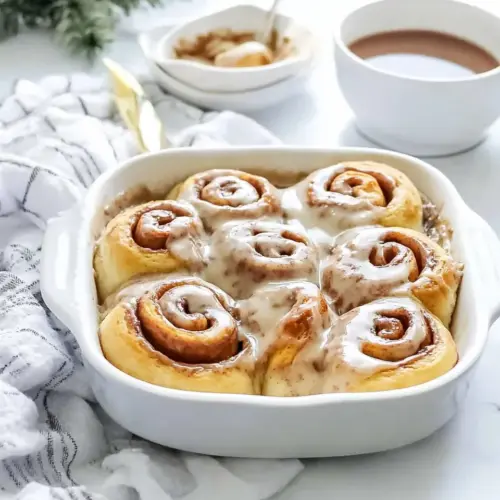
Overnight Toffee Cinnamon Rolls
Equipment
- Large Bowl
- Pastry blender or two forks
- Saucepan
- 13 x 9 inch pan
- Rolling Pin
Ingredients
- 3 -1/3 cups all-purpose flour 427 grams Provide structure and bulk to the dough, supplying gluten for chewiness and stability; measure accurately by spooning into the cup for consistent texture. Combine with liquids to form the base of the rolls and ensure a tender crumb when properly developed and rested.
- 1/4 cups sugar 32 grams Add gentle sweetness to the dough, balancing flavors and aiding browning during baking; dissolve into the wet ingredients to distribute evenly. Promote fermentation by feeding yeast slightly and contribute to the overall flavor profile of the rolls.
- 1 teaspoons salt Enhance overall flavor balance and strengthen gluten network slightly, helping to control yeast activity; dissolve fully into the dough for even seasoning. Regulate sweetness perception and bring out other ingredients without overpowering the mix.
- 1/2 cup unsalted butter softened Provide rich fat for tenderness and flavor in the dough, coating flour proteins to yield a softer crumb; soften to room temperature for smooth incorporation. Contribute to mouthfeel and help extend freshness of the baked rolls when mixed properly.
- 1 envelope Fleischmann's® RapidRise™ Yeast Leaven the dough quickly by producing carbon dioxide, enabling overnight rise with a predictable schedule; sprinkle or mix according to package instructions for reliable activation. Support a light, airy texture in the final rolls when combined with warm liquids.
- 1 cup whipping cream Contribute richness and a high-fat content that tenderizes the dough and adds a silky mouthfeel; keep chilled or at recipe temperature as required for proper dough consistency. Add depth of flavor and assist in creating a softer crumb for the overnight rise.
- 1/2 cup milk Adjust dough hydration and help activate yeast when warmed slightly; combine with cream and other liquids for proper dough consistency. Influence final texture and softness of the rolls by controlling the amount and temperature used.
- 3 egg yolks Provide richness, color, and binding power without adding extra water that could weaken the dough; incorporate yolks to enrich flavor and strengthen the rolled pastry. Contribute to tenderness and a glossy finish in the baked rolls when blended with the wet ingredients.
- 2 tablespoons unsalted butter softened Supply additional fat for the filling or dough, enhancing flavor and creating a spreadable consistency; soften to ensure even layering when rolled. Aid in producing a tender, buttery interior and help the filling adhere to the dough surface.
- 1/4 cup brown sugar Add deep caramel-like sweetness to the filling, melting into a gooey layer that pairs with spices; sprinkle evenly for consistent flavor in each roll. Help create a sticky, flavorful center that complements the toffee bits.
- 1 -1/2 teaspoons ground cinnamon Impart warm, aromatic spice to the filling, enhancing sweetness and adding complexity; mix thoroughly with the sugar to distribute evenly. Elevate overall flavor and provide a classic cinnamon roll profile when combined with buttery filling.
- 1/2 cup toffee bits Contribute crunchy, sweet, and buttery-toffee bits to the filling for texture contrast and concentrated caramel flavor; fold into the filling just before rolling to avoid melting. Offer bursts of chewiness and toffee richness throughout each baked roll.
- 1/4 cup unsalted butter Add a layer of rich butter to the filling or sauce, creating a smooth, glossy texture and enhancing flavor; melt or soften as directed for even spreading. Help bind sugar and cinnamon into a cohesive filling and promote caramelization during baking.
- 1/2 cup brown sugar Provide another layer of molasses-like sweetness for the filling or sauce, creating depth and a sticky caramel consistency; combine with butter to form a cohesive filling. Enhance chewiness and create a luxuriously sweet center in the finished rolls.
- 4 tablespoons milk Adjust sauce or dough consistency and facilitate caramelization when heated; whisk into sauces to smooth and thin without separating. Contribute mild dairy flavor and help achieve the desired pourable texture for glazes or fillings.
- 1 -1/2 cups powdered sugar Create a smooth, sweet glaze base that thickens when combined with liquids and adds a delicate finish to the rolls; sift before mixing to avoid lumps. Balance sweetness and texture while making the frosting easy to spread or drizzle over cooled buns.
- 1 teaspoon pure vanilla extract Add aromatic flavor and enhance sweetness perception in the glaze, providing a rounded finish; stir into the powdered sugar mixture for uniform taste. Bring subtle floral and vanilla notes that complement the toffee and cinnamon components.
Instructions
- Combine flour, sugar and salt in a large bowl. Cut in butter with pastry blender or two forks until mixture resembles coarse crumbs. Stir in undissolved yeast.: When you work the all purpose flour with the softened unsalted butter , you want a sandy texture, not a paste; this creates a tender dough while still allowing enough structure to form. You will feel small pea sized bits of butter in the flour, and the mixture should look evenly speckled. The aroma will be faintly sweet from the sugar, nothing overpowering yet. This step matters because those buttery pockets melt during baking, leaving tender layers. A common mistake is overworking here and warming the butter too much, which yields a greasy, dense dough, so work quickly and chill hands if needed.
- Heat the cream and milk until very warm over stovetop or microwave (120° to 130°F). Add egg yolks, mixing well.: You should feel a gentle warmth when you touch the container, not hot, and you may notice a comforting dairy aroma as the liquids heat. Whisking in the egg yolks creates a silky, homogenous mixture that will help tenderize the dough and add richness. The warmth activates components for a smooth integration but keep it under 130°F to avoid cooking the yolks. If the liquid feels too hot, let it cool slightly; if too cool, it may not meld well. Avoid rapid pouring, which can scramble eggs if temperature control is off.
- Add to flour mixture and stir just until dry ingredients are moistened. Spread light film of butter on dough to prevent drying. Cover bowl with plastic wrap and refrigerate overnight or up to 2 days.: At this point the texture should be shaggy and slightly sticky, not a dense ball. The dough will come together as you fold the wet into the dry; resist adding extra flour, because the overnight chill helps firm the dough. Coating the surface with a thin layer of unsalted butter prevents a skin from forming and preserves moisture during slow fermentation. Refrigeration deepens flavor and improves texture, so plan ahead. A frequent error is leaving the dough uncovered or too exposed, which creates a tough outer crust, so check your wrap.
- Turn dough out onto a lightly floured surface and knead a few turns to shape into a ball. Roll the dough into a 12 x 16-inch rectangle. Spread with softened butter.: When you knead briefly, the dough should feel springy and slightly tacky, not sticky. Rolling into a rectangle gives you consistent spiral layers; use even pressure and rotate the dough occasionally to maintain shape. The softened unsalted butter spread across the surface should be thin but even, creating a lubricated layer that helps the filling adhere and the spirals seal tightly. If the dough resists rolling or shrinks back, let it rest for a few minutes to relax the gluten; forcing it will result in a tight, tough roll.
- Combine brown sugar and cinnamon and sprinkle over butter, followed by the toffee chips. Roll up jellyroll style and pinch seams to seal. Cut roll into 15 equal slices. Arrange cut side up, in a greased 13 x 9-inch pan.: As you sprinkle the brown sugar and ground cinnamon , you will see the surface take on a speckled, caramelized look. The toffee bits add little glints of texture across the layer. When you roll jellyroll style, keep a gentle, consistent tension to form tight spirals; the seam should be pinched to prevent unrolling during rise. Cutting into even portions ensures uniform baking; a sharp knife or dental floss gives a clean cut. A common slip is cutting uneven slices, which can make some rolls under or over baked.
- Let rolls rise in a warm place until nearly double, about 1 hour. Bake in preheated 350°F oven for 30 to 35 minutes or until light brown. If rolls are browning too quickly, cover lightly with a piece of foil for the last 5 to 10 minutes of baking.: During the rise you will notice the rolls puff and soften, a visible sign that the yeast is doing its work; the surface will become slightly domed. In the oven, the aroma will deepen to warm caramel and cinnamon, and you will see the edges become golden. The correct visual cue is a uniform light brown top; underbaked dough looks pale and yields a gummy interior. Tent with foil if the tops brown too fast, which is helpful to avoid dark crusts while the center finishes baking. Using an oven thermometer helps prevent temperature surprises.
- Remove rolls from oven and let cool a few minutes before removing from pan. Cool 10 minutes and frost.: After baking, the smell is luscious and buttery, and the rolls will relax as steam escapes. Letting them rest makes them easier to transfer without tearing and allows the interior to set slightly, avoiding a runny center. Cooling 10 minutes keeps them warm enough for the glaze to meld but not so hot that the icing melts away entirely. A common error is frosting too soon, which causes a very thin glaze that runs off; wait the recommended time for the best balance of sheen and coverage.
- To make caramel icing, melt butter in small saucepan. Add brown sugar and cook, stirring constantly, until mixture just comes to a boil. Remove from heat; stir in milk. Add powdered sugar and vanilla, beating until smooth. Drizzle warm icing over rolls.: As you cook the brown sugar with melted unsalted butter , the mixture will smell richly caramelized and begin to thicken; watch it closely as it can go from perfect to too dark quickly. Once you stir in the milk , the mixture will loosen and steam, and the final addition of powdered sugar gives body and a glossy finish. The warm icing should drizzle easily and form ribbons over the rolls that settle into crevices. If the glaze seems too thick, add small increments of milk until pourable. Avoid boiling too long, which makes a brittle glaze instead of a velvety one.
Notes
- Use the butter wrapper tip Use the residue of butter on the butter wrapper to coat the top of the dough, it s a convenient way to add a thin protective film without extra dishes.
- Adjust glaze consistency If the caramel glaze is too thick to drizzle easily, add more milk one teaspoon at a time until you reach the desired pourable texture.
- Chill timing flexibility You can refrigerate the dough up to two days, which helps plan for gatherings and keeps mornings relaxed.
- Even slicing Use a sharp knife or unflavored dental floss to cut clean, even slices so rolls bake uniformly without squashing the spiral.
- Control browning If the tops start to get dark before centers are done, tent gently with foil for the last 5 to 10 minutes to preserve color while finishing bake.
