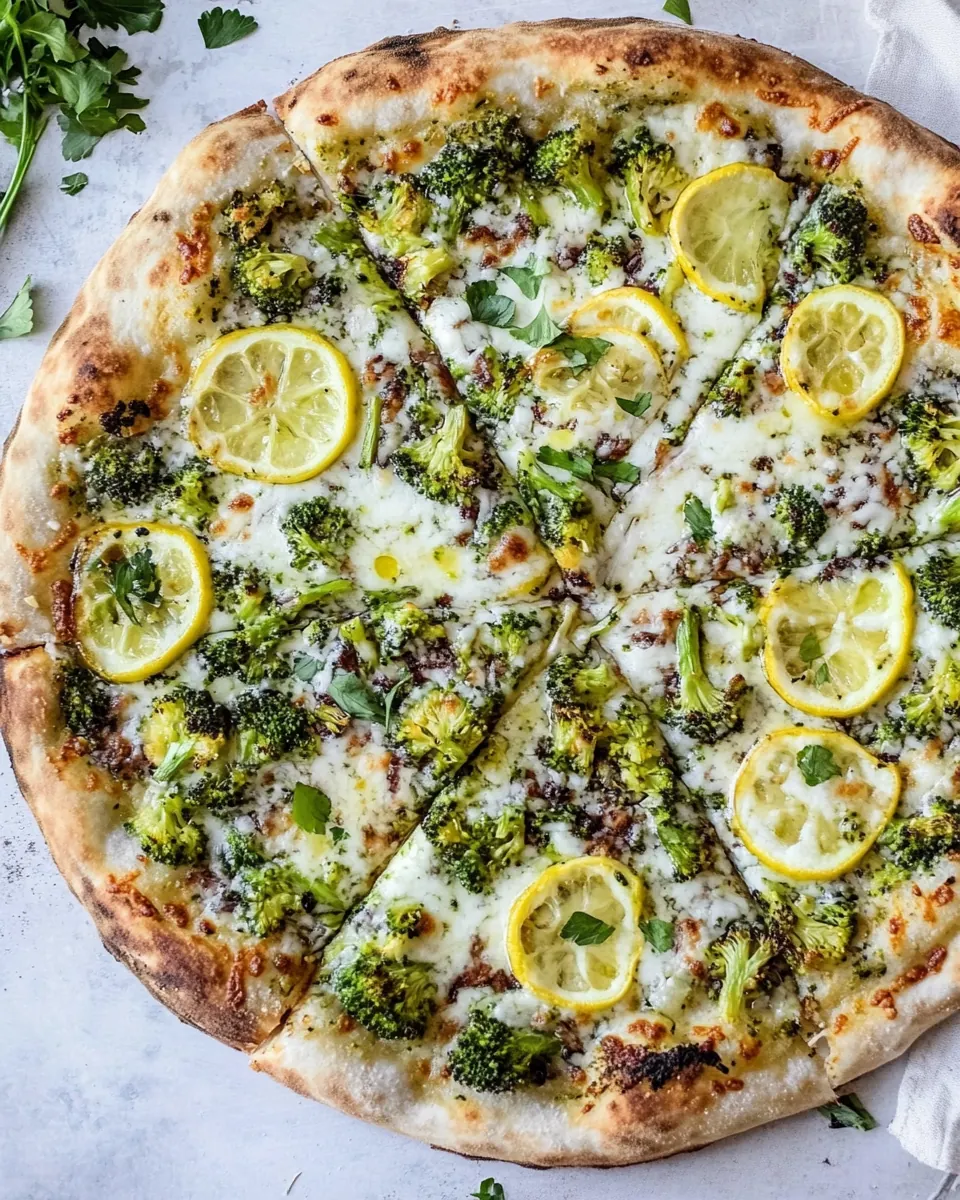
Whole Wheat Lemon Roasted Broccoli Pizza
Whole Wheat Lemon Roasted Broccoli Pizza arrived in my kitchen on a rushed weeknight when I had little more than hungry appetites and a half jar of pesto to work with.
That first time I pulled this pie from the oven, the air in my apartment filled with bright citrus and warm crust, and I remember thinking how unexpected yet comforting the pairing felt. I had a bag of broccoli that needed using and a tub of whole wheat pizza dough that promised something wholesome. Rather than reach for heavy sauces, I wanted a pizza that tasted lively and fresh, so I leaned into lemon and herbs, and the results were better than I hoped.
Since then, this version of Whole Wheat Lemon Roasted Broccoli Pizza has become my go to when friends swing by with varied diets. It feels celebratory without being fussy, and it teaches a simple lesson about contrast: crisp crust, creamy mozzarella, and bright citrus make each bite sing. I find myself swapping small things in and out depending on the season, but I always come back to the core idea of letting the broccoli and lemon shine.
Recipe Snapshot
30 mins
15 mins
15 mins
Easy
260 kcal
Mediterranean
Vegan, Gluten-Free
Dinner
Oven, Baking sheet, Mixing bowl, Microplane
Why You Need This Whole Wheat Lemon Roasted Broccoli Pizza
Bright, Balanced Flavor
I truly love how Whole Wheat Lemon Roasted Broccoli Pizza balances earthy and bright notes. The lemon zest and thin slices of lemon cut through the richness of the mozzarella and feta cheese, creating a lively bite that keeps you reaching for another slice.
Texture Contrast
The combination of a slightly chewy whole wheat pizza dough crust, tender roasted broccoli, and pockets of melted mozzarella delivers a satisfying range of textures. I love the little crunch from the edges of the crust paired with the creamy cheese and the bright pop from the microgreens.
Speed and Simplicity
This pizza comes together quickly, which is a huge reason I make it on busy nights. With about half an hour from start to finish, you get an easy weeknight dinner that feels elevated, especially when you use good quality basil pesto and sun soaked sun-dried tomatoes.
Room for Personalization
One of my favorite things is how forgiving this pie is. You can change quantities, swap store–bought for homemade, or adjust the amount of crushed red pepper flakes to dial the heat up or down. That freedom makes it ideal for feeding a crowd with varied tastes.
Fresh Finish
Finishing the pizza with spicy microgreens adds freshness and a peppery lift that brightens the whole pie. I always feel like the final touch turns a great pizza into something special.
What to Gather for Whole Wheat Lemon Roasted Broccoli Pizza
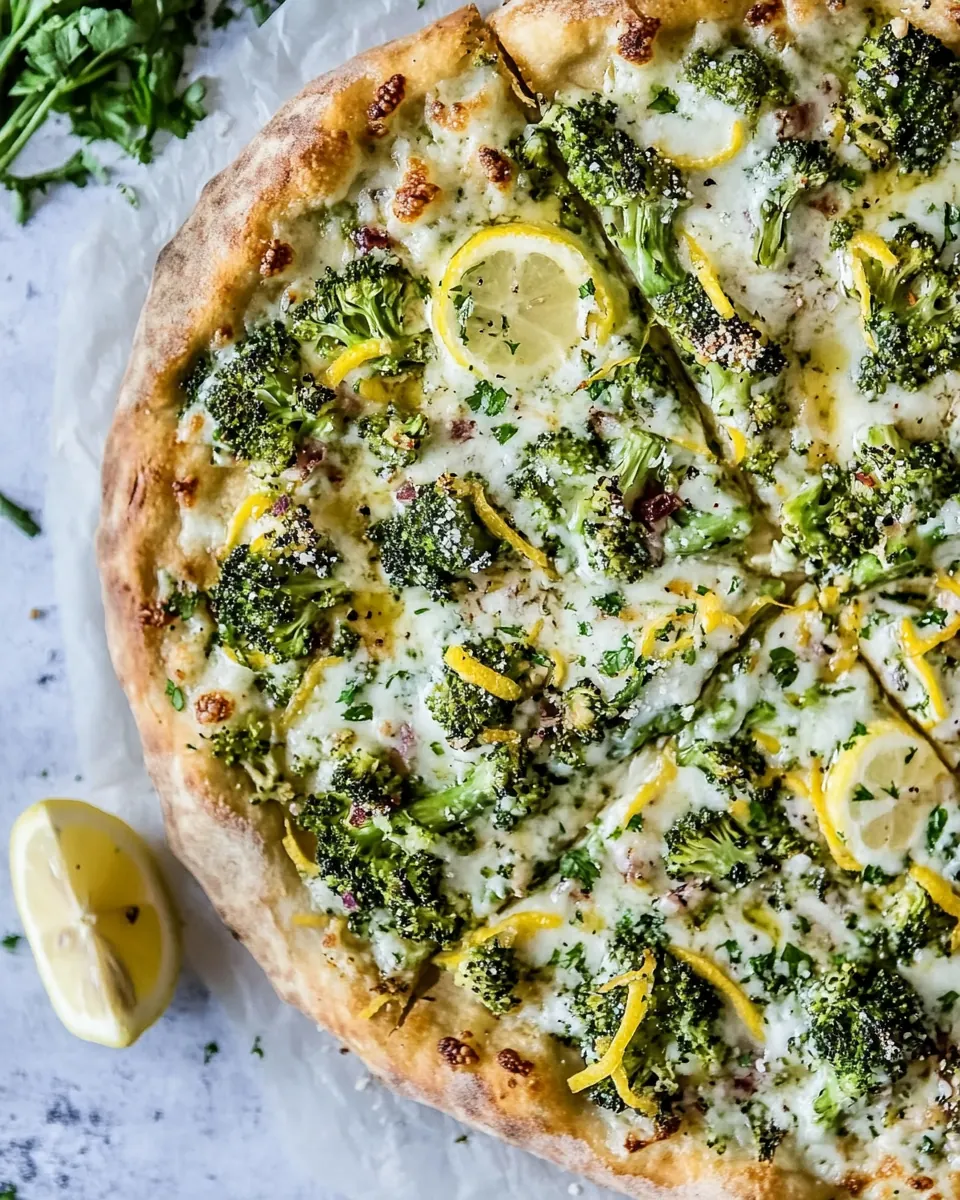
These ingredients were chosen to create contrast and depth without overcomplicating the process. The whole wheat pizza dough supplies a hearty base, while the basil pesto brings herbaceous richness. Sun soaked sun-dried tomatoes and kalamata olives add concentrated umami, and the dual cheeses, mozzarella and feta cheese, give creamy melt and salty tang. Bright notes from lemon and fresh spicy microgreens lift the whole pie.
- 1/2 pound whole wheat pizza dough, store-bought or homemade: Provide a sturdy, whole-grain base that adds nutty flavor and chewy texture to the pizza while holding toppings during baking; allow to come to room temperature before stretching for easier handling and even cooking.
- 1/4 cup basil pesto, homemade or store-bought: Add a fragrant, herbaceous layer that brings savory depth and moisture to the crust; spread evenly to form a flavor foundation and prevent soggy spots by using a thin, even layer.
- 1/4 cup oil packed sun-dried tomatoes, chopped: Contribute concentrated sweet-tart tomato flavor and chewy texture that complements the pesto and cheeses; scatter chopped pieces to distribute bursts of umami throughout each slice.
- 1/4 cup pitted kalamata olives, chopped: Introduce briny, salty complexity and a tender bite that contrasts with the roasted broccoli and cheeses; chop to small pieces so the olive flavor is balanced across the pizza.
- zest of 1/2 a lemon: Provide bright citrus aroma and a zesty lift that cuts through the richness of cheeses and oil; sprinkle finely to ensure the lemon oils are dispersed without adding bitterness.
- pinch of crushed red pepper flakes: Deliver a subtle heat and smoky dimension that enhances overall flavor without overpowering; use sparingly and adjust to taste for a pleasant background warmth.
- 8 ounces fresh mozzarella, torn: Contribute creamy, melty richness and mild milky flavor that binds toppings and creates appealing cheese pull; tear into irregular pieces for even melting and texture variation.
- 2 cups broccoli florets, roughly chopped: Add fresh, earthy vegetable content that roasts to tender-crisp florets, offering a slight bite and caramelized notes; toss with a little oil and roast briefly before adding to the pizza.
- 1/4 cup crumbled feta cheese: Provide tangy, salty contrast and crumbly texture that complements the mozzarella and pesto; sprinkle evenly after roasting to add pockets of bright, savory flavor.
- 1/2 of a Meyer lemon, thinly sliced: Offer thin, slightly bitter citrus slices that add aromatic oils and a hint of acidity when roasted on the pizza; slice thinly to avoid overpowering and to make them easy to eat with slices.
- 1/2 cups spicy microgreens: Bring a peppery, spicy freshness and delicate crunch as a finishing touch after baking; add just before serving to preserve texture and vibrant color.
Putting Together Whole Wheat Lemon Roasted Broccoli Pizza
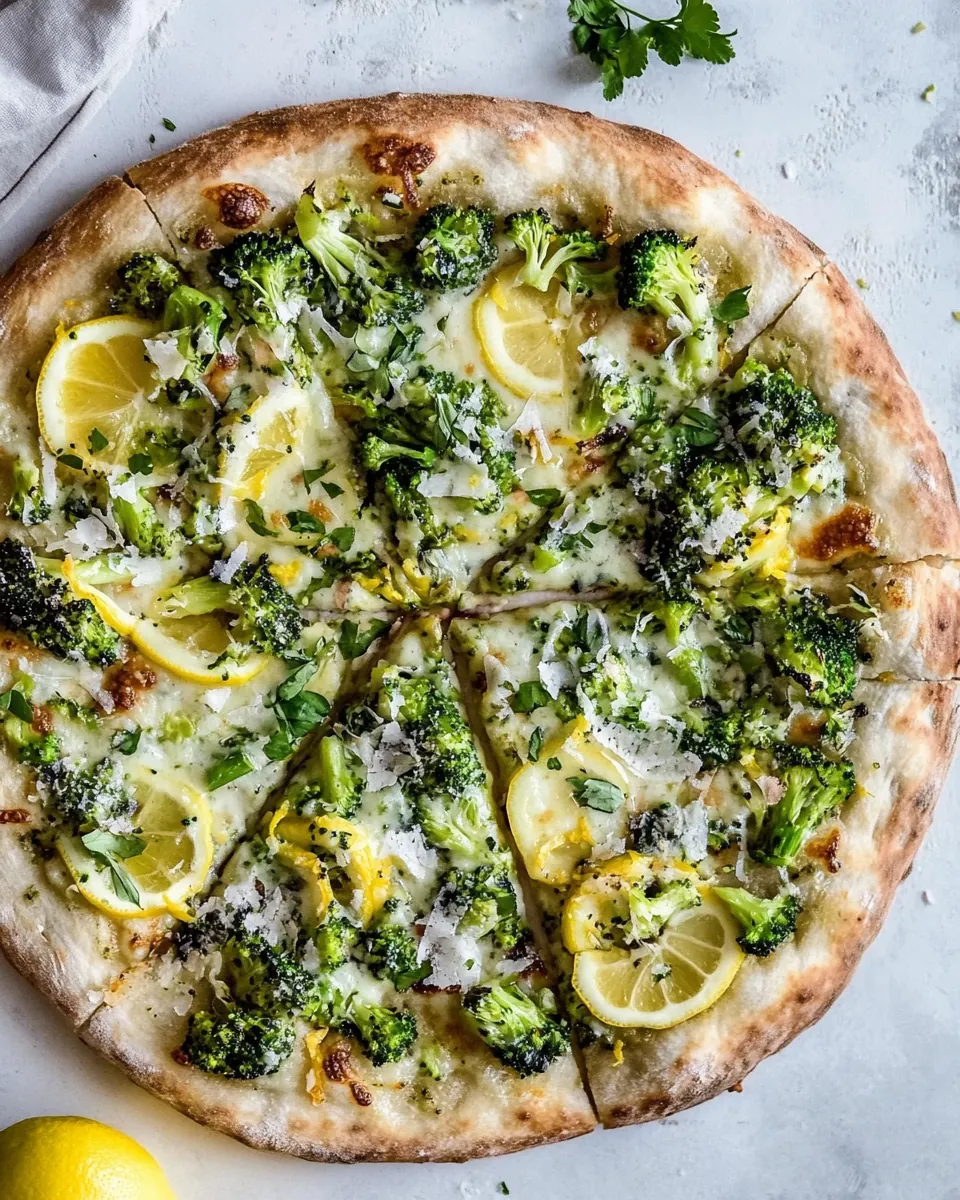
I like keeping the instructions conversational and detailed so you can rely on sensory cues instead of a strict clock. Below, each step explains what you should expect to see, hear, and smell, along with why it matters and a common pitfall to watch for.
- Preheat oven to 425 degrees F. Grease a baking sheet with olive oil. On a lightly floured surface, push/roll the dough out until it is very thin. For SUPER thin pizza, divide the dough into two, and roll out. Transfer the dough to the prepared baking sheet. Spread the dough with pesto. Add the sun-dried tomatoes, olives, lemon zest, crushed red pepper flakes, and mozzarella. Drizzle the broccoli with 1 tablespoon of oil from the sun-dried tomatoes. Add the broccoli and top with 3-4 lemon slices. Sprinkle on the feta. Transfer to the oven and bake 10-15 minutes or until the crust is crisp and the cheese has melted. Remove the pizza from the oven and top with microgreens. EAT!: When the oven reaches 425 degrees F , you should feel a steady heat and hear the faint hum from the heating elements if you listen close. This temperature helps the whole wheat pizza dough develop a crisp exterior while staying tender inside. If the oven is not fully heated, the crust can become dense rather than airy, so give the oven time to stabilize. A common mistake is placing the pizza in too early which leads to uneven rise and a chewy center.
- Grease a baking sheet with olive oil: You will smell the olive oil warming slightly when it hits the pan, and a thin sheen prevents sticking while encouraging a golden bottom crust. Greasing also helps transfer heat directly into the dough for better browning. Avoid using too much oil which can make the crust greasy, instead spread a light, even layer with a paper towel or brush.
- Push roll the dough out until it is very thin: As you press or roll, you will feel the dough stretch and give, and you should be able to see a faint translucency at the edges when it is thin enough. Thin dough crisps more quickly and provides a satisfying contrast to the melting cheeses. Overworking the dough is a common error, it can create toughness, so rest it briefly if it springs back too much.
- Divide dough for SUPER thin pizza: If you want a super thin crust, split the dough and roll each portion separately, which will make two thinner pies that bake faster. The sound of a rapidly browning edge is a good indicator the crust is nearly done. A mistake here is rolling too thin in spots, which can cause toppings to make the dough soggy and lead to tears when transferring.
- Transfer the dough to the prepared baking sheet: As you move the stretched dough, feel its weight and make sure it lies flat on the greased sheet; this helps ensure even contact with the hot surface. A gentle lift and slide is better than dragging which can stretch the dough out of shape. If the dough resists, let it rest a minute, then try again to prevent springing back and uneven thickness.
- Spread the dough with pesto: Applying basil pesto should leave a green, aromatic layer that smells herbaceous and slightly garlicky. The pesto sears into the dough while baking, adding deep flavor without making the crust soggy if used sparingly. Using too much pesto can prevent the crust from crisping correctly, so spread a thin, even coating.
- Add sun dried tomatoes olives lemon zest crushed red pepper flakes and mozzarella: As you scatter the sun-dried tomatoes , kalamata olives , zest of 1/2 a lemon , pinch of crushed red pepper flakes , and torn mozzarella , notice the bright citrus aroma from the zest and the salty tang from the olives. These toppings combine umami, salt, and brightness to create complex flavors. Crowding the pizza with too many toppings can prevent proper melting and crisping, so keep things balanced.
- Drizzle the broccoli with 1 tablespoon of oil from the sun dried tomatoes: When you toss the broccoli with the oil from the jar, it glistens and becomes primed to roast quickly, picking up sweet and savory notes from the oil. This step helps the florets caramelize instead of steaming in the oven. A common mistake is skipping the oil which can leave the broccoli dry and undercooked.
- Add the broccoli and top with 3 to 4 lemon slices: Place the oiled broccoli evenly across the pizza and nestle thin lemon slices on top so they lightly roast and release fragrant juice. The roasted lemon becomes mellow and slightly jammy, adding a lovely bright touch. Watch that the lemon slices are thin; thick slices may not soften and can dominate a bite.
- Sprinkle on the feta: The crumbled feta cheese will sit on top and bake into small creamy, tangy pockets that contrast the melted mozzarella . You will see the feta soften but not fully melt, which is perfect for texture contrast. Over-salting is a common pitfall, since feta cheese is already salty, so measure thoughtfully.
- Transfer to the oven and bake 10 to 15 minutes or until the crust is crisp and the cheese has melted: In the oven you will hear a gentle crackle as the crust browns and see the mozzarella bubble and the edges take on golden color. Baking time depends on thickness, so check for a crisp bottom and bubbling cheese rather than only relying on the timer. A typical error is underbaking; the center should be set and the edges crisp before removal.
- Remove the pizza from the oven and top with microgreens: As soon as the pizza comes out, the heat releases aromas from the toppings, and scattering spicy microgreens adds immediate freshness and a peppery snap. The contrast of hot pie and cool greens is delightful. A mistake to avoid is waiting too long to add the microgreens, they are best added immediately so they retain crispness.
- EAT: When you bite into a slice, expect a burst of citrus, creamy cheese pull, and tender broccoli with chewy crust. Serve while warm, and savor the layered textures and bright finish. The main slip up here is letting it sit too long which flattens the microgreens and softens the crust.
Making Adjustments
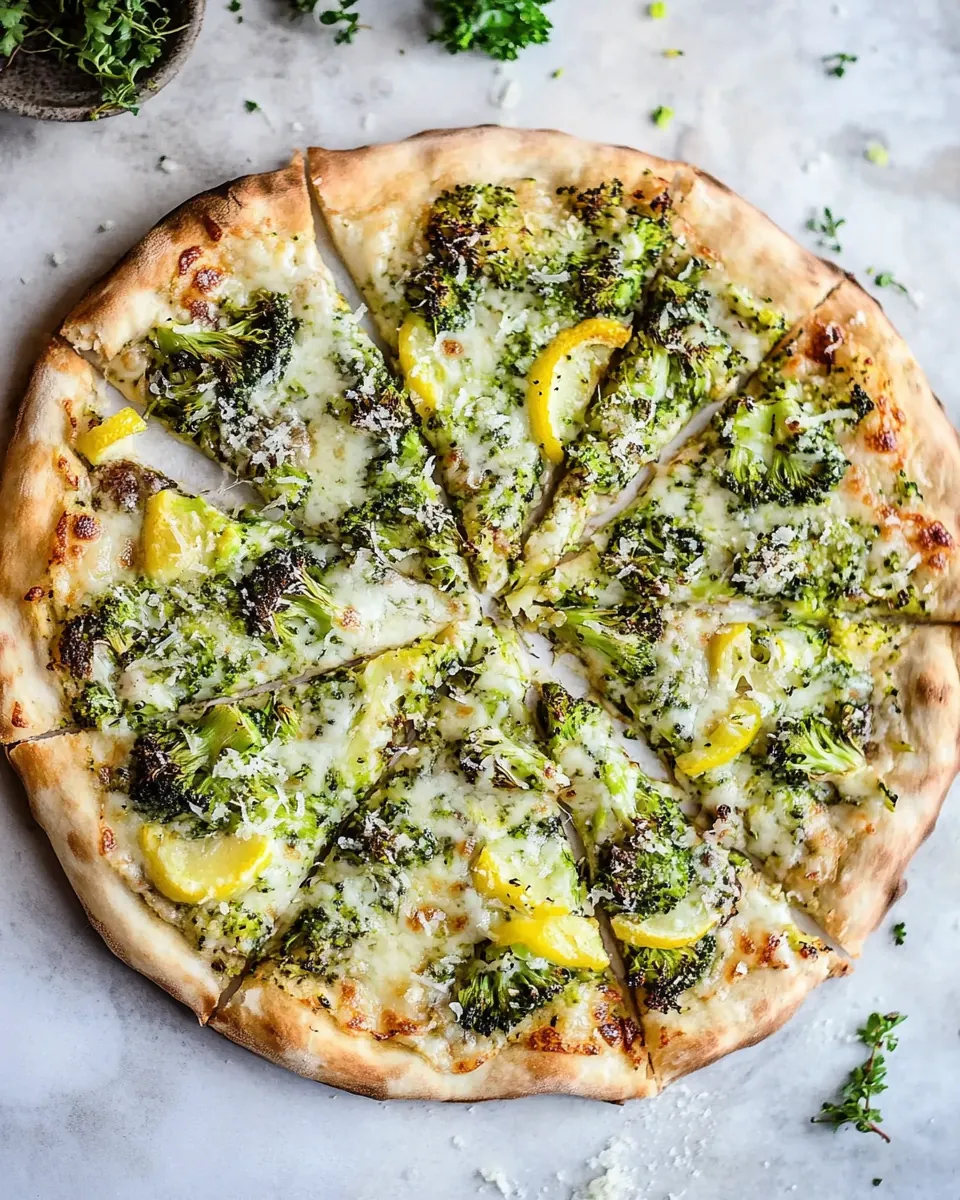
This pizza is flexible by design, so these tips help you refine texture, seasoning, and timing. Small adjustments change the final profile and let you tailor the pie to occasion and appetite.
- Adjusting crust thickness — Roll thinner for a crisp, almost cracker like base, or keep it slightly thicker for chewier, bread like slices. Baking time will vary accordingly, so watch for a golden edge and a crisp bottom.
- Heat level — Increase the amount of crushed red pepper flakes if you want more heat, adding a bit at a time so it does not overpower the citrus and cheese.
- Balancing salt — Since feta cheese and kalamata olives are already salty, taste the basil pesto first if it is store bought, and reduce added salt if needed.
- Broccoli preparation — Cut the broccoli into uniformly sized florets so they cook evenly. Smaller pieces will brown faster and provide more caramelized bits across the pizza.
- Using leftover dough — If you have leftover whole wheat pizza dough, freeze it wrapped tightly for up to 1 month, then thaw overnight in the fridge before using again.
Pairing Suggestions for Whole Wheat Lemon Roasted Broccoli Pizza
This pizza pairs well with light salads or simple sides and suits casual gatherings or weeknight dinners. Below are serving ideas, occasions, and storage tips to help you present and preserve the dish.
- Simple green salad — A bowl of mixed greens with a light lemon vinaigrette complements the citrus notes of the pizza and keeps the meal feeling fresh for lunch or dinner.
- Roasted vegetable tray — Serve alongside an assortment of roasted seasonal vegetables to create a vegetable forward spread for a relaxed weekend meal.
- Brunch option — Offer slices at brunch paired with fresh fruit and a bright herb salad for a lovely midday meal.
- Casual dinner — Present the pizza with extra basil pesto on the side and a bowl of olives for those who want more savory elements, making it a crowd pleasing weeknight dinner.
- Entertaining — Cut into small squares and serve as party bites topped with a sprig of microgreens for a stylish appetizer at gatherings.
- Storage tips — Store leftovers in an airtight container for up to 2 days in the refrigerator. Reheat in a hot oven until crisp to revive the crust and keep the microgreens separate until serving.
- Seasonal pairings — In spring, accent the pizza with additional fresh herbs and early greens to echo the bright lemon flavors and celebrate lighter seasonal produce.
FAQ
Conclusion
What makes this recipe special is the way bright citrus and roasted vegetables harmonize with melty cheese on a hearty crust. Try this pizza when you want a quick but impressive meal that feels both wholesome and festive. It’s forgiving, easy to adapt, and consistently gets compliments, so grab your dough and let the aroma and bright flavors do the rest.
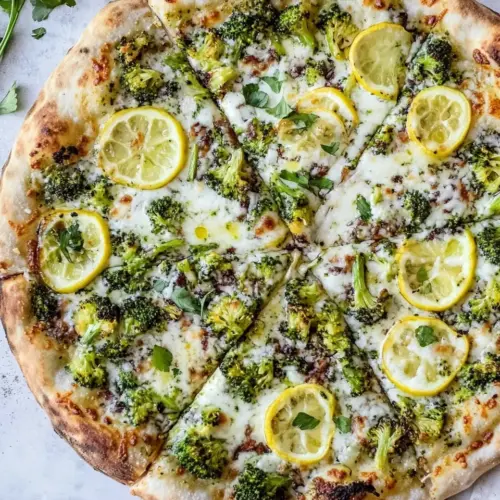
Whole Wheat Lemon Roasted Broccoli Pizza
Equipment
- Oven
- Baking Sheet
- Mixing Bowl
- Microplane
Ingredients
- 1/2 pound whole wheat pizza dough, store-bought or homemade Provide a sturdy, whole-grain base that adds nutty flavor and chewy texture to the pizza while holding toppings during baking; allow to come to room temperature before stretching for easier handling and even cooking.
- 1/4 cup basil pesto, homemade or store-bought Add a fragrant, herbaceous layer that brings savory depth and moisture to the crust; spread evenly to form a flavor foundation and prevent soggy spots by using a thin, even layer.
- 1/4 cup oil packed sun-dried tomatoes, chopped Contribute concentrated sweet-tart tomato flavor and chewy texture that complements the pesto and cheeses; scatter chopped pieces to distribute bursts of umami throughout each slice.
- 1/4 cup pitted kalamata olives, chopped Introduce briny, salty complexity and a tender bite that contrasts with the roasted broccoli and cheeses; chop to small pieces so the olive flavor is balanced across the pizza.
- zest of 1/2 a lemon Provide bright citrus aroma and a zesty lift that cuts through the richness of cheeses and oil; sprinkle finely to ensure the lemon oils are dispersed without adding bitterness.
- pinch of crushed red pepper flakes Deliver a subtle heat and smoky dimension that enhances overall flavor without overpowering; use sparingly and adjust to taste for a pleasant background warmth.
- 8 ounces fresh mozzarella, torn Contribute creamy, melty richness and mild milky flavor that binds toppings and creates appealing cheese pull; tear into irregular pieces for even melting and texture variation.
- 2 cups broccoli florets, roughly chopped Add fresh, earthy vegetable content that roasts to tender-crisp florets, offering a slight bite and caramelized notes; toss with a little oil and roast briefly before adding to the pizza.
- 1/4 cup crumbled feta cheese Provide tangy, salty contrast and crumbly texture that complements the mozzarella and pesto; sprinkle evenly after roasting to add pockets of bright, savory flavor.
- 1/2 of a Meyer lemon, thinly sliced Offer thin, slightly bitter citrus slices that add aromatic oils and a hint of acidity when roasted on the pizza; slice thinly to avoid overpowering and to make them easy to eat with slices.
- 1/2 cups spicy microgreens Bring a peppery, spicy freshness and delicate crunch as a finishing touch after baking; add just before serving to preserve texture and vibrant color.
Instructions
- Preheat oven to 425 degrees F. Grease a baking sheet with olive oil. On a lightly floured surface, push/roll the dough out until it is very thin. For SUPER thin pizza, divide the dough into two, and roll out. Transfer the dough to the prepared baking sheet. Spread the dough with pesto. Add the sun-dried tomatoes, olives, lemon zest, crushed red pepper flakes, and mozzarella. Drizzle the broccoli with 1 tablespoon of oil from the sun-dried tomatoes. Add the broccoli and top with 3-4 lemon slices. Sprinkle on the feta. Transfer to the oven and bake 10-15 minutes or until the crust is crisp and the cheese has melted. Remove the pizza from the oven and top with microgreens. EAT!: When the oven reaches 425 degrees F , you should feel a steady heat and hear the faint hum from the heating elements if you listen close. This temperature helps the whole wheat pizza dough develop a crisp exterior while staying tender inside. If the oven is not fully heated, the crust can become dense rather than airy, so give the oven time to stabilize. A common mistake is placing the pizza in too early which leads to uneven rise and a chewy center.
- Grease a baking sheet with olive oil: You will smell the olive oil warming slightly when it hits the pan, and a thin sheen prevents sticking while encouraging a golden bottom crust. Greasing also helps transfer heat directly into the dough for better browning. Avoid using too much oil which can make the crust greasy, instead spread a light, even layer with a paper towel or brush.
- Push roll the dough out until it is very thin: As you press or roll, you will feel the dough stretch and give, and you should be able to see a faint translucency at the edges when it is thin enough. Thin dough crisps more quickly and provides a satisfying contrast to the melting cheeses. Overworking the dough is a common error, it can create toughness, so rest it briefly if it springs back too much.
- Divide dough for SUPER thin pizza: If you want a super thin crust, split the dough and roll each portion separately, which will make two thinner pies that bake faster. The sound of a rapidly browning edge is a good indicator the crust is nearly done. A mistake here is rolling too thin in spots, which can cause toppings to make the dough soggy and lead to tears when transferring.
- Transfer the dough to the prepared baking sheet: As you move the stretched dough, feel its weight and make sure it lies flat on the greased sheet; this helps ensure even contact with the hot surface. A gentle lift and slide is better than dragging which can stretch the dough out of shape. If the dough resists, let it rest a minute, then try again to prevent springing back and uneven thickness.
- Spread the dough with pesto: Applying basil pesto should leave a green, aromatic layer that smells herbaceous and slightly garlicky. The pesto sears into the dough while baking, adding deep flavor without making the crust soggy if used sparingly. Using too much pesto can prevent the crust from crisping correctly, so spread a thin, even coating.
- Add sun dried tomatoes olives lemon zest crushed red pepper flakes and mozzarella: As you scatter the sun-dried tomatoes , kalamata olives , zest of 1/2 a lemon , pinch of crushed red pepper flakes , and torn mozzarella , notice the bright citrus aroma from the zest and the salty tang from the olives. These toppings combine umami, salt, and brightness to create complex flavors. Crowding the pizza with too many toppings can prevent proper melting and crisping, so keep things balanced.
- Drizzle the broccoli with 1 tablespoon of oil from the sun dried tomatoes: When you toss the broccoli with the oil from the jar, it glistens and becomes primed to roast quickly, picking up sweet and savory notes from the oil. This step helps the florets caramelize instead of steaming in the oven. A common mistake is skipping the oil which can leave the broccoli dry and undercooked.
- Add the broccoli and top with 3 to 4 lemon slices: Place the oiled broccoli evenly across the pizza and nestle thin lemon slices on top so they lightly roast and release fragrant juice. The roasted lemon becomes mellow and slightly jammy, adding a lovely bright touch. Watch that the lemon slices are thin; thick slices may not soften and can dominate a bite.
- Sprinkle on the feta: The crumbled feta cheese will sit on top and bake into small creamy, tangy pockets that contrast the melted mozzarella . You will see the feta soften but not fully melt, which is perfect for texture contrast. Over-salting is a common pitfall, since feta cheese is already salty, so measure thoughtfully.
- Transfer to the oven and bake 10 to 15 minutes or until the crust is crisp and the cheese has melted: In the oven you will hear a gentle crackle as the crust browns and see the mozzarella bubble and the edges take on golden color. Baking time depends on thickness, so check for a crisp bottom and bubbling cheese rather than only relying on the timer. A typical error is underbaking; the center should be set and the edges crisp before removal.
- Remove the pizza from the oven and top with microgreens: As soon as the pizza comes out, the heat releases aromas from the toppings, and scattering spicy microgreens adds immediate freshness and a peppery snap. The contrast of hot pie and cool greens is delightful. A mistake to avoid is waiting too long to add the microgreens, they are best added immediately so they retain crispness.
- EAT: When you bite into a slice, expect a burst of citrus, creamy cheese pull, and tender broccoli with chewy crust. Serve while warm, and savor the layered textures and bright finish. The main slip up here is letting it sit too long which flattens the microgreens and softens the crust.
Notes
- Adjusting crust thickness — Roll thinner for a crisp, almost cracker like base, or keep it slightly thicker for chewier, bread like slices. Baking time will vary accordingly, so watch for a golden edge and a crisp bottom.
- Heat level — Increase the amount of crushed red pepper flakes if you want more heat, adding a bit at a time so it does not overpower the citrus and cheese.
- Balancing salt — Since feta cheese and kalamata olives are already salty, taste the basil pesto first if it is store bought, and reduce added salt if needed.
- Broccoli preparation — Cut the broccoli into uniformly sized florets so they cook evenly. Smaller pieces will brown faster and provide more caramelized bits across the pizza.
- Using leftover dough — If you have leftover whole wheat pizza dough, freeze it wrapped tightly for up to 1 month, then thaw overnight in the fridge before using again.
