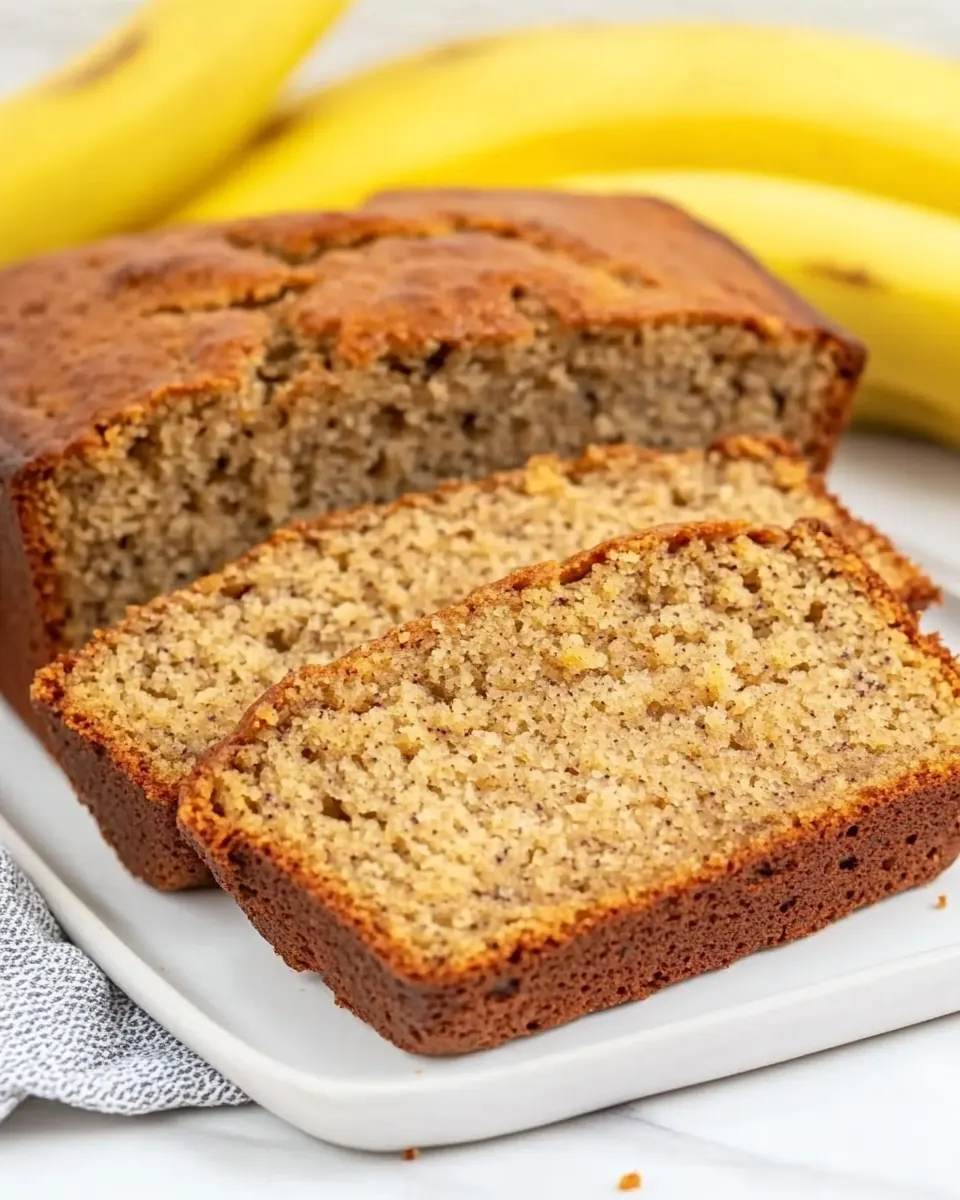
Whole Wheat Banana Bread
Whole Wheat Banana Bread has been my go to when I need something both comforting and a little virtuous at the same time. The first time I baked it I remember the humid kitchen air filling with a warm, honeyed aroma and a subtle nuttiness from the whole wheat, and I knew I had a keeper. Since then I’ve tweaked the balance of sweet and spice in small ways, but the heart of the loaf remains the same, a simple recipe that rewards patience and ripe bananas.
When friends come over for coffee I slice this loaf thick and listen to the little exclamations about texture, the check for moist crumb, and the way the crust gives a gentle, satisfying crackle. I like to keep a jar of extra mashed banana in the freezer just for moments like this, so there’s never an excuse not to bake. Over the years I’ve learned the little things that turn good banana bread into great banana bread, like avoiding over mixing and using just ripe enough bananas to bring natural sweetness without making the batter too wet.
Recipe Snapshot
55 mins
10 mins
45 mins
Medium
180 kcal
American
Vegan, Gluten-Free
Breakfast
Loaf Pan
Why This Whole Wheat Banana Bread Is So Good
Comforting and Nourishing
I love how Whole Wheat Banana Bread manages to be both indulgent and wholesome. The whole wheat gives a subtle nutty backbone that feels sturdier than white flour, while the banana and honey keep each bite tender and sweet. For me this loaf is a bowl of cozy memories and a practical snack all at once.
Simple, Reliable Ingredients
I appreciate that the ingredient list is honest and familiar. With staples like whole white wheat flour, baking powder, baking soda, table salt, canola oil, honey, vanilla extract, egg, and banana, I rarely need a special grocery run. That reliability means I can bake this on a weekday evening and still end up with something impressive.
Flexible and Forgiving
I often adapt this loaf depending on what I have on hand, and the recipe holds up. You can switch the oil or use different sweeteners and still get a lovely crumb. Because the structure relies on balanced wet and dry ratios, it’s forgiving for home bakers, which is why I reach for it when I want an easy win.
Great for Sharing
Everyone seems to appreciate a loaf to take home, and Whole Wheat Banana Bread travels well. It slices neatly, stores easily, and makes a thoughtful neighbor gift. I love packaging a few slices in wax paper and tying them with twine when I visit someone who could use a lift.
Perfect Texture and Flavor
The recipe delivers a slightly dense but tender crumb, thanks to the whole wheat and mashed banana. That texture pairs wonderfully with a smear of butter or a cup of coffee. I find that this loaf hits the sweet spot between rustic and refined, which keeps people coming back for seconds.
Ingredients to Make Whole Wheat Banana Bread
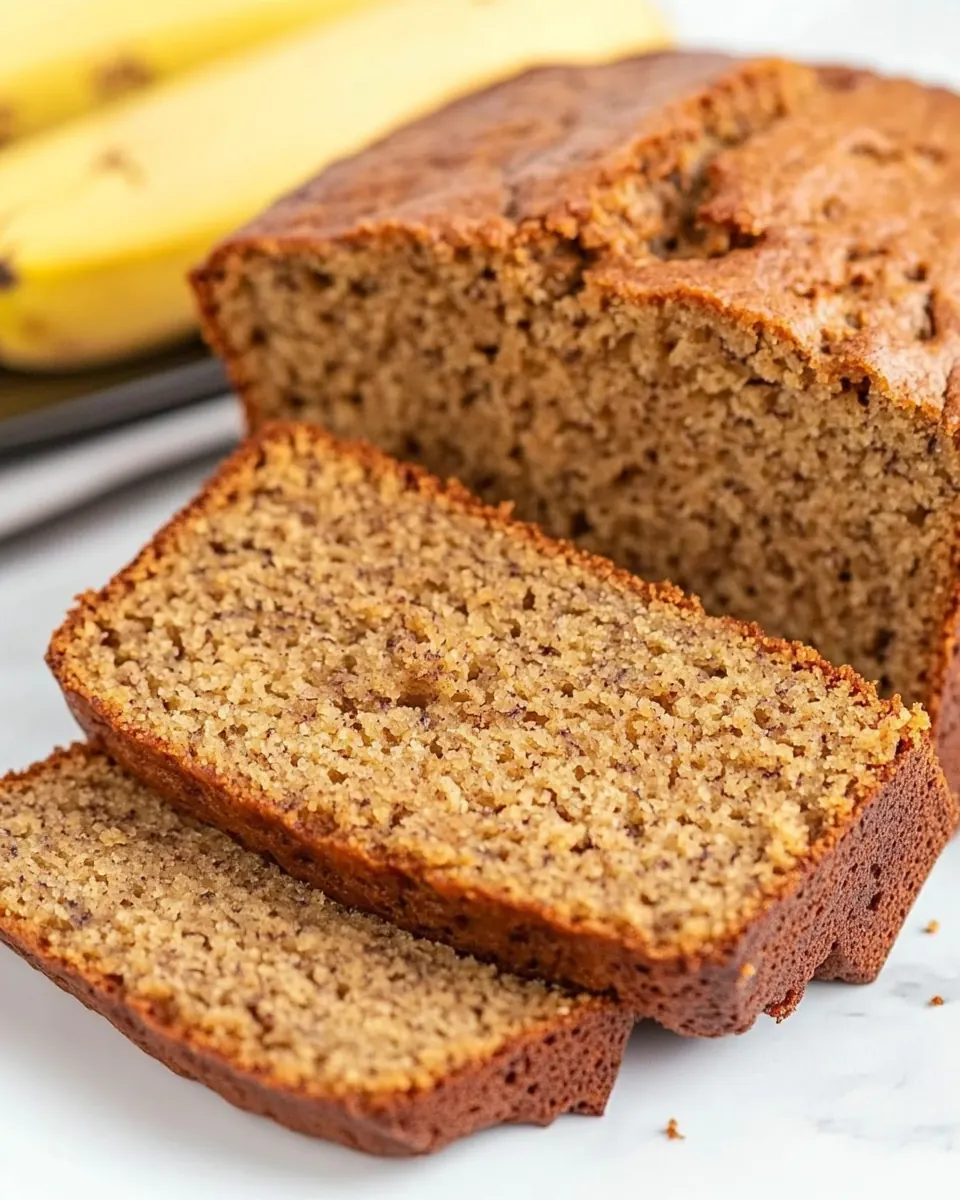
These ingredients form a simple, balanced team. The dry players create structure, while the wet players add moisture, sweetness, and binding. The key players are the whole white wheat flour for body, the banana for natural sweetness and moisture, and the honey and canola oil which keep the crumb tender. Each component contributes a clear purpose so the loaf bakes up evenly every time.
- 1 3/4 cups whole white wheat flour, or whole wheat flour: Provides a hearty, nutty base and structure for the loaf; whole white wheat flour contributes fiber and a denser crumb than all-purpose, helping the bread hold moisture. Measures are adjusted to maintain proper hydration and texture in whole-grain quick breads.
- 2 teaspoons baking powder: Leavens the batter by releasing carbon dioxide when heated, helping the bread rise and develop a light crumb. Works best when combined with the baking soda to balance acidity and encourage even lift.
- 1/2 teaspoon baking soda: Helps tenderize and gently lift the loaf by reacting with acidic components in the batter to produce additional rise; baking soda also aids browning. Use as specified to prevent metallic or soapy off-flavors from excess.
- 1/4 teaspoon table salt: Enhances overall flavor by balancing sweetness and highlighting other ingredients; salt also strengthens the gluten network slightly, improving texture. Small amounts ensure the bread tastes rounded rather than flat.
- 1/4 cup canola oil, or melted coconut oil or butter: Provides fat for tenderness, moistness, and a softer crumb while carrying flavor; canola oil is neutral, while melted coconut oil or butter add subtle flavor notes. Fat also helps with shelf life and prevents the bread from becoming dry.
- 1/2 cup honey, or maple syrup: Sweetens and adds moisture while contributing to caramelization and browning; honey offers distinctive floral notes whereas maple syrup gives a deeper, woodsy flavor. Liquid sweeteners also affect batter hydration and may slightly change baking time.
- 3/4 teaspoon vanilla extract: Adds aromatic sweetness and deepens the overall flavor profile with warm, perfumed notes; vanilla enhances the perception of other flavors without overpowering. Use pure extract for best aromatic complexity.
- 1 large egg: Binds ingredients and contributes structure, moisture, and richness; the egg helps emulsify fats and liquids for a uniform batter and assists in leavening. Properly beaten eggs improve crumb and sliceability.
- 1 cup mashed banana, ~3-4 bananas: Provides natural sweetness, moisture, and flavor while contributing to the bread's soft, tender crumb; mashed bananas also act as a mild binder and can reduce need for added sugar. Ripe bananas yield stronger banana flavor and better sweetness.
Directions for Whole Wheat Banana Bread
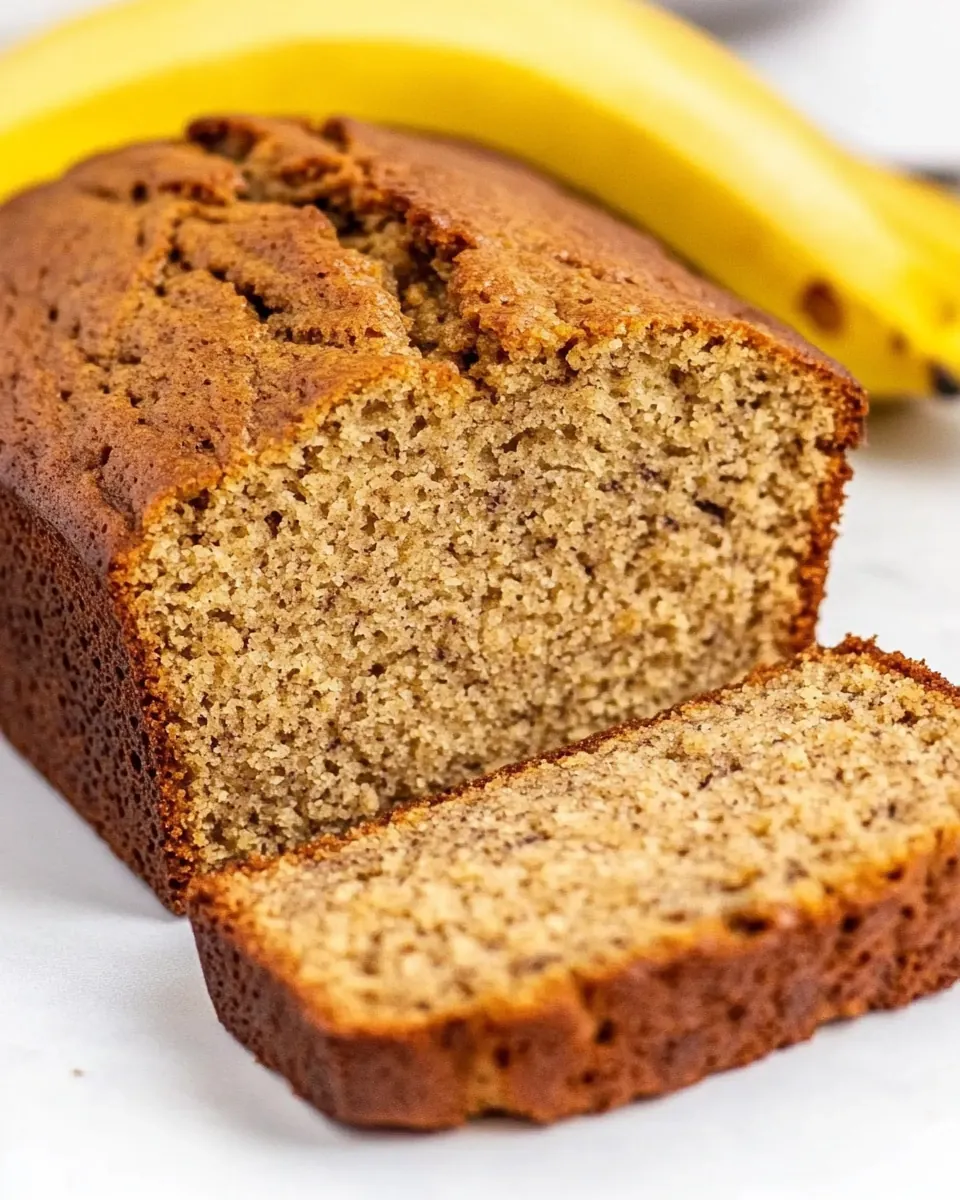
These directions are straightforward, but the details matter. Follow the sequence and trust your senses, paying attention to the look of the batter and the aroma from the oven. I find that baking is part precision and part intuition, and each step below includes tips to get consistently great results.
- Preheat oven to 350℉/175℃ and grease a 9-inch loaf pan.: As the oven warms you'll notice a faint hum and a steady rise in warmth, which creates the steady environment the loaf needs to bake evenly. Greasing the pan helps the loaf release cleanly, and a light coating or a parchment sling prevents tearing when you remove it. A common mistake is placing the rack too high or too low, which leads to uneven browning, so position the rack in the center of the oven. If your oven runs hot, consider checking with an oven thermometer, because even a small temperature mismatch changes baking time. The pan should feel warm to the touch when the oven is ready, and you may smell a faint toasty scent as the space stabilizes.
- Over a large mixing bowl, sift 1 3/4 cups whole white wheat flour, 2 teaspoons baking powder, 1/2 teaspoon baking soda, and 1/4 teaspoon table salt and give it a quick whisk to combine.: The dry mix should look light and airy after sifting, with no clumps, which ensures even distribution of leaveners. Whisking adds a faint rushing sound as the tines move through the flour, and visually the mix becomes uniform in color. This step matters because even pockets of baking soda cause odd spots of browning, and sifting reduces lumps that can create tunnels in the crumb. A common error is skipping sifting, leading to uneven texture. If you notice dense spots later, this is often the culprit. The dry mixture should feel powdery and smell faintly wheaty, and it will cling lightly to the whisk when ready.
- In a separate large mixing bowl, combine 1/4 cup canola oil, 1/2 cup honey, 3/4 teaspoon vanilla extract, and 1 large egg. Add in 1 cup mashed banana and mix well.: When you beat these wet ingredients together the oil and honey emulsify to form a glossy, cohesive batter base. The scent will shift to a sweet honey and banana perfume, and the texture should be smooth with no streaks of egg white. The banana introduces moisture and visible flecks of fruit, while the egg helps bind the mixture. Mixing thoroughly matters because uneven wet ingredients create pockets of flavor and texture. A common mistake is over mixing to the point the batter feels too loose, which can weaken the final crumb. Scrape the bowl to ensure everything is combined and notice the batter's sheen and consistency before moving on.
- Stir dry ingredients into wet ingredients until just combined, being careful not to over-mix.: At this point the batter should thicken and take on a uniform pale brown color speckled with banana bits. Use a folding motion, and stop when you no longer see streaks of flour, because over mixing develops gluten and yields a tough loaf. You will hear a quiet scraping as you fold, and the batter will move as a cohesive mass. One reason this technique matters is that gentle mixing preserves tenderness while still incorporating enough structure to hold the loaf. A typical mistake is mixing vigorously with an electric mixer, which adds air and causes a coarse crumb after baking. Aim for a batter that is moist but slightly lumpy, and feel it with your spatula to ensure it's not overly elastic.
- Bake for 45-55 minutes, or until toothpick inserted in center comes out clean.: As the loaf bakes you'll notice the kitchen filling with an increasingly toasty banana aroma and the top turning a warm golden brown. The crust should feel slightly springy and may crack gently along the top, a sign the interior is expanding properly. Insert a toothpick into the center to check for doneness, expecting it to come out clean or with a few moist crumbs. This test matters because visual cues alone can be misleading, especially with whole wheat which browns faster. A frequent pitfall is removing the loaf too early, resulting in a gummy center. If the top browns too quickly, tent with foil to prevent overbrowning while the inside finishes baking. Listen for quiet popping sounds as pockets of air settle and trust the toothpick more than the clock.
- Cool the banana bread for 10 minutes in the loaf pan on a cooling rack. Gently loosen the bread from the sides of the pan, remove the bread from the pan, and finish cooling before slicing.: Letting the loaf rest allows steam to redistribute, which stabilizes the crumb and prevents a gummy interior. After 10 minutes the edge will pull slightly away from the pan, and with gentle taps you can confirm it has loosened. Removing the bread and cooling fully gives the crumb a chance to set, and the aroma will mellow into a warm, inviting scent. A common mistake is slicing immediately, which compresses the crumb and causes tearing, so be patient. Use a serrated knife for clean slices once fully cooled, and you'll notice neat, even cuts that hold their shape.
Recipe Tips about Whole Wheat Banana Bread
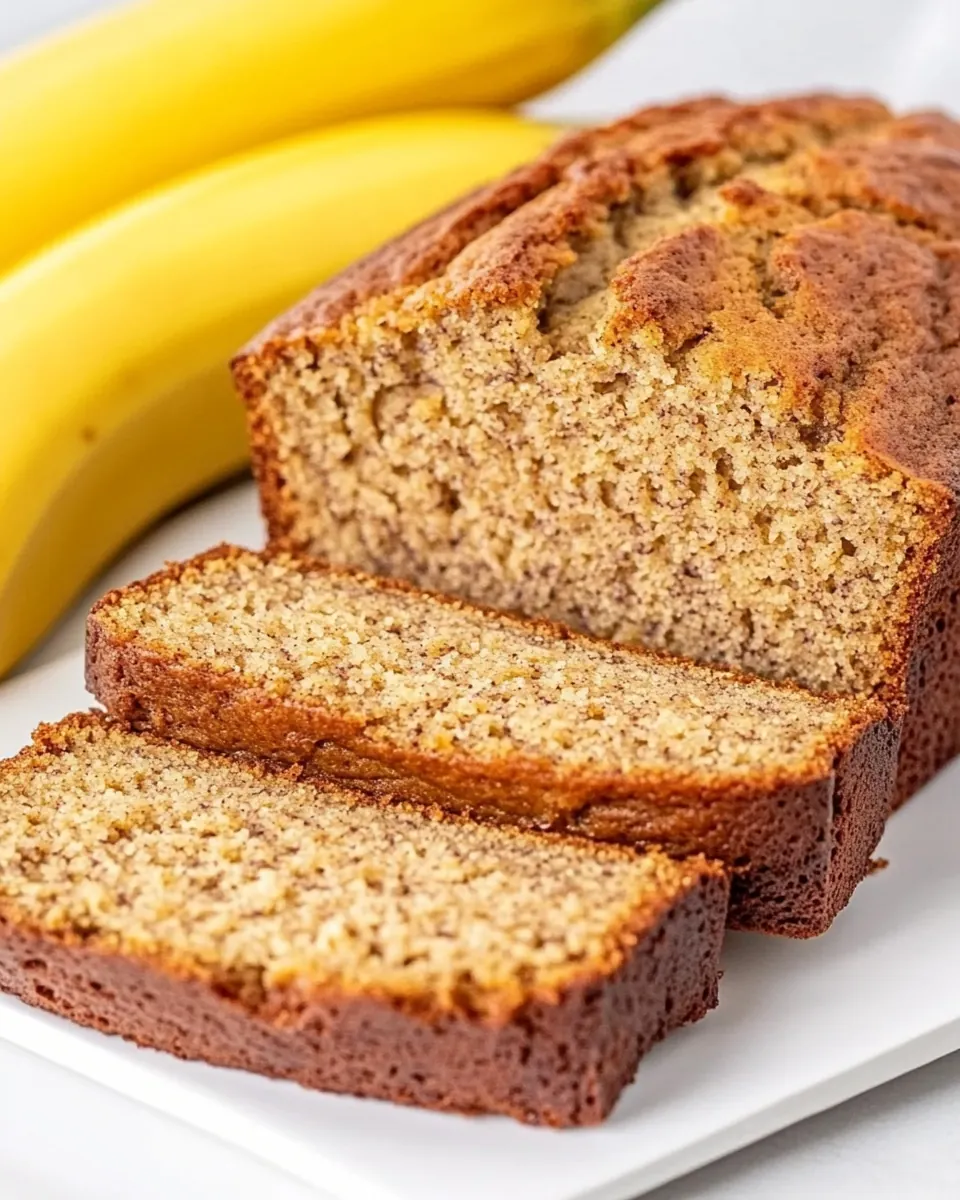
This loaf benefits from small attentions to detail. Below are practical tips to help you get a consistently tender crumb, balanced sweetness, and beautiful presentation.
- Measure accurately: Weighing ingredients gives the most consistent results, but if you measure by cup, spoon and level the whole white wheat flour to avoid a dense loaf.
- Use ripe bananas: Bananas with brown spots are sweeter and more aromatic, which reduces the need for added sugar and deepens flavor.
- Mind the mixing: Stir the batter just until the dry streaks disappear to keep the crumb tender, over mixing develops gluten and makes the loaf chewy.
- Check oven temperature: An oven thermometer helps ensure you bake at an accurate 350℉/175℃, since many ovens run hotter or cooler than their dial indicates.
- Alternate fats carefully: If you swap canola oil for melted butter, expect a slightly richer flavor and a slightly firmer crumb, so measure carefully.
- Freeze for convenience: Slice and freeze individual portions so you can defrost a slice easily for breakfast or a snack without thawing the whole loaf.
Perfect Matches for Whole Wheat Banana Bread
This bread is versatile and pairs well with a range of beverages and occasions. Below I outline serving ideas, storage notes, and occasions that showcase this loaf at its best.
- Morning toast: Serve slices warm with a thin smear of butter or nut butter for a hearty breakfast option that pairs beautifully with coffee.
- Afternoon snack: Pack a slice in a lunchbox with a piece of fruit for a satisfying mid day treat that holds up well at room temperature.
- Brunch centerpiece: Offer whole slices on a platter alongside yogurt and fresh fruit as part of a casual brunch spread, labeled for guests with dietary notes.
- Gift idea: Wrap slices in parchment and tie with twine for a thoughtful neighbor or host gift, especially during cooler months when people appreciate baked goods.
- Storage tips: Wrap tightly after it cools, store at room temperature up to two days, refrigerate up to four days, or freeze up to three months for best freshness.
- Occasions: This loaf works for weekday breakfasts, potlucks, school snacks, or a light dessert after a family dinner.
- Seasonal pairing: In cooler seasons pair with spiced tea, while in warmer months a chilled yogurt makes a lovely companion.
FAQ
Conclusion
Whole Wheat Banana Bread stands out for its comforting flavor and reliable, nourishing texture. It combines ripe banana, whole white wheat flour, and simple pantry staples to deliver a loaf that feels both homey and wholesome. I encourage you to give it a try this week, slice it thick for breakfast, or share it with friends who appreciate a thoughtful homemade treat. Baking this loaf is satisfying in a quiet, everyday way, and it rewards patience with a warm, fragrant result that brings people together.
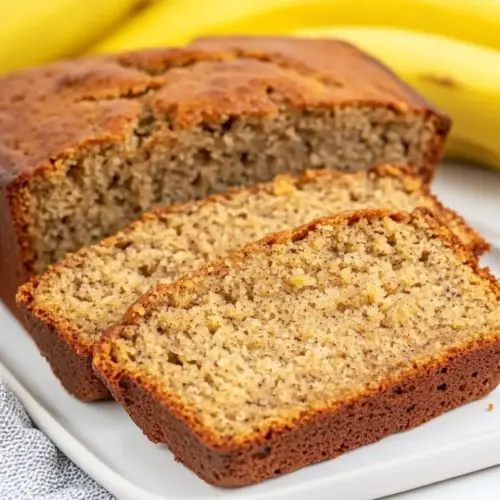
Whole Wheat Banana Bread
Equipment
- Loaf Pan
Ingredients
- 1 3/4 cups whole white wheat flour, or whole wheat flour Provides a hearty, nutty base and structure for the loaf; whole white wheat flour contributes fiber and a denser crumb than all-purpose, helping the bread hold moisture. Measures are adjusted to maintain proper hydration and texture in whole-grain quick breads.
- 2 teaspoons baking powder Leavens the batter by releasing carbon dioxide when heated, helping the bread rise and develop a light crumb. Works best when combined with the baking soda to balance acidity and encourage even lift.
- 1/2 teaspoon baking soda Helps tenderize and gently lift the loaf by reacting with acidic components in the batter to produce additional rise; baking soda also aids browning. Use as specified to prevent metallic or soapy off-flavors from excess.
- 1/4 teaspoon table salt Enhances overall flavor by balancing sweetness and highlighting other ingredients; salt also strengthens the gluten network slightly, improving texture. Small amounts ensure the bread tastes rounded rather than flat.
- 1/4 cup canola oil, or melted coconut oil or butter Provides fat for tenderness, moistness, and a softer crumb while carrying flavor; canola oil is neutral, while melted coconut oil or butter add subtle flavor notes. Fat also helps with shelf life and prevents the bread from becoming dry.
- 1/2 cup honey, or maple syrup Sweetens and adds moisture while contributing to caramelization and browning; honey offers distinctive floral notes whereas maple syrup gives a deeper, woodsy flavor. Liquid sweeteners also affect batter hydration and may slightly change baking time.
- 3/4 teaspoon vanilla extract Adds aromatic sweetness and deepens the overall flavor profile with warm, perfumed notes; vanilla enhances the perception of other flavors without overpowering. Use pure extract for best aromatic complexity.
- 1 large egg Binds ingredients and contributes structure, moisture, and richness; the egg helps emulsify fats and liquids for a uniform batter and assists in leavening. Properly beaten eggs improve crumb and sliceability.
- 1 cup mashed banana, ~3-4 bananas Provides natural sweetness, moisture, and flavor while contributing to the bread's soft, tender crumb; mashed bananas also act as a mild binder and can reduce need for added sugar. Ripe bananas yield stronger banana flavor and better sweetness.
Instructions
- Preheat oven to 350℉/175℃ and grease a 9-inch loaf pan.: As the oven warms you'll notice a faint hum and a steady rise in warmth, which creates the steady environment the loaf needs to bake evenly. Greasing the pan helps the loaf release cleanly, and a light coating or a parchment sling prevents tearing when you remove it. A common mistake is placing the rack too high or too low, which leads to uneven browning, so position the rack in the center of the oven. If your oven runs hot, consider checking with an oven thermometer, because even a small temperature mismatch changes baking time. The pan should feel warm to the touch when the oven is ready, and you may smell a faint toasty scent as the space stabilizes.
- Over a large mixing bowl, sift 1 3/4 cups whole white wheat flour, 2 teaspoons baking powder, 1/2 teaspoon baking soda, and 1/4 teaspoon table salt and give it a quick whisk to combine.: The dry mix should look light and airy after sifting, with no clumps, which ensures even distribution of leaveners. Whisking adds a faint rushing sound as the tines move through the flour, and visually the mix becomes uniform in color. This step matters because even pockets of baking soda cause odd spots of browning, and sifting reduces lumps that can create tunnels in the crumb. A common error is skipping sifting, leading to uneven texture. If you notice dense spots later, this is often the culprit. The dry mixture should feel powdery and smell faintly wheaty, and it will cling lightly to the whisk when ready.
- In a separate large mixing bowl, combine 1/4 cup canola oil, 1/2 cup honey, 3/4 teaspoon vanilla extract, and 1 large egg. Add in 1 cup mashed banana and mix well.: When you beat these wet ingredients together the oil and honey emulsify to form a glossy, cohesive batter base. The scent will shift to a sweet honey and banana perfume, and the texture should be smooth with no streaks of egg white. The banana introduces moisture and visible flecks of fruit, while the egg helps bind the mixture. Mixing thoroughly matters because uneven wet ingredients create pockets of flavor and texture. A common mistake is over mixing to the point the batter feels too loose, which can weaken the final crumb. Scrape the bowl to ensure everything is combined and notice the batter's sheen and consistency before moving on.
- Stir dry ingredients into wet ingredients until just combined, being careful not to over-mix.: At this point the batter should thicken and take on a uniform pale brown color speckled with banana bits. Use a folding motion, and stop when you no longer see streaks of flour, because over mixing develops gluten and yields a tough loaf. You will hear a quiet scraping as you fold, and the batter will move as a cohesive mass. One reason this technique matters is that gentle mixing preserves tenderness while still incorporating enough structure to hold the loaf. A typical mistake is mixing vigorously with an electric mixer, which adds air and causes a coarse crumb after baking. Aim for a batter that is moist but slightly lumpy, and feel it with your spatula to ensure it's not overly elastic.
- Bake for 45-55 minutes, or until toothpick inserted in center comes out clean.: As the loaf bakes you'll notice the kitchen filling with an increasingly toasty banana aroma and the top turning a warm golden brown. The crust should feel slightly springy and may crack gently along the top, a sign the interior is expanding properly. Insert a toothpick into the center to check for doneness, expecting it to come out clean or with a few moist crumbs. This test matters because visual cues alone can be misleading, especially with whole wheat which browns faster. A frequent pitfall is removing the loaf too early, resulting in a gummy center. If the top browns too quickly, tent with foil to prevent overbrowning while the inside finishes baking. Listen for quiet popping sounds as pockets of air settle and trust the toothpick more than the clock.
- Cool the banana bread for 10 minutes in the loaf pan on a cooling rack. Gently loosen the bread from the sides of the pan, remove the bread from the pan, and finish cooling before slicing.: Letting the loaf rest allows steam to redistribute, which stabilizes the crumb and prevents a gummy interior. After 10 minutes the edge will pull slightly away from the pan, and with gentle taps you can confirm it has loosened. Removing the bread and cooling fully gives the crumb a chance to set, and the aroma will mellow into a warm, inviting scent. A common mistake is slicing immediately, which compresses the crumb and causes tearing, so be patient. Use a serrated knife for clean slices once fully cooled, and you'll notice neat, even cuts that hold their shape.
Notes
- Measure accurately: Weighing ingredients gives the most consistent results, but if you measure by cup, spoon and level the whole white wheat flour to avoid a dense loaf.
- Use ripe bananas: Bananas with brown spots are sweeter and more aromatic, which reduces the need for added sugar and deepens flavor.
- Mind the mixing: Stir the batter just until the dry streaks disappear to keep the crumb tender, over mixing develops gluten and makes the loaf chewy.
- Check oven temperature: An oven thermometer helps ensure you bake at an accurate 350℉/175℃, since many ovens run hotter or cooler than their dial indicates.
- Alternate fats carefully: If you swap canola oil for melted butter, expect a slightly richer flavor and a slightly firmer crumb, so measure carefully.
- Freeze for convenience: Slice and freeze individual portions so you can defrost a slice easily for breakfast or a snack without thawing the whole loaf.
