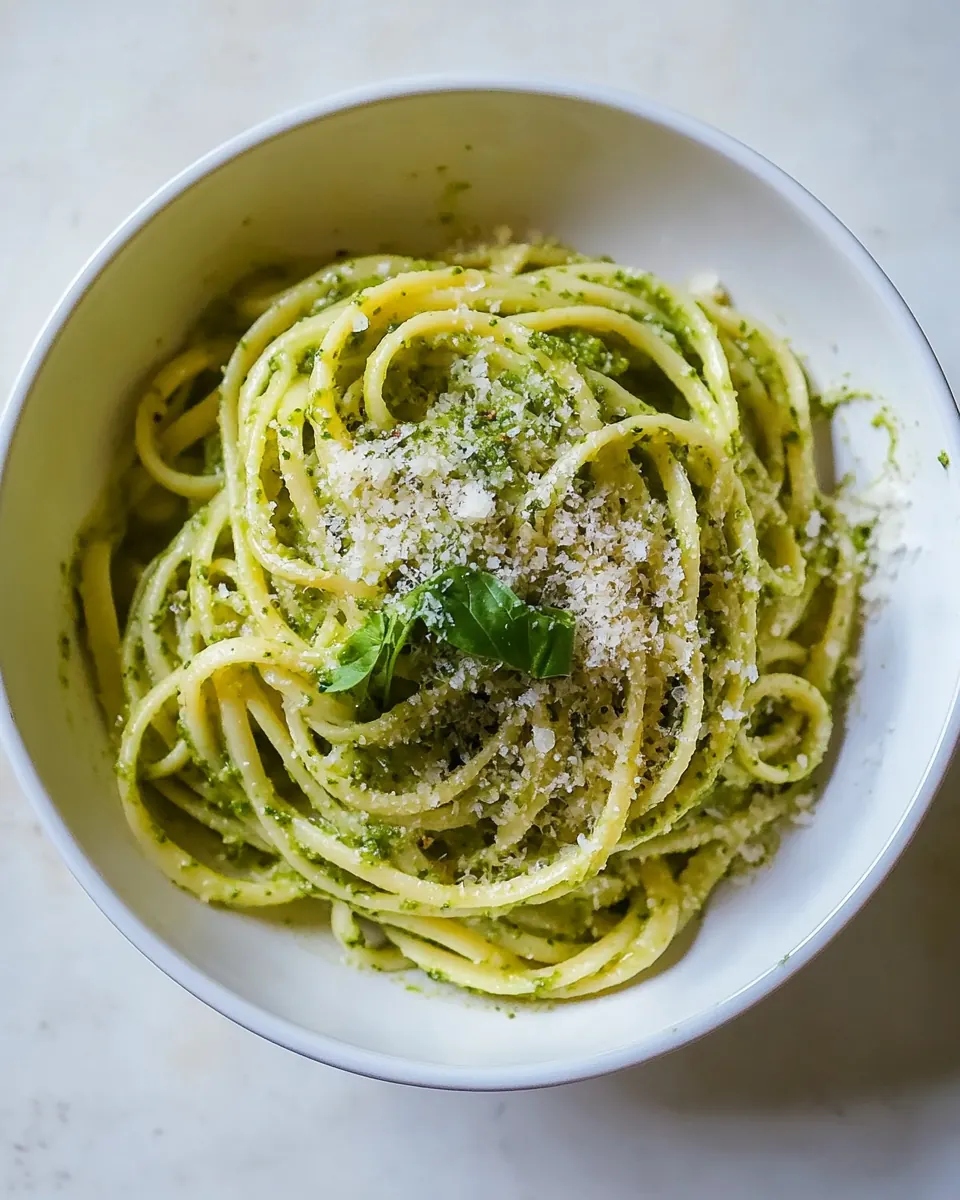
Watercress Pesto with Linguine
Watercress Pesto with Linguine came into my weeknight rotation the moment I wanted something bright, peppery, and unfussy to pair with pasta. I remember the first time I tossed warm linguine with that vivid green sauce, how the peppery notes of watercress cut through the richness, and I felt like I had discovered a simple trick to make dinner sing. It was a rainy evening, I was short on time, and the pantry offered a few pantry staples that somehow elevated the whole meal.
Since then, I’ve leaned on this dish whenever I need a quick, impressive meal that still feels homey. I love that the texture of the linguine offers a silky counterpoint to the gently grainy body of the pesto, while a touch of heavy cream and butter tethers the flavors into a comforting, spoonable sauce. Friends always ask what the secret is, and I tell them it is the balance between peppery greens and nutty Parmesan, plus the small technique of saving some of the pasta water.
There are nights I make it with a hurried rhythm, music on, chopping quick, and other times I slow down and savor the aroma of toasted pine nuts and garlic as they mingle with fresh herbs. Either way, the recipe is forgiving, and it rewards small adjustments, so you can make it lighter or more indulgent depending on mood. I find serving it with extra Parmesan shavings at the table makes everyone feel like they contributed, even if they only pass the cheese.
Recipe Snapshot
25 mins
10 mins
15 mins
Easy
450 kcal
Italian
Gluten-Free, Low FODMAP
Pasta
Food processor, Large pot, Colander, Salad spinner
Why We Love This Watercress Pesto with Linguine
Bright, peppery flavor
I love how Watercress Pesto with Linguine brings a lively, peppery note that feels fresher than basil pesto. The watercress gives a subtle bite that wakes up each forkful, making the dish stand out among other pasta recipes. I often choose this when I want something light but memorable.
Quick but impressive
This recipe is deceptively simple, yet it looks like you spent more time than you did. From rinsing the watercress to plating, the whole process flows quickly. I reach for it on busy evenings when I want easy weeknight dinner solutions without sacrificing flavor.
Textural harmony
The combination of silky linguine, creamy sauce from the heavy cream, and the little crunch from toasted pine nuts is what keeps me coming back. I like that each bite has variety, so it never feels monotonous even when served to a crowd.
Family friendly flexibility
It is easy to tune this recipe toward comfort or brightness. I sometimes add more parmesan cheese for umami punch, or more pasta water to loosen the sauce. The recipe adapts to what you have at hand, which is why I recommend keeping these ingredients stocked.
Great for entertaining
I often make a double batch of the pesto and store it for quick dinners or to spread on toasted bread as a starter. Guests appreciate the fresh green color and the aroma of garlic and parmesan cheese, and it always feels like a small celebration without fuss.
Main Ingredients for Watercress Pesto with Linguine
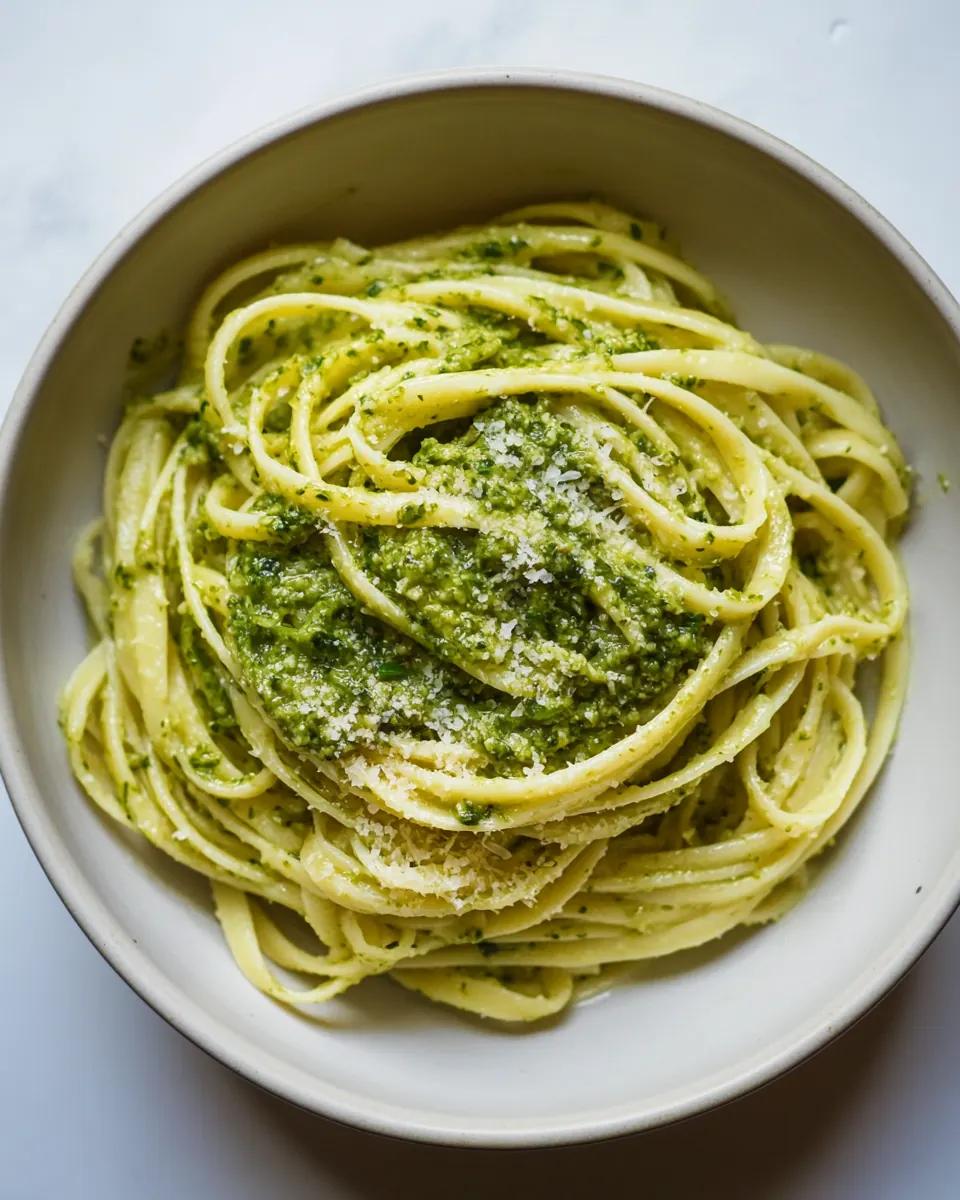
The philosophy here is simple: fresh, peppery greens meet nutty, savory elements, and a starchy vehicle ties everything together. The key players are the vibrant watercress which provides the backbone of flavor, the toasted pine nuts for texture and depth, and the parmesan cheese for salty creaminess. Linguine acts as the perfect ribbon to collect sauce, while a splash of reserved pasta water binds the sauce into a glossy coat.
- 1 bunch watercress: Provide peppery, leafy brightness and form the base of the pesto; finely chop stems and leaves to maximize flavor and ease of blending. Rinse thoroughly to remove grit, then pat dry to prevent excess water from thinning the sauce. Pair with nuts and cheese to create a vibrant green pesto with a slightly bitter, fresh finish.
- 1 garlic clove: Add pungent, aromatic heat and depth when crushed or minced; use sparingly to avoid overpowering the delicate watercress. Smash or mince to release oils before combining with the greens for a balanced savory backbone. Complement with olive oil and Parmesan to mellow sharpness while retaining character.
- 4 tablespoons parmesan cheese, + shavings: Contribute salty, umami richness and help thicken the pesto when grated; reserve a few shavings for garnish to add texture and visual appeal. Stirred into the blended mixture, provide savory depth that ties the herbs and nuts together. Melt into the finished pasta to enrich mouthfeel and boost overall flavor.
- 1/2 cup pine nuts: Deliver buttery, resinous crunch and body to the pesto; lightly toast to enhance nuttiness and prevent a raw, bitter taste. Blend into the watercress and garlic to create a smooth, emulsified sauce with substance. Offer a pleasant contrast to the tender greens and help stabilize the oil when pulsed.
- 1/2 cup olive oil: Emulsify and carry the flavors throughout the pesto while adding fruity, silky richness; stream in during blending to achieve a cohesive, glossy sauce. Use good-quality extra-virgin olive oil for best flavor and texture, adjusting quantity for desired thickness. Bind ingredients together and coat the pasta for a luscious finish.
- 1 pound linguine pasta: Provide substantial, starchy base and deliver the dish as a comforting pasta course; cook until al dente to maintain bite and absorb the pesto without becoming mushy. Drain, reserving some cooking water to adjust pesto consistency if needed. Toss with the sauce immediately so the linguine is evenly coated and flavorful.
- 4 tablespoons heavy cream: Enrich the pesto with creamy silkiness and mellow sharpness, softening the intensity of the greens and garlic; stir in a small amount after blending for a smoother mouthfeel. Heat gently with the sauce or pasta to integrate without separating. Use sparingly to keep the pesto bright yet luxuriously textured.
- 1 tablespoon butter: Add glossy richness and a subtle, savory finish to the tossed pasta; melt gently into the warm pesto and pasta for a velvety coating. Brown lightly if desired for a nutty aroma, but usually incorporate at the end to enrich without overpowering. Help bind the sauce to the linguine for a cohesive dish.
How to Prepare Watercress Pesto with Linguine
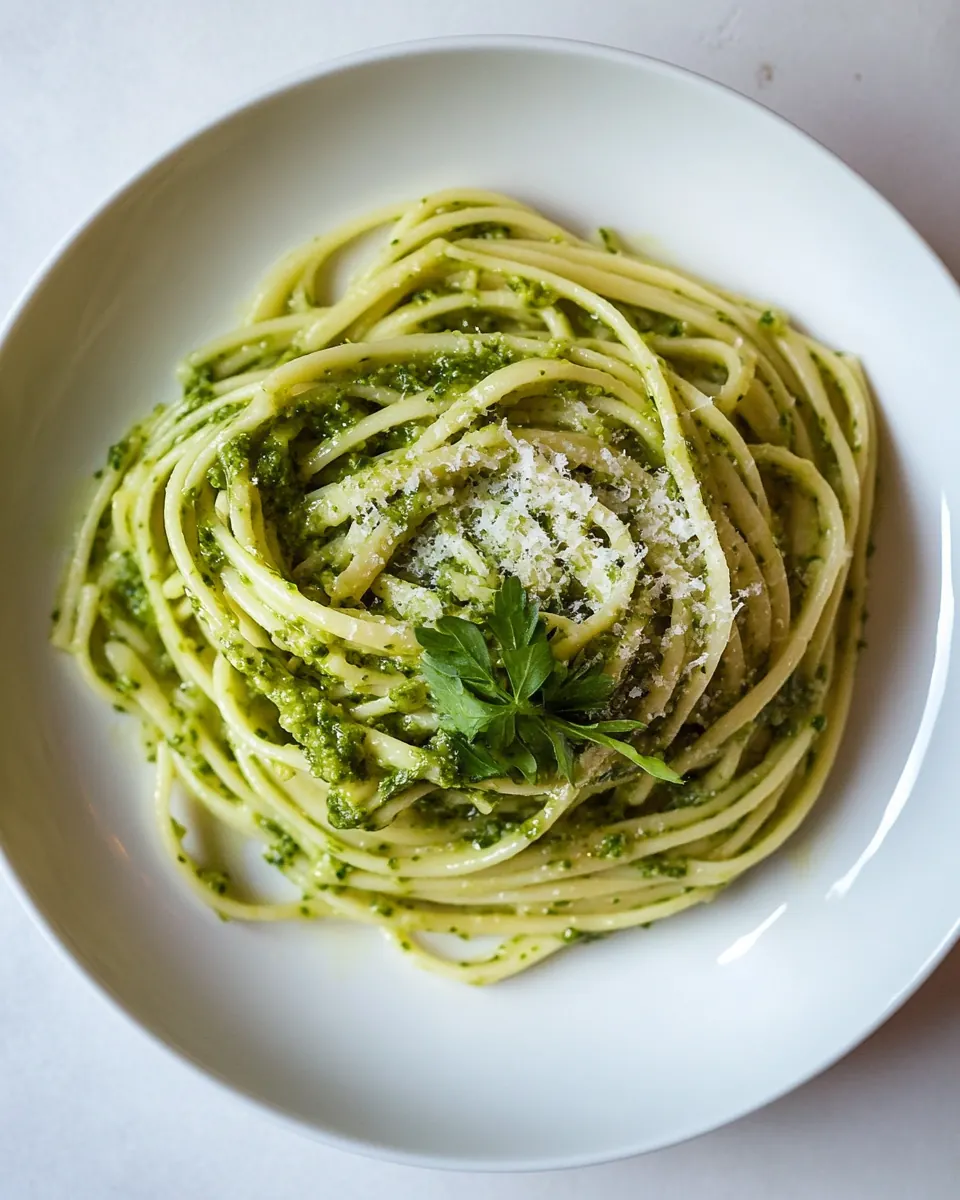
These steps move from prepping the greens to assembling a glossy pasta that feels indulgent yet fresh. Follow the sensory cues I describe, and you will have a bright, balanced plate to serve in under half an hour. Keep your reserved pasta water close, and taste as you go.
- Rinse the watercress and remove as many of the thick stems as you can.: Wet leaves have a brighter color and crisper texture, and rinsing removes any grit that can make the pesto sandy. I like to swish the watercress in cold water, then spin it in a salad spinner so the leaves are just damp, not dripping. Removing thicker stems prevents stringy bits in your sauce, which keeps the mouthfeel smooth. A common mistake is leaving fibrous stems in, which makes the pesto feel coarse rather than silky. Pay attention to the scent as you clean it deep green and peppery is normal, a musty note means rinse again.
- In a food processor, add the watercress, garlic, parmesan cheese, and pine nuts and chop until it becomes a puree. Slowly add the olive oil while the motor is running the food processor. You should have a creamy-thick green sauce.: As the ingredients chop, you will see the vibrant green transform into a cohesive paste, and the aroma of garlic and parmesan cheese will start to bloom. I pulse initially to break down big pieces, then run the processor until the texture is smooth but still has some body. This early stage determines the pesto's texture, so stop when it looks homogenous yet slightly textured. If you overblend, the mixture can become too oily or warm, losing freshness, so work in short bursts and check often.
- Meanwhile, cook the pasta in a large, salted pot and cook it to al dente, a couple of minutes before the recommended manufacturer cooking time.: Adding olive oil in a thin stream creates an emulsion, giving the pesto a silky sheen and stable texture. You should hear a steady hum and see the texture glisten rather than separate. If you pour too quickly, oil can pool and the sauce may not bind well, so take your time. The scent will soften as the oil incorporates and the vibrant green will look more cohesive; if it seems dry, add a touch more oil or some reserved pasta water later.
- Save 1 cup of the cooking water. Drain the pasta and put it back into the cooking pot.: The salted water seasons the linguine through and through, and cooking it to just before al dente ensures it finishes perfectly when tossed with the sauce. I listen for a subtle chew when I bite into a strand, and the pasta should not be floppy. Overcooking will lead to a mushy texture that cannot be rescued by the sauce, so set a timer and taste a minute or two early to check readiness.
- Add the butter and heavy cream. Mix well and once the butter is melted, add some of the watercress pesto. Mix well and serve on a pasta plate.: That starchy pasta water acts like culinary glue, helping the pesto cling to the linguine and smoothing the texture without thinning flavor. I scoop out a cup before draining, and the water often looks slightly cloudy, which is exactly what you want. A common error is throwing away the water and ending up with a clumpy sauce; keep it nearby so you can add a few tablespoons at a time for perfect consistency.
- Add a spoonful of watercress pesto to each dish and top with parmesan cheese shavings.: Returning the hot linguine to the pot lets residual heat help marry sauce and pasta. The pot retains warmth and allows even mixing. After draining, give the pasta a quick toss in the empty pot to release any steam pockets. Be careful not to let it sit too long uncovered, or it can cool and the sauce will not adhere as well.
- Add the butter and heavy cream: The butter and heavy cream soften the punchy pesto and lend a glossy, velvety mouthfeel. Add them off heat or on very low heat so the butter melts gently and the cream warms without simmering. This step helps the sauce cling to the noodles, and you will notice a richer aroma as dairy melds with the green. Avoid boiling, which can separate the cream and change the texture.
- Mix well and once the butter is melted, add some of the watercress pesto: Stirring now brings visual cues like color deepening and the sauce coating the pasta in a thin, even layer. Start with a few spoonfuls of pesto and add more to taste, using reserved pasta water to loosen if needed. The sound is a gentle, rhythmic mixing rather than a splash, and the aroma should be balanced. A mistake to avoid is dumping all the pesto at once, which can overwhelm or make it too thick to spread evenly.
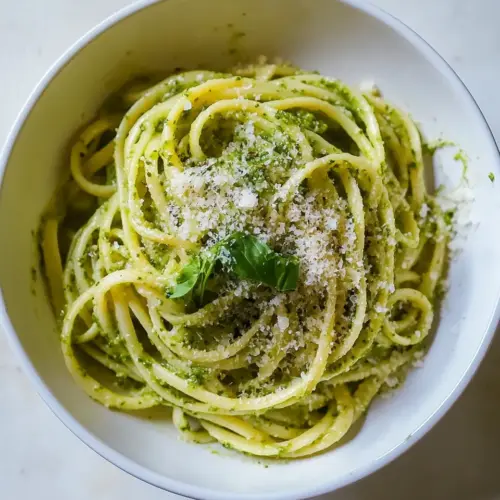
- Mix well and serve on a pasta plate: Serving right away keeps the pasta glossy and warm. As you dish it out, look for strands shimmering with sauce and the green color vivid rather than dull. Presentation matters; a nest of linguine topped with a few extra nuts or a Parmesan shaving makes it feel special. If the pasta cools, the sauce can clump, so serve promptly and offer extra reserved water at the table if someone wants to adjust consistency.
- Add a spoonful of watercress pesto to each dish and top with parmesan cheese shavings: A final spoon of pesto adds a fresh burst and an aesthetic pop, while the parmesan cheese shavings contribute salty sparkles and a creamy finish. The contrast of textures is satisfying, and the aroma of cheese and herbs is inviting. Avoid overdoing the shavings, which can overpower the peppery watercress ; a light dusting accentuates flavor without masking it.
Recipe Tips about Watercress Pesto with Linguine
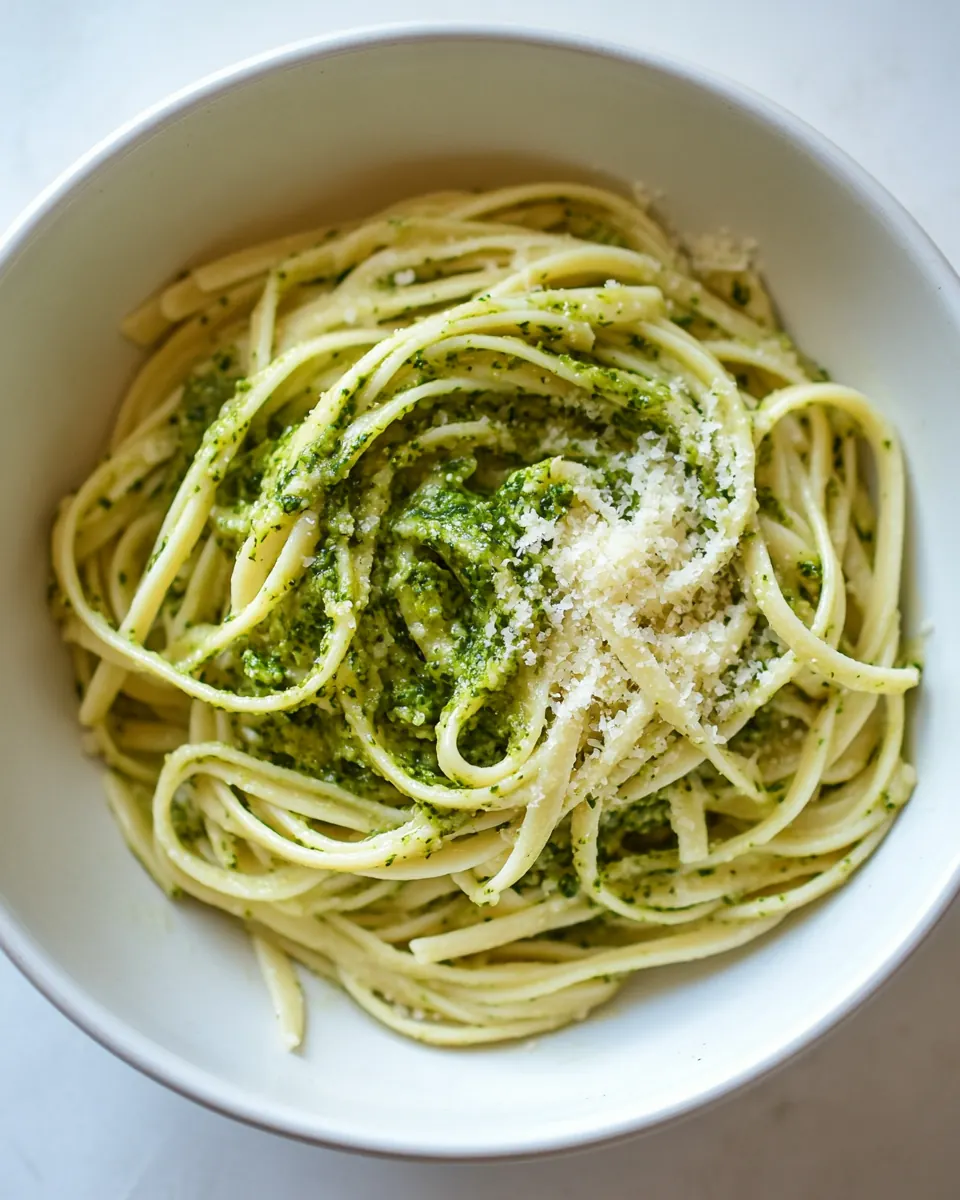
I like to share quick tips that save time and boost flavor while making Watercress Pesto with Linguine. These pointers come from repeated practice and small adjustments that consistently improve the dish. Keep these in mind the next time you make it, and you will notice a difference.
- Use room temperature ingredients, especially the olive oil and heavy cream, so the sauce emulsifies smoothly and does not seize up when combined with warm pasta.
- Pulse first, then blend, when processing the pesto, to avoid overworking the watercress which can turn slightly bitter if overheated by prolonged blending.
- Adjust cream slowly, add the heavy cream a tablespoon at a time until you reach the desired silkiness, because a little goes a long way in softening the pesto’s peppery edge.
- Keep extra pesto on hand, store it in a sealed jar with a thin film of olive oil on top to prevent browning, and use within a few days for best freshness.
- Serve immediately, the glossy texture and bright color are most pronounced right after tossing, and the sauce may dull if it sits too long.
Side Dish Ideas for Watercress Pesto with Linguine
This pasta shines with simple complements that either echo its brightness or add contrasting textures. For casual lunches or relaxed dinners, think small plates and seasonal produce. For special occasions, pair it with a composed salad or warm roasted vegetables to balance the peppery pesto.
- Simple green salad with lemon vinaigrette, the acidity cleanses the palate and emphasizes the pesto’s brightness, making each bite of linguine feel fresh.
- Roasted seasonal vegetables, such as lightly roasted carrots or asparagus in spring, add caramelized depth that contrasts nicely with the peppery watercress.
- Crusty bread served warm is perfect for mopping up any leftover pesto cream sauce, and it turns the meal into a comforting, communal experience.
- Light soup starter like a clear vegetable broth helps open the meal gently and is ideal for a multi course dinner where the pasta is the main attraction.
- Occasions, this dish works well for weeknight dinners, spring gatherings, or anytime you want an easy but elevated meal that travels well to potlucks when kept warm.
- Storage, refrigerate leftover pasta in an airtight container for up to two days, and reheat gently with a splash of reserved water to revive the sauce.
FAQ
Conclusion
This recipe shines because it pairs peppery watercress with nutty parmesan cheese and toasted pine nuts, creating a bright, balanced pasta that is both comforting and lively. Try it the next time you want a simple yet impressive meal that comes together quickly and tastes like you spent more time than you did. The recipe is forgiving and adaptable, so use it to fit your pantry and mood, and enjoy how a few fresh ingredients can transform a weeknight dinner.
Watercress Pesto with Linguine
Equipment
- Food Processor
- Large Pot
- Colander
- Salad spinner
Ingredients
- 1 bunch watercress Provide peppery, leafy brightness and form the base of the pesto; finely chop stems and leaves to maximize flavor and ease of blending. Rinse thoroughly to remove grit, then pat dry to prevent excess water from thinning the sauce. Pair with nuts and cheese to create a vibrant green pesto with a slightly bitter, fresh finish.
- 1 garlic clove Add pungent, aromatic heat and depth when crushed or minced; use sparingly to avoid overpowering the delicate watercress. Smash or mince to release oils before combining with the greens for a balanced savory backbone. Complement with olive oil and Parmesan to mellow sharpness while retaining character.
- 4 tablespoons parmesan cheese, + shavings Contribute salty, umami richness and help thicken the pesto when grated; reserve a few shavings for garnish to add texture and visual appeal. Stirred into the blended mixture, provide savory depth that ties the herbs and nuts together. Melt into the finished pasta to enrich mouthfeel and boost overall flavor.
- 1/2 cup pine nuts Deliver buttery, resinous crunch and body to the pesto; lightly toast to enhance nuttiness and prevent a raw, bitter taste. Blend into the watercress and garlic to create a smooth, emulsified sauce with substance. Offer a pleasant contrast to the tender greens and help stabilize the oil when pulsed.
- 1/2 cup olive oil Emulsify and carry the flavors throughout the pesto while adding fruity, silky richness; stream in during blending to achieve a cohesive, glossy sauce. Use good-quality extra-virgin olive oil for best flavor and texture, adjusting quantity for desired thickness. Bind ingredients together and coat the pasta for a luscious finish.
- 1 pound linguine pasta Provide substantial, starchy base and deliver the dish as a comforting pasta course; cook until al dente to maintain bite and absorb the pesto without becoming mushy. Drain, reserving some cooking water to adjust pesto consistency if needed. Toss with the sauce immediately so the linguine is evenly coated and flavorful.
- 4 tablespoons heavy cream Enrich the pesto with creamy silkiness and mellow sharpness, softening the intensity of the greens and garlic; stir in a small amount after blending for a smoother mouthfeel. Heat gently with the sauce or pasta to integrate without separating. Use sparingly to keep the pesto bright yet luxuriously textured.
- 1 tablespoon butter Add glossy richness and a subtle, savory finish to the tossed pasta; melt gently into the warm pesto and pasta for a velvety coating. Brown lightly if desired for a nutty aroma, but usually incorporate at the end to enrich without overpowering. Help bind the sauce to the linguine for a cohesive dish.
Instructions
- Rinse the watercress and remove as many of the thick stems as you can.: Wet leaves have a brighter color and crisper texture, and rinsing removes any grit that can make the pesto sandy. I like to swish the watercress in cold water, then spin it in a salad spinner so the leaves are just damp, not dripping. Removing thicker stems prevents stringy bits in your sauce, which keeps the mouthfeel smooth. A common mistake is leaving fibrous stems in, which makes the pesto feel coarse rather than silky. Pay attention to the scent as you clean it deep green and peppery is normal, a musty note means rinse again.
- In a food processor, add the watercress, garlic, parmesan cheese, and pine nuts and chop until it becomes a puree. Slowly add the olive oil while the motor is running the food processor. You should have a creamy-thick green sauce.: As the ingredients chop, you will see the vibrant green transform into a cohesive paste, and the aroma of garlic and parmesan cheese will start to bloom. I pulse initially to break down big pieces, then run the processor until the texture is smooth but still has some body. This early stage determines the pesto's texture, so stop when it looks homogenous yet slightly textured. If you overblend, the mixture can become too oily or warm, losing freshness, so work in short bursts and check often.
- Meanwhile, cook the pasta in a large, salted pot and cook it to al dente, a couple of minutes before the recommended manufacturer cooking time.: Adding olive oil in a thin stream creates an emulsion, giving the pesto a silky sheen and stable texture. You should hear a steady hum and see the texture glisten rather than separate. If you pour too quickly, oil can pool and the sauce may not bind well, so take your time. The scent will soften as the oil incorporates and the vibrant green will look more cohesive; if it seems dry, add a touch more oil or some reserved pasta water later.
- Save 1 cup of the cooking water. Drain the pasta and put it back into the cooking pot.: The salted water seasons the linguine through and through, and cooking it to just before al dente ensures it finishes perfectly when tossed with the sauce. I listen for a subtle chew when I bite into a strand, and the pasta should not be floppy. Overcooking will lead to a mushy texture that cannot be rescued by the sauce, so set a timer and taste a minute or two early to check readiness.
- Add the butter and heavy cream. Mix well and once the butter is melted, add some of the watercress pesto. Mix well and serve on a pasta plate.: That starchy pasta water acts like culinary glue, helping the pesto cling to the linguine and smoothing the texture without thinning flavor. I scoop out a cup before draining, and the water often looks slightly cloudy, which is exactly what you want. A common error is throwing away the water and ending up with a clumpy sauce; keep it nearby so you can add a few tablespoons at a time for perfect consistency.
- Add a spoonful of watercress pesto to each dish and top with parmesan cheese shavings.: Returning the hot linguine to the pot lets residual heat help marry sauce and pasta. The pot retains warmth and allows even mixing. After draining, give the pasta a quick toss in the empty pot to release any steam pockets. Be careful not to let it sit too long uncovered, or it can cool and the sauce will not adhere as well.
- Add the butter and heavy cream: The butter and heavy cream soften the punchy pesto and lend a glossy, velvety mouthfeel. Add them off heat or on very low heat so the butter melts gently and the cream warms without simmering. This step helps the sauce cling to the noodles, and you will notice a richer aroma as dairy melds with the green. Avoid boiling, which can separate the cream and change the texture.
- Mix well and once the butter is melted, add some of the watercress pesto: Stirring now brings visual cues like color deepening and the sauce coating the pasta in a thin, even layer. Start with a few spoonfuls of pesto and add more to taste, using reserved pasta water to loosen if needed. The sound is a gentle, rhythmic mixing rather than a splash, and the aroma should be balanced. A mistake to avoid is dumping all the pesto at once, which can overwhelm or make it too thick to spread evenly.
- Mix well and serve on a pasta plate: Serving right away keeps the pasta glossy and warm. As you dish it out, look for strands shimmering with sauce and the green color vivid rather than dull. Presentation matters; a nest of linguine topped with a few extra nuts or a Parmesan shaving makes it feel special. If the pasta cools, the sauce can clump, so serve promptly and offer extra reserved water at the table if someone wants to adjust consistency.
- Add a spoonful of watercress pesto to each dish and top with parmesan cheese shavings: A final spoon of pesto adds a fresh burst and an aesthetic pop, while the parmesan cheese shavings contribute salty sparkles and a creamy finish. The contrast of textures is satisfying, and the aroma of cheese and herbs is inviting. Avoid overdoing the shavings, which can overpower the peppery watercress ; a light dusting accentuates flavor without masking it.
Notes
- Use room temperature ingredients, especially the olive oil and heavy cream, so the sauce emulsifies smoothly and does not seize up when combined with warm pasta.
- Pulse first, then blend, when processing the pesto, to avoid overworking the watercress which can turn slightly bitter if overheated by prolonged blending.
- Adjust cream slowly, add the heavy cream a tablespoon at a time until you reach the desired silkiness, because a little goes a long way in softening the pesto's peppery edge.
- Keep extra pesto on hand, store it in a sealed jar with a thin film of olive oil on top to prevent browning, and use within a few days for best freshness.
- Serve immediately, the glossy texture and bright color are most pronounced right after tossing, and the sauce may dull if it sits too long.