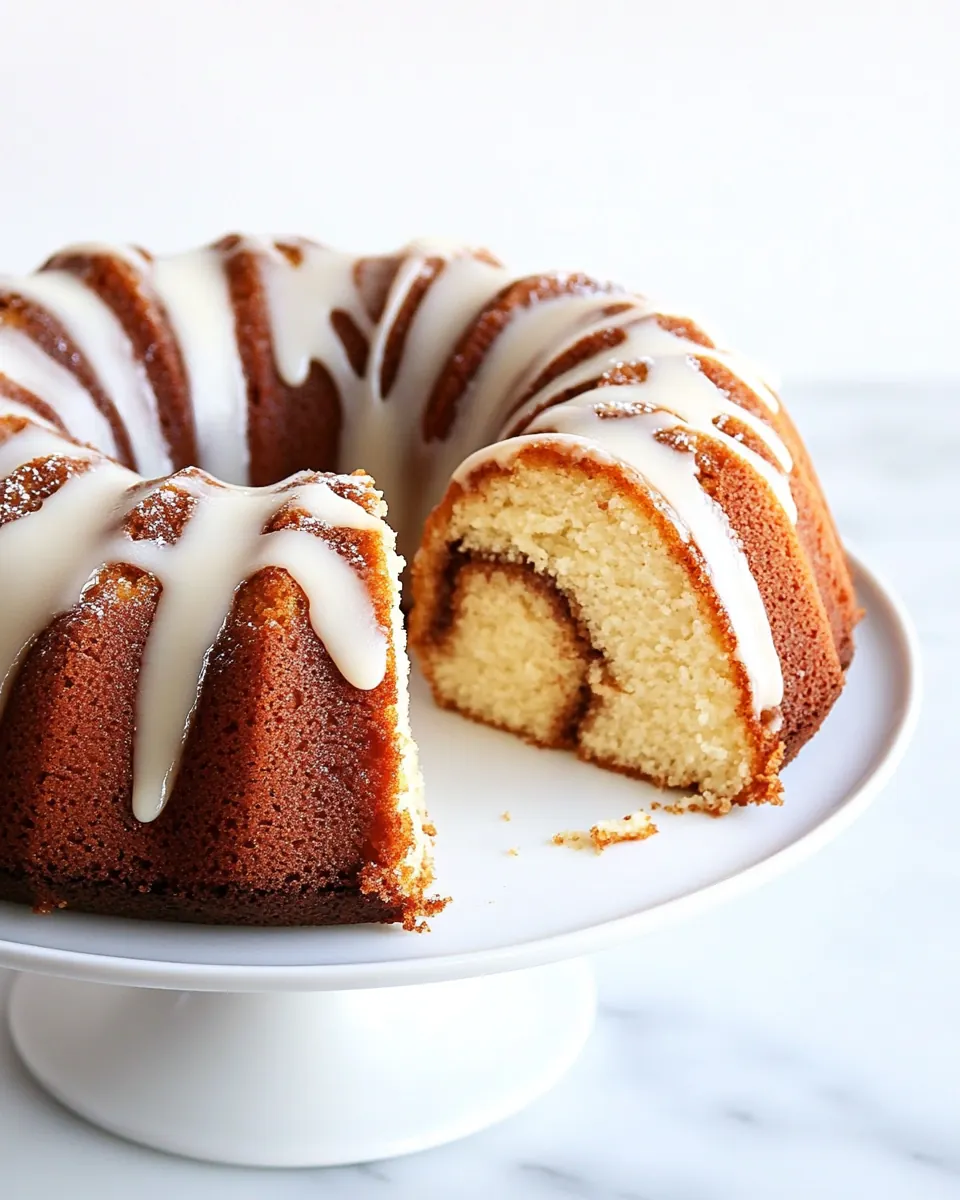
Cinnamon Roll Pound Cake
Cinnamon Roll Pound Cake has been a comfort in my kitchen for years, a sweet compromise between the gooey swirl of a favorite breakfast pastry and the dense, buttery crumb of a classic pound cake. The first time I made it, I was chasing a memory of weekends at my grandmother’s house, where the aroma of cinnamon and warm butter would thread through the rooms and make the whole family drift toward the table. I still remember the hush that fell as we sliced into that first loaf, steam rising, the swirl revealed like a secret.
I tend to make this recipe when I want something that feels celebratory but not fussy. It holds up well for guests, yet it is forgiving enough for a weekday treat. I like how the cinnamon swirl offers little pockets of caramelized sweetness, while the pound cake crumb stays tender because of the combination of butter, eggs, and sour cream. Over time I learned tiny tricks that make the texture sing, like bringing dairy to room temperature and folding gently to preserve aeration.
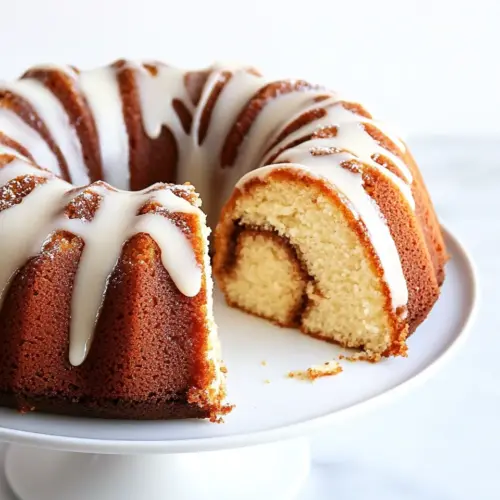
Every time I bake a Cinnamon Roll Pound Cake I find myself thinking about the small rituals that food creates. Measuring, stirring, and waiting are part of the pleasure. When guests arrive, the scent is an immediate hello. When you slice it, the contrast between creamy icing and the lightly caramelized swirl feels like a hug. I hope this version becomes part of your rotation, whether you serve a wedge for breakfast with coffee, or plate a slice for dessert after a relaxed dinner.
Recipe Snapshot
1 hr 45 mins
25 mins
80 mins
Medium
350 kcal
American
Gluten-Free, Low FODMAP
Desserts
Stand Mixer, Whisk Attachment, 12 cup Bundt Pan, Wire Rack, Butter Knife or Skewer
The Magic of This Cinnamon Roll Pound Cake
Why the balance of rich and tender matters
I love how this Cinnamon Roll Pound Cake marries the dense, buttery texture of a pound cake with the soft, sticky appeal of a cinnamon roll. The high ratio of butter and eggs gives the crumb a wonderful richness, while the sour cream keeps it moist and tender. That balance means you get slices that hold together beautifully, yet melt in your mouth.
Why the swirl is more than decoration
The cinnamon swirl does double duty, providing both flavor and contrast. When the brown sugar and butter meld and bake into the batter, they create concentrated ribbons of caramelized goodness. I find those pockets make every bite interesting, so you never get a monotonous slice. The swirl also creates visual drama when you slice the cake, making it feel special.
Why the icing lifts the whole cake
The creamy icing, made with cream cheese, butter, and confectioners’ sugar, adds a silky finish that cuts through the richness just enough. It adds moisture and a gentle tang, which brightens the overall flavor. A thin, pourable icing soaks into the top edges and lands on the swirl below, creating pockets of sweet contrast.
Why the technique is forgiving
This recipe is wonderfully forgiving for home bakers. The batter tolerates a little overmixing if you are careful, and the two stage process lets you focus on each component one at a time. I appreciate that you can make the swirl and icing while the cake bakes and cools, so timing feels manageable. It is a recipe that scales well for holidays or a cozy weekend.
Why it fits many occasions
I keep returning to this cake because it works for mornings, brunches, and dessert. It feels like a treat but not an occasion that requires tuxedos. The flavors are familiar and comforting, and that makes it an easy winner whether you are hosting friends or simply want a special snack to enjoy with coffee.
What’s In This Cinnamon Roll Pound Cake
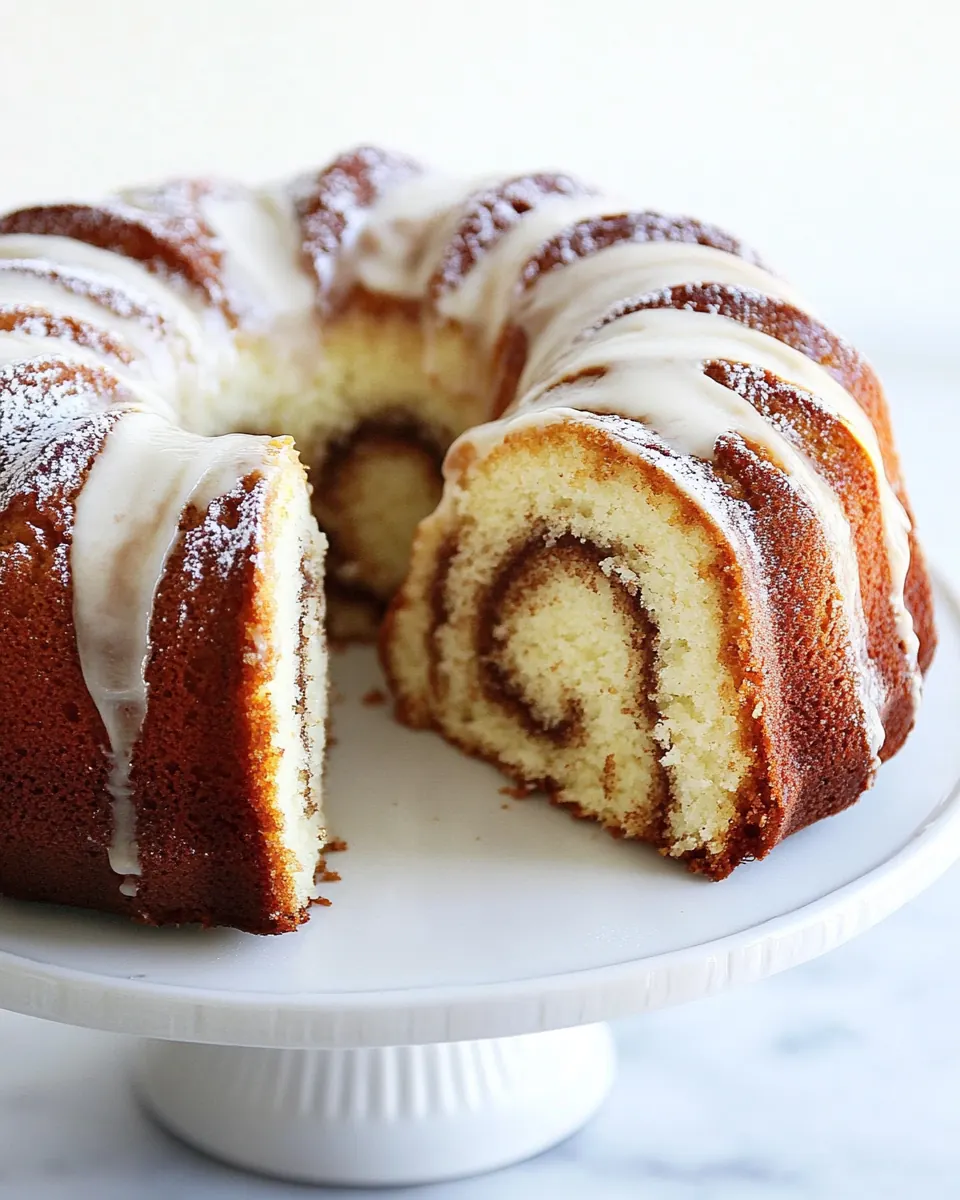
These ingredients combine classic baking building blocks with a few targeted players that create the cinnamon roll effect. The base relies on a high fat to flour ratio to produce a rich, tight crumb, while the cinnamon swirl and the icing provide texture and brightness. Each item has a clear role, so you can understand how they work together and why keeping measurements and temperatures consistent matters.
- 1 1/2 cups (3 sticks) unsalted butter, room temperature: Soften to room temperature and cream thoroughly with sugar to incorporate air; provide rich fat that tenderizes the crumb and contributes moistness and a pronounced buttery flavor. Use the specified stick measure for consistent fat content and accurate creaming, which helps create a fine, tender cake structure.
- 2 1/2 cups granulated sugar: Granulate evenly to blend with butter during creaming and to help trap air for leavening; supply sweetness and promote caramelization and browning on the crust. Adjusts overall sweetness to balance the richness from butter and eggs and enhances the cake's flavor profile.
- 6 large eggs, room temperature: Bring to room temperature so eggs emulsify smoothly into the batter; supply moisture, structure, and richness through proteins and fats that coagulate during baking. Contribute lift and stability, help bind ingredients, and improve the cake's tenderness and mouthfeel.
- 3 cups sifted cake flour: Sift before measuring to remove lumps and aerate the flour; provide a lower protein content relative to all-purpose flour, resulting in a fine, delicate crumb ideal for pound cake. Form the primary starch matrix that supports the cake while keeping it soft and tender.
- 1 teaspoon salt: Introduce flavor balance and enhance sweetness perception while slightly affecting gluten development for structure; help bring out the butter and vanilla notes without making the loaf taste salty. Use measured salt to ensure even flavor distribution throughout the cake.
- 1/2 teaspoon baking soda: Act as a chemical leavening adjunct that reacts with acidic components to produce carbon dioxide, aiding lift and lightening the dense pound cake. Use the small specified amount to avoid over-leavening, which could create an open crumb or collapse.
- 1 cup sour cream, room temperature: Bring to room temperature and add tanginess, moisture, and fat for a tender crumb; provide acidity that reacts with baking soda for controlled leavening and added depth of flavor. Improve texture by contributing moisture and richness while keeping the cake from becoming dry.
- 2 tablespoons vegetable oil: Add a small amount to increase moistness and improve tenderness without affecting flavor; provide lipid that can slightly loosen the batter and help with a softer crumb. Use neutral-flavored oil to complement the butter without overpowering the overall buttery profile.
- 1 tablespoon vanilla extract: Contribute aromatic depth and enhance the overall flavor profile; provide a familiar sweet-vanilla note that complements butter, sugar, and cinnamon while rounding out the cake's taste. Add at the right stage to preserve its delicate aroma.
- Cinnamon Swirl: Form a sweet, cinnamon-flavored ribbon that mimics classic rolls and adds texture contrast; swirl into the batter to create visual interest and bursts of warm, spiced sweetness throughout the loaf. Prepare with a slightly loose consistency so it layers and spreads without fully dissolving into the cake.
- 1/3 cup (5 tablespoons plus 1 teaspoon) unsalted butter, melted: Melt and use warm to bind the cinnamon swirl ingredients while adding a concentrated buttery flavor; help the swirl spread smoothly when layered into the batter and promote a moist, tender ribbon. Ensure melted temperature is cool enough to avoid cooking other components but fluid for easy mixing.
- 2/3 cups packed light brown sugar: Pack lightly to measure and dissolve into the melted butter for the cinnamon swirl; supply caramel-like molasses notes that deepen the swirl's flavor and provide chewiness and sweetness contrast against the cake. Balance with the granulated sugar in the main batter to avoid excessive overall sweetness.
- 1 tablespoon all-purpose flour: Add a small amount to the cinnamon swirl to absorb excess moisture and stabilize the mixture; provide slight structure so the swirl holds its ribbon shape during baking. Use a light dusting to prevent the swirl from bleeding into the cake while maintaining a tender texture.
- 1 1/2 teaspoons ground cinnamon: Season the swirl with warm, aromatic spice that defines the cinnamon-roll character; enhance the brown sugar's warmth and complement the cake's buttery base. Use measured ground cinnamon to avoid bitterness and keep the spice prominent but balanced.
- 1 teaspoon vanilla extract: Introduce a hint of vanilla to the cinnamon swirl to round and brighten flavors; complement the cinnamon and brown sugar while linking the swirl to the cake's base. Add at the end of swirl mixing to preserve its aromatic intensity.
- Icing: Provide a sweet, creamy glaze component that tops the cake and echoes classic cinnamon roll finish; smooth and slightly tangy when combined with cream cheese to contrast the rich pound cake. Prepare to be spread over the cooled loaf so it sets into a glossy, flavorful coating.
- 2 ounces cream cheese, room temperature: Soften to room temperature and blend with cream cheese for a smooth, luscious icing base; contribute additional buttery richness and help the icing achieve a silky texture that spreads easily. Use the specified softened form to prevent lumps and ensure an emulsion with confectioners' sugar.
- 2 tablespoons unsalted butter, room temperature: Soften and mix with cream cheese to create a stable, creamy frosting base; supply mild dairy fat that smooths the icing and adds richness without overpowering the vanilla. Work at room temperature to ensure even incorporation with the sugar and milk.
- 1 1/2 cups confectioners' sugar: Sift or break up to remove lumps and whisk into the cream cheese mixture for a smooth, stable icing; provide powdered sweetness that dissolves readily and helps the glaze set to a soft, spreadable consistency. Use measured amount to control sweetness and thickness of the icing.
- 1/4 cup milk (can whole, 2%, or even refrigerated coconut): Adjust icing consistency and add moisture for a glossy finish; provide a neutral dairy or non-dairy liquid base that thins the glaze for pouring or spreading. Choose the suggested milk types to subtly influence flavor and mouthfeel while keeping the icing smooth.
- 1 teaspoon vanilla extract: Enhance and round the icing's flavor with aromatic sweetness; add at the end to preserve its delicate scent and to tie together the cream cheese and butter notes. Use measured vanilla to avoid overpowering the glaze while delivering a familiar finishing touch.
Step by Step Guide for Cinnamon Roll Pound Cake
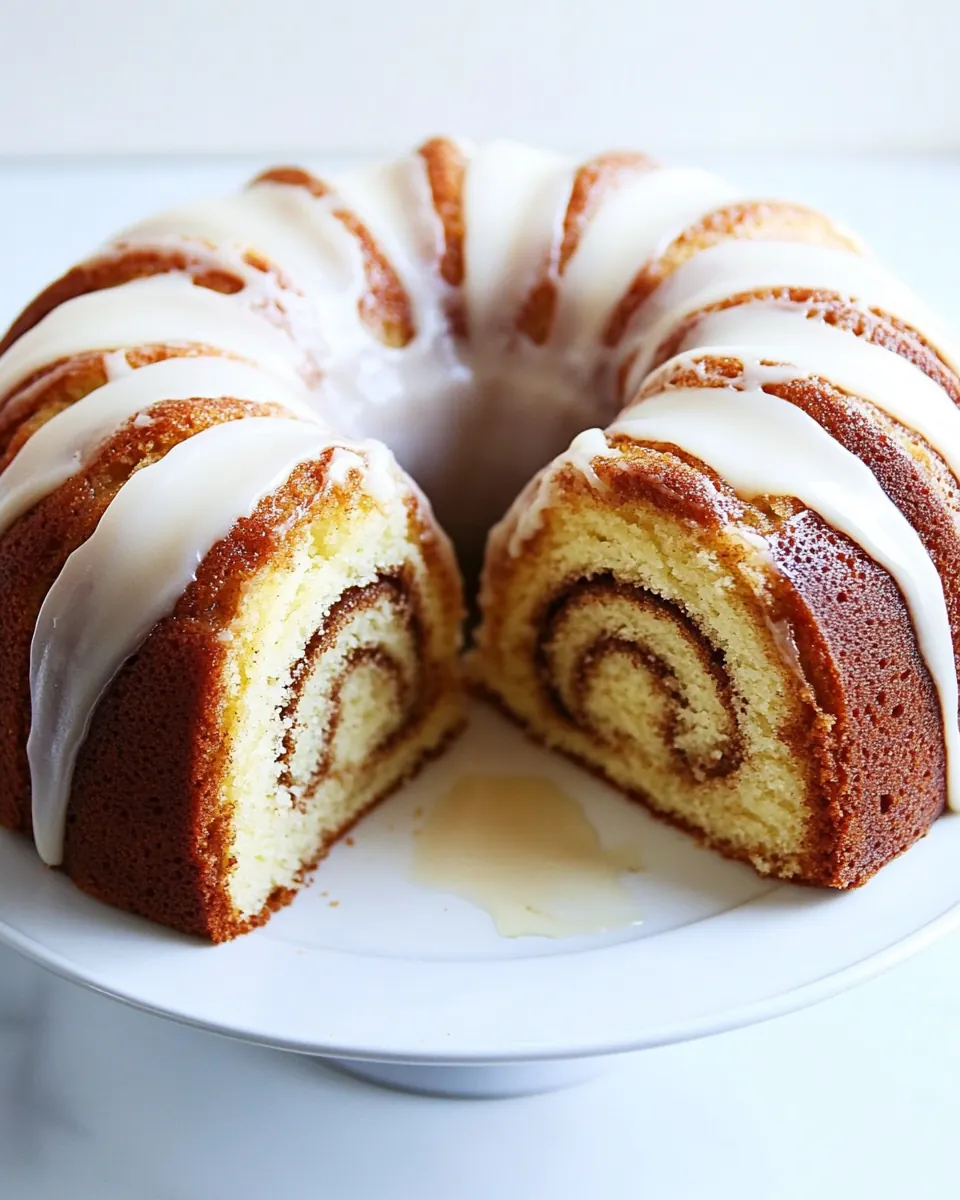
This cake comes together in stages so you can focus on the cake batter, then the swirl, and finally the icing. I like to follow each step patiently, because the sensory cues tell you when things are right. Below I expand each direction into detailed, personal guidance so you know what to look and listen for while baking.
- For the cake: Preheat your oven to 325 degrees F. Liberally prepare a 12-cup Bundt pan with the nonstick method of your choice.: Preheat your oven to 325 degrees F. Liberally prepare a 12-cup Bundt pan with the nonstick method of your choice. : Warmth is the backdrop for transformation, and setting your oven to 325 degrees F creates an even, moderate heat that lets the cake bake through without overbrowning. As the oven comes to temperature you will notice a dry, faintly warm air that signals readiness. Preparing a 12 cup Bundt pan thoroughly with your nonstick method ensures the cake will release cleanly; I rub softened butter into the nooks and dust with a light flour shake, tapping out excess. A common mistake is under preparing the pan, which can lead to stuck ribbons of cake; take your time here and coat every crease so the finished silhouette emerges perfectly. The gentle creak of the oven door closing is your cue that the stage is set.
- In the bowl of your stand mixer fitted with the whisk attachment, beat the butter for 1 minute on high speed. Slowly add the granulated sugar. Cream together for an additional 5 minutes, until very pale yellow and fluffy. Add the eggs 1 at a time, combining well after each addition and scraping down the sides and bottom of the bowl as needed.: As you beat the softened butter , you will hear a steady whir and see the texture soften, becoming glossy. When you add the granulated sugar slowly, it will dissolve slightly into the butter , and over five minutes of creaming the mixture will lighten to a pale yellow and puff up; that aeration is what gives lift to this rich batter. Adding the eggs one at a time helps maintain an emulsion, preventing curdling and ensuring a cohesive batter; after each egg you should scrape the bowl so no streaks remain. If it looks slightly broken, take a moment to scrape and beat at low speed until smooth. A common error is rushing the creaming or dumping eggs too quickly, which can lead to a dense texture, so keep a patient rhythm and watch the color change.
- Turn your mixer down to its lowest speed and slowly add the flour in 2 batches. Add the salt and baking soda. Be careful not to overbeat. Add the sour cream, oil, and vanilla extract. Scrape down the sides and bottom of the bowl and mix the batter until just mixed. Be careful not to overmix. Set the batter aside.: When you introduce the sifted cake flour in two additions at the lowest mixer speed, the goal is to fold in dry structure without deflating the trapped air. You'll see the batter thicken and take on a velvety sheen. Add the salt and baking soda so they distribute evenly, then stream in the sour cream , vegetable oil , and vanilla extract , which add moisture and tenderness; the batter will loosen and feel silky. Mixing just until incorporated prevents gluten overdevelopment, which would make the cake tough. Overmixing is the common pitfall here; stop when you no longer see streaks of flour .
- For the cinnamon swirl: In a small bowl, whisk together all the ingredients until well combined. Set aside.: In a small bowl, whisk together all the ingredients until well combined. Set aside. : Combine the melted butter , packed light brown sugar , all purpose flour , ground cinnamon , and vanilla extract until the mixture is glossy and slightly thick. The aroma of cinnamon will perfume the bowl, and the texture should be spreadable but not runny, so it forms defined ribbons when swirled through the batter. If it is too thin the swirl will bleed, and if too thick it will be hard to drizzle; adjust by folding gently until the mouthfeel looks like a soft paste. Avoid over whisking once incorporated, which can create a grainy texture from the brown sugar .
- To bake: Pour 1/3 of the batter into the prepared pan.: Pour 1/3 of the batter into the prepared pan. : Pouring a third of the batter creates a base layer that supports the swirl without the swirl sinking to the bottom. You will notice the batter is thick and glossy, falling in smooth ribbons from the spatula. Level it gently so the swirl distributes evenly. A common issue is overcrowding the pan at this stage, which can prevent the swirl from sitting where you want it; keep the surface even and steady your hand as you pour.
- Drizzle 1/2 of the cinnamon swirl over the batter. Using a butter knife or skewer, swivel the mixture through the cake batter, creating a flourish pattern.: When you drizzle half of the swirl over the batter, the aroma will lift and small pools of glossy butter and brown sugar will sit atop the pale batter. Using a butter knife or skewer, drag shallow, deliberate flourishes to create ribbons; the motion should be gentle so you create signals of cinnamon without overblending the layers. You will see veins of darker filling threading through the batter, a visual cue that the effect will be achieved. Avoid plunging the skewer too deep, which can smear the swirl into the base and blur the pattern.
- Repeat with the rest of the cake batter and cinnamon swirl. Top with remaining batter. Bake for 75-85 minutes, or until a toothpick inserted into the center of the cake comes out mostly clean.: Adding the remaining batter and swirl in layers builds the internal pattern. As the cake bakes at 325 degrees F , the kitchen will fill with a toasty, caramel scent and you may hear gentle settling noises as the crumb sets. The top should turn a warm golden brown; test for doneness by inserting a toothpick into the center it should come out mostly clean with perhaps a few moist crumbs, not a wet batter smear. Overbaking will dry the cake, while underbaking leaves a gummy center, so check at around 75 minutes and judge by the toothpick and the bounce to the touch.
- Let the cake cool in the pan on a wire rack for 10 minutes, then invert onto a serving plate. Let cool to room temperature. Lightly cover the cake with foil or plastic wrap so it does not dry out.: After baking, the cake needs a brief rest so the structure firms; ten minutes in the pan on a wire rack allows it to relax and shrink slightly from the sides. When you invert it, it should release with a soft pop if the pan was prepared well. Cool to room temperature before icing, because a warm cake will cause the icing to run off. If left uncovered, the exposed surfaces can form a crust and dry out, so tent lightly with foil or plastic wrap to keep humidity balanced without trapping condensation.
- For the icing: Clean your stand mixer bowl and whisk attachment. Beat the cream cheese and butter for 2 minutes on medium-high speed.: Clean your stand mixer bowl and whisk attachment. Beat the cream cheese and butter for 2 minutes on medium-high speed. : Start by combining the softened cream cheese and softened butter , beating until whipped and velvety. The sound becomes lighter and the mixture almost silvery as air is incorporated. Smooth, lump free texture is essential for a glossy icing; if you notice tiny clumps, scrape and beat until uniform. A frequent mistake is using cold ingredients which yield lumps, so ensure both are at room temperature.
- Reduce your mixer speed and carefully add the confectioners' sugar in 2 batches, scraping down the sides and bottom of the bowl as needed. Once the sugar is fully incorporated, turn your mixer back up to medium-high speed. Add the milk and vanilla extract and beat until the icing is smooth and pourable.: Adding the confectioners' sugar slowly prevents a powdered sugar cloud and gives you control over the icing thickness. After the sugar is fully worked in, increasing speed adds silkiness. Pour in the milk and vanilla extract to reach a pourable consistency that will both sit on the cake and sink into the top crumbs slightly. If it is too thick, add milk a teaspoon at a time; if too thin, add a touch more confectioners' sugar . Avoid adding too much liquid at once which can make the icing runny.
- Drizzle the icing over the cooled pound cake. Serve at room temperature.: The final drizzle is the satisfying finish, a glossy ribbon that melts into nooks and softens the top edge. The contrast between the cool, tangy cream cheese icing and the warm caramel notes of the cinnamon swirl is delightful. Serve at room temperature so the textures are ideal; chilled cake dulls flavors, and overly warm cake can make the icing slide off. Slice with a serrated knife for clean edges and enjoy the layers of aroma and texture.
Recipe Variations about Cinnamon Roll Pound Cake
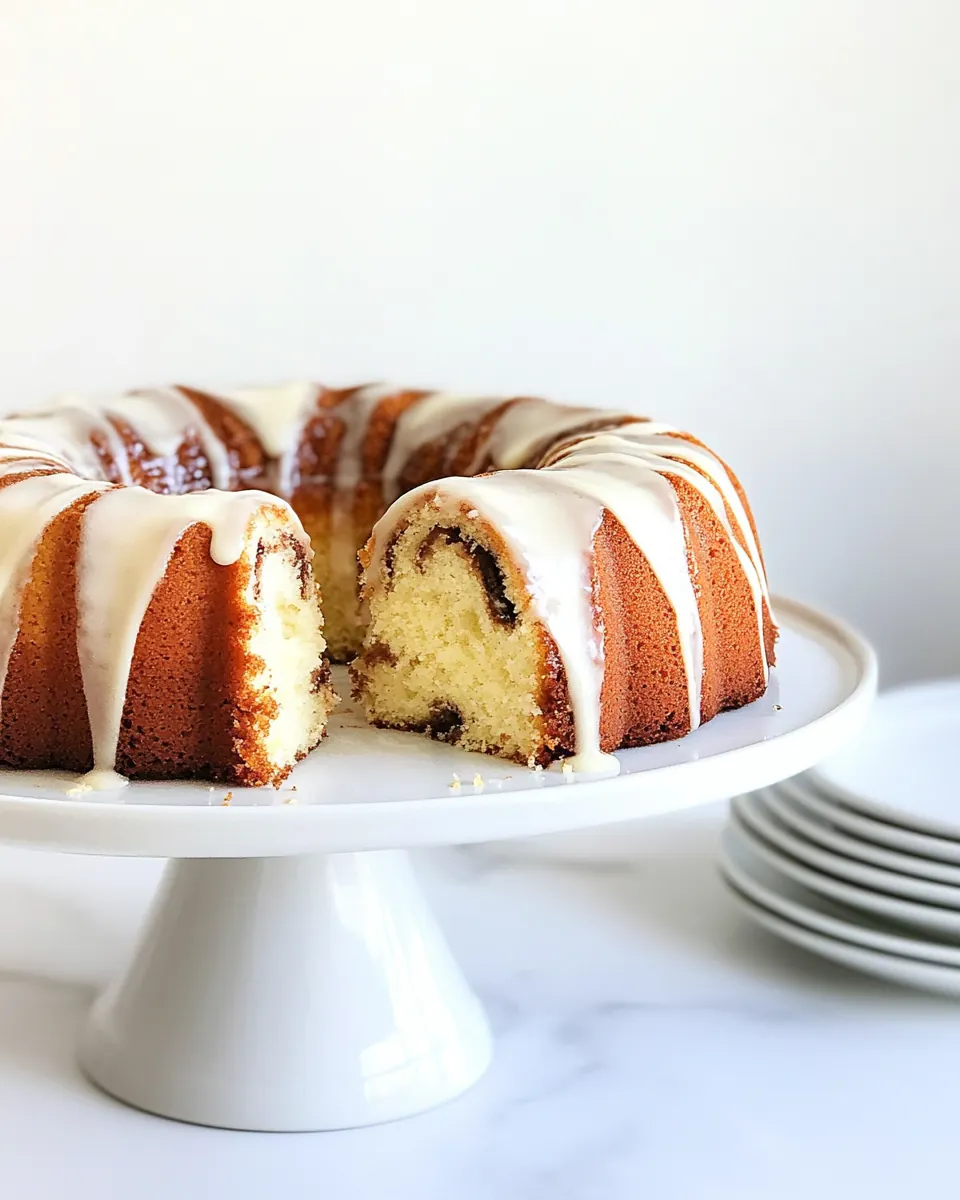
This cake adapts well to small changes while staying true to its character. Below are several ideas to customize texture, sweetness, and presentation without altering the structure of the recipe. Each tip starts with a bolded phrase to make it easy to scan.
- Swap the flour thoughtfully Use a blend of cake flour and a small portion of all purpose if you want a slightly chewier crumb; reduce the total by about two tablespoons to maintain tenderness.
- Control the sweetness Reduce the amount of confectioners‘ sugar in the icing by up to a quarter cup if you prefer a less sweet finish, balancing with a splash more milk to keep pourability.
- Make the swirl bolder Increase the cinnamon by half a teaspoon for a more pronounced spice note, or toast the cinnamon briefly in a dry pan to bring out its oils before mixing.
- Prevent a soggy center Use room temperature ingredients and avoid overpouring the swirl; too much liquid filling can sink and create an underbaked core.
- Adjust loaf size If using a different pan, monitor baking time closely and test with a toothpick starting 15 minutes earlier than the recipe suggests to avoid overbaking.
How to Enjoy Cinnamon Roll Pound Cake
This cake lends itself to many serving situations, from relaxed breakfasts to cozy dessert plates. Below are detailed suggestions for occasions, pairings, storage, and presentation so you can choose the best way to enjoy each slice.
- Breakfast or Brunch Serve slices warm or at room temperature with a mug of coffee or a pot of tea. The cinnamon and creamy icing pair beautifully with milk based drinks and create a leisurely brunch centerpiece.
- Casual Dessert Plate a generous wedge with a dollop of whipped cream or a scoop of neutral ice cream. The creamy components complement the cake without overwhelming the cinnamon swirl.
- Holiday Table This cake fits fall gatherings and holiday brunches especially well, offering a cozy, crowd friendly option that slices easily for guests at a family style spread.
- Storage for freshness Keep leftover slices wrapped loosely in plastic or in an airtight container at room temperature for up to two days, or refrigerate for up to five days. To refresh, warm gently in a low oven for a few minutes.
- Portioning tips Use a serrated knife and a steady sawing motion to cut clean slices. Wiping the blade between cuts prevents dragging icing and preserves a neat presentation.
- Seasonal pairing In cooler months, pair a slice with spiced coffee or a warmed apple compote. The cake‘s buttery crumb and cinnamon notes harmonize well with autumnal flavors.
FAQ
Conclusion
This Cinnamon Roll Pound Cake stands out for its harmonious pairing of a tender, buttery crumb and pockets of caramelized cinnamon filling, finished with a lacy cream cheese icing. Give it a try when you want a dessert that feels both homey and a little bit special. Baking it rewards you with wonderful aromas and a cake that serves well at brunches, family gatherings, or as a simple treat to savor with your morning coffee. I hope it becomes one of those recipes you return to again and again, the kind that garners compliments and invites sharing.
Cinnamon Roll Pound Cake
Equipment
- Stand mixer
- Whisk attachment
- 12 cup bundt pan
- Wire Rack
- Butter Knife or Skewer
Ingredients
- 1 1/2 cups (3 sticks) unsalted butter, room temperature Soften to room temperature and cream thoroughly with sugar to incorporate air; provide rich fat that tenderizes the crumb and contributes moistness and a pronounced buttery flavor. Use the specified stick measure for consistent fat content and accurate creaming, which helps create a fine, tender cake structure.
- 2 1/2 cups granulated sugar Granulate evenly to blend with butter during creaming and to help trap air for leavening; supply sweetness and promote caramelization and browning on the crust. Adjusts overall sweetness to balance the richness from butter and eggs and enhances the cake's flavor profile.
- 6 large eggs, room temperature Bring to room temperature so eggs emulsify smoothly into the batter; supply moisture, structure, and richness through proteins and fats that coagulate during baking. Contribute lift and stability, help bind ingredients, and improve the cake's tenderness and mouthfeel.
- 3 cups sifted cake flour Sift before measuring to remove lumps and aerate the flour; provide a lower protein content relative to all-purpose flour, resulting in a fine, delicate crumb ideal for pound cake. Form the primary starch matrix that supports the cake while keeping it soft and tender.
- 1 teaspoon salt Introduce flavor balance and enhance sweetness perception while slightly affecting gluten development for structure; help bring out the butter and vanilla notes without making the loaf taste salty. Use measured salt to ensure even flavor distribution throughout the cake.
- 1/2 teaspoon baking soda Act as a chemical leavening adjunct that reacts with acidic components to produce carbon dioxide, aiding lift and lightening the dense pound cake. Use the small specified amount to avoid over-leavening, which could create an open crumb or collapse.
- 1 cup sour cream, room temperature Bring to room temperature and add tanginess, moisture, and fat for a tender crumb; provide acidity that reacts with baking soda for controlled leavening and added depth of flavor. Improve texture by contributing moisture and richness while keeping the cake from becoming dry.
- 2 tablespoons vegetable oil Add a small amount to increase moistness and improve tenderness without affecting flavor; provide lipid that can slightly loosen the batter and help with a softer crumb. Use neutral-flavored oil to complement the butter without overpowering the overall buttery profile.
- 1 tablespoon vanilla extract Contribute aromatic depth and enhance the overall flavor profile; provide a familiar sweet-vanilla note that complements butter, sugar, and cinnamon while rounding out the cake's taste. Add at the right stage to preserve its delicate aroma.
- Cinnamon Swirl Form a sweet, cinnamon-flavored ribbon that mimics classic rolls and adds texture contrast; swirl into the batter to create visual interest and bursts of warm, spiced sweetness throughout the loaf. Prepare with a slightly loose consistency so it layers and spreads without fully dissolving into the cake.
- 1/3 cup (5 tablespoons plus 1 teaspoon) unsalted butter, melted Melt and use warm to bind the cinnamon swirl ingredients while adding a concentrated buttery flavor; help the swirl spread smoothly when layered into the batter and promote a moist, tender ribbon. Ensure melted temperature is cool enough to avoid cooking other components but fluid for easy mixing.
- 2/3 cups packed light brown sugar Pack lightly to measure and dissolve into the melted butter for the cinnamon swirl; supply caramel-like molasses notes that deepen the swirl's flavor and provide chewiness and sweetness contrast against the cake. Balance with the granulated sugar in the main batter to avoid excessive overall sweetness.
- 1 tablespoon all-purpose flour Add a small amount to the cinnamon swirl to absorb excess moisture and stabilize the mixture; provide slight structure so the swirl holds its ribbon shape during baking. Use a light dusting to prevent the swirl from bleeding into the cake while maintaining a tender texture.
- 1 1/2 teaspoons ground cinnamon Season the swirl with warm, aromatic spice that defines the cinnamon-roll character; enhance the brown sugar's warmth and complement the cake's buttery base. Use measured ground cinnamon to avoid bitterness and keep the spice prominent but balanced.
- 1 teaspoon vanilla extract Introduce a hint of vanilla to the cinnamon swirl to round and brighten flavors; complement the cinnamon and brown sugar while linking the swirl to the cake's base. Add at the end of swirl mixing to preserve its aromatic intensity.
- Icing Provide a sweet, creamy glaze component that tops the cake and echoes classic cinnamon roll finish; smooth and slightly tangy when combined with cream cheese to contrast the rich pound cake. Prepare to be spread over the cooled loaf so it sets into a glossy, flavorful coating.
- 2 ounces cream cheese, room temperature Soften to room temperature and blend with cream cheese for a smooth, luscious icing base; contribute additional buttery richness and help the icing achieve a silky texture that spreads easily. Use the specified softened form to prevent lumps and ensure an emulsion with confectioners' sugar.
- 2 tablespoons unsalted butter, room temperature Soften and mix with cream cheese to create a stable, creamy frosting base; supply mild dairy fat that smooths the icing and adds richness without overpowering the vanilla. Work at room temperature to ensure even incorporation with the sugar and milk.
- 1 1/2 cups confectioners' sugar Sift or break up to remove lumps and whisk into the cream cheese mixture for a smooth, stable icing; provide powdered sweetness that dissolves readily and helps the glaze set to a soft, spreadable consistency. Use measured amount to control sweetness and thickness of the icing.
- 1/4 cup milk (can whole, 2%, or even refrigerated coconut) Adjust icing consistency and add moisture for a glossy finish; provide a neutral dairy or non-dairy liquid base that thins the glaze for pouring or spreading. Choose the suggested milk types to subtly influence flavor and mouthfeel while keeping the icing smooth.
- 1 teaspoon vanilla extract Enhance and round the icing's flavor with aromatic sweetness; add at the end to preserve its delicate scent and to tie together the cream cheese and butter notes. Use measured vanilla to avoid overpowering the glaze while delivering a familiar finishing touch.
Instructions
- For the cake: Preheat your oven to 325 degrees F. Liberally prepare a 12-cup Bundt pan with the nonstick method of your choice.: Preheat your oven to 325 degrees F. Liberally prepare a 12-cup Bundt pan with the nonstick method of your choice. : Warmth is the backdrop for transformation, and setting your oven to 325 degrees F creates an even, moderate heat that lets the cake bake through without overbrowning. As the oven comes to temperature you will notice a dry, faintly warm air that signals readiness. Preparing a 12 cup Bundt pan thoroughly with your nonstick method ensures the cake will release cleanly; I rub softened butter into the nooks and dust with a light flour shake, tapping out excess. A common mistake is under preparing the pan, which can lead to stuck ribbons of cake; take your time here and coat every crease so the finished silhouette emerges perfectly. The gentle creak of the oven door closing is your cue that the stage is set.
- In the bowl of your stand mixer fitted with the whisk attachment, beat the butter for 1 minute on high speed. Slowly add the granulated sugar. Cream together for an additional 5 minutes, until very pale yellow and fluffy. Add the eggs 1 at a time, combining well after each addition and scraping down the sides and bottom of the bowl as needed.: As you beat the softened butter , you will hear a steady whir and see the texture soften, becoming glossy. When you add the granulated sugar slowly, it will dissolve slightly into the butter , and over five minutes of creaming the mixture will lighten to a pale yellow and puff up; that aeration is what gives lift to this rich batter. Adding the eggs one at a time helps maintain an emulsion, preventing curdling and ensuring a cohesive batter; after each egg you should scrape the bowl so no streaks remain. If it looks slightly broken, take a moment to scrape and beat at low speed until smooth. A common error is rushing the creaming or dumping eggs too quickly, which can lead to a dense texture, so keep a patient rhythm and watch the color change.
- Turn your mixer down to its lowest speed and slowly add the flour in 2 batches. Add the salt and baking soda. Be careful not to overbeat. Add the sour cream, oil, and vanilla extract. Scrape down the sides and bottom of the bowl and mix the batter until just mixed. Be careful not to overmix. Set the batter aside.: When you introduce the sifted cake flour in two additions at the lowest mixer speed, the goal is to fold in dry structure without deflating the trapped air. You'll see the batter thicken and take on a velvety sheen. Add the salt and baking soda so they distribute evenly, then stream in the sour cream , vegetable oil , and vanilla extract , which add moisture and tenderness; the batter will loosen and feel silky. Mixing just until incorporated prevents gluten overdevelopment, which would make the cake tough. Overmixing is the common pitfall here; stop when you no longer see streaks of flour .
- For the cinnamon swirl: In a small bowl, whisk together all the ingredients until well combined. Set aside.: In a small bowl, whisk together all the ingredients until well combined. Set aside. : Combine the melted butter , packed light brown sugar , all purpose flour , ground cinnamon , and vanilla extract until the mixture is glossy and slightly thick. The aroma of cinnamon will perfume the bowl, and the texture should be spreadable but not runny, so it forms defined ribbons when swirled through the batter. If it is too thin the swirl will bleed, and if too thick it will be hard to drizzle; adjust by folding gently until the mouthfeel looks like a soft paste. Avoid over whisking once incorporated, which can create a grainy texture from the brown sugar .
- To bake: Pour 1/3 of the batter into the prepared pan.: Pour 1/3 of the batter into the prepared pan. : Pouring a third of the batter creates a base layer that supports the swirl without the swirl sinking to the bottom. You will notice the batter is thick and glossy, falling in smooth ribbons from the spatula. Level it gently so the swirl distributes evenly. A common issue is overcrowding the pan at this stage, which can prevent the swirl from sitting where you want it; keep the surface even and steady your hand as you pour.
- Drizzle 1/2 of the cinnamon swirl over the batter. Using a butter knife or skewer, swivel the mixture through the cake batter, creating a flourish pattern.: When you drizzle half of the swirl over the batter, the aroma will lift and small pools of glossy butter and brown sugar will sit atop the pale batter. Using a butter knife or skewer, drag shallow, deliberate flourishes to create ribbons; the motion should be gentle so you create signals of cinnamon without overblending the layers. You will see veins of darker filling threading through the batter, a visual cue that the effect will be achieved. Avoid plunging the skewer too deep, which can smear the swirl into the base and blur the pattern.
- Repeat with the rest of the cake batter and cinnamon swirl. Top with remaining batter. Bake for 75-85 minutes, or until a toothpick inserted into the center of the cake comes out mostly clean.: Adding the remaining batter and swirl in layers builds the internal pattern. As the cake bakes at 325 degrees F , the kitchen will fill with a toasty, caramel scent and you may hear gentle settling noises as the crumb sets. The top should turn a warm golden brown; test for doneness by inserting a toothpick into the center it should come out mostly clean with perhaps a few moist crumbs, not a wet batter smear. Overbaking will dry the cake, while underbaking leaves a gummy center, so check at around 75 minutes and judge by the toothpick and the bounce to the touch.
- Let the cake cool in the pan on a wire rack for 10 minutes, then invert onto a serving plate. Let cool to room temperature. Lightly cover the cake with foil or plastic wrap so it does not dry out.: After baking, the cake needs a brief rest so the structure firms; ten minutes in the pan on a wire rack allows it to relax and shrink slightly from the sides. When you invert it, it should release with a soft pop if the pan was prepared well. Cool to room temperature before icing, because a warm cake will cause the icing to run off. If left uncovered, the exposed surfaces can form a crust and dry out, so tent lightly with foil or plastic wrap to keep humidity balanced without trapping condensation.
- For the icing: Clean your stand mixer bowl and whisk attachment. Beat the cream cheese and butter for 2 minutes on medium-high speed.: Clean your stand mixer bowl and whisk attachment. Beat the cream cheese and butter for 2 minutes on medium-high speed. : Start by combining the softened cream cheese and softened butter , beating until whipped and velvety. The sound becomes lighter and the mixture almost silvery as air is incorporated. Smooth, lump free texture is essential for a glossy icing; if you notice tiny clumps, scrape and beat until uniform. A frequent mistake is using cold ingredients which yield lumps, so ensure both are at room temperature.
- Reduce your mixer speed and carefully add the confectioners' sugar in 2 batches, scraping down the sides and bottom of the bowl as needed. Once the sugar is fully incorporated, turn your mixer back up to medium-high speed. Add the milk and vanilla extract and beat until the icing is smooth and pourable.: Adding the confectioners' sugar slowly prevents a powdered sugar cloud and gives you control over the icing thickness. After the sugar is fully worked in, increasing speed adds silkiness. Pour in the milk and vanilla extract to reach a pourable consistency that will both sit on the cake and sink into the top crumbs slightly. If it is too thick, add milk a teaspoon at a time; if too thin, add a touch more confectioners' sugar . Avoid adding too much liquid at once which can make the icing runny.
- Drizzle the icing over the cooled pound cake. Serve at room temperature.: The final drizzle is the satisfying finish, a glossy ribbon that melts into nooks and softens the top edge. The contrast between the cool, tangy cream cheese icing and the warm caramel notes of the cinnamon swirl is delightful. Serve at room temperature so the textures are ideal; chilled cake dulls flavors, and overly warm cake can make the icing slide off. Slice with a serrated knife for clean edges and enjoy the layers of aroma and texture.
Notes
- Swap the flour thoughtfully Use a blend of cake flour and a small portion of all purpose if you want a slightly chewier crumb; reduce the total by about two tablespoons to maintain tenderness.
- Control the sweetness Reduce the amount of confectioners' sugar in the icing by up to a quarter cup if you prefer a less sweet finish, balancing with a splash more milk to keep pourability.
- Make the swirl bolder Increase the cinnamon by half a teaspoon for a more pronounced spice note, or toast the cinnamon briefly in a dry pan to bring out its oils before mixing.
- Prevent a soggy center Use room temperature ingredients and avoid overpouring the swirl; too much liquid filling can sink and create an underbaked core.
- Adjust loaf size If using a different pan, monitor baking time closely and test with a toothpick starting 15 minutes earlier than the recipe suggests to avoid overbaking.
