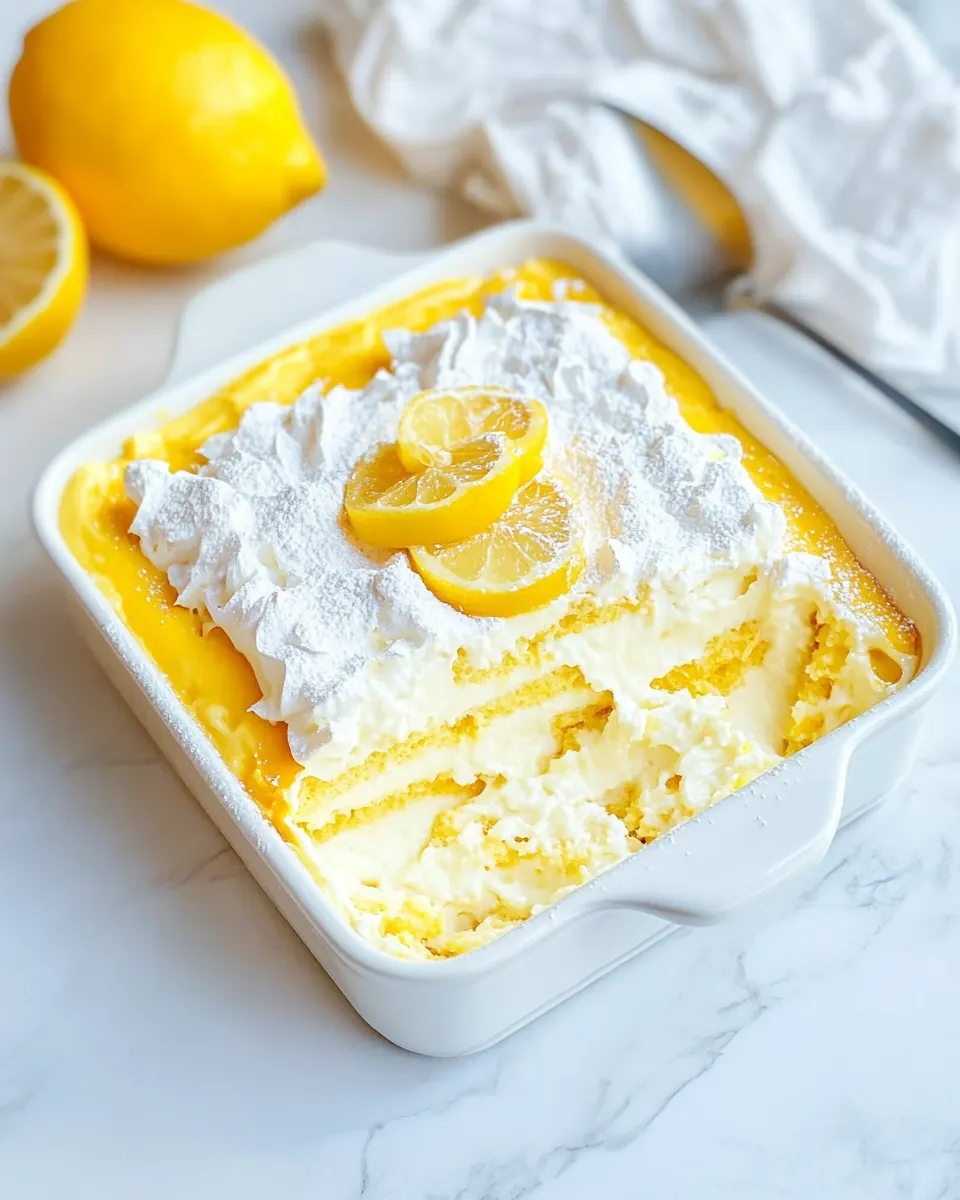
Lemon Tiramisu
Lemon Tiramisu arrived at my table on a sun soaked afternoon and instantly changed how I think about classic desserts. I remember the first time I tasted it, a friend had swapped the usual coffee soaked ladyfingers for bright lemon syrup, and the contrast between silky cream and citrus hit me like a revelation. It felt like summer wrapped up in a spoon, and I knew right away this was a recipe I would return to whenever I wanted something both comforting and bright.
Over the years I have made variations, but the core of this Lemon Tiramisu stays the same: luscious lemon curd folded into velvety mascarpone and cloud light whipped cream, layered with crisp then tender ladyfingers soaked in an intensely lemony syrup. Each bite balances creamy, tangy, and sweet textures in a way that keeps you coming back for another forkful. I like to make it the day before a gathering because the flavors marry beautifully overnight, and it gives me time to relax and enjoy the company when guests arrive.
When I serve Lemon Tiramisu, people often assume it took all day to prepare, but the techniques are straightforward. It’s a dessert that rewards a little patience, especially when you chill the lemon curd and let the assembled tiramisu rest. I’ll walk you through everything from making the curd to whipping the cream and assembling the layers, with practical sensory cues so you know when you are on track. By the end you’ll have a dessert that looks elegant and tastes like a sunny memory.
Recipe Snapshot
1 hr 6 mins
60 mins
6 mins
Medium
350 kcal
Italian
Gluten-Free, Low FODMAP
Desserts
Medium saucepan, Fine mesh strainer, Storage container, Mixing bowl, Whisk, Silicone spatula, 4 quart baking dish
Why We Love This Lemon Tiramisu
Bright, refreshing flavor profile
I love how Lemon Tiramisu takes the classic tiramisu template and brightens it with citrus. The lemon curd brings a clean, tangy lift that cuts through the richness of the mascarpone and cream, so each bite feels light yet indulgent. When I serve it, guests always comment on how refreshing it is compared to heavier, chocolate based desserts.
Textural contrast that sings
The interplay between the slightly crisp ladyfinger cookies and the velvety cream is one of the main reasons I make this recipe again and again. The ladyfingers first soak up lemon syrup, becoming tender but still offering structure beneath the creamy layers. That contrast keeps every forkful interesting, and it also helps the dessert hold its shape when plated.
Make ahead friendly
One of my favorite things about Lemon Tiramisu is how well it benefits from resting. The flavors meld during refrigeration, and the texture smooths out so you get a cohesive, dreamy bite. I often prepare it a day ahead for gatherings, which saves time on the big day and lets me enjoy my guests more.
Approachable techniques, impressive results
Even though some steps feel fancy, the techniques are very doable. Making a lemon curd, whipping cream to peaks, and folding are skills you can master with a little attention. I promise the sensory cues I share will guide you through so your curd is glossy, your cream holds its shape, and your assembled dessert looks restaurant worthy.
Versatile presentation
I adore that Lemon Tiramisu can be adapted to different serving dishes and occasions. It works equally well in a generous baking dish for families, or in individual glasses for elegant entertaining. The finishing touches like candied lemon slices make it feel celebratory, so I reach for this recipe for spring brunches and special dinners alike.
Everything You Need for Lemon Tiramisu

These ingredients are chosen to create a balance between bright acidity, sweet depth, and creamy richness. The star players are the lemon curd components which provide the citrus backbone, the mascarpone cheese and heavy whipping cream that create the luxurious layers, and the ladyfinger cookies which deliver textural contrast. Each component has a job, and together they form a cohesive dessert that is both refreshing and indulgent.
- 5 large eggs: Separate and temper to create a stable, aerated base for the tiramisu; whisk whites to soft peaks and yolks with sugar for richness and structure, ensuring proper incorporation into custards or zabaglione without curdling.
- 1 1/2 cups granulated sugar: Sweeten and stabilize mixtures while providing bulk and caramelization; divide between custard and whipped components to control sweetness and texture throughout the layered dessert.
- 1 1/4 cups fresh lemon juice: Brighten and acidify custard layers while balancing sweetness; use fresh juice to provide clear citrus flavor and help set the zabaglione by interacting with egg proteins.
- 1 tablespoon lemon zest: Provide concentrated citrus oils and aromatic lift; finely grate to release volatile oils that intensify lemon flavor without adding extra liquid to the custard.
- 10 tablespoons unsalted butter, room temperature: Enrich and lend a silky mouthfeel to custard when creamed or integrated; room–temperature butter helps emulsify and add richness to cooked lemon curds or fillings.
- 1 teaspoon vanilla extract: Add a warm aromatic backbone to balance citrus; a small amount enhances complexity in both custard and cream layers without overpowering the lemon notes.
- 1/4 teaspoons salt: Enhance overall flavor perception and balance sweetness; a pinch helps amplify other flavors and rounds out the dessert’s taste profile.
- 1 1/2 cups granulated sugar: Sweeten the syrup or secondary component and reinforce consistency; this sugar portion is typically dissolved for lemon syrup or incorporated into cream for balanced sweetness.
- 1/2 cup fresh lemon juice: Contribute additional bright acidity for syrup or curd layers; combining with sugar and water creates a soaking syrup that infuses ladyfingers without making them soggy.
- 1/2 cup water: Dilute and dissolve sugars to form a light soaking syrup or simple syrup base; water controls viscosity so ladyfingers absorb flavor without collapsing the structure.
- 1 teaspoon lemon zest: Provide a subtler citrus aroma for finishing or layering; small amounts of zest distributed through creams lift the overall lemon character with delicate perfume.
- 1 cup heavy whipping cream, chilled: Whip to stable peaks to create airy, light layers; chilled heavy cream folded into mascarpone or custard produces a fluffy, stable filling that balances density.
- 1/3 cup granulated sugar: Add controlled sweetness to whipped cream while stabilizing peaks; this quantity sweetens the cream without making it overly sweet, preserving lemon brightness.
- 1 teaspoon vanilla extract: Contribute subtle warm aromatics to creams and custards; vanilla rounds out citrus and dairy flavors, enhancing perceived sweetness and depth in the final dessert.
- 1 tablespoon lemon zest: Offer concentrated lemon fragrance and punch when folded into creams or used as garnish; additional zest intensifies citrus notes and provides fresh aromatic contrast.
- 16 ounces mascarpone cheese: Supply creamy, tangy body and stability to the filling; mascarpone creates the classic rich texture of tiramisu while binding with whipped cream and custard layers.
- 25 ladyfinger cookies, more or less depending on the dish you use: Absorb soaking syrup and provide sponge-like structure between layers; ladyfingers form the framework of tiramisu and carry lemon syrup and custard flavors.
- candied lemon slices (optional): Garnish and reinforce citrus theme with a decorative, edible touch; candied lemon slices offer chewable sweetness and visual appeal when used sparingly as an optional topping.
How to Make Lemon Tiramisu
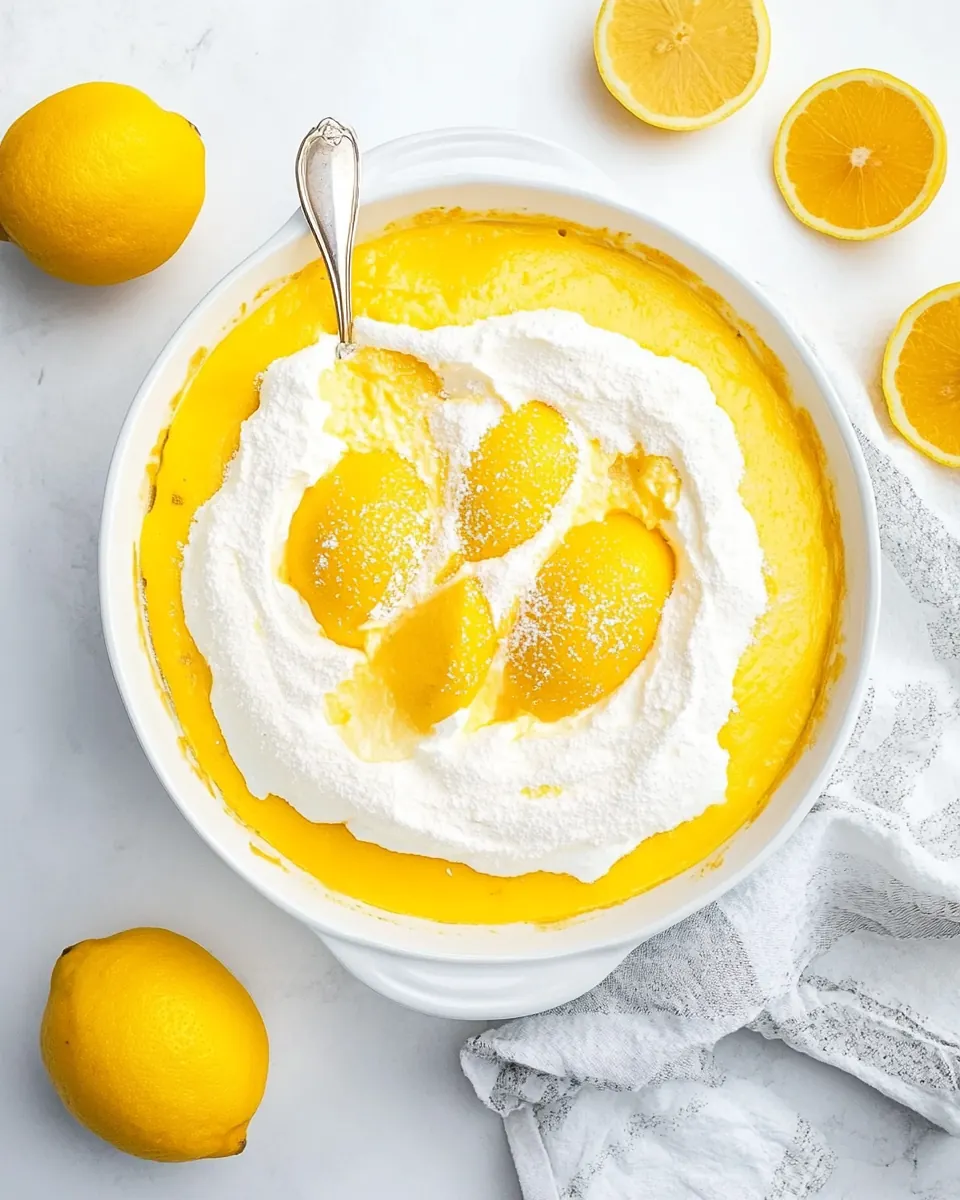
Follow these steps in order and focus on the sensory cues I describe. The process involves making a lemon curd, a lemon syrup, whipped cream, and assembling everything into layers. Take your time with temperature control and textural checks to ensure each component comes together smoothly.
- In a medium saucepan, whisk 5 large eggs and 1 1/2 cups granulated sugar together for a minute or so until light and glossy. Whisk in 1 1/4 cups fresh lemon juice, 1 tablespoon lemon zest, and 1/4 teaspoon salt. Heat over medium-low heat while whisking constantly for 3-4 minutes or until the mixture begins to thicken slightly.: Warmth and movement transform these ingredients into the base of a silky curd, and you should notice the mixture lighten in color and become slightly thicker as air is incorporated. Work over medium low heat because gentle heat is the secret to smoothness, and you will smell a faint custardy aroma as the mixture begins to warm. The whisking rhythm should be continuous so the eggs do not seize; if you see small curdled bits, you likely heated too fast. Common mistake to avoid is rushing the heat, which leads to scrambled eggs, so maintain a steady whisk and patient pace.
- Whisk in 10 tablespoons unsalted butter, one tablespoon at a time, until it is all melted. Continue to whisk the mixture for 5-6 minutes or until it has thickened enough to coat the back of a spoon. Stir in 1 teaspoon vanilla extract.: The citrus will change the mixture noticeably, adding a bright scent and a slightly tangy edge that contrasts with the sweet base. Stirring in zest releases oils that perfume the curd, and salt amplifies those flavors in a subtle way. You may notice the mixture thicken a little as acid reacts with the egg proteins, so keep whisking. A frequent error is adding cold lemon juice straight from the fridge, which can cool the mixture unevenly, so try to have it at room temperature.
- Use a silicone spatula or a wooden spoon to run the curd through a fine mesh strainer into a storage container. Lay a piece of plastic wrap over the top and press it down until it touches the entire surface of the curd. This will prevent a film from forming on the curd as it cools.: As the saucepan warms, steam will rise and the aroma will become more pronounced, signaling the proteins are setting. The texture should transform from runny to slightly custardy, climbing the whisk when you lift it. Keep a gentle, steady heat and avoid boiling, because a boil will make the curd grainy. If you see bubbles or rapid simmering, immediately reduce the heat.
- Cover with an airtight lid or another layer of tight plastic wrap and chill in the refrigerator for 2 hours or until completely cooled.: Adding butter slowly lets it emulsify into the warm curd, creating a glossy finish and rich mouthfeel. After each tablespoon the texture should feel silkier, and the surface will gain a soft sheen. If you add butter too quickly or when the curd is too cool, it may separate, so maintain low heat and steady whisking. A troubleshooting tip is to remove from heat briefly if the mixture cools, then whisk to reincorporate.
- Combine 1 1/2 cups granulated sugar, 1/2 cup fresh lemon juice, 1/2 cup water, and 1 teaspoon lemon zest in a small saucepan and cook over medium heat until the mixture is boiling and all the sugar has dissolved. It should take about 4 minutes. Remove from the heat and cool completely.: The spoon test is a reliable visual cue, where the curd leaves a clear line on the back of the spoon when you run your finger through it. The smell will be richer now, and the texture should be supremely smooth. Patience here pays off because overcooking will make it grainy, while undercooking will leave it too loose to set properly when chilled. Avoid walking away from the pan, as unattended curd can quickly go from perfect to ruined.
- Whip 1 cup heavy whipping cream to soft peaks. Add in 1/3 cup granulated sugar slowly, and whip until stiff peaks.: Vanilla rounds out the sharp citrus notes and brings warmth to the curd, and you will notice an immediate comforting aroma. Add it off the heat to preserve its delicate flavor, and stir just enough to incorporate so the curd remains glossy. A common oversight is adding too much vanilla, which can muddle the lemon character, so stick to the measured amount.
- Combine the 16 ounces mascarpone cheese and 1/2 cup of lemon curd until smooth. Fold in the whipped cream, 1 teaspoon vanilla extract, and 1 tablespoon lemon zest until smooth.: Straining catches any tiny cooked egg bits and yields a perfectly smooth curd, which is essential for the final texture of the dessert. You will see a bright, glossy curd collect in the container, with the solids left behind in the strainer. Press gently with the spatula to extract as much as possible without forcing solids through. If you skip this step, the curd may be less refined and slightly grainy.
- Dip half of the 25 ladyfinger cookies quickly in the cooled syrup until fully coated and layer on the bottom of a 4-quart baking dish. If you need to cut the cookies to fit in the odd spaces, cut them carefully and fill in the bottom of the pan.: This prevents a skin from forming as the curd cools, preserving that silky texture. The surface will remain glossy and uniform under the wrap, and you will avoid the need to whisk the curd later to reincorporate a film. A typical mistake is leaving the container uncovered, which results in an unpleasant film that detracts from the dessert.
- Layer half of the cream mixture over them and smooth. Top with 1/2-2/3 cup of lemon curd and smooth. Dip and layer the other half of the ladyfingers over the top of the cream until it is fully covered with cookies.: Cooling allows the curd to thicken and develop flavor, and the cold curd will be easier to fold into the mascarpone without breaking the cheese. You will notice the curd firm slightly and become more spreadable after chilling. Avoid placing it in the freezer to speed things up, as rapid cooling can change the texture.
- Spread the remaining cream over the top and smooth out. Top with 1/2-2/3 cup of lemon curd and smooth. You may end up with a little cream and curd leftover, depending on the size and shape of your serving dish.: Heat transforms these ingredients into a bright lemon syrup that will flavor and moisten the ladyfinger cookies . As it simmers, the syrup will smell intensely of lemon and sugar, and the liquid should be clear and glossy when done. Cook just until dissolved, then remove from heat and cool to room temperature, because dipping cookies in hot syrup will make them collapse. The common pitfall is not cooling the syrup enough before dipping, leading to overly soggy cookies.
- Let the tiramisu chill in the refrigerator for at least 2 hours before serving. When you are ready to serve, garnish with fresh or candied lemon slices, and sprigs of mint leaves, if desired.: Chilled cream whisked briskly will thicken and form soft peaks that hold for a moment before folding. You can see the texture shift from glossy to more structured, and the sound of the whisk will change as the cream gains body. Start slow and increase speed to avoid splattering, and be mindful that overwhipping will lead to grainy, broken cream.
- Add in 1/3 cup granulated sugar slowly, and whip until stiff peaks: Slowly adding sugar helps stabilize the whipped cream and sweeten it evenly, and when you reach stiff peaks the cream will stand tall with a smooth finish. The mouthfeel should be airy but stable enough to fold into the mascarpone without collapsing. A common error is rushing the sugar addition, which can deflate the cream or prevent it from reaching the proper volume.
- Combine the 16 ounces mascarpone cheese and 1/2 cup of lemon curd until smooth: The mascarpone and curd meld into a luxuriously creamy base that smells of lemon and dairy, and the texture should be free of lumps. Using a spatula, gently work them together until fully smooth, taking care not to overwork the mascarpone which can become grainy if handled too aggressively. If it seems too stiff, a tablespoon of reserved curd or cream can ease the texture.
- Fold in the whipped cream, 1 teaspoon vanilla extract, and 1 tablespoon lemon zest until smooth: Folding preserves the airiness of the whipped cream while incorporating the lemon scented mascarpone into a unified mixture, resulting in a light but rich filling. Use gentle strokes and watch for an even pale yellow color, signaling thorough incorporation. Avoid stirring vigorously, which will deflate the mixture and make the tiramisu dense.
- Dip half of the 25 ladyfinger cookies quickly in the cooled syrup until fully coated and layer on the bottom of a 4 quart baking dish: When dipped correctly the ladyfingers should feel saturated but still hold their shape, and they will release a fragrant lemon steam when first arranged. Work swiftly so the cookies do not over soak, and if pieces are irregular, trim them to fit the pan neatly. Over soaking is the most common mistake here, leading to a mushy base.
- Layer half of the cream mixture over them and smooth: The smooth layer should spread easily and have a luscious sheen, creating a stable surface for the next curd dollops. Use an offset spatula to get an even thickness, watching for any air pockets which you can gently press out. A rushed spread can mix the cream into the ladyfingers and disturb the layered look, so take a moment for a clean finish.
- Top with 1/2 to 2/3 cup of lemon curd and smooth: Adding curd in this layer brings concentrated lemon flavor into the middle of the tiramisu, and you will see a vivid ribbon of yellow against the cream. Smooth gently so the curd remains distinct but evenly distributed. If you over spread, the curd can mix into the cream too much and lose its bright pockets of flavor.
- Dip and layer the other half of the ladyfingers over the top of the cream until it is fully covered with cookies: Repeat the soaking process for the top layer, aligning cookies carefully to provide a uniform surface. The assembled structure should feel balanced and not overly heavy, with cookies forming a cohesive top. Be careful when fitting cookies into tight spaces to avoid breaking them into crumbs.
- Spread the remaining cream over the top and smooth out: The final cream layer should be silky and even, creating a beautiful canvas for the finishing curd. Smooth with gentle strokes so the surface is tidy, and reserve any leftover cream for individual servings if desired. If the cream looks loose, a short refrigeration period helps it set before adding the final curd.
- Top with 1/2 to 2/3 cup of lemon curd and smooth: The last curd layer adds a bright, glossy top note and signals the dessert is nearly ready. Smooth carefully so the curd forms a thin, even layer that will set in the fridge. Too thick a top curd can run when slicing, so aim for an even spread.
- Let the tiramisu chill in the refrigerator for at least 2 hours before serving: Chilling allows flavors to meld and textures to unify, and you will notice the tiramisu firm up into neat slices that hold together on the plate. Overnight chilling enhances the flavor even more, so I often make it the day before. A common mistake is serving too soon, when layers are still loose and the filling has not set properly.
- When you are ready to serve, garnish with fresh or candied lemon slices, and sprigs of mint leaves, if desired: Garnishes add visual contrast and a burst of fresh aroma, making each slice inviting. Place slices and herbs directly on the chilled surface so they stay vibrant, and slice with a hot, clean knife for tidy portions. Avoid garnishing too early if you are transporting the dessert, because citrus slices can weep and make the surface wet.
Helpful Notes about Lemon Tiramisu

This section contains practical notes and tips that I use every time I make Lemon Tiramisu. They focus on timing, texture checks, and small adjustments that make the process smoother and the result more consistent. Read through them before you begin so you have a clear plan for each stage.
- Chill everything first Keep the heavy whipping cream and mixing bowl in the fridge for at least 20 minutes before whipping to get the best volume and stability.
- Slowly add butter When incorporating the 10 tablespoons of unsalted butter into the warm curd, add one tablespoon at a time so the curd emulsifies and becomes glossy rather than separated.
- Fine mesh straining is worth it Pushing the curd through a fine mesh strainer removes any tiny cooked bits and yields a silky, professional texture.
- Test for spoon coating Use the back of a spoon to test the curd for doneness, it should coat and hold a line without running, indicating the right thickness.
- Cool syrup completely Before dipping the ladyfinger cookies, ensure the lemon syrup is at room temperature to prevent soggy or collapsing cookies.
- Make ahead for best results Assemble the tiramisu and chill it overnight to let flavors meld and texture settle, which makes slicing and serving much cleaner.
Serving This Lemon Tiramisu
Lemon Tiramisu pairs beautifully with light accompaniments and fits a variety of occasions. Serve chilled and slice cleanly with a warm knife for the best presentation. I like to offer a small spoonful of complementary fruit or a simple herbal garnish to enhance the lemon notes.
- Plating Serve slices chilled on a cool dessert plate, and use a hot knife wiped between cuts for neat portions.
- Garnish options Top with candied lemon slices for shine, or a light dusting of powdered sugar if you prefer subtle sweetness.
- Occasions This dessert is ideal for spring brunches, dinner parties, and holiday gatherings where a bright, refreshing dessert is welcome.
- Pairings Offer light tea or decaffeinated coffee alongside to balance the citrus without overpowering it.
- Storage Keep leftovers tightly covered in the refrigerator for up to 3 days, the texture will remain stable and flavors continue to mellow.
- Transporting If you need to transport, assemble in individual containers or keep the top layer of curd in a separate container and add after arrival to avoid smearing.
FAQ
Conclusion
Lemon Tiramisu stands out because it combines the comforting creaminess of classic tiramisu with a bright, citrus twist that feels both festive and approachable. The layered textures, from syrup kissed ladyfingers to cloud like mascarpone cream, make every bite interesting and satisfying. I encourage you to give this recipe a try for your next gathering or quiet weekend treat, and to let it rest overnight when possible so the flavors fully meld. It feels like a small celebration in each slice, and sharing it always brings smiles.
Lemon Tiramisu
Equipment
- Medium Saucepan
- Fine-mesh strainer
- Storage container
- Mixing Bowl
- Whisk
- Silicone spatula
- 4 quart baking dish
Ingredients
- 5 large eggs Separate and temper to create a stable, aerated base for the tiramisu; whisk whites to soft peaks and yolks with sugar for richness and structure, ensuring proper incorporation into custards or zabaglione without curdling.
- 1 1/2 cups granulated sugar Sweeten and stabilize mixtures while providing bulk and caramelization; divide between custard and whipped components to control sweetness and texture throughout the layered dessert.
- 1 1/4 cups fresh lemon juice Brighten and acidify custard layers while balancing sweetness; use fresh juice to provide clear citrus flavor and help set the zabaglione by interacting with egg proteins.
- 1 tablespoon lemon zest Provide concentrated citrus oils and aromatic lift; finely grate to release volatile oils that intensify lemon flavor without adding extra liquid to the custard.
- 10 tablespoons unsalted butter, room temperature Enrich and lend a silky mouthfeel to custard when creamed or integrated; room-temperature butter helps emulsify and add richness to cooked lemon curds or fillings.
- 1 teaspoon vanilla extract Add a warm aromatic backbone to balance citrus; a small amount enhances complexity in both custard and cream layers without overpowering the lemon notes.
- 1/4 teaspoons salt Enhance overall flavor perception and balance sweetness; a pinch helps amplify other flavors and rounds out the dessert’s taste profile.
- 1 1/2 cups granulated sugar Sweeten the syrup or secondary component and reinforce consistency; this sugar portion is typically dissolved for lemon syrup or incorporated into cream for balanced sweetness.
- 1/2 cup fresh lemon juice Contribute additional bright acidity for syrup or curd layers; combining with sugar and water creates a soaking syrup that infuses ladyfingers without making them soggy.
- 1/2 cup water Dilute and dissolve sugars to form a light soaking syrup or simple syrup base; water controls viscosity so ladyfingers absorb flavor without collapsing the structure.
- 1 teaspoon lemon zest Provide a subtler citrus aroma for finishing or layering; small amounts of zest distributed through creams lift the overall lemon character with delicate perfume.
- 1 cup heavy whipping cream, chilled Whip to stable peaks to create airy, light layers; chilled heavy cream folded into mascarpone or custard produces a fluffy, stable filling that balances density.
- 1/3 cup granulated sugar Add controlled sweetness to whipped cream while stabilizing peaks; this quantity sweetens the cream without making it overly sweet, preserving lemon brightness.
- 1 teaspoon vanilla extract Contribute subtle warm aromatics to creams and custards; vanilla rounds out citrus and dairy flavors, enhancing perceived sweetness and depth in the final dessert.
- 1 tablespoon lemon zest Offer concentrated lemon fragrance and punch when folded into creams or used as garnish; additional zest intensifies citrus notes and provides fresh aromatic contrast.
- 16 ounces mascarpone cheese Supply creamy, tangy body and stability to the filling; mascarpone creates the classic rich texture of tiramisu while binding with whipped cream and custard layers.
- 25 ladyfinger cookies, more or less depending on the dish you use Absorb soaking syrup and provide sponge-like structure between layers; ladyfingers form the framework of tiramisu and carry lemon syrup and custard flavors.
- candied lemon slices, optional Garnish and reinforce citrus theme with a decorative, edible touch; candied lemon slices offer chewable sweetness and visual appeal when used sparingly as an optional topping.
Instructions
- In a medium saucepan, whisk 5 large eggs and 1 1/2 cups granulated sugar together for a minute or so until light and glossy. Whisk in 1 1/4 cups fresh lemon juice, 1 tablespoon lemon zest, and 1/4 teaspoon salt. Heat over medium-low heat while whisking constantly for 3-4 minutes or until the mixture begins to thicken slightly.: Warmth and movement transform these ingredients into the base of a silky curd, and you should notice the mixture lighten in color and become slightly thicker as air is incorporated. Work over medium low heat because gentle heat is the secret to smoothness, and you will smell a faint custardy aroma as the mixture begins to warm. The whisking rhythm should be continuous so the eggs do not seize; if you see small curdled bits, you likely heated too fast. Common mistake to avoid is rushing the heat, which leads to scrambled eggs, so maintain a steady whisk and patient pace.
- Whisk in 10 tablespoons unsalted butter, one tablespoon at a time, until it is all melted. Continue to whisk the mixture for 5-6 minutes or until it has thickened enough to coat the back of a spoon. Stir in 1 teaspoon vanilla extract.: The citrus will change the mixture noticeably, adding a bright scent and a slightly tangy edge that contrasts with the sweet base. Stirring in zest releases oils that perfume the curd, and salt amplifies those flavors in a subtle way. You may notice the mixture thicken a little as acid reacts with the egg proteins, so keep whisking. A frequent error is adding cold lemon juice straight from the fridge, which can cool the mixture unevenly, so try to have it at room temperature.
- Use a silicone spatula or a wooden spoon to run the curd through a fine mesh strainer into a storage container. Lay a piece of plastic wrap over the top and press it down until it touches the entire surface of the curd. This will prevent a film from forming on the curd as it cools.: As the saucepan warms, steam will rise and the aroma will become more pronounced, signaling the proteins are setting. The texture should transform from runny to slightly custardy, climbing the whisk when you lift it. Keep a gentle, steady heat and avoid boiling, because a boil will make the curd grainy. If you see bubbles or rapid simmering, immediately reduce the heat.
- Cover with an airtight lid or another layer of tight plastic wrap and chill in the refrigerator for 2 hours or until completely cooled.: Adding butter slowly lets it emulsify into the warm curd, creating a glossy finish and rich mouthfeel. After each tablespoon the texture should feel silkier, and the surface will gain a soft sheen. If you add butter too quickly or when the curd is too cool, it may separate, so maintain low heat and steady whisking. A troubleshooting tip is to remove from heat briefly if the mixture cools, then whisk to reincorporate.
- Combine 1 1/2 cups granulated sugar, 1/2 cup fresh lemon juice, 1/2 cup water, and 1 teaspoon lemon zest in a small saucepan and cook over medium heat until the mixture is boiling and all the sugar has dissolved. It should take about 4 minutes. Remove from the heat and cool completely.: The spoon test is a reliable visual cue, where the curd leaves a clear line on the back of the spoon when you run your finger through it. The smell will be richer now, and the texture should be supremely smooth. Patience here pays off because overcooking will make it grainy, while undercooking will leave it too loose to set properly when chilled. Avoid walking away from the pan, as unattended curd can quickly go from perfect to ruined.
- Whip 1 cup heavy whipping cream to soft peaks. Add in 1/3 cup granulated sugar slowly, and whip until stiff peaks.: Vanilla rounds out the sharp citrus notes and brings warmth to the curd, and you will notice an immediate comforting aroma. Add it off the heat to preserve its delicate flavor, and stir just enough to incorporate so the curd remains glossy. A common oversight is adding too much vanilla, which can muddle the lemon character, so stick to the measured amount.
- Combine the 16 ounces mascarpone cheese and 1/2 cup of lemon curd until smooth. Fold in the whipped cream, 1 teaspoon vanilla extract, and 1 tablespoon lemon zest until smooth.: Straining catches any tiny cooked egg bits and yields a perfectly smooth curd, which is essential for the final texture of the dessert. You will see a bright, glossy curd collect in the container, with the solids left behind in the strainer. Press gently with the spatula to extract as much as possible without forcing solids through. If you skip this step, the curd may be less refined and slightly grainy.
- Dip half of the 25 ladyfinger cookies quickly in the cooled syrup until fully coated and layer on the bottom of a 4-quart baking dish. If you need to cut the cookies to fit in the odd spaces, cut them carefully and fill in the bottom of the pan.: This prevents a skin from forming as the curd cools, preserving that silky texture. The surface will remain glossy and uniform under the wrap, and you will avoid the need to whisk the curd later to reincorporate a film. A typical mistake is leaving the container uncovered, which results in an unpleasant film that detracts from the dessert.
- Layer half of the cream mixture over them and smooth. Top with 1/2-2/3 cup of lemon curd and smooth. Dip and layer the other half of the ladyfingers over the top of the cream until it is fully covered with cookies.: Cooling allows the curd to thicken and develop flavor, and the cold curd will be easier to fold into the mascarpone without breaking the cheese. You will notice the curd firm slightly and become more spreadable after chilling. Avoid placing it in the freezer to speed things up, as rapid cooling can change the texture.
- Spread the remaining cream over the top and smooth out. Top with 1/2-2/3 cup of lemon curd and smooth. You may end up with a little cream and curd leftover, depending on the size and shape of your serving dish.: Heat transforms these ingredients into a bright lemon syrup that will flavor and moisten the ladyfinger cookies . As it simmers, the syrup will smell intensely of lemon and sugar, and the liquid should be clear and glossy when done. Cook just until dissolved, then remove from heat and cool to room temperature, because dipping cookies in hot syrup will make them collapse. The common pitfall is not cooling the syrup enough before dipping, leading to overly soggy cookies.
- Let the tiramisu chill in the refrigerator for at least 2 hours before serving. When you are ready to serve, garnish with fresh or candied lemon slices, and sprigs of mint leaves, if desired.: Chilled cream whisked briskly will thicken and form soft peaks that hold for a moment before folding. You can see the texture shift from glossy to more structured, and the sound of the whisk will change as the cream gains body. Start slow and increase speed to avoid splattering, and be mindful that overwhipping will lead to grainy, broken cream.
- Add in 1/3 cup granulated sugar slowly, and whip until stiff peaks: Slowly adding sugar helps stabilize the whipped cream and sweeten it evenly, and when you reach stiff peaks the cream will stand tall with a smooth finish. The mouthfeel should be airy but stable enough to fold into the mascarpone without collapsing. A common error is rushing the sugar addition, which can deflate the cream or prevent it from reaching the proper volume.
- Combine the 16 ounces mascarpone cheese and 1/2 cup of lemon curd until smooth: The mascarpone and curd meld into a luxuriously creamy base that smells of lemon and dairy, and the texture should be free of lumps. Using a spatula, gently work them together until fully smooth, taking care not to overwork the mascarpone which can become grainy if handled too aggressively. If it seems too stiff, a tablespoon of reserved curd or cream can ease the texture.
- Fold in the whipped cream, 1 teaspoon vanilla extract, and 1 tablespoon lemon zest until smooth: Folding preserves the airiness of the whipped cream while incorporating the lemon scented mascarpone into a unified mixture, resulting in a light but rich filling. Use gentle strokes and watch for an even pale yellow color, signaling thorough incorporation. Avoid stirring vigorously, which will deflate the mixture and make the tiramisu dense.
- Dip half of the 25 ladyfinger cookies quickly in the cooled syrup until fully coated and layer on the bottom of a 4 quart baking dish: When dipped correctly the ladyfingers should feel saturated but still hold their shape, and they will release a fragrant lemon steam when first arranged. Work swiftly so the cookies do not over soak, and if pieces are irregular, trim them to fit the pan neatly. Over soaking is the most common mistake here, leading to a mushy base.
- Layer half of the cream mixture over them and smooth: The smooth layer should spread easily and have a luscious sheen, creating a stable surface for the next curd dollops. Use an offset spatula to get an even thickness, watching for any air pockets which you can gently press out. A rushed spread can mix the cream into the ladyfingers and disturb the layered look, so take a moment for a clean finish.
- Top with 1/2 to 2/3 cup of lemon curd and smooth: Adding curd in this layer brings concentrated lemon flavor into the middle of the tiramisu, and you will see a vivid ribbon of yellow against the cream. Smooth gently so the curd remains distinct but evenly distributed. If you over spread, the curd can mix into the cream too much and lose its bright pockets of flavor.
- Dip and layer the other half of the ladyfingers over the top of the cream until it is fully covered with cookies: Repeat the soaking process for the top layer, aligning cookies carefully to provide a uniform surface. The assembled structure should feel balanced and not overly heavy, with cookies forming a cohesive top. Be careful when fitting cookies into tight spaces to avoid breaking them into crumbs.
- Spread the remaining cream over the top and smooth out: The final cream layer should be silky and even, creating a beautiful canvas for the finishing curd. Smooth with gentle strokes so the surface is tidy, and reserve any leftover cream for individual servings if desired. If the cream looks loose, a short refrigeration period helps it set before adding the final curd.
- Top with 1/2 to 2/3 cup of lemon curd and smooth: The last curd layer adds a bright, glossy top note and signals the dessert is nearly ready. Smooth carefully so the curd forms a thin, even layer that will set in the fridge. Too thick a top curd can run when slicing, so aim for an even spread.
- Let the tiramisu chill in the refrigerator for at least 2 hours before serving: Chilling allows flavors to meld and textures to unify, and you will notice the tiramisu firm up into neat slices that hold together on the plate. Overnight chilling enhances the flavor even more, so I often make it the day before. A common mistake is serving too soon, when layers are still loose and the filling has not set properly.
- When you are ready to serve, garnish with fresh or candied lemon slices, and sprigs of mint leaves, if desired: Garnishes add visual contrast and a burst of fresh aroma, making each slice inviting. Place slices and herbs directly on the chilled surface so they stay vibrant, and slice with a hot, clean knife for tidy portions. Avoid garnishing too early if you are transporting the dessert, because citrus slices can weep and make the surface wet.
Notes
- Chill everything first Keep the heavy whipping cream and mixing bowl in the fridge for at least 20 minutes before whipping to get the best volume and stability.
- Slowly add butter When incorporating the 10 tablespoons of unsalted butter into the warm curd, add one tablespoon at a time so the curd emulsifies and becomes glossy rather than separated.
- Fine mesh straining is worth it Pushing the curd through a fine mesh strainer removes any tiny cooked bits and yields a silky, professional texture.
- Test for spoon coating Use the back of a spoon to test the curd for doneness, it should coat and hold a line without running, indicating the right thickness.
- Cool syrup completely Before dipping the ladyfinger cookies, ensure the lemon syrup is at room temperature to prevent soggy or collapsing cookies.
- Make ahead for best results Assemble the tiramisu and chill it overnight to let flavors meld and texture settle, which makes slicing and serving much cleaner.
