Vegetarian Breakfast Casserole
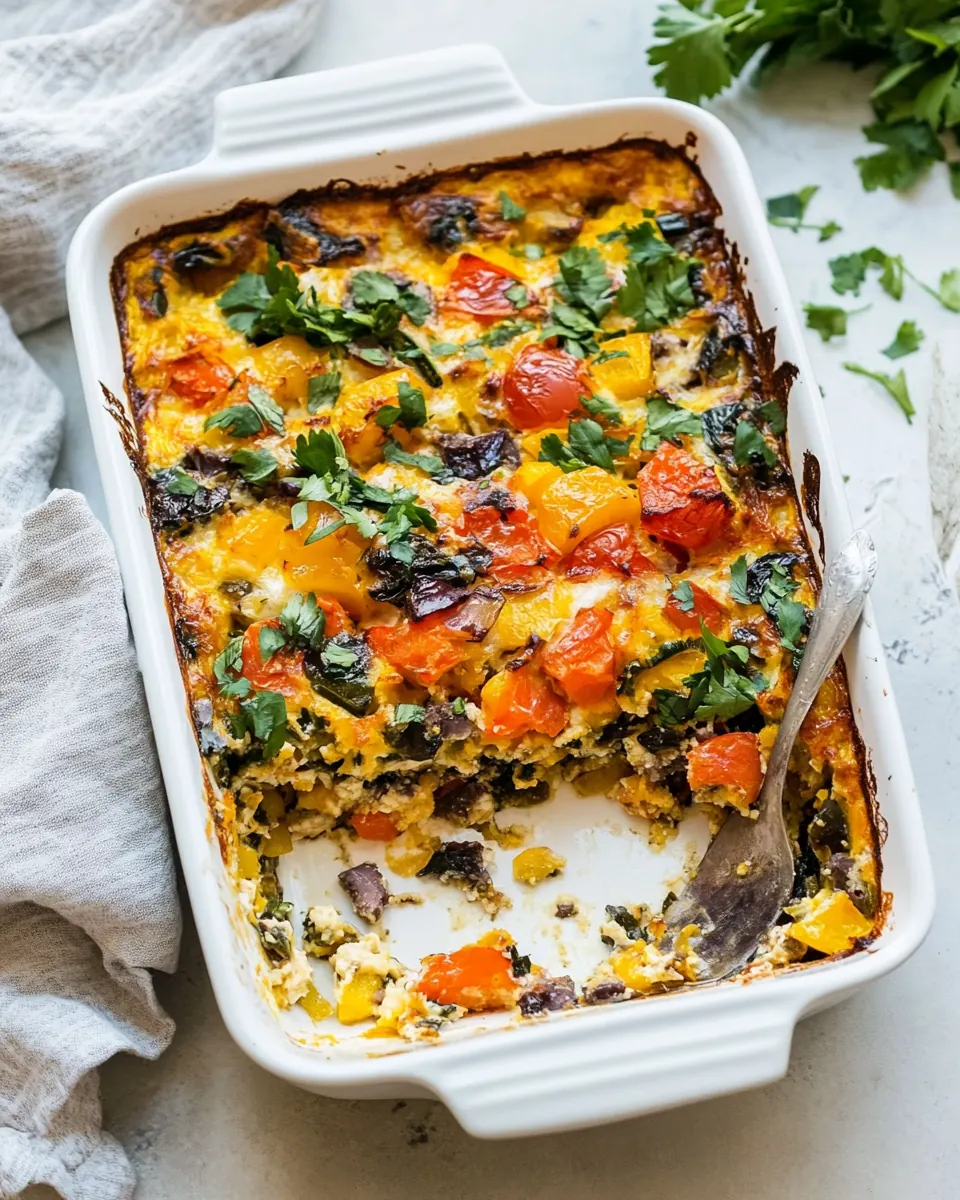
Vegetarian Breakfast Casserole is the kind of dish I turn to when mornings are loud and the oven is my steady companion, a warm, savory anchor that feeds a crowd or a sleepy household.
I still remember the first time I pulled this dish from the oven, the kitchen filling with roasted sweet potato and herb perfume while neighbors knocked to borrow a cup of sugar and instead stayed for breakfast. That day I learned that a casserole can be humble and celebratory at once, flexible enough to feed ten and forgiving of small timing errors. I like how the roasted vegetables bring texture and depth, while the eggs and ricotta add silkiness, so each bite feels layered and comforting. I often make it for weekend brunches when I want something I can prep ahead of time, pop in the oven, and not tend to while I brew coffee or set the table.
Over the years I tweaked the roast time and the ricotta placement until the slices held together without being dense, and now I have a rhythm for seasoning and layering that rarely fails. Friends ask for the recipe because it travels well to potlucks and because it balances being both simple and thoughtful. When life gets busy, this casserole is my reliable morning plan B, something you can slice, serve, and enjoy with little fuss. It brightens a weekday breakfast and stands proud on holiday mornings without stealing the show from other dishes.
Recipe Snapshot
1 hr 10 mins
15 mins
55 mins
Medium
300 kcal
American
Gluten-Free, Keto
Breakfast
Oven, 9×13-inch casserole dish, Baking sheet, Mixing bowl
Why You’ll Love This Vegetarian Breakfast Casserole
Roasted vegetable depth
I love how roasting the sweet potatoes, mushrooms, broccoli, red bell pepper, and onion concentrates their natural sugars and creates caramelized edges that contrast with the creamy custard. The charred bits add umami and texture, so each forkful feels interesting rather than flat.
Make ahead ease
One big selling point for me is the make ahead friendly nature. You can roast the vegetables a day in advance, assemble the casserole the night before, and bake in the morning. This reduces morning stress, and lets flavors meld, giving a deeper, more cohesive final dish.
Balanced protein and veggies
The combination of a dozen eggs and a touch of milk creates a sturdy custard that holds the roasted vegetables together while still staying tender. The addition of part skim ricotta cheese adds small pockets of creaminess without weighing the casserole down, which I find keeps slices light and satisfying.
Flexible and crowd friendly
Because the recipe scales easily and bakes in a 9 by 13 inch dish, it is perfect for feeding a group. I often double the roasted vegetables or make two dishes for larger gatherings. It reheats well, so leftovers become quick weekday breakfasts or lunches.
Comfort without heaviness
I appreciate that this casserole delivers on comfort but avoids being greasy. Using extra virgin olive oil for roasting and modest amounts of ricotta keeps it lighter, while the herb seasoning adds brightness. It’s a dish that satisfies both those seeking hearty fare and those wanting something vegetable forward.
Ingredients You’ll Need for Vegetarian Breakfast Casserole
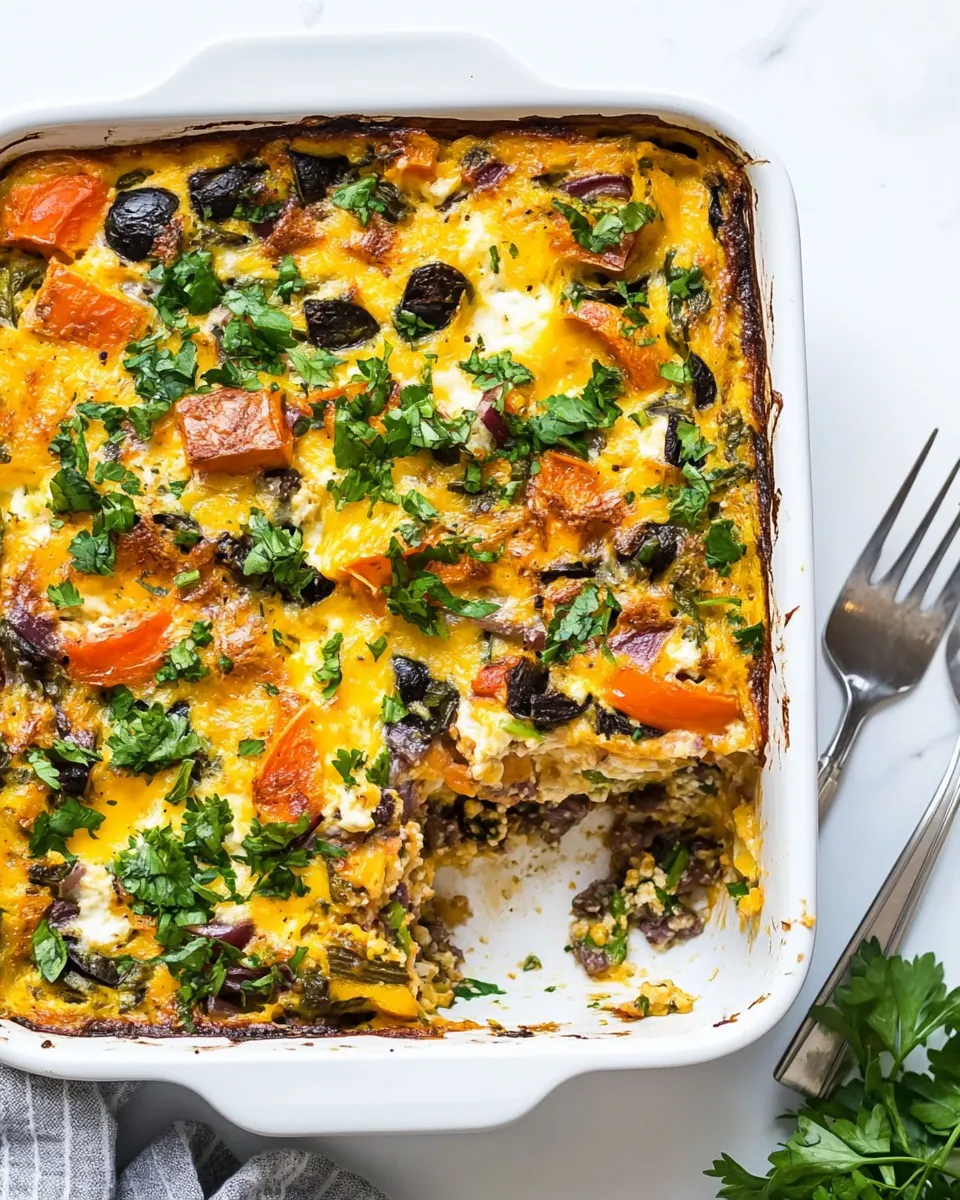
These ingredients are chosen to create contrast between roasted texture and a tender egg custard. The vegetables provide body and roasted flavor, while the eggs and ricotta cheese bring creaminess and structure. Simple pantry staples like extra virgin olive oil, kosher salt, and ground black pepper let the produce shine, and herbs tie everything together.
- 2 medium sweet potatoes peeled and diced: Provide hearty, naturally sweet starch and body to the casserole while offering a tender texture when roasted; toss with oil and seasonings before roasting to develop caramelized edges and concentrated flavor.
- 8 ounces whole cremini baby bella mushrooms quartered (do not use sliced mushrooms or they may overcook when roasting): Add meaty, umami-rich texture and deepen savory flavors when roasted; quartering preserves structure and prevents overcooking so mushrooms stay juicy and substantial in each bite.
- 1 small head broccoli cut into florets: Contribute bright color, slight crunch, and earthy bitterness that balances richer ingredients; cutting into florets ensures even cooking and pleasant bite-sized pieces throughout the casserole.
- 1 red bell pepper diced: Bring juicy sweetness and vibrant color that complement roasted vegetables; dicing disperses flavor and moisture evenly so each serving contains bursts of bell pepper.
- 1 red or yellow onion cut into 1/2-inch dice: Provide a savory-sweet base note and aromatic depth that caramelizes when roasted; cutting into 1/2-inch dice yields consistent pieces that meld with other diced vegetables in texture and size.
- 1 teaspoon kosher salt: Enhance overall seasoning and help draw out moisture from vegetables for balanced flavor; measure precisely to avoid over-salting and sprinkle evenly before roasting and mixing.
- 1/2 teaspoon ground black pepper: Supply a subtle heat and background spice to brighten the dish; use measured ground black pepper to accent other seasonings without overpowering delicate flavors.
- 3 tablespoons extra virgin olive oil: Promote even roasting and prevent drying by coating vegetables with fat; extra virgin olive oil also contributes fruitiness and helps herbs and spices adhere during cooking.
- 12 large eggs: Create structure and protein that set the casserole when beaten and baked; using large eggs ensures proper ratio for custardy texture and cohesive slices when cooled slightly.
- 1/2 cup milk: Lighten the egg mixture and add creaminess for a tender custard base; incorporate milk to achieve a smooth, sliceable consistency without making it runny.
- 1 garlic clove minced: Introduce a pungent, aromatic note that enhances savory depth; mincing the garlic distributes its flavor evenly and prevents concentrated raw bites in the finished casserole.
- 1 1/2 teaspoons Italian seasoning or dried herbs of choice: Provide a blend of herbal warmth and savory complexity to season the eggs and vegetables; sprinkle dried Italian seasoning to impart balanced Mediterranean flavors throughout.
- 4 ounces part-skim ricotta cheese: Offer creamy tang and richness that adds moisture and a tender mouthfeel; part–skim ricotta contributes lighter creaminess while maintaining structure and lower fat.
- Chopped fresh basil, thyme, or parsley () (optional): Add fresh, bright herbal aroma and garnish that lifts the finished dish; chopping basil, thyme, or parsley contributes color contrast and subtle herbal notes when sprinkled before serving.
Directions for Vegetarian Breakfast Casserole
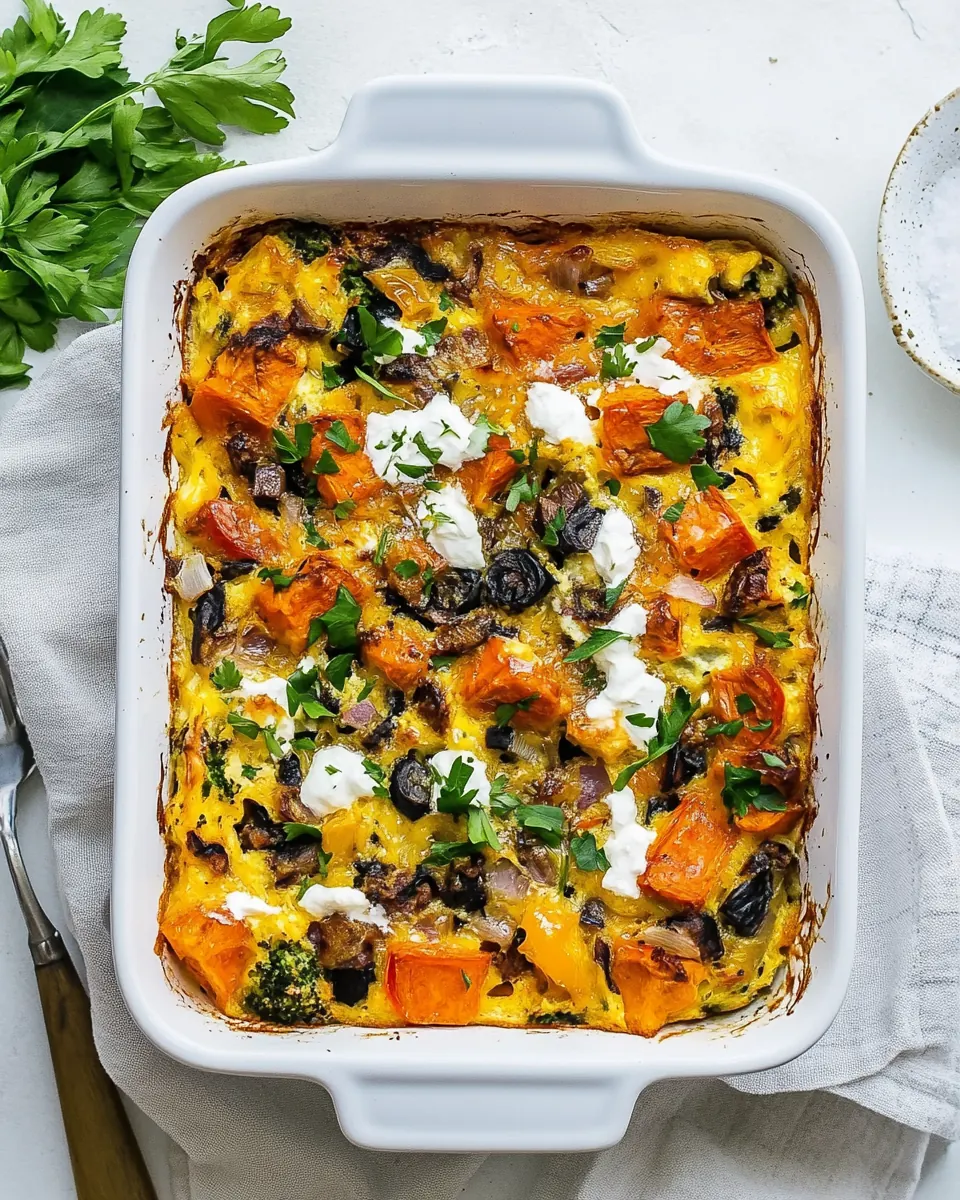
This casserole comes together in two phases, roasting the vegetables first for concentrated flavor, then baking everything in a custard to set. The steps below expand the original directions so you can follow sensory cues and troubleshoot common hiccups while you cook.
- Position racks in the upper and lower thirds of your oven and preheat the oven to 400 degrees F. Lightly coat 2 large baking sheets with nonstick spray. Lightly mist a 9×13-inch casserole dish with nonstick spray and set aside.: You will notice the oven warming and the air getting dry, which helps the vegetables develop crisp edges as they roast, and placing racks in the upper and lower thirds ensures even airflow and browning across two sheets. Use two large baking sheets so items have breathing room, and lightly coat them with nonstick spray to prevent sticking and encourage clean edges. A common error is overcrowding the pans; if vegetables are piled, they steam instead of roast, losing crispness. If your oven runs hot or cool, keep an eye on the first batch and adjust timing to ensure golden edges without burning.
- Place the vegetables in a large bowl and drizzle with the olive oil. Sprinkle with salt and pepper, then toss to coat. Divide the vegetables evenly between the two sheets and spread them into a single layer. Roast the vegetables until tender, about 20 minutes, tossing the vegetables on the pan so they cook evenly and switching the pans’ positions on the upper and lower racks once halfway through. Transfer half of the roasted vegetables to the prepared casserole dish and spread into an even layer. Reduce the oven temperature to 350 degrees F.: The gentle mist creates a slick surface so slices release cleanly and the bottom does not stick, which makes serving much easier. When the dish is prepped ahead, you can focus on roasting and assembling without scrambling, and the sprayed surface will promote even browning at the edges. One mistake to avoid is using too much spray, which can puddle and cause uneven bakes; a thin, even coating is all you need.
- Meanwhile, in a large mixing bowl, beat the eggs together with the milk, garlic, and Italian seasoning until evenly blended. Gently pour it into the casserole dish. Scatter the remaining vegetables evenly over the top, then dollop the ricotta over the top in small spoonfuls (I like to add about 20 to 24 spoonfuls; you want to each slice to have a few dollops, but have them be large enough so that you can actually taste them).: As you toss, you should see everything glisten, and the oil helps transfer heat to the surfaces so caramelization can occur. The tactile moment of massaging oil and seasonings into the vegetables ensures each piece browns and flavors evenly, producing those desirable crispy tips. If some pieces look dry after tossing, add a touch more oil, but not so much that they swim, or they will steam instead of roast.
- Bake the casserole for 35 to 40 minutes, until the casserole is golden on top and the center no longer jiggles when you shake the pan. Remove from the oven and sprinkle with fresh herbs. Serve warm.: When seasoning at this stage, the salt draws out moisture and intensifies the vegetable flavors, while pepper adds aromatic warmth. The little grains of salt should cling to the vegetables, and the even distribution avoids pockets of over or under seasoning. A misstep here is undersalting, which yields flat flavors, so adjust modestly and taste a roasted piece later to check.
- Divide the vegetables evenly between the two sheets and spread them into a single layer: Laying vegetables in a single layer exposes more surface area to the hot metal, creating crispness and color. You should hear a faint sizzle as they hit the hot pans, a sign the roast will begin. Avoid overcrowding; pieces touching are fine, but stacked mounds will steam and become soggy rather than browned.
- Roast the vegetables until tender, about 20 minutes, tossing the vegetables on the pan so they cook evenly and switching the pans positions on the upper and lower racks once halfway through: During roasting you will notice edges darkening and an aromatic sweetness filling the kitchen. Tossing and swapping racks ensures uniform browning because most ovens have hot spots, and this simple rotation keeps no piece left behind. If you skip tossing, some pieces will char while others remain underdone, so set a timer for the halfway point to flip and rotate.
- Transfer half of the roasted vegetables to the prepared casserole dish and spread into an even layer: The texture should be tender with browned spots, and spreading them evenly creates a stable base for the custard so slices hold their shape. If some pieces are much darker than others, you can pick out overly charred bits to maintain a balanced flavor. A common oversight is dumping all vegetables in, which can prevent the custard from seeping evenly between layers, affecting the internal set.
- Reduce the oven temperature to 350 degrees F: Lowering the temperature creates a gentler environment for the custard to set without overbrowning the top, producing a tender interior and golden finish. You should feel the oven coast down, creating reliable, even heat for the baking phase. Forgetting to reduce the temperature can lead to a crusty, overbrowned top while the center is still undercooked.
- Meanwhile, in a large mixing bowl, beat the eggs together with the milk, garlic, and Italian seasoning until evenly blended: The mixture should look smooth and slightly frothy, with the garlic distributed throughout, which ensures each bite has balanced seasoning. Whisking thoroughly incorporates air for a lighter texture and dissolves the seasoning into the custard. If you underbeat, pockets of egg white or uneven seasoning can result, so whisk until homogeneous.
- Gently pour it into the casserole dish: Pouring the custard allows it to seep into cavities between the roasted pieces, creating internal cohesion and tender pockets of set egg. You should see the liquid nestle around vegetables, and the surface will appear glossy and even. Pour slowly to avoid displacing the bottom layer, and if you see large air gaps, tap the dish gently to release bubbles.
- Scatter the remaining vegetables evenly over the top, then dollop the ricotta over the top in small spoonfuls: The top layer of roasted vegetables provides texture and visual interest, while spoonfuls of ricotta cheese melt into creamy islands that contrast with roasted edges, offering lush bites. Aim for around 20 to 24 dollops so each slice has a taste of ricotta, and the cheese creates delightful pockets rather than a uniform cream. A pitfall is spreading the ricotta into a single layer, which removes those creamy pockets and changes texture.
- Bake the casserole for 35 to 40 minutes, until the casserole is golden on top and the center no longer jiggles when you shake the pan: As it bakes you will hear a faint settling, and the top will turn a warm golden brown, signaling Maillard reactions that add flavor. The center should be set but still slightly tender, not liquid, when you give the dish a gentle shake. Overbaking will dry the casserole, while underbaking leaves a wobbly center; use the jiggle test as your guide and insert a knife near the center if you need confirmation.
- Remove from the oven and sprinkle with fresh herbs: The final sprinkle of chopped basil , thyme , or parsley adds a fresh, fragrant lift and bright color contrast against the golden top. Letting the casserole rest for a short time before slicing allows steam to redistribute so slices cut cleanly. Cutting too soon causes the custard to weep and fall apart, so give it at least five to ten minutes to settle.
- Serve warm: The ideal serving temperature lets the custard feel custardy and the ricotta soft but not cold, offering a harmony of textures. Use a sharp knife to slice and serve with confidence, and enjoy the layered flavors resulting from the roasting and gentle baking process. If slices feel loose, let the rest time extend a bit; patience rewards presentation.
Customization Ideas
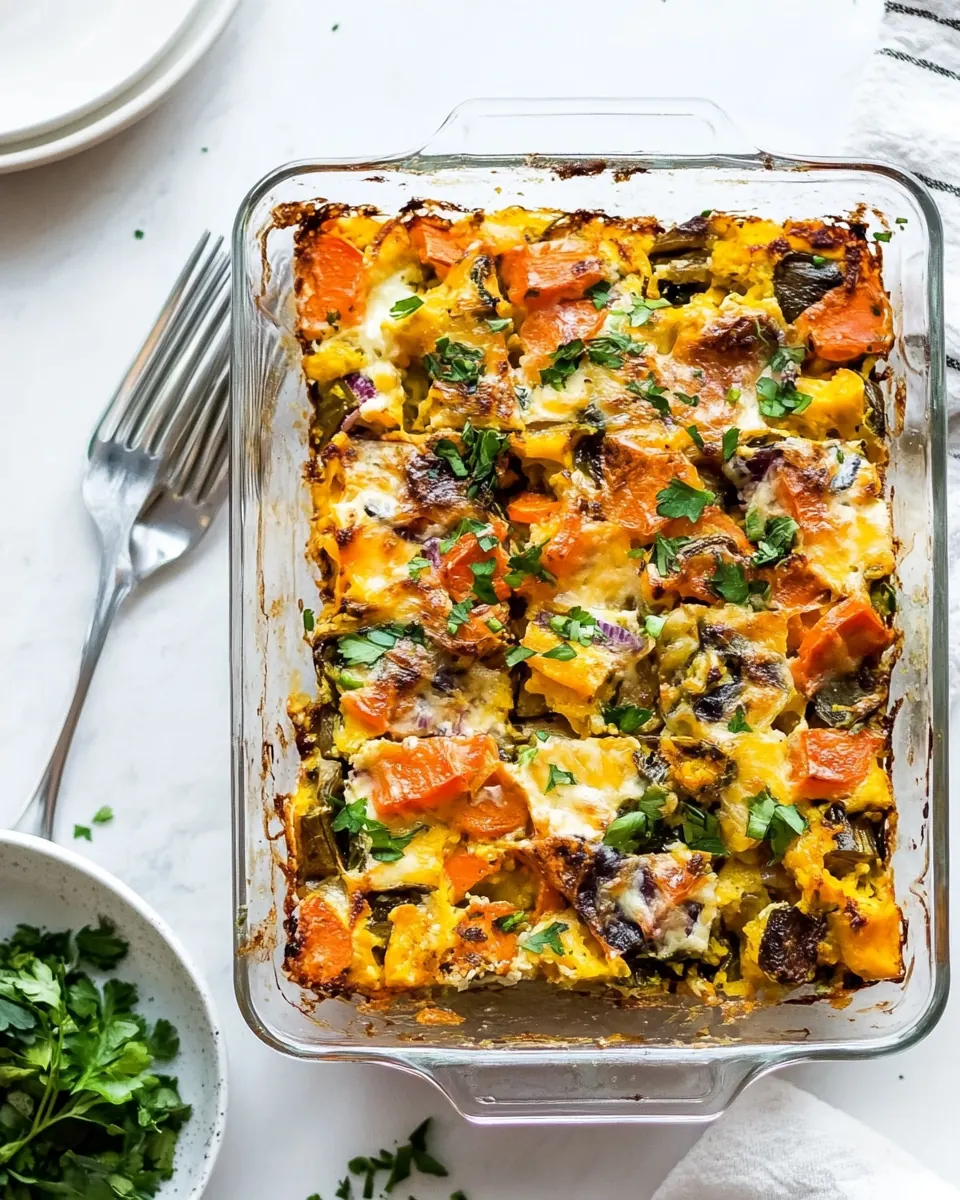
This casserole is a blank canvas for personalization while keeping the core structure intact. Below are practical, flavorful ways to tweak textures, seasonings, and presentation so the dish fits your preferences or the occasion.
- Swap herbs sparingly Try different dried herbs in place of the Italian seasoning, but start with small amounts to keep balance between the vegetables and the custard.
- Adjust ricotta distribution Dollop ricotta in larger spoonfuls for creamy pockets, or use smaller amounts for milder, more evenly distributed creaminess.
- Make it more colorful Use both red and yellow bell peppers to add visual contrast and subtle sweetness without altering cooking times significantly.
- Prep ahead strategy Roast vegetables a day in advance and refrigerate; assemble and bake the next morning for stress free hosting.
- Control salt levels Taste a bit of roasted vegetable before assembly to judge salt needs, especially if serving people on reduced sodium diets.
Great Combinations for Vegetarian Breakfast Casserole
This casserole pairs well with light sides and can be adapted for different occasions, from casual brunches to holiday gatherings. Below are serving suggestions and storage tips to help you plan the meal.
- Simple green salad A crisp mixed green salad with a tangy vinaigrette complements the richness of the casserole and adds freshness to the plate, ideal for brunch or lunch.
- Toasted crusty bread Offer warm slices of crusty bread for guests who enjoy mopping the plate, which makes the meal feel more substantial for casual weekend breakfasts.
- Seasonal fruit platter Fresh fruit like citrus segments or melon balances the savory casserole with bright, juicy notes, and is especially nice for spring or summer gatherings.
- Make ahead and store Cover leftovers and refrigerate for up to three days, or freeze individual slices for up to three months; thaw overnight in the refrigerator before reheating to preserve texture.
- Occasion flexibility Serve this dish at brunches, family gatherings, or holiday mornings where you need a vegetable forward main that scales easily and can be prepared in advance.
- Reheating tips Rewarm gently in a 350 degrees F oven until heated through, or microwave portions for quick weekday breakfasts, being careful not to overheat and dry out the custard.
- Pairing ideas Offer simple sides like yogurt or a light grain salad for a balanced buffet, and consider fresh herbs at the table for guests to sprinkle as desired.
FAQ
Conclusion
This Vegetarian Breakfast Casserole stands out for its balance of roasted vegetable depth and silky egg custard, offering a warm, comforting dish that is both make ahead friendly and crowd pleasing. Give it a try when you need a reliable brunch centerpiece that still feels thoughtful and fresh. Whether you serve it for a family morning or a casual get together, its texture contrasts and herb notes make it a satisfying, versatile option you will return to again and again.

Vegetarian Breakfast Casserole
Equipment
- Oven
- 9x13-inch Casserole Dish
- Baking Sheet
- Mixing Bowl
Ingredients
- 2 medium sweet potatoes peeled and diced Provide hearty, naturally sweet starch and body to the casserole while offering a tender texture when roasted; toss with oil and seasonings before roasting to develop caramelized edges and concentrated flavor.
- 8 ounces whole cremini baby bella mushrooms quartered (do not use sliced mushrooms or they may overcook when roasting) Add meaty, umami-rich texture and deepen savory flavors when roasted; quartering preserves structure and prevents overcooking so mushrooms stay juicy and substantial in each bite.
- 1 small head broccoli cut into florets Contribute bright color, slight crunch, and earthy bitterness that balances richer ingredients; cutting into florets ensures even cooking and pleasant bite-sized pieces throughout the casserole.
- 1 red bell pepper diced Bring juicy sweetness and vibrant color that complement roasted vegetables; dicing disperses flavor and moisture evenly so each serving contains bursts of bell pepper.
- 1 red or yellow onion cut into 1/2-inch dice Provide a savory-sweet base note and aromatic depth that caramelizes when roasted; cutting into 1/2-inch dice yields consistent pieces that meld with other diced vegetables in texture and size.
- 1 teaspoon kosher salt Enhance overall seasoning and help draw out moisture from vegetables for balanced flavor; measure precisely to avoid over-salting and sprinkle evenly before roasting and mixing.
- 1/2 teaspoon ground black pepper Supply a subtle heat and background spice to brighten the dish; use measured ground black pepper to accent other seasonings without overpowering delicate flavors.
- 3 tablespoons extra virgin olive oil Promote even roasting and prevent drying by coating vegetables with fat; extra virgin olive oil also contributes fruitiness and helps herbs and spices adhere during cooking.
- 12 large eggs Create structure and protein that set the casserole when beaten and baked; using large eggs ensures proper ratio for custardy texture and cohesive slices when cooled slightly.
- 1/2 cup milk Lighten the egg mixture and add creaminess for a tender custard base; incorporate milk to achieve a smooth, sliceable consistency without making it runny.
- 1 garlic clove minced Introduce a pungent, aromatic note that enhances savory depth; mincing the garlic distributes its flavor evenly and prevents concentrated raw bites in the finished casserole.
- 1 1/2 teaspoons Italian seasoning or dried herbs of choice Provide a blend of herbal warmth and savory complexity to season the eggs and vegetables; sprinkle dried Italian seasoning to impart balanced Mediterranean flavors throughout.
- 4 ounces part-skim ricotta cheese Offer creamy tang and richness that adds moisture and a tender mouthfeel; part-skim ricotta contributes lighter creaminess while maintaining structure and lower fat.
- Chopped fresh basil, thyme, or parsley (optional) Add fresh, bright herbal aroma and garnish that lifts the finished dish; chopping basil, thyme, or parsley contributes color contrast and subtle herbal notes when sprinkled before serving.
Instructions
- Position racks in the upper and lower thirds of your oven and preheat the oven to 400 degrees F. Lightly coat 2 large baking sheets with nonstick spray. Lightly mist a 9×13-inch casserole dish with nonstick spray and set aside.: You will notice the oven warming and the air getting dry, which helps the vegetables develop crisp edges as they roast, and placing racks in the upper and lower thirds ensures even airflow and browning across two sheets. Use two large baking sheets so items have breathing room, and lightly coat them with nonstick spray to prevent sticking and encourage clean edges. A common error is overcrowding the pans; if vegetables are piled, they steam instead of roast, losing crispness. If your oven runs hot or cool, keep an eye on the first batch and adjust timing to ensure golden edges without burning.
- Place the vegetables in a large bowl and drizzle with the olive oil. Sprinkle with salt and pepper, then toss to coat. Divide the vegetables evenly between the two sheets and spread them into a single layer. Roast the vegetables until tender, about 20 minutes, tossing the vegetables on the pan so they cook evenly and switching the pans’ positions on the upper and lower racks once halfway through. Transfer half of the roasted vegetables to the prepared casserole dish and spread into an even layer. Reduce the oven temperature to 350 degrees F.: The gentle mist creates a slick surface so slices release cleanly and the bottom does not stick, which makes serving much easier. When the dish is prepped ahead, you can focus on roasting and assembling without scrambling, and the sprayed surface will promote even browning at the edges. One mistake to avoid is using too much spray, which can puddle and cause uneven bakes; a thin, even coating is all you need.
- Meanwhile, in a large mixing bowl, beat the eggs together with the milk, garlic, and Italian seasoning until evenly blended. Gently pour it into the casserole dish. Scatter the remaining vegetables evenly over the top, then dollop the ricotta over the top in small spoonfuls (I like to add about 20 to 24 spoonfuls; you want to each slice to have a few dollops, but have them be large enough so that you can actually taste them).: As you toss, you should see everything glisten, and the oil helps transfer heat to the surfaces so caramelization can occur. The tactile moment of massaging oil and seasonings into the vegetables ensures each piece browns and flavors evenly, producing those desirable crispy tips. If some pieces look dry after tossing, add a touch more oil, but not so much that they swim, or they will steam instead of roast.
- Bake the casserole for 35 to 40 minutes, until the casserole is golden on top and the center no longer jiggles when you shake the pan. Remove from the oven and sprinkle with fresh herbs. Serve warm.: When seasoning at this stage, the salt draws out moisture and intensifies the vegetable flavors, while pepper adds aromatic warmth. The little grains of salt should cling to the vegetables, and the even distribution avoids pockets of over or under seasoning. A misstep here is undersalting, which yields flat flavors, so adjust modestly and taste a roasted piece later to check.
- Divide the vegetables evenly between the two sheets and spread them into a single layer: Laying vegetables in a single layer exposes more surface area to the hot metal, creating crispness and color. You should hear a faint sizzle as they hit the hot pans, a sign the roast will begin. Avoid overcrowding; pieces touching are fine, but stacked mounds will steam and become soggy rather than browned.
- Roast the vegetables until tender, about 20 minutes, tossing the vegetables on the pan so they cook evenly and switching the pans positions on the upper and lower racks once halfway through: During roasting you will notice edges darkening and an aromatic sweetness filling the kitchen. Tossing and swapping racks ensures uniform browning because most ovens have hot spots, and this simple rotation keeps no piece left behind. If you skip tossing, some pieces will char while others remain underdone, so set a timer for the halfway point to flip and rotate.
- Transfer half of the roasted vegetables to the prepared casserole dish and spread into an even layer: The texture should be tender with browned spots, and spreading them evenly creates a stable base for the custard so slices hold their shape. If some pieces are much darker than others, you can pick out overly charred bits to maintain a balanced flavor. A common oversight is dumping all vegetables in, which can prevent the custard from seeping evenly between layers, affecting the internal set.
- Reduce the oven temperature to 350 degrees F: Lowering the temperature creates a gentler environment for the custard to set without overbrowning the top, producing a tender interior and golden finish. You should feel the oven coast down, creating reliable, even heat for the baking phase. Forgetting to reduce the temperature can lead to a crusty, overbrowned top while the center is still undercooked.
- Meanwhile, in a large mixing bowl, beat the eggs together with the milk, garlic, and Italian seasoning until evenly blended: The mixture should look smooth and slightly frothy, with the garlic distributed throughout, which ensures each bite has balanced seasoning. Whisking thoroughly incorporates air for a lighter texture and dissolves the seasoning into the custard. If you underbeat, pockets of egg white or uneven seasoning can result, so whisk until homogeneous.
- Gently pour it into the casserole dish: Pouring the custard allows it to seep into cavities between the roasted pieces, creating internal cohesion and tender pockets of set egg. You should see the liquid nestle around vegetables, and the surface will appear glossy and even. Pour slowly to avoid displacing the bottom layer, and if you see large air gaps, tap the dish gently to release bubbles.
- Scatter the remaining vegetables evenly over the top, then dollop the ricotta over the top in small spoonfuls: The top layer of roasted vegetables provides texture and visual interest, while spoonfuls of ricotta cheese melt into creamy islands that contrast with roasted edges, offering lush bites. Aim for around 20 to 24 dollops so each slice has a taste of ricotta, and the cheese creates delightful pockets rather than a uniform cream. A pitfall is spreading the ricotta into a single layer, which removes those creamy pockets and changes texture.
- Bake the casserole for 35 to 40 minutes, until the casserole is golden on top and the center no longer jiggles when you shake the pan: As it bakes you will hear a faint settling, and the top will turn a warm golden brown, signaling Maillard reactions that add flavor. The center should be set but still slightly tender, not liquid, when you give the dish a gentle shake. Overbaking will dry the casserole, while underbaking leaves a wobbly center; use the jiggle test as your guide and insert a knife near the center if you need confirmation.
- Remove from the oven and sprinkle with fresh herbs: The final sprinkle of chopped basil , thyme , or parsley adds a fresh, fragrant lift and bright color contrast against the golden top. Letting the casserole rest for a short time before slicing allows steam to redistribute so slices cut cleanly. Cutting too soon causes the custard to weep and fall apart, so give it at least five to ten minutes to settle.
- Serve warm: The ideal serving temperature lets the custard feel custardy and the ricotta soft but not cold, offering a harmony of textures. Use a sharp knife to slice and serve with confidence, and enjoy the layered flavors resulting from the roasting and gentle baking process. If slices feel loose, let the rest time extend a bit; patience rewards presentation.
Notes
- Swap herbs sparingly Try different dried herbs in place of the Italian seasoning, but start with small amounts to keep balance between the vegetables and the custard.
- Adjust ricotta distribution Dollop ricotta in larger spoonfuls for creamy pockets, or use smaller amounts for milder, more evenly distributed creaminess.
- Make it more colorful Use both red and yellow bell peppers to add visual contrast and subtle sweetness without altering cooking times significantly.
- Prep ahead strategy Roast vegetables a day in advance and refrigerate; assemble and bake the next morning for stress free hosting.
- Control salt levels Taste a bit of roasted vegetable before assembly to judge salt needs, especially if serving people on reduced sodium diets.