Vegetable Frittata
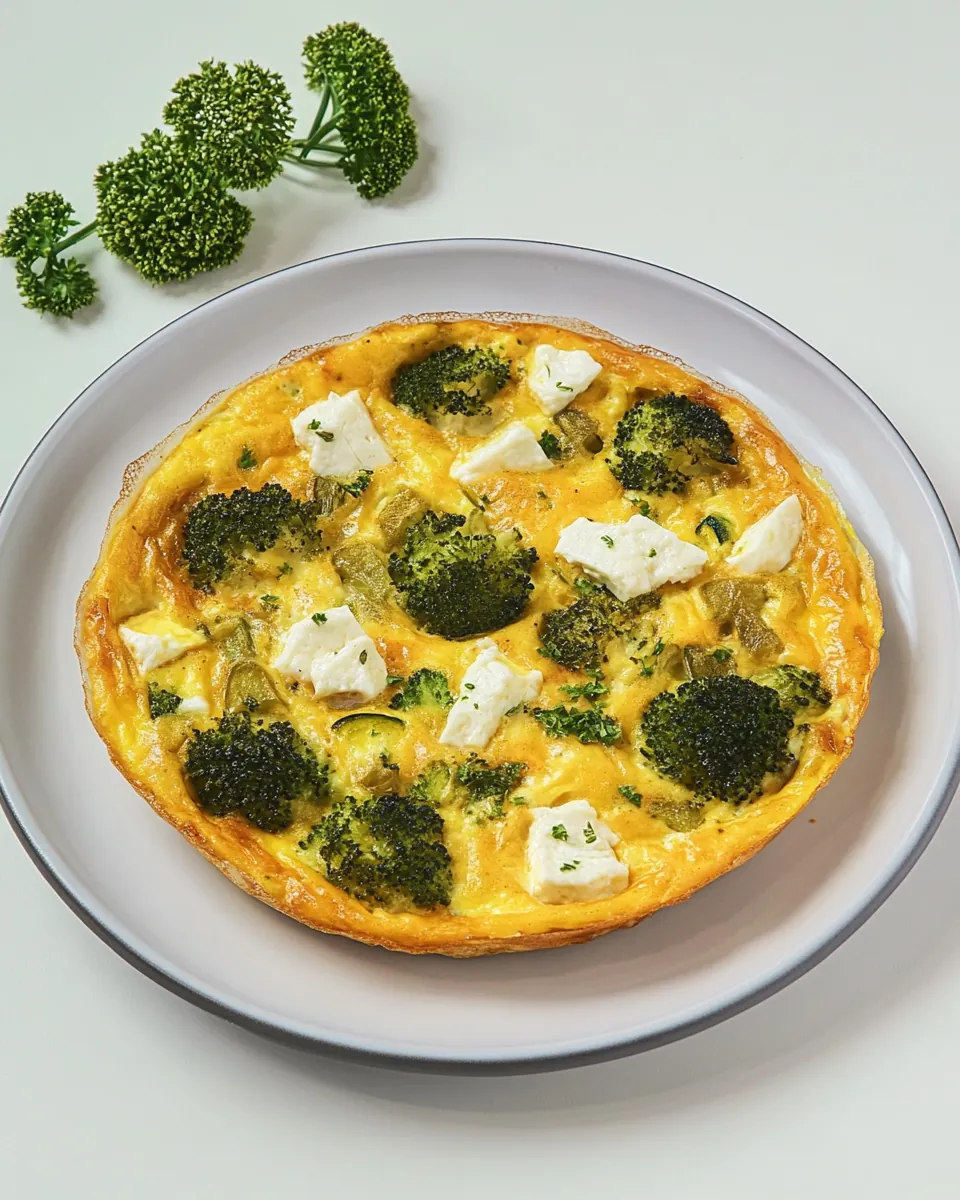
Vegetable Frittata is one of those recipes I turn to when I want something honest, bright, and just a little bit celebratory without fuss. The first time I made this Vegetable Frittata, I had a kitchen full of weekend sunlight and a fridge of bits and pieces that needed rescuing. I remember the way the kitchen filled with a warm, savory aroma as the oven worked, and how everyone at the table reached for a slice before the plates were even set.
Over the years I have learned to treat a frittata like a comfortable conversation, flexible and welcoming. I often start with a base of eggs whisked until silky, fold in bright, slightly crisp broccoli, softened onion, and a tangy sprinkle of feta cheese. There is a humble kind of joy in watching simple ingredients transform into something that feels made to order. The textures are what keep me coming back, the contrast of tender curd and lively vegetables, and that little bit of olive oil that crisps the edge.
Serving a Vegetable Frittata feels informal and intentional at once. It has saved many a rushed morning and elevated casual brunches. I love how forgiving it is, and how it rewards a light hand and a good oven. Whenever I want to cook without overthinking, this is the dish I choose. It travels well from skillet to table, and it even gets better the next day when reheated gently.
Recipe Snapshot
25 mins
5 mins
20 mins
Easy
250 kcal
Italian
Keto, Gluten-Free
Breakfast
Oven, Skillet, Mixing bowl, Whisk
Why This Vegetable Frittata Is a Winner
Simple everyday luxury
I adore this Vegetable Frittata because it turns pantry staples into something that feels slightly indulgent yet completely doable. The combination of eggs and a touch of milk creates a custardy interior that is comforting and familiar. I find that this texture makes it a reliable choice for breakfasts or light dinners when you want something nourishing without ceremony.
Flexible and forgiving
One of the reasons I keep coming back to this Vegetable Frittata is how flexible it is. You can vary the vegetables or the amount of feta cheese and still end up with a perfectly balanced dish. I appreciate recipes that forgive a little improvisation, and this is one of them. It lets you work with whatever is in the fridge, while still delivering consistent results.
Quick and efficient
From my experience, this Vegetable Frittata is wonderful on busy mornings because it requires minimal prep and then the oven does the heavy lifting. I love the quiet minutes while the frittata bakes, when the kitchen fills with inviting smells and I can prep a quick salad or brew coffee. The hands off time makes it perfect for weeknights and relaxed weekends alike.
Textural contrast and flavor pockets
The way the broccoli holds a little bite while the onion becomes sweet is a textural gift. The feta cheese provides bright, salty pockets in each slice, which keeps every forkful interesting. I enjoy how these contrasts make the dish feel layered, not flat, even though it uses very few components.
Great for sharing
This Vegetable Frittata is one of my go to recipes when I have guests because it presents beautifully straight from the skillet. It slices into wedges that look inviting, and it travels well to picnics or potlucks. I often find that it sparks conversation, maybe because it is both familiar and a little special at the same time.
Ingredients to Make Vegetable Frittata
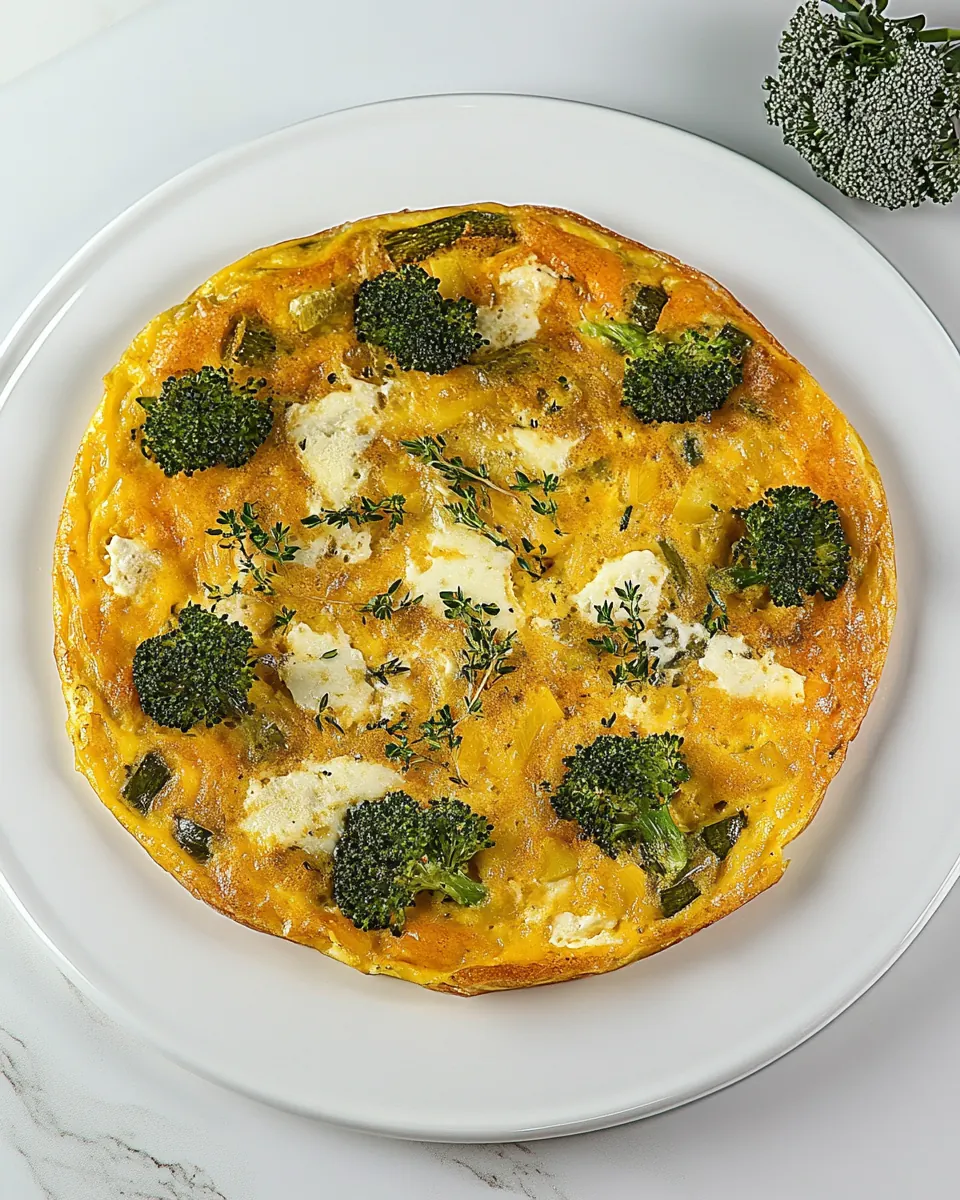
I like to think of the ingredient list as a small orchestra. The eggs are the conductor, providing structure and silkiness. The broccoli and onion bring texture and vegetal brightness, while the feta cheese adds pops of tang that keep the palate interested. A splash of milk lightens the custard, and olive oil helps with a golden edge that is texturally delightful.
- 6 large eggs for a 12-inch skillet: Provide structure and richness to the frittata by binding the other ingredients; whisk until homogenous to ensure even cooking and a tender, custardy texture throughout the 12-inch skillet.
- 1/4 cup unsweetened almond milk or preferred milk: Add creaminess and lighten the egg mixture while reducing cholesterol if desired; whisk thoroughly with the eggs to create a silkier interior and prevent dryness during baking or stovetop finishing.
- 2 garlic cloves minced: Infuse pungent, savory aroma and depth when sautéed; mince finely so garlic distributes evenly and releases flavor without overpowering the delicate eggs.
- 1/4 teaspoons ea salt: Season the dish to enhance overall flavor balance; measure carefully to avoid oversalting and adjust to taste after cooking since cheeses can add saltiness.
- Freshly ground black pepper to taste: Season with a bright, slightly spicy finish that complements richness; grind freshly to taste near serving to preserve aroma and control intensity.
- 2 cups broccoli chopped into small florets: Contribute texture, color, and a fresh vegetal flavor; chop into small florets so they cook quickly and evenly, and sauté or steam briefly before adding to the egg mixture to remove excess moisture.
- 1 small onion chopped: Provide sweet, aromatic savory notes and body to the frittata; chop uniformly so onion softens evenly when sautéed and melds into the eggs without large raw bites.
- 1/4 cup feta cheese: Introduce tangy, salty creaminess and umami contrast; crumble or chop to distribute pockets of flavor and add near the end of mixing so it warms without fully melting, preserving texture.
- Extra-virgin olive oil for the skillet: Prevent sticking and facilitate even browning in the skillet; coat the pan lightly and heat until shimmering to create a nonstick surface and develop golden edges on the frittata.
How to Prepare Vegetable Frittata
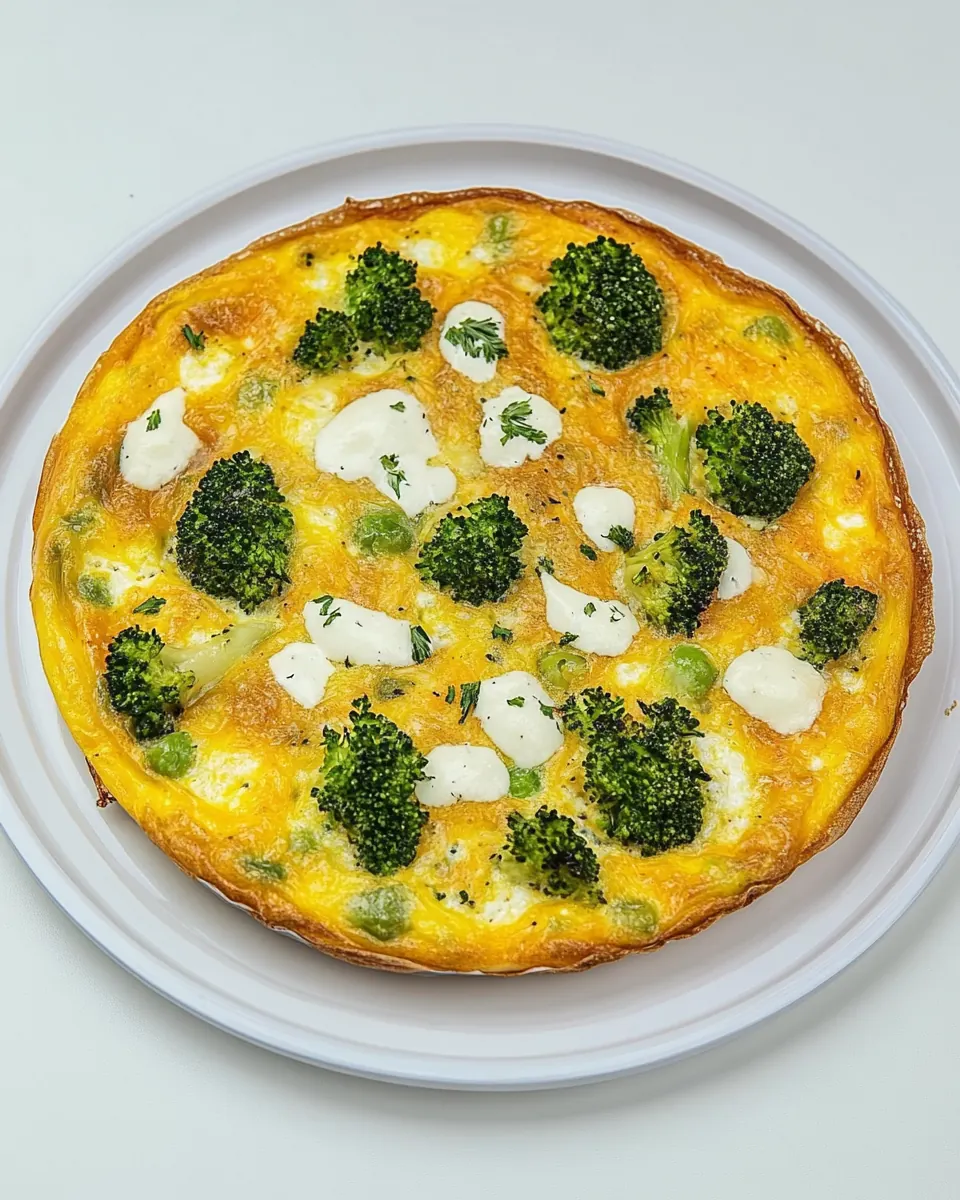
This recipe is straightforward and rewarding, and I find the oven takes care of most of the work. Below I walk through each step with sensory cues, reasons behind the technique, and common pitfalls to avoid so your frittata comes out beautifully set and flavorful.
- Preheat your oven to 400 ℉.: You should feel the warm hum of the oven as it comes to temperature, and preheating ensures even cooking and a set custard. The hot oven encourages the edges to rise slightly and develop a delicate browning, which creates texture contrast against the tender center. A common mistake is skipping preheating, which can lead to uneven set and a runny middle, so always wait until the oven indicates it is fully heated.
- In a bowl, whisk together eggs, almond milk, minced garlic, sea salt, and black pepper until well combined. Set the mixture aside.: When you whisk, listen for the gentle froth forming on the surface and watch the color even out to a uniform golden hue, which signals thorough mixing. This aeration helps the final custard be light but still creamy. If you under-whisk, pockets of uneven texture may form; over-whisking is less of an issue here but try to stop when the mixture is smooth and slightly airy.
- Add the broccoli, onions and feta to the egg base.: The mixture should smell faintly garlicky and look dotted with green and white, which means the flavors will be distributed. Folding in the broccoli and onion rather than stirring vigorously helps preserve small pockets of air and avoids crushing the florets. A common error is adding too-large broccoli pieces, which can cause uneven cooking, so aim for small florets so they cook through in the oven.
- Transfer the mixture to a skillet greased with olive oil. Bake in the preheated oven for 15 to 20 minutes, or until the eggs are set.: As the frittata bakes, notice the edges starting to puff and the surface turning matte rather than shiny, which means the eggs are firming. You may hear a faint sizzle as the oil crisps the perimeter. The visual cue to look for is a uniformly set center with no wobble when you gently jiggle the pan. Avoid opening the oven frequently, because temperature drops can add to your cook time and lead to uneven set.
- Remove the frittata from the oven, let it cool slightly, season to taste, and serve.: Cooling allows the custard to finish setting and makes slicing easier. You will smell a warm amalgam of roasted onion and baked broccoli , and the top should look lightly golden in spots. If you slice too soon while it is piping hot, the wedges may fall apart, so give it a short rest. A typical mistake is over seasoning before baking; wait to taste until it rests because the flavors concentrate slightly as it cools.
- DEVOUR!: The first bite should be warm, with a creamy interior contrasted by the tender broccoli and the playful saltiness of feta cheese . Pay attention to texture and temperature as you eat, and notice how the olive oil imparts a gentle richness. Resist the urge to reheat aggressively, as high heat can dry out the custard; gentle reheating preserves the ideal mouthfeel.
Making Adjustments
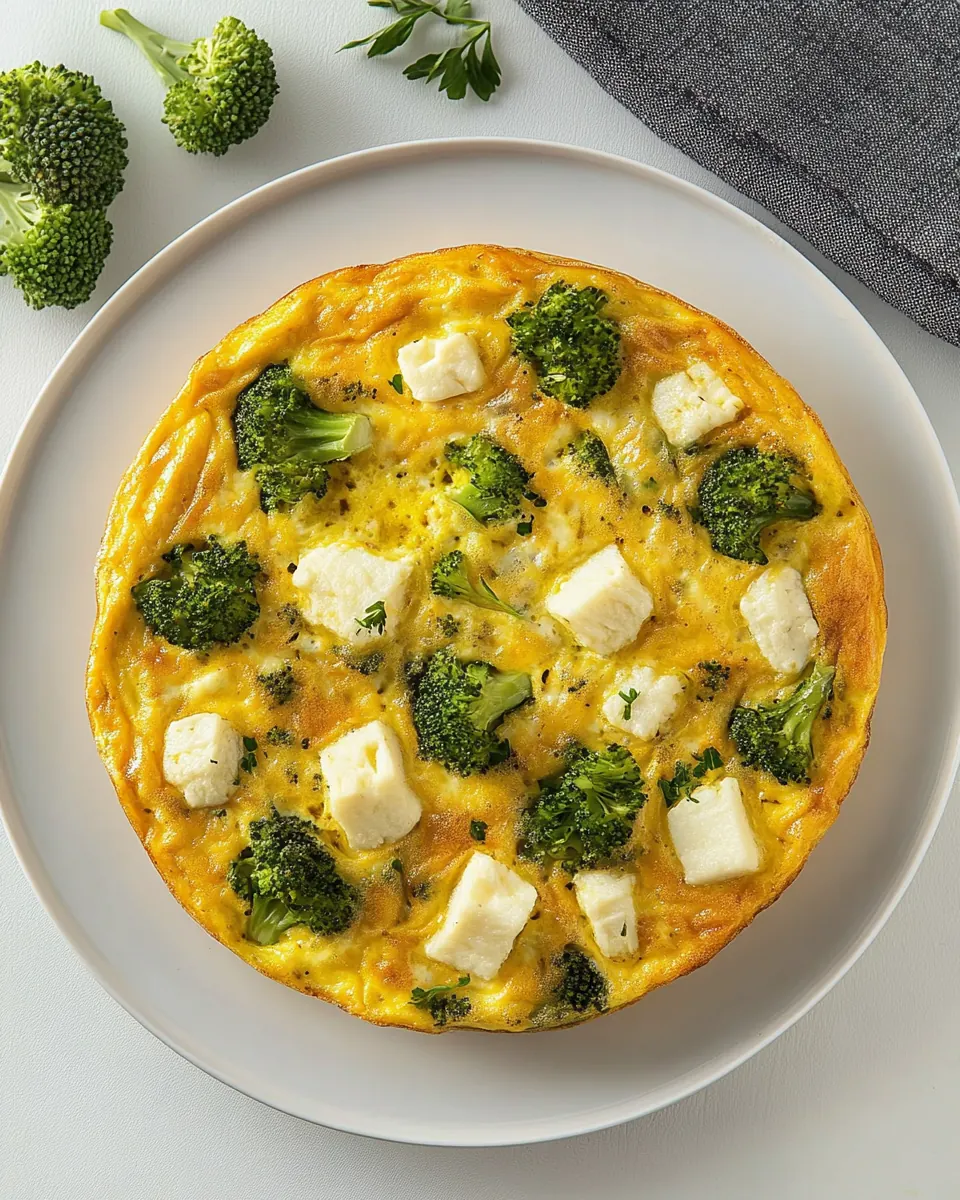
This section offers practical ideas for tweaking the dish while keeping the spirit of the recipe intact. I share approachable adjustments that I use myself when cooking for different occasions or taste preferences.
- Swap milk choices: If you prefer a lighter texture, continue using unsweetened almond milk as suggested, or use another plant based milk. Each milk lends a subtle finish, and the goal is a tender custard rather than heavy richness.
- Adjust garlic intensity: For a milder garlic profile, reduce the minced garlic to one clove, or sauté it briefly before adding so the flavor mellows and integrates more gently.
- Control salt with feta: Because feta cheese brings saltiness, taste after baking and add extra salt only if needed, so you avoid an overly salty final dish.
- Make it ahead: The frittata can be assembled and refrigerated for a few hours before baking. Bring it close to room temperature before baking for more even cooking.
- Reheating method: Warm slices gently in a low oven or in a non stick skillet covered briefly to avoid drying the custard and to preserve the soft interior texture.
Serving This Vegetable Frittata
This frittata transitions effortlessly from breakfasts to light dinners, and I often adapt how I present it depending on the occasion. Below are serving ideas, pairings, and storage suggestions that I use to make the meal shine.
- Serve warm or at room temperature: Present slices straight from the skillet after a short rest for a warm, comforting experience, or serve at room temperature for picnics and buffets where slicing is easier.
- Pair with fresh salad: A simple green salad dressed lightly complements the richness of the frittata, adding crispness and acidity to balance the custard.
- Occasions: Ideal for breakfast, brunch, casual lunches, or a light dinner. It is also suitable for gatherings during Ramadan Iftar or other shared meals where a simple, nourishing dish is welcome.
- Storage tips: Refrigerate leftovers in an airtight container for up to three days. Gently reheat in a low oven or covered skillet to maintain moisture and texture.
- Seasonal pairing: This is an all year friendly dish that works well with seasonal herbs or vegetables, so consider swapping in what is freshest from the market to keep it vibrant.
FAQ
Conclusion
This Vegetable Frittata shines because it balances creamy eggs with vibrant vegetables and tangy feta for a satisfying, fuss free meal. If you enjoy simple but flavorful dishes that come together quickly, give this recipe a try and let it rescue busy mornings or elevate a relaxed brunch. I hope it becomes one of those dishes you reach for when you want something reliable, comforting, and easy to share.
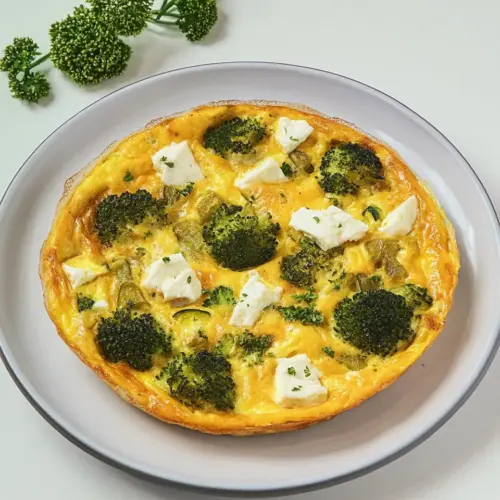
Vegetable Frittata
Equipment
- Oven
- Skillet
- Mixing Bowl
- Whisk
Ingredients
- 6 large eggs for a 12-inch skillet Provide structure and richness to the frittata by binding the other ingredients; whisk until homogenous to ensure even cooking and a tender, custardy texture throughout the 12-inch skillet.
- 1/4 cup unsweetened almond milk or preferred milk Add creaminess and lighten the egg mixture while reducing cholesterol if desired; whisk thoroughly with the eggs to create a silkier interior and prevent dryness during baking or stovetop finishing.
- 2 garlic cloves minced Infuse pungent, savory aroma and depth when sautéed; mince finely so garlic distributes evenly and releases flavor without overpowering the delicate eggs.
- 1/4 teaspoons ea salt Season the dish to enhance overall flavor balance; measure carefully to avoid oversalting and adjust to taste after cooking since cheeses can add saltiness.
- Freshly ground black pepper to taste Season with a bright, slightly spicy finish that complements richness; grind freshly to taste near serving to preserve aroma and control intensity.
- 2 cups broccoli chopped into small florets Contribute texture, color, and a fresh vegetal flavor; chop into small florets so they cook quickly and evenly, and sauté or steam briefly before adding to the egg mixture to remove excess moisture.
- 1 small onion chopped Provide sweet, aromatic savory notes and body to the frittata; chop uniformly so onion softens evenly when sautéed and melds into the eggs without large raw bites.
- 1/4 cup feta cheese Introduce tangy, salty creaminess and umami contrast; crumble or chop to distribute pockets of flavor and add near the end of mixing so it warms without fully melting, preserving texture.
- Extra-virgin olive oil for the skillet Prevent sticking and facilitate even browning in the skillet; coat the pan lightly and heat until shimmering to create a nonstick surface and develop golden edges on the frittata.
Instructions
- Preheat your oven to 400 ℉.: You should feel the warm hum of the oven as it comes to temperature, and preheating ensures even cooking and a set custard. The hot oven encourages the edges to rise slightly and develop a delicate browning, which creates texture contrast against the tender center. A common mistake is skipping preheating, which can lead to uneven set and a runny middle, so always wait until the oven indicates it is fully heated.
- In a bowl, whisk together eggs, almond milk, minced garlic, sea salt, and black pepper until well combined. Set the mixture aside.: When you whisk, listen for the gentle froth forming on the surface and watch the color even out to a uniform golden hue, which signals thorough mixing. This aeration helps the final custard be light but still creamy. If you under-whisk, pockets of uneven texture may form; over-whisking is less of an issue here but try to stop when the mixture is smooth and slightly airy.
- Add the broccoli, onions and feta to the egg base.: The mixture should smell faintly garlicky and look dotted with green and white, which means the flavors will be distributed. Folding in the broccoli and onion rather than stirring vigorously helps preserve small pockets of air and avoids crushing the florets. A common error is adding too-large broccoli pieces, which can cause uneven cooking, so aim for small florets so they cook through in the oven.
- Transfer the mixture to a skillet greased with olive oil. Bake in the preheated oven for 15 to 20 minutes, or until the eggs are set.: As the frittata bakes, notice the edges starting to puff and the surface turning matte rather than shiny, which means the eggs are firming. You may hear a faint sizzle as the oil crisps the perimeter. The visual cue to look for is a uniformly set center with no wobble when you gently jiggle the pan. Avoid opening the oven frequently, because temperature drops can add to your cook time and lead to uneven set.
- Remove the frittata from the oven, let it cool slightly, season to taste, and serve.: Cooling allows the custard to finish setting and makes slicing easier. You will smell a warm amalgam of roasted onion and baked broccoli , and the top should look lightly golden in spots. If you slice too soon while it is piping hot, the wedges may fall apart, so give it a short rest. A typical mistake is over seasoning before baking; wait to taste until it rests because the flavors concentrate slightly as it cools.
- DEVOUR!: The first bite should be warm, with a creamy interior contrasted by the tender broccoli and the playful saltiness of feta cheese . Pay attention to texture and temperature as you eat, and notice how the olive oil imparts a gentle richness. Resist the urge to reheat aggressively, as high heat can dry out the custard; gentle reheating preserves the ideal mouthfeel.
Notes
- Swap milk choices: If you prefer a lighter texture, continue using unsweetened almond milk as suggested, or use another plant based milk. Each milk lends a subtle finish, and the goal is a tender custard rather than heavy richness.
- Adjust garlic intensity: For a milder garlic profile, reduce the minced garlic to one clove, or sauté it briefly before adding so the flavor mellows and integrates more gently.
- Control salt with feta: Because feta cheese brings saltiness, taste after baking and add extra salt only if needed, so you avoid an overly salty final dish.
- Make it ahead: The frittata can be assembled and refrigerated for a few hours before baking. Bring it close to room temperature before baking for more even cooking.
- Reheating method: Warm slices gently in a low oven or in a non stick skillet covered briefly to avoid drying the custard and to preserve the soft interior texture.