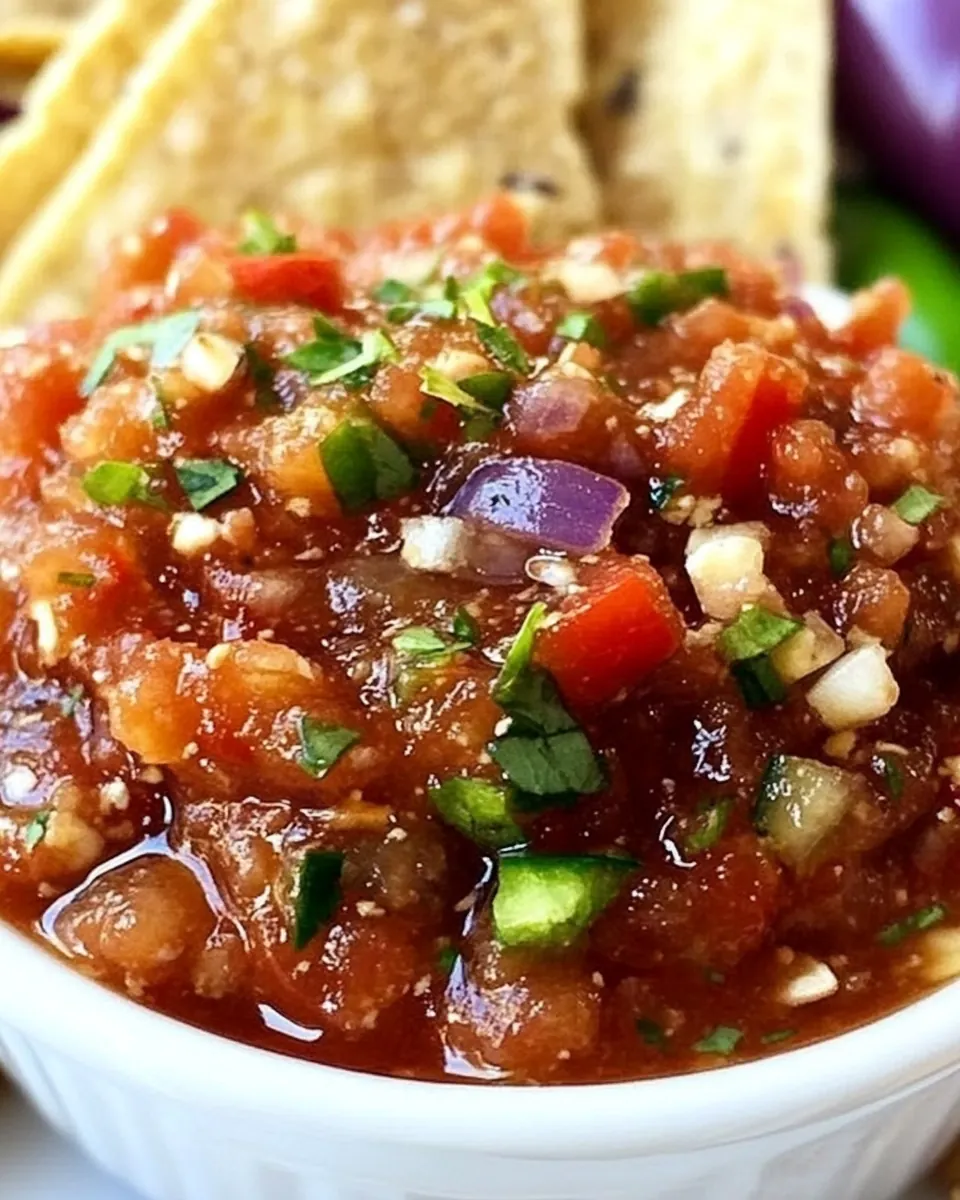
Fire Roasted Salsa
Fire Roasted Salsa is the kind of condiment I reach for when the weather leans warm and friends drop by unannounced. The first time I made it I remember the bright, smoky aroma filling my kitchen, and how the jar came back to the table empty before the chips were even halfway gone. That initial batch taught me how simple pantry staples can transform into something vibrant and slightly smoky with just a few careful choices.
Growing up, homemade salsas were always part of our gatherings, but this version became a fast favorite because it balances texture and punch. I love that you can control how chunky or smooth it is, and that a touch of lime juice and cilantro lifts everything. Whenever I’m prepping a casual spread, I toss the ingredients into my blender, pulse a few times, and walk away confident the flavors will marry while I finish other dishes. The technique feels forgiving, which is exactly what I want on busy days.
Once, I brought a bowl to a late summer backyard party, and someone asked if it was from a jar. When I said no, they insisted on the recipe. That moment reminded me how a simple, fresh condiment can make people pause and ask questions, and that makes cooking feel like a generous act. Over the years I tweaked the balance of spice and acid until it hit a sweet spot that everyone now expects when they come over.
Recipe Snapshot
10 mins
10 mins
Easy
80 kcal
Mexican
Keto, Paleo
Appetizers
Blender
Why You’ll Love This Fire Roasted Salsa
Fresh Brightness with Smoky Depth
I love how Fire Roasted Salsa combines canned fire roasted tomatoes with fresh aromatics so you get instant smoky flavor and vibrant freshness at once. The roasted tomatoes give a subtle charred note without needing a grill, while the jalapeno and garlic add a lively heat that wakes up the palate.
Speed and Simplicity
One of the biggest reasons I reach for this recipe is how quickly it comes together, yet how complex it tastes. With a few pulses in the blender you can make a salsa that feels handcrafted. I often make it when I need something impressive, but fast.
Flexible Texture
I appreciate that this salsa is forgiving. Pulse less for a chunky, rustic dip, or pulse more for a smoother sauce. I like to vary it depending on whether I am using it as a dip, a topping, or a sauce to spoon over roasted vegetables.
Pantry Friendly, Crowd Approved
The ingredients are mostly shelf stable, so this is a perfect go to when guests arrive. Those canned fire roasted tomatoes supply the backbone of flavor, and a little olive oil rounds the mouthfeel. I find it scales easily without losing its identity.
Balanced Brightness
The lime and sugar work together to balance the tomatoes and heat. I always taste and adjust at the end, because a tiny tweak can push it from good to memorable. It’s one of those recipes where small calibrations make a big difference.
Ingredients for Fire Roasted Salsa
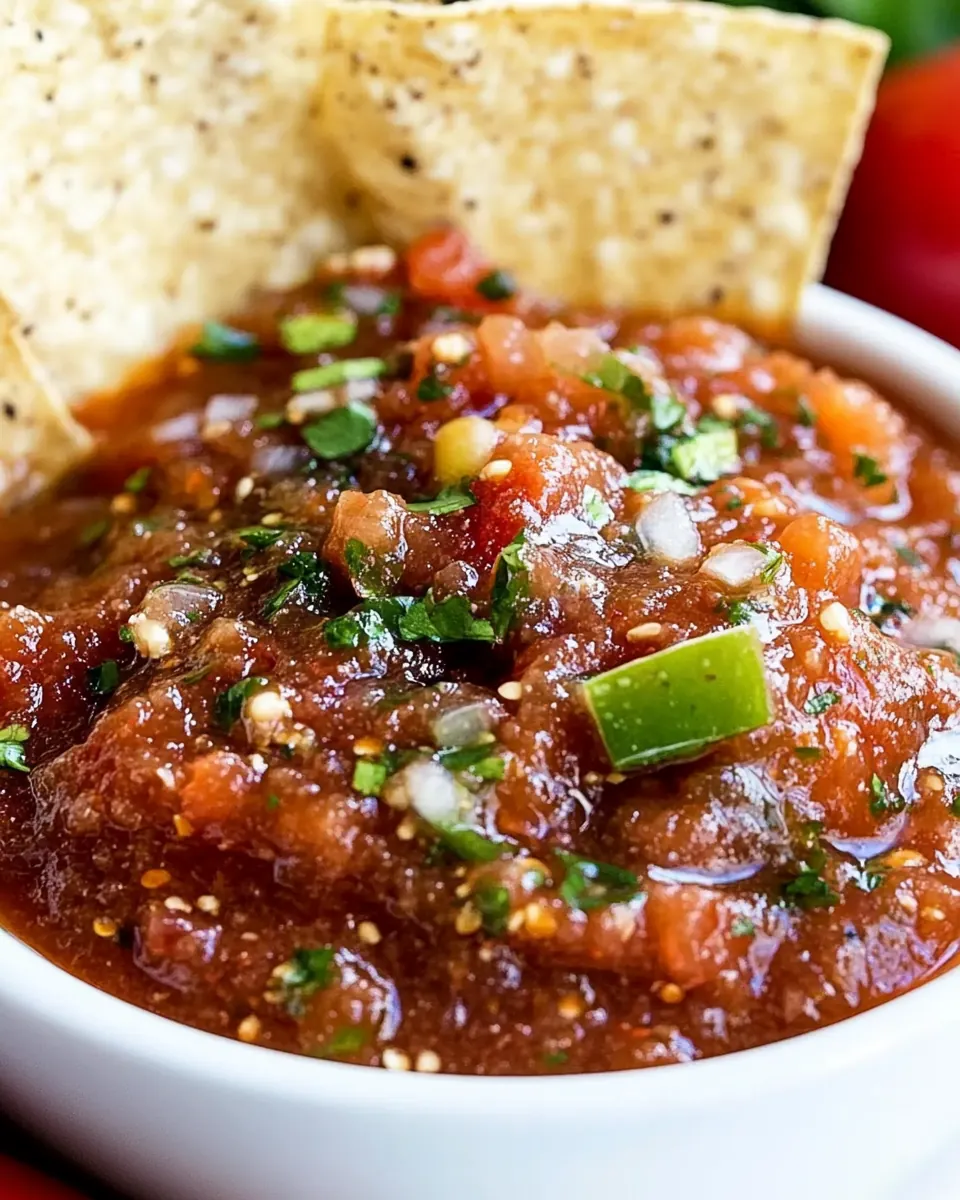
These ingredients are a study in smart contrasts. The canned fire roasted tomatoes bring a smoky, slightly caramelized base, while fresh elements like red onion, cilantro, and lime juice brighten the profile. Spice from the jalapeno and warmth from the cumin deepen the flavor, and a small amount of olive oil smooths the texture.
- 2 (14.5-ounce) cans diced fire-roasted tomatoes: Enhances smoky, tomato-forward base by providing a charred depth and chunky texture; drains or uses with juices depending on desired salsa consistency. Balances acidity and body while carrying other flavors, creating the core of the salsa.
- 1/2 (4-ounce) can diced green chilies: Adds mild heat and a subtle tang while contributing soft, slightly crunchy bits; preserves a gentle chili flavor typical of canned green chilies. Complements fresh ingredients and boosts overall complexity without overpowering the salsa.
- 1/2 medium red onion, diced: Contributes sharp, slightly sweet bite and crunchy texture when finely diced; mellows when mixed and allows other flavors to shine. Provides aromatic sulfur compounds that brighten the salsa and contrast the roasted tomato richness.
- 2 cloves garlic, finely chopped: Infuses pungent aromatic depth and savory sharpness when finely chopped; blends into the salsa to round out flavors and support heat elements. Helps activate the palate and ties together fresh and roasted components.
- 1 jalapeno, finely chopped: Delivers bright, fresh heat and a crisp vegetal note when finely chopped; seeds can be adjusted for spiciness to control salsa intensity. Offers a lively, peppery accent that lifts the overall flavor profile.
- 1/4 cup fresh cilantro leaves: Imparts fresh, citrusy-herb complexity and a leafy aroma when chopped; distributes bursts of brightness throughout the salsa. Helps cut through richness and complements lime and tomato flavors for a balanced finish.
- 1 tablespoon lime juice: Provides bright acidity and citrus tang to elevate and balance the salsa; freshly squeezed is preferred for clarity of flavor. Enhances other ingredients, helping to preserve color and add refreshing lift.
- 1 teaspoon sugar: Adds a touch of sweetness to offset acidity and heat; dissolves to round out the overall flavor profile. Works to balance sharp notes and enhance the perception of other seasonings.
- 1 teaspoon salt: Seasoning that enhances and balances savory, sweet, and acidic elements; dissolves evenly to bring out the tomatoes and aromatics. Use sparingly and adjust to taste to avoid oversalting.
- 1/2 teaspoon cumin: Brings warm, earthy undertones and a hint of smokiness that complements the fire–roasted tomatoes; finely ground cumin disperses easily in the salsa. Helps deepen flavor complexity without adding heat.
- 1 tablespoon olive oil: Provides a silky mouthfeel and helps marry flavors while adding a subtle fruity richness; warms slightly when mixed to release aromas. Assists in carrying fat-soluble flavors and smoothing the salsa's texture.
The Process for Making Fire Roasted Salsa
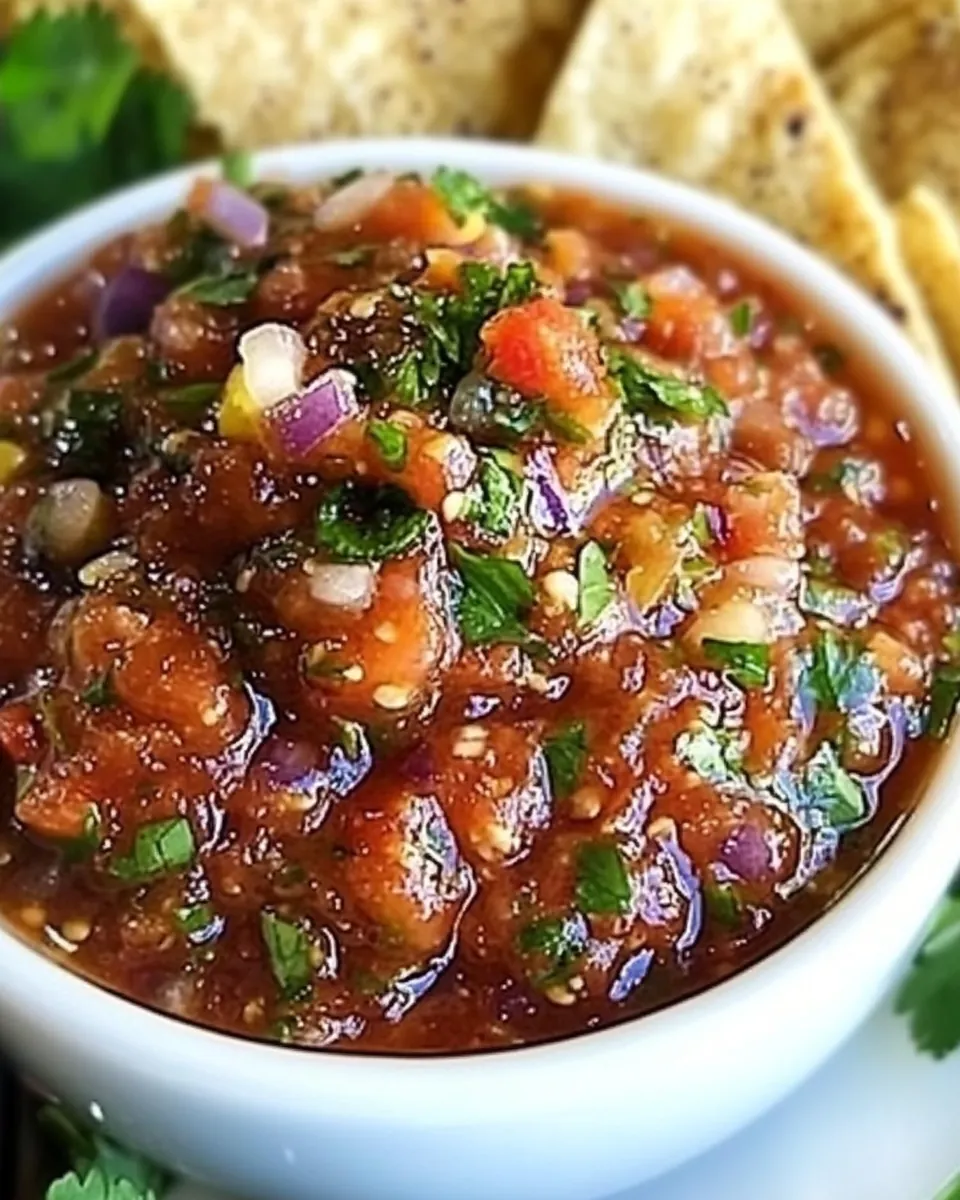
I like to keep the process relaxed and sensory focused. I’ll walk you through each action with why it matters, what you should notice, and a common pitfall to avoid. By the end you will know how to judge texture, aroma, and seasoning like a pro.
- Place all ingredients into blender, except olive oil. (I like to add the onion, garlic, and jalapeno first. They seem to get chopped up better if they are on the bottom.): When you layer the red onion , garlic , and jalapeno near the bottom as I do, you’ll hear a rapid chopping sound that indicates they are being broken down evenly. The smell will grow sharp and green as these fresh aromatics are released, a good sign they are integrating into the mix. This step helps ensure uniformity so you do not end up with large chunks of onion or jalapeno at the top. A common mistake is overcrowding the blender , which can lead to uneven chopping, so work in a single batch if your blender is small.
- Pulse until everything is finely chopped but not completely pureed.: As you pulse, pay attention to texture rather than time. You should see small flecks and suspended pieces, not a uniform liquid. The sound will change from loud thumps to a smoother, steady hum as the contents break down. This texture gives the salsa its lively mouthfeel, so avoid overprocessing which yields a thin, one dimensional sauce. If you pulse too long you will lose the pleasant contrast between chunks and sauce, so stop while it still looks toothy.
- Place in a bowl and stir in olive oil.: After transferring to a bowl, drizzle in the olive oil and fold gently so it emulsifies slightly with the tomato juices, creating a glossy sheen. You should notice the aroma mellow and the surface take on a satiny look, which signals the oil is doing its job. Stirring by hand also allows you to taste and adjust seasoning, which is crucial for balance. A common oversight is adding the oil to the blender and pulsing more, which can make the salsa too smooth and mask the fresh textures that make it lively.
Recipe Tips about Fire Roasted Salsa
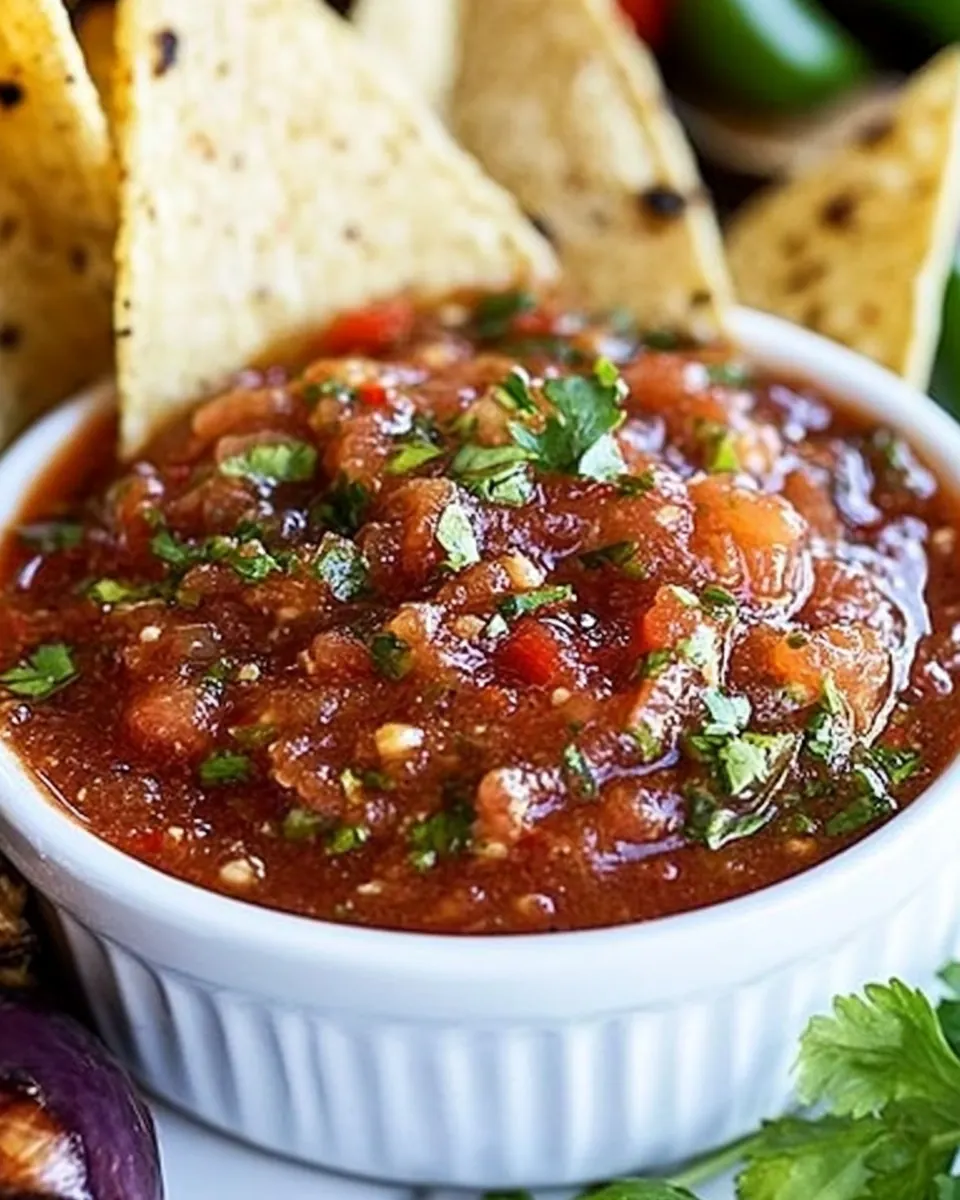
This salsa rewards small adjustments and mindful tasting. Below are practical tips I use every time I make it, each one expanded to help you get consistent, delicious results.
- Start with quality canned tomatoes, because the fire roasted tomatoes set the tone. Look for cans that list just tomatoes and salt, and avoid varieties with additional preservatives or sugars. The smoky roasted bits in the can provide depth that is hard to replicate with fresh tomatoes, especially out of season. If the tomatoes taste overly acidic in the can, drain a little of the juice, or balance with the listed teaspoon of sugar. Remember, different brands will vary, so tasting and small adjustments are your friend.
- Layer aromatics thoughtfully by placing the diced red onion, chopped garlic, and jalapeno toward the bottom of the blender. This helps them break down more evenly during pulsing. If you place heavier items on top, the blade may spin without chopping small bits efficiently, resulting in a chunky top and under processed base. Periodically stop and scrape down the sides to ensure everything is moving through the blade.
- Control heat with the seeds by removing them if you prefer a milder salsa. The membrane and seeds hold a lot of capsaicin, the compound that creates heat. If you want a consistent medium heat, remove the seeds from half the jalapeno and keep them in the other half, then taste and adjust. For preserving, consider reducing fresh jalapeno to avoid escalating heat during storage.
- Add the cilantro at the end to keep its flavor fresh. Cilantro‘s volatile oils evaporate quickly when blended, dulling the herb. Stirring it in after pulsing keeps the bright, citrusy notes intact. If you prefer a cilantro forward salsa, reserve a small amount finely chopped and fold it in right before serving.
- Finish with olive oil for silkiness, but add it after pulsing rather than blending it in. The oil smooths the mouthfeel and carries flavor across the palate, creating a rounded finish. If you add it to the blender and process more, the texture can become too homogeneous and lose the rustic charm that makes this salsa appealing.
Serving Options for Fire Roasted Salsa
This salsa shines in casual settings and can be dressed up easily. Here are thoughtful ways to serve it, from simple chip service to pairing ideas for larger meals and gatherings. The list below covers seasonal pairings, occasion ideas, and storage tips to keep the flavor fresh.
- Classic chip and dip, served at room temperature with a bowl of tortilla chips for snacking. This is ideal for game nights, casual get togethers, or as an appetizer when guests first arrive.
- Topping for tacos or bowls, spooned over grilled vegetables, rice bowls, or warm tortillas to add brightness and a smoky edge. It complements roasted proteins and roasted vegetables particularly well.
- Summer barbecue side, offered alongside grilled mains during warm months. Its fresh acidity cuts through richer foods, making it a perennial favorite for outdoor meals and potlucks.
- Make ahead and chill, store in an airtight container in the refrigerator for up to five days. Bring back to room temperature and stir before serving to let flavors reawaken, and taste to adjust salt or lime juice if needed.
- Party scale, multiply the ingredients for larger gatherings, and keep bowls replenished. Because many items are pantry friendly, it is a reliable choice for feeding a crowd without last minute fuss.
- Seasonal pairing, serve at summer picnics or Ramadan iftar spreads where bright, refreshing condiments are welcome. The salsa’s acidity and smokiness pair well with fresh fruit, grilled corn, and simple rice dishes.
FAQ
Conclusion
What makes this salsa special is how it delivers smoky, bright, and fresh flavors with minimal effort. It’s a pantry friendly recipe that scales easily and brightens whatever you serve it with. Give it a try the next time you want an approachable, crowd pleasing condiment, and enjoy the way simple ingredients can create a memorable bite.
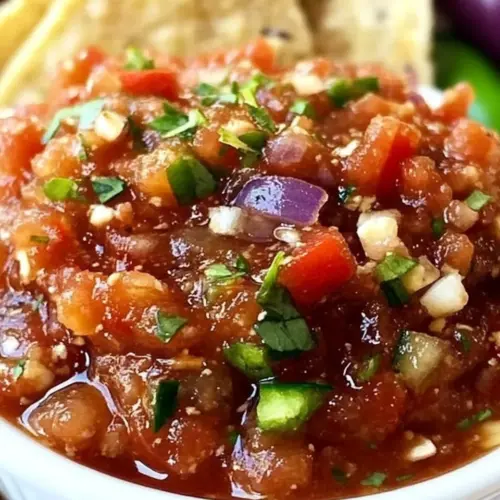
Fire Roasted Salsa
Equipment
- Blender
Ingredients
- 2 (14.5-ounce) cans diced fire-roasted tomatoes Enhances smoky, tomato-forward base by providing a charred depth and chunky texture; drains or uses with juices depending on desired salsa consistency. Balances acidity and body while carrying other flavors, creating the core of the salsa.
- 1/2 (4-ounce) can diced green chilies Adds mild heat and a subtle tang while contributing soft, slightly crunchy bits; preserves a gentle chili flavor typical of canned green chilies. Complements fresh ingredients and boosts overall complexity without overpowering the salsa.
- 1/2 medium red onion, diced Contributes sharp, slightly sweet bite and crunchy texture when finely diced; mellows when mixed and allows other flavors to shine. Provides aromatic sulfur compounds that brighten the salsa and contrast the roasted tomato richness.
- 2 cloves garlic, finely chopped Infuses pungent aromatic depth and savory sharpness when finely chopped; blends into the salsa to round out flavors and support heat elements. Helps activate the palate and ties together fresh and roasted components.
- 1 jalapeno, finely chopped Delivers bright, fresh heat and a crisp vegetal note when finely chopped; seeds can be adjusted for spiciness to control salsa intensity. Offers a lively, peppery accent that lifts the overall flavor profile.
- 1/4 cup fresh cilantro leaves Imparts fresh, citrusy-herb complexity and a leafy aroma when chopped; distributes bursts of brightness throughout the salsa. Helps cut through richness and complements lime and tomato flavors for a balanced finish.
- 1 tablespoon lime juice Provides bright acidity and citrus tang to elevate and balance the salsa; freshly squeezed is preferred for clarity of flavor. Enhances other ingredients, helping to preserve color and add refreshing lift.
- 1 teaspoon sugar Adds a touch of sweetness to offset acidity and heat; dissolves to round out the overall flavor profile. Works to balance sharp notes and enhance the perception of other seasonings.
- 1 teaspoon salt Seasoning that enhances and balances savory, sweet, and acidic elements; dissolves evenly to bring out the tomatoes and aromatics. Use sparingly and adjust to taste to avoid oversalting.
- 1/2 teaspoon cumin Brings warm, earthy undertones and a hint of smokiness that complements the fire-roasted tomatoes; finely ground cumin disperses easily in the salsa. Helps deepen flavor complexity without adding heat.
- 1 tablespoon olive oil Provides a silky mouthfeel and helps marry flavors while adding a subtle fruity richness; warms slightly when mixed to release aromas. Assists in carrying fat-soluble flavors and smoothing the salsa's texture.
Instructions
- Place all ingredients into blender, except olive oil. (I like to add the onion, garlic, and jalapeno first. They seem to get chopped up better if they are on the bottom.): When you layer the red onion , garlic , and jalapeno near the bottom as I do, you’ll hear a rapid chopping sound that indicates they are being broken down evenly. The smell will grow sharp and green as these fresh aromatics are released, a good sign they are integrating into the mix. This step helps ensure uniformity so you do not end up with large chunks of onion or jalapeno at the top. A common mistake is overcrowding the blender , which can lead to uneven chopping, so work in a single batch if your blender is small.
- Pulse until everything is finely chopped but not completely pureed.: As you pulse, pay attention to texture rather than time. You should see small flecks and suspended pieces, not a uniform liquid. The sound will change from loud thumps to a smoother, steady hum as the contents break down. This texture gives the salsa its lively mouthfeel, so avoid overprocessing which yields a thin, one dimensional sauce. If you pulse too long you will lose the pleasant contrast between chunks and sauce, so stop while it still looks toothy.
- Place in a bowl and stir in olive oil.: After transferring to a bowl, drizzle in the olive oil and fold gently so it emulsifies slightly with the tomato juices, creating a glossy sheen. You should notice the aroma mellow and the surface take on a satiny look, which signals the oil is doing its job. Stirring by hand also allows you to taste and adjust seasoning, which is crucial for balance. A common oversight is adding the oil to the blender and pulsing more, which can make the salsa too smooth and mask the fresh textures that make it lively.
Notes
- Start with quality canned tomatoes, because the fire roasted tomatoes set the tone. Look for cans that list just tomatoes and salt, and avoid varieties with additional preservatives or sugars. The smoky roasted bits in the can provide depth that is hard to replicate with fresh tomatoes, especially out of season. If the tomatoes taste overly acidic in the can, drain a little of the juice, or balance with the listed teaspoon of sugar. Remember, different brands will vary, so tasting and small adjustments are your friend.
- Layer aromatics thoughtfully by placing the diced red onion, chopped garlic, and jalapeno toward the bottom of the blender. This helps them break down more evenly during pulsing. If you place heavier items on top, the blade may spin without chopping small bits efficiently, resulting in a chunky top and under processed base. Periodically stop and scrape down the sides to ensure everything is moving through the blade.
- Control heat with the seeds by removing them if you prefer a milder salsa. The membrane and seeds hold a lot of capsaicin, the compound that creates heat. If you want a consistent medium heat, remove the seeds from half the jalapeno and keep them in the other half, then taste and adjust. For preserving, consider reducing fresh jalapeno to avoid escalating heat during storage.
- Add the cilantro at the end to keep its flavor fresh. Cilantro's volatile oils evaporate quickly when blended, dulling the herb. Stirring it in after pulsing keeps the bright, citrusy notes intact. If you prefer a cilantro forward salsa, reserve a small amount finely chopped and fold it in right before serving.
- Finish with olive oil for silkiness, but add it after pulsing rather than blending it in. The oil smooths the mouthfeel and carries flavor across the palate, creating a rounded finish. If you add it to the blender and process more, the texture can become too homogeneous and lose the rustic charm that makes this salsa appealing.
