
Bang Bang Shrimp
Bang Bang Shrimp is one of those recipes I turn to when I want something fast, sassy, and impossibly moreish. The first time I made it I was running late for a weekend get together, but I had a bag of frozen shrimp and a jar of zingy sauce in the fridge. I tossed things together, kept my expectations low, and ended up with a plate that vanished within minutes, everyone reaching for the last piece and asking for the recipe.
I learned to cook this dish with small rituals, like patting each shrimp dry, letting the pan heat until it sang, and reserving a little extra sauce to brush on the finished pieces. Those tiny choices change everything, turning a quick dinner into something that feels special. Over the years I’ve adapted the technique for weeknight dinners, summer barbecues, and casual date nights because it always delivers bold flavor with minimal fuss.
Recipe Snapshot
15 mins
5 mins
10 mins
Medium
300 kcal
American
Keto, Paleo
Appetizers
Bamboo skewers (optional)
What Makes This Bang Bang Shrimp Special
Explosive, approachable flavor
I adore how Bang Bang Shrimp marries creamy sweetness with a bright kick. The sauce clings to the shrimp, giving each bite a contrast of textures that keeps you coming back for another piece. I find this balance irresistible, and guests always comment on how layered the taste feels for such a quick dish.
Speed that does not sacrifice quality
Because the cooking time is so short, you get dinner on the table fast, but you still achieve a restaurant level finish. I often rely on this recipe when my evening is crowded with errands, since the hands on time is minimal and the payoff is huge. It proves that great food does not always need hours on the stove.
Versatile for many occasions
I’ve served Bang Bang Shrimp as an appetizer at summer parties and as the main attraction for a casual family meal. It travels well, and the dipping sauce can be used for other things, like drizzling on salads or grilled shrimp. That flexibility makes it a go to in my weeknight rotation.
Textural delight
The slight char and snap you get from a hot skillet lifts this dish. When the edges of the shrimp caramelize, you get a contrast between the tender interior and the crisp exterior, and that textural play is what makes this simple recipe feel elevated.
Beginner friendly, chef approved
Even cooks who are new to seafood find success with this dish because the steps are straightforward. I like to coach people through the cues, like when the shrimp turns opaque or when the sauce looks glossy and clings. Those small teaching moments build confidence and invite experimentation.
Recipe Ingredients for Bang Bang Shrimp
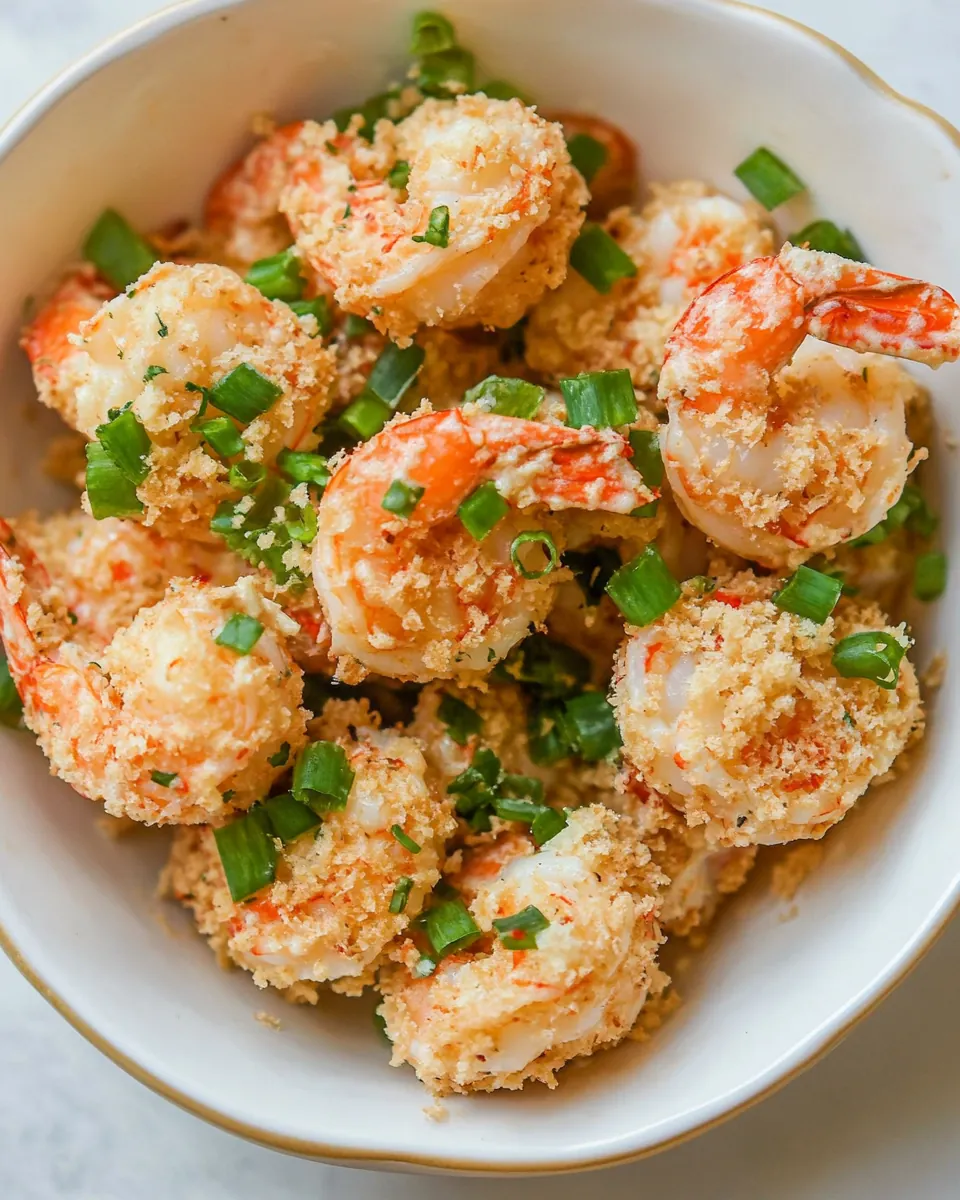
These ingredients are deliberately simple and focused on letting the shrimp shine while the sauce provides the attitude. The key players are the shrimp for texture and protein, the Bang Bang Sauce for bold flavor, and the green onions for a fresh, aromatic finish. Together they create contrast in temperature, texture, and taste.
- 1 pounds shrimp 26-30, peeled & deveined: Provide succulent, firm seafood that forms the main protein; ensure shrimp are peeled and deveined for easy eating and even cooking. Use 26-30 size to maintain a meaty bite and consistent cook time. Pat dry before cooking to promote a crisp exterior when battered or sautéed.
- 1/2 cup Bang Bang Sauce: Add creamy, spicy-sweet flavor and moistness that coats the shrimp; Bang Bang Sauce balances heat and sweetness for signature taste. Use as a generous coating or dipping sauce to deliver the dish’s characteristic tangy kick. Fold in gradually to coat evenly without overwhelming texture.
- 2 tablespoons chopped green onions sliced at an angle, divided: Offer fresh, sharp oniony notes and a pop of color when sliced at an angle; reserve half for garnish to finish the dish. Chop finely to distribute mild allium flavor through the shrimp without overpowering the sauce. Sprinkle over just before serving to preserve crispness and visual appeal.
How to Make Bang Bang Shrimp
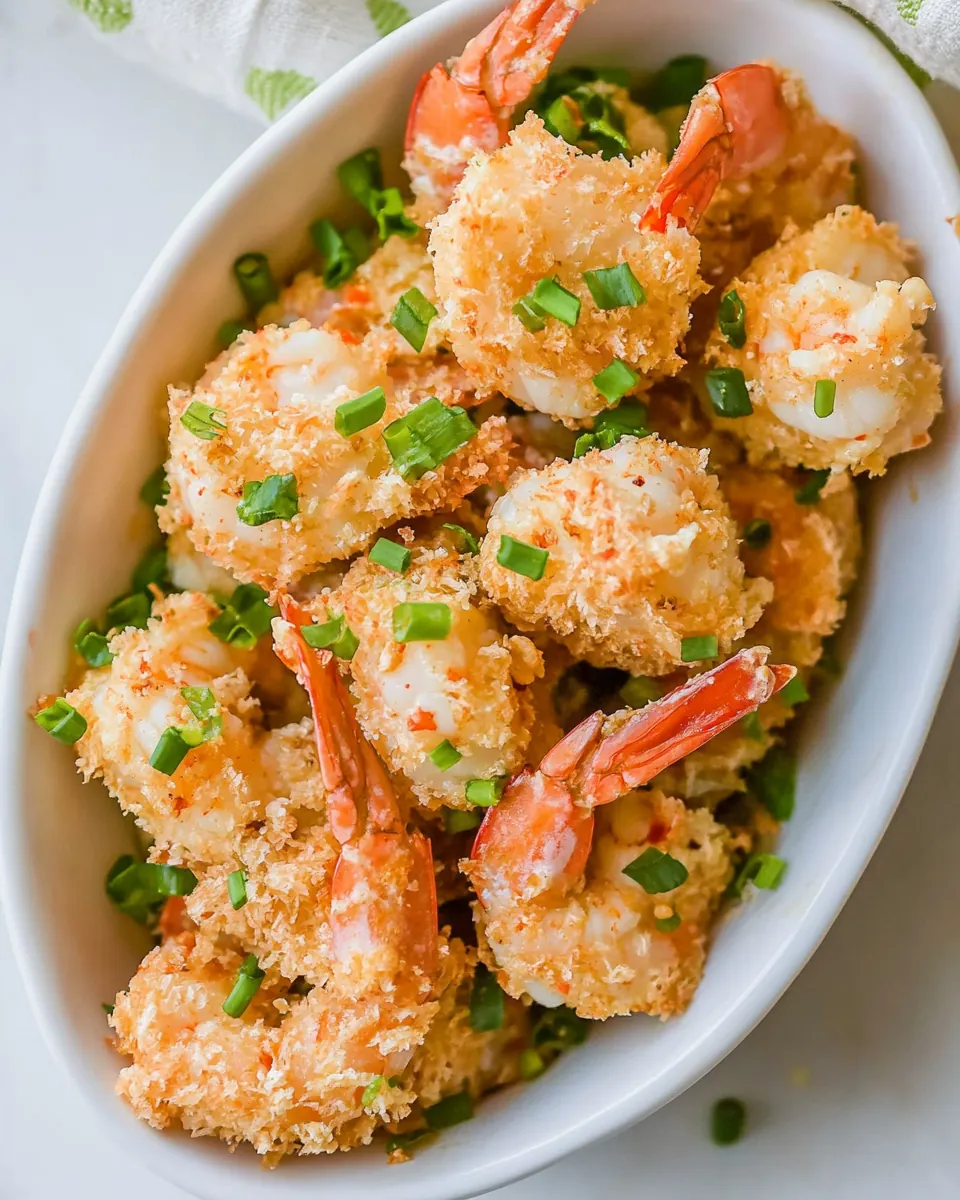
These steps take you from pantry to plate with clear sensory cues so you can tell when each stage is right. Read through once, then cook confidently. The recipe relies on hot pan technique and precise timing to keep the shrimp tender and flavorful.
- If using skewers, place them in a shallow baking dish and cover them with water and soak them 10 minutes prior to using.: You will notice the wood absorbing water, which prevents burning and keeps a steady cook when placed over heat, and the smell is neutralized instead of smoky. This soaking technique prevents charred edges that can taste bitter, and it helps the skewers stay intact, avoiding splintering. A common oversight is skipping the soak, which makes the skewers vulnerable to burning and can impart an unpleasant burnt aroma to the shrimp . Be sure the skewers feel saturated in the middle before using.
- Pour half the sauce in a smaller bowl to use as a dipping sauce. Set aside.: When you separate the sauce you preserve a glossy, flavorful dip, and the remaining glaze will concentrate on the shrimp giving each piece a clingy coating. The aroma of the sauce will be sweet and tangy, hinting of spice and cream. Mistake to avoid is using all the sauce for glazing, leaving nothing for dipping, which reduces the interactive pleasure of the dish.
- If using skewers, thread 4-5 peeled and deveined shrimp on each and brush the remaining sauce over the shrimp.: As you thread each shrimp , listen for the faint slap as it hits the skewer and feel the slight resistance, which tells you the shrimp is held securely. Brushing the sauce now ensures the heat caramelizes sugars and spices, creating a lacquered surface. The sensory cue to watch for is the sauce beginning to bubble gently on the surface when it hits the hot pan later. Avoid overcrowding the skewers, which prevents even browning and causes steaming rather than searing.
- Heat a skillet or griddle over medium heat. Drizzle 2 tablespoons oil onto the skillet or griddle and place the shrimp in the skillet.: The pan should shimmer slightly when the oil is hot, giving off a faint nutty aroma depending on the oil. This preheat is essential because a properly heated surface creates a quick sear that locks juices in the shrimp . If the pan is not hot enough the shrimp will release moisture and steam, yielding a rubbery texture. A frequent error is adding shrimp to a cool pan, which ruins the texture profile of the dish.
- Cook the shrimp 1-2 minutes per side, or until shrimp is opaque and 120°F internally. (Adjust the cooking time if using different size shrimp.) The shrimp cooks quickly.: You will hear a soft sizzle and see the edges go from translucent to pearly white, and when pressed lightly the shrimp offers a springy resistance. Using a thermometer helps because shrimp can go from perfect to overdone in moments; 120°F gives a plump, juicy interior. Avoid the temptation to cook longer for perceived safety, which creates a tough bite. If your shrimp are larger, extend the time slightly but check frequently.
- Transfer shrimp to a serving dish and brush lightly with the reserved sauce. Garnish with extra chopped green onions.: The finished shrimp should glisten, and brushing them while warm helps the sauce meld into the surface for a silky sheen. The aroma of warm sauce and fresh green onions is inviting, and the contrast between glossy glaze and bright garnish makes the plate pop visually. A common mistake is waiting too long to brush the sauce, which cools the shrimp and prevents proper adhesion of the glaze.
- Serve immediately, with a dollop of dipping sauce, on the side.: Serve while the shrimp are still warm so the texture remains crisp at the edges and tender within. Presenting the extra dipping sauce invites guests to adjust heat and creaminess to their taste, and that interaction is part of the dish's charm. Do not let the prepared plate sit too long, as extended resting will soften the crisped edges and dilute the lively mouthfeel.
Tips for Success
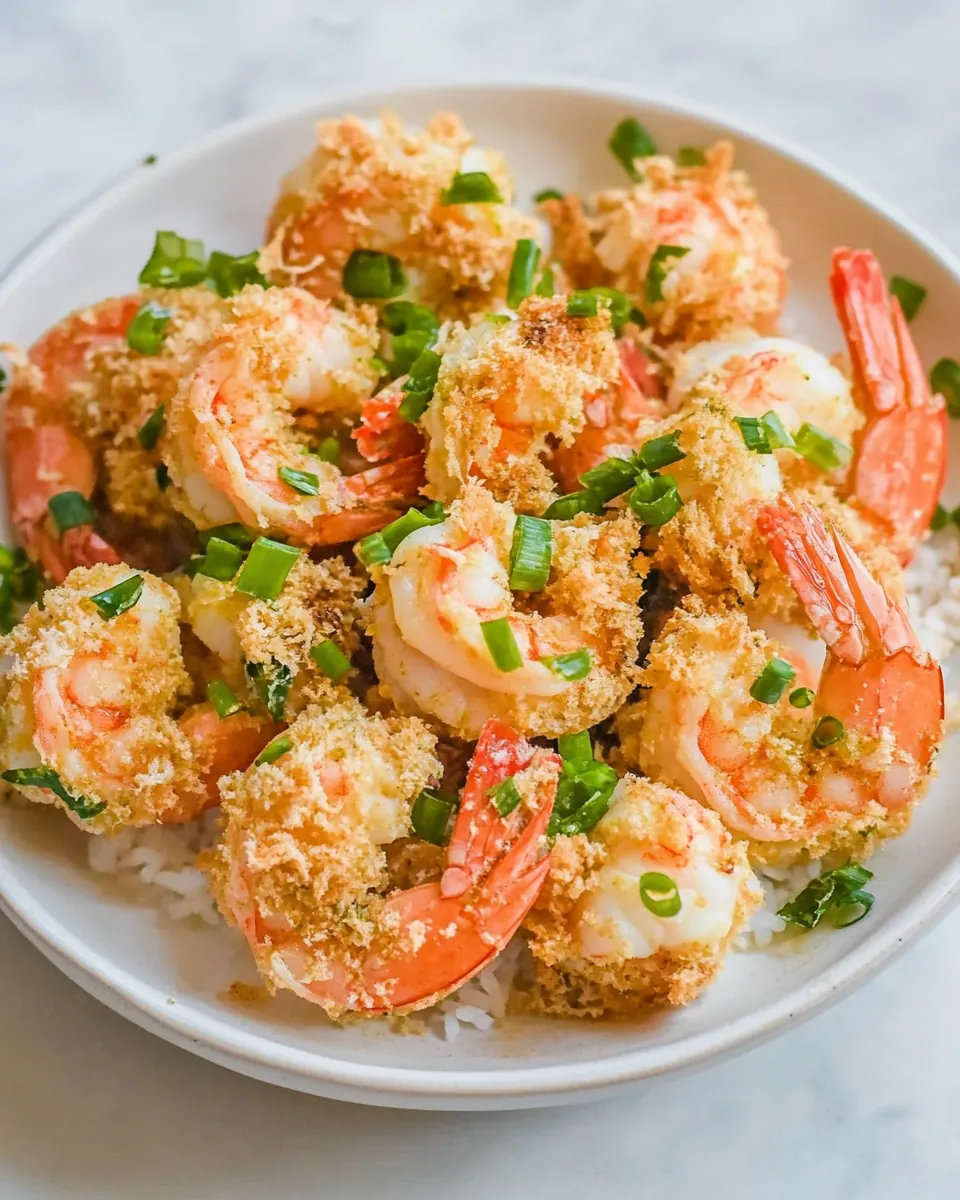
This recipe rewards attention to small details, from pan temperature to sauce management. The following tips expand on the technique and sensory cues so you get consistent results every time.
- Preheat the pan properly Start with medium heat and wait until the skillet is shimmering, not smoking, so the oil can sear the shrimp instantly and lock in juices.
- Dry your shrimp thoroughly Moisture prevents a good sear, so use paper towels to pat each piece dry before seasoning or saucing.
- Reserve sauce for dipping Keep half of the sauce aside so guests can add extra creaminess or spice to taste, which enhances the dining experience.
- Use a thermometer for precision Aim for 120°F internal temperature for juicy, tender shrimp, and avoid guessing based solely on color.
- Do not overcrowd the pan Cook in batches if needed so each shrimp gets direct contact with the hot surface for even browning.
- Garnish at the last second Add the green onions right before serving to preserve their fresh crunch and bright flavor.
What to Serve Alongside Bang Bang Shrimp
This dish pairs beautifully with light, textural sides and is flexible across occasions. Below are serving ideas and practical suggestions to present a rounded plate.
- Steamed rice A neutral base that absorbs excess sauce, making it a practical accompaniment for casual dinners or weeknight meals.
- Simple green salad Crisp greens dressed lightly bring a refreshing contrast to the creamy sauce, and they brighten the palate between bites.
- Grilled vegetables Seasonal vegetables add smoky notes and hearty texture, suitable for summer gatherings where you want a fuller plate.
- Family style platter Serve the shrimp on a large board with extra dipping sauce, letting guests help themselves for relaxed entertaining.
- Storage tips Refrigerate leftover shrimp in an airtight container and consume within one to two days, reheating gently to avoid overcooking.
- Occasion match Works well for summer parties, casual dinners, and Ramadan if you plan flavorful, shareable small plates at iftar.
FAQ
Conclusion
Bang Bang Shrimp stands out because it delivers bold, layered flavor with very little hands on time. It is fast, satisfying, and adaptable to different occasions, from casual weeknights to summer gatherings. I encourage you to give it a try; once you master the timing and the pan cues, this recipe becomes a reliable favorite that continues to impress friends and family. Enjoy the process, pay attention to the small details, and savor the contrast of tender shrimp and glossy sauce.
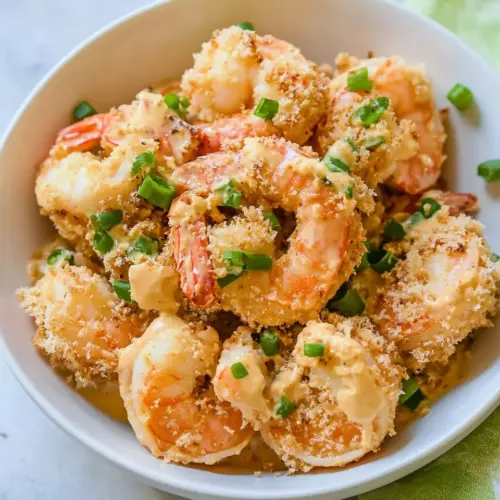
Bang Bang Shrimp
Equipment
- Bamboo skewers (optional)
Ingredients
- 1 pounds shrimp 26-30, peeled & deveined Provide succulent, firm seafood that forms the main protein; ensure shrimp are peeled and deveined for easy eating and even cooking. Use 26-30 size to maintain a meaty bite and consistent cook time. Pat dry before cooking to promote a crisp exterior when battered or sautéed.
- 1/2 cup Bang Bang Sauce Add creamy, spicy-sweet flavor and moistness that coats the shrimp; Bang Bang Sauce balances heat and sweetness for signature taste. Use as a generous coating or dipping sauce to deliver the dish’s characteristic tangy kick. Fold in gradually to coat evenly without overwhelming texture.
- 2 tablespoons chopped green onions sliced at an angle, divided Offer fresh, sharp oniony notes and a pop of color when sliced at an angle; reserve half for garnish to finish the dish. Chop finely to distribute mild allium flavor through the shrimp without overpowering the sauce. Sprinkle over just before serving to preserve crispness and visual appeal.
Instructions
- If using skewers, place them in a shallow baking dish and cover them with water and soak them 10 minutes prior to using.: You will notice the wood absorbing water, which prevents burning and keeps a steady cook when placed over heat, and the smell is neutralized instead of smoky. This soaking technique prevents charred edges that can taste bitter, and it helps the skewers stay intact, avoiding splintering. A common oversight is skipping the soak, which makes the skewers vulnerable to burning and can impart an unpleasant burnt aroma to the shrimp . Be sure the skewers feel saturated in the middle before using.
- Pour half the sauce in a smaller bowl to use as a dipping sauce. Set aside.: When you separate the sauce you preserve a glossy, flavorful dip, and the remaining glaze will concentrate on the shrimp giving each piece a clingy coating. The aroma of the sauce will be sweet and tangy, hinting of spice and cream. Mistake to avoid is using all the sauce for glazing, leaving nothing for dipping, which reduces the interactive pleasure of the dish.
- If using skewers, thread 4-5 peeled and deveined shrimp on each and brush the remaining sauce over the shrimp.: As you thread each shrimp , listen for the faint slap as it hits the skewer and feel the slight resistance, which tells you the shrimp is held securely. Brushing the sauce now ensures the heat caramelizes sugars and spices, creating a lacquered surface. The sensory cue to watch for is the sauce beginning to bubble gently on the surface when it hits the hot pan later. Avoid overcrowding the skewers, which prevents even browning and causes steaming rather than searing.
- Heat a skillet or griddle over medium heat. Drizzle 2 tablespoons oil onto the skillet or griddle and place the shrimp in the skillet.: The pan should shimmer slightly when the oil is hot, giving off a faint nutty aroma depending on the oil. This preheat is essential because a properly heated surface creates a quick sear that locks juices in the shrimp . If the pan is not hot enough the shrimp will release moisture and steam, yielding a rubbery texture. A frequent error is adding shrimp to a cool pan, which ruins the texture profile of the dish.
- Cook the shrimp 1-2 minutes per side, or until shrimp is opaque and 120°F internally. (Adjust the cooking time if using different size shrimp.) The shrimp cooks quickly.: You will hear a soft sizzle and see the edges go from translucent to pearly white, and when pressed lightly the shrimp offers a springy resistance. Using a thermometer helps because shrimp can go from perfect to overdone in moments; 120°F gives a plump, juicy interior. Avoid the temptation to cook longer for perceived safety, which creates a tough bite. If your shrimp are larger, extend the time slightly but check frequently.
- Transfer shrimp to a serving dish and brush lightly with the reserved sauce. Garnish with extra chopped green onions.: The finished shrimp should glisten, and brushing them while warm helps the sauce meld into the surface for a silky sheen. The aroma of warm sauce and fresh green onions is inviting, and the contrast between glossy glaze and bright garnish makes the plate pop visually. A common mistake is waiting too long to brush the sauce, which cools the shrimp and prevents proper adhesion of the glaze.
- Serve immediately, with a dollop of dipping sauce, on the side.: Serve while the shrimp are still warm so the texture remains crisp at the edges and tender within. Presenting the extra dipping sauce invites guests to adjust heat and creaminess to their taste, and that interaction is part of the dish's charm. Do not let the prepared plate sit too long, as extended resting will soften the crisped edges and dilute the lively mouthfeel.
Notes
- Preheat the pan properly Start with medium heat and wait until the skillet is shimmering, not smoking, so the oil can sear the shrimp instantly and lock in juices.
- Dry your shrimp thoroughly Moisture prevents a good sear, so use paper towels to pat each piece dry before seasoning or saucing.
- Reserve sauce for dipping Keep half of the sauce aside so guests can add extra creaminess or spice to taste, which enhances the dining experience.
- Use a thermometer for precision Aim for 120°F internal temperature for juicy, tender shrimp, and avoid guessing based solely on color.
- Do not overcrowd the pan Cook in batches if needed so each shrimp gets direct contact with the hot surface for even browning.
- Garnish at the last second Add the green onions right before serving to preserve their fresh crunch and bright flavor.
