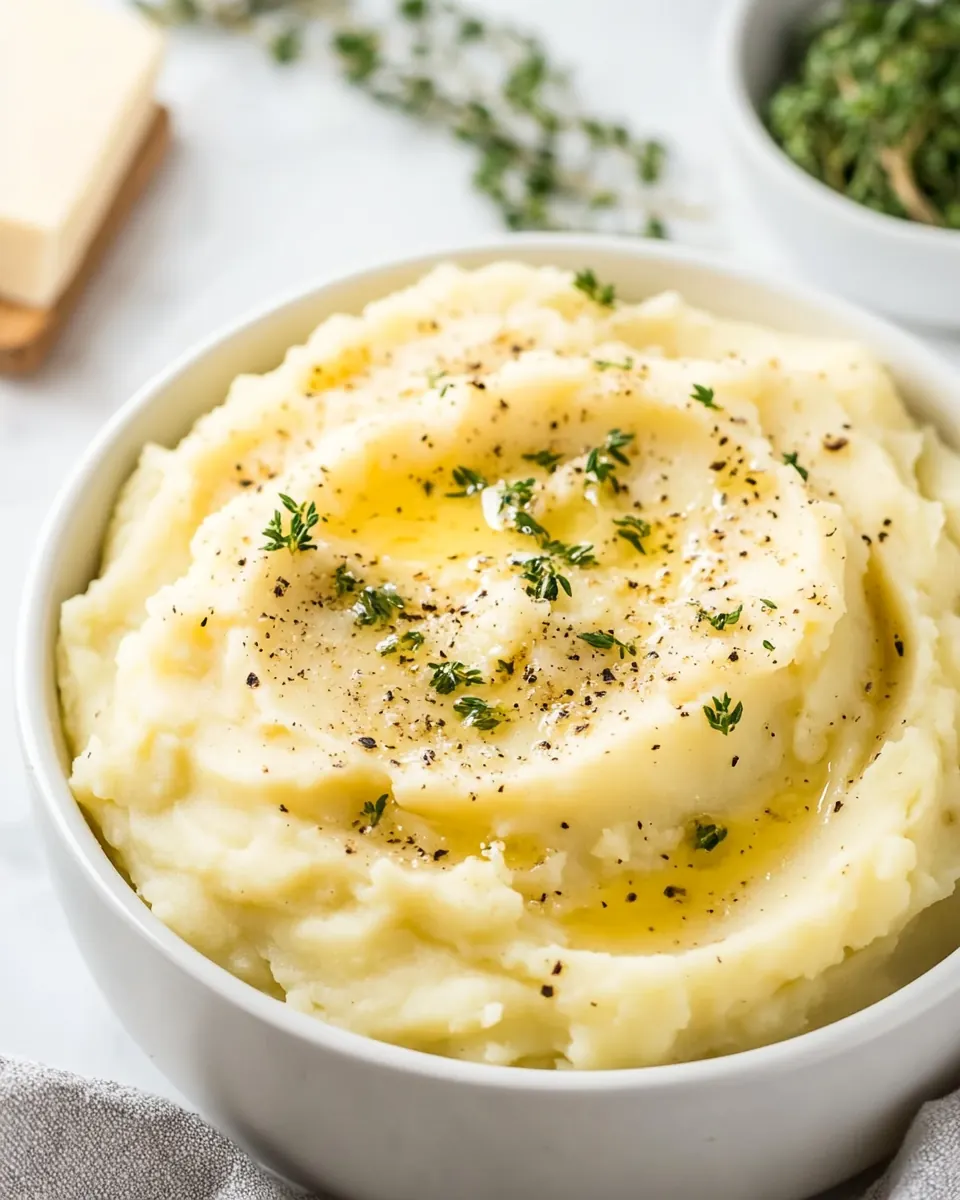
Ultimate Creamy Mashed Potatoes
Ultimate Creamy Mashed Potatoes have been my cold weather comfort go to for years, a dish I turn to when I want something warm, soothing, and reliably crowd pleasing. The very first time I made these, a snowstorm trapped half the neighborhood at my house, and the bowl of steaming spuds disappeared faster than I could ladle them out. Since then I keep this version in my repertoire, because the texture and flavor balance make it easy to dress up for holidays or keep simple for a cozy weeknight.
I remember pressing my palm to the warm pot lid as the aroma of cooked russet potatoes filled the kitchen, the house feeling suddenly more like home. I like that this recipe can feel indulgent without being fussy, and that each bite is creamy and comforting. Over the years I adjusted little things, learning when to stop mashing for a rustic feel, and when to add milk slowly so the texture stays pillowy.
Recipe Snapshot
35 mins
5 mins
30 mins
Easy
250 kcal
American
Gluten-Free, Low FODMAP
Side Dishes
Large pot, Colander, Potato masher, Large bowl
Why This Ultimate Creamy Mashed Potatoes Stands Out
Rich creamy texture that wins everyone over
I love how these Ultimate Creamy Mashed Potatoes deliver a silkiness others envy. The combination of room temperature cream cheese, soft butter, and warm whole milk gives a velvet mouthfeel that clings to the fork, making each bite feel luxurious. I often watch guests close their eyes with the first taste, which tells me the texture has done its job.
Simple ingredients, standout results
This recipe proves you do not need complicated pantry items to impress. With straightforward pantry staples like russet potatoes and modest seasonings of kosher salt and black pepper, the flavors sing together. I particularly like that the humble ingredients are forgiving, so even cooks who are nervous in the kitchen can still produce something spectacular.
Flexible for gatherings or weeknights
I’ve served these at holiday tables and on midweek dinners, and they fit both contexts. They scale up nicely, and because the method is forgiving, I can make a big batch and keep it warm without losing much quality. That flexibility makes them my go to when I need a reliable side that pleases a crowd.
Speed meets comfort
When you want comfort quickly, this dish answers. The technique focuses on efficient boiling and gentle reheating of the potatoes, so you get creamy results in a short time. I appreciate being able to have a deeply satisfying side on the table in under an hour, which is perfect for busy holiday prep or spontaneous dinners.
Room for personalization
Finally, I like that these mashers invite small tweaks. You can adjust milk for a looser texture, or add a garnish for pops of color and freshness. I encourage you to make it your own while keeping the core approach intact, because the base here is dependable and welcoming.
Shopping List for Ultimate Creamy Mashed Potatoes
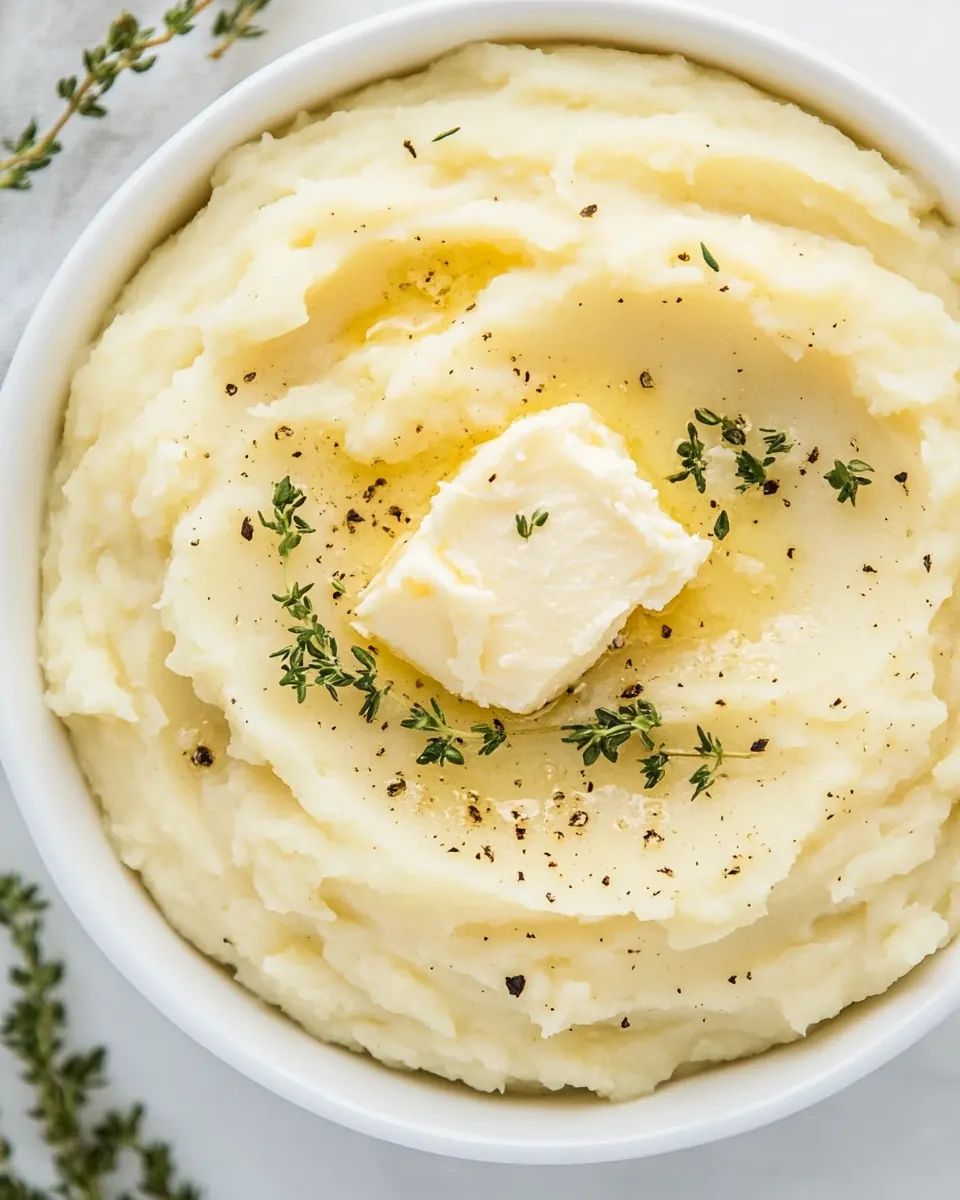
These ingredients are intentionally simple, designed to work together to build a creamy and satisfying texture while keeping bright, clean flavors. The key players are the starchy russet potatoes which give structure, and the dairy elements like cream cheese, butter, and whole milk which bring silkiness and richness. The salt and pepper are small but essential finishing touches that let the potato flavor come forward.
- 3 1/2 pounds russet potatoes (about 10 medium potatoes; peeled): Boiled and mashed to create the starchy base that provides structure, volume, and a fluffy texture; use peeled russet potatoes for their high starch content and ability to absorb dairy, yielding smooth, creamy mashed potatoes. Cut into even chunks and cook until very tender so they mash evenly without becoming gluey, then drain thoroughly to avoid watery results.
- 8 ounces cream cheese (room temperature is best): Softened and folded into hot potatoes to add tangy richness and silkiness; room–temperature cream cheese blends smoothly and contributes a creamy mouthfeel and slight acidity that brightens the overall flavor. Beat briefly before adding to ensure it incorporates evenly without lumps.
- 1/2 cup butter (1 stick; plus more for serving; room temp is best): Creamy and melted into the potatoes to contribute buttery flavor, richness, and a glossy finish; use softened butter for easy incorporation and to maintain a smooth texture. Reserve a little extra for serving to add shine and a fresh buttery aroma on top.
- 3/4 cup whole milk: Heated slightly and whisked in to loosen the mashed potatoes to the desired consistency while adding dairy richness; whole milk provides a creamy, full-bodied texture compared with lower-fat milks. Warm the milk slightly before adding to prevent cooling the potatoes and to help ingredients meld.
- 1/2 teaspoon kosher salt (+ more to taste): Seasoned in the mash to enhance and balance flavors without overpowering; kosher salt dissolves easily and allows precise control over seasoning. Start with the listed amount and taste, then adjust to achieve the ideal savory profile.
- 1/4 teaspoon freshly ground black pepper (+ more to taste): Ground and sprinkled to add a subtle, aromatic heat and complexity that complements the creamy elements; freshly ground black pepper delivers a brighter, fresher pep than pre-ground varieties. Add gradually and taste to ensure a balanced peppery note without dominating the dish.
The Process for Making Ultimate Creamy Mashed Potatoes
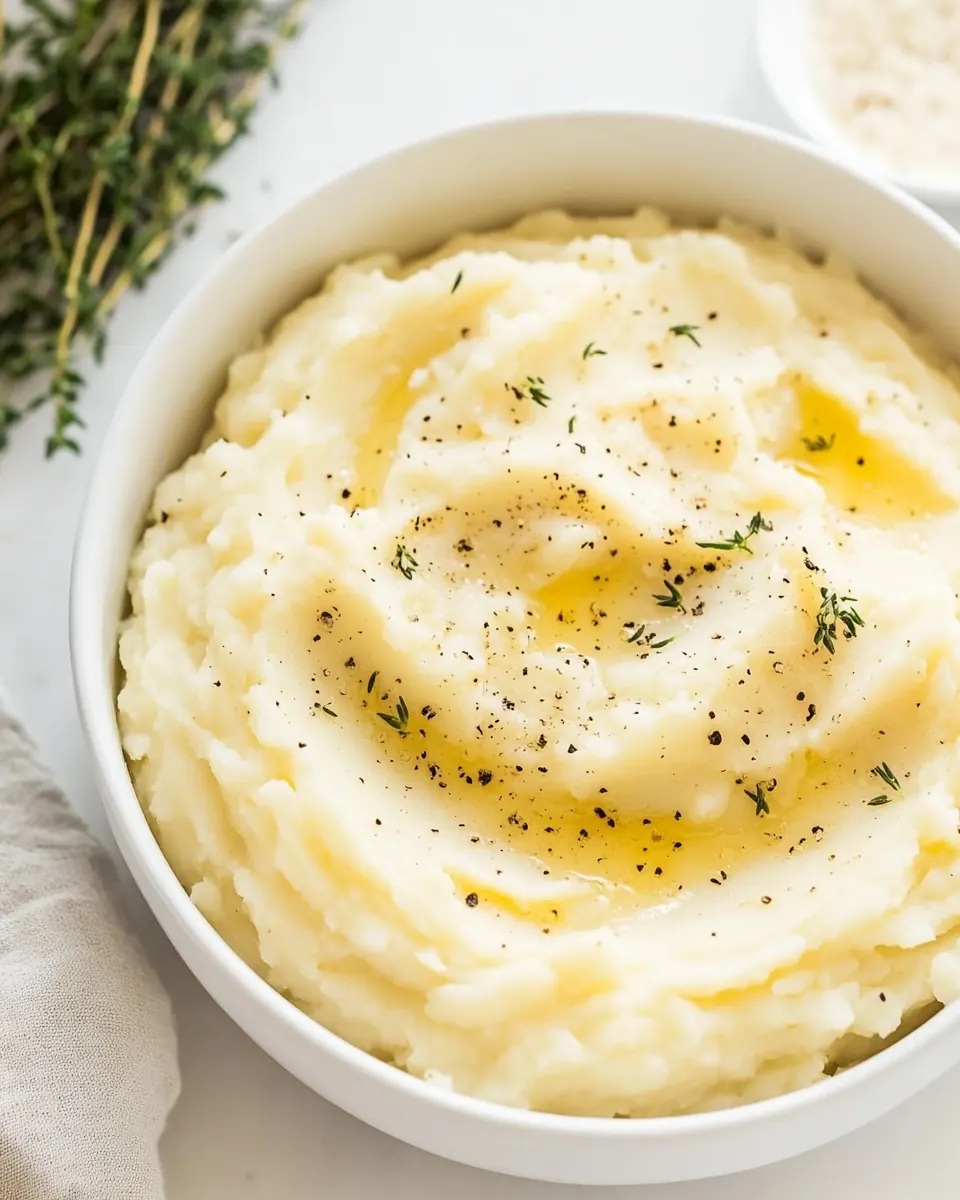
These steps walk you through a classic stove top approach, emphasizing texture and seasoning control. I wrote this so you can follow along and know what to look for at each stage, whether you want silky spoonable mash or a heartier, rustic finish.
- Fill a large pot halfway with water. Bring to a boil over high heat. Carefully add peeled potatoes.: The moment the water begins to warm you can sense the kitchen shifting toward dinner time, the soft hum of the burner becoming background music. Using a pot that is large enough to allow the russet potatoes to sit comfortably ensures even cooking, because overcrowded potatoes steam rather than boil properly. A common mistake here is using too small a pot which leads to uneven doneness. Listen for a gentle roar as the water approaches a full boil, and you will know it is ready.
- Boil over high heat until the potatoes are fork-tender, about 25 minutes.: As the water accelerates into a rolling boil, you will hear a stronger bubbling and see steam rising briskly, which signals that it can take the potatoes without cooling down too much. Bringing the water to a vigorous boil before adding the potatoes helps keep the cooking time predictable. Avoid leaving the pot unattended at this stage to prevent boil overs; a rapid rise can cause water to escape the pot and make a mess.
- Remove from heat and drain potatoes in a colander. Put drained potatoes back in the pot and put back on the stove over low heat.: When I lower the peeled russet potatoes into the pot, I do it slowly to avoid splashing hot water. You will notice a sudden silence as the water temperature drops briefly, then resumes bubbling as it recovers. This gentle treatment protects you from burns and helps maintain consistent cooking. A frequent error is dropping potatoes in too quickly, which can cause burns or uneven cooking if pieces clump together.
- Add the cream cheese, butter, 1/2 cup of the milk, and a hefty pinch salt and pepper.: As they cook, pieces will soften and the starches begin to break down, releasing a comforting, earthy aroma. Testing with a fork is crucial; it should slide through with little resistance when they are ready. Overcooking can make them waterlogged while undercooking will give lumps, so check multiple pieces for consistent tenderness.
- Mash the potatoes with a potato masher until they reach desired consistency, adding more milk a little at a time until they're the texture you'd like. Taste and add additional salt and pepper if you like.: Draining clarifies the texture because excess water can dilute the creaminess. You will hear the rush of steam and the potatoes emit a faint earthy scent as they rest in the colander. After draining, return them briefly to the warm pot to evaporate residual steam, which prevents a soggy mash. A common slip up is leaving too much water trapped with the potatoes, which turns the mash gluey.
- Spoon into a large bowl and top with a generous pat of butter and some fresh herbs if you like. Serve.: Placing the pot back on low lets any remaining moisture evaporate gently while keeping the potatoes warm for easier mixing. The low heat also helps the butter and cream cheese melt and integrate smoothly. Avoid higher heat which can scorch the bottom and create off flavors; gentle warmth is the secret to a better texture.
- Add the cream cheese, butter, 1/2 cup of the milk, and a hefty pinch salt and pepper: As the dairy hits the warm potatoes you will see the cream cheese and butter soften and begin to meld, releasing a richer aroma and glossy sheen. Adding only part of the milk at first gives you control over how loose you want the final mash. A common misstep is adding all the milk at once which can make the potatoes runny; take your time and add more only if needed.
- Mash the potatoes with a potato masher until they reach desired consistency: When you press the masher down, you feel the potatoes give way into velvety peaks, and the kitchen fills with a warm, homey smell. Mashing slowly allows you to gauge the texture, whether you prefer a slightly chunky or ultra smooth result. Overworking them with a mixer can make the starches gummy, so stick to a hand masher for the best mouthfeel.
- Adding more milk a little at a time until they're the texture you'd like: The final texture comes down to patience, as each small addition of warm milk loosens the mash incrementally, helping you land exactly where you want. Watch how the mash becomes silkier and more spreadable with each small pour, and stop when the surface has a satiny appearance. A common error is adding cold milk which can cool the potatoes and make it harder to achieve a cohesive texture.
- Taste and add additional salt and pepper if you like: Seasoning at the end is where the flavors come alive, and a careful taste will tell you if the mash needs extra kosher salt or a little more black pepper to brighten it. I often find a tiny additional pinch of salt elevates the whole bowl. Under seasoning is the most frequent oversight, so don’t be shy to adjust gradually and taste again.
- Spoon into a large bowl and top with a generous pat of butter and some fresh herbs if you like: The final presentation matters because a warm pat of butter melting on top adds gloss and richness, while a scatter of herbs adds fragrance and color. Serve immediately so the steam and buttery aroma reach the table at their peak. If you wait too long, the top will set; keep the mash covered and warm briefly if needed.
- Serve: The sound of spoons diving into the bowl and the sight of steam rising are signals your dish is at its best. Encourage guests to add a touch more butter if they want a silkier finish and remind them to season individually. A common mistake here is letting the potatoes sit uncovered, which dries out the top layer; cover loosely to retain moisture until serving.
How to Switch It Up
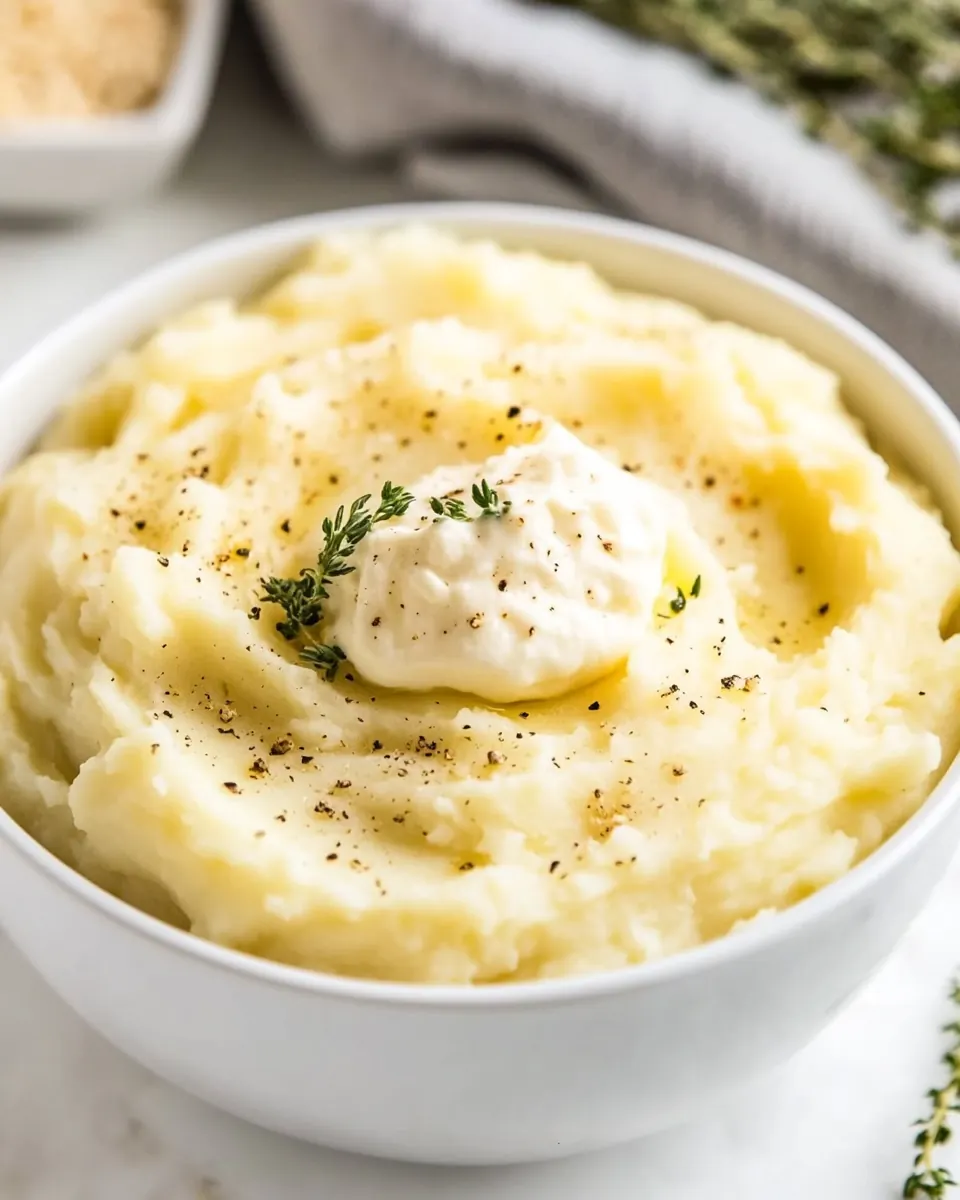
I like to think of variations as small nudges rather than rewrites. Below are practical ways to change texture, flavor, or make the dish fit dietary needs while keeping the essential approach intact.
- Plant based swap Swap the butter, cream cheese, and whole milk for dairy free alternatives like vegan butter, a plant based cream cheese, and unsweetened oat milk for a dairy free version that still feels rich.
- Looser texture Add warmed milk a tablespoon at a time until you reach a spoonable, silky consistency, stopping when the surface looks satiny and smooth.
- Extra indulgence Fold in an additional ounce of room temperature cream cheese for a tangier, creamier finish that holds heat well for serving to guests.
- Make ahead storage Refrigerate cooled mash in an airtight container for up to two days, then rewarm slowly in a covered dish in the oven or in a slow cooker on low, stirring occasionally.
- Freezing tip Freeze in an airtight container for up to one month; thaw overnight in the fridge, then warm gently, adding a splash of warm milk if it seems stiff.
Pairing Suggestions for Ultimate Creamy Mashed Potatoes
These mashed potatoes are a versatile side that suits festive feasts and simple dinners. They pair well with roasted proteins and bright vegetable sides, and they keep nicely for holiday spreads or weeknight family meals.
- Classic holiday plate Serve alongside roasted or glazed mains for a comforting centerpiece at Thanksgiving or winter celebrations, where the creamy texture complements richer entrees.
- Weeknight dinner Offer as a cozy side for simple roasted vegetables and a salad, bringing a warm, familiar element to quick weeknight meals.
- Make ahead hosting Prepare up to two days in advance and rewarm in a slow cooker on warm, stirring occasionally, to keep the dish ready for guests without last minute fuss.
- Seasonal pairing These potatoes shine in colder months when hearty sides are welcomed, making them particularly good for winter menus and holiday gatherings.
- Storage suggestions Refrigerate in an airtight container for up to 48 hours, or freeze for up to one month; reheat gently with a touch of warm milk to restore creaminess.
FAQ
Conclusion
What makes these Ultimate Creamy Mashed Potatoes special is their ability to deliver reliably silky texture and rich flavor using a handful of simple ingredients. I encourage you to give them a try whether you are planning a holiday feast or a quiet weeknight meal, because the method is forgiving and the results are consistently satisfying. Pull out your largest pot, warm the milk, and enjoy the comforting ritual of creating a bowl of creamy potatoes that brings people together and elevates any plate.
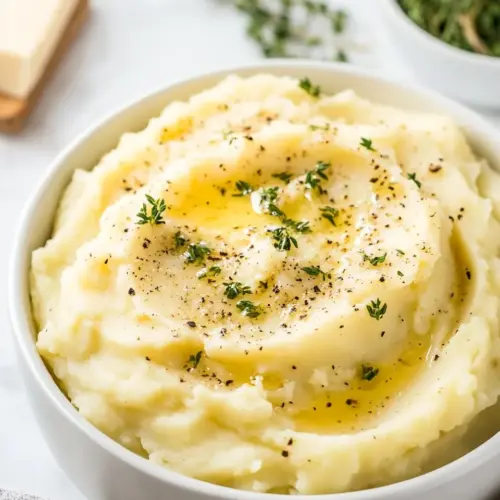
Ultimate Creamy Mashed Potatoes
Equipment
- Large Pot
- Colander
- Potato Masher
- Large Bowl
Ingredients
- 3 1/2 pounds russet potatoes (about 10 medium potatoes; peeled) Boiled and mashed to create the starchy base that provides structure, volume, and a fluffy texture; use peeled russet potatoes for their high starch content and ability to absorb dairy, yielding smooth, creamy mashed potatoes. Cut into even chunks and cook until very tender so they mash evenly without becoming gluey, then drain thoroughly to avoid watery results.
- 8 ounces cream cheese (room temperature is best) Softened and folded into hot potatoes to add tangy richness and silkiness; room-temperature cream cheese blends smoothly and contributes a creamy mouthfeel and slight acidity that brightens the overall flavor. Beat briefly before adding to ensure it incorporates evenly without lumps.
- 1/2 cup butter (1 stick; plus more for serving; room temp is best) Creamy and melted into the potatoes to contribute buttery flavor, richness, and a glossy finish; use softened butter for easy incorporation and to maintain a smooth texture. Reserve a little extra for serving to add shine and a fresh buttery aroma on top.
- 3/4 cup whole milk Heated slightly and whisked in to loosen the mashed potatoes to the desired consistency while adding dairy richness; whole milk provides a creamy, full-bodied texture compared with lower-fat milks. Warm the milk slightly before adding to prevent cooling the potatoes and to help ingredients meld.
- 1/2 teaspoon kosher salt (+ more to taste) Seasoned in the mash to enhance and balance flavors without overpowering; kosher salt dissolves easily and allows precise control over seasoning. Start with the listed amount and taste, then adjust to achieve the ideal savory profile.
- 1/4 teaspoon freshly ground black pepper (+ more to taste) Ground and sprinkled to add a subtle, aromatic heat and complexity that complements the creamy elements; freshly ground black pepper delivers a brighter, fresher pep than pre-ground varieties. Add gradually and taste to ensure a balanced peppery note without dominating the dish.
Instructions
- Fill a large pot halfway with water. Bring to a boil over high heat. Carefully add peeled potatoes.: The moment the water begins to warm you can sense the kitchen shifting toward dinner time, the soft hum of the burner becoming background music. Using a pot that is large enough to allow the russet potatoes to sit comfortably ensures even cooking, because overcrowded potatoes steam rather than boil properly. A common mistake here is using too small a pot which leads to uneven doneness. Listen for a gentle roar as the water approaches a full boil, and you will know it is ready.
- Boil over high heat until the potatoes are fork-tender, about 25 minutes.: As the water accelerates into a rolling boil, you will hear a stronger bubbling and see steam rising briskly, which signals that it can take the potatoes without cooling down too much. Bringing the water to a vigorous boil before adding the potatoes helps keep the cooking time predictable. Avoid leaving the pot unattended at this stage to prevent boil overs; a rapid rise can cause water to escape the pot and make a mess.
- Remove from heat and drain potatoes in a colander. Put drained potatoes back in the pot and put back on the stove over low heat.: When I lower the peeled russet potatoes into the pot, I do it slowly to avoid splashing hot water. You will notice a sudden silence as the water temperature drops briefly, then resumes bubbling as it recovers. This gentle treatment protects you from burns and helps maintain consistent cooking. A frequent error is dropping potatoes in too quickly, which can cause burns or uneven cooking if pieces clump together.
- Add the cream cheese, butter, 1/2 cup of the milk, and a hefty pinch salt and pepper.: As they cook, pieces will soften and the starches begin to break down, releasing a comforting, earthy aroma. Testing with a fork is crucial; it should slide through with little resistance when they are ready. Overcooking can make them waterlogged while undercooking will give lumps, so check multiple pieces for consistent tenderness.
- Mash the potatoes with a potato masher until they reach desired consistency, adding more milk a little at a time until they're the texture you'd like. Taste and add additional salt and pepper if you like.: Draining clarifies the texture because excess water can dilute the creaminess. You will hear the rush of steam and the potatoes emit a faint earthy scent as they rest in the colander. After draining, return them briefly to the warm pot to evaporate residual steam, which prevents a soggy mash. A common slip up is leaving too much water trapped with the potatoes, which turns the mash gluey.
- Spoon into a large bowl and top with a generous pat of butter and some fresh herbs if you like. Serve.: Placing the pot back on low lets any remaining moisture evaporate gently while keeping the potatoes warm for easier mixing. The low heat also helps the butter and cream cheese melt and integrate smoothly. Avoid higher heat which can scorch the bottom and create off flavors; gentle warmth is the secret to a better texture.
- Add the cream cheese, butter, 1/2 cup of the milk, and a hefty pinch salt and pepper: As the dairy hits the warm potatoes you will see the cream cheese and butter soften and begin to meld, releasing a richer aroma and glossy sheen. Adding only part of the milk at first gives you control over how loose you want the final mash. A common misstep is adding all the milk at once which can make the potatoes runny; take your time and add more only if needed.
- Mash the potatoes with a potato masher until they reach desired consistency: When you press the masher down, you feel the potatoes give way into velvety peaks, and the kitchen fills with a warm, homey smell. Mashing slowly allows you to gauge the texture, whether you prefer a slightly chunky or ultra smooth result. Overworking them with a mixer can make the starches gummy, so stick to a hand masher for the best mouthfeel.
- Adding more milk a little at a time until they're the texture you'd like: The final texture comes down to patience, as each small addition of warm milk loosens the mash incrementally, helping you land exactly where you want. Watch how the mash becomes silkier and more spreadable with each small pour, and stop when the surface has a satiny appearance. A common error is adding cold milk which can cool the potatoes and make it harder to achieve a cohesive texture.
- Taste and add additional salt and pepper if you like: Seasoning at the end is where the flavors come alive, and a careful taste will tell you if the mash needs extra kosher salt or a little more black pepper to brighten it. I often find a tiny additional pinch of salt elevates the whole bowl. Under seasoning is the most frequent oversight, so don’t be shy to adjust gradually and taste again.
- Spoon into a large bowl and top with a generous pat of butter and some fresh herbs if you like: The final presentation matters because a warm pat of butter melting on top adds gloss and richness, while a scatter of herbs adds fragrance and color. Serve immediately so the steam and buttery aroma reach the table at their peak. If you wait too long, the top will set; keep the mash covered and warm briefly if needed.
- Serve: The sound of spoons diving into the bowl and the sight of steam rising are signals your dish is at its best. Encourage guests to add a touch more butter if they want a silkier finish and remind them to season individually. A common mistake here is letting the potatoes sit uncovered, which dries out the top layer; cover loosely to retain moisture until serving.
Notes
- Plant based swap Swap the butter, cream cheese, and whole milk for dairy free alternatives like vegan butter, a plant based cream cheese, and unsweetened oat milk for a dairy free version that still feels rich.
- Looser texture Add warmed milk a tablespoon at a time until you reach a spoonable, silky consistency, stopping when the surface looks satiny and smooth.
- Extra indulgence Fold in an additional ounce of room temperature cream cheese for a tangier, creamier finish that holds heat well for serving to guests.
- Make ahead storage Refrigerate cooled mash in an airtight container for up to two days, then rewarm slowly in a covered dish in the oven or in a slow cooker on low, stirring occasionally.
- Freezing tip Freeze in an airtight container for up to one month; thaw overnight in the fridge, then warm gently, adding a splash of warm milk if it seems stiff.