Treacle Tart
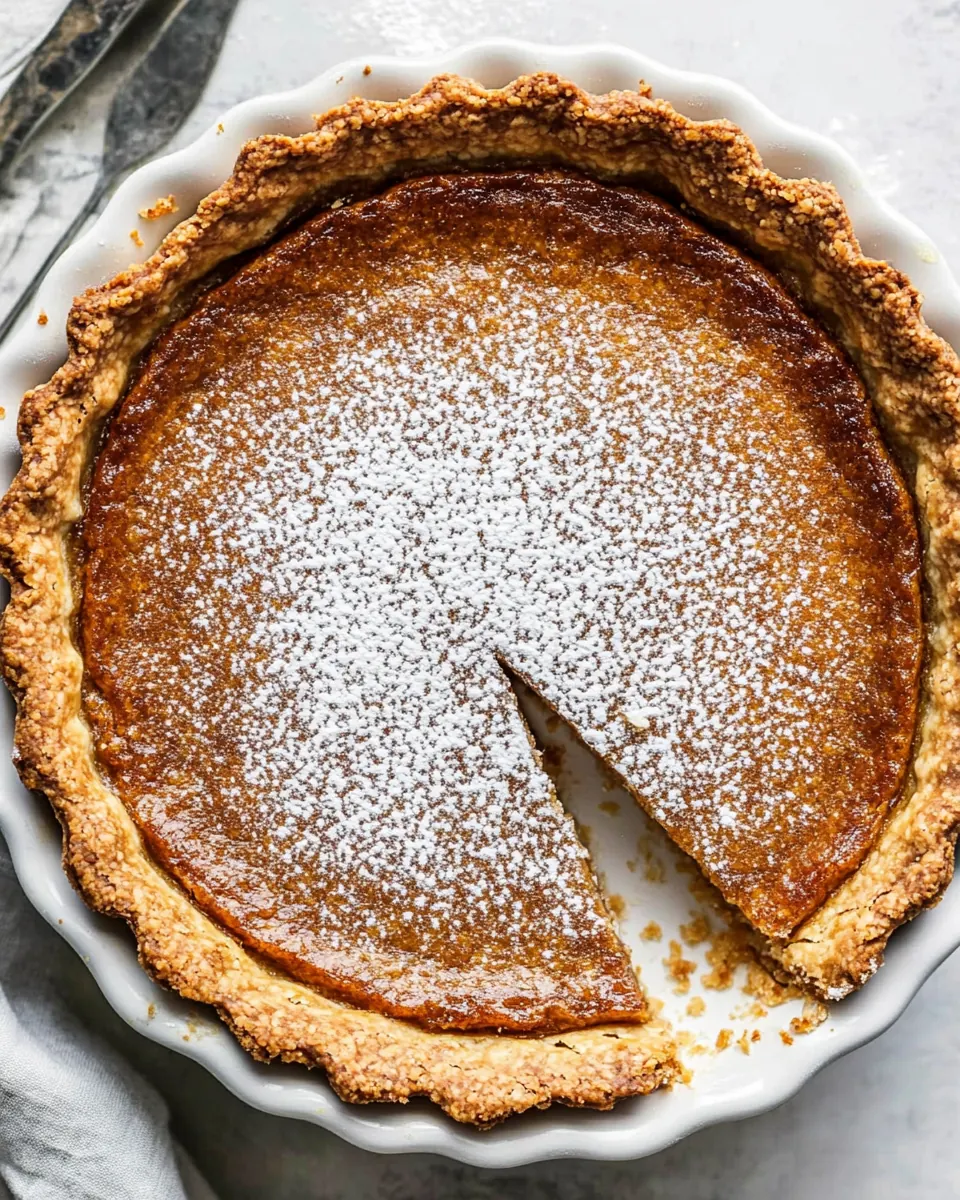
Treacle Tart has been my weekend reward since I first tasted a warm slice at a friend s kitchen table, sunlight catching the glossy filling and a faint scent of lemon lifting into the air. I remember leaning over that plate, steadying my tea cup with one hand and breaking through the golden top with the other, the shortbread giving way with a satisfying crumble. That first bite felt like a small celebration, and ever since I ve chased that exact balance of sweet, tangy, and buttery in my own oven.
Over the years I ve learned that the charm of Treacle Tart lies in its simplicity, and in the small rituals around making it. I love how mixing the shortbread crust by feel connects me to the recipe, and how stirring the syrup filling is almost meditative as it thickens and takes on a warm, caramel sheen. Friends always ask how I get that filling to be glossy but still set, and I enjoy walking them through the tiny choices that matter.
Recipe Snapshot
1 hr 30 mins
60 mins
30 mins
Medium
300 kcal
British
Gluten-Free, Low FODMAP
Desserts
Mixer, 9 1/2 inch tart pan, Medium saucepan
Why Try This Treacle Tart
Easy, unfussy comfort
I adore Treacle Tart because it delivers big flavor with modest effort. The ingredients are pantry friendly, and you don t need fancy tools, which is perfect when I want a special dessert without a big production. I often reach for this tart on busy weekends when I want something comforting but not time consuming.
Textural magic
The contrast between the crisp, buttery crust and the syrupy filling is what keeps me coming back. The shortbread crust provides a tender, crumbly frame while the filling is syrupy and slightly chewy, offering a delightful mouthfeel in every forkful. That interplay makes it feel luxurious even when made from simple items.
Bright citrus lift
Adding lemon zest and juice is a trick I never skip. It cuts through the sweetness and lifts the flavors so the tart never feels cloying. When I serve a slice, that citrus perfume is the first thing people notice, and it makes the dessert feel fresh and balanced.
Versatile serving moments
I serve Treacle Tart warm with a spoonful of softly whipped cream for cozy afternoons, or chilled for a more restrained finish. It works as a picnic centerpiece, a holiday treat, or a last minute celebration dessert, which makes it a reliable choice for many of my gatherings.
Reliable, forgiving technique
This recipe is wonderfully forgiving if you pay attention to simple cues. The filling will thicken and darken predictably, and the crust presses into the pan easily by hand. Over time I ve learned to trust the visual and textural signals, so it s an approachable recipe for bakers at any level.
What to Buy for Treacle Tart
These components work together with a clear philosophy in mind: a crisp shortbread shell that supports a glossy, syrup forward filling. The key players are the all purpose flour and unsalted butter which create the sturdy, tender crust, while the golden syrup, breadcrumbs, and brown sugar form the sweet, caramel like center. Citrus and vanilla add scent and balance so each bite feels bright rather than heavy.
- 1 1/2 cup all purpose flour: Provide structure and bulk to the pastry, creating a tender crumb when combined with fat and liquid; works as the base for the tart shell and absorbs moisture from the filling. Use all purpose flour measured accurately to ensure proper dough consistency and avoid a tough crust by not overworking it.
- 1/3 cup packed brown sugar: Add sweetness and a hint of molasses flavor that deepens the rich treacle filling; packed brown sugar contributes moisture and helps caramelize during baking. Incorporate evenly to balance sweetness and enhance the filling’s chewy texture.
- 1/4 teaspoons salt: Enhance overall flavor by balancing sweetness and brightening the filling and crust; salt also strengthens gluten slightly in the pastry. Use sparingly to avoid overpowering the delicate treacle and lemon notes.
- 10 tablespoons unsalted butter room temp: Create flaky layers and tenderize the pastry by coating flour particles and trapping air when worked into the dough; room temperature unsalted butter allows for controlled mixing and seasoning. Use measured tablespoons to ensure correct fat content for a crisp, buttery crust.
- 1 1/4 cup golden syrup: Provide the characteristic deep, caramel-like sweetness central to treacle tart; golden syrup yields viscous body and sticky chewiness in the filling. Warm slightly if needed for easier mixing and to combine smoothly with cream and breadcrumbs.
- 1/2 cup heavy whipping cream: Contribute creaminess and a milky richness that smooths the treacle filling and lightens its texture; heavy whipping cream also helps bind sugars and breadcrumbs into a luscious filling. Add gently to achieve a silky consistency without thinning the mixture too much.
- 1 cup breadcrumbs: Absorb excess moisture from the treacle and provide a pleasant, slightly granular texture within the filling; breadcrumbs create body and prevent the filling from becoming runny. Use fresh or dry breadcrumbs depending on desired density to hold the filling together when baked.
- 1 teaspoon vanilla extract: Lift and unify flavors by adding a warm, sweet aromatic note that complements treacle and lemon; vanilla extract deepens complexity in the filling. Use measured teaspoons to avoid overpowering the citrus and molasses elements.
- 1 lemon zested: Add bright, zesty citrus oils that cut through the sweet, rich filling and provide aromatic freshness; lemon zest delivers concentrated flavor without extra acidity. Finely grate to distribute evenly and avoid bitter white pith.
- 4 tablespoons lemon juice fresh or bottled is fine: Supply fresh tart acidity to balance the sweet treacle and brown sugar while enhancing overall brightness; lemon juice also helps thin the filling slightly for proper bake. Use freshly squeezed when possible for best flavor, but bottled juice is acceptable.
- 1 egg: Bind the filling components and add a slight richness and set during baking; egg helps create a cohesive, firm yet tender filling texture. Beat lightly before incorporating to ensure even distribution through the treacle mixture.
How to Cook Treacle Tart
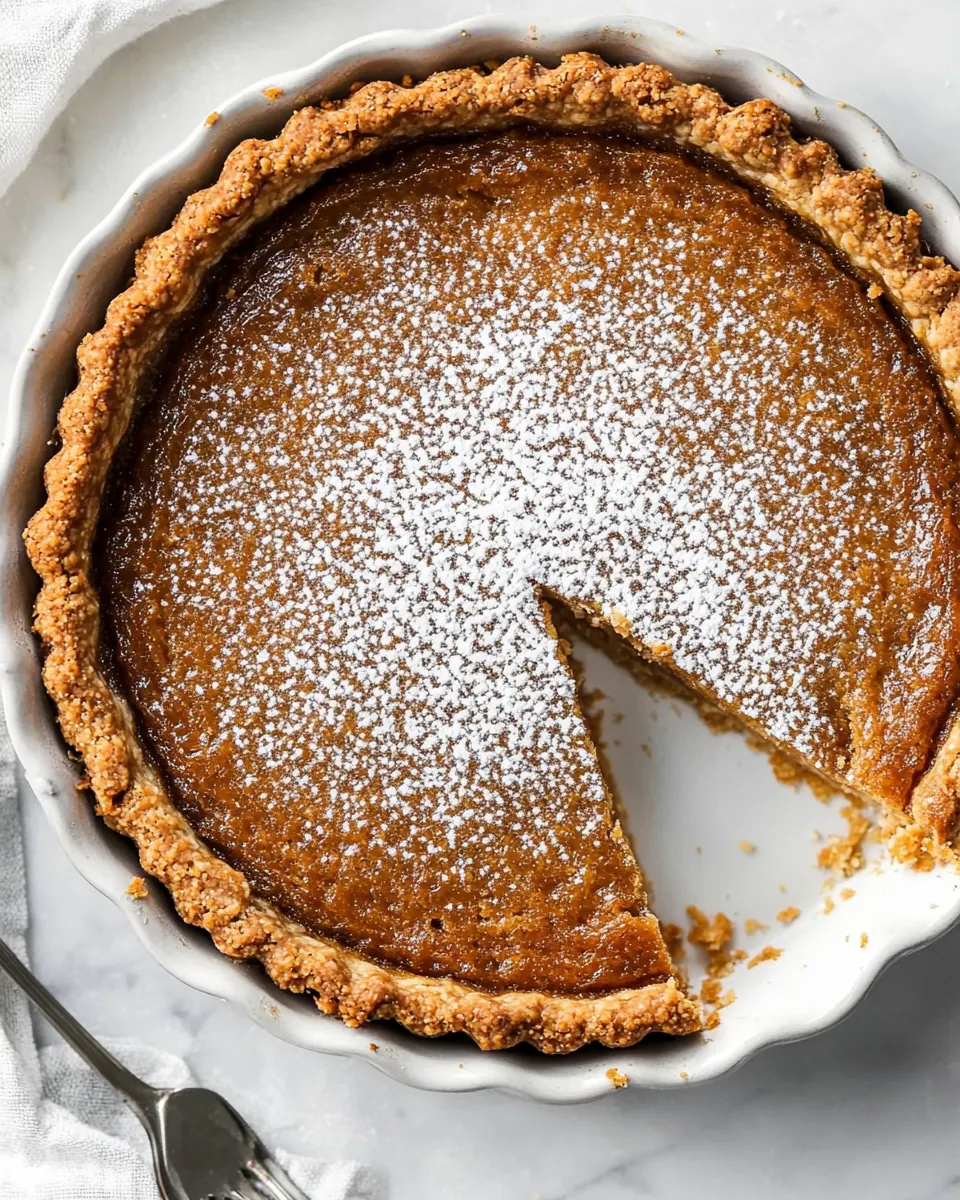
I treat the process like a small ritual, moving from preparing the shortbread to coaxing the syrup into a glossy filling. Follow the sensory cues I describe and you ll feel confident at every turn. Below are the original recipe steps rewritten into detailed, sensory rich guidance.
- In a bowl with a hand mixer, or in the bowl of a stand mixer fitted with a paddle, whisk together your dry ingredients; flour, brown sugar, and salt.: The first thing you should notice is the subtle contrast between the fine powder of the flour and the slightly moist granules of brown sugar , with flecks of salt dispersed throughout. Use a paddle attachment or a fork to blend until the mixture looks homogenous, like a pale sand. This dry blend ensures even distribution so the crust has a uniform texture, and it prevents pockets of sweetness or salt. If you skip thorough mixing you might end up with uneven pockets that alter how the crust browns. A common mistake is overbeating the dry mix into a paste; keep the motion light and just combine until consistent.
- Add in your vanilla and room temp butter, mix well. Mixture should have a crumbly texture, add more flour if needed.: You ll feel the unsalted butter soften into the dry mixture and transform it into a coarse, crumbly dough that holds together when pressed. The scent of vanilla will start to surface, giving a warm perfume. The right texture is key, because a wet or sticky dough will shrink and toughen when baked. If you find the dough too soft, sprinkle in a spoonful of flour at a time until it holds shape without being greasy. A frequent mistake is using butter that s too cold, which prevents proper incorporation and yields uneven pockets of fat in the crust.
- In a standard 9 1/2” tart pan, dump your crust and using your hands or the back of a spoon, pack the crust into the pan firmly and evenly.: When you press the mixture into the pan you should feel it compact and smooth under your fingers or the back of a spoon. Aim for an even thickness across the base and slightly up the sides, so the crust bakes uniformly and supports the filling. The tactile feedback is important here; gaps or thin spots lead to weak edges that brown too quickly. Pressing too hard makes the crust dense, while not pressing enough leaves it crumbly, so apply firm, consistent pressure. Avoid overworking the dough which can make the crust tough.
- Set aside to be filled.: Once the pan is lined, the crust will feel cool and slightly firm to the touch. Letting it sit briefly allows the fats to relax and keeps the crust from shrinking when the filling arrives. This pause also gives you a chance to preheat the oven properly, because an oven at the right temperature is crucial for achieving a crisp base. A common oversight is adding filling to a pan that s still warm, which can cause the crust to soften and lose structure before baking.
- Add the golden syrup, heavy whipping cream, breadcrumbs, lemon zest, lemon juice, and egg to a medium saucepan.: As you combine the golden syrup with the heavy whipping cream , the mixture loosens and the aroma deepens, releasing warm, caramel notes. Stir in the breadcrumbs , lemon zest , and lemon juice so they are evenly distributed. Lightly whisk in the beaten egg last, blending it thoroughly so it doesn t scramble when heated. The ingredients should look well integrated and glossy. If the syrup is too cool, the egg can cook unevenly, so temper it gently by stirring slowly. Do not rush this step, because a lumpy filling will not set properly.
- Bring to a gentle boil on medium-high heat, stirring constantly.: As the mixture warms you ll hear a steady, soft bubbling and notice steam rising with a heady caramel aroma. Keep stirring; the continuous motion prevents the sugars from sticking and scorching on the pan s bottom. Watch for a uniform simmer across the surface and a slight thickening as the syrup emulsifies with the cream . If you stop stirring, the sugars can seize and burn, producing a bitter note. Overly aggressive boiling will darken the filling too quickly, so aim for a gentle, controlled boil.
- Once a gentle boil has been reached, reduce heat and cook for 2 minutes, then remove from heat.: During these two minutes the mixture will deepen in color and take on a glossy sheen, the breadcrumbs absorbing moisture and swelling slightly. This brief simmer is what gives the filling body and helps it set, while keeping it soft and spreadable. When you remove it from the heat the steam will continue to subside, and the smell will be richly caramelized. A common pitfall is overcooking which can make the filling too thick and gummy, so adhere closely to the short finishing time.
- Pour mixture into your shortbread crust and place into your oven, preheated to 375℉.: Pouring should be steady so the filling settles without displacing the crust. The warm filling will sink slightly and level itself, and the lemon fragrance will lighten the caramel scent. Slide the tart into the center of the preheated oven so the heat is even across the surface. If your oven has hot spots, rotate the pan halfway through baking for uniform color. Avoid opening the oven frequently which drops the temperature and interferes with the set.
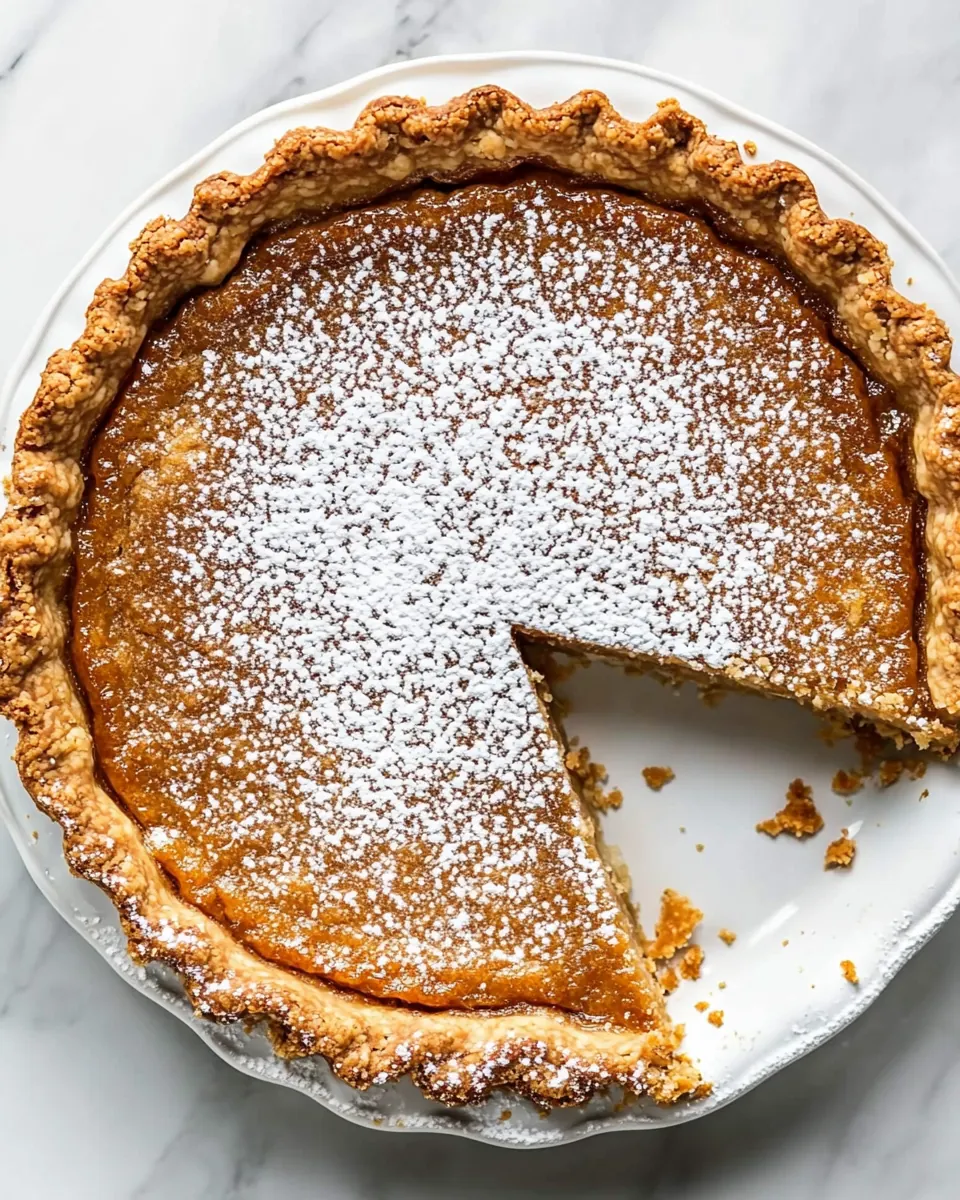
- Bake for 25-30 minutes until your filling has nicely browned, the crust should be a golden color.: Watch for a gentle bubbling at the edges and a deepening of the filling s color to a warm, golden brown. The crust s perimeter should be visibly golden and slightly firm to the touch. The aroma will be toasty and sweet, signaling readiness. If the center remains overly jiggly when gently nudged, it needs a few more minutes, but beware of overbaking which dries the filling. A common error is relying solely on time rather than visual cues, because ovens vary.
- Treacle tarts are typically served warm with whipped cream.: When the tart comes from the oven, let it rest briefly so the filling sets for easier slicing; the surface will glisten and the scent of lemon and caramel will be pronounced. Serving warm with softly whipped cream enhances the contrast between hot filling and cool cream, creating a wonderful mouthfeel. If you serve it too hot, the filling may be too loose; too cold and it loses some of its gloss and softness. Aim for slightly warm, and garnish right before serving to preserve texture.
Substitutions and Tips
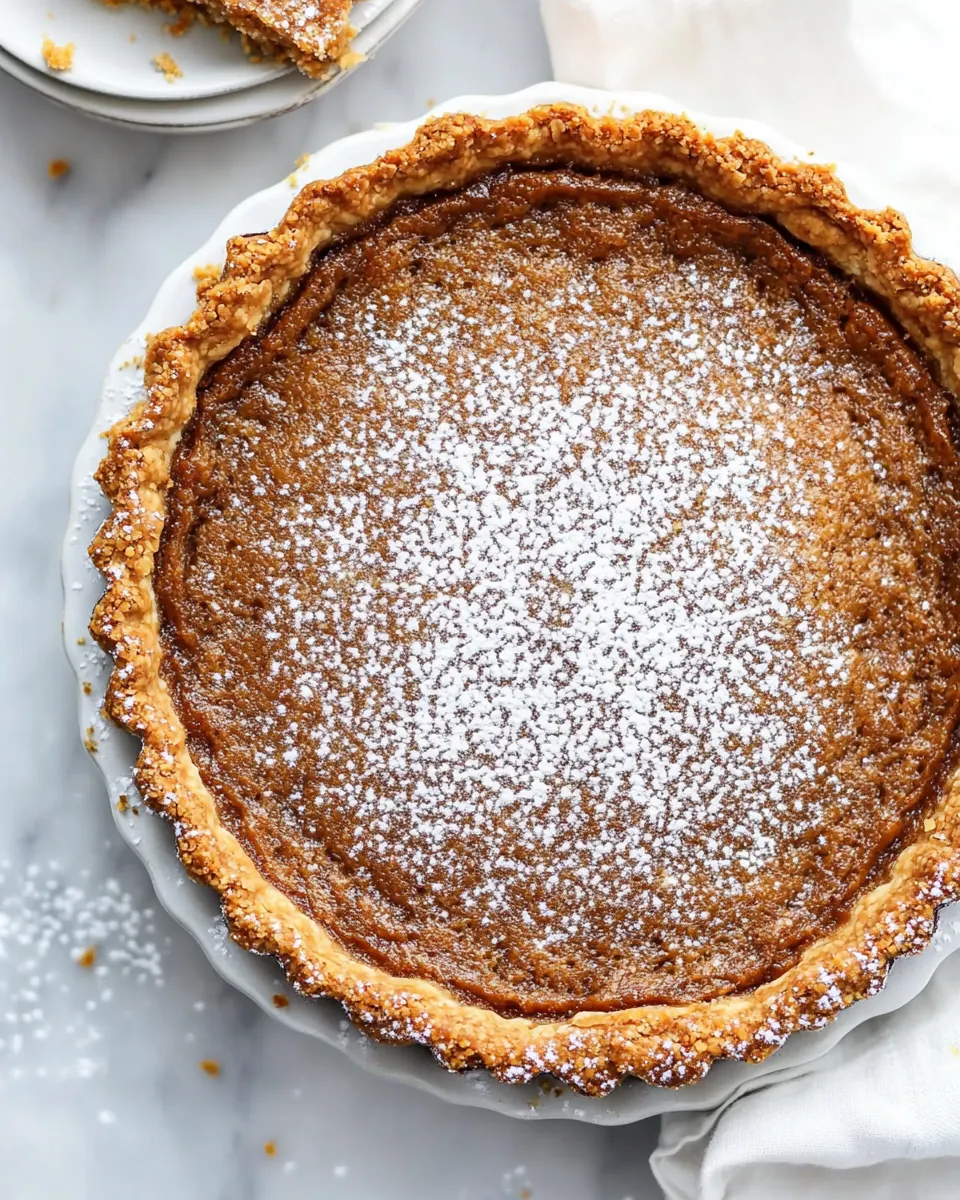
I keep substitutions minimal because each ingredient plays a clear role, but there are a few gentle swaps and helpful tactics that maintain the spirit of the recipe while accommodating pantry realities.
- Swap for texture — If you prefer a slightly firmer filling, increase the breadcrumbs by one to two tablespoons to absorb more moisture, which helps the tart set more solidly without changing flavor.
- Vanilla nuance — If you don t have vanilla extract, a small scrape of vanilla bean or even a pinch of ground spice like cinnamon will introduce warm aromatics that pair well with the syrup.
- Cream choices — If heavy whipping cream is too rich, a partial swap with half and half will lighten the filling slightly, though it may change the final silkiness a bit.
- Lemon acidity — Fresh lemon juice is ideal, but bottled works in a pinch; adjust to taste if your lemons are exceptionally tart so the balance remains bright rather than sharp.
- Serving temperature — For clean slices, let the tart rest for 10 minutes after baking; for a saucier feel, serve within five minutes with a dollop of softly whipped cream.
Perfect Pairings for Treacle Tart
Treacle Tart sings when paired thoughtfully, whether you re hosting an afternoon tea or finishing a holiday meal. The right accompaniments play with temperature, texture, and contrast so the tart feels complete.
- Whipped cream or clotted cream — A soft spoonful of cream adds a cool, airy counterpoint to the warm, syrupy filling and mellows the sweetness.
- Serving occasions — This tart fits casual gatherings, afternoon tea, or festive menus in autumn, when its golden color and warm flavors feel seasonal.
- Portioning and plating — Serve slightly warm slices on small dessert plates with a small quenelle of cream to emphasize contrast and create an inviting presentation.
- Storage tips — Refrigerate leftovers in an airtight container for up to three days; rewarm gently in a low oven to restore gloss and texture before serving.
- Seasonal pairings — In cooler months, pair with a spiced tea or coffee; in milder weather, a simple herbal infusion will complement the lemon notes without overpowering them.
- Occasion styling — For holiday tables, slice into modest wedges and arrange on a platter with light garnishes so guests can help themselves easily.
- Make ahead — You can prepare the crust and filling separately and assemble shortly before baking to save time on the day of serving.
FAQ
Conclusion
What makes this recipe special is the way simple pantry ingredients transform into a glossy, caramel forward filling cradled by a tender shortbread shell. The juxtaposition of buttery crust, syrupy center, and bright lemon notes creates a dessert that feels both nostalgic and refined. I encourage you to try it this weekend, taking a little time to savor the stirring and the aromas as the tart comes together. Share it with friends or tuck a slice away with your afternoon tea, and notice how a few deliberate touches turn basic components into something memorable.
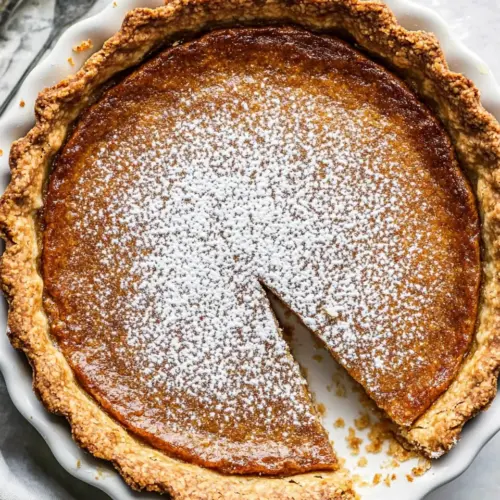
Treacle Tart
Equipment
- Mixer
- 9 1/2 inch tart pan
- Medium Saucepan
Ingredients
- 1 1/2 cup all purpose flour Provide structure and bulk to the pastry, creating a tender crumb when combined with fat and liquid; works as the base for the tart shell and absorbs moisture from the filling. Use all purpose flour measured accurately to ensure proper dough consistency and avoid a tough crust by not overworking it.
- 1/3 cup packed brown sugar Add sweetness and a hint of molasses flavor that deepens the rich treacle filling; packed brown sugar contributes moisture and helps caramelize during baking. Incorporate evenly to balance sweetness and enhance the filling’s chewy texture.
- 1/4 teaspoons salt Enhance overall flavor by balancing sweetness and brightening the filling and crust; salt also strengthens gluten slightly in the pastry. Use sparingly to avoid overpowering the delicate treacle and lemon notes.
- 10 tablespoons unsalted butter room temp Create flaky layers and tenderize the pastry by coating flour particles and trapping air when worked into the dough; room temperature unsalted butter allows for controlled mixing and seasoning. Use measured tablespoons to ensure correct fat content for a crisp, buttery crust.
- 1 1/4 cup golden syrup Provide the characteristic deep, caramel-like sweetness central to treacle tart; golden syrup yields viscous body and sticky chewiness in the filling. Warm slightly if needed for easier mixing and to combine smoothly with cream and breadcrumbs.
- 1/2 cup heavy whipping cream Contribute creaminess and a milky richness that smooths the treacle filling and lightens its texture; heavy whipping cream also helps bind sugars and breadcrumbs into a luscious filling. Add gently to achieve a silky consistency without thinning the mixture too much.
- 1 cup breadcrumbs Absorb excess moisture from the treacle and provide a pleasant, slightly granular texture within the filling; breadcrumbs create body and prevent the filling from becoming runny. Use fresh or dry breadcrumbs depending on desired density to hold the filling together when baked.
- 1 teaspoon vanilla extract Lift and unify flavors by adding a warm, sweet aromatic note that complements treacle and lemon; vanilla extract deepens complexity in the filling. Use measured teaspoons to avoid overpowering the citrus and molasses elements.
- 1 lemon zested Add bright, zesty citrus oils that cut through the sweet, rich filling and provide aromatic freshness; lemon zest delivers concentrated flavor without extra acidity. Finely grate to distribute evenly and avoid bitter white pith.
- 4 tablespoons lemon juice fresh or bottled is fine Supply fresh tart acidity to balance the sweet treacle and brown sugar while enhancing overall brightness; lemon juice also helps thin the filling slightly for proper bake. Use freshly squeezed when possible for best flavor, but bottled juice is acceptable.
- 1 egg Bind the filling components and add a slight richness and set during baking; egg helps create a cohesive, firm yet tender filling texture. Beat lightly before incorporating to ensure even distribution through the treacle mixture.
Instructions
- In a bowl with a hand mixer, or in the bowl of a stand mixer fitted with a paddle, whisk together your dry ingredients; flour, brown sugar, and salt.: The first thing you should notice is the subtle contrast between the fine powder of the flour and the slightly moist granules of brown sugar , with flecks of salt dispersed throughout. Use a paddle attachment or a fork to blend until the mixture looks homogenous, like a pale sand. This dry blend ensures even distribution so the crust has a uniform texture, and it prevents pockets of sweetness or salt. If you skip thorough mixing you might end up with uneven pockets that alter how the crust browns. A common mistake is overbeating the dry mix into a paste; keep the motion light and just combine until consistent.
- Add in your vanilla and room temp butter, mix well. Mixture should have a crumbly texture, add more flour if needed.: You ll feel the unsalted butter soften into the dry mixture and transform it into a coarse, crumbly dough that holds together when pressed. The scent of vanilla will start to surface, giving a warm perfume. The right texture is key, because a wet or sticky dough will shrink and toughen when baked. If you find the dough too soft, sprinkle in a spoonful of flour at a time until it holds shape without being greasy. A frequent mistake is using butter that s too cold, which prevents proper incorporation and yields uneven pockets of fat in the crust.
- In a standard 9 1/2” tart pan, dump your crust and using your hands or the back of a spoon, pack the crust into the pan firmly and evenly.: When you press the mixture into the pan you should feel it compact and smooth under your fingers or the back of a spoon. Aim for an even thickness across the base and slightly up the sides, so the crust bakes uniformly and supports the filling. The tactile feedback is important here; gaps or thin spots lead to weak edges that brown too quickly. Pressing too hard makes the crust dense, while not pressing enough leaves it crumbly, so apply firm, consistent pressure. Avoid overworking the dough which can make the crust tough.
- Set aside to be filled.: Once the pan is lined, the crust will feel cool and slightly firm to the touch. Letting it sit briefly allows the fats to relax and keeps the crust from shrinking when the filling arrives. This pause also gives you a chance to preheat the oven properly, because an oven at the right temperature is crucial for achieving a crisp base. A common oversight is adding filling to a pan that s still warm, which can cause the crust to soften and lose structure before baking.
- Add the golden syrup, heavy whipping cream, breadcrumbs, lemon zest, lemon juice, and egg to a medium saucepan.: As you combine the golden syrup with the heavy whipping cream , the mixture loosens and the aroma deepens, releasing warm, caramel notes. Stir in the breadcrumbs , lemon zest , and lemon juice so they are evenly distributed. Lightly whisk in the beaten egg last, blending it thoroughly so it doesn t scramble when heated. The ingredients should look well integrated and glossy. If the syrup is too cool, the egg can cook unevenly, so temper it gently by stirring slowly. Do not rush this step, because a lumpy filling will not set properly.
- Bring to a gentle boil on medium-high heat, stirring constantly.: As the mixture warms you ll hear a steady, soft bubbling and notice steam rising with a heady caramel aroma. Keep stirring; the continuous motion prevents the sugars from sticking and scorching on the pan s bottom. Watch for a uniform simmer across the surface and a slight thickening as the syrup emulsifies with the cream . If you stop stirring, the sugars can seize and burn, producing a bitter note. Overly aggressive boiling will darken the filling too quickly, so aim for a gentle, controlled boil.
- Once a gentle boil has been reached, reduce heat and cook for 2 minutes, then remove from heat.: During these two minutes the mixture will deepen in color and take on a glossy sheen, the breadcrumbs absorbing moisture and swelling slightly. This brief simmer is what gives the filling body and helps it set, while keeping it soft and spreadable. When you remove it from the heat the steam will continue to subside, and the smell will be richly caramelized. A common pitfall is overcooking which can make the filling too thick and gummy, so adhere closely to the short finishing time.
- Pour mixture into your shortbread crust and place into your oven, preheated to 375℉.: Pouring should be steady so the filling settles without displacing the crust. The warm filling will sink slightly and level itself, and the lemon fragrance will lighten the caramel scent. Slide the tart into the center of the preheated oven so the heat is even across the surface. If your oven has hot spots, rotate the pan halfway through baking for uniform color. Avoid opening the oven frequently which drops the temperature and interferes with the set.
- Bake for 25-30 minutes until your filling has nicely browned, the crust should be a golden color.: Watch for a gentle bubbling at the edges and a deepening of the filling s color to a warm, golden brown. The crust s perimeter should be visibly golden and slightly firm to the touch. The aroma will be toasty and sweet, signaling readiness. If the center remains overly jiggly when gently nudged, it needs a few more minutes, but beware of overbaking which dries the filling. A common error is relying solely on time rather than visual cues, because ovens vary.
- Treacle tarts are typically served warm with whipped cream.: When the tart comes from the oven, let it rest briefly so the filling sets for easier slicing; the surface will glisten and the scent of lemon and caramel will be pronounced. Serving warm with softly whipped cream enhances the contrast between hot filling and cool cream, creating a wonderful mouthfeel. If you serve it too hot, the filling may be too loose; too cold and it loses some of its gloss and softness. Aim for slightly warm, and garnish right before serving to preserve texture.
Notes
- Swap for texture — If you prefer a slightly firmer filling, increase the breadcrumbs by one to two tablespoons to absorb more moisture, which helps the tart set more solidly without changing flavor.
- Vanilla nuance — If you don t have vanilla extract, a small scrape of vanilla bean or even a pinch of ground spice like cinnamon will introduce warm aromatics that pair well with the syrup.
- Cream choices — If heavy whipping cream is too rich, a partial swap with half and half will lighten the filling slightly, though it may change the final silkiness a bit.
- Lemon acidity — Fresh lemon juice is ideal, but bottled works in a pinch; adjust to taste if your lemons are exceptionally tart so the balance remains bright rather than sharp.
- Serving temperature — For clean slices, let the tart rest for 10 minutes after baking; for a saucier feel, serve within five minutes with a dollop of softly whipped cream.