Strawberry Poppy Seed Cake
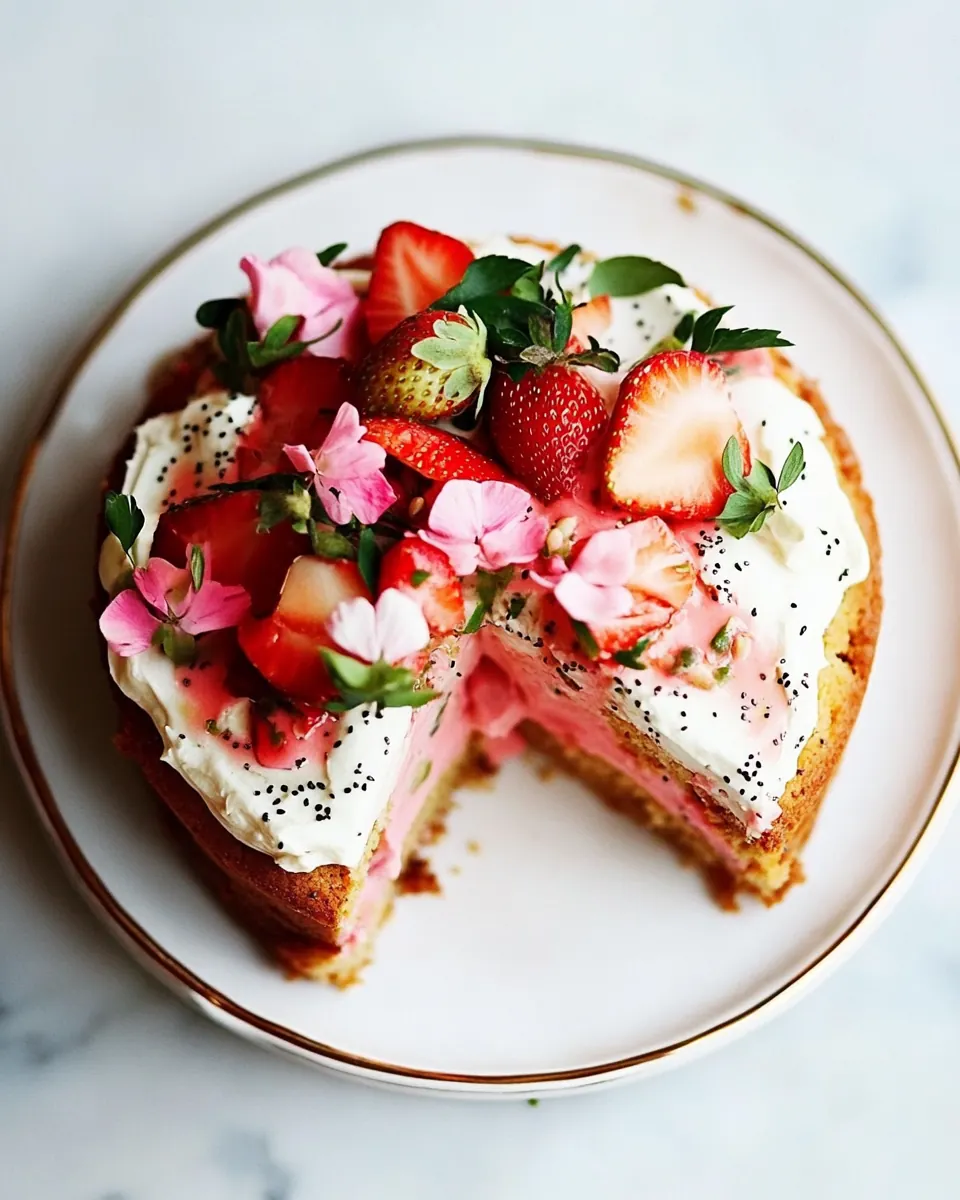
Strawberry Poppy Seed Cake is the kind of dessert that makes my kitchen smell like sunshine, and it greeted me one spring morning when I wanted something bright but comforting.
I remember standing at my counter with a mug of tea, folding in the first handful of strawberries and feeling nervous about overmixing, because I wanted tender crumb and scattered bursts of fruit in every bite. The recipe has become my answer for weekend brunches when friends drop by unexpectedly, and for slow afternoons when I want a slice with a spoonful of yogurt or a scoop of ice cream. Over time I learned a few small moves that keep the crumb airy and the glaze tangy enough to cut through the sweetness, and those little tricks turned a simple loaf into a keep-for-the-week favorite.
Each time I bake this loaf I notice how the poppy seeds add a delicate nuttiness that plays off the lemon and the soft, warm notes from the butter and coconut oil. I like serving it slightly warm so the glaze soaks just enough into the top, creating a thin, shiny skin that gives way to moist cake underneath. Guests always ask for the recipe, and I always tell them the same thing, that it is more forgiving than it looks, provided you treat the batter gently and keep an eye on the oven in the last part of baking. That small attention makes all the difference, and it is why this Strawberry Poppy Seed Cake sits on repeat in my baking rotation, especially when spring strawberries start to appear.
Recipe Snapshot
1 hr 25 mins
20 mins
65 mins
Medium
320 kcal
American
Gluten-Free, Low FODMAP
Desserts
Loaf pan, Mixing bowls, Rubber spatula, Whisk, Oven
Why We Love This Strawberry Poppy Seed Cake
Bright, layered flavors that feel intentional
I love how the combination of strawberries, lemon, and poppy seeds creates layers of flavor without any one element overpowering the others. The fruit brings freshness, the citrus lifts everything, and the seeds add a subtle crunch. When I bite into it I can taste each layer distinctly, and that keeps me coming back.
Moist but sturdy crumb
One thing I always praise is the cake’s texture. Thanks to a mix of whole milk and full fat Greek yogurt, the crumb stays tender and moist, yet it slices cleanly for serving. I appreciate desserts that travel well, and this loaf handles transport without collapsing.
Flexible for occasions
I’ve brought this to casual brunches, afternoon teas, and small celebrations. It is relaxed enough for a weekday treat and pretty enough for company. I find it especially nice during spring when berries are at their best, but it works any time you have frozen fruit stashed away.
Simple, pantry friendly ingredients
The ingredient list reads like a standard pantry raid, nothing exotic, which is why I value it. You likely have all purpose flour, sugar, and butter on hand, and the rest is just small adjustments to make the cake sing. That low barrier to entry makes it a go to for joyful baking without a last minute store run.
Finish that elevates the whole loaf
The lemon glaze is a modest flourish that truly lifts the loaf. It adds a bright sheen and a quick textural contrast to the soft cake. I usually make a thin glaze and let it gently soak in so every slice has a hint of citrus on the first bite.
What Goes Into Strawberry Poppy Seed Cake
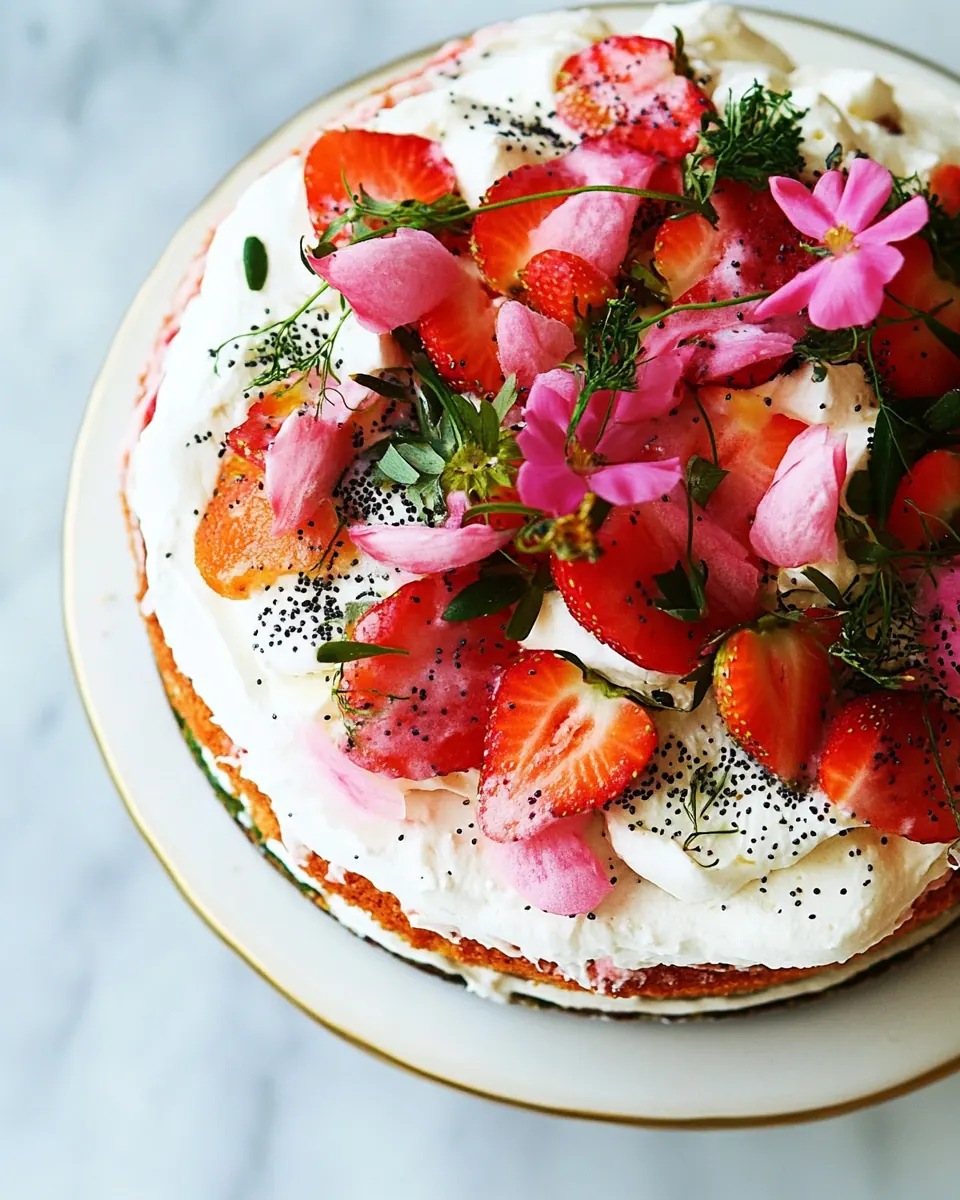
These ingredients come together to create a balanced loaf where moisture, lift, and brightness are each accounted for. The dry staples give structure, fats contribute tenderness and flavor, and the dairy elements keep the crumb soft and resilient. The strawberries and lemon bring freshness and acidity, while the poppy seeds provide textural interest.
- 2 1/2 cups all-purpose flour: Provides structure and bulk to the cake batter, contributing gluten that helps trap air for rise; sifts or measures accurately for consistent texture and density.
- 2 teaspoons baking powder: Leavens the cake by producing carbon dioxide when reacting with batter liquids and heat; ensures a light crumb when evenly distributed and fresh.
- 1/2 teaspoons salt: Balances flavor and strengthens gluten slightly while enhancing other ingredients; dissolved evenly into dry mix to maintain consistent seasoning throughout.
- 4 ounces butter, melted: Adds fat and richness while contributing moisture and a tender crumb; melted form blends easily with sugars and liquids for uniform batter texture.
- 3/4 cup coconut oil, at room temperature (liquified): Contributes additional fat and a subtle tropical note that keeps the cake moist; ensure it is liquified and near room temperature for smooth incorporation.
- 1 cup + 2 tablespoons granulated sugar: Provides sweetness and aids in tenderizing by interacting with fats and liquids; creamed or mixed thoroughly to help dissolve and create aeration.
- Zest of one lemon (about 1 teaspoon): Imparts bright citrus aroma and a hint of acidity that enhances other flavors; finely grated zest distributes intense lemon oils without adding extra liquid.
- 3 large eggs, at room temperature: Adds structure, emulsification, and richness while helping to bind ingredients; room temperature eggs blend smoothly for consistent rise and texture.
- 1 cup whole milk: Supplies liquid to hydrate dry ingredients and activate leavening agents; whole milk contributes fat for richness and a tender crumb.
- 1/3 cup full-fat Greek yogurt: Adds creaminess and a tangy richness that improves texture and moisture retention; full-fat Greek yogurt also contributes slight acidity to balance sweetness.
- 2 teaspoons vanilla extract: Provides aromatic depth and enhances overall flavor balance; added to batter for a rounded, familiar vanilla note.
- 1/4 cup poppy seeds: Adds a delicate crunch and visual appeal while contributing subtle nutty flavor; evenly distributed into batter to avoid clumping and ensure even texture.
- 1 cup frozen strawberries, sliced: Contributes fruity flavor and moisture with bursts of strawberry; use sliced frozen berries thawed slightly to prevent large ice crystals in the batter.
- 2 tablespoons lemon juice: Adds acidity and brightness to balance sweetness and enhance strawberry and lemon flavors; stirred into fruit or batter to complement other citrus notes.
- 2 tablespoons whole milk: Used to thin glazes or sauces and adjust consistency while adding a touch of dairy richness; small addition helps achieve desired pourable texture.
- 1 cup powdered sugar: Sweetens and finishes glazes or frostings with a smooth, powdery texture; dissolves easily when combined with milk or lemon juice for a glossy finish.
Strawberry Poppy Seed Cake Instructions
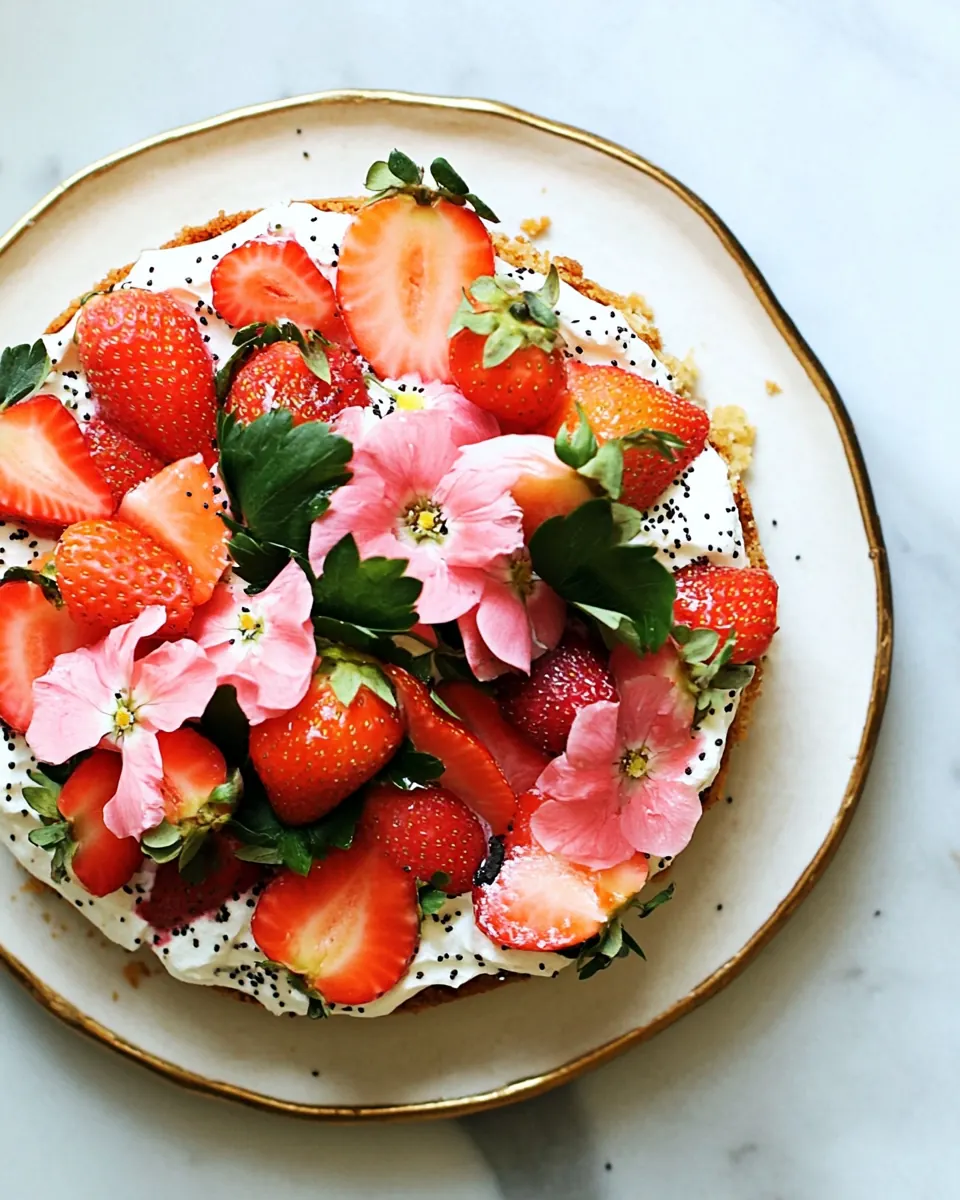
This set of directions walks through the whole process from oven prep to glossy glaze. Read each step fully because small cues like color and texture tell you when to move on, and those cues are more reliable than strict minutes alone.
- Preheat oven to 375 degrees (F).: You will notice the kitchen air warming and a faint scent of heat that sets the stage for baking, and this step ensures the oven reaches a stable temperature so the cake rises evenly. Preheating matters because putting a batter into a cold oven can cause uneven lift and dense spots. A common mistake is skipping preheat or rushing it, which leads to a dome that cracks unpredictably. If your oven runs hot, use an oven thermometer to confirm the real temperature before you bake.
- Grease and flour a large (I used a 10" pan) loaf pan; set aside.: The combination of greasing and dusting with flour creates a thin nonstick barrier that helps the loaf release cleanly, and you should feel the pan surface coated without excess clumps of flour. Proper pan prep also contributes to even browning at the edges, which gives a pleasing crust. Some folks use parchment for extra insurance; the mistake to avoid is applying too much flour, which can leave a gritty surface. Tap out excess flour so only a light sheen remains.
- In a large bowl whisk together the flour, baking powder, and salt; set aside.: As you whisk, you will see the dry mix lighten and the baking powder distribute so you do not end up with metallic pockets of leavening. This uniformity is why I always mix dry ingredients first, it prevents uneven rise and salty pockets. Avoid sifting directly over wet ingredients, which can create clumps; instead whisk thoroughly to aerate. A common error here is not breaking up lumps of flour, which will create dense streaks in the finished loaf.
- In a large separate bowl mix together the melted butter, oil, sugar, and lemon zest. Add the eggs one at a time, beating well after each addition. Add the milk, Greek yogurt, and vanilla, mixing well to combine. Stir in dry ingredients, stirring until well combine and no large clumps are visible.: When you combine these wet ingredients you will notice the mixture become glossy and slightly thick as eggs emulsify with the fats, and the lemon zest releases fragrant oils that perfume the batter. The reason I add eggs one at a time is to create a stable emulsion which helps trap air during baking, leading to a finer crumb. Overmixing once the flour is added can develop gluten, so fold gently until you no longer see streaks of flour. A frequent mistake is vigorous mixing after the flour goes in, which yields a tough texture rather than a tender slice.
- Stir in strawberries and vanilla.: As you fold in the strawberries , the batter will take on flecks of red and a slightly different consistency where the fruit sits, and those pockets will bake into juicy pockets within the loaf. Folding preserves the fruit shape and prevents color bleeding everywhere. This technique matters because overworking crushed fruit can make the batter runny and produce a soggy center. Avoid chopping the fruit too small, which can lead to an undifferentiated texture rather than pleasant bursts.
- Carefully pour batter into the prepared pan, smoothing the top with a rubber spatula.: The batter should flow slowly into the pan and settle with a smooth top that you can nudge into shape, and smoothing helps ensure an even rise. The visual cue is a level surface with no large air pockets; tapping the pan briefly on the counter releases trapped large bubbles. One common slip is pressing the batter too firmly, which compresses air and leads to a denser loaf. Handle gently to keep the airy structure intact.
- Place pan in the center of the oven and bake for 60-65 minutes, or until a cake tester inserted into the center of the cake comes out clean.: During baking you will see the top develop a golden hue and a faint crack may appear as the interior expands; the aroma will turn rich and buttery with citrus notes. The tester method is the most reliable indicator because oven performance varies, and a clean tester means the interior has set. Avoid opening the oven door frequently early on, which can cause the cake to sink. If the top browns too quickly, tent with foil for the final 10 to 15 minutes to prevent overbrowning.
- Let the cake cool for 20 minutes before cutting. Serve with fresh strawberries and ice cream (optional, but wonderful!).: As the loaf rests you will notice it firm up and the crumb set, which makes slicing much neater; the internal steam redistributes and prevents a gummy center. Cooling partially also helps the glaze adhere better when you pour it on top. A mistake is cutting too hot, which causes tearing and an uneven surface. Wait the full cooling window for optimal slices.
- While the cake is cutting, make the glaze!: Combining the glaze while the cake cools lets the sugar dissolve smoothly and the lemon aroma sharpen, giving you a silky finish ready to pour. Preparing the glaze now makes the workflow easy and keeps the timing efficient so the glaze does not sit too long and thicken. If you wait too long the glaze can become too thick to spread evenly, so plan to whisk it just before use.
- In a large bowl combine the lemon juice and sugar; whisk until combined. Add the milk and mix until smooth. Pour glaze over the cooled cake before cutting.: As you whisk the glaze it should become glossy and just pourable, coating the spoon in a thin ribbon before sinking back slowly, and that texture indicates it will set into a delicate shell on the loaf. The acidity of the lemon juice balances the powdered sugar creating a bright finish that accentuates the strawberries . Avoid adding too much milk which will thin the glaze excessively and make it run off the cake rather than cling; instead add one teaspoon at a time until you reach the desired consistency.
Helpful Hints
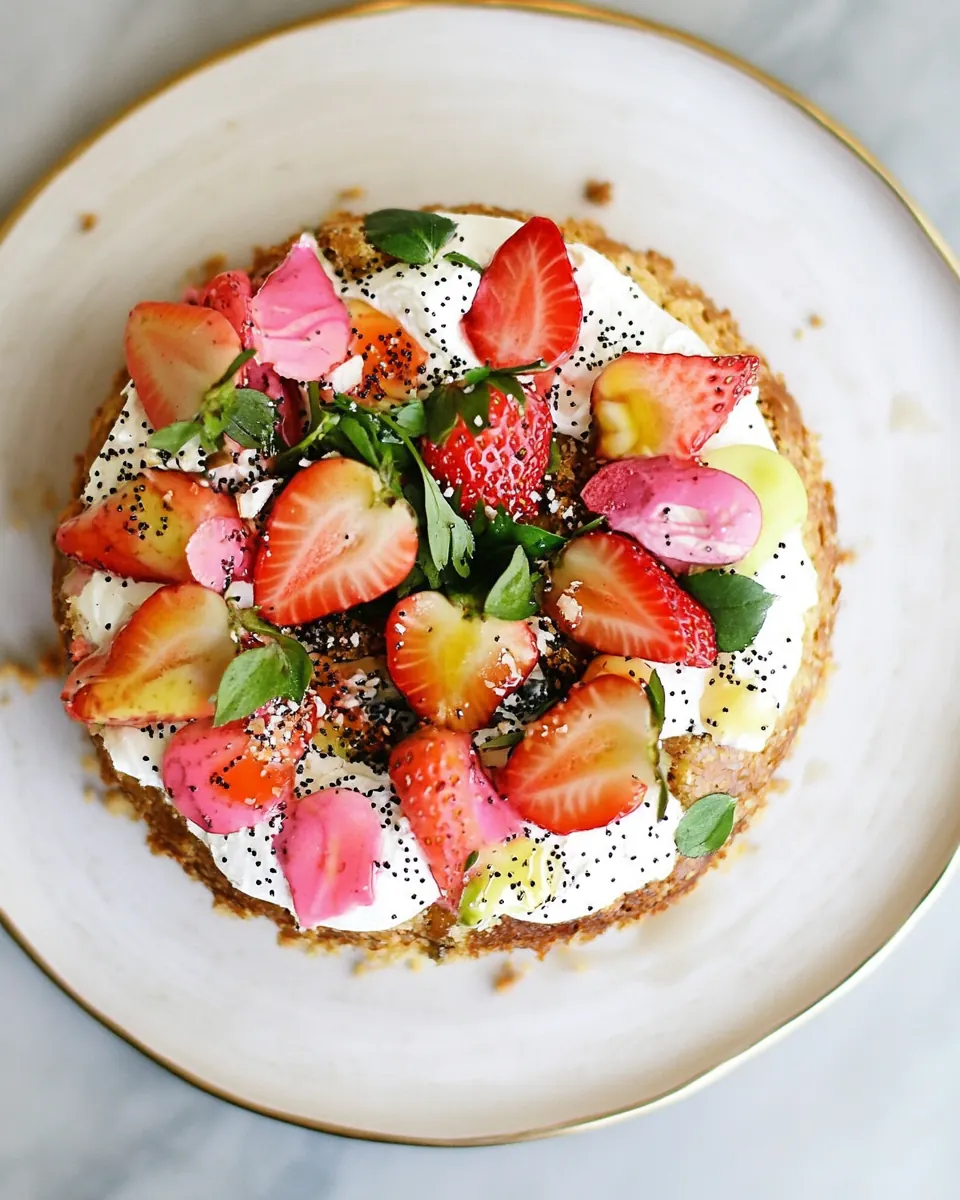
I like to share a set of concise, practical tips that have saved me time and prevented mistakes. These are the little habits I use every time I make this loaf, and they consistently yield a tender, flavorful cake.
- Room temperature ingredients: Bring your eggs and milk to room temperature to ensure they incorporate smoothly into the batter, which improves texture and rise.
- Measure flour correctly: Spoon the all purpose flour into the measuring cup and level with a knife rather than scooping, to avoid a dense cake from too much flour.
- Fresh baking powder: Check the freshness of your baking powder by testing a small amount in warm water; if it fizzes noticeably, it is active and will help the loaf rise.
- Prevent soggy fruit: If using frozen strawberries, thaw and drain briefly or toss with a tablespoon of flour so they do not sink and make the batter overly wet.
- Even pan prep: Grease and flour the pan evenly or use a parchment sling for foolproof removal, which helps the loaf release without tearing.
- Glaze consistency: Start with less milk when making the glaze and add more only until it reaches a pourable, glossy drape that clings to the cake.
- Storage: Wrap leftover slices tightly and keep at room temperature for one day, then refrigerate up to four days for best texture and flavor retention.
What to Serve Alongside Strawberry Poppy Seed Cake
This loaf is versatile on the table; it is at home with simple accompaniments or slightly fancier pairings depending on the occasion. The list below explores serving ideas, occasions, and storage suggestions to help you present it beautifully.
- Simple brunch spread: Serve slices alongside bowls of fresh strawberries, yogurt, and a pot of coffee for a relaxed morning meal.
- Afternoon tea: Arrange thin slices on a cake stand with small forks and pair with herbal or black teas for a proper tea setting.
- Casual dessert: Offer warm slices with a scoop of vanilla ice cream for an easy dessert after dinner, the contrast of warm cake and cold ice cream is delightful.
- Celebration loaf: For small gatherings, garnish the top with extra sliced strawberries and a dusting of powdered sugar to make it feel festive.
- Seasonal pairing: In spring, highlight local berries and light floral beverages to complement the cakes bright flavors and make the table feel fresh and seasonal.
- Storage and make ahead: Wrap the cooled loaf tightly and store at room temperature for a day, refrigerate for up to four days, or freeze slices for up to two months for convenient future treats.
FAQ
Conclusion
This Strawberry Poppy Seed Cake stands out for its balanced combination of tender crumb, bright citrus lift, and those tiny crunchy poppy seeds that add texture. I encourage you to try it because it is forgiving, uses familiar ingredients, and rewards small attentions with a slice that feels both cozy and festive. Bake it for a weekend brunch, a spring gathering, or whenever you want a cake that brings a little sunshine to the table, and enjoy the way the glaze and berries make each bite sing.
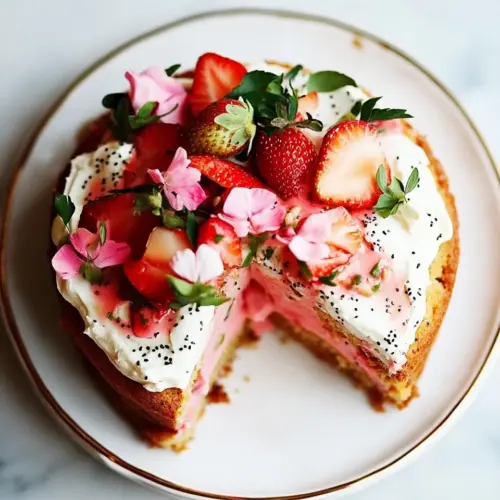
Strawberry Poppy Seed Cake
Equipment
- Loaf Pan
- Mixing Bowls
- Rubber spatula
- Whisk
- Oven
Ingredients
- 2 1/2 cups all-purpose flour Provides structure and bulk to the cake batter, contributing gluten that helps trap air for rise; sifts or measures accurately for consistent texture and density.
- 2 teaspoons baking powder Leavens the cake by producing carbon dioxide when reacting with batter liquids and heat; ensures a light crumb when evenly distributed and fresh.
- 1/2 teaspoons salt Balances flavor and strengthens gluten slightly while enhancing other ingredients; dissolved evenly into dry mix to maintain consistent seasoning throughout.
- 4 ounces butter, melted Adds fat and richness while contributing moisture and a tender crumb; melted form blends easily with sugars and liquids for uniform batter texture.
- 3/4 cup coconut oil, at room temperature (liquified) Contributes additional fat and a subtle tropical note that keeps the cake moist; ensure it is liquified and near room temperature for smooth incorporation.
- 1 cup + 2 tablespoons granulated sugar Provides sweetness and aids in tenderizing by interacting with fats and liquids; creamed or mixed thoroughly to help dissolve and create aeration.
- Zest of one lemon (about 1 teaspoon) Imparts bright citrus aroma and a hint of acidity that enhances other flavors; finely grated zest distributes intense lemon oils without adding extra liquid.
- 3 large eggs, at room temperature Adds structure, emulsification, and richness while helping to bind ingredients; room temperature eggs blend smoothly for consistent rise and texture.
- 1 cup whole milk Supplies liquid to hydrate dry ingredients and activate leavening agents; whole milk contributes fat for richness and a tender crumb.
- 1/3 cup full-fat Greek yogurt Adds creaminess and a tangy richness that improves texture and moisture retention; full-fat Greek yogurt also contributes slight acidity to balance sweetness.
- 2 teaspoons vanilla extract Provides aromatic depth and enhances overall flavor balance; added to batter for a rounded, familiar vanilla note.
- 1/4 cup poppy seeds Adds a delicate crunch and visual appeal while contributing subtle nutty flavor; evenly distributed into batter to avoid clumping and ensure even texture.
- 1 cup frozen strawberries, sliced Contributes fruity flavor and moisture with bursts of strawberry; use sliced frozen berries thawed slightly to prevent large ice crystals in the batter.
- 2 tablespoons lemon juice Adds acidity and brightness to balance sweetness and enhance strawberry and lemon flavors; stirred into fruit or batter to complement other citrus notes.
- 2 tablespoons whole milk Used to thin glazes or sauces and adjust consistency while adding a touch of dairy richness; small addition helps achieve desired pourable texture.
- 1 cup powdered sugar Sweetens and finishes glazes or frostings with a smooth, powdery texture; dissolves easily when combined with milk or lemon juice for a glossy finish.
Instructions
- Preheat oven to 375 degrees (F).: You will notice the kitchen air warming and a faint scent of heat that sets the stage for baking, and this step ensures the oven reaches a stable temperature so the cake rises evenly. Preheating matters because putting a batter into a cold oven can cause uneven lift and dense spots. A common mistake is skipping preheat or rushing it, which leads to a dome that cracks unpredictably. If your oven runs hot, use an oven thermometer to confirm the real temperature before you bake.
- Grease and flour a large (I used a 10" pan) loaf pan; set aside.: The combination of greasing and dusting with flour creates a thin nonstick barrier that helps the loaf release cleanly, and you should feel the pan surface coated without excess clumps of flour. Proper pan prep also contributes to even browning at the edges, which gives a pleasing crust. Some folks use parchment for extra insurance; the mistake to avoid is applying too much flour, which can leave a gritty surface. Tap out excess flour so only a light sheen remains.
- In a large bowl whisk together the flour, baking powder, and salt; set aside.: As you whisk, you will see the dry mix lighten and the baking powder distribute so you do not end up with metallic pockets of leavening. This uniformity is why I always mix dry ingredients first, it prevents uneven rise and salty pockets. Avoid sifting directly over wet ingredients, which can create clumps; instead whisk thoroughly to aerate. A common error here is not breaking up lumps of flour, which will create dense streaks in the finished loaf.
- In a large separate bowl mix together the melted butter, oil, sugar, and lemon zest. Add the eggs one at a time, beating well after each addition. Add the milk, Greek yogurt, and vanilla, mixing well to combine. Stir in dry ingredients, stirring until well combine and no large clumps are visible.: When you combine these wet ingredients you will notice the mixture become glossy and slightly thick as eggs emulsify with the fats, and the lemon zest releases fragrant oils that perfume the batter. The reason I add eggs one at a time is to create a stable emulsion which helps trap air during baking, leading to a finer crumb. Overmixing once the flour is added can develop gluten, so fold gently until you no longer see streaks of flour. A frequent mistake is vigorous mixing after the flour goes in, which yields a tough texture rather than a tender slice.
- Stir in strawberries and vanilla.: As you fold in the strawberries , the batter will take on flecks of red and a slightly different consistency where the fruit sits, and those pockets will bake into juicy pockets within the loaf. Folding preserves the fruit shape and prevents color bleeding everywhere. This technique matters because overworking crushed fruit can make the batter runny and produce a soggy center. Avoid chopping the fruit too small, which can lead to an undifferentiated texture rather than pleasant bursts.
- Carefully pour batter into the prepared pan, smoothing the top with a rubber spatula.: The batter should flow slowly into the pan and settle with a smooth top that you can nudge into shape, and smoothing helps ensure an even rise. The visual cue is a level surface with no large air pockets; tapping the pan briefly on the counter releases trapped large bubbles. One common slip is pressing the batter too firmly, which compresses air and leads to a denser loaf. Handle gently to keep the airy structure intact.
- Place pan in the center of the oven and bake for 60-65 minutes, or until a cake tester inserted into the center of the cake comes out clean.: During baking you will see the top develop a golden hue and a faint crack may appear as the interior expands; the aroma will turn rich and buttery with citrus notes. The tester method is the most reliable indicator because oven performance varies, and a clean tester means the interior has set. Avoid opening the oven door frequently early on, which can cause the cake to sink. If the top browns too quickly, tent with foil for the final 10 to 15 minutes to prevent overbrowning.
- Let the cake cool for 20 minutes before cutting. Serve with fresh strawberries and ice cream (optional, but wonderful!).: As the loaf rests you will notice it firm up and the crumb set, which makes slicing much neater; the internal steam redistributes and prevents a gummy center. Cooling partially also helps the glaze adhere better when you pour it on top. A mistake is cutting too hot, which causes tearing and an uneven surface. Wait the full cooling window for optimal slices.
- While the cake is cutting, make the glaze!: Combining the glaze while the cake cools lets the sugar dissolve smoothly and the lemon aroma sharpen, giving you a silky finish ready to pour. Preparing the glaze now makes the workflow easy and keeps the timing efficient so the glaze does not sit too long and thicken. If you wait too long the glaze can become too thick to spread evenly, so plan to whisk it just before use.
- In a large bowl combine the lemon juice and sugar; whisk until combined. Add the milk and mix until smooth. Pour glaze over the cooled cake before cutting.: As you whisk the glaze it should become glossy and just pourable, coating the spoon in a thin ribbon before sinking back slowly, and that texture indicates it will set into a delicate shell on the loaf. The acidity of the lemon juice balances the powdered sugar creating a bright finish that accentuates the strawberries . Avoid adding too much milk which will thin the glaze excessively and make it run off the cake rather than cling; instead add one teaspoon at a time until you reach the desired consistency.
Notes
- Room temperature ingredients: Bring your eggs and milk to room temperature to ensure they incorporate smoothly into the batter, which improves texture and rise.
- Measure flour correctly: Spoon the all purpose flour into the measuring cup and level with a knife rather than scooping, to avoid a dense cake from too much flour.
- Fresh baking powder: Check the freshness of your baking powder by testing a small amount in warm water; if it fizzes noticeably, it is active and will help the loaf rise.
- Prevent soggy fruit: If using frozen strawberries, thaw and drain briefly or toss with a tablespoon of flour so they do not sink and make the batter overly wet.
- Even pan prep: Grease and flour the pan evenly or use a parchment sling for foolproof removal, which helps the loaf release without tearing.
- Glaze consistency: Start with less milk when making the glaze and add more only until it reaches a pourable, glossy drape that clings to the cake.
- Storage: Wrap leftover slices tightly and keep at room temperature for one day, then refrigerate up to four days for best texture and flavor retention.