Toasted Coconut Sugar Cookies
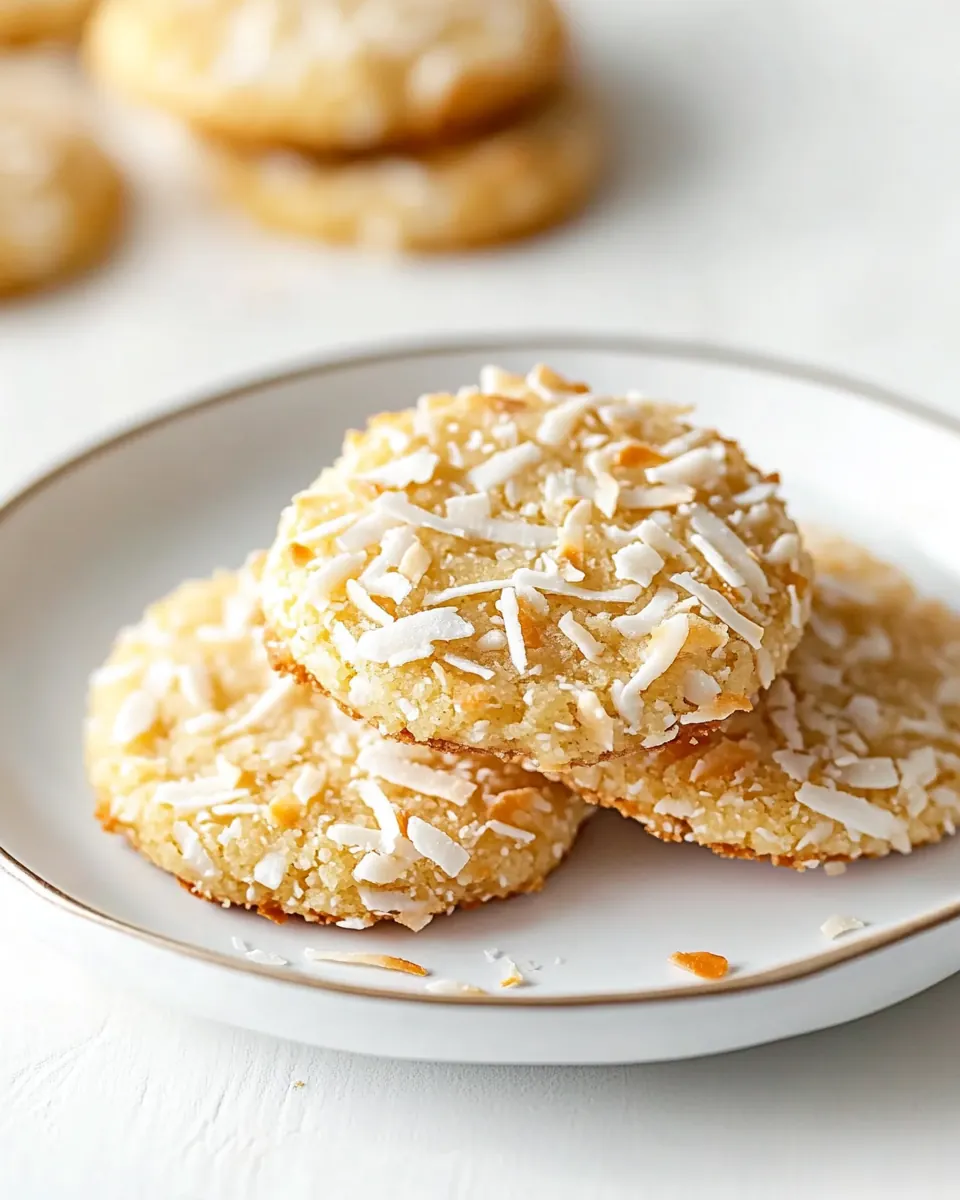
Toasted Coconut Sugar Cookies arrived in my kitchen on a humid afternoon when I needed something bright, sweet, and a little nostalgic to lift my mood. I remember pulling an old tin from the back of my pantry that once held store bought coconut macaroons, and thinking how lovely it would be to bake something with a crisp toasted edge and a tender, buttery center. I wanted cookies that crackled with coconut on the outside and gave a soft, almost cake like chew inside, something to hand to neighbors with a smile.
These cookies became my go to when friends stopped by unexpectedly, because they are forgiving and pleasing to nearly every palate. I recall the first batch I made, when the kitchen filled with the warm, nutty aroma of toasted coconut, and how that scent seemed to stitch the afternoon together. The mix of all purpose flour, a touch of baking powder, and the softer lift of baking soda made each cookie pillowy without being cakey. Using a blend of unsalted butter and coconut oil gives a subtle tropical note, while cream cheese keeps the crumb tender.
Recipe Snapshot
43 mins
30 mins
13 mins
Medium
120 kcal
American
Gluten-Free, Low FODMAP
Desserts
mixing bowls, spatula, cookie scoop, baking sheets, parchment paper, wire rack, fork
Why Try This Toasted Coconut Sugar Cookies
Comfort with a Coconut Twist
I love that Toasted Coconut Sugar Cookies feel familiar, yet they bring an unexpected coconut personality. The toasted coconut on the exterior gives a crunchy contrast to the soft interior. Every bite has a layered texture, and I often catch myself closing my eyes to savor how the coconut crackles against the gentle chew, so I keep these on hand for cozy afternoons.
Simple Ingredients, Big Impact
These cookies use pantry friendly elements like all purpose flour and granulated sugar, but the trick is how they are combined. Incorporating both unsalted butter and coconut oil adds depth in texture and aroma. I appreciate recipes that rely on straightforward components yet reward you with complex results, and this one does exactly that.
Reliable for Entertaining
I reach for this recipe when hosting because the dough is easy to portion and the cookies hold their shape beautifully when baked. The rolled coconut exterior makes them look artisan, so they read as special even if you made them quickly. They travel well, and people always ask for the recipe when I bring a tin to gatherings.
Textural Play
The contrast between the toasted coconut shell and the soft center is what keeps me coming back. The coconut flecks toast further while baking, giving a warm flavor that complements the sweet, buttery base. This interplay feels elevated but not fussy, and I often encourage bakers to try pulsing large shreds if they prefer a finer bite.
Versatile and Approachable
Whether you are new to baking or a seasoned home chef, this recipe is forgiving. I like that the dough firms just enough after a brief rest to be scooped, so timing is flexible. If you want a quick dessert for unexpected company or a weekend baking session, these cookies fit the bill, and you will likely find them becoming part of your standard rotation.
Ingredients for Toasted Coconut Sugar Cookies
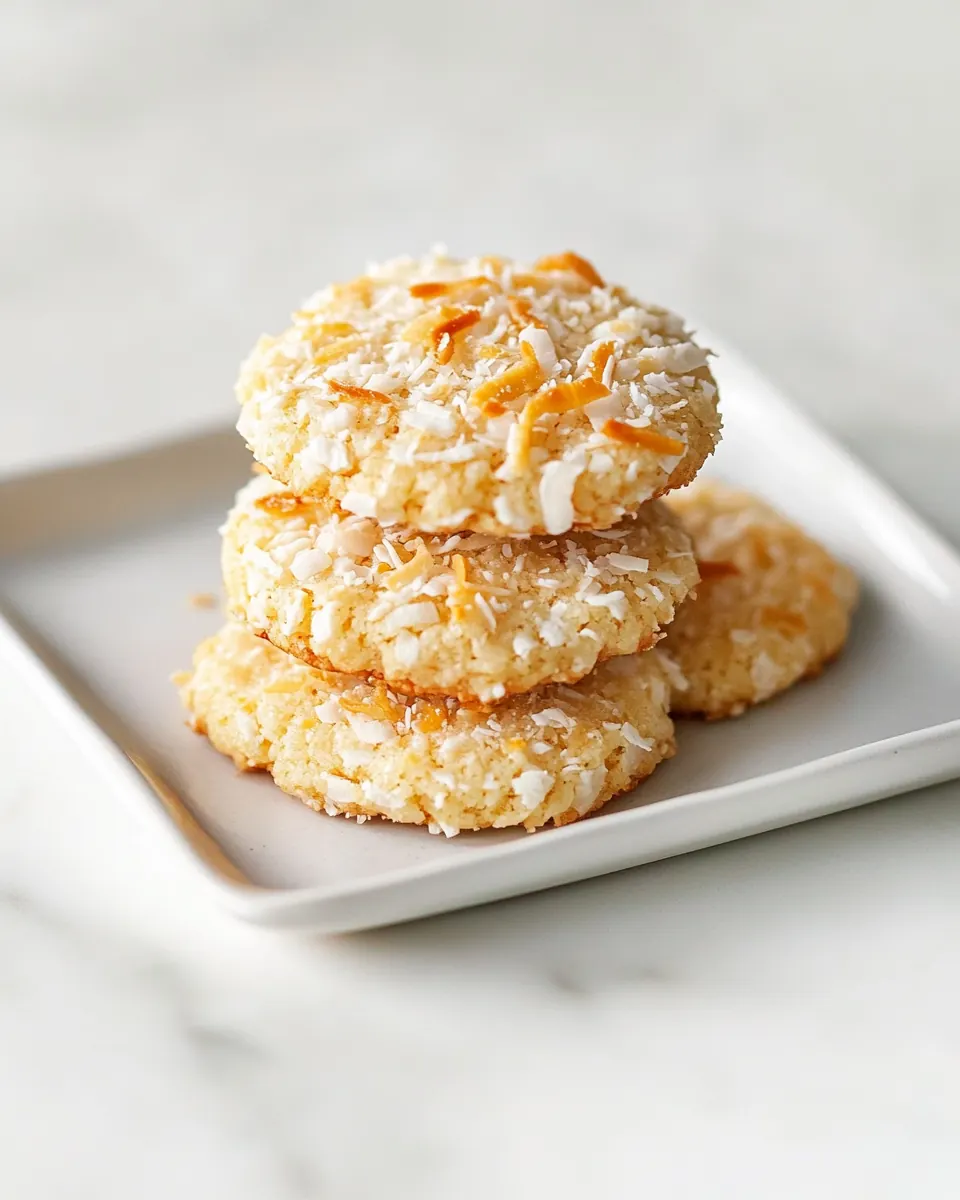
The ingredient list for Toasted Coconut Sugar Cookies reads like a celebration of texture. I believe in balancing structure players with flavor boosters. The flour, leaveners, and salt create the reliable framework, while dairy and oils enrich the mouthfeel. Sugars and extracts steer the flavor profile, and the shredded coconut delivers the signature crunch that defines these cookies.
- 2 1/2 cup s/310 g all-purpose flour: Sifted to ensure even texture and aeration, providing the structural base for the cookies; measure precisely for accurate dough consistency and proper gluten development. Combines with leaveners to create the desired crumb and thickness while balancing moisture from fats and eggs.
- 1 teaspoon baking powder: Leavened to introduce light lift and help cookies spread appropriately; reacts with acidic components to produce carbon dioxide for a tender crumb. Used sparingly to prevent over-rising and preserve a uniform shape.
- 1/2 teaspoon baking soda: Neutralized to control rise and contribute to browning when reacting with sugars and acids; small amount ensures proper texture without giving a metallic aftertaste. Balances the leavening system for even cookie height and chewiness.
- 1/2 teaspoon fine sea salt: Balanced to enhance overall flavor and strengthen dough structure by tightening gluten; dissolves into the wet ingredients for even distribution. Provides necessary seasoning that brings out the sweetness and toasted coconut notes.
- 6 tablespoon s/85 g unsalted butter, softened: Creamed to incorporate air and provide richness, contributing to tender, flaky texture; softened state allows smooth blending with other fats and sugars. Adds moisture and helps the cookies brown and spread evenly.
- 1/3 cup 80 g coconut oil, at room temperature (it should be almost pourable): Fluid and aromatic to add a light coconut flavor and additional fat for tenderness; nearly pourable consistency helps emulsify the dough with butter and cream cheese. Contributes to mouthfeel and intensifies toasted coconut character.
- 1/4 cup 56 g cream cheese, softened: Softened and tangy to add richness, slight acidity, and tenderness while aiding in creaming for structure; helps create a softer, chewier bite. Works with butter and oils to produce a smooth, cohesive dough and subtle flavor complexity.
- 1 1/3 cup s/266 g granulated sugar: Granulated for bulk sweetness and structure, helping to create crisp edges and tender centers through caramelization during baking. Creamed with fats to incorporate air and contribute to overall cookie texture and sweetness level.
- 3 tablespoon s/40 g light brown sugar: Moist and caramel-like to add depth of flavor and extra chewiness while retaining moisture in the cookie interior. Blended with granulated sugar and fats, it enhances color and gives subtle molasses notes that complement coconut.
- 2 large eggs, at room temperature: Room–temperature and binding to provide moisture, emulsification, and lift; eggs contribute proteins that set during baking and help cookies hold together. Beaten into the mixture for distribution of fat and liquid, improving structure and richness.
- 1 teaspoon Amoretti Toasted Coconut extract: Concentrated and aromatic to deliver intense toasted coconut flavor without adding moisture; a few drops infuse the dough with tropical notes that reinforce the coconut theme. Used sparingly to avoid overpowering other flavors while achieving clear coconut presence.
- 1/2 teaspoon vanilla extract: Warm and sweet-smelling to round out flavors and enhance vanilla notes in the cookie; small amount balances extracts and sugars. Blended into the wet ingredients to provide familiar bakery aroma and depth.
- 1 cup 120 g unsweetened shredded or desiccated coconut: Textured and toasty to add crunch, chew, and pronounced coconut flavor; toasted or desiccated form contributes both flavor and structural interest. Folded into the dough to distribute coconut evenly and provide a satisfying finish.
Cooking Method for Toasted Coconut Sugar Cookies
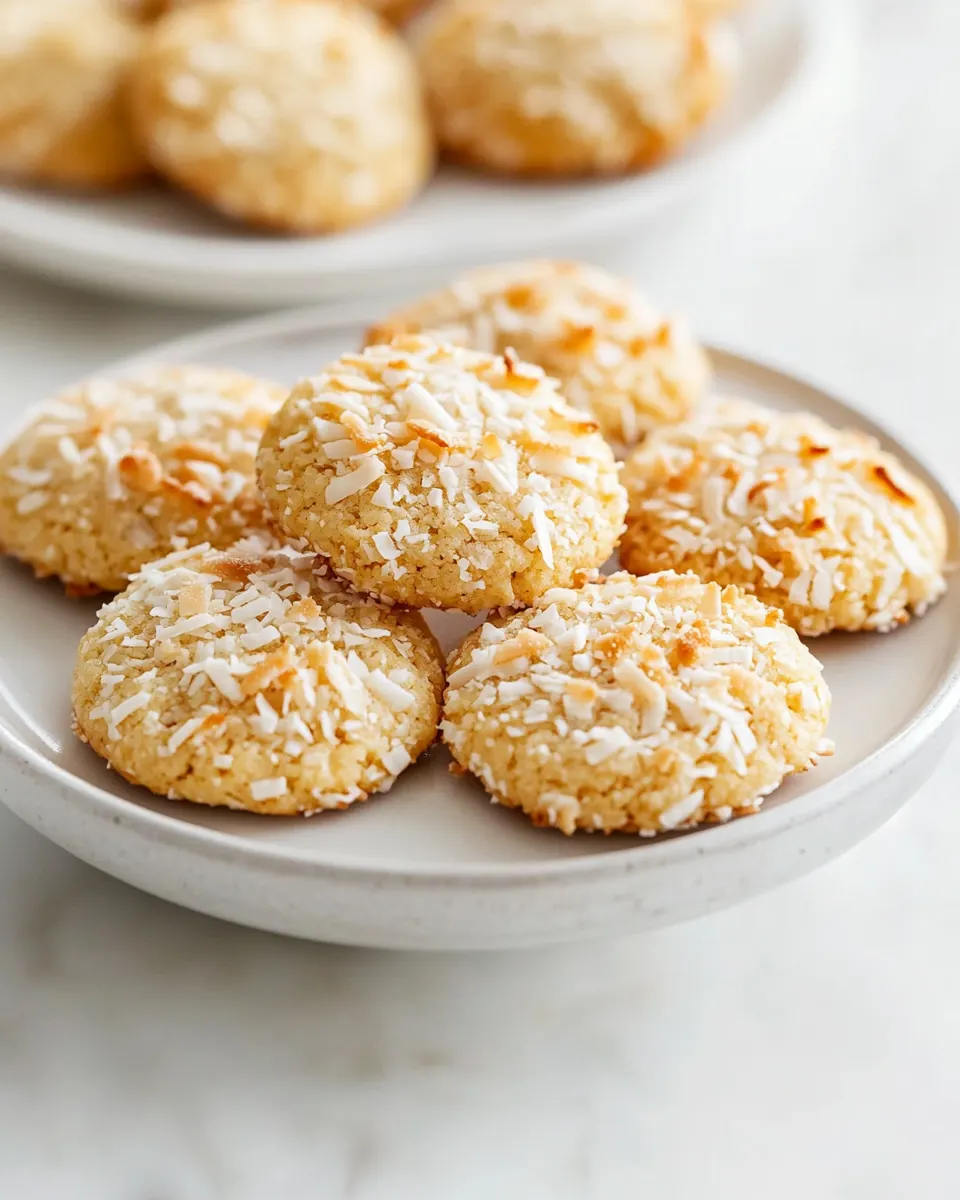
Working through the baking process is like following a little ritual, one that leads to uniform, beautifully textured cookies. I find focusing on the sensory cues at each stage helps me avoid over mixing or under baking. Use patience during the dough rest and keep an eye on color while baking.
- Preheat oven to 350 degrees F. Line two baking sheets with parchment paper.: The warm, dry air of a properly preheated oven signals consistent rise and browning, producing cookies with golden bottoms and tender tops. You should feel the oven stabilize before sliding the tray in; the sound of a faint whoosh as heat circulates is normal. This step ensures even baking across batches. Common mistakes include using a cold oven or overcrowding the sheets, which causes uneven color and spread.
- In a bowl, whisk together flour, baking powder, baking soda and salt and set aside.: The dry mixture should look homogenous and slightly aerated after whisking, with no visible clumps of leaveners. This even distribution is why whisking matters, it prevents pockets of baking powder or soda that could create uneven rise. You might notice a faint flour scent, which is normal. Avoid skipping this step because undispersed leaveners can give odd bumps or metallic flavors.
- In another bowl, combine softened cream cheese, softened butter, coconut oil, sugar and brown sugar. Stir with a spatula until it forms a smooth paste.: You will see the mixture become glossy and unified, and a gentle swoosh will form as the spatula passes through. The aroma will be rich and buttery, with a hint of coconut oil scent. This paste stage is important because it dissolves the sugars enough to create a smooth batter. A frequent issue is working with ingredients that are too cold, which yields a lumpy mixture instead of a paste.
- Add one egg and one egg yolk (save the egg white in a small bowl and set aside). Add coconut and vanilla extracts and stir until smooth and completely incorporated.: The mixture should become slightly thinner and silkier, with a glossy sheen and a faint eggy aroma. Holding back the egg white allows you to use it later for coating, which helps the coconut stick. If you see streaks of egg white, keep mixing until they disappear. Common mistakes include adding a cold egg to chilled fats, causing the mixture to seize or curdle.
- Add dry ingredients and fold until just incorporated and no streaks of flour remain. The dough will be soft and slightly oily feeling (but it shouldn’t stick to your hands). Let the dough sit for 15 minutes to firm up slightly.: You should fold gently and stop when you no longer see flour ribbons; visually the dough will appear cohesive with occasional glossy streaks from the oil. The short rest allows the flours to hydrate and the coconut oil to relax, which reduces spread in the oven. The dough will feel tacky but not greasy. Overworking at this stage will develop gluten and make the cookies tough, so resist the urge to keep mixing.
- In a bowl, whisk reserved egg white with a teaspoon of water until lightly frothy.: The whisked egg white should hold a few soft peaks and look slightly opaque, creating a tacky surface to help the coconut cling. The frothiness also produces a thin, even glaze that promotes browning where the coconut meets the dough. If the egg white looks runny, whisk a bit longer; if it gets too stiff, it will be hard to evenly coat the dough. Avoid contaminating the egg white with fats, which will prevent foaming.
- Place shredded coconut in a bowl or shallow dish. If your shredded coconut is particularly coarse with big shreds, I recommend pulsing it once or twice in a food processor to make smaller pieces.: The coconut should look evenly textured, whether you keep it coarse for dramatic flakes or pulse it for a finer crumb. Toasting will happen during baking, but smaller pieces adhere more completely. Using a processor for a quick pulse gives you a uniform coating and a more balanced crunch. A mistake here is over processing, which can create almost powdery coconut that does not provide the intended crunch.
- Use a medium cookie scoop to scoop dough into 1 1/4-inch balls (approximately 34 g of dough each), then press each piece to form a slightly flattened ball.: The scooped dough should feel cool and slightly dense, with a smooth top from the spatula. Pressing gently to flatten encourages even baking and helps the coconut adhere. The visual cue is a rounded mound that is slightly compressed. If your dough sticks to the scoop, chill briefly; sticky dough is harder to portion cleanly and will spread inconsistently.
- Gently dip in egg white, using a fork or spoon to flip and coat both sides. Remove, letting any excess egg white drip off, then place in dish with coconut. Mound coconut over dough ball, coating both sides and edges.: You will notice the coated dough becomes textured and slightly sparkly where the egg white catches, and the coconut should cling in a generous crust. Mounding ensures even coverage, giving that toasted exterior after baking. Letting excess drip off prevents soggy spots and uneven toasting. Rushing this step often results in clumps of coconut that fall off during transfer.
- Transfer to prepared cookie sheet. Repeat with remaining dough, leaving about 2 inches of space between cookies on the cookie sheet.: The cookies should sit evenly spaced so hot air can circulate and edges brown uniformly. When arranged correctly, you will see room for the cookies to spread slightly without touching. A crowded sheet leads to merged cookies and uneven baking, so use an extra sheet if needed.
- Bake for 11-13 minutes or until tops are puffed and bottoms are golden brown. Give the sheet a good rap on the oven rack before you take it out of the oven to knock out any air (this produces more evenly flat cookies). You can also swirl a round cookie cutter around the outer edges of the warm cookies to tighten up the shapes.: While baking, the kitchen will fill with a toasty coconut scent and the tops will puff slightly, signaling near readiness. Golden bottoms are the best indicator, so peek at the underside if you need confirmation. The rap technique helps deflate overly puffed centers for a more even profile. A common error is leaving them too long, which dries the interior and reduces chew.
- Let cool on baking sheet for 10 minutes, then transfer to a wire rack to cool completely. Cookies are best enjoyed within a day or two, but will keep in an airtight container in the refrigerator for up to 5 days, or sealed in a bag in the freezer for up to 2 months.: Cooling on the sheet lets the cookies set and finish cooking gently from residual heat, and moving them to a wire rack prevents sogginess as steam escapes. Expect a contrast between the warm toasty exterior and a softer center as they cool. Proper storage in an airtight environment preserves texture and aroma. Storing while still warm is the main mistake that causes condensation and makes the coconut soggy.
Tips and Tricks about Toasted Coconut Sugar Cookies
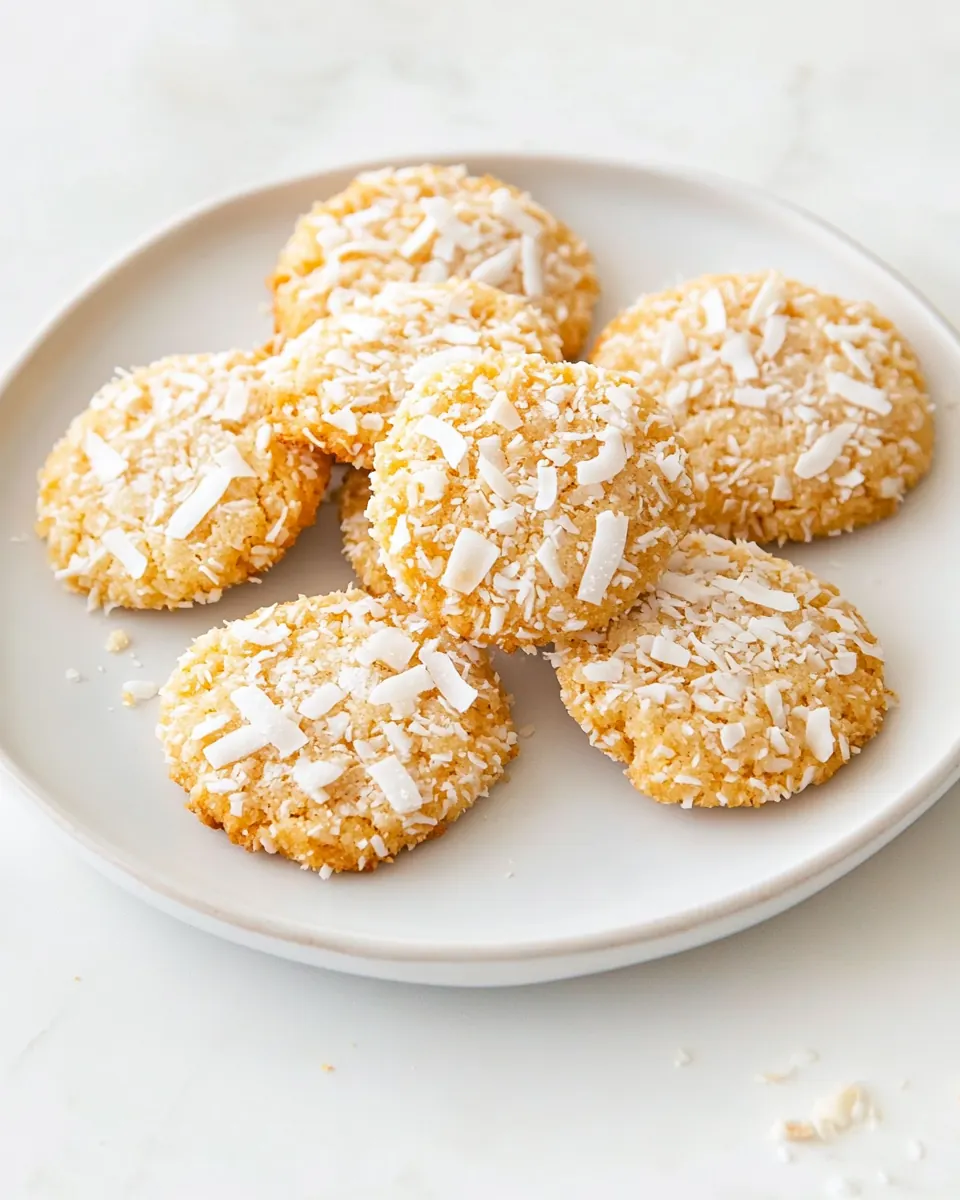
These tips will help you get consistent, bakery style results. Each tip highlights a small adjustment that reliably improves texture, flavor, or appearance. I use these routinely when I bake this recipe for friends or to package for gifts.
- Chill briefly if dough is too soft If the dough feels overly oily or hard to scoop, a short chill of 10 to 15 minutes firms it up without making it rock hard, making scooping and coating much easier.
- Use a medium cookie scoop for uniform sizing Consistent scoop size ensures all cookies bake evenly, so rotate trays if you are baking multiple sheets to keep color and texture uniform across batches.
- Pulse large coconut shreds for a finer texture If your coconut has very large flakes, a couple of short pulses will produce a more even coating that clings better and toasts more uniformly.
- Tap the baking sheet on the rack Giving the sheet a firm rap before removing from the oven helps deflate any over puffing and yields a flatter, more traditional cookie shape.
- Store in an airtight container once cooled Make sure cookies are completely cool before sealing to prevent condensation that would soften the toasted exterior.
What Complements This Toasted Coconut Sugar Cookies
These cookies pair well with light beverages and seasonal gatherings. Their crunchy exterior and soft interior make them suited for both casual coffee breaks and more festive dessert tables. Consider serving them with a plated assortment, or packing them as gifts for guests during holidays or celebrations.
- Casual coffee or tea A simple pairing with a hot cup highlights the toasted coconut aroma; serve on a small plate alongside a steaming mug for a relaxed afternoon snack.
- Brunch spread Include these cookies on a brunch table as a sweet counterpoint to savory dishes, placing them near jams and fresh fruit for guests to graze.
- Gift tins for holidays Arrange in parchment lined tins for neighbors or friends; their sturdy toasted coating helps them travel well without crumbling.
- Storage for make ahead Keep cooled cookies in an airtight container in the refrigerator for up to five days, or freeze in a sealed bag for up to two months to have fresh treats on demand.
- Occasions These fit well for afternoon gatherings, kids parties, Ramadan if you seek a sweet treat for Iftar, and anytime you want a comforting, tropical flavored cookie.
FAQ
Conclusion
These Toasted Coconut Sugar Cookies are special because they combine a toasty, crunchy exterior with a soft, buttery interior for an irresistible textural contrast. Give them a try when you want an easy, crowd pleasing cookie that smells like a warm bakery and travels well for gifts or gatherings. I hope this recipe becomes one you reach for often, bringing a little coconut scented comfort to your kitchen and your loved ones.
Toasted Coconut Sugar Cookies
Equipment
- Mixing Bowls
- Spatula
- Cookie Scoop
- Baking Sheets
- Parchment Paper
- Wire Rack
- Fork
Ingredients
- 2 1/2 cup s/310 g all-purpose flour Sifted to ensure even texture and aeration, providing the structural base for the cookies; measure precisely for accurate dough consistency and proper gluten development. Combines with leaveners to create the desired crumb and thickness while balancing moisture from fats and eggs.
- 1 teaspoon baking powder Leavened to introduce light lift and help cookies spread appropriately; reacts with acidic components to produce carbon dioxide for a tender crumb. Used sparingly to prevent over-rising and preserve a uniform shape.
- 1/2 teaspoon baking soda Neutralized to control rise and contribute to browning when reacting with sugars and acids; small amount ensures proper texture without giving a metallic aftertaste. Balances the leavening system for even cookie height and chewiness.
- 1/2 teaspoon fine sea salt Balanced to enhance overall flavor and strengthen dough structure by tightening gluten; dissolves into the wet ingredients for even distribution. Provides necessary seasoning that brings out the sweetness and toasted coconut notes.
- 6 tablespoon s/85 g unsalted butter, softened Creamed to incorporate air and provide richness, contributing to tender, flaky texture; softened state allows smooth blending with other fats and sugars. Adds moisture and helps the cookies brown and spread evenly.
- 1/3 cup 80 g coconut oil, at room temperature (it should be almost pourable) Fluid and aromatic to add a light coconut flavor and additional fat for tenderness; nearly pourable consistency helps emulsify the dough with butter and cream cheese. Contributes to mouthfeel and intensifies toasted coconut character.
- 1/4 cup 56 g cream cheese, softened Softened and tangy to add richness, slight acidity, and tenderness while aiding in creaming for structure; helps create a softer, chewier bite. Works with butter and oils to produce a smooth, cohesive dough and subtle flavor complexity.
- 1 1/3 cup s/266 g granulated sugar Granulated for bulk sweetness and structure, helping to create crisp edges and tender centers through caramelization during baking. Creamed with fats to incorporate air and contribute to overall cookie texture and sweetness level.
- 3 tablespoon s/40 g light brown sugar Moist and caramel-like to add depth of flavor and extra chewiness while retaining moisture in the cookie interior. Blended with granulated sugar and fats, it enhances color and gives subtle molasses notes that complement coconut.
- 2 large eggs, at room temperature Room-temperature and binding to provide moisture, emulsification, and lift; eggs contribute proteins that set during baking and help cookies hold together. Beaten into the mixture for distribution of fat and liquid, improving structure and richness.
- 1 teaspoon Amoretti Toasted Coconut extract Concentrated and aromatic to deliver intense toasted coconut flavor without adding moisture; a few drops infuse the dough with tropical notes that reinforce the coconut theme. Used sparingly to avoid overpowering other flavors while achieving clear coconut presence.
- 1/2 teaspoon vanilla extract Warm and sweet-smelling to round out flavors and enhance vanilla notes in the cookie; small amount balances extracts and sugars. Blended into the wet ingredients to provide familiar bakery aroma and depth.
- 1 cup 120 g unsweetened shredded or desiccated coconut Textured and toasty to add crunch, chew, and pronounced coconut flavor; toasted or desiccated form contributes both flavor and structural interest. Folded into the dough to distribute coconut evenly and provide a satisfying finish.
Instructions
- Preheat oven to 350 degrees F. Line two baking sheets with parchment paper.: The warm, dry air of a properly preheated oven signals consistent rise and browning, producing cookies with golden bottoms and tender tops. You should feel the oven stabilize before sliding the tray in; the sound of a faint whoosh as heat circulates is normal. This step ensures even baking across batches. Common mistakes include using a cold oven or overcrowding the sheets, which causes uneven color and spread.
- In a bowl, whisk together flour, baking powder, baking soda and salt and set aside.: The dry mixture should look homogenous and slightly aerated after whisking, with no visible clumps of leaveners. This even distribution is why whisking matters, it prevents pockets of baking powder or soda that could create uneven rise. You might notice a faint flour scent, which is normal. Avoid skipping this step because undispersed leaveners can give odd bumps or metallic flavors.
- In another bowl, combine softened cream cheese, softened butter, coconut oil, sugar and brown sugar. Stir with a spatula until it forms a smooth paste.: You will see the mixture become glossy and unified, and a gentle swoosh will form as the spatula passes through. The aroma will be rich and buttery, with a hint of coconut oil scent. This paste stage is important because it dissolves the sugars enough to create a smooth batter. A frequent issue is working with ingredients that are too cold, which yields a lumpy mixture instead of a paste.
- Add one egg and one egg yolk (save the egg white in a small bowl and set aside). Add coconut and vanilla extracts and stir until smooth and completely incorporated.: The mixture should become slightly thinner and silkier, with a glossy sheen and a faint eggy aroma. Holding back the egg white allows you to use it later for coating, which helps the coconut stick. If you see streaks of egg white, keep mixing until they disappear. Common mistakes include adding a cold egg to chilled fats, causing the mixture to seize or curdle.
- Add dry ingredients and fold until just incorporated and no streaks of flour remain. The dough will be soft and slightly oily feeling (but it shouldn’t stick to your hands). Let the dough sit for 15 minutes to firm up slightly.: You should fold gently and stop when you no longer see flour ribbons; visually the dough will appear cohesive with occasional glossy streaks from the oil. The short rest allows the flours to hydrate and the coconut oil to relax, which reduces spread in the oven. The dough will feel tacky but not greasy. Overworking at this stage will develop gluten and make the cookies tough, so resist the urge to keep mixing.
- In a bowl, whisk reserved egg white with a teaspoon of water until lightly frothy.: The whisked egg white should hold a few soft peaks and look slightly opaque, creating a tacky surface to help the coconut cling. The frothiness also produces a thin, even glaze that promotes browning where the coconut meets the dough. If the egg white looks runny, whisk a bit longer; if it gets too stiff, it will be hard to evenly coat the dough. Avoid contaminating the egg white with fats, which will prevent foaming.
- Place shredded coconut in a bowl or shallow dish. If your shredded coconut is particularly coarse with big shreds, I recommend pulsing it once or twice in a food processor to make smaller pieces.: The coconut should look evenly textured, whether you keep it coarse for dramatic flakes or pulse it for a finer crumb. Toasting will happen during baking, but smaller pieces adhere more completely. Using a processor for a quick pulse gives you a uniform coating and a more balanced crunch. A mistake here is over processing, which can create almost powdery coconut that does not provide the intended crunch.
- Use a medium cookie scoop to scoop dough into 1 1/4-inch balls (approximately 34 g of dough each), then press each piece to form a slightly flattened ball.: The scooped dough should feel cool and slightly dense, with a smooth top from the spatula. Pressing gently to flatten encourages even baking and helps the coconut adhere. The visual cue is a rounded mound that is slightly compressed. If your dough sticks to the scoop, chill briefly; sticky dough is harder to portion cleanly and will spread inconsistently.
- Gently dip in egg white, using a fork or spoon to flip and coat both sides. Remove, letting any excess egg white drip off, then place in dish with coconut. Mound coconut over dough ball, coating both sides and edges.: You will notice the coated dough becomes textured and slightly sparkly where the egg white catches, and the coconut should cling in a generous crust. Mounding ensures even coverage, giving that toasted exterior after baking. Letting excess drip off prevents soggy spots and uneven toasting. Rushing this step often results in clumps of coconut that fall off during transfer.
- Transfer to prepared cookie sheet. Repeat with remaining dough, leaving about 2 inches of space between cookies on the cookie sheet.: The cookies should sit evenly spaced so hot air can circulate and edges brown uniformly. When arranged correctly, you will see room for the cookies to spread slightly without touching. A crowded sheet leads to merged cookies and uneven baking, so use an extra sheet if needed.
- Bake for 11-13 minutes or until tops are puffed and bottoms are golden brown. Give the sheet a good rap on the oven rack before you take it out of the oven to knock out any air (this produces more evenly flat cookies). You can also swirl a round cookie cutter around the outer edges of the warm cookies to tighten up the shapes.: While baking, the kitchen will fill with a toasty coconut scent and the tops will puff slightly, signaling near readiness. Golden bottoms are the best indicator, so peek at the underside if you need confirmation. The rap technique helps deflate overly puffed centers for a more even profile. A common error is leaving them too long, which dries the interior and reduces chew.
- Let cool on baking sheet for 10 minutes, then transfer to a wire rack to cool completely. Cookies are best enjoyed within a day or two, but will keep in an airtight container in the refrigerator for up to 5 days, or sealed in a bag in the freezer for up to 2 months.: Cooling on the sheet lets the cookies set and finish cooking gently from residual heat, and moving them to a wire rack prevents sogginess as steam escapes. Expect a contrast between the warm toasty exterior and a softer center as they cool. Proper storage in an airtight environment preserves texture and aroma. Storing while still warm is the main mistake that causes condensation and makes the coconut soggy.
Notes
- Chill briefly if dough is too soft If the dough feels overly oily or hard to scoop, a short chill of 10 to 15 minutes firms it up without making it rock hard, making scooping and coating much easier.
- Use a medium cookie scoop for uniform sizing Consistent scoop size ensures all cookies bake evenly, so rotate trays if you are baking multiple sheets to keep color and texture uniform across batches.
- Pulse large coconut shreds for a finer texture If your coconut has very large flakes, a couple of short pulses will produce a more even coating that clings better and toasts more uniformly.
- Tap the baking sheet on the rack Giving the sheet a firm rap before removing from the oven helps deflate any over puffing and yields a flatter, more traditional cookie shape.
- Store in an airtight container once cooled Make sure cookies are completely cool before sealing to prevent condensation that would soften the toasted exterior.