Tiramisu Cake
Tiramisu Cake has been a comfort I turn to when I need a dessert that feels both indulgent and approachable, something that carries coffee notes without being fussy. The first time I baked this cake I remember waking up early, the house quiet, and the smell of melted chocolate and espresso filling the kitchen while I measured ingredients with a mug of tea cooling at my elbow. That morning taught me that baking is as much about rhythm as it is about flavor, and that a cozy cake can transform an ordinary day into a small celebration.
Over the years I have adapted the recipe in tiny, meaningful ways, learning to trust little cues like the sheen on creamed butter or the quiet hollowness of a cake center when it is done. Friends often ask why this feels more like tiramisu than a plain chocolate cake, and I tell them it is the marriage of bold espresso, bittersweet chocolate, and the cloud like Whipped Mascarpone that gives it that gentle tiramisu lift. I love that it travels well to potlucks, yet feels special enough for a birthday or a late night slice with coffee.
Recipe Snapshot
50 mins
20 mins
30 mins
Medium
350 kcal
Italian
Gluten-Free, Low FODMAP
Desserts
Stand mixer, Paddle attachment, Medium bowl, Small bowl, 6 cup charlotte cake pan, Wire rack, Wooden pick or skewer
Why You Need This Tiramisu Cake
Bold coffee and gentle texture
I adore how Tiramisu Cake balances the assertive flavor of espresso with a tender crumb. The instant espresso powder wakes up the chocolate without overpowering the other elements, so each forkful tastes layered rather than one dimensional. I often find that letting the batter rest briefly makes the flavors knit together, producing a more integrated bite.
Mascarpone makes it feel luxurious
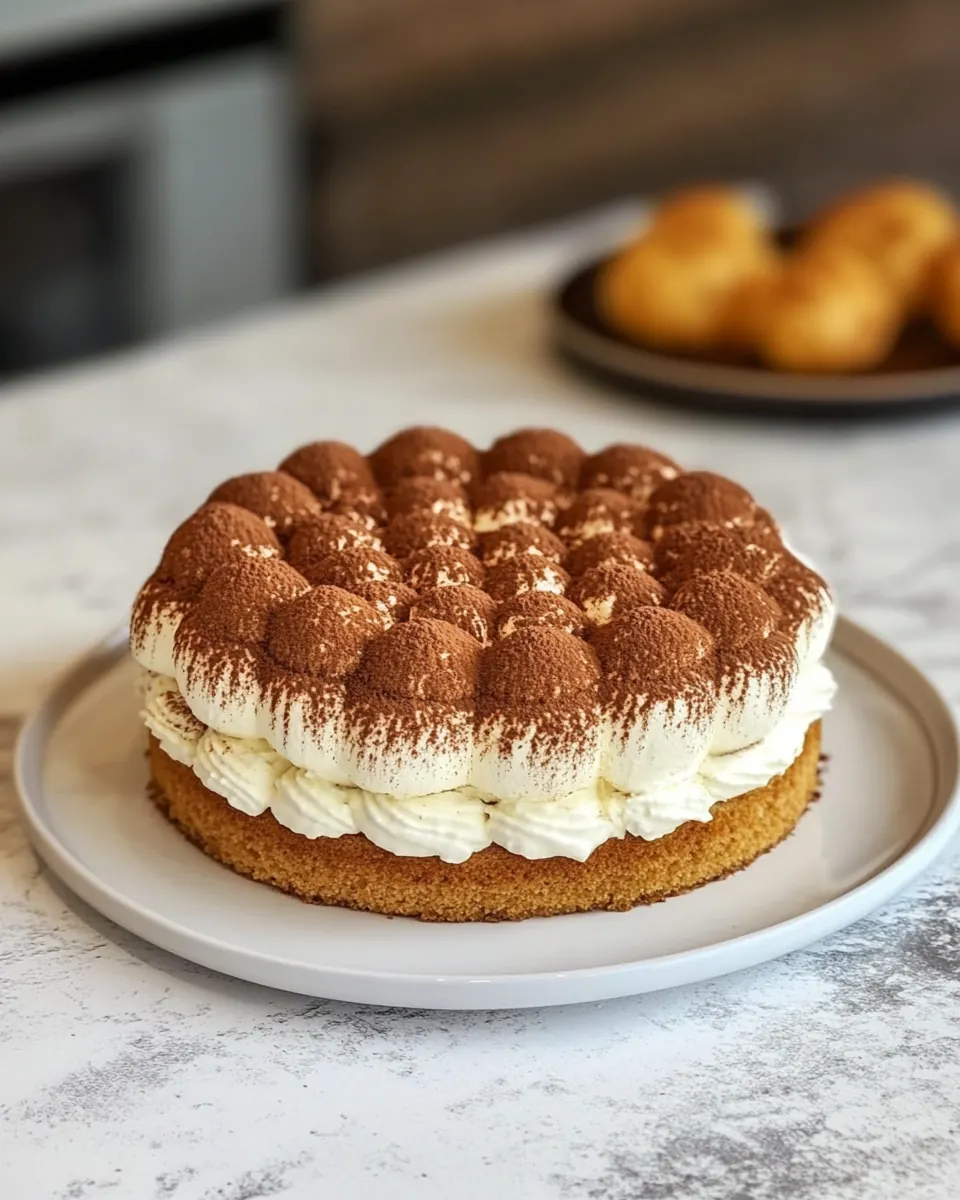
The Whipped Mascarpone topping is a game changer for me. It turns a simple loaf like cake into something pillowy and decadent, creating contrast against the slightly crumbly cake beneath. I love assembling the cake just before serving so the mascarpone remains airy and light, and the cocoa dusting adds that classic tiramisu finish.
Textural contrast is everything
What stands out for me is the interplay between the moist cake and the creamy topping. Using whole Greek yogurt and whole milk in the batter yields a moist, tender crumb, while the melted bittersweet chocolate folded into part of the batter introduces pockets of rich intensity. The swirl pattern adds visual drama and a delightful variety of bites across the slice.
Simple technique, impressive result
I appreciate recipes that reward attention to small techniques rather than those that demand exotic tools. This cake uses basic methods, like creaming butter and sugar and alternating dry and wet additions, but when executed well the payoff is enormous. I often tell friends that patience while creaming and gentle folding are the secrets to a cake that feels bakery level.
Great for gatherings and make ahead moments
This recipe is forgiving and keeps well, which makes it ideal for busy hosts. You can bake it in advance, finish with the Whipped Mascarpone right before guests arrive, and store leftovers chilled for a couple of days. I always appreciate a dessert that helps me reclaim time on a hectic day.
What You’ll Need for Tiramisu Cake
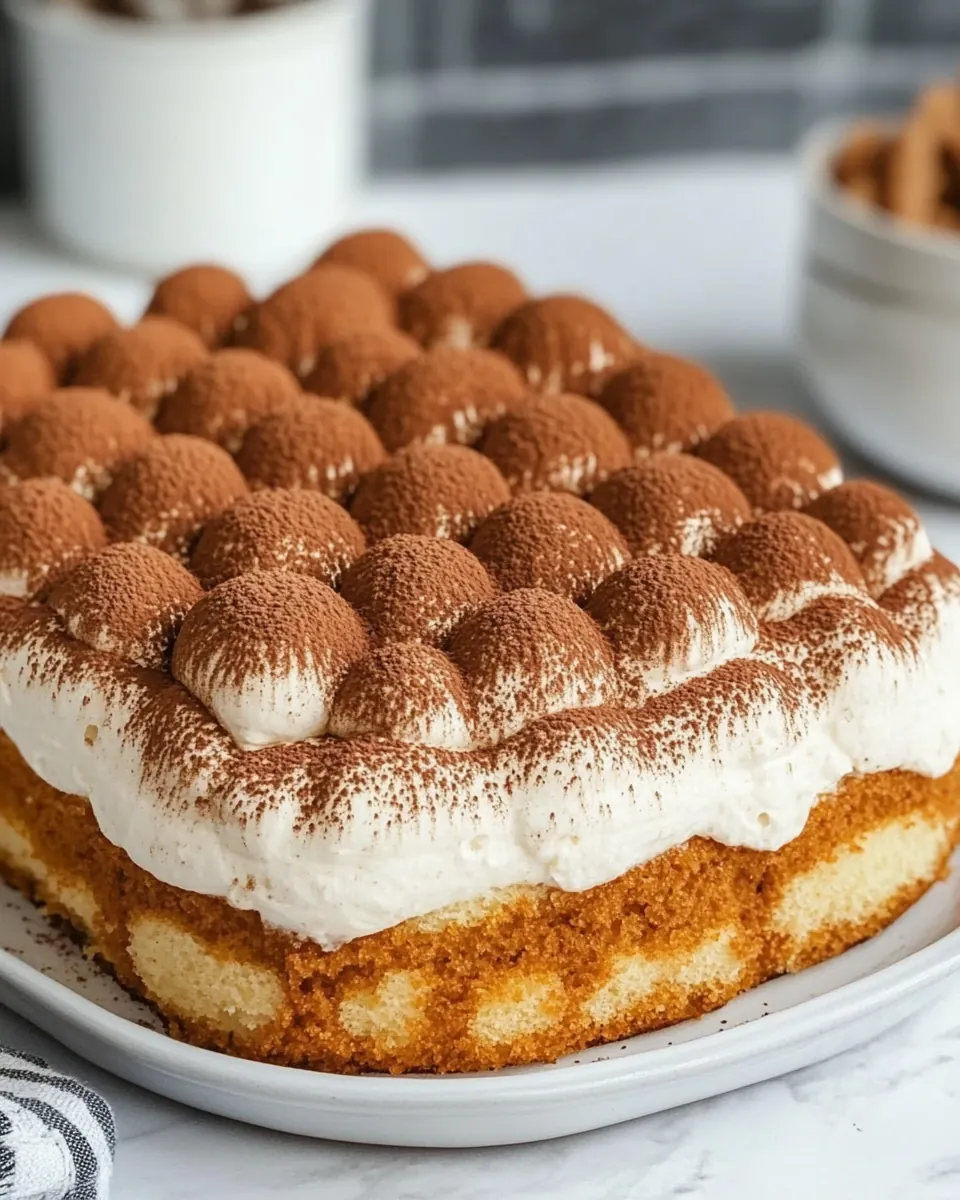
This ingredient list is designed to create a cake that is rich yet balanced. The key players are the unsalted butter and granulated sugar for the tender crumb and lift, the eggs for structure, and the duo of melted bittersweet chocolate and instant espresso powder for that signature tiramisu flavor. Dairy elements like whole Greek yogurt, whole milk, and the Whipped Mascarpone contribute moisture and a creamy finish that complements the cocoa dusting.
- 2/3 cup (150 grams) unsalted butter, softened: Softened and creamed to incorporate air and create a tender crumb; provides fat for richness and helps emulsify the batter when combined with eggs and sugar. Ensures moistness and structure while contributing to the cake's flavor and mouthfeel.
- 1 cup (200 grams) granulated sugar: Granulated sugar creamed with butter to add sweetness and aid in leavening by trapping air; dissolves into the batter to create a fine, tender texture. Balances bitterness from espresso and chocolate while enhancing browning and moisture retention.
- 2 large eggs (100 grams), room temperature: Beaten and added for structure, moisture, and leavening; eggs contribute proteins that set during baking to stabilize the cake. Provide richness and emulsification, helping to bind ingredients and create a cohesive crumb.
- 1 teaspoon (4 grams) vanilla extract: Added for aromatic flavor and to enhance the cake's overall profile; provides subtle sweet, floral notes that complement coffee and chocolate. Blends easily into the batter and helps round out the taste.
- 1 1/4 cup (156 grams) all-purpose flour: Sifted and mixed as the primary dry component to form the cake's structure; supplies starches and proteins that set during baking. Combined with leavening agents to create a tender, yet stable crumb.
- 1 1/4 teaspoon (6.25 grams) baking powder: Combined with flour to produce lift and lightness; react with wet ingredients to create gas and help the cake rise. Carefully measured to avoid over-leavening and preserve a fine, even texture.
- 3/4 teaspoon (2.25 grams) kosher salt: Sprinkled into the dry mix to balance sweetness and enhance flavor; contributes to gluten development regulation and overall seasoning. Helps heighten other flavors while ensuring proper taste balance.
- 1/3 cup (80 grams) whole Greek yogurt, room temperature: Added for acidity, moisture, and richness; yogurt tenderizes the crumb and reacts with baking powder to contribute slight lift and tang. Keeps the cake moist and imparts a subtle creamy note.
- 1 tablespoon (15 grams) whole milk: Poured in to adjust batter consistency and add gentle richness; milk helps hydrate dry ingredients and smooth the texture. Incorporates with yogurt to ensure proper moisture balance without thinning the batter excessively.
- 1 ounce (28 grams) bittersweet chocolate, melted and cooled slightly: Melted and folded in to introduce deep chocolate flavor and a silky texture; adds complexity and slight bitterness that complements sweet and coffee notes. Cooled slightly before incorporation to prevent cooking eggs or altering batter temperature.
- 1 tablespoon (4 grams) instant espresso powder: Dissolved and incorporated to infuse a concentrated coffee flavor; instant espresso powder boosts the tiramisu character without adding liquid. Enhances aroma and pairs with mascarpone and cocoa to create classic coffee notes.
- Whipped Mascarpone (recipe follows): Prepared separately as a whipped filling component combining mascarpone, sugar, and often cream; provides rich, creamy layers typical of tiramisu cakes. Spread between cake layers to impart luxurious texture, tang, and sweetness contrast.
- Unsweetened cocoa powder, for sifting: Sifted over the finished cake to add a dry, bitter cocoa finish and classic tiramisu appearance; enhances visual appeal and balances sweetness. Applied just before serving to maintain a delicate dusting and intense chocolate aroma.
How to Assemble Tiramisu Cake
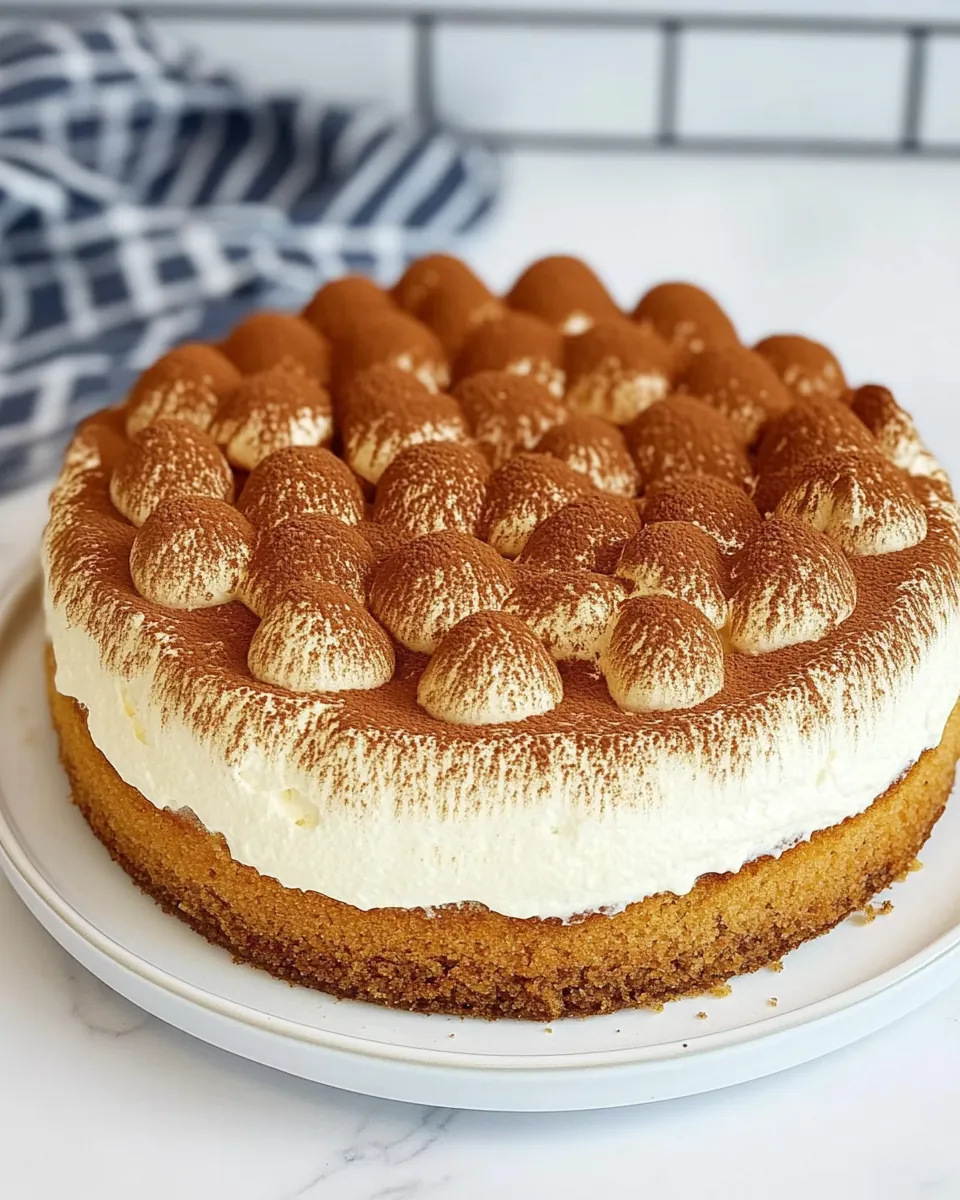
This set of steps walks you through from warming up the oven to finishing the cake with the Whipped Mascarpone. The directions are straightforward but call for attention to texture and timing so the cake bakes evenly and the swirl looks pleasing. Take your time with creaming and folding, and watch for the visual cues described in each step.
- Preheat oven to 350°F (180°C).: The kitchen will fill with a warm, faintly sweet scent as the oven reaches temperature, signaling the start of the baking rhythm. Preheating ensures an even rise and proper bake from the first minute, so do not skip this, and avoid opening the door while it warms. A common error is placing batter into an oven that is still cold, which can yield uneven texture and poor lift.
- In the bowl of a stand mixer fitted with the paddle attachment, beat butter and sugar at medium speed until fluffy, 3 to 4 minutes, stopping to scrape sides of bowl. Add eggs, one at a time, beating well after each addition. Beat in vanilla.: You will notice the unsalted butter and granulated sugar transform from glossy to pale and aerated, a sign that air has been incorporated to create lift. The sound changes from a low churn to a lighter, airy whir as bubbles form. Adding the eggs slowly keeps the emulsion stable and prevents curdling. If the mixture looks separated after an egg, pause and scrape the bowl, then continue; rushing is the usual mistake here.
- In a medium bowl, whisk together flour, baking powder, and salt. In a small bowl, whisk together yogurt and milk until combined. With mixer on low speed, add flour mixture to butter mixture in three additions alternately with yogurt mixture, beginning and ending with flour mixture, beating just until combined after each addition.: The dry all-purpose flour blend should be light and lump free, and the small bowl of whole Greek yogurt with whole milk will be silky. Alternating additions keeps the batter smooth and prevents overworking gluten, preserving tenderness. You will see the batter go from glossy to slightly thicker; stop mixing as soon as streaks of flour disappear. Overmixing at this stage creates a tougher crumb, so resist the urge to keep stirring.
- In another medium bowl, whisk together melted chocolate and espresso powder until espresso fully dissolves. Stir in half of batter.: As you combine the warm, melted bittersweet chocolate with the instant espresso powder , a rich aroma of coffee and cocoa will rise, evoking that tiramisu character. Stirring this into half the batter creates the marbled effect and pockets of intense flavor. Ensure the chocolate is only slightly warm to avoid loosening the batter too much. A potential pitfall is adding hot chocolate directly, which can collapse the incorporated air.
- Spray a 6-cup charlotte cake pan with baking spray with flour. Spoon plain and chocolate batters in an alternating pattern into prepared pan. Firmly tap pan on a kitchen towel-lined counter to settle batter. Using a wooden pick or skewer, swirl batters together.: The prepared pan will feel cool to the touch, and as you spoon alternating dollops of plain and chocolate batter, the contrast is visually appealing. Tapping the pan releases trapped air pockets and helps the batter level. Swirling with a skewer should create loose marbling rather than intricate knots, which gives varied bites. Avoid over swirling which blends the batters into a uniform color and loses the desired contrast.
- Bake until a wooden pick inserted in center comes out clean, 25 to 30 minutes. Let cool in pan for 10 minutes. Invert cake onto a wire rack, and let cool completely.: While baking you will notice the edges pulling slightly from the pan and the top turning golden; that is your signal the interior is setting. The center should spring back gently to the touch. Cooling in the pan for 10 minutes stabilizes the structure, then inverting onto a wire rack helps moisture escape so the bottom does not become soggy. Cutting the cake while too warm is the frequent misstep, leading to a crumbly slice, so be patient.
- Just before serving, spread Whipped Mascarpone onto cooled cake, and sift cocoa on top. Refrigerate in an airtight container for up to 3 days.: The final touch is the airy Whipped Mascarpone , which when spread creates a cool, creamy contrast to the warm chocolate aroma already present. Sifting the unsweetened cocoa powder over the top adds a dry, slightly bitter note that balances richness. Chilling melds flavors and firms the topping, but leaving it out too long can make the mascarpone weep, so keep it refrigerated until serving. A common error is spreading mascarpone on a warm cake which causes sliding and imbalance in texture.
Recipe Tips about Tiramisu Cake
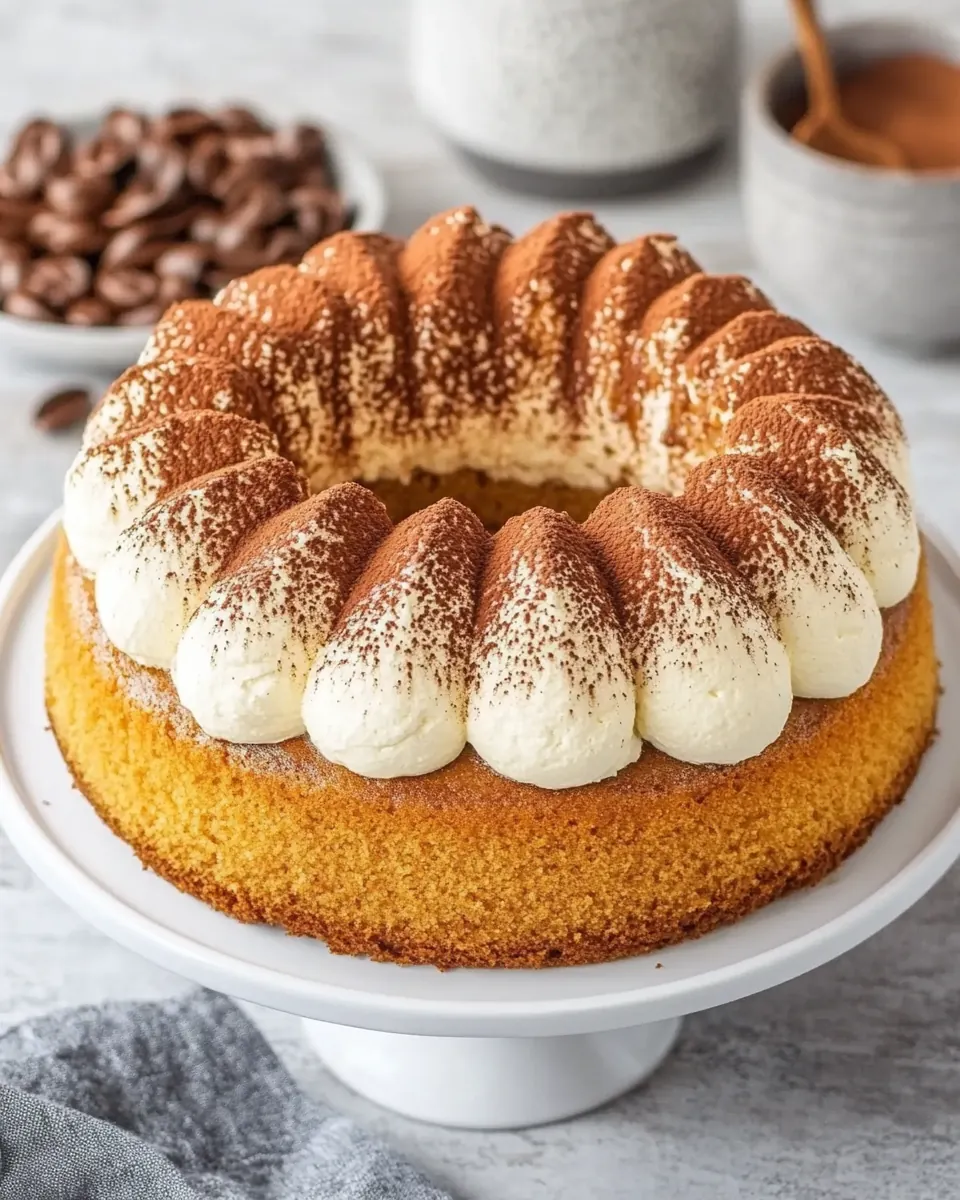
I like sharing practical tips that make the baking experience smoother and more rewarding. Below are focused tips that cover timing, texture, and finishing so you can produce a reliable cake each time. I recommend reading them before you begin to avoid common snags.
- Bring ingredients to room temperature before you start, this helps the batter emulsify and creates a silky, even texture in the finished cake.
- Measure flour by weight when possible to avoid a dry cake; spoon and level if using cups to prevent packing too much flour into the measure.
- Whisk dry ingredients well to ensure even distribution of the baking powder and salt, which prevents pockets of uneven rise or salty bites.
- Temper the melted chocolate by letting it cool slightly before folding into batter to avoid loosening the structure and losing aeration.
- Tap and swirl gently when assembling the batters to remove large air pockets and create attractive marbling without overblending.
- Chill before slicing if you prefer cleaner slices; refrigeration firms the crumb and keeps the Whipped Mascarpone stable for slicing.
What to Serve Alongside Tiramisu Cake
This cake pairs beautifully with light accompaniments that echo its coffee and creamy notes. I often serve it with a simple cup of espresso or a lightly sweetened whipped cream. For celebrations, fresh fruit or a small scoop of gelato gives a refreshing counterpoint. Storage and serving suggestions below will help you plan for different occasions.
- Espresso or coffee, served hot, intensifies the tiramisu experience and complements the cake’s espresso infused chocolate notes.
- Fresh berries like raspberries or strawberries provide a bright, acidic contrast that cuts the richness of the Whipped Mascarpone, making slices feel lighter.
- Vanilla or coffee gelato adds a cool, creamy element and makes the dessert feel indulgent for special occasions such as birthdays.
- Small dessert plates and forks, presentation matters, and a neatly sliced piece dusted with cocoa looks elegant on a simple plate for afternoon gatherings.
- Make ahead and store in an airtight container in the refrigerator for up to three days; bring to room temperature briefly before serving for best texture.
- Occasions like casual dinners, holidays, or Ramadan evenings when you want a sweet finish that is comforting yet refined are perfect for this cake.
FAQ
Conclusion
This Tiramisu Cake stands out because it marries the comforting familiarity of a classic cake with the coffee forward elegance of tiramisu. Give it a try when you want a dessert that feels special without needing fancy equipment, and enjoy the layered flavors of chocolate, espresso, and creamy mascarpone. I hope you find it becomes a go to for gatherings and quiet nights alike, and that the aromas and textures bring a bit of warmth to your table.
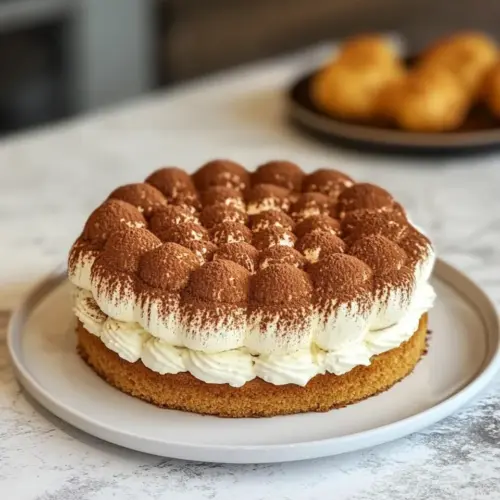
Tiramisu Cake
Equipment
- Stand mixer
- Paddle attachment
- Medium Bowl
- Small Bowl
- 6 cup charlotte cake pan
- Wire Rack
- Wooden pick or skewer
Ingredients
- 2/3 cup (150 grams) unsalted butter, softened Softened and creamed to incorporate air and create a tender crumb; provides fat for richness and helps emulsify the batter when combined with eggs and sugar. Ensures moistness and structure while contributing to the cake's flavor and mouthfeel.
- 1 cup (200 grams) granulated sugar Granulated sugar creamed with butter to add sweetness and aid in leavening by trapping air; dissolves into the batter to create a fine, tender texture. Balances bitterness from espresso and chocolate while enhancing browning and moisture retention.
- 2 large eggs (100 grams), room temperature Beaten and added for structure, moisture, and leavening; eggs contribute proteins that set during baking to stabilize the cake. Provide richness and emulsification, helping to bind ingredients and create a cohesive crumb.
- 1 teaspoon (4 grams) vanilla extract Added for aromatic flavor and to enhance the cake's overall profile; provides subtle sweet, floral notes that complement coffee and chocolate. Blends easily into the batter and helps round out the taste.
- 1 1/4 cup (156 grams) all-purpose flour Sifted and mixed as the primary dry component to form the cake's structure; supplies starches and proteins that set during baking. Combined with leavening agents to create a tender, yet stable crumb.
- 1 1/4 teaspoon (6.25 grams) baking powder Combined with flour to produce lift and lightness; react with wet ingredients to create gas and help the cake rise. Carefully measured to avoid over-leavening and preserve a fine, even texture.
- 3/4 teaspoon (2.25 grams) kosher salt Sprinkled into the dry mix to balance sweetness and enhance flavor; contributes to gluten development regulation and overall seasoning. Helps heighten other flavors while ensuring proper taste balance.
- 1/3 cup (80 grams) whole Greek yogurt, room temperature Added for acidity, moisture, and richness; yogurt tenderizes the crumb and reacts with baking powder to contribute slight lift and tang. Keeps the cake moist and imparts a subtle creamy note.
- 1 tablespoon (15 grams) whole milk Poured in to adjust batter consistency and add gentle richness; milk helps hydrate dry ingredients and smooth the texture. Incorporates with yogurt to ensure proper moisture balance without thinning the batter excessively.
- 1 ounce (28 grams) bittersweet chocolate, melted and cooled slightly Melted and folded in to introduce deep chocolate flavor and a silky texture; adds complexity and slight bitterness that complements sweet and coffee notes. Cooled slightly before incorporation to prevent cooking eggs or altering batter temperature.
- 1 tablespoon (4 grams) instant espresso powder Dissolved and incorporated to infuse a concentrated coffee flavor; instant espresso powder boosts the tiramisu character without adding liquid. Enhances aroma and pairs with mascarpone and cocoa to create classic coffee notes.
- Whipped Mascarpone (recipe follows) Prepared separately as a whipped filling component combining mascarpone, sugar, and often cream; provides rich, creamy layers typical of tiramisu cakes. Spread between cake layers to impart luxurious texture, tang, and sweetness contrast.
- Unsweetened cocoa powder, for sifting Sifted over the finished cake to add a dry, bitter cocoa finish and classic tiramisu appearance; enhances visual appeal and balances sweetness. Applied just before serving to maintain a delicate dusting and intense chocolate aroma.
Instructions
- Preheat oven to 350°F (180°C).: The kitchen will fill with a warm, faintly sweet scent as the oven reaches temperature, signaling the start of the baking rhythm. Preheating ensures an even rise and proper bake from the first minute, so do not skip this, and avoid opening the door while it warms. A common error is placing batter into an oven that is still cold, which can yield uneven texture and poor lift.
- In the bowl of a stand mixer fitted with the paddle attachment, beat butter and sugar at medium speed until fluffy, 3 to 4 minutes, stopping to scrape sides of bowl. Add eggs, one at a time, beating well after each addition. Beat in vanilla.: You will notice the unsalted butter and granulated sugar transform from glossy to pale and aerated, a sign that air has been incorporated to create lift. The sound changes from a low churn to a lighter, airy whir as bubbles form. Adding the eggs slowly keeps the emulsion stable and prevents curdling. If the mixture looks separated after an egg, pause and scrape the bowl, then continue; rushing is the usual mistake here.
- In a medium bowl, whisk together flour, baking powder, and salt. In a small bowl, whisk together yogurt and milk until combined. With mixer on low speed, add flour mixture to butter mixture in three additions alternately with yogurt mixture, beginning and ending with flour mixture, beating just until combined after each addition.: The dry all-purpose flour blend should be light and lump free, and the small bowl of whole Greek yogurt with whole milk will be silky. Alternating additions keeps the batter smooth and prevents overworking gluten, preserving tenderness. You will see the batter go from glossy to slightly thicker; stop mixing as soon as streaks of flour disappear. Overmixing at this stage creates a tougher crumb, so resist the urge to keep stirring.
- In another medium bowl, whisk together melted chocolate and espresso powder until espresso fully dissolves. Stir in half of batter.: As you combine the warm, melted bittersweet chocolate with the instant espresso powder , a rich aroma of coffee and cocoa will rise, evoking that tiramisu character. Stirring this into half the batter creates the marbled effect and pockets of intense flavor. Ensure the chocolate is only slightly warm to avoid loosening the batter too much. A potential pitfall is adding hot chocolate directly, which can collapse the incorporated air.
- Spray a 6-cup charlotte cake pan with baking spray with flour. Spoon plain and chocolate batters in an alternating pattern into prepared pan. Firmly tap pan on a kitchen towel-lined counter to settle batter. Using a wooden pick or skewer, swirl batters together.: The prepared pan will feel cool to the touch, and as you spoon alternating dollops of plain and chocolate batter, the contrast is visually appealing. Tapping the pan releases trapped air pockets and helps the batter level. Swirling with a skewer should create loose marbling rather than intricate knots, which gives varied bites. Avoid over swirling which blends the batters into a uniform color and loses the desired contrast.
- Bake until a wooden pick inserted in center comes out clean, 25 to 30 minutes. Let cool in pan for 10 minutes. Invert cake onto a wire rack, and let cool completely.: While baking you will notice the edges pulling slightly from the pan and the top turning golden; that is your signal the interior is setting. The center should spring back gently to the touch. Cooling in the pan for 10 minutes stabilizes the structure, then inverting onto a wire rack helps moisture escape so the bottom does not become soggy. Cutting the cake while too warm is the frequent misstep, leading to a crumbly slice, so be patient.
- Just before serving, spread Whipped Mascarpone onto cooled cake, and sift cocoa on top. Refrigerate in an airtight container for up to 3 days.: The final touch is the airy Whipped Mascarpone , which when spread creates a cool, creamy contrast to the warm chocolate aroma already present. Sifting the unsweetened cocoa powder over the top adds a dry, slightly bitter note that balances richness. Chilling melds flavors and firms the topping, but leaving it out too long can make the mascarpone weep, so keep it refrigerated until serving. A common error is spreading mascarpone on a warm cake which causes sliding and imbalance in texture.
Notes
- Bring ingredients to room temperature before you start, this helps the batter emulsify and creates a silky, even texture in the finished cake.
- Measure flour by weight when possible to avoid a dry cake; spoon and level if using cups to prevent packing too much flour into the measure.
- Whisk dry ingredients well to ensure even distribution of the baking powder and salt, which prevents pockets of uneven rise or salty bites.
- Temper the melted chocolate by letting it cool slightly before folding into batter to avoid loosening the structure and losing aeration.
- Tap and swirl gently when assembling the batters to remove large air pockets and create attractive marbling without overblending.
- Chill before slicing if you prefer cleaner slices; refrigeration firms the crumb and keeps the Whipped Mascarpone stable for slicing.