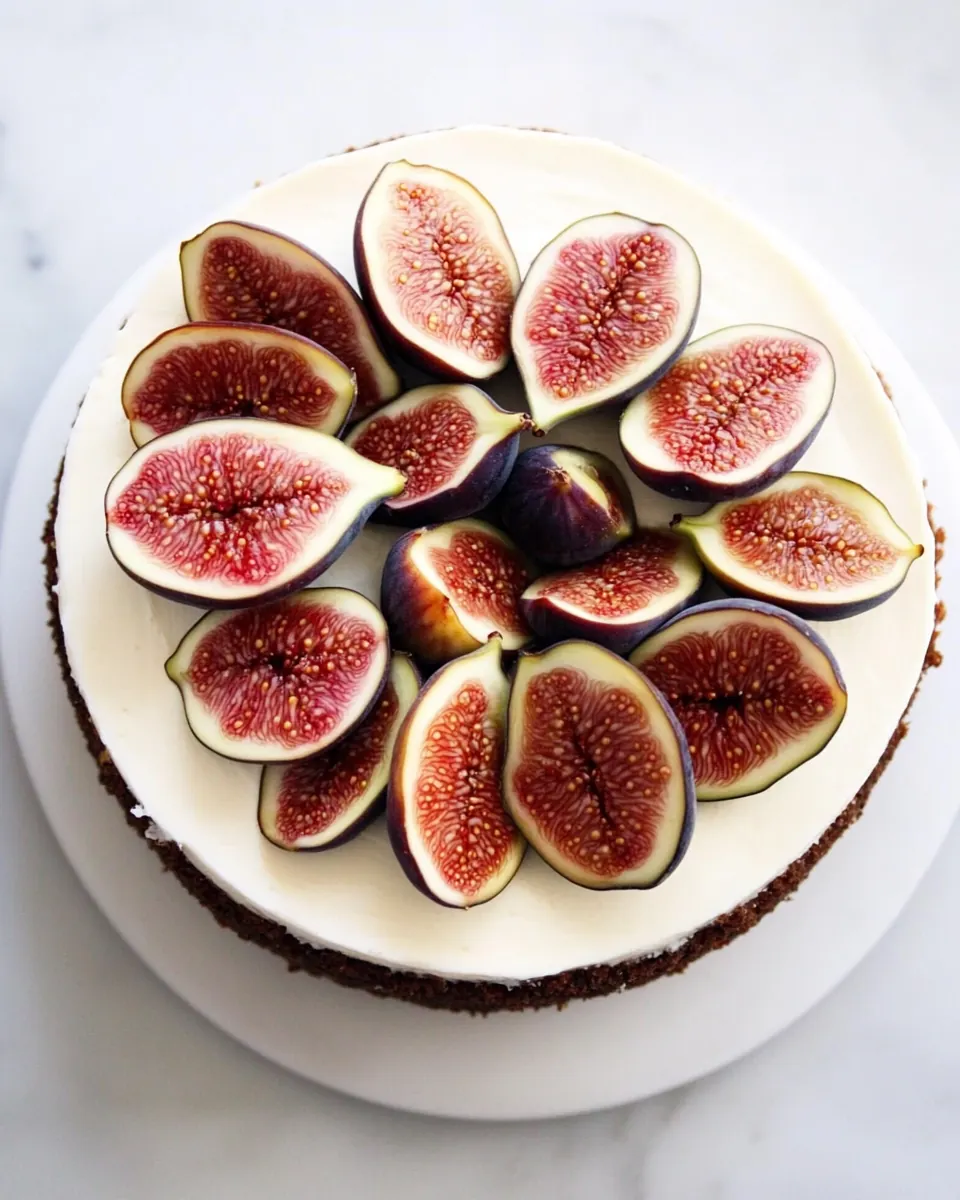
Gluten Free Cheesecake with Fresh Figs and Honey
Gluten Free Cheesecake with Fresh Figs and Honey started as a late autumn experiment for me, when crates of figs showed up at the farmers market and I wanted a dessert that felt both elegant and approachable.
I remember carrying those figs home, hands sticky with their sweet scent, and thinking about a creamy cake that would let their flavor shine. I wanted something that would hold up on a chilly evening, that would invite conversation without fuss. Over a few tries I learned which textures worked best with those soft fruit notes, and how a simple drizzle of honey could lift the whole experience.
What makes this version special is how the textures play together: a crisp base, a silky cream cheese filling, and tender fresh figs on top. I love serving it after a relaxed dinner, watching people slice through the layers and pause for that first taste. It feels seasonal, but not fussy, and it’s one of those recipes I reach for when I want to impress without overcomplicating the evening.
Recipe Snapshot
16 mins
15 mins
1 mins
Easy
350 kcal
American
Gluten-Free, Low FODMAP
Desserts
Mixing bowl, 9 inch springform pan, Small bowl, Strainer
Why This Gluten Free Cheesecake with Fresh Figs and Honey Hits Different
Balanced textures that sing together
I love how the crunchy base and the velvety filling create a contrast that makes every forkful interesting. The base gives structure, while the filling stays luxuriously smooth. That textural interplay is why this dessert feels refined, without any complicated technique.
Bright seasonal flavor from fresh figs
Figs bring a gentle sweetness and a touch of earthiness that pairs beautifully with the tang of cream cheese. When you use ripe fruit, the flavor is concentrated and adds character without needing extra sugar.
Simple ingredient list, maximum impact
I appreciate recipes that use a handful of thoughtful ingredients to create something memorable. The combination of mascarpone cheese, cream, and honey creates richness and nuance. Each element earns its place, and you can taste the care in each bite.
Make ahead friendly for easy entertaining
This cheesecake benefits from resting time in the refrigerator, which means you can make it a day ahead and relax on the day you serve it. I often assemble it early, then let the flavors settle so the texture is perfect when guests arrive.
Gluten free without compromise
I know how hard it can be to find desserts that satisfy both gluten free needs and flavor expectations. By using crushed gluten free cookies for the crust and keeping the rest classic, this cake delivers the familiar cheesecake experience for anyone avoiding gluten.
What to Gather for Gluten Free Cheesecake with Fresh Figs and Honey
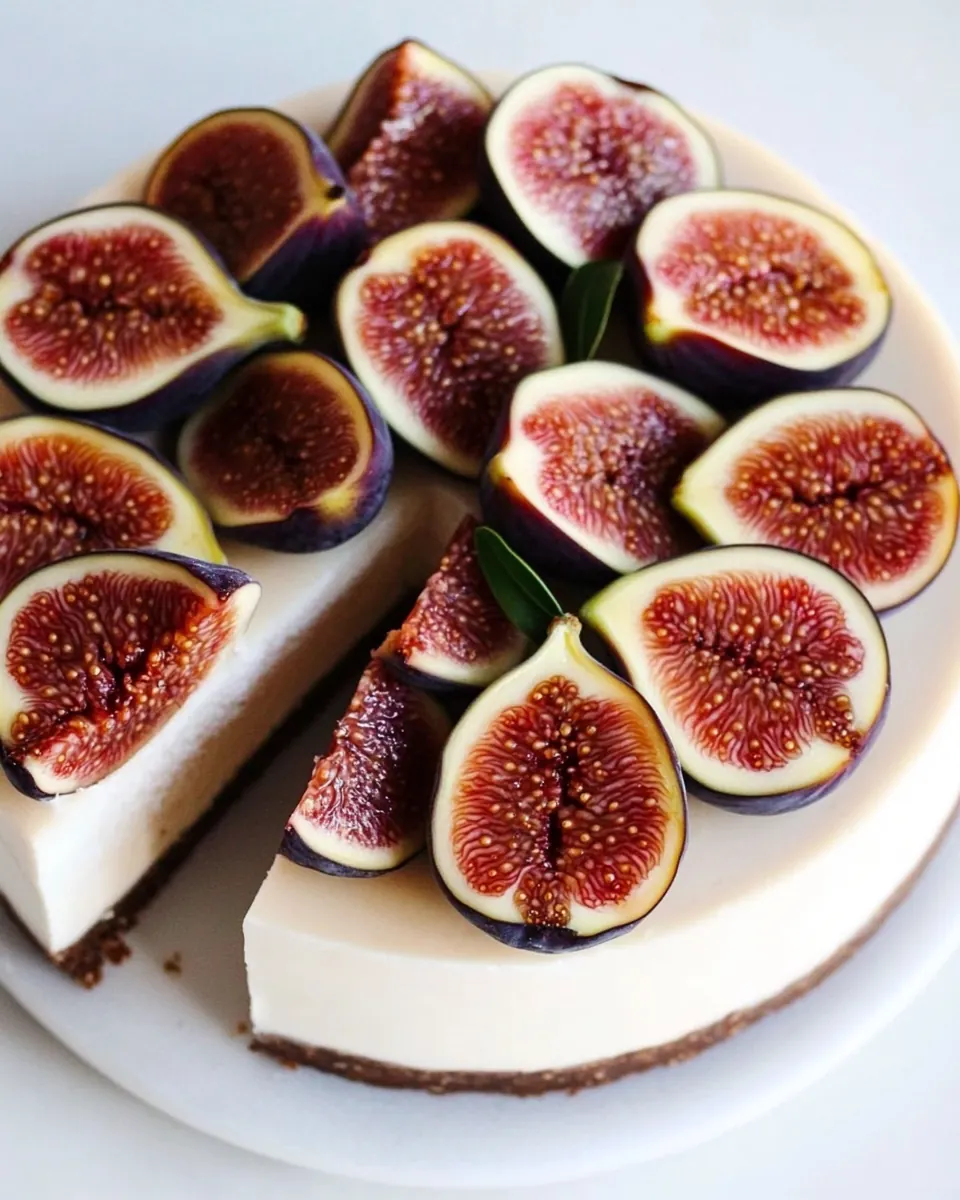
These ingredients are chosen to create harmony between texture and flavor. The crust provides a crunchy foundation, the cheeses and cream give a lush mouthfeel, and the fresh figs and honey add seasonal brightness. Each component plays a key role, and together they make a cheesecake that feels both indulgent and balanced.
- 6 ounces crushed gluten-free cookies (150 gr): Provide a crunchy, gluten–free base by offering texture and structure when pressed into the pan; combine with melted butter to form a cohesive crust that supports the cheesecake filling and contrasts with the creamy layers.
- 4 ounces mascarpone cheese (125 gr): Add a rich, silky layer by contributing smooth, slightly tangy flavors; fold into the filling for extra creaminess and to enhance mouthfeel without overpowering the cream cheese base.
- 3 tablespoons butter (40 gr) melted: Melt to bind the crushed cookies and create a stable, sliceable crust; contributes a subtle buttery flavor and helps the crust hold its shape when chilled and sliced.
- 1 pounds of cream cheese (500 gr) at room temperature: Create the primary creamy structure of the cheesecake by supplying body, richness, and tang; beat until smooth at room temperature to ensure a lump-free, velvety filling that sets properly.
- sugar (125 gr): Sweeten and balance the tang of the cheeses by providing bulk sweetness and tenderness to the filling; dissolve thoroughly for even sweetness and to improve texture of the final cake.
- 6 ounces cream (200 ml): Enrich the filling with additional fat and creaminess while adding a silky mouthfeel; whip or gently fold in to achieve a lighter, luxurious consistency in the cheesecake mixture.
- 2 ounces mascarpone cheese (50 gr): Enhance depth and creaminess as a concentrated layer of mascarpone to intensify richness; incorporate carefully to maintain smooth texture and subtle dairy complexity.
- 1 tablespoon of gelatin (4 sheets): Stabilize and set the cheesecake by dissolving and blooming before adding to the warm cream/cheese mixture; ensure a firm but smooth set so slices hold their shape without being rubbery.
- 8 fresh figs halved: Offer fresh, juicy fruitiness and decorative appeal by halving and arranging on top; provide a tender, slightly floral counterpoint to the rich, creamy cheesecake and honey drizzle.
- 1/4 cup organic honey: Drizzle for natural sweetness and glossy finish while complementing the figs; use sparingly to add floral sweetness and an attractive sheen that enhances flavor without overwhelming the dessert.
Putting Together Gluten Free Cheesecake with Fresh Figs and Honey
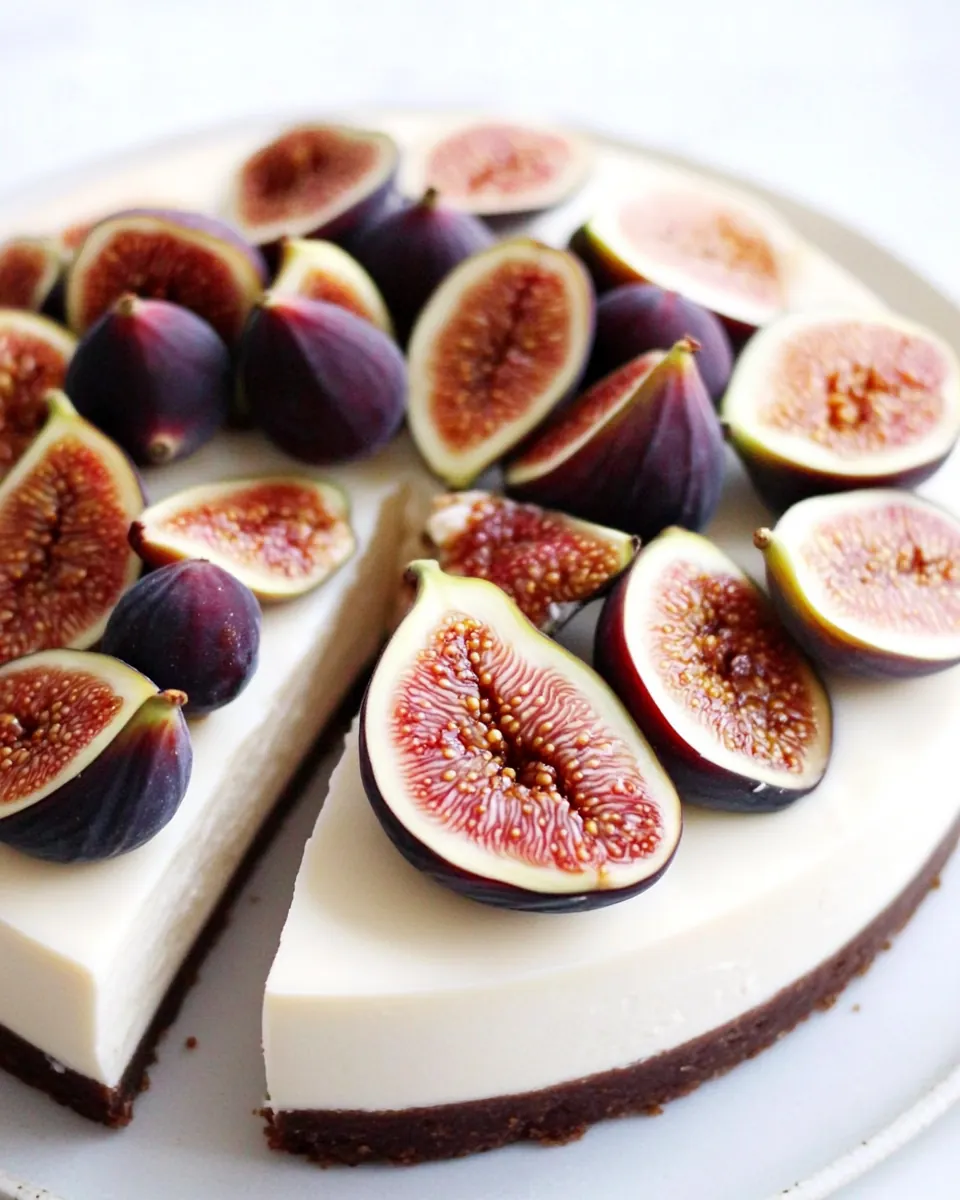
Bringing this cheesecake to life is a gentle, patient process that rewards careful attention. I like to move methodically, tasting and observing textures as I go, because that is how you get a reliably smooth filling and a stable set. Below I’ve expanded each original direction into in depth steps so you can follow along with confidence.
- In a medium mixing bowl combine the crushed cookies, mascarpone and butter. Mix them until a dough comes together. Press the cookie mixture into the bottom of 9-inch springform pan.: When you mix these ingredients you'll notice the crushed gluten free cookies absorb the warm butter and become cohesive, with a faint toasty aroma rising from the bowl. Use the back of a spoon or your fingers to press the mixture evenly and firmly across the base of the pan, feeling for an even thickness so the cheesecake will slice neatly. The reason this matters is that a compact crust provides structural support for the soft filling, and an uneven base can lead to crumbling when you cut it. A common mistake is pressing too lightly, which leaves a brittle crust, or overworking the crumbs until they become overly dense. If the mixture seems dry, a teaspoon of melted butter at a time will help bind it. After pressing, run your hand across the base to check for hollow spots, and set the pan aside in the fridge to firm while you make the filling.
- In another mixing bowl, beat the cream cheese until smooth. Add the sugar, cream and mascarpone and gently stir together.: As you beat the room temperature cream cheese , watch it transform from slightly lumpy to velvety and free of streaks; this visual cue is crucial to avoid a grainy filling. When you incorporate the sugar , the mixture will become slightly glossy, and folding in the cream and mascarpone cheese should produce a voluptuous, silky consistency. The cream contributes air and tenderness, while the second portion of mascarpone cheese deepens the mouthfeel. Take your time to scrape the bowl so nothing clings to the sides, and stop mixing as soon as everything is uniform to prevent incorporating too much air, which can cause cracking. A frequent error is using cold cream cheese , which resists smoothing and yields lumps; always bring it to room temperature first.
- In a small bowl cover the gelatin with just enough boiling water to cover. Add it to the cheese mixture.: When you pour boiling water over the gelatin , it will bloom and melt, releasing a faint, neutral steam. Stir until it is completely dissolved and the liquid is clear before adding it to the filling, because undissolved granules will create grainy pockets. Adding dissolved gelatin distributes a delicate set so the cheesecake holds its shape yet remains tender. Stir the dissolved gelatin into the cheese mixture in a slow, steady stream while mixing gently, which helps it incorporate evenly without forming strings. One common pitfall is letting the gelatin sit too long before using, causing it to gel in the bowl; use it promptly. Also avoid pouring scalding water directly into the cheese; cool the gelatin slightly so it blends smoothly without cooking the dairy.
- Pour the cheese mixture on top of the base through a strainer and refrigerate it for at least 4 hours.: Straining the filling as you pour catches any small lumps and ensures a satin finish, the kind that makes each slice look professionally made. As the chilled filling meets the firm crust you will see it level out, and over the next hours the aroma will mellow into a rich, creamy perfume. Refrigeration allows the gelatin to set gradually, which keeps the texture tender rather than rubbery. A four hour chill is the minimum, but overnight is often better if you have the time. Avoid the mistake of rushing this step by placing the cheesecake in the freezer to speed set, which can cause condensation and a less appealing texture. Instead, cover loosely and let it rest undisturbed so the filling firms evenly from center to edge.
- Arrange the raw figs on top and drizzle with the honey.: When you arrange the halved fresh figs , space them so each slice shows a cross section of the fruit, creating a pretty mosaic that invites the first bite. The figs soften slightly against the cool filling, releasing a delicate sweetness and fragrance. A drizzle of honey adds shine and a floral note that ties everything together, and you can control the sweetness by how much you use. For the best presentation, drizzle just before serving so the honey retains its glossy appearance and the figs keep their fresh texture. A common slip is adding the figs too early, which can make them weep and create a syrupy top; adding them last preserves their visual appeal and texture.
Variations to Try
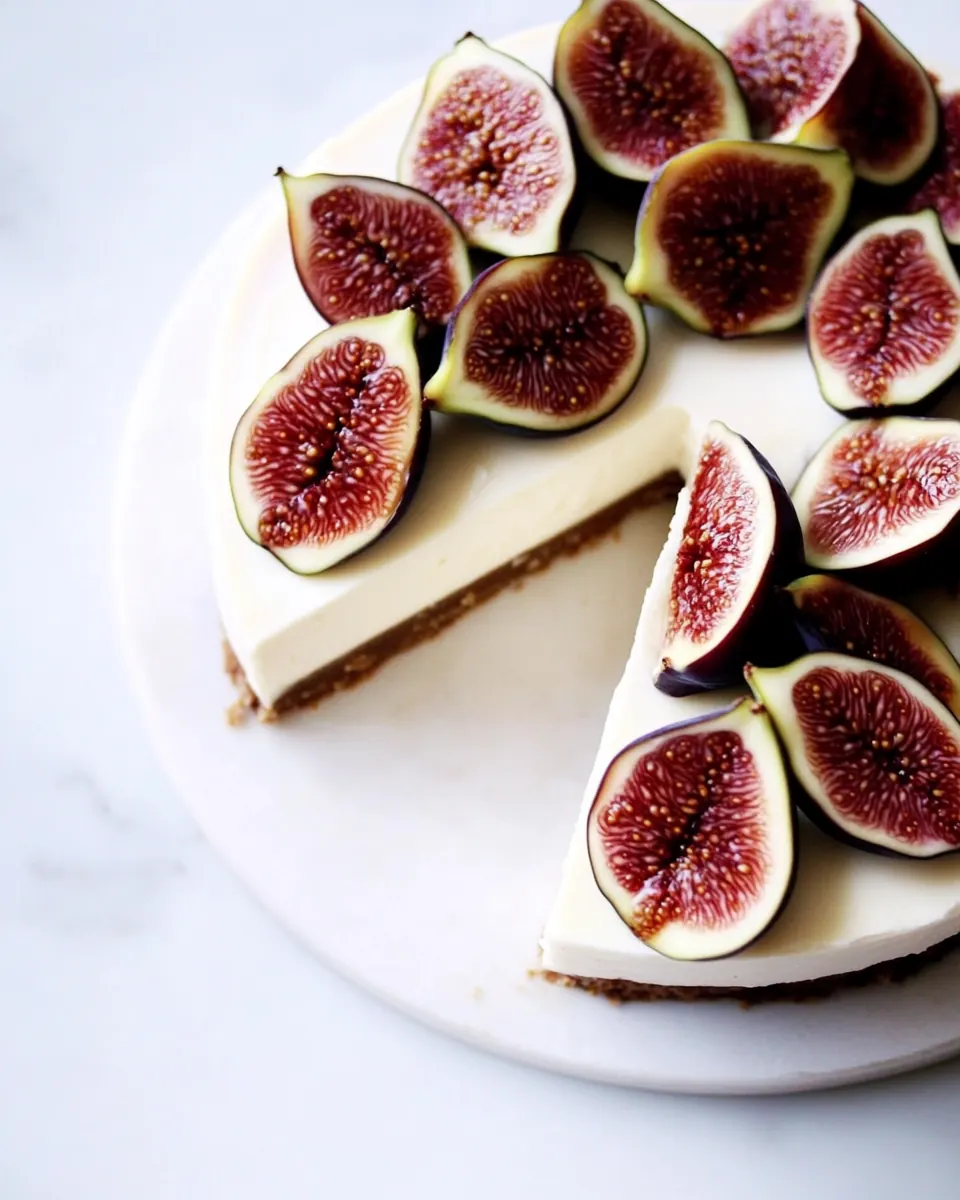
There are a few easy ways to tweak this cheesecake while keeping the main idea intact. Below are variations that honor the original balance of texture and flavor, each expanded so you can choose the version that suits your occasion.
- Cookie crust swap Use a different gluten free cookie to change the base profile, such as a nutty or spiced variety, which will subtly alter the crust aroma and complement the figs.
- Mascarpone emphasis Increase the proportion of mascarpone cheese for a silkier, more luxurious filling, ideal when you want extra richness without adding more sugar.
- Honey finish variations Try different floral honeys for the drizzle, each brings a unique aromatic note that pairs differently with the fresh figs.
- Presentation choices Arrange the fresh figs in concentric circles or a simple scatter to fit your table style, both look beautiful and change the serving experience.
- Chill time adjustments If you are short on time, refrigerate longer at the start and allow a gentle room rest before serving so the texture is ideal for slicing.
Great Combinations for Gluten Free Cheesecake with Fresh Figs and Honey
This cheesecake pairs well with light accompaniments and special occasions. Below are serving ideas, storage tips, and pairing notes to help you plan a menu or adapt the dessert for different seasons.
- Light tea or coffee Serve slices with a mild brewed tea or a small cup of coffee to complement the creamy texture without overpowering the figs.
- Brunch centerpiece This cake works beautifully for a late morning gathering, alongside simple fruit plates and small pastries for a relaxed, elegant spread.
- Seasonal dinner finale Present it at a fall dinner when figs are in season, it feels timely and celebratory without being heavy after a full meal.
- Storage advice Store covered in the refrigerator for up to three days, and if you need longer, freeze slices wrapped tightly and thaw slowly in the fridge to preserve texture.
- Holiday hosting Use it as a refined dessert for intimate holiday dinners, its balance of sweet and tangy makes it crowd friendly for varied palates.
- Serving temperature Serve slightly chilled for best texture, allow slices to sit five to ten minutes at room temperature so flavors open up before presenting.
- Plating suggestion Add a few extra halved fresh figs and a light final drizzle of honey at the table to heighten the presentation and aroma.
FAQ
Conclusion
This cheesecake stands out because it balances a crisp gluten free crust with a luxuriously smooth filling, finished with seasonal figs and honey for brightness. It’s a dessert that feels elegant yet approachable, perfect for both weekday celebrations and special dinners. Give it a try when figs are in season, or whenever you want a dessert that looks impressive with minimal fuss. I hope it becomes one of those recipes you reach for when you want to create a memorable finish to a meal.
Gluten Free Cheesecake with Fresh Figs and Honey
Equipment
- Mixing Bowl
- 9-inch Springform Pan
- Small Bowl
- Strainer
Ingredients
- 6 ounces crushed gluten-free cookies (150 gr) Provide a crunchy, gluten-free base by offering texture and structure when pressed into the pan; combine with melted butter to form a cohesive crust that supports the cheesecake filling and contrasts with the creamy layers.
- 4 ounces mascarpone cheese (125 gr) Add a rich, silky layer by contributing smooth, slightly tangy flavors; fold into the filling for extra creaminess and to enhance mouthfeel without overpowering the cream cheese base.
- 3 tablespoons butter (40 gr) melted Melt to bind the crushed cookies and create a stable, sliceable crust; contributes a subtle buttery flavor and helps the crust hold its shape when chilled and sliced.
- 1 pounds of cream cheese (500 gr) at room temperature Create the primary creamy structure of the cheesecake by supplying body, richness, and tang; beat until smooth at room temperature to ensure a lump-free, velvety filling that sets properly.
- sugar (125 gr) Sweeten and balance the tang of the cheeses by providing bulk sweetness and tenderness to the filling; dissolve thoroughly for even sweetness and to improve texture of the final cake.
- 6 ounces cream (200 ml) Enrich the filling with additional fat and creaminess while adding a silky mouthfeel; whip or gently fold in to achieve a lighter, luxurious consistency in the cheesecake mixture.
- 2 ounces mascarpone cheese (50 gr) Enhance depth and creaminess as a concentrated layer of mascarpone to intensify richness; incorporate carefully to maintain smooth texture and subtle dairy complexity.
- 1 tablespoon of gelatin (4 sheets) Stabilize and set the cheesecake by dissolving and blooming before adding to the warm cream/cheese mixture; ensure a firm but smooth set so slices hold their shape without being rubbery.
- 8 fresh figs halved Offer fresh, juicy fruitiness and decorative appeal by halving and arranging on top; provide a tender, slightly floral counterpoint to the rich, creamy cheesecake and honey drizzle.
- 1/4 cup organic honey Drizzle for natural sweetness and glossy finish while complementing the figs; use sparingly to add floral sweetness and an attractive sheen that enhances flavor without overwhelming the dessert.
Instructions
- In a medium mixing bowl combine the crushed cookies, mascarpone and butter. Mix them until a dough comes together. Press the cookie mixture into the bottom of 9-inch springform pan.: When you mix these ingredients you'll notice the crushed gluten free cookies absorb the warm butter and become cohesive, with a faint toasty aroma rising from the bowl. Use the back of a spoon or your fingers to press the mixture evenly and firmly across the base of the pan, feeling for an even thickness so the cheesecake will slice neatly. The reason this matters is that a compact crust provides structural support for the soft filling, and an uneven base can lead to crumbling when you cut it. A common mistake is pressing too lightly, which leaves a brittle crust, or overworking the crumbs until they become overly dense. If the mixture seems dry, a teaspoon of melted butter at a time will help bind it. After pressing, run your hand across the base to check for hollow spots, and set the pan aside in the fridge to firm while you make the filling.
- In another mixing bowl, beat the cream cheese until smooth. Add the sugar, cream and mascarpone and gently stir together.: As you beat the room temperature cream cheese , watch it transform from slightly lumpy to velvety and free of streaks; this visual cue is crucial to avoid a grainy filling. When you incorporate the sugar , the mixture will become slightly glossy, and folding in the cream and mascarpone cheese should produce a voluptuous, silky consistency. The cream contributes air and tenderness, while the second portion of mascarpone cheese deepens the mouthfeel. Take your time to scrape the bowl so nothing clings to the sides, and stop mixing as soon as everything is uniform to prevent incorporating too much air, which can cause cracking. A frequent error is using cold cream cheese , which resists smoothing and yields lumps; always bring it to room temperature first.
- In a small bowl cover the gelatin with just enough boiling water to cover. Add it to the cheese mixture.: When you pour boiling water over the gelatin , it will bloom and melt, releasing a faint, neutral steam. Stir until it is completely dissolved and the liquid is clear before adding it to the filling, because undissolved granules will create grainy pockets. Adding dissolved gelatin distributes a delicate set so the cheesecake holds its shape yet remains tender. Stir the dissolved gelatin into the cheese mixture in a slow, steady stream while mixing gently, which helps it incorporate evenly without forming strings. One common pitfall is letting the gelatin sit too long before using, causing it to gel in the bowl; use it promptly. Also avoid pouring scalding water directly into the cheese; cool the gelatin slightly so it blends smoothly without cooking the dairy.
- Pour the cheese mixture on top of the base through a strainer and refrigerate it for at least 4 hours.: Straining the filling as you pour catches any small lumps and ensures a satin finish, the kind that makes each slice look professionally made. As the chilled filling meets the firm crust you will see it level out, and over the next hours the aroma will mellow into a rich, creamy perfume. Refrigeration allows the gelatin to set gradually, which keeps the texture tender rather than rubbery. A four hour chill is the minimum, but overnight is often better if you have the time. Avoid the mistake of rushing this step by placing the cheesecake in the freezer to speed set, which can cause condensation and a less appealing texture. Instead, cover loosely and let it rest undisturbed so the filling firms evenly from center to edge.
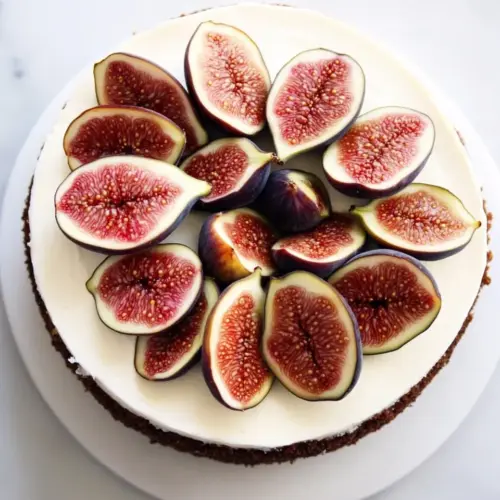
- Arrange the raw figs on top and drizzle with the honey.: When you arrange the halved fresh figs , space them so each slice shows a cross section of the fruit, creating a pretty mosaic that invites the first bite. The figs soften slightly against the cool filling, releasing a delicate sweetness and fragrance. A drizzle of honey adds shine and a floral note that ties everything together, and you can control the sweetness by how much you use. For the best presentation, drizzle just before serving so the honey retains its glossy appearance and the figs keep their fresh texture. A common slip is adding the figs too early, which can make them weep and create a syrupy top; adding them last preserves their visual appeal and texture.
Notes
- Cookie crust swap Use a different gluten free cookie to change the base profile, such as a nutty or spiced variety, which will subtly alter the crust aroma and complement the figs.
- Mascarpone emphasis Increase the proportion of mascarpone cheese for a silkier, more luxurious filling, ideal when you want extra richness without adding more sugar.
- Honey finish variations Try different floral honeys for the drizzle, each brings a unique aromatic note that pairs differently with the fresh figs.
- Presentation choices Arrange the fresh figs in concentric circles or a simple scatter to fit your table style, both look beautiful and change the serving experience.
- Chill time adjustments If you are short on time, refrigerate longer at the start and allow a gentle room rest before serving so the texture is ideal for slicing.