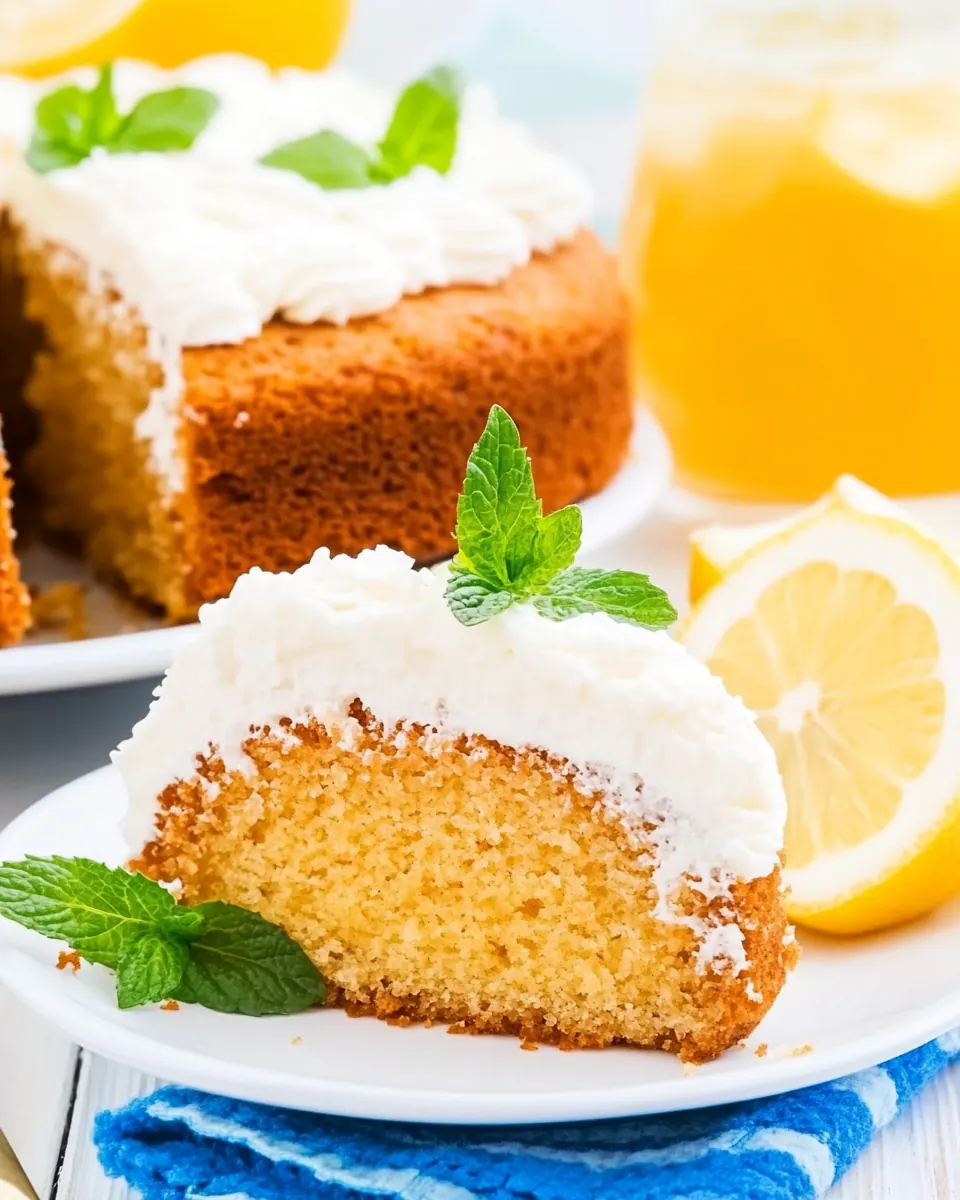
Sweet Tea and Lemonade Cake
Sweet Tea and Lemonade Cake has been one of those recipes I reach for when the day is brimming with sun and laughter, the porch light flicks on, and neighbors wander over. I first baked it the summer my aunt taught me to brew a strong pitcher of tea, then squeeze lemons until my fingers tingled. The cake felt like a handshake between two familiar drinks, comforting and a little surprising, and it quickly became the requested dessert at every backyard gathering I hosted.
That first time I served Sweet Tea and Lemonade Cake I remember the quiet before everyone dug in, the aroma of butter and lemon drifting through the kitchen, and the thin crust forming on top as it cooled. There was a hush that said this was different, then a chorus of compliments. I still think about the way the frosting balanced the slightly tannic note from the tea, and how the crumbs held together when you forked a piece. It felt personal, like a recipe that carries memories.
I keep a folded card with the original version in my recipe box, stained from drips of frosting and cellular notes about steep times and how long to beat the frosting for the fluffiest texture. Over the years I nudged the technique here and there, but the heart of Sweet Tea and Lemonade Cake never changed. It is, to me, summer in cake form, the kind of thing you bring to a picnic or set beside a tall glass of iced tea while the sun leans westward.
Recipe Snapshot
1 hr 20 mins
40 mins
40 mins
Medium
350 kcal
American
Gluten-Free, Low FODMAP
Desserts
Saucepan, 9 x 13 inch baking pan, Electric stand mixer, Offset spatula
The Best Thing About This Sweet Tea and Lemonade Cake
It balances two classic beverages in one cake
I love how this cake combines the gentle, tannic warmth of brewed tea with the bright snap of lemon. The dual profile keeps the cake from being cloying, so each bite feels layered and nuanced. When I take a forkful, the initial flavor reads citrusy, then the tea rounds it out, creating a lingering finish that invites another bite.
Textural contrast makes it interesting
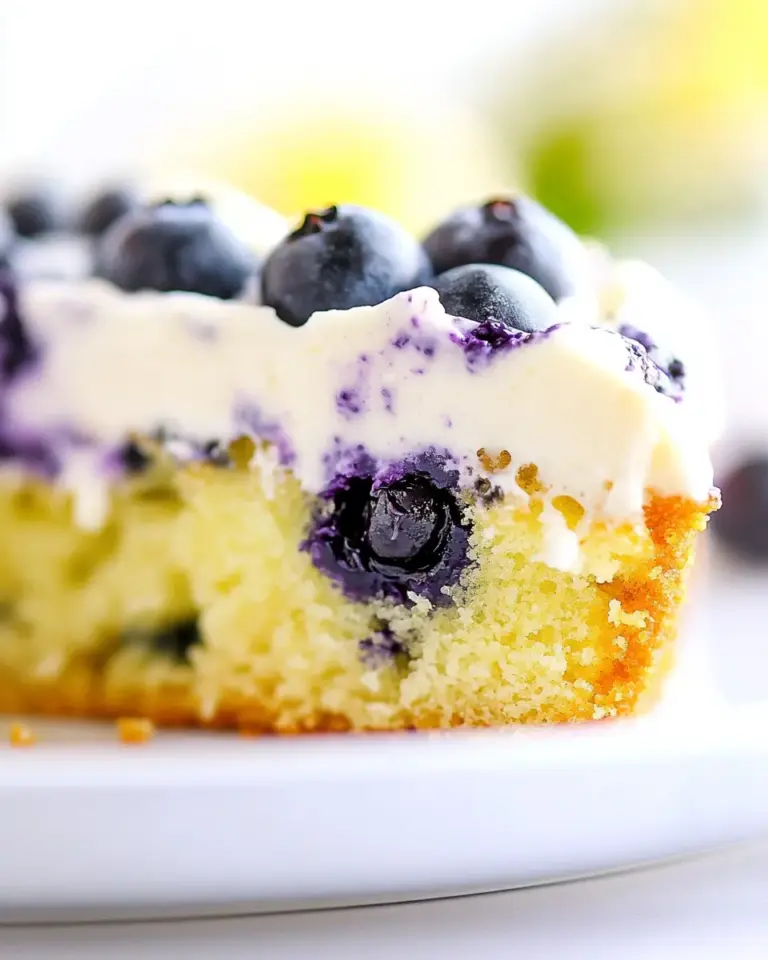
The crumb of the cake is tender yet substantial, and the cream cheese frosting adds a silky counterpoint. I find that the crumb soaks up a little of the tea during mixing, which keeps the cake moist, while the frosting gives a creamy lift. For me, texture is as persuasive as flavor, and this recipe delivers on both fronts.
It is crowd friendly and forgiving
I make Sweet Tea and Lemonade Cake for gatherings because it scales well and travels easily. The recipe tolerates slight timing shifts, and even if you overmix a touch or let it sit a little long before frosting, the results are still impressive. That forgiving nature makes it one of my go to summer crowd pleasers.
Frosting that brightens every bite
The cream cheese frosting with lemon zest and lemon juice gives the cake a lifted brightness. I love whipping it until it is light and airy, which gives a pleasant contrast to the denser cake beneath. The frosting also helps keep each slice intact, so presentation stays neat when you serve a crowd.
It evokes nostalgia while tasting modern
For me, this recipe bridges generations. The tea element nods to old fashioned southern sips, while the lemon and cream cheese frosting feel current. When friends dig in, I hear stories about their grandma’s kitchens and also get compliments about how refreshing the cake is. That interplay of memory and novelty is why I keep returning to it.
Ingredients You’ll Need for Sweet Tea and Lemonade Cake
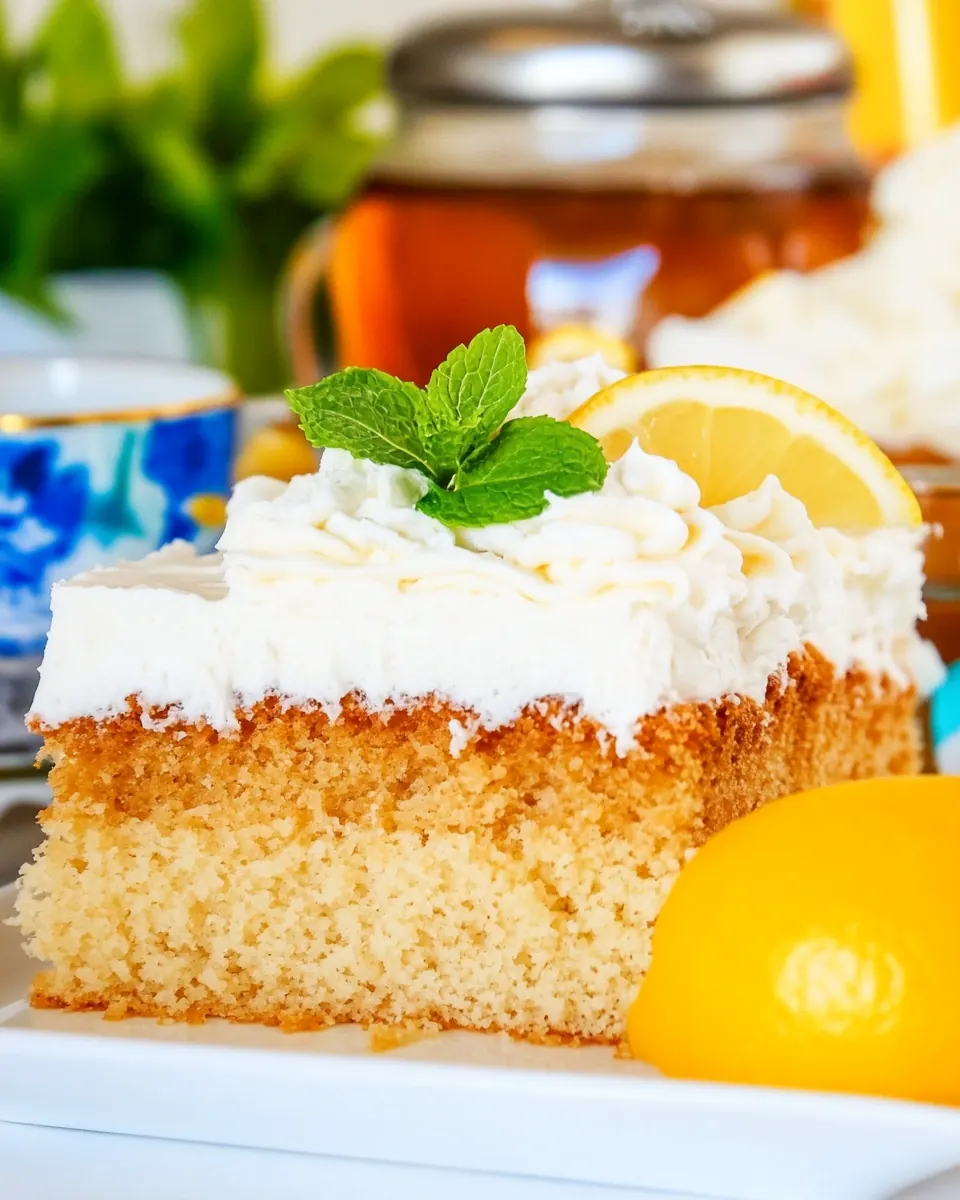
This ingredient list is a deliberate meeting of pantry staples and bright citrus. The base relies on a classic cake building block set, while found flavors like brewed tea and fresh lemon juice bring personality. I think of the key players as the structure team and the flavor team: flour, leaveners, and fats form a tender crumb, while the brewed tea and lemon elements add lift and brightness.
- 1 1/2 cups water: Provide hot infusion to extract flavor and dissolve sugars; bring to a simmer and steep tea bags to create the base liquid that gives the cake a subtle sweet-tea profile and moisture for the batter.
- 3 family-sized tea bags: Impart concentrated tea flavor and tannins; steep family–sized tea bags in the hot water until strong to contribute a distinct black tea aroma and color to the cake batter.
- 3 1/2 cups cake flour: Contribute structure and tenderness; sift cake flour and measure precisely to ensure a light, fine crumb that supports the delicate tea and lemon flavors without becoming dense.
- 2 teaspoons baking powder: Leaven the batter by releasing carbon dioxide when heated; whisk in baking powder to promote an even rise and a soft, airy texture in the baked cake layers.
- 3/4 teaspoons salt: Enhance overall flavor balance and strengthen gluten slightly; add salt to heighten sweetness and round out the tea and lemon notes while improving the batter’s taste.
- 1/4 teaspoon baking soda: Support gentle leavening and acidity balance; incorporate baking soda when acidic components are present to help achieve proper rise and neutralize excess acidity from lemon juice or brown sugar.
- 1 cup butter, softened: Provide fat for richness, tenderness, and moisture; cream softened butter with sugars to create an aerated base that contributes to the cake’s flavor, mouthfeel, and crumb structure.
- 2 cups granulated sugar: Sweeten and tenderize while aiding creaming; beat granulated sugar with butter to incorporate air for lift and to deliver the primary sweet flavor throughout the cake.
- 1/2 cup firmly packed light brown sugar: Add moist caramel notes and deepen flavor; pack light brown sugar firmly to contribute moisture, a slight chewiness, and a subtle molasses aroma that complements the tea.
- 5 large eggs, room temperature: Incorporate liquid, structure, and emulsification; beat room–temperature eggs into the batter to bind ingredients, provide lift, and emulsify fats for a consistent texture.
- 1 teaspoon vanilla extract: Infuse aromatic depth and roundness; stir vanilla extract into the batter to enhance sweetness perception and harmonize the tea and lemon flavors with warm, familiar notes.
- 1 (8-ounce) package cream cheese, softened: Give tangy creaminess and stable texture to frostings; soften cream cheese and blend into the frosting to provide acidity, richness, and a smooth mouthfeel that complements the cake.
- 1/4 cup butter, softened: Contribute additional buttery richness to the frosting; use softened butter with cream cheese to create a silky, spreadable consistency and balanced flavor in the icing.
- 5 cups powdered sugar: Sweeten and thicken the frosting while adding smoothness; sift and beat powdered sugar into the cream cheese mixture to achieve desired sweetness and a stable pipeable texture.
- 1 tablespoon lemon zest: Add bright citrus oil for aromatic lift; zest lemons finely to capture concentrated lemon flavor and fragrant oils that enhance both cake and frosting with fresh citrus notes.
- 2 tablespoons fresh lemon juice: Provide fresh acidic brightness and liquid balance; squeeze fresh lemon juice to cut richness, add tartness, and help adjust the frosting’s consistency for spreadability.
- sliced lemons for garnish (optional): Offer decorative visual appeal and optional citrus accent; slice lemons thinly for garnish to enhance presentation and provide optional bursts of fresh lemon aroma and flavor for serving.
Step by Step Guide for Sweet Tea and Lemonade Cake
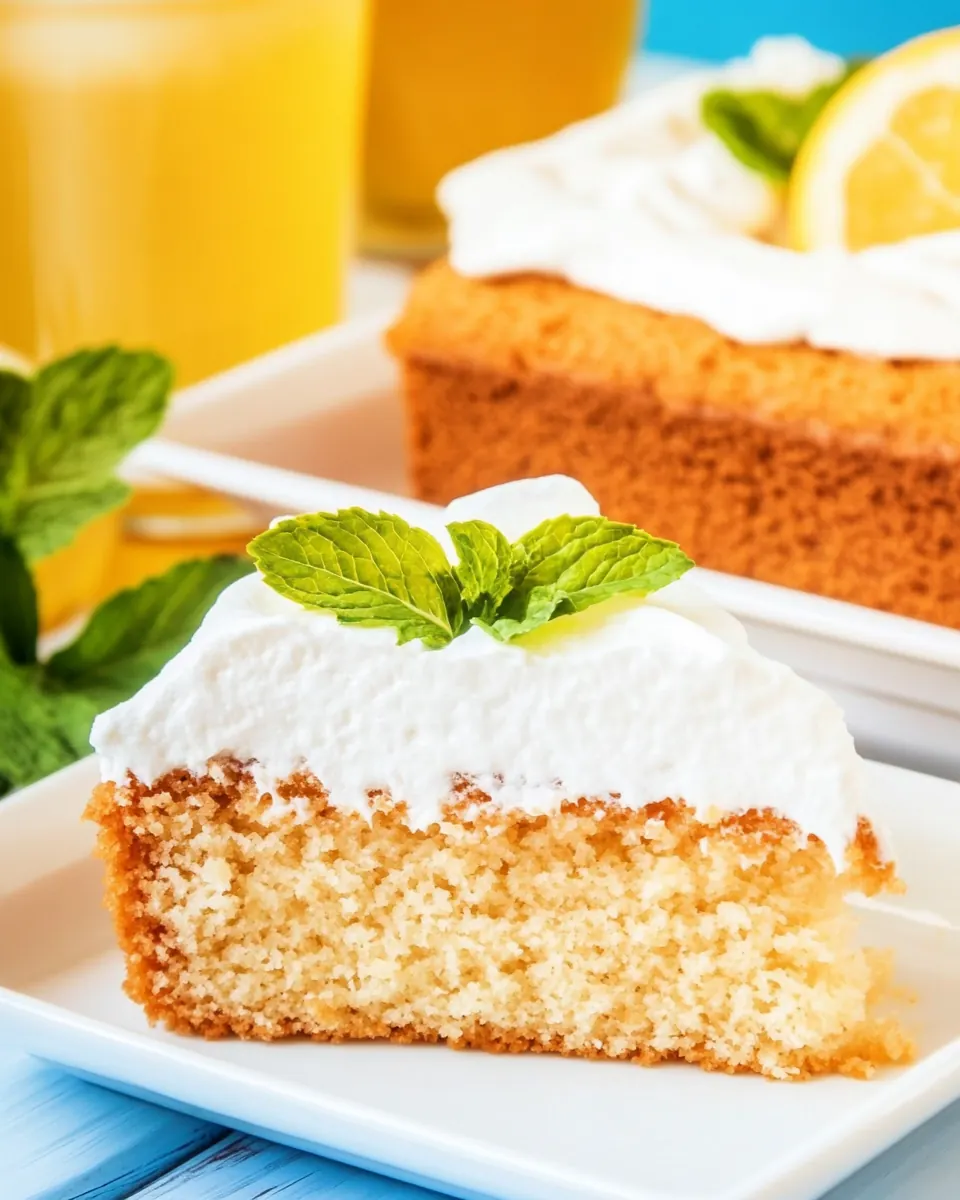
These directions walk you through from steeping the tea to spreading the final frosting. I like to keep everything staged so I can move smoothly through each step without searching for tools. Take your time, and notice the small cues that tell you each step is done right.
- Bring water to a boil in a small saucepan. Add tea bags and let steep for 10 minutes. Lift tea bags and press them against the side of the saucepan to get any liquid out. Discard tea bags and let cool 20 minutes.: The moment the water hits a rolling boil there is a bright steam scent that signals it is ready to steep the tea . When you add the tea bags you will smell a warm, malty note rising, and the liquid will take on a deep amber color within moments. Pressing the tea bags against the pan side after steeping squeezes concentrated flavor into the infusion, which matters because that concentrated tea is what flavors the batter rather than watering it down. A common mistake is letting the water sit off boil before adding the bags, which can result in a weak infusion and a cake that tastes faint. Keep an eye on the steep time, and let the mixture cool before it meets cold ingredients so it does not affect the batter temperature.
- Preheat oven to 350 degrees. Spray a 9 x 13-inch baking pan with baking spray.: As the oven warms you should notice a quiet, dry heat filling the space and perhaps a faint clean smell from its interior. Preheating ensures even rising and reliable bake times, because a cold oven will delay the reaction of the leaveners and lead to a denser texture. Prepare your 9 x 13 inch pan with baking spray so the cake releases cleanly after baking, avoiding broken edges. One mistake is skipping preheat or using the wrong pan size, which alters baking time and internal doneness, so always verify your oven temperature with a thermometer if it runs hot or cool.
- Whisk together cake flour, baking powder, salt, and baking soda. Set aside.: When these dry components are combined the mixture becomes uniform and light in color, which helps the batter incorporate evenly. Sifting or whisking breaks up any lumps in the cake flour and distributes the leaveners so pockets of lift are avoided. This matters because uneven distribution of baking powder or soda can create air pockets or uneven rise. A trap I warn against is adding the dry mix directly into wet ingredients without pre mixing, which can cause clumping and uneven structure.
- Using an electric stand mixer, beat butter until creamy. Gradually add sugars, beating until light and fluffy.: As you beat softened butter it will change from pale and stiff to smooth and slightly glossy, releasing a sweet, dairy aroma. Creaming the butter until it is soft and ribbon like is essential because it traps tiny air bubbles that contribute to the cake's lift. When you gradually add the granulated and light brown sugars and continue to beat, the mixture will lighten further and feel airy to the touch. A common error is using too cold or melted butter ; cold butter will not incorporate air, and melted butter will create a greasy, dense cake.
- Add eggs one at a time, beating just until incorporated.: When you add each room temperature egg, the batter will loosen and take on a silky sheen, with a gentle custard aroma emerging. Adding eggs slowly helps maintain the air pockets created during creaming, and beating only until incorporated prevents overworking the batter which could make it tough. If you add all eggs at once the batter can curdle or deflate, so patience is key. Be careful not to overbeat after eggs, as the structure can start to tighten.
- Add vanilla.: Stirring in the vanilla will immediately add a warm, familiar aroma that rounds the brighter notes of lemon and tea . Vanilla helps meld flavors, making the whole taste more cohesive. A frequent oversight is using imitation flavors that can taste one dimensional, so choose good quality for the best result.
- Add flour mixture alternately with 1 cup of tea, beginning and ending with flour mixture and beating at low speed after each addition until blended.: Alternating the dry mix with the cooled tea lets the batter integrate smoothly, preventing lumps and ensuring even hydration. The batter will shift between thick and more fluid stages, and you should notice the color deepen slightly as the tea is incorporated. This technique matters because it preserves the air folded in earlier while avoiding over mixing. A typical mistake is dumping all the liquid in at once, which can break down the trapped air and yield a dense cake.
- Bake for 35 to 40 minutes or until it feels firm when you press down on the top. Cool completely before frosting.: As the cake bakes, you will see the top set and take on a light golden tone, while the kitchen fills with buttery, citrus tinged steam. The center should spring back gently when pressed, and a toothpick should come out with only a few moist crumbs. Removing it too early leaves the center undercooked, while leaving it too long dries the crumb. Let the cake cool completely before frosting so the frosting does not melt and slide off.
- To make frosting, beat cream cheese and butter with an electric mixer until creamy and well blended.: The moment the cream cheese and softened butter meet the mixer you will notice a tangy dairy aroma that turns smooth and velvety. Blending them until no lumps remain gives a stable base for powdered sugar, and it ensures the frosting spreads evenly. If the cream cheese is too cold you will see lumps, and if it is too warm the frosting will be runny, so soften it just right. A typical mistake is mixing at too high a speed and overheating the mix, which can make it loose.
- Beat in powdered sugar 1 cup at a time.: Adding sifted powdered sugar gradually lets you control texture, and as you incorporate each cup the frosting will thicken and become silkier, with a sweeter profile that balances the tang of the cream cheese . This measured approach prevents a gritty or overly stiff frosting and allows you to stop when the texture is perfect. A misstep is dumping all the sugar at once, which makes it hard to smooth and can create pockets of dry sugar.
- Beat in lemon zest and lemon juice. Turn mixer up to high and beat until light and fluffy. Spread frosting on cake.: The fresh lemon zest releases aromatic oils that make the frosting smell bright, while the lemon juice adds a lively acidity that cuts through the sugar. Turning the mixer up to high for a short burst aerates the frosting, giving a light, spreadable consistency. Add juice gradually to avoid making the frosting too thin. A common error is using bottled juice with metallic notes, which dulls the fresh, vibrant flavor.
- Turn mixer up to high and beat until light and fluffy: Aerating the frosting at the end gives lift, making it appear cloudlike and easy to spread, with tiny visible bubbles when you look closely. The texture should be stable yet soft, and when you spoon it onto the cooled cake it should hold gentle peaks. Overbeating can make it too airy and unstable, so watch closely and stop when you have the desired fluff. If it separates, a short rest in the fridge will help it firm back up.
- Spread frosting on cake: When you spread the frosting the first swipe will feel creamy and cool, creating a smooth, glossy surface that catches light. Use an offset spatula for a neat finish, and leave room for thin sliced lemon garnish if you like. A final inspection for evenness will ensure each slice looks inviting. Do not frost a warm cake or the frosting will melt, so patience during cooling is essential.
Substitutions and Tips
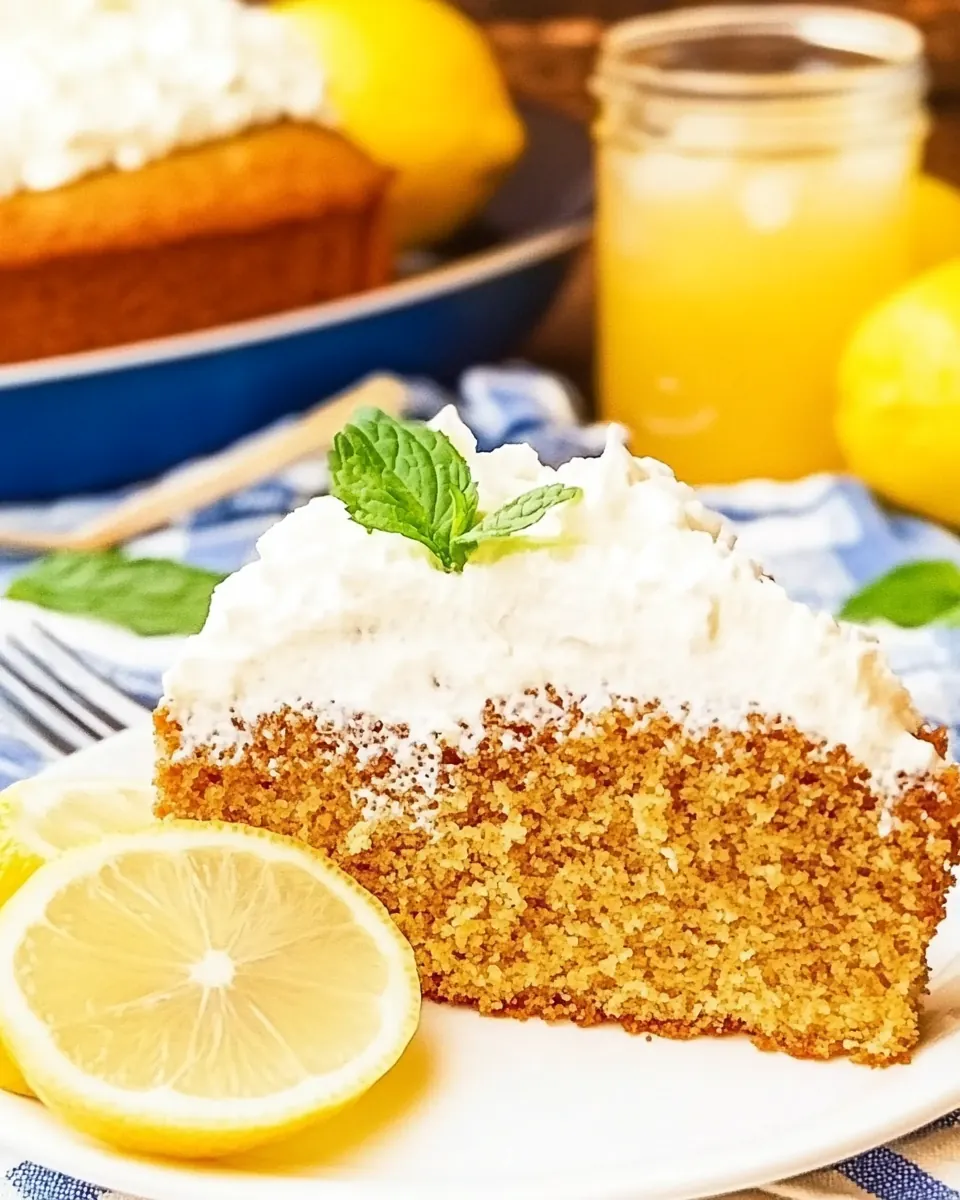
This section collects practical swaps and techniques I rely on when making Sweet Tea and Lemonade Cake. I like to offer options for texture, timing, and storage so you can adapt the recipe without losing what makes it special. Read through and pick the tips that match your kitchen and schedule.
- Stick to the tea strength: If you prefer a milder tea, reduce steep time by a couple minutes, but be aware a weaker infusion will yield subtler flavor in the cake.
- Room temperature rule: Always bring butter and eggs to room temperature for smoother creaming and better batter aeration, which helps the cake rise evenly.
- Frosting consistency: If the frosting becomes too thin, chill it for 10 to 15 minutes, then briefly re whip to regain body before spreading.
- Slicing tip: For clean slices, refrigerate the frosted cake for at least 30 minutes, and use a sharp knife warmed in hot water, wiped dry between cuts.
- Make ahead: You can bake the cake a day ahead, wrap it well, and frost the next day for fresher frosting texture and easier handling.
- Garnish restraint: If using sliced lemon for garnish, place them just before serving to avoid soggy frosting and a bitter pith transfer.
What to Pair With Sweet Tea and Lemonade Cake
This cake plays well with light beverages and simple sides for summer events. I think of serving styles that keep the menu breezy and allow the cake to remain the star. Below are pairing ideas, occasions, and storage notes to help you present the cake confidently.
- Serve with tall glasses of iced tea: A chilled pitcher of mild tea complements the cake’s flavors and echoes its base notes without competing.
- Pair with simple fruit platters: Fresh berries or melon provide a juicy contrast and keep the spread refreshing for outdoor gatherings.
- Occasions: This cake is ideal for summer picnics, potlucks, birthdays, and Ramadan if you need a light dessert after evening meals.
- Portioning for events: Cut into modest slices so guests can enjoy a taste without feeling too full, especially when served after a heavy meal.
- Storage tips: Because of the cream cheese frosting, refrigerate the cake and bring to slightly cooler than fridge temperature before serving for best texture.
- Seasonal pairings: In summer, serve with citrus salads or a honey yogurt dip; in cooler months, pair with warm spices in side dishes to echo the cake’s comforting notes.
- Transporting: Use a sturdy cake carrier and chill briefly so the frosting sets, minimizing the chance of sliding during transit.
FAQ
Conclusion
This cake stands out because it marries the warm, full notes of brewed tea with the zesty brightness of lemon, finished with a silky cream cheese frosting. I encourage you to try it whenever you want a dessert that feels both nostalgic and fresh. It is easy to make, great for sharing, and rewards a little patience with impressive flavor and texture that guests will remember.
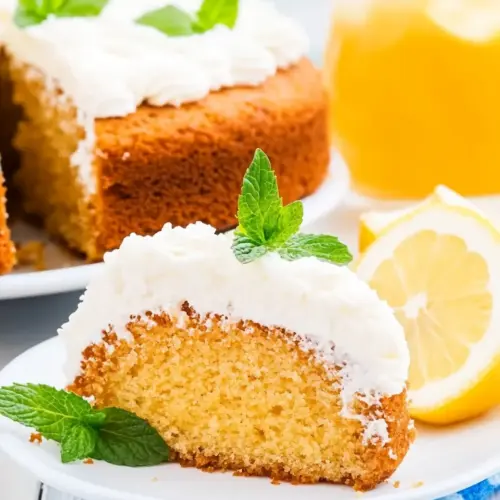
Sweet Tea and Lemonade Cake
Equipment
- Saucepan
- 9 x 13-inch baking pan
- Electric Stand Mixer
- Offset Spatula
Ingredients
- 1 1/2 cups water Provide hot infusion to extract flavor and dissolve sugars; bring to a simmer and steep tea bags to create the base liquid that gives the cake a subtle sweet-tea profile and moisture for the batter.
- 3 family-sized tea bags Impart concentrated tea flavor and tannins; steep family-sized tea bags in the hot water until strong to contribute a distinct black tea aroma and color to the cake batter.
- 3 1/2 cups cake flour Contribute structure and tenderness; sift cake flour and measure precisely to ensure a light, fine crumb that supports the delicate tea and lemon flavors without becoming dense.
- 2 teaspoons baking powder Leaven the batter by releasing carbon dioxide when heated; whisk in baking powder to promote an even rise and a soft, airy texture in the baked cake layers.
- 3/4 teaspoons salt Enhance overall flavor balance and strengthen gluten slightly; add salt to heighten sweetness and round out the tea and lemon notes while improving the batter’s taste.
- 1/4 teaspoon baking soda Support gentle leavening and acidity balance; incorporate baking soda when acidic components are present to help achieve proper rise and neutralize excess acidity from lemon juice or brown sugar.
- 1 cup butter, softened Provide fat for richness, tenderness, and moisture; cream softened butter with sugars to create an aerated base that contributes to the cake’s flavor, mouthfeel, and crumb structure.
- 2 cups granulated sugar Sweeten and tenderize while aiding creaming; beat granulated sugar with butter to incorporate air for lift and to deliver the primary sweet flavor throughout the cake.
- 1/2 cup firmly packed light brown sugar Add moist caramel notes and deepen flavor; pack light brown sugar firmly to contribute moisture, a slight chewiness, and a subtle molasses aroma that complements the tea.
- 5 large eggs, room temperature Incorporate liquid, structure, and emulsification; beat room-temperature eggs into the batter to bind ingredients, provide lift, and emulsify fats for a consistent texture.
- 1 teaspoon vanilla extract Infuse aromatic depth and roundness; stir vanilla extract into the batter to enhance sweetness perception and harmonize the tea and lemon flavors with warm, familiar notes.
- 1 (8-ounce) package cream cheese, softened Give tangy creaminess and stable texture to frostings; soften cream cheese and blend into the frosting to provide acidity, richness, and a smooth mouthfeel that complements the cake.
- 1/4 cup butter, softened Contribute additional buttery richness to the frosting; use softened butter with cream cheese to create a silky, spreadable consistency and balanced flavor in the icing.
- 5 cups powdered sugar Sweeten and thicken the frosting while adding smoothness; sift and beat powdered sugar into the cream cheese mixture to achieve desired sweetness and a stable pipeable texture.
- 1 tablespoon lemon zest Add bright citrus oil for aromatic lift; zest lemons finely to capture concentrated lemon flavor and fragrant oils that enhance both cake and frosting with fresh citrus notes.
- 2 tablespoons fresh lemon juice Provide fresh acidic brightness and liquid balance; squeeze fresh lemon juice to cut richness, add tartness, and help adjust the frosting’s consistency for spreadability.
- sliced lemons for garnish, optional Offer decorative visual appeal and optional citrus accent; slice lemons thinly for garnish to enhance presentation and provide optional bursts of fresh lemon aroma and flavor for serving.
Instructions
- Bring water to a boil in a small saucepan. Add tea bags and let steep for 10 minutes. Lift tea bags and press them against the side of the saucepan to get any liquid out. Discard tea bags and let cool 20 minutes.: The moment the water hits a rolling boil there is a bright steam scent that signals it is ready to steep the tea . When you add the tea bags you will smell a warm, malty note rising, and the liquid will take on a deep amber color within moments. Pressing the tea bags against the pan side after steeping squeezes concentrated flavor into the infusion, which matters because that concentrated tea is what flavors the batter rather than watering it down. A common mistake is letting the water sit off boil before adding the bags, which can result in a weak infusion and a cake that tastes faint. Keep an eye on the steep time, and let the mixture cool before it meets cold ingredients so it does not affect the batter temperature.
- Preheat oven to 350 degrees. Spray a 9 x 13-inch baking pan with baking spray.: As the oven warms you should notice a quiet, dry heat filling the space and perhaps a faint clean smell from its interior. Preheating ensures even rising and reliable bake times, because a cold oven will delay the reaction of the leaveners and lead to a denser texture. Prepare your 9 x 13 inch pan with baking spray so the cake releases cleanly after baking, avoiding broken edges. One mistake is skipping preheat or using the wrong pan size, which alters baking time and internal doneness, so always verify your oven temperature with a thermometer if it runs hot or cool.
- Whisk together cake flour, baking powder, salt, and baking soda. Set aside.: When these dry components are combined the mixture becomes uniform and light in color, which helps the batter incorporate evenly. Sifting or whisking breaks up any lumps in the cake flour and distributes the leaveners so pockets of lift are avoided. This matters because uneven distribution of baking powder or soda can create air pockets or uneven rise. A trap I warn against is adding the dry mix directly into wet ingredients without pre mixing, which can cause clumping and uneven structure.
- Using an electric stand mixer, beat butter until creamy. Gradually add sugars, beating until light and fluffy.: As you beat softened butter it will change from pale and stiff to smooth and slightly glossy, releasing a sweet, dairy aroma. Creaming the butter until it is soft and ribbon like is essential because it traps tiny air bubbles that contribute to the cake's lift. When you gradually add the granulated and light brown sugars and continue to beat, the mixture will lighten further and feel airy to the touch. A common error is using too cold or melted butter ; cold butter will not incorporate air, and melted butter will create a greasy, dense cake.
- Add eggs one at a time, beating just until incorporated.: When you add each room temperature egg, the batter will loosen and take on a silky sheen, with a gentle custard aroma emerging. Adding eggs slowly helps maintain the air pockets created during creaming, and beating only until incorporated prevents overworking the batter which could make it tough. If you add all eggs at once the batter can curdle or deflate, so patience is key. Be careful not to overbeat after eggs, as the structure can start to tighten.
- Add vanilla.: Stirring in the vanilla will immediately add a warm, familiar aroma that rounds the brighter notes of lemon and tea . Vanilla helps meld flavors, making the whole taste more cohesive. A frequent oversight is using imitation flavors that can taste one dimensional, so choose good quality for the best result.
- Add flour mixture alternately with 1 cup of tea, beginning and ending with flour mixture and beating at low speed after each addition until blended.: Alternating the dry mix with the cooled tea lets the batter integrate smoothly, preventing lumps and ensuring even hydration. The batter will shift between thick and more fluid stages, and you should notice the color deepen slightly as the tea is incorporated. This technique matters because it preserves the air folded in earlier while avoiding over mixing. A typical mistake is dumping all the liquid in at once, which can break down the trapped air and yield a dense cake.
- Bake for 35 to 40 minutes or until it feels firm when you press down on the top. Cool completely before frosting.: As the cake bakes, you will see the top set and take on a light golden tone, while the kitchen fills with buttery, citrus tinged steam. The center should spring back gently when pressed, and a toothpick should come out with only a few moist crumbs. Removing it too early leaves the center undercooked, while leaving it too long dries the crumb. Let the cake cool completely before frosting so the frosting does not melt and slide off.
- To make frosting, beat cream cheese and butter with an electric mixer until creamy and well blended.: The moment the cream cheese and softened butter meet the mixer you will notice a tangy dairy aroma that turns smooth and velvety. Blending them until no lumps remain gives a stable base for powdered sugar, and it ensures the frosting spreads evenly. If the cream cheese is too cold you will see lumps, and if it is too warm the frosting will be runny, so soften it just right. A typical mistake is mixing at too high a speed and overheating the mix, which can make it loose.
- Beat in powdered sugar 1 cup at a time.: Adding sifted powdered sugar gradually lets you control texture, and as you incorporate each cup the frosting will thicken and become silkier, with a sweeter profile that balances the tang of the cream cheese . This measured approach prevents a gritty or overly stiff frosting and allows you to stop when the texture is perfect. A misstep is dumping all the sugar at once, which makes it hard to smooth and can create pockets of dry sugar.
- Beat in lemon zest and lemon juice. Turn mixer up to high and beat until light and fluffy. Spread frosting on cake.: The fresh lemon zest releases aromatic oils that make the frosting smell bright, while the lemon juice adds a lively acidity that cuts through the sugar. Turning the mixer up to high for a short burst aerates the frosting, giving a light, spreadable consistency. Add juice gradually to avoid making the frosting too thin. A common error is using bottled juice with metallic notes, which dulls the fresh, vibrant flavor.
- Turn mixer up to high and beat until light and fluffy: Aerating the frosting at the end gives lift, making it appear cloudlike and easy to spread, with tiny visible bubbles when you look closely. The texture should be stable yet soft, and when you spoon it onto the cooled cake it should hold gentle peaks. Overbeating can make it too airy and unstable, so watch closely and stop when you have the desired fluff. If it separates, a short rest in the fridge will help it firm back up.
- Spread frosting on cake: When you spread the frosting the first swipe will feel creamy and cool, creating a smooth, glossy surface that catches light. Use an offset spatula for a neat finish, and leave room for thin sliced lemon garnish if you like. A final inspection for evenness will ensure each slice looks inviting. Do not frost a warm cake or the frosting will melt, so patience during cooling is essential.
Notes
- Stick to the tea strength: If you prefer a milder tea, reduce steep time by a couple minutes, but be aware a weaker infusion will yield subtler flavor in the cake.
- Room temperature rule: Always bring butter and eggs to room temperature for smoother creaming and better batter aeration, which helps the cake rise evenly.
- Frosting consistency: If the frosting becomes too thin, chill it for 10 to 15 minutes, then briefly re whip to regain body before spreading.
- Slicing tip: For clean slices, refrigerate the frosted cake for at least 30 minutes, and use a sharp knife warmed in hot water, wiped dry between cuts.
- Make ahead: You can bake the cake a day ahead, wrap it well, and frost the next day for fresher frosting texture and easier handling.
- Garnish restraint: If using sliced lemon for garnish, place them just before serving to avoid soggy frosting and a bitter pith transfer.