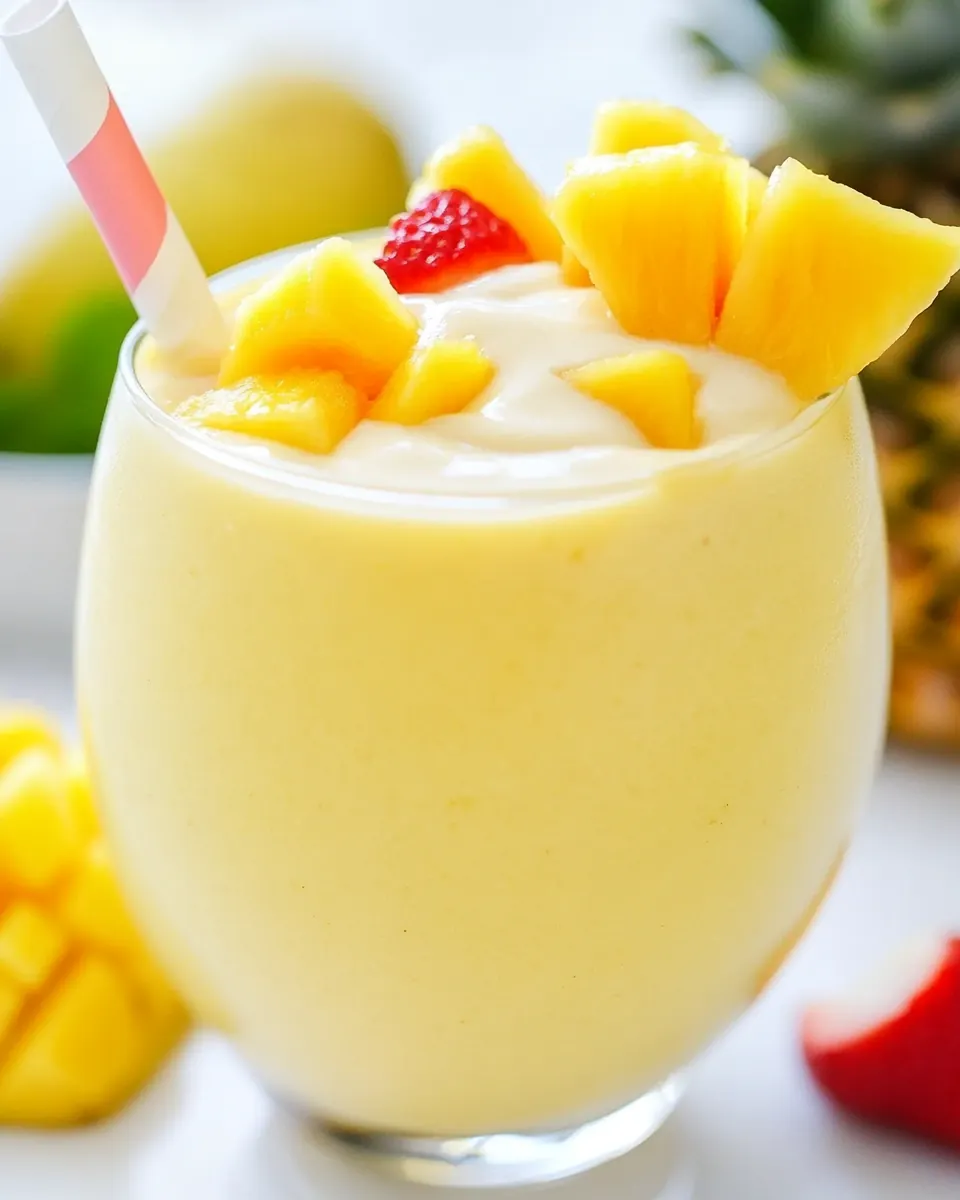
Mango Pineapple Smoothie
Mango Pineapple Smoothie was the first thing I reached for on a morning when the heat felt endless and my fridge held nothing but sunshine in frozen form. I remember standing at my counter, barefoot, listening to the hum of the blender, thinking about how a few simple ingredients could turn a sluggish day into something bright and energetic. That first sip felt like a small celebration, tropical sweetness balanced with a zippy citrus note that made me grin without warning.
Over time I started to make this blend whenever I needed an instant mood lifter, bringing it to picnics, packing it for long walks, and sharing it with friends who would always ask for the recipe. Each time I make Mango Pineapple Smoothie I tweak a tiny detail, like the ripeness of the banana or the thickness of the orange juice, and those micro adjustments change the experience in delightful ways. I enjoy how the texture can be velvety or icy depending on whether I use frozen fruit, and how a whisper of freshly grated ginger can lift the whole drink into something unexpectedly sophisticated.
Recipe Snapshot
5 mins
5 mins
Easy
250 kcal
American
Gluten-Free, Vegan
Breakfast
High-speed blender
What’s Great About This Mango Pineapple Smoothie
Vibrant tropical flavor that wakes you up
I adore how Mango Pineapple Smoothie combines bright, juicy mango and tangy pineapple to create a cup of pure sunshine. The contrast between sweet and tart keeps every sip lively, and that citrus backbone from orange juice prevents the drink from feeling cloying. When I want a wake up call that does not rely on caffeine, this smoothie hits the spot.
Simple pantry friendly ingredients
We keep this recipe in heavy rotation because the ingredients are nearly always on hand. A frozen banana doubles as a natural sweetener and thickener, and the dairy free milk keeps things creamy without heaviness. I like that it is straightforward to scale for two or a crowd, and you rarely need specialty items to make it sing.
Texture versatility
One thing I love is how adjustable the mouthfeel is. Use more frozen fruit for an almost sorbet like thickness, or add a touch more orange juice for a slurpable refresher. When I want something to sip slowly, a thicker version makes it feel indulgent; when I need hydration, the thinner version is incredibly refreshing.
Customize easily for health goals
I often change little elements to match dietary needs or flavor cravings. Adding freshly grated ginger wakes up digestion and adds a warming counterpoint to the sweetness. If you prefer it sweeter, a natural syrup works well, or leave it as is for a naturally fruity treat. The recipe adapts to what you have on hand without losing its tropical identity.
Fast and reliable
What really sells me on Mango Pineapple Smoothie is how quickly it comes together. When mornings are rushed, I can blend and go, confident it will taste balanced. It requires minimal cleanup and consistently brightens the day, making it one of my most trusted go to recipes.
Everything You Need for Mango Pineapple Smoothie
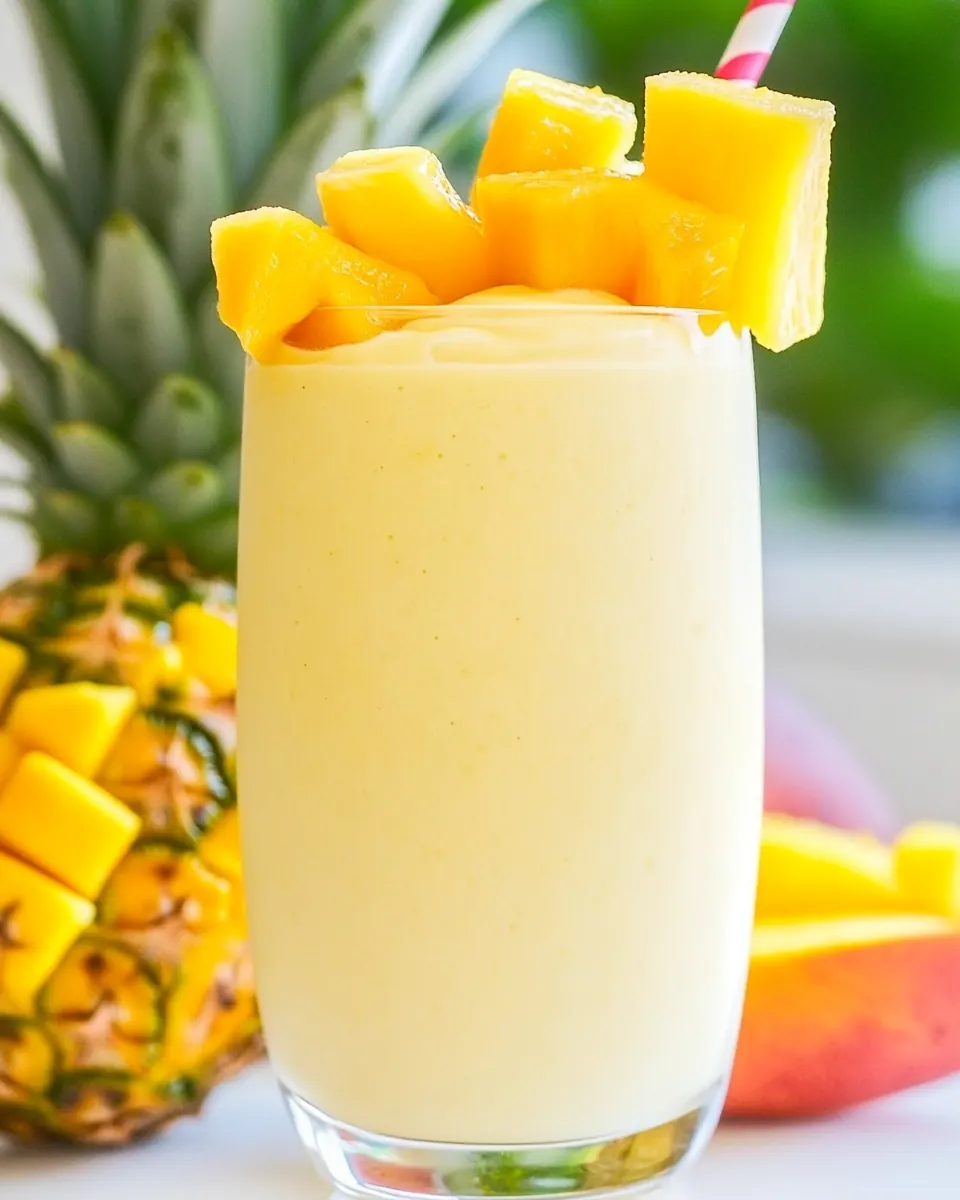
The philosophy behind these ingredients is effortless synergy. Each element plays a clear role: frozen fruit brings chill and body, liquid components provide balance and smoothness, and a hint of spice or aromatics can elevate the flavor beyond simple sweetness. Together they form a creamy, refreshing drink that feels indulgent yet light.
- 1 medium ripe banana (frozen if possible): Provide natural sweetness and creamy texture while contributing body; frozen banana also helps thicken and chill the smoothie for a frosty consistency. Use ripe for best flavor and freeze in advance if you prefer a colder, more indulgent drink.
- 1 cup mango (I use frozen): Add bright tropical flavor and vibrant color while supplying fiber and natural sugars; frozen mango reduces dilution and enhances the smoothie’s density. Choose ripe, sweet mango pieces or puree for a smooth, luscious mouthfeel.
- 1 cup pineapple (I use frozen): Bring tangy-sweet acidity and juiciness that balances the banana and mango; frozen pineapple intensifies the tropical profile and aids in thickening when blended. Fresh pineapple can be used if available, but frozen keeps the drink cold without extra ice.
- 3/4 cup dairy-free milk: Contribute creaminess and a smooth mouthfeel while keeping the beverage dairy–free; use an unsweetened plant-based milk to control sweetness. Select almond, oat, or coconut milk depending on desired flavor and texture.
- 3/4 cup fresh orange juice: Provide bright citrus acidity and natural sweetness that lightens the smoothie and adds a fresh, zesty aroma; fresh orange juice complements the tropical fruits and prevents an overly heavy texture. Use freshly squeezed juice for the most vibrant flavor.
- 1 2 tsp. ginger, freshly grated () (optional): Add a warm, spicy lift and aromatic complexity when freshly grated, enhancing overall flavor without overpowering; use sparingly to taste as it can dominate the delicate fruit balance. Treat as optional to tailor heat and brightness.
Instructions for Mango Pineapple Smoothie
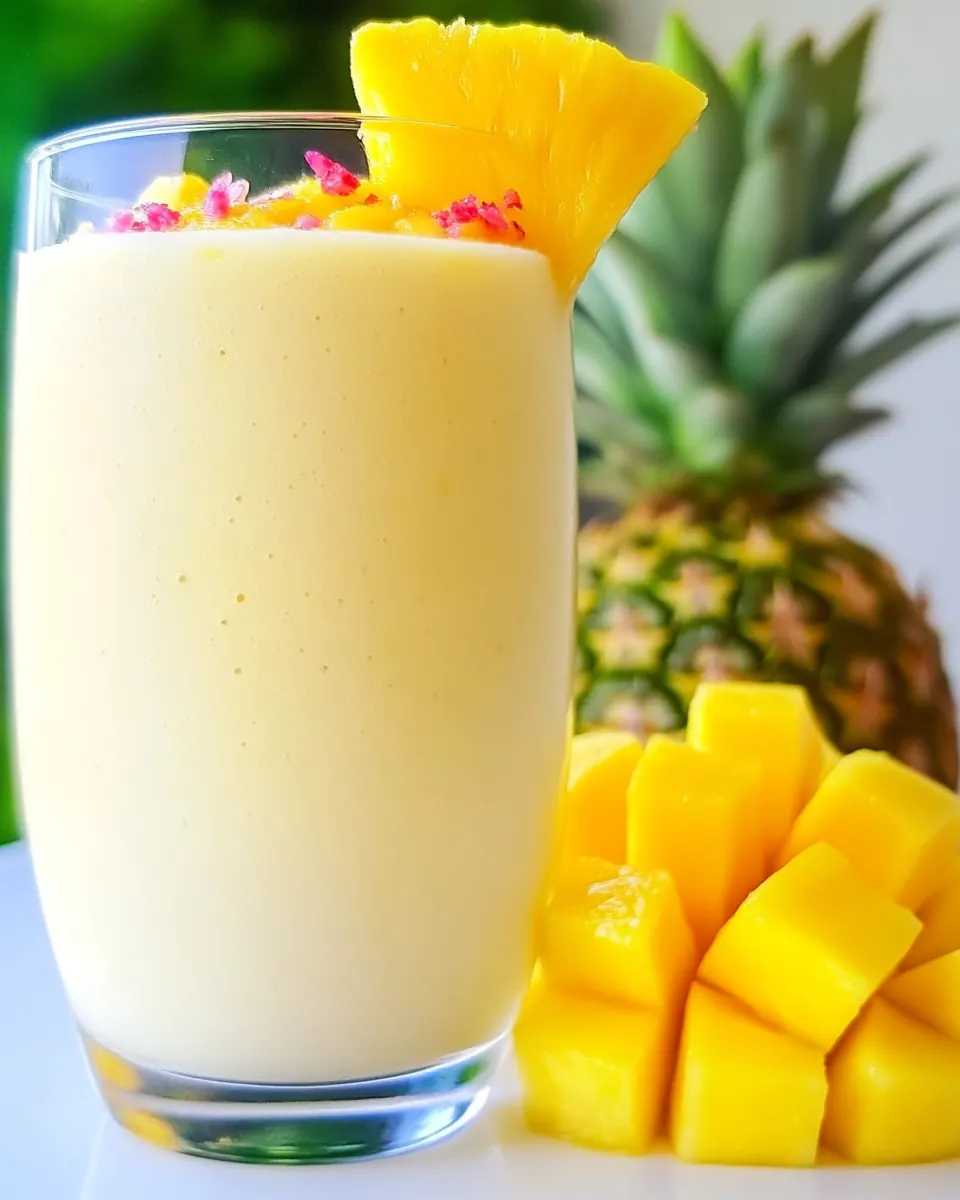
These steps are intentionally simple, yet the way you approach each one affects the final flavor and texture. I walk you through sensory cues and small troubleshooting notes so you can consistently hit the creamy, balanced result every time.
- Add all ingredients to a high-speed blender. Blend until smooth.: Close your eyes for a moment and listen to the initial pulse as frozen mango , frozen pineapple , and the frozen banana meet the blades, it s a sharp, crisp sound that tells you the fruit is solid and chilled. The cold aroma will be faint at first, a subtle mingling of citrus and tropical sugars. Layering matters here: I usually put the liquids in first, then the softer banana , and finally the frozen pieces to help the blender catch. This technique prevents the motor from straining and helps achieve a smooth churn. A common mistake is overcrowding the blender so the blades stall, which results in a chunky, uneven texture; pause, stir, and pulse again if you notice resistance.
- Taste and adjust flavors if desired. (Add vanilla extract, or agave or maple syrup to sweeten it further.): As the blades spin faster you ll notice the sound transition from sharp knocks to a steady, whispery hum, and the mixture will visually transform from separate ice and fruit to a cohesive ribbon of peachy gold. Smell the sweetness becoming more pronounced as air incorporates; you may detect a bright citrus top note from the orange juice . The reason this matters is that full emulsification creates a pleasant mouthfeel rather than a gritty or icy one. If your smoothie looks streaky or still contains chunks, stop and use a tamper or pulse to redistribute solids. Avoid over blending too long, which can warm the mixture and make it less refreshing.
- Taste and adjust flavors if desired: Bring the glass close and inhale the layered aromas: the dominant mango perfume, the pineapple s tang, and the citrus lift. Take a careful sip to evaluate sweetness, acidity, and texture. If the drink tastes too tart, a touch more ripe banana or a natural sweetener can round it out; if it s too thick, add a splash of dairy free milk or orange juice to loosen it. This step matters because balancing acidity and sweetness keeps the smoothie from tasting one note. One common oversight is adding sweetener without re tasting after a small adjustment, which can push the cup into overly sweet territory.
- Add vanilla extract, or agave or maple syrup to sweeten it further: If you choose to layer in a sweetener or flavoring, add only a small amount, then whirl briefly and taste again; the mango and banana already contribute natural sugars, so subtlety is best. When you introduce a syrup it melds with the existing fruity aromatics and can create a rounder finish, while a drop of vanilla or similar will add warmth. Overdoing this step is a common mistake, resulting in a cloying finish that masks the fruit s brightness.
Helpful Notes about Mango Pineapple Smoothie
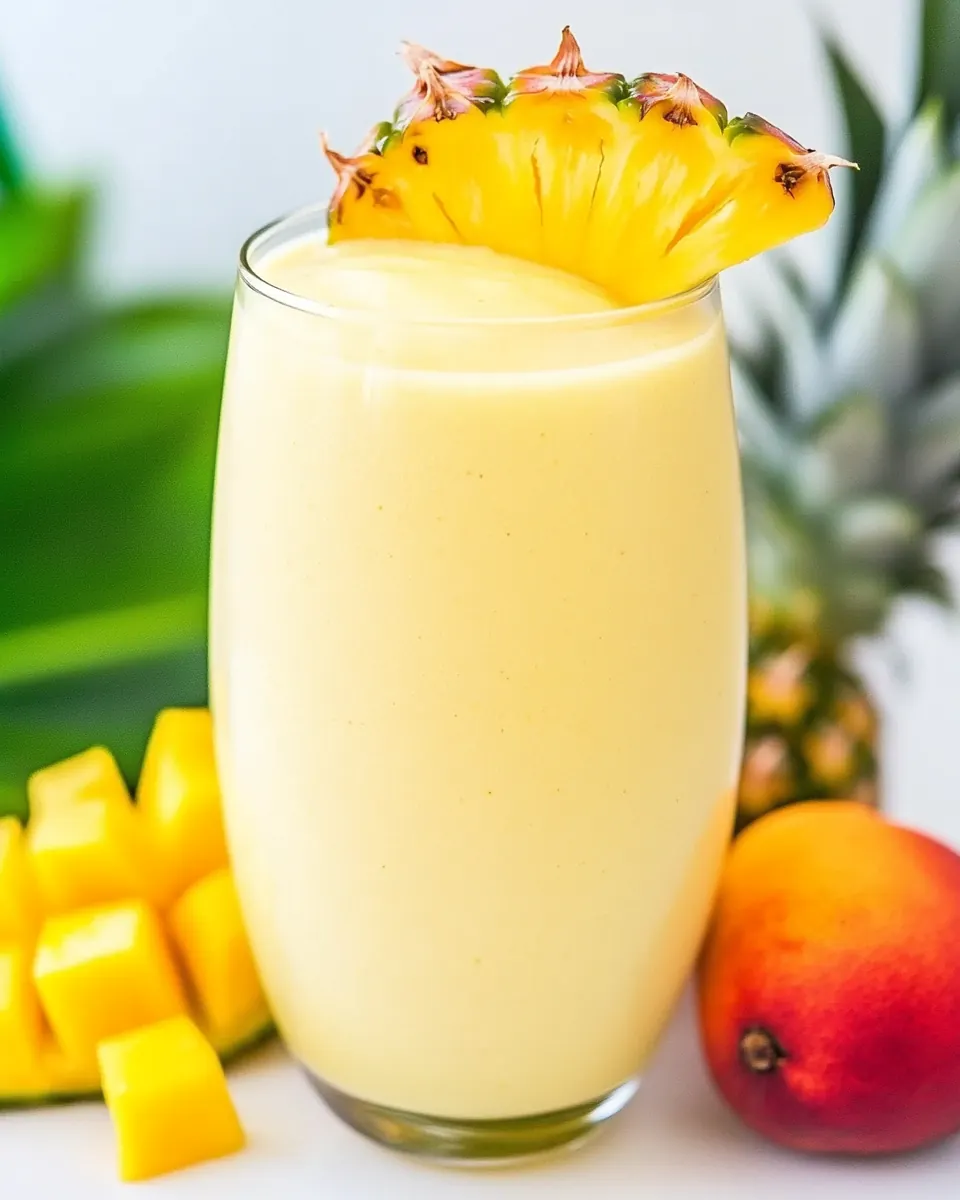
I keep a running list of small tricks that make this smoothie sing, from fruit state to blending order. These notes expand on the original tips in the recipe, offering practical variations and alternatives you can try without changing the core character of the drink.
- Orange juice selection Use freshly squeezed orange juice when possible for brighter acidity; store bought is convenient but can be sweeter or more uniform in taste. If you prefer a thicker smoothie, reduce the amount slightly.
- Fresh vs frozen fruit Frozen fruit creates a creamier, colder texture that behaves a bit like ice cream, while fresh fruit results in a silkier, more aromatic drink. If using fresh fruit, add a couple of ice cubes to chill.
- Banana alternatives If you re out of banana, vegan yogurt makes a good substitute that preserves creaminess while changing the tang slightly; start with a small amount and increase to your desired thickness.
- Matcha addition Add 1 tsp of matcha for a green tea lift that pairs surprisingly well with tropical fruits. Whisk matcha with a small amount of liquid first to prevent clumping before adding to the blender.
- Other additions Ground turmeric or a small splash of maple or agave syrup can add warmth or sweetness, but introduce them sparingly so the base flavors of mango and pineapple remain central.
- Yield note This recipe typically makes about three heaping cups of smoothie, which is ideal for two medium glasses or one generous portion to share.
What to Serve With Mango Pineapple Smoothie
This smoothie is versatile for many occasions, from a quick breakfast to a poolside treat. I like pairing it with light bites that complement its tropical profile and keep the meal balanced. The suggestions below include storage tips and seasonal pairings to help you plan the whole experience.
- Light breakfast pairing Serve alongside a small bowl of plain oats or a slice of whole grain toast topped with mashed fruit to add complex carbs and make the meal more filling.
- Brunch pairing Offer it with a simple fruit salad or yogurt parfait, using fresh berries to contrast the tropical notes with bright acidity and color.
- Afternoon refresher Bring it to a picnic with a handful of raw nuts and a citrusy salad; the smoothie s creaminess helps cool and refresh on warm days.
- Ramadan or fasting-friendly idea This smoothie provides quick energy and hydration when breaking a fast, pair it with a few dates and some protein rich bites for a balanced iftar.
- Storage tips Pour leftover smoothie into an airtight container and freeze in ice cube trays for future blended drinks, or refrigerate up to 24 hours though separation may occur; stir before serving.
- Seasonal pairings In summer I serve it chilled with a mint garnish, while in cooler months a pinch of warm spices like turmeric can make it feel cozier without losing the tropical spirit.
FAQ
Conclusion
This Mango Pineapple Smoothie stands out for its bright, tropical flavor and effortless, creamy texture. I always come back to it when I want a quick boost of sunshine, because it balances sweet, tangy, and aromatic notes so well. Give it a try the next time you re short on time but craving something fresh, you ll likely find it becomes a reliable favorite. It s an easy recipe to adapt subtly, so have fun experimenting with thickness and small add ins, then sit back and enjoy the little pick me up it provides.
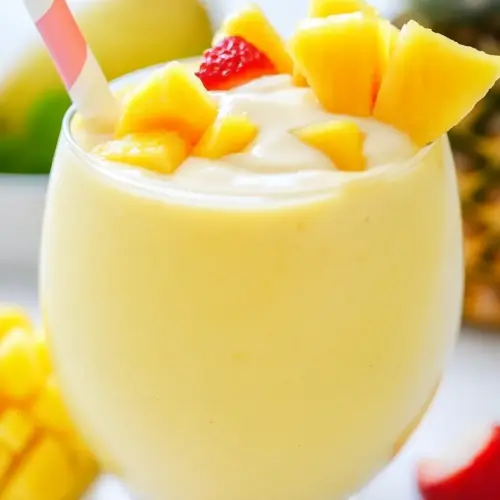
Mango Pineapple Smoothie
Equipment
- High Speed Blender
Ingredients
- 1 medium ripe banana (frozen if possible) Provide natural sweetness and creamy texture while contributing body; frozen banana also helps thicken and chill the smoothie for a frosty consistency. Use ripe for best flavor and freeze in advance if you prefer a colder, more indulgent drink.
- 1 cup mango (I use frozen) Add bright tropical flavor and vibrant color while supplying fiber and natural sugars; frozen mango reduces dilution and enhances the smoothie’s density. Choose ripe, sweet mango pieces or puree for a smooth, luscious mouthfeel.
- 1 cup pineapple (I use frozen) Bring tangy-sweet acidity and juiciness that balances the banana and mango; frozen pineapple intensifies the tropical profile and aids in thickening when blended. Fresh pineapple can be used if available, but frozen keeps the drink cold without extra ice.
- 3/4 cup dairy-free milk Contribute creaminess and a smooth mouthfeel while keeping the beverage dairy-free; use an unsweetened plant-based milk to control sweetness. Select almond, oat, or coconut milk depending on desired flavor and texture.
- 3/4 cup fresh orange juice Provide bright citrus acidity and natural sweetness that lightens the smoothie and adds a fresh, zesty aroma; fresh orange juice complements the tropical fruits and prevents an overly heavy texture. Use freshly squeezed juice for the most vibrant flavor.
- 1 -2 tsp. ginger, freshly grated (optional) Add a warm, spicy lift and aromatic complexity when freshly grated, enhancing overall flavor without overpowering; use sparingly to taste as it can dominate the delicate fruit balance. Treat as optional to tailor heat and brightness.
Instructions
- Add all ingredients to a high-speed blender. Blend until smooth.: Close your eyes for a moment and listen to the initial pulse as frozen mango , frozen pineapple , and the frozen banana meet the blades, it s a sharp, crisp sound that tells you the fruit is solid and chilled. The cold aroma will be faint at first, a subtle mingling of citrus and tropical sugars. Layering matters here: I usually put the liquids in first, then the softer banana , and finally the frozen pieces to help the blender catch. This technique prevents the motor from straining and helps achieve a smooth churn. A common mistake is overcrowding the blender so the blades stall, which results in a chunky, uneven texture; pause, stir, and pulse again if you notice resistance.
- Taste and adjust flavors if desired. (Add vanilla extract, or agave or maple syrup to sweeten it further.): As the blades spin faster you ll notice the sound transition from sharp knocks to a steady, whispery hum, and the mixture will visually transform from separate ice and fruit to a cohesive ribbon of peachy gold. Smell the sweetness becoming more pronounced as air incorporates; you may detect a bright citrus top note from the orange juice . The reason this matters is that full emulsification creates a pleasant mouthfeel rather than a gritty or icy one. If your smoothie looks streaky or still contains chunks, stop and use a tamper or pulse to redistribute solids. Avoid over blending too long, which can warm the mixture and make it less refreshing.
- Taste and adjust flavors if desired: Bring the glass close and inhale the layered aromas: the dominant mango perfume, the pineapple s tang, and the citrus lift. Take a careful sip to evaluate sweetness, acidity, and texture. If the drink tastes too tart, a touch more ripe banana or a natural sweetener can round it out; if it s too thick, add a splash of dairy free milk or orange juice to loosen it. This step matters because balancing acidity and sweetness keeps the smoothie from tasting one note. One common oversight is adding sweetener without re tasting after a small adjustment, which can push the cup into overly sweet territory.
- Add vanilla extract, or agave or maple syrup to sweeten it further: If you choose to layer in a sweetener or flavoring, add only a small amount, then whirl briefly and taste again; the mango and banana already contribute natural sugars, so subtlety is best. When you introduce a syrup it melds with the existing fruity aromatics and can create a rounder finish, while a drop of vanilla or similar will add warmth. Overdoing this step is a common mistake, resulting in a cloying finish that masks the fruit s brightness.
Notes
- Orange juice selection Use freshly squeezed orange juice when possible for brighter acidity; store bought is convenient but can be sweeter or more uniform in taste. If you prefer a thicker smoothie, reduce the amount slightly.
- Fresh vs frozen fruit Frozen fruit creates a creamier, colder texture that behaves a bit like ice cream, while fresh fruit results in a silkier, more aromatic drink. If using fresh fruit, add a couple of ice cubes to chill.
- Banana alternatives If you re out of banana, vegan yogurt makes a good substitute that preserves creaminess while changing the tang slightly; start with a small amount and increase to your desired thickness.
- Matcha addition Add 1 tsp of matcha for a green tea lift that pairs surprisingly well with tropical fruits. Whisk matcha with a small amount of liquid first to prevent clumping before adding to the blender.
- Other additions Ground turmeric or a small splash of maple or agave syrup can add warmth or sweetness, but introduce them sparingly so the base flavors of mango and pineapple remain central.
- Yield note This recipe typically makes about three heaping cups of smoothie, which is ideal for two medium glasses or one generous portion to share.