Pain Perdu
Pain Perdu has always felt like a little morning miracle to me, a recipe that turns modest ingredients into something that glows on the plate. The first time I made it was on a wet spring morning when I had a bruised loaf and a stubborn sweet tooth, and the kitchen filled with an aroma that made the whole house stir. From the first sizzling note in the skillet to the warm perfume of orange and vanilla, Pain Perdu became my comfort breakfast that reads like a treat and eats like a hug.
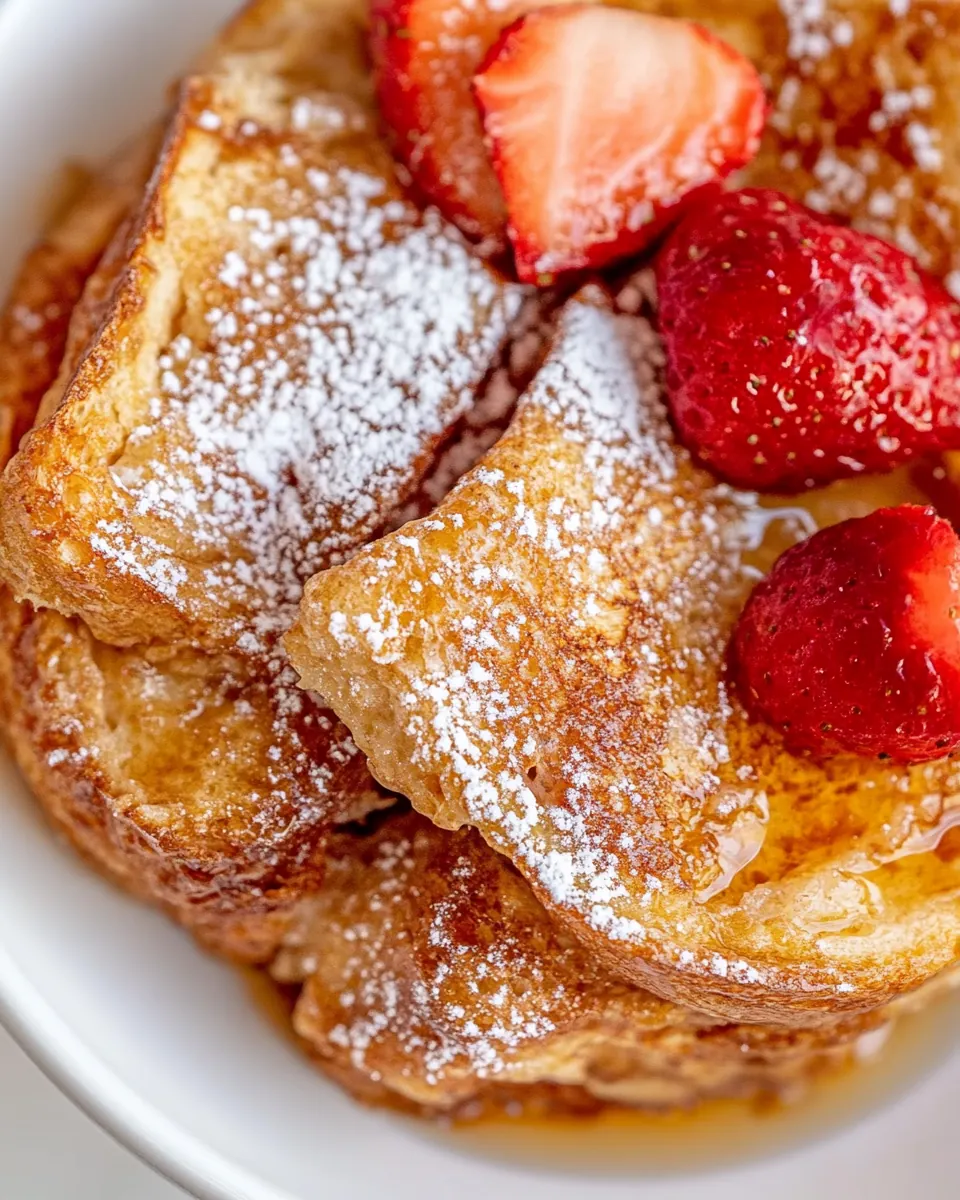
Over the years I learned to respect the technique, not rush the soak, and to let the toasted almonds add a crunchy punctuation to every bite. Sometimes I make it for a lazy weekend, sometimes for a guests brunch when I want something that feels special but is still forgiving. When you serve Pain Perdu warm, with a scatter of powdered sugar and bright strawberries, conversations slow down and coffee tastes better. I remember one morning my neighbor knocked on the door because the smell was irresistible, and we ended up sharing slices while rain patterned the windows. That memory is why I always reach for brioche or challah, why a splash of orange zest feels necessary, and why I insist on toasting the almonds until they whisper nutty and golden.
Recipe Snapshot
31 mins
25 mins
6 mins
Easy
400 kcal
American
Gluten-Free, Low FODMAP
Breakfast
Large bowl, Shallow plate, Very large skillet, Baking sheet, Dry sauté pan
What’s Great About This Pain Perdu
Classic, yet simple
I love that Pain Perdu is both timeless and approachable. It takes pantry staples and turns them into something that feels elevated, without fuss. The combination of eggs, milk, and a touch of honey creates a custard that soaks into the bread, giving you a tender, custardy interior and a crisp, golden exterior when fried properly.
Flavor layers that sing
The recipe layers flavor thoughtfully. Vanilla and orange zest brighten the batter, while a splash of orange liqueur in the original adds a grown up perfume. Fresh strawberries macerated with a little sugar and liqueur cut through the richness, giving a juicy, slightly tart counterpoint that keeps each bite lively.
Textural contrast
I always point to the almonds as the small detail that changes the game. Toasted sliced almonds pressed onto the soaked bread add crunch next to the pillowy interior, and a dusting of powdered sugar finishes with a soft sweetness. That mix of tender, crisp, and crunchy keeps the dish interesting from the first forkful to the last.
Forgiving technique
This is a recipe that rewards patience but forgives small mistakes. If the soak is a bit long, the slices still hold up when cooked properly. If the skillet is a touch too hot, you can keep finished slices warm in the oven while you work through the rest. I like recipes that let you salvage and still serve something beautiful.
Versatile for occasions
Pain Perdu adapts to many moments. Make it for a cozy solo breakfast, a relaxed weekend brunch, or a special holiday morning. The base is easy to riff on, and the sensory elements make it a memorable centerpiece.
Ingredients to Make Pain Perdu
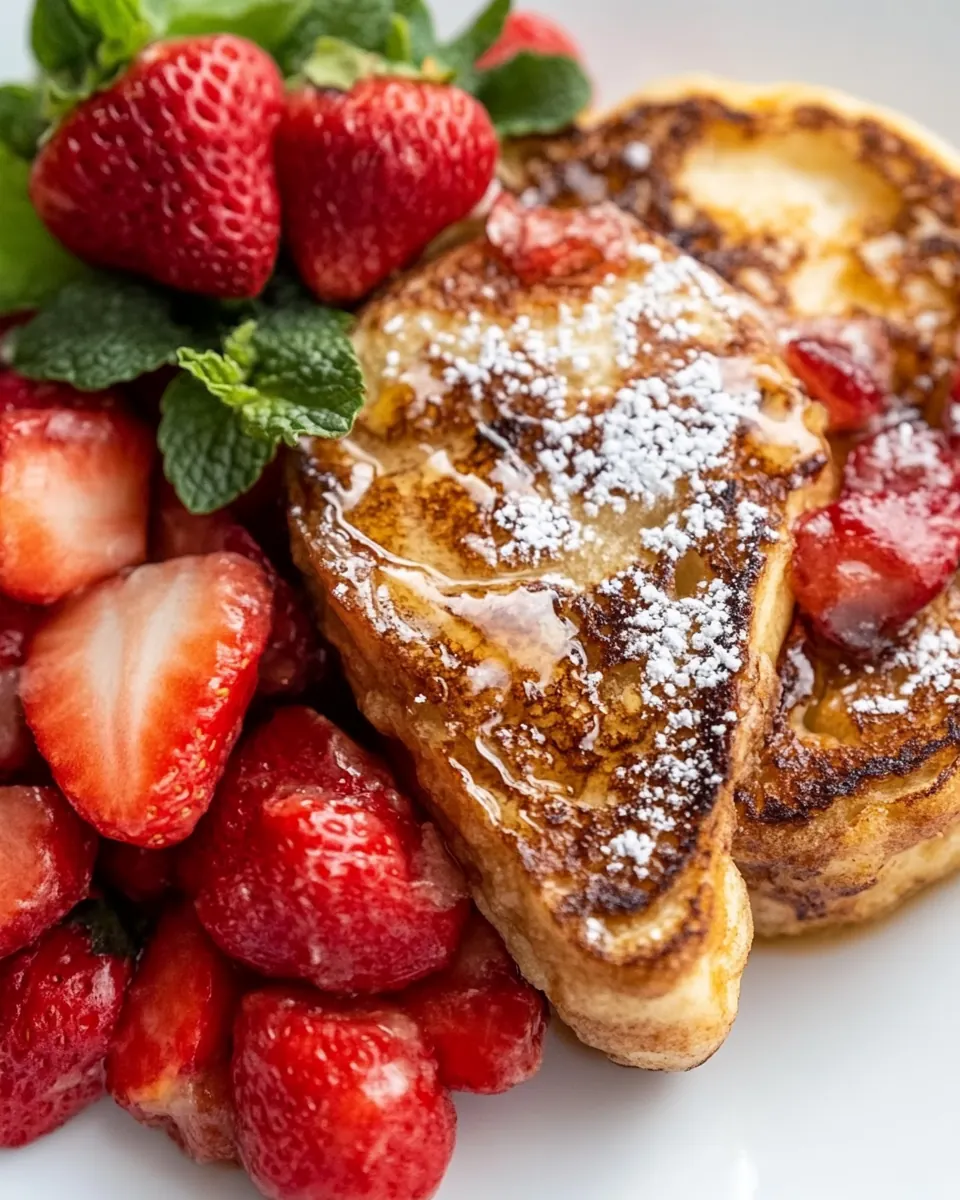
These ingredients are focused on balance. The key players are the custard elements that soak into the bread, the quality bread that provides structure, and the bright, fresh toppings that cut the richness. Each item has a role: the eggs and milk create creaminess, the honey and vanilla add gentle sweetness and aroma, and the toasted almonds and strawberries provide contrasting textures and brightness.
- 1/2 pint fresh strawberries, hulled and sliced: Sweeten and provide bright acidity by adding sliced fruit that contrasts the richness of the custard; hulled and sliced strawberries also offer a fresh, juicy topping and a colorful garnish for serving.
- 2 tablespoons granulated white sugar, divided: Enhance sweetness and help macerate the strawberries when divided between the fruit and custard mixture; granulated sugar also aids in creating a light caramelization when sprinkled on top during cooking or serving.
- 3 tablespoons Grand Marnier, divided: Add a warm, orange-flavored liqueur to deepen the fruit component and infuse the custard with aromatic citrus notes; divide the Grand Marnier between the strawberries and the egg-milk mixture for balanced flavor.
- 6 extra-large eggs: Bind the custard and provide structure for soaking the bread, creating a rich, silky texture when whisked with milk and sugar; extra–large eggs contribute volume, color, and stability during cooking.
- 1 1/2 cups milk or half & half: Provide creaminess and body to the custard base, creating a tender, custard-soaked bread when combined with eggs; choose milk or half & half depending on desired richness.
- 2 tablespoons honey: Introduce a floral sweetness that complements the citrus and strawberries while promoting a glossy finish in the custard; honey also rounds out the overall flavor profile.
- 1 1/2 teaspoons vanilla extract: Impart warm, sweet aromatic notes that enhance overall flavor complexity when blended into the custard; vanilla extract elevates both the custard and any accompanying fruit compote.
- 1 teaspoon grated orange zest: Deliver concentrated citrus aroma and bright, zesty flavor that complements the Grand Marnier and strawberries; grated orange zest adds freshness without extra liquid.
- 2 teaspoons kosher salt: Season the custard and balance the sweetness, helping to enhance all other flavors; kosher salt also supports egg proteins during custard formation and brings out depth in the dish.
- 1 large brioche or challah loaf: Provide substantial, slightly sweet vehicle for soaking with a tender crumb that yields a custardy interior and crisped edges when toasted; use a large brioche or challah loaf for optimal texture.
- unsalted butter: Prevent sticking and promote even browning when used for cooking the soaked bread, contributing a rich mouthfeel; unsalted butter allows controlled seasoning during pan-frying.
- vegetable oil: Offer a neutral frying medium to raise the smoke point and help achieve an evenly browned exterior when combined with butter; vegetable oil also reduces burning risk.
- 1/2 cup sliced almonds, toasted: Add crunch and nutty flavor as a toasted garnish that contrasts the soft, custardy bread; sliced almonds bring texture and visual appeal when sprinkled over the finished dish.
- powdered sugar, for serving: Provide a final touch of sweetness and an attractive snowy finish when dusted over the plated Pain Perdu; powdered sugar also enhances presentation and balances flavors.
Making This Pain Perdu
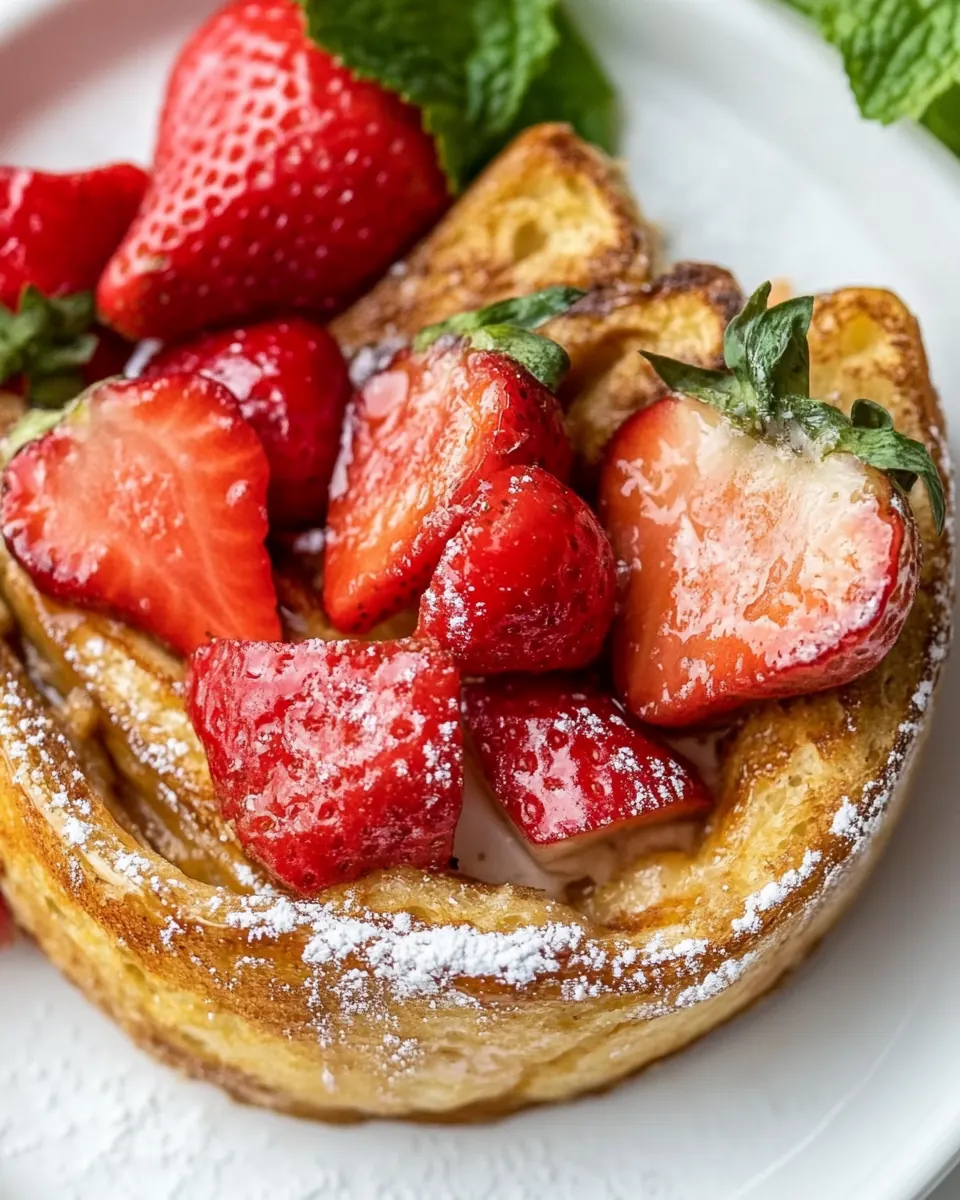
I like to approach the cooking phase with calm and rhythm, so the process feels more like mindful cooking than a race. The skillet work is where the magic happens, and keeping finished slices warm in the oven makes the final plating smooth. Below I’ve expanded each direction into detailed guidance so you can sense when things are right and avoid common missteps.
- In a small bowl, combine the strawberries, 1 tablespoon of the sugar and 1 tablespoon of the Grand Marnier; set aside.: The strawberries should smell bright and slightly perfumed after macerating, with their juices loosening up; this indicates the sugar has drawn out their moisture. Stir gently so the fruit releases liquid without turning mushy, and taste to adjust sweetness. If the bowl feels syrupy right away, you might have used overly ripe berries, so chill them briefly before serving to firm them up.
- Preheat the oven to 250 ℉.: You will notice a gentle warmth in the oven when it reaches two hundred fifty degrees, which is perfect for keeping the cooked slices cozy without continuing to cook them aggressively. This low heat preserves the custardy interior while preventing the exterior from overbrowning. If your oven runs hot, set a timer and check after five minutes, because overheating will dry the slices instead of keeping them tender.
- In a large bowl, whisk together the eggs, milk, honey, 1 tablespoon of sugar, 2 tablespoons of Grand Marnier, vanilla, orange zest and salt. Slice the bread into 3/4-inch slices. Pour the egg mixture into a large, shallow plate, and soak a few slices of bread for 4 minutes, turning once.: The custard should smell of orange and vanilla and feel smooth on your spoon, with honey dissolving into the mixture. When you soak the bread, it should feel pliable and saturated but not falling apart; that balance yields a creamy center after cooking. Over soaking makes the bread gummy and hard to handle, so if the slices start to fall apart, reduce soak time slightly and work in smaller batches.
- Heat one tablespoon each of butter and oil in a very large skillet over medium-heat. Take each slice of bread from the egg mixture, dip one side in the toasted almonds, and place in the skillet almond-side-down (while cooking each batch, add more bread to the egg mixture to soak). Cook 2 to 3 minutes on each side, until nicely browned. Place the cooked bread on a baking sheet and keep it warm in the oven. Wipe out the pan with a dry paper towel, add more butter and oil, and continue to fry the remaining soaked bread until they're all cooked. Sprinkle with powdered sugar and serve hot with the strawberries.: As the fat warms, you will hear a soft sizzle when the first slice hits the pan; that is the sound of proteins setting and sugars beginning to caramelize. The surface should become golden and fragrant within a couple of minutes, and the almonds should toast gently against the bread. If the skillet is too hot, the crust will blacken before the interior sets, so reduce the heat if you smell burning or see dark specks forming.
- Cook 2 to 3 minutes on each side until nicely browned Place the cooked bread on a baking sheet and keep it warm in the oven: The cooked exterior should be a deep golden brown that gives a slight crunch under your fork, while the center remains tender and custardy. The aroma will be rich, with notes of browned butter and orange; transferring slices to the warm oven maintains the texture without overcooking. A common mistake is stacking slices on top of each other to save space, which traps steam and softens the crust, so arrange them in a single layer.
- Wipe out the pan with a dry paper towel add more butter and oil and continue to fry the remaining soaked bread until they are all cooked: Wiping the pan clears away browned bits that can burn the next batch, ensuring consistent color and flavor; adding fresh fat helps recreate that initial sizzle. Each new batch should hit the pan with the same lively sound, and the tiny flecks left behind should be removed to avoid bitterness. If you notice uneven browning between batches, check that the pan surface is clean and the heat is steady, because residue and temperature changes are the main culprits.
- Sprinkle with powdered sugar and serve hot with the strawberries: The final dusting of powdered sugar melts slightly into warm surfaces, softening the edges and adding a pretty contrast. Serving hot ensures the texture remains crisp outside and custardy inside, while the macerated strawberries add fresh acidity that brightens each bite. If you let the slices sit too long, the crust will soften, so serve promptly and enjoy the peak texture.
Helpful Notes about Pain Perdu
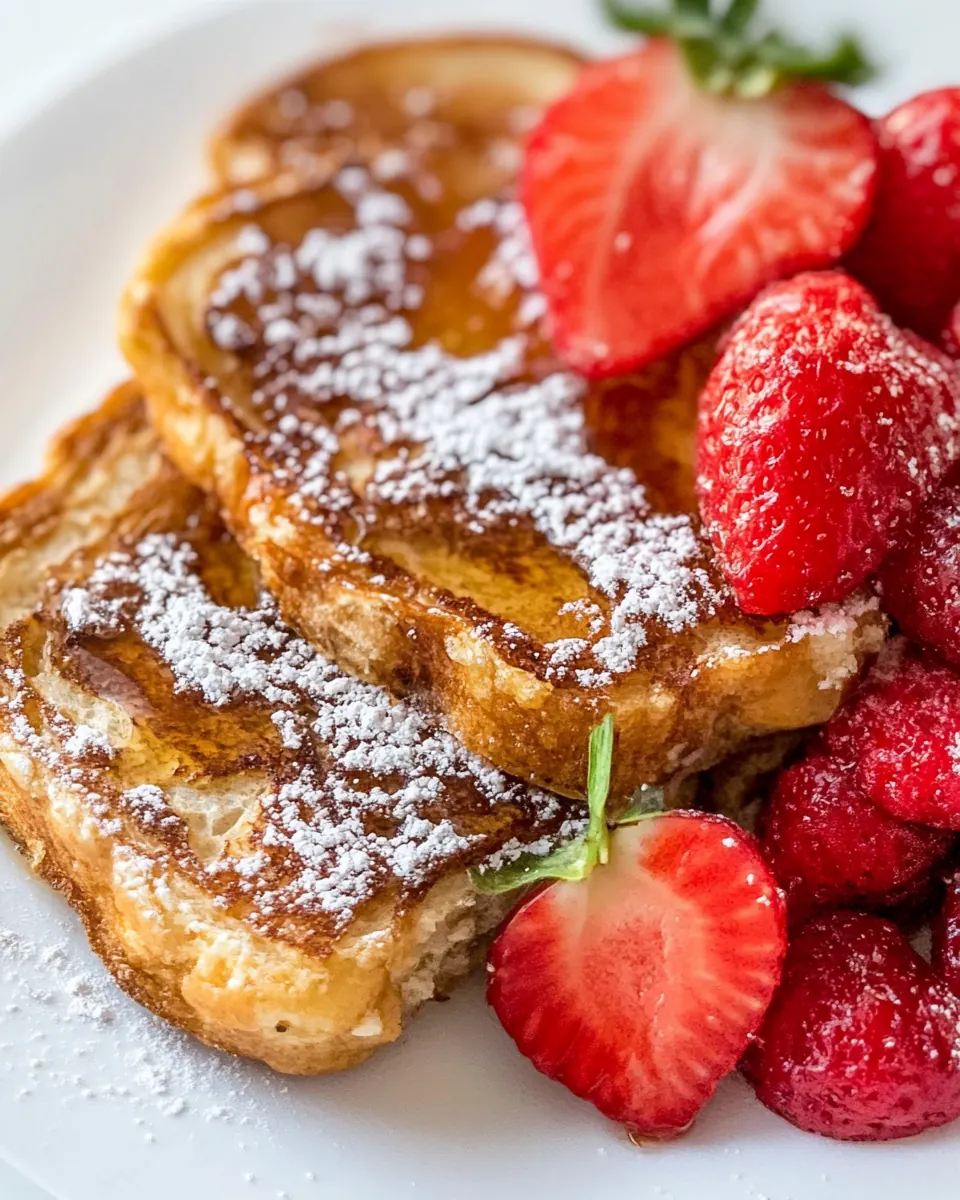
These notes expand on technique and small details that make serving easier and the final result dependable. Read them before you start, and you will save time while getting more consistent outcomes.
- Custard consistency: If your custard seems thin, let it rest five minutes before soaking the bread so the honey dissolves fully and the flavors marry; a thin custard can cause the bread to fall apart during handling.
- Bread choice: Use a dense, rich loaf like brioche or challah for the best soak and texture; lighter breads can become too fragile when saturated.
- Almond trick: Press the sliced almonds onto one side of each soaked slice right before frying so they toast against the hot pan creating a crunchy layer; if you coat them too early they can become soggy.
- Cooking batches: Wipe the skillet between batches to remove brown bits that darken quickly; this keeps each slice tasting fresh and prevents burnt flavors.
- Make ahead: You can prepare the strawberries a few hours ahead and refrigerate them to deepen the flavor, just bring them to room temperature slightly before serving for the best texture.
Accompaniments for Pain Perdu
Serving Pain Perdu well is about contrasts and comfort. Choose sides and occasions that highlight the warm custard and bright fruit, and think about beverages and storage so leftovers stay enjoyable. Below I list practical pairings and seasonal ideas to help you plan a memorable meal.
- Simple breakfast: Serve with a small bowl of the macerated strawberries on the side, a steaming cup of coffee, and a light green tea for a relaxed morning.
- Brunch centerpiece: Arrange slices on a large platter, sprinkle with powdered sugar, and pass additional Grand Marnier for guests who want a splash; this works well for weekend gatherings or casual celebrations.
- Holiday mornings: For a spring holiday or special occasion, pair with a fruit salad and keep a warmed oven to hold slices so everyone can eat at their own pace.
- Storage tips: Store leftover cooked slices in an airtight container in the refrigerator for up to twenty four hours; reheat gently in a skillet to regain some crispness rather than microwaving, which soggifies the crust.
- Seasonal pairings: In spring use fresh berries like the included strawberries, while late summer stone fruits can be swapped in when they are at their peak, preserving the spirit of the recipe.
- Serving style: Dust with powdered sugar just before serving and spoon the strawberries over the top to preserve their bright color and texture.
FAQ
Conclusion
What makes this Pain Perdu special is how it balances a tender, custardy interior with a golden, slightly crunchy exterior and bright, macerated strawberries. The citrus notes from orange zest and the subtle sweetness from honey and vanilla elevate a humble brunch into something celebratory yet approachable. I encourage you to give it a try on a relaxed morning, pay attention to soak time and skillet temperature, and enjoy the comforting aromas as your kitchen fills with the scent of browned butter and orange. Serve it warm, share it if you can, and savor those simple, delicious moments.

Pain Perdu
Equipment
- Large Bowl
- Shallow plate
- Very large skillet
- Baking Sheet
- Dry sauté pan
Ingredients
- 1/2 pint fresh strawberries, hulled and sliced Sweeten and provide bright acidity by adding sliced fruit that contrasts the richness of the custard; hulled and sliced strawberries also offer a fresh, juicy topping and a colorful garnish for serving.
- 2 tablespoons granulated white sugar, divided Enhance sweetness and help macerate the strawberries when divided between the fruit and custard mixture; granulated sugar also aids in creating a light caramelization when sprinkled on top during cooking or serving.
- 3 tablespoons Grand Marnier, divided Add a warm, orange-flavored liqueur to deepen the fruit component and infuse the custard with aromatic citrus notes; divide the Grand Marnier between the strawberries and the egg-milk mixture for balanced flavor.
- 6 extra-large eggs Bind the custard and provide structure for soaking the bread, creating a rich, silky texture when whisked with milk and sugar; extra-large eggs contribute volume, color, and stability during cooking.
- 1 1/2 cups milk or half & half Provide creaminess and body to the custard base, creating a tender, custard-soaked bread when combined with eggs; choose milk or half & half depending on desired richness.
- 2 tablespoons honey Introduce a floral sweetness that complements the citrus and strawberries while promoting a glossy finish in the custard; honey also rounds out the overall flavor profile.
- 1 1/2 teaspoons vanilla extract Impart warm, sweet aromatic notes that enhance overall flavor complexity when blended into the custard; vanilla extract elevates both the custard and any accompanying fruit compote.
- 1 teaspoon grated orange zest Deliver concentrated citrus aroma and bright, zesty flavor that complements the Grand Marnier and strawberries; grated orange zest adds freshness without extra liquid.
- 2 teaspoons kosher salt Season the custard and balance the sweetness, helping to enhance all other flavors; kosher salt also supports egg proteins during custard formation and brings out depth in the dish.
- 1 large brioche or challah loaf Provide substantial, slightly sweet vehicle for soaking with a tender crumb that yields a custardy interior and crisped edges when toasted; use a large brioche or challah loaf for optimal texture.
- unsalted butter Prevent sticking and promote even browning when used for cooking the soaked bread, contributing a rich mouthfeel; unsalted butter allows controlled seasoning during pan-frying.
- vegetable oil Offer a neutral frying medium to raise the smoke point and help achieve an evenly browned exterior when combined with butter; vegetable oil also reduces burning risk.
- 1/2 cup sliced almonds, toasted Add crunch and nutty flavor as a toasted garnish that contrasts the soft, custardy bread; sliced almonds bring texture and visual appeal when sprinkled over the finished dish.
- powdered sugar, for serving Provide a final touch of sweetness and an attractive snowy finish when dusted over the plated Pain Perdu; powdered sugar also enhances presentation and balances flavors.
Instructions
- In a small bowl, combine the strawberries, 1 tablespoon of the sugar and 1 tablespoon of the Grand Marnier; set aside.: The strawberries should smell bright and slightly perfumed after macerating, with their juices loosening up; this indicates the sugar has drawn out their moisture. Stir gently so the fruit releases liquid without turning mushy, and taste to adjust sweetness. If the bowl feels syrupy right away, you might have used overly ripe berries, so chill them briefly before serving to firm them up.
- Preheat the oven to 250 ℉.: You will notice a gentle warmth in the oven when it reaches two hundred fifty degrees, which is perfect for keeping the cooked slices cozy without continuing to cook them aggressively. This low heat preserves the custardy interior while preventing the exterior from overbrowning. If your oven runs hot, set a timer and check after five minutes, because overheating will dry the slices instead of keeping them tender.
- In a large bowl, whisk together the eggs, milk, honey, 1 tablespoon of sugar, 2 tablespoons of Grand Marnier, vanilla, orange zest and salt. Slice the bread into 3/4-inch slices. Pour the egg mixture into a large, shallow plate, and soak a few slices of bread for 4 minutes, turning once.: The custard should smell of orange and vanilla and feel smooth on your spoon, with honey dissolving into the mixture. When you soak the bread, it should feel pliable and saturated but not falling apart; that balance yields a creamy center after cooking. Over soaking makes the bread gummy and hard to handle, so if the slices start to fall apart, reduce soak time slightly and work in smaller batches.
- Heat one tablespoon each of butter and oil in a very large skillet over medium-heat. Take each slice of bread from the egg mixture, dip one side in the toasted almonds, and place in the skillet almond-side-down (while cooking each batch, add more bread to the egg mixture to soak). Cook 2 to 3 minutes on each side, until nicely browned. Place the cooked bread on a baking sheet and keep it warm in the oven. Wipe out the pan with a dry paper towel, add more butter and oil, and continue to fry the remaining soaked bread until they're all cooked. Sprinkle with powdered sugar and serve hot with the strawberries.: As the fat warms, you will hear a soft sizzle when the first slice hits the pan; that is the sound of proteins setting and sugars beginning to caramelize. The surface should become golden and fragrant within a couple of minutes, and the almonds should toast gently against the bread. If the skillet is too hot, the crust will blacken before the interior sets, so reduce the heat if you smell burning or see dark specks forming.
- Cook 2 to 3 minutes on each side until nicely browned Place the cooked bread on a baking sheet and keep it warm in the oven: The cooked exterior should be a deep golden brown that gives a slight crunch under your fork, while the center remains tender and custardy. The aroma will be rich, with notes of browned butter and orange; transferring slices to the warm oven maintains the texture without overcooking. A common mistake is stacking slices on top of each other to save space, which traps steam and softens the crust, so arrange them in a single layer.
- Wipe out the pan with a dry paper towel add more butter and oil and continue to fry the remaining soaked bread until they are all cooked: Wiping the pan clears away browned bits that can burn the next batch, ensuring consistent color and flavor; adding fresh fat helps recreate that initial sizzle. Each new batch should hit the pan with the same lively sound, and the tiny flecks left behind should be removed to avoid bitterness. If you notice uneven browning between batches, check that the pan surface is clean and the heat is steady, because residue and temperature changes are the main culprits.
- Sprinkle with powdered sugar and serve hot with the strawberries: The final dusting of powdered sugar melts slightly into warm surfaces, softening the edges and adding a pretty contrast. Serving hot ensures the texture remains crisp outside and custardy inside, while the macerated strawberries add fresh acidity that brightens each bite. If you let the slices sit too long, the crust will soften, so serve promptly and enjoy the peak texture.
Notes
- Custard consistency: If your custard seems thin, let it rest five minutes before soaking the bread so the honey dissolves fully and the flavors marry; a thin custard can cause the bread to fall apart during handling.
- Bread choice: Use a dense, rich loaf like brioche or challah for the best soak and texture; lighter breads can become too fragile when saturated.
- Almond trick: Press the sliced almonds onto one side of each soaked slice right before frying so they toast against the hot pan creating a crunchy layer; if you coat them too early they can become soggy.
- Cooking batches: Wipe the skillet between batches to remove brown bits that darken quickly; this keeps each slice tasting fresh and prevents burnt flavors.
- Make ahead: You can prepare the strawberries a few hours ahead and refrigerate them to deepen the flavor, just bring them to room temperature slightly before serving for the best texture.