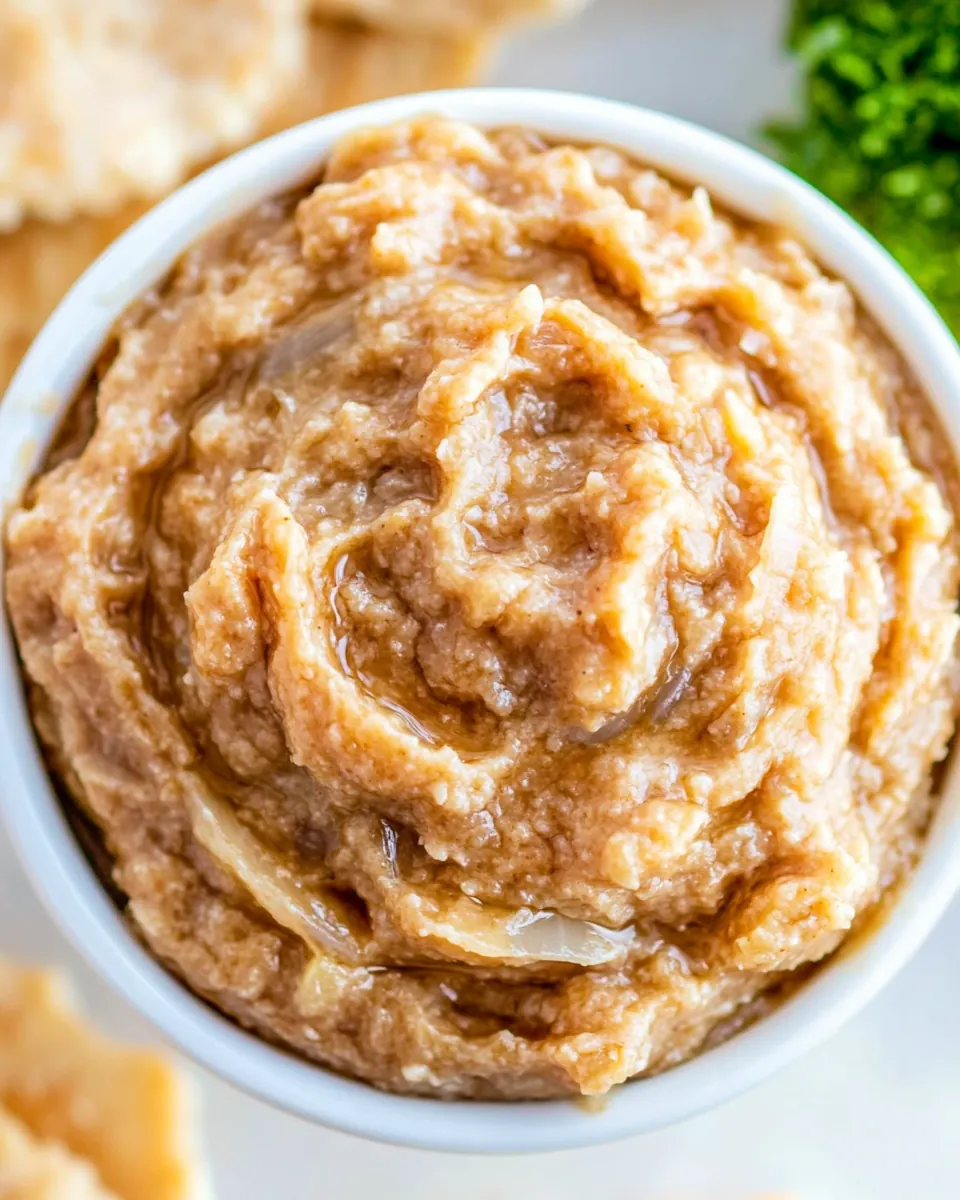
Sweet Caramelized Onion Spread
Sweet Caramelized Onion Spread is one of those simple pleasures I reach for when I want to turn ordinary crackers or vegetables into something memorable. The first time I made this spread I was hosting a last minute book club, and I remember the room going quiet as everyone tried it, eyes lighting up at the sweet, silky bite. I like that it feels indulgent without being fussy, and that it lets humble onion become the star.
Over the years I learned little tricks that make a big difference, like choosing a sweet variety of onion and letting it sweat gently until the edges kiss golden brown. I often double the batch because it disappears faster than I expect, whether people are snacking between courses or piling it onto warm bread. This recipe is also wonderfully forgiving, so it’s been my go to when I need a last minute appetizer that still feels intentional.
Recipe Snapshot
30 mins
20 mins
10 mins
Easy
120 kcal
American
Keto, Gluten-Free
Appetizers
Large skillet, Food processor
What You’ll Enjoy About This Sweet Caramelized Onion Spread
Amazing depth from simple steps
I love that Sweet Caramelized Onion Spread builds complex flavor from minimal technique. A slow saute concentrates natural sugars in the onion, giving a rich taste that tastes like hours of effort, even though the recipe is straightforward. I appreciate recipes that reward patience, and this one does, every time.
Versatile serving options
We can use this spread on crackers, crisp vegetables, or as a sandwich accent. Because it has creamy elements like cream cheese and sour cream, it doubles as a dip or a spread. I often bring it to gatherings because it pairs with many different dippers, so it’s a crowd pleaser without tailoring.
Balanced creaminess and sweetness
The combination of cream cheese, mayonnaise, and sour cream creates a silky base that carries the sweet, caramelized onion without becoming too heavy. I think of the dairy as a velvet cloak for the onions, smoothing sharp edges while letting the natural sweetness shine through.
Speed and make ahead convenience
Once the onion is caramelized, everything comes together in the food processor in minutes. I’ve made the spread a day ahead and honestly it often tastes better after a short rest, when the flavors meld. For hosts who need prep friendly recipes, this one is a win.
Simple pantry ingredients
I love that you likely already have most of the ingredients on hand: butter, onion, a clove of garlic, and a few dairy items. That accessibility makes it a recipe I return to whenever I want an impressive appetizer without a grocery run.
Shopping List for Sweet Caramelized Onion Spread
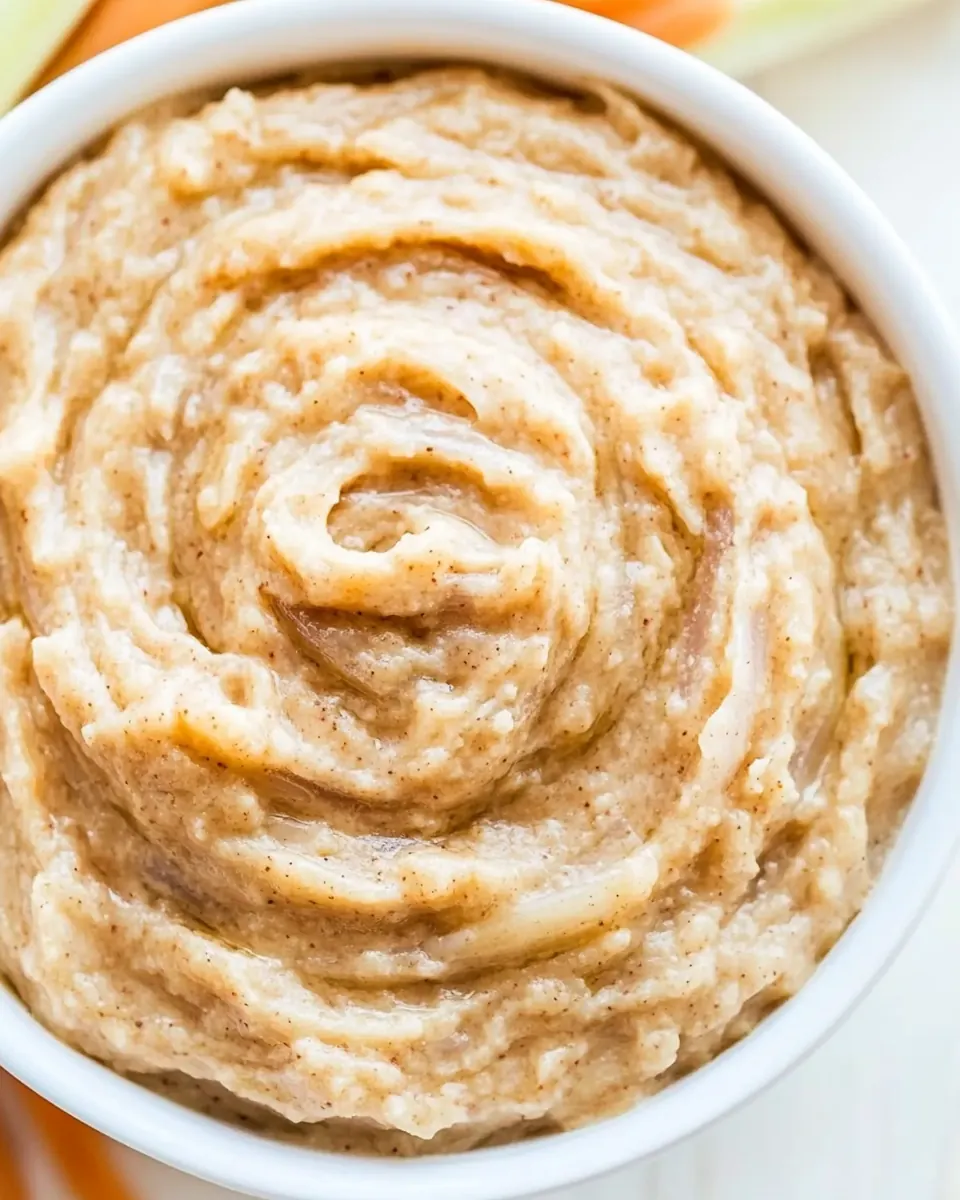
These ingredients work together to balance sweet, creamy, and savory notes. The key players are the caramelized onion which provides deep sweetness and texture, and the trio of creamy elements that create a spreadable body. A small amount of butter helps with caramelization, while garlic and seasonings bring brightness. Together they form a spread that is both simple and layered.
- 1 tablespoon butter: Adds richness and a silky mouthfeel while helping to gently sauté and caramelize the onions; melts quickly and imparts a mild dairy sweetness that balances savory notes. Use at the start of cooking to prevent sticking and to deliver a glossy finish to the spread.
- 2 medium Vidalia sweet onions, sliced: Provides a sweet, mild onion base that caramelizes into deep, sugary layers; slicing allows even cooking and maximum surface exposure for browning. Cook slowly until soft and golden to build the spread’s characteristic sweet-savory flavor.
- 4 ounces cream cheese, softened: Contributes creamy tang and smooth texture while helping bind the mixture into a spreadable consistency; softening ensures easy incorporation for a uniform mouthfeel. Adds subtle dairy richness that complements the caramelized onions without overpowering them.
- 1/2 cup mayonnaise: Adds creaminess and slight acidity while loosening the mixture for spreading; mayonnaise also enhances emulsification and mouth-coating texture. Use to balance the tang of sour cream and to enrich the overall flavor profile.
- 1/2 cup sour cream: Provides tangy creaminess and a bright, slightly acidic counterpoint to the sweet onions; creates a luscious, spreadable body when combined with cream cheese and mayonnaise. Chilled sour cream helps maintain a cool, refreshing contrast to warm caramelized flavors.
- 1 medium garlic clove, minced: Adds aromatic pungency and savory depth while cutting through the sweetness; mincing releases strong garlic oils for even distribution. Incorporate sparingly to avoid overpowering the delicate sweet onion notes.
- salt and black pepper, to taste: Season to enhance and balance flavors by bringing out sweetness and suppressing bitterness; salt also helps draw moisture from onions during cooking for better caramelization. Adjust to taste so the spread remains flavorful without becoming salty.
- cayenne pepper, to taste: Provides a sharp, warming heat accent that lifts the spread and adds complexity; a small pinch adds depth without overwhelming the sweet and creamy elements. Use sparingly to create a subtle, lingering kick.
The Method for Sweet Caramelized Onion Spread
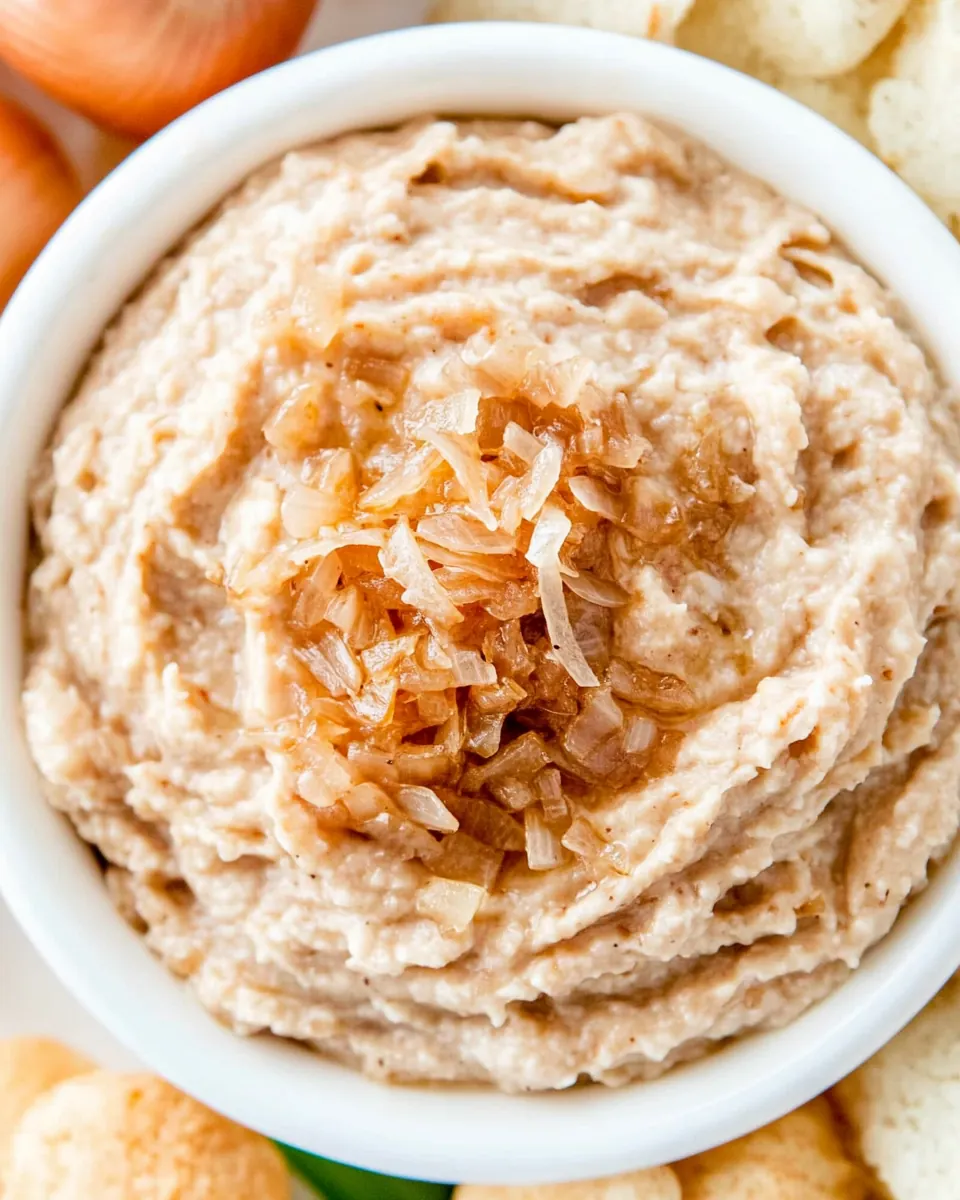
I like to think of this method as a short journey from stovetop aroma to a silky, chilled spread. The few minutes spent caramelizing the onion are what unlock the recipe’s soul, and the food processor step ties everything into a cohesive texture you can spoon straight onto crackers. Follow each part slowly and enjoy the sensory cues along the way.
- In a large skillet, sauté the onion in butter for 8 to 10 minutes on medium-high heat to lightly caramelize; add the garlic and cool.: Warmth will transform the sliced onion into soft ribbons, releasing sweet, floral notes and a gentle toasted aroma. During this stage you should hear a steady, quiet sizzle as the moisture evaporates and the sugars begin to concentrate, producing edges that turn translucent then amber. The butter will foam and then clarify slightly, leaving nutty browned bits on the pan, which are flavor gold. When you add the minced garlic , the scent will turn more aromatic for a brief moment, so stir for only a minute to avoid burning; burnt garlic tastes bitter and will ruin the mellow sweetness. A typical pitfall is using too high heat, which leads to dark char instead of even caramel color, so moderate the flame and be patient. Once the onion takes on a golden hue and tastes sweet rather than sharp, remove it from heat and let it cool so the dairy ingredients do not melt when combined. Cooling also helps preserve texture, preventing a runny spread. If your skillet is overcrowded the onion will steam and never caramelize properly, so work in batches if needed.
- Combine all ingredients in food processor and blend. Add salt and pepper to taste.: The moment you pulse, you will notice the aroma gently shift as the creamy elements and cooked onion marry. The sound in the processor is a steady hum, and the mixture should start to look glossy and uniform as the cream cheese , mayonnaise , and sour cream emulsify around the caramelized ribbons. This texture is crucial for spreadability, and pulsation rather than continuous running helps you control the final consistency. You want a spread that holds some body, not a thin purée, so check frequently to stop when you reach a smooth yet slightly textured finish. If you blend too long, the heat from the motor can warm the mixture and make it softer than desired, so brief pulses are better. Taste after blending and decide on salt and pepper adjustments, because the process can mute some flavors and the balance may shift slightly.
- Serve with crackers and/or raw vegetables.: Salt will amplify the sweet, caramel notes of the onion , and freshly ground black pepper gives a faint bite that keeps the spread from being cloying. After blending, sample a small spoonful chilled, because cold tastes different than room temperature; seasoning at this point ensures the final chilled spread is well balanced. A common error is oversalting early in the process before the dairy and onions have combined, which can lead to an overly salty result once everything melds. Adjust gradually, resting between additions, and if you go too far you can temper the salt with a touch more sour cream or cream cheese .
- Serve with crackers and/or raw vegetables: When plated, the spread should glisten slightly and hold its shape on a cracker while still yielding easily with a gentle bite. Visually, you will see flecks of caramelized onion woven into the creamy base, and the aromatic profile should be sweet, tangy, and faintly savory. For temperature cues, serving chilled offers a firmer texture and crisper mouthfeel, while near room temperature will feel silkier and more aromatic. One trap is leaving the spread at warm room temperature for too long, which can soften it excessively and change the intended experience. Present it with contrasting crunch like crisp crackers or raw vegetables to highlight the spread's creamy nature, and refill as needed because it disappears quickly once guests taste it.
Ways to Customize
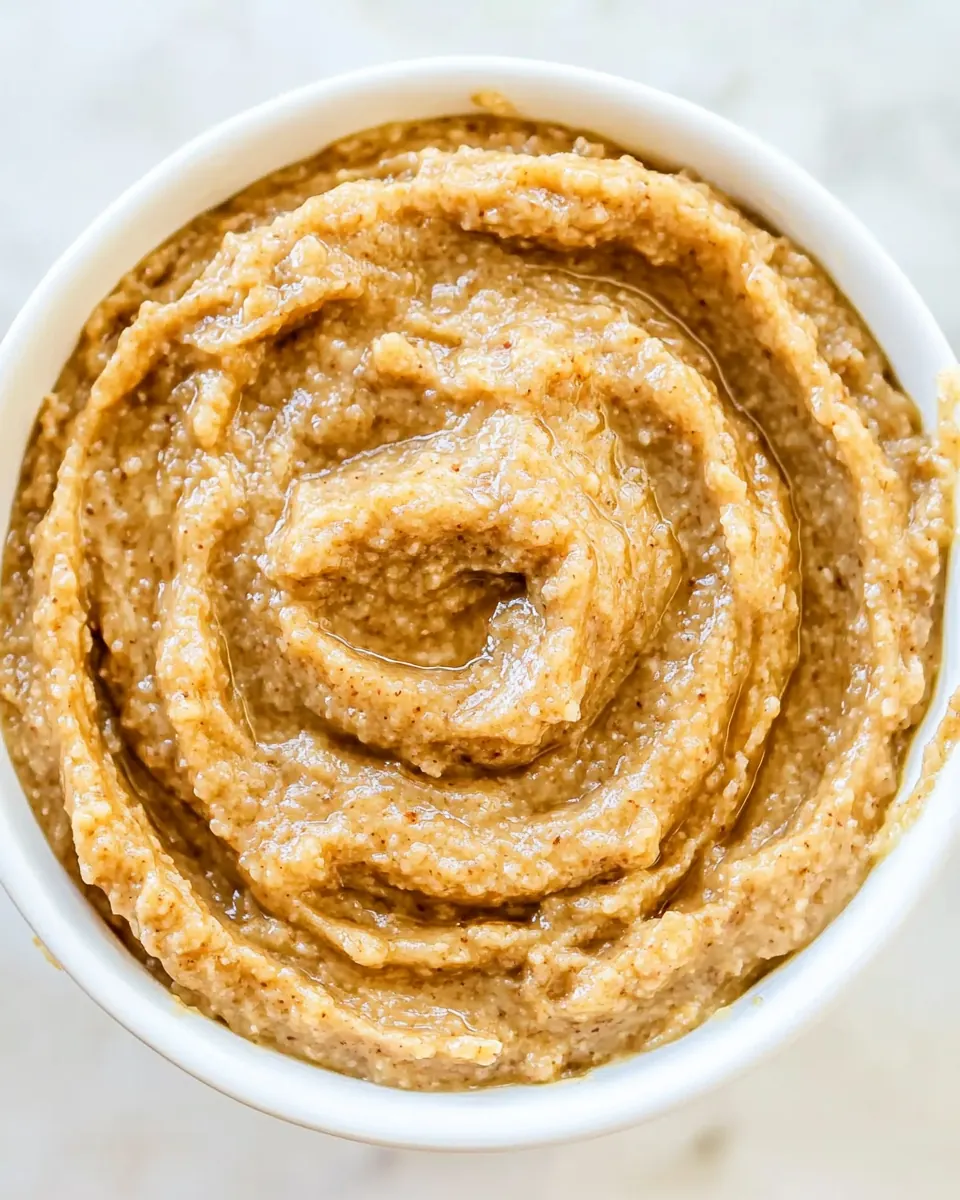
This spread is a canvas for small adjustments that alter texture and flavor. Below are practical ideas you can apply without changing the recipe structure. Each tip starts with a bold phrase to highlight the approach.
- Use milder or stronger onions Swap Vidalia for another sweet onion or a milder variety if you prefer subtler sweetness, but keep in mind the natural sugar content drives caramelization and final flavor.
- Adjust creaminess Increase or decrease the amount of mayonnaise or sour cream to make the spread looser or firmer, tasting as you go to keep the balance.
- Control the heat Add cayenne gradually to nudge warmth; a pinch distributes heat evenly while preserving the spread’s sweet profile.
- Garlic intensity Mince the garlic very finely for a subtle lift, or reduce it if you prefer the onion to dominate.
- Make it ahead Prepare the spread a day early and chill, because resting helps flavors integrate and improves overall harmony.
Great Combinations for Sweet Caramelized Onion Spread
This spread pairs well with a variety of carriers and occasions. Consider how texture and temperature contrast with the creamy spread to create interest. Below are ideas for serving, storage, and occasions where this recipe excels.
- On a simple platter Arrange the spread with an assortment of crackers, pita chips, and raw vegetables like carrot sticks and cucumber slices for a casual party appetizer that caters to many tastes.
- As a sandwich accent Use a thin smear on a sandwich or wrap to add sweet savory depth, especially with roasted vegetables or grilled cheeses for lunch or a light dinner option.
- For holiday gatherings Bring this spread to fall gatherings as an unexpected starter that complements baked cheeses and charcuterie, though it is meat free and versatile for many guest lists.
- Storage tips Keep the spread in an airtight container in the refrigerator for up to five days; the texture firms as it chills, and flavors continue to meld.
- Seasonal pairing This spread is excellent during fall when sweet onions are at their peak, pairing well with roasted root vegetables and hearty crackers at cozy get togethers.
FAQ
Conclusion
Sweet Caramelized Onion Spread stands out because it transforms simple, accessible ingredients into a rich, savory spread that feels special yet is effortless to make. The caramelized onion provides deep sweetness while the trio of creamy elements adds body and balance, making it suitable for parties or quiet snacks. I encourage you to give it a try, because it requires only a little hands on time and rewards you with a versatile appetizer that guests will keep asking for.
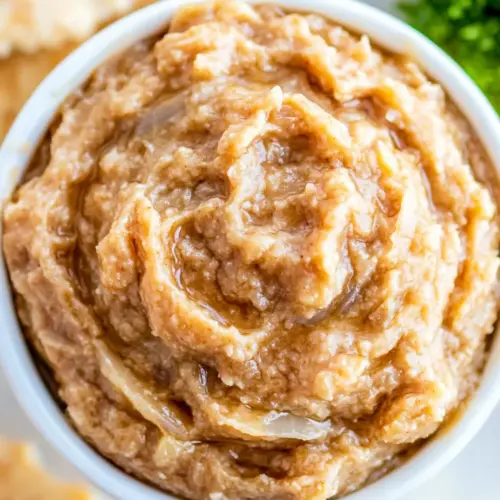
Sweet Caramelized Onion Spread
Equipment
- Large Skillet
- Food Processor
Ingredients
- 1 tablespoon butter Adds richness and a silky mouthfeel while helping to gently sauté and caramelize the onions; melts quickly and imparts a mild dairy sweetness that balances savory notes. Use at the start of cooking to prevent sticking and to deliver a glossy finish to the spread.
- 2 medium Vidalia sweet onions, sliced Provides a sweet, mild onion base that caramelizes into deep, sugary layers; slicing allows even cooking and maximum surface exposure for browning. Cook slowly until soft and golden to build the spread’s characteristic sweet-savory flavor.
- 4 ounces cream cheese, softened Contributes creamy tang and smooth texture while helping bind the mixture into a spreadable consistency; softening ensures easy incorporation for a uniform mouthfeel. Adds subtle dairy richness that complements the caramelized onions without overpowering them.
- 1/2 cup mayonnaise Adds creaminess and slight acidity while loosening the mixture for spreading; mayonnaise also enhances emulsification and mouth-coating texture. Use to balance the tang of sour cream and to enrich the overall flavor profile.
- 1/2 cup sour cream Provides tangy creaminess and a bright, slightly acidic counterpoint to the sweet onions; creates a luscious, spreadable body when combined with cream cheese and mayonnaise. Chilled sour cream helps maintain a cool, refreshing contrast to warm caramelized flavors.
- 1 medium garlic clove, minced Adds aromatic pungency and savory depth while cutting through the sweetness; mincing releases strong garlic oils for even distribution. Incorporate sparingly to avoid overpowering the delicate sweet onion notes.
- salt and black pepper, to taste Season to enhance and balance flavors by bringing out sweetness and suppressing bitterness; salt also helps draw moisture from onions during cooking for better caramelization. Adjust to taste so the spread remains flavorful without becoming salty.
- cayenne pepper, to taste Provides a sharp, warming heat accent that lifts the spread and adds complexity; a small pinch adds depth without overwhelming the sweet and creamy elements. Use sparingly to create a subtle, lingering kick.
Instructions
- In a large skillet, sauté the onion in butter for 8 to 10 minutes on medium-high heat to lightly caramelize; add the garlic and cool.: Warmth will transform the sliced onion into soft ribbons, releasing sweet, floral notes and a gentle toasted aroma. During this stage you should hear a steady, quiet sizzle as the moisture evaporates and the sugars begin to concentrate, producing edges that turn translucent then amber. The butter will foam and then clarify slightly, leaving nutty browned bits on the pan, which are flavor gold. When you add the minced garlic , the scent will turn more aromatic for a brief moment, so stir for only a minute to avoid burning; burnt garlic tastes bitter and will ruin the mellow sweetness. A typical pitfall is using too high heat, which leads to dark char instead of even caramel color, so moderate the flame and be patient. Once the onion takes on a golden hue and tastes sweet rather than sharp, remove it from heat and let it cool so the dairy ingredients do not melt when combined. Cooling also helps preserve texture, preventing a runny spread. If your skillet is overcrowded the onion will steam and never caramelize properly, so work in batches if needed.
- Combine all ingredients in food processor and blend. Add salt and pepper to taste.: The moment you pulse, you will notice the aroma gently shift as the creamy elements and cooked onion marry. The sound in the processor is a steady hum, and the mixture should start to look glossy and uniform as the cream cheese , mayonnaise , and sour cream emulsify around the caramelized ribbons. This texture is crucial for spreadability, and pulsation rather than continuous running helps you control the final consistency. You want a spread that holds some body, not a thin purée, so check frequently to stop when you reach a smooth yet slightly textured finish. If you blend too long, the heat from the motor can warm the mixture and make it softer than desired, so brief pulses are better. Taste after blending and decide on salt and pepper adjustments, because the process can mute some flavors and the balance may shift slightly.
- Serve with crackers and/or raw vegetables.: Salt will amplify the sweet, caramel notes of the onion , and freshly ground black pepper gives a faint bite that keeps the spread from being cloying. After blending, sample a small spoonful chilled, because cold tastes different than room temperature; seasoning at this point ensures the final chilled spread is well balanced. A common error is oversalting early in the process before the dairy and onions have combined, which can lead to an overly salty result once everything melds. Adjust gradually, resting between additions, and if you go too far you can temper the salt with a touch more sour cream or cream cheese .
- Serve with crackers and/or raw vegetables: When plated, the spread should glisten slightly and hold its shape on a cracker while still yielding easily with a gentle bite. Visually, you will see flecks of caramelized onion woven into the creamy base, and the aromatic profile should be sweet, tangy, and faintly savory. For temperature cues, serving chilled offers a firmer texture and crisper mouthfeel, while near room temperature will feel silkier and more aromatic. One trap is leaving the spread at warm room temperature for too long, which can soften it excessively and change the intended experience. Present it with contrasting crunch like crisp crackers or raw vegetables to highlight the spread's creamy nature, and refill as needed because it disappears quickly once guests taste it.
Notes
- Use milder or stronger onions Swap Vidalia for another sweet onion or a milder variety if you prefer subtler sweetness, but keep in mind the natural sugar content drives caramelization and final flavor.
- Adjust creaminess Increase or decrease the amount of mayonnaise or sour cream to make the spread looser or firmer, tasting as you go to keep the balance.
- Control the heat Add cayenne gradually to nudge warmth; a pinch distributes heat evenly while preserving the spread’s sweet profile.
- Garlic intensity Mince the garlic very finely for a subtle lift, or reduce it if you prefer the onion to dominate.
- Make it ahead Prepare the spread a day early and chill, because resting helps flavors integrate and improves overall harmony.
